

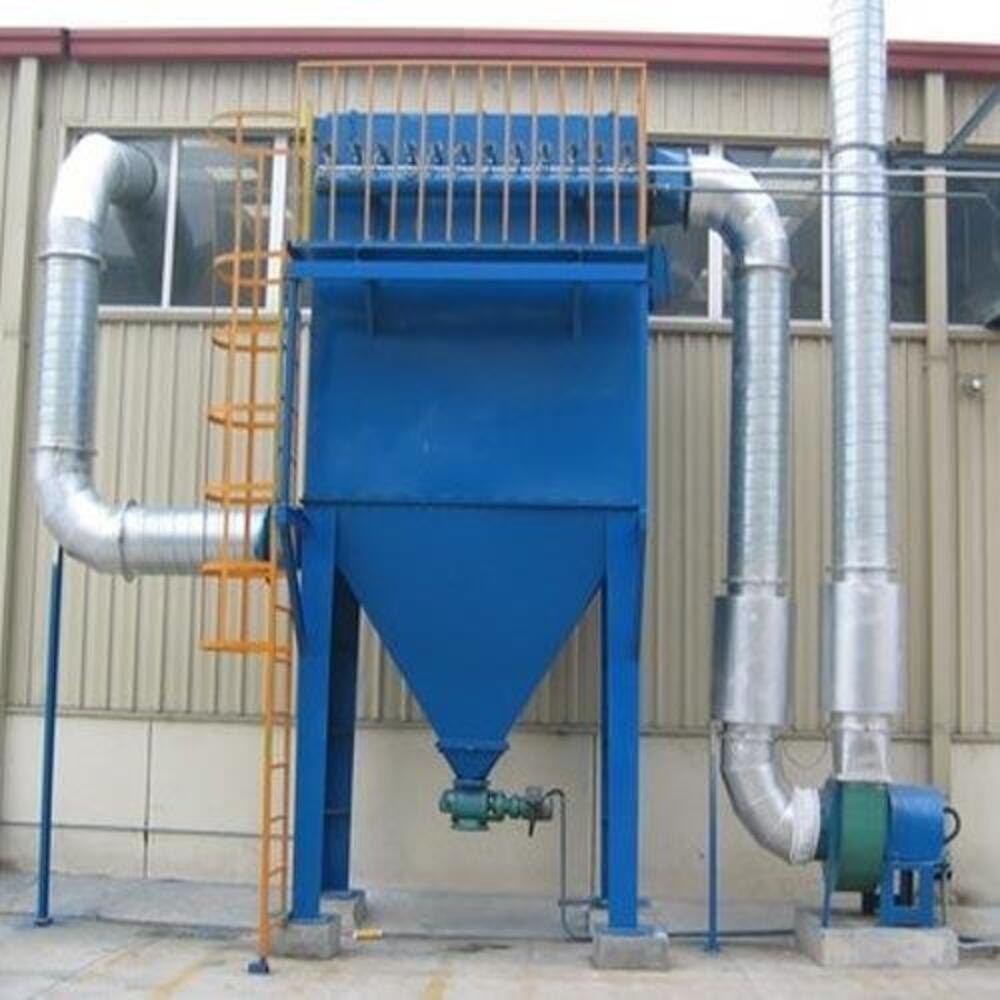
Industrial Mechanical Dust Collector System - High-Efficiency Air Filtration Unit
View Details
Industrial Mechanical Dust Collector System - High-Efficiency Air Filtration Unit
View Details
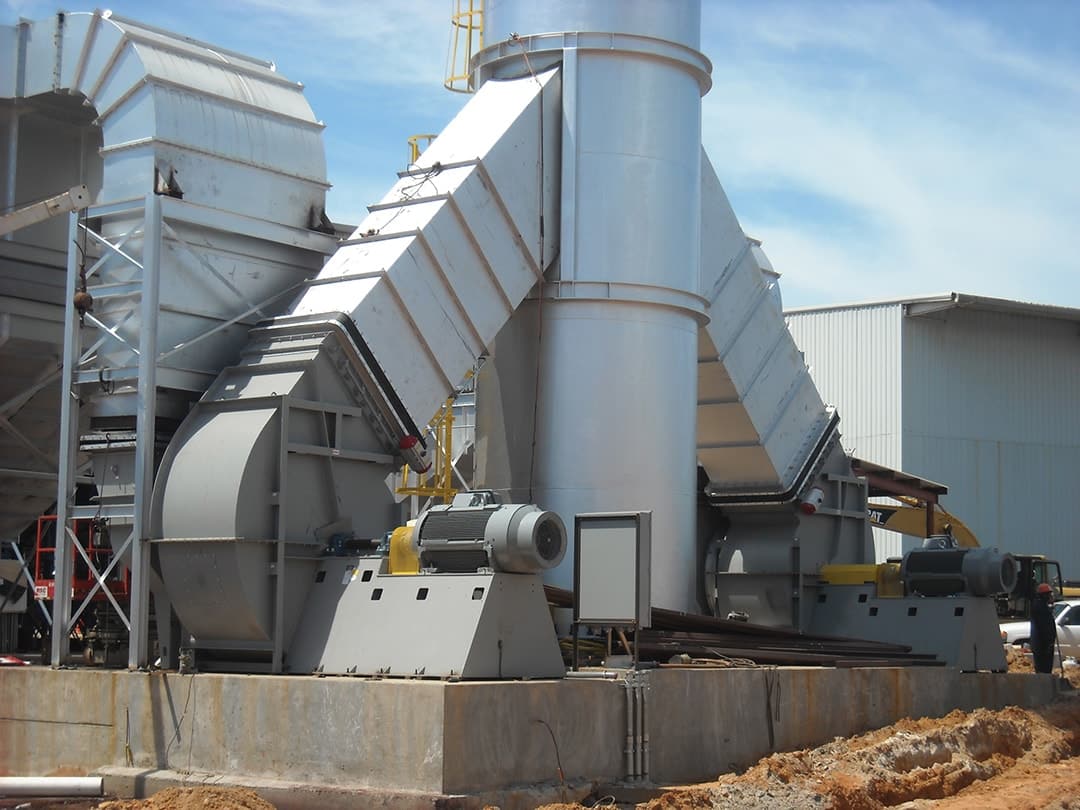
Industrial Fume Extraction System - High-Efficiency Air Filtration Unit
View Details
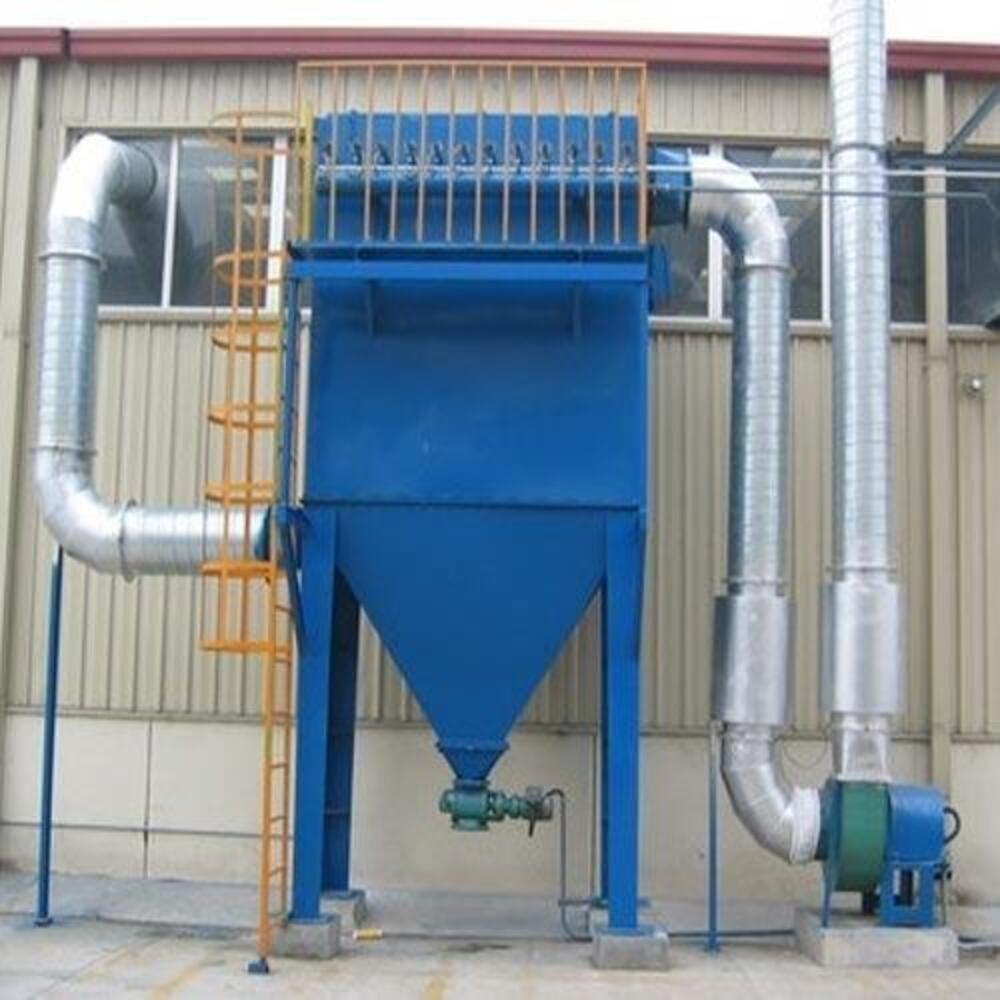
Industrial Bag Filter Dust Collection System - High-Efficiency Air Filtration Unit
View Details
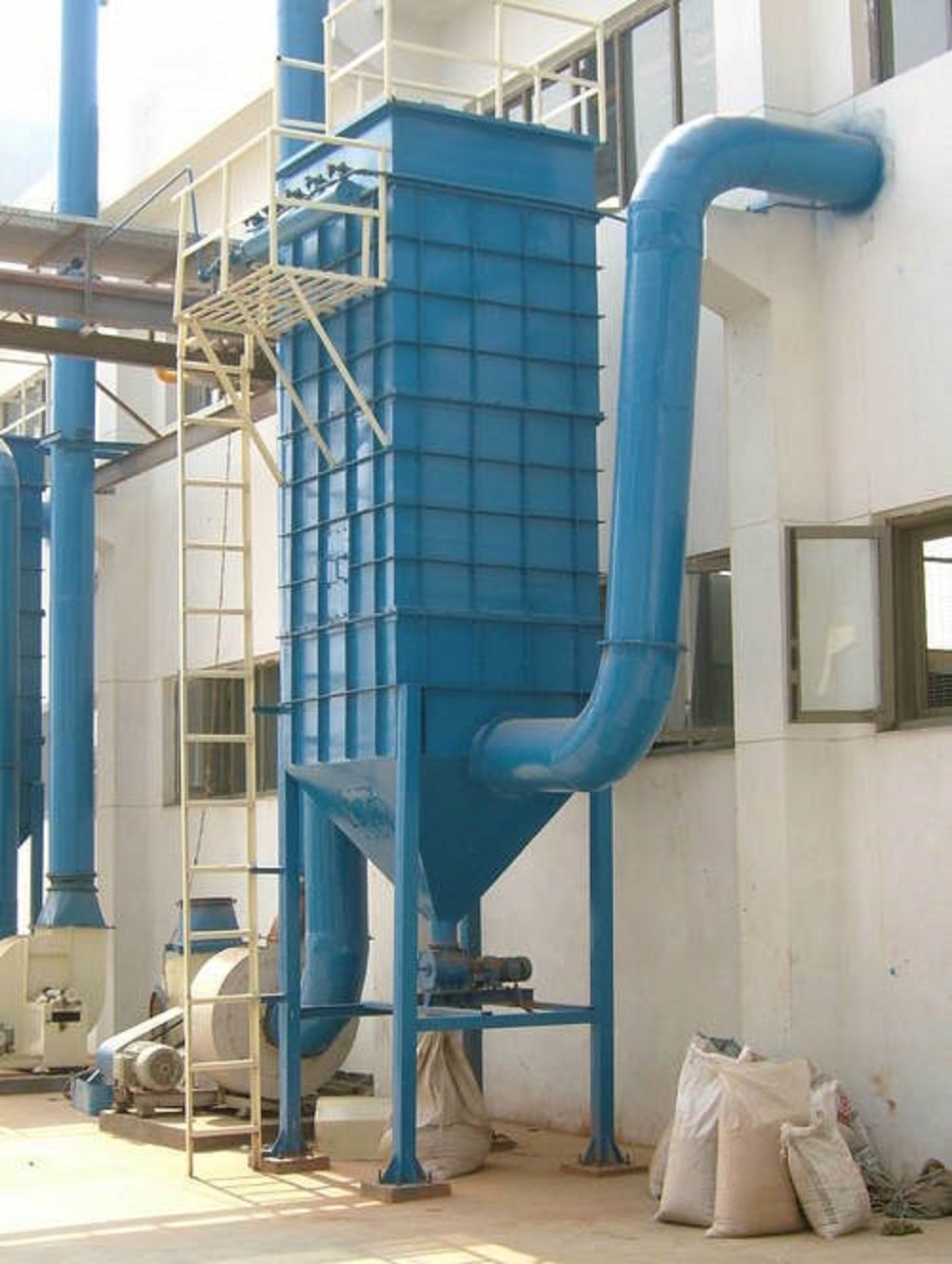
Industrial Dust Collection Bag Filter System - High Efficiency Air Filtration Unit
View Details
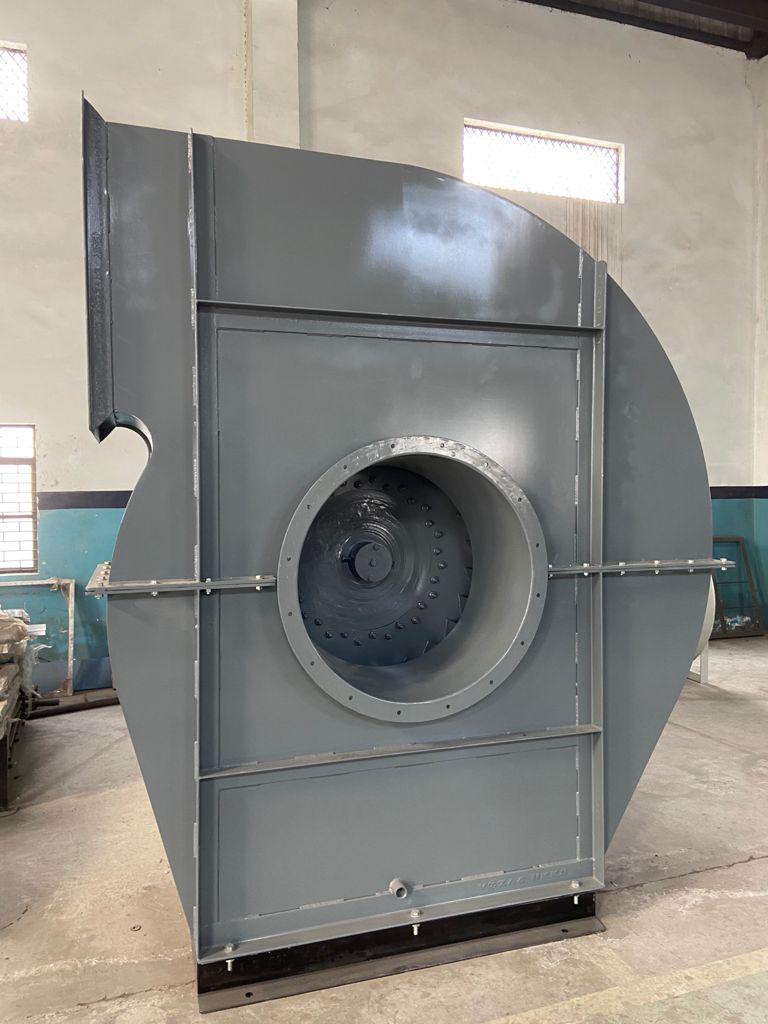
Industrial Mild Steel Centrifugal Blower - High Efficiency Air Handling Unit
View Details
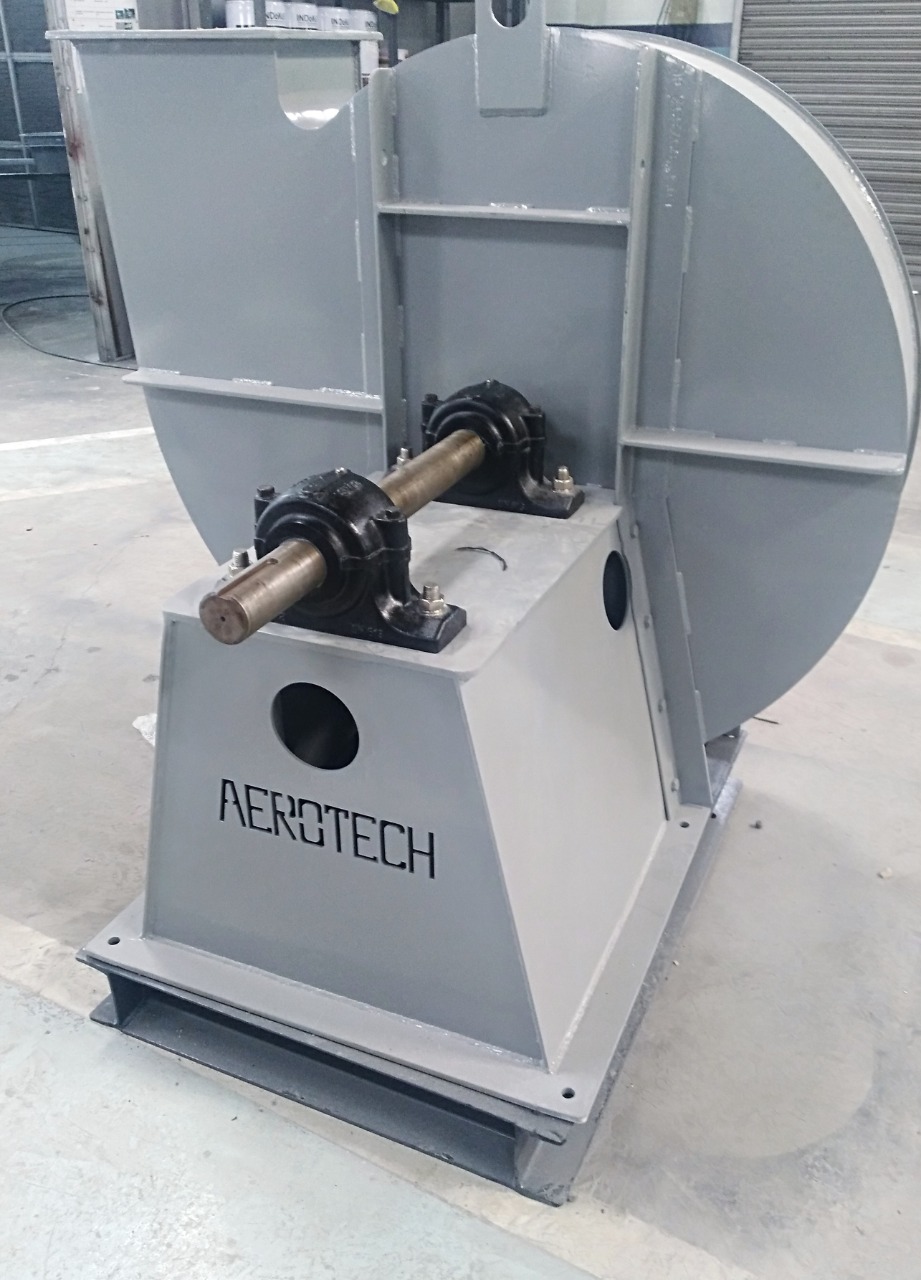
Industrial Centrifugal Air Handling System - Heavy-Duty Steel Housing
View Details
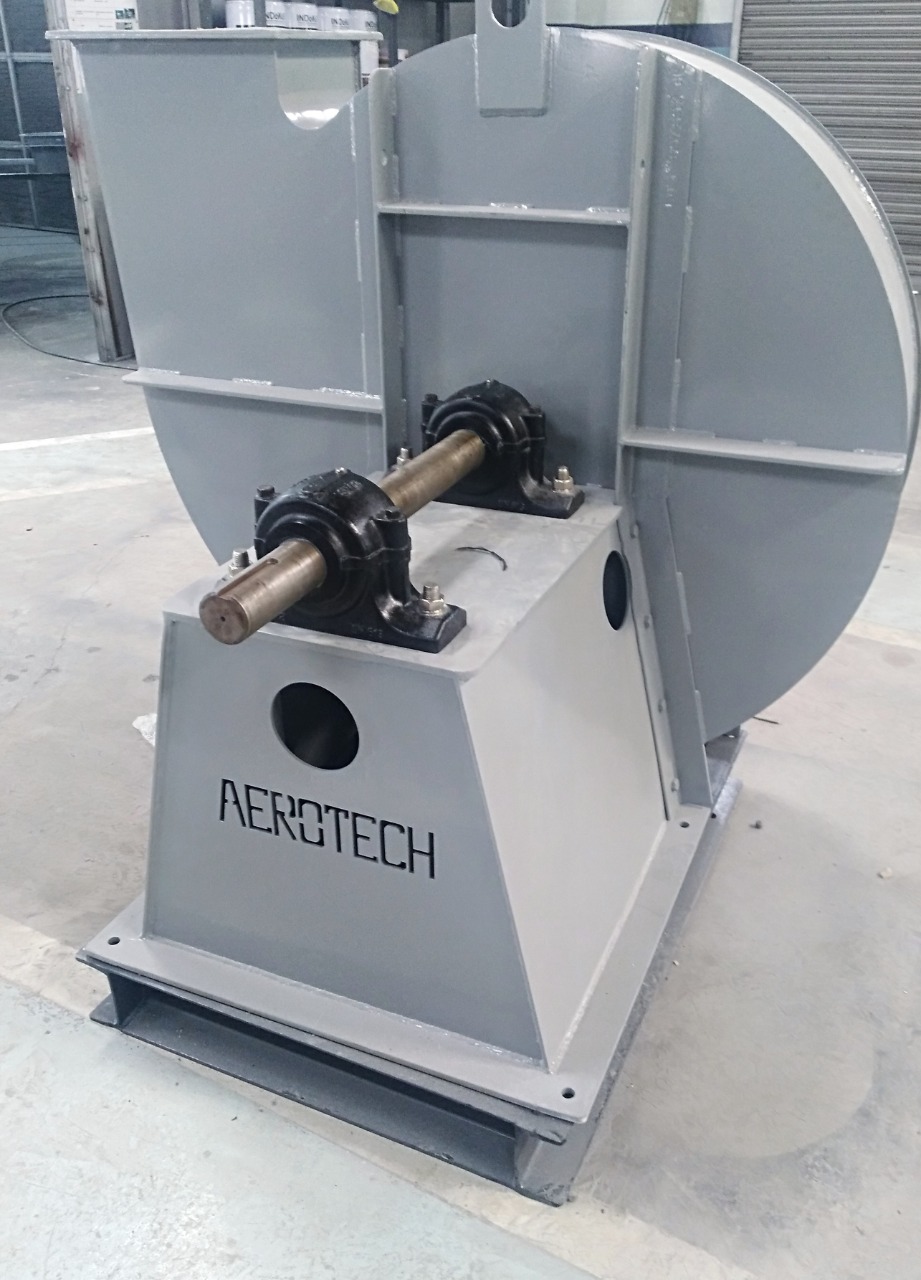
Industrial Centrifugal Air Ventilation System – Heavy Duty Steel Housing
View Details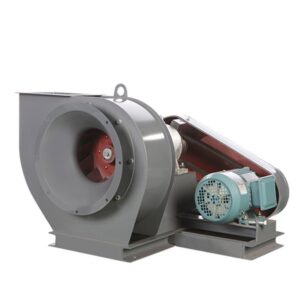
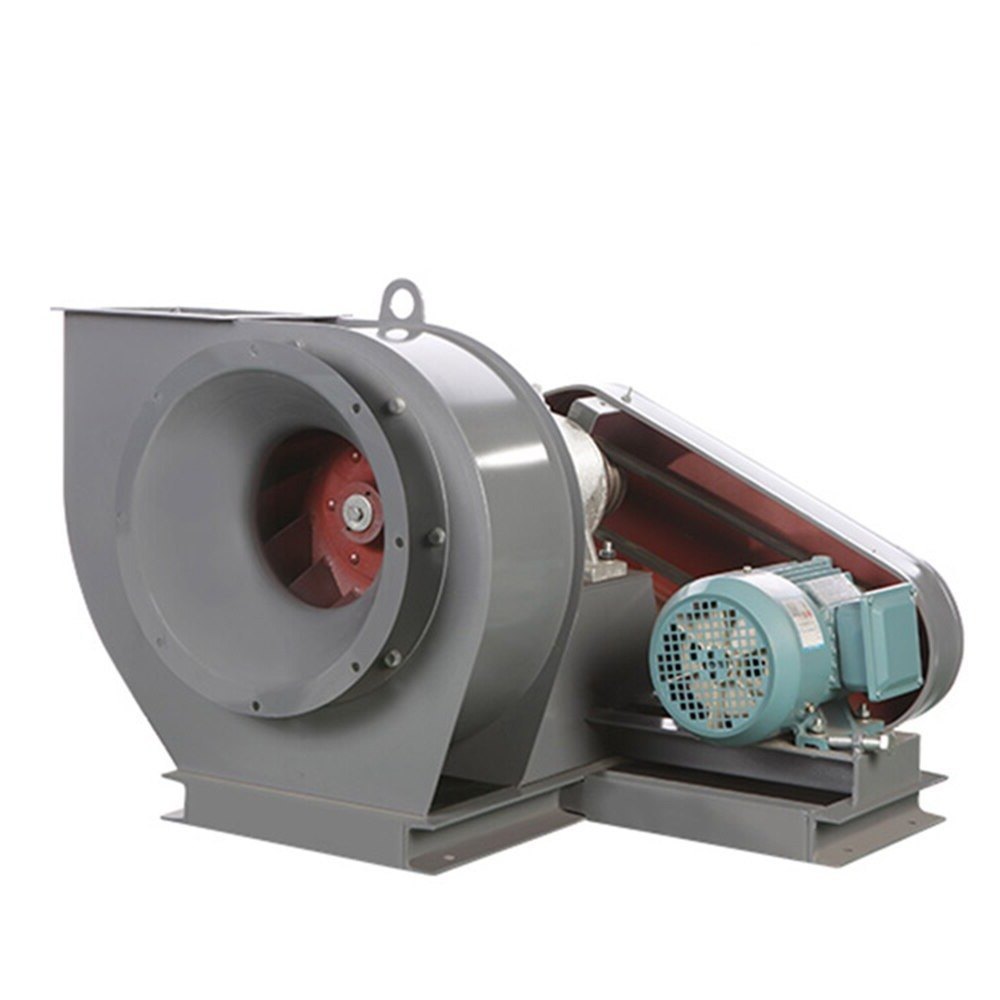
Industrial Induced Draft Centrifugal Fan - High Efficiency Air Filtration System
View DetailsIn a steel mill, air filtration is more than a compliance measure - it's a necessity for health, equipment protection, and production efficiency. The intense heat and constant movement of materials generate large volumes of dust, fumes, and gases. Without proper filtration, these pollutants can harm workers, damage sensitive machinery, and reduce overall plant performance.
Air filtration for steel mills addresses these challenges by capturing airborne contaminants before they spread through the facility. Effective systems keep air quality within safe limits and help maintain smooth operations around furnaces, casting lines, and rolling mills.
Steel manufacturing involves numerous processes that release fine dust, smoke, and hot gases. The combination of combustion, metal oxidation, and mechanical abrasion creates complex air quality concerns. When these pollutants accumulate, they affect both worker health and production efficiency. Proper ventilation and filtration prevent buildup and ensure clean air circulation throughout the plant.
Each type of contaminant requires a specific filtration approach. High-temperature filters and durable housings are often used to handle harsh conditions found in steel mill environments.
Aeppl designs air filtration systems that meet the demands of heavy industrial operations. Every unit is built to handle high particulate loads and elevated temperatures while maintaining consistent performance. The choice of filtration system depends on the process area, air volume, and type of contaminant.
| System Type | Best Application | Key Advantage |
|---|---|---|
| Industrial Fume Extraction System | Furnace and welding zones | Captures fumes and fine particulates effectively |
| Industrial Bag Filter Dust Collection System | Material handling areas | Reliable dust separation and easy maintenance |
| Industrial Mechanical Dust Collector System | General exhaust filtration | Compact design with low power consumption |
| Feature | Bag Filter System | Fume Extraction System | Mechanical Collector |
|---|---|---|---|
| Particle Size Range | 1-50 microns | Sub-micron to fine dust | 10-100 microns |
| Temperature Handling | Up to 250°C | Up to 400°C | Up to 200°C |
| Maintenance Frequency | Moderate | Low | Low |
Energy efficiency has become a key part of air filtration for steel mills. Aeppl integrates variable speed drives and intelligent control systems that help reduce energy use while maintaining airflow and pressure balance. Monitoring filter health in real time allows maintenance teams to plan replacements without interrupting production.
Cleaner operations also support sustainability goals. Well-designed filtration systems reduce emissions, help meet environmental standards, and improve workplace comfort. Over time, this contributes to lower operating costs and stronger compliance records.
Air filtration systems play a major role in meeting occupational safety and environmental regulations. Steel mills often handle combustible dust and high-temperature exhaust, both of which require careful control. Aeppl designs filtration units that maintain stability under demanding conditions, helping plants meet emission limits and protect personnel from exposure.
Regular inspections and filter maintenance are essential to keep systems running efficiently. Engineers typically schedule quarterly checks to measure airflow, pressure drop, and filter integrity.
Aeppl, Aerotech Equipments and Projects Pvt. Ltd., is a trusted Indian manufacturer of industrial air handling and filtration systems for steel mills and other heavy industries. With years of engineering experience, Aeppl delivers reliable, efficient solutions built for tough operating conditions. Visit Aeppl
Air filtration in steel mills controls dust, fumes, and gases produced during melting and rolling, protecting workers and improving process efficiency.
Filtration systems remove metallic dust, smoke, oil mist, and hot exhaust gases, keeping air clean and equipment safe.
Filter replacement depends on operating hours and load conditions, but regular inspection every quarter is recommended for consistent performance.
Yes, specialized filters and housings designed for steel mills can withstand high temperatures up to 400°C without performance loss.
Bag filter systems are widely used for dust control in steel mills due to their efficiency and easy maintenance.
Energy-efficient fans maintain optimal airflow and reduce power consumption, supporting sustainable operation in large industrial setups.
Steel mills must comply with local environmental emission standards and occupational safety guidelines for particulate and gas control.
Modern air filtration units can integrate with plant automation systems to monitor pressure, airflow, and filter health for predictive maintenance.
Aeppl designs customized filtration systems based on process parameters, space constraints, and emission requirements for steel mills.
Reach Aeppl at sales@aeppl.com or call +91-9599785811, +91 8377077661, +91 9810162210 to discuss air filtration systems for steel mills.