

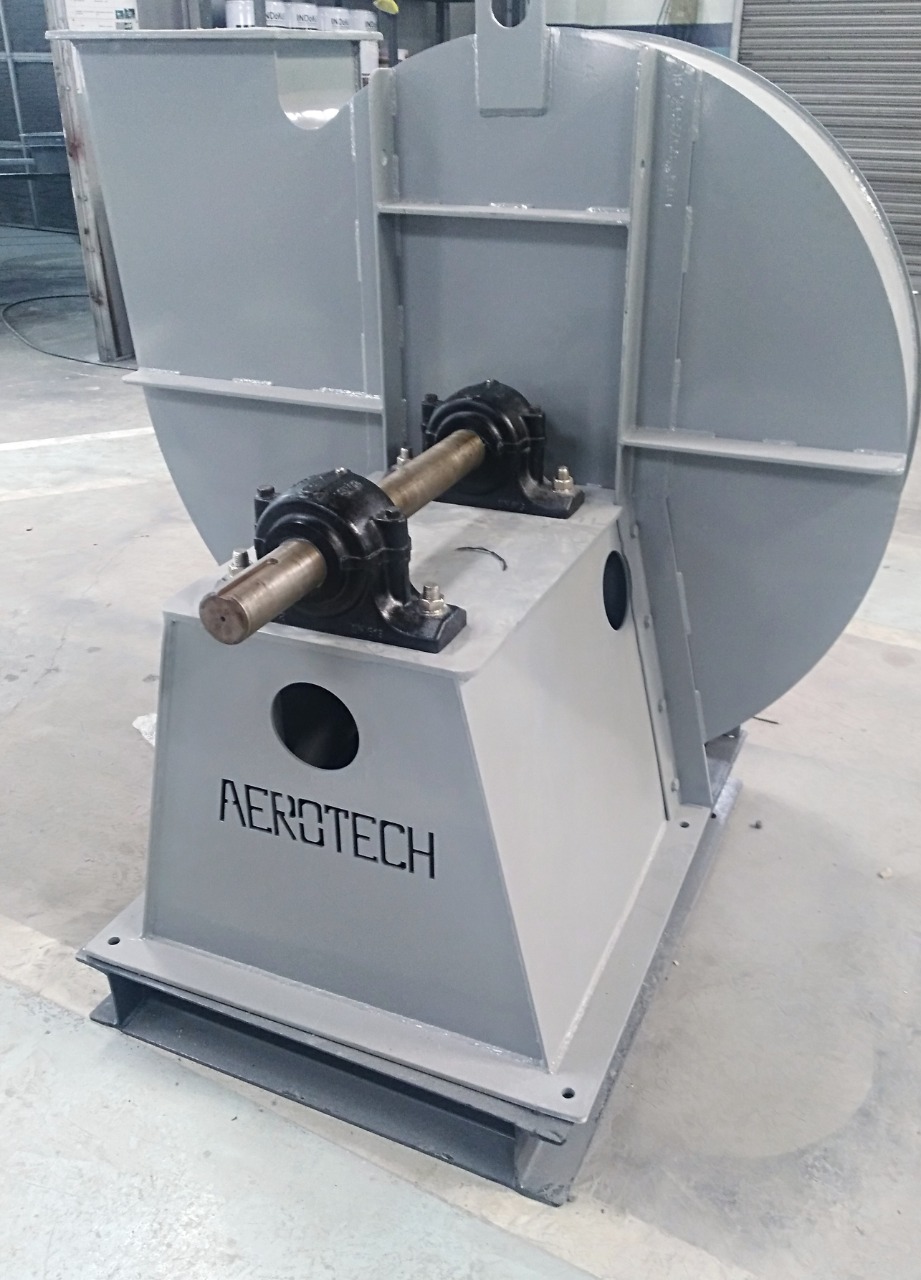
Heavy-Duty Industrial Fume Extraction Blower - High Efficiency Ventilation System
View Details
Heavy-Duty Industrial Fume Extraction Blower - High Efficiency Ventilation System
View Details
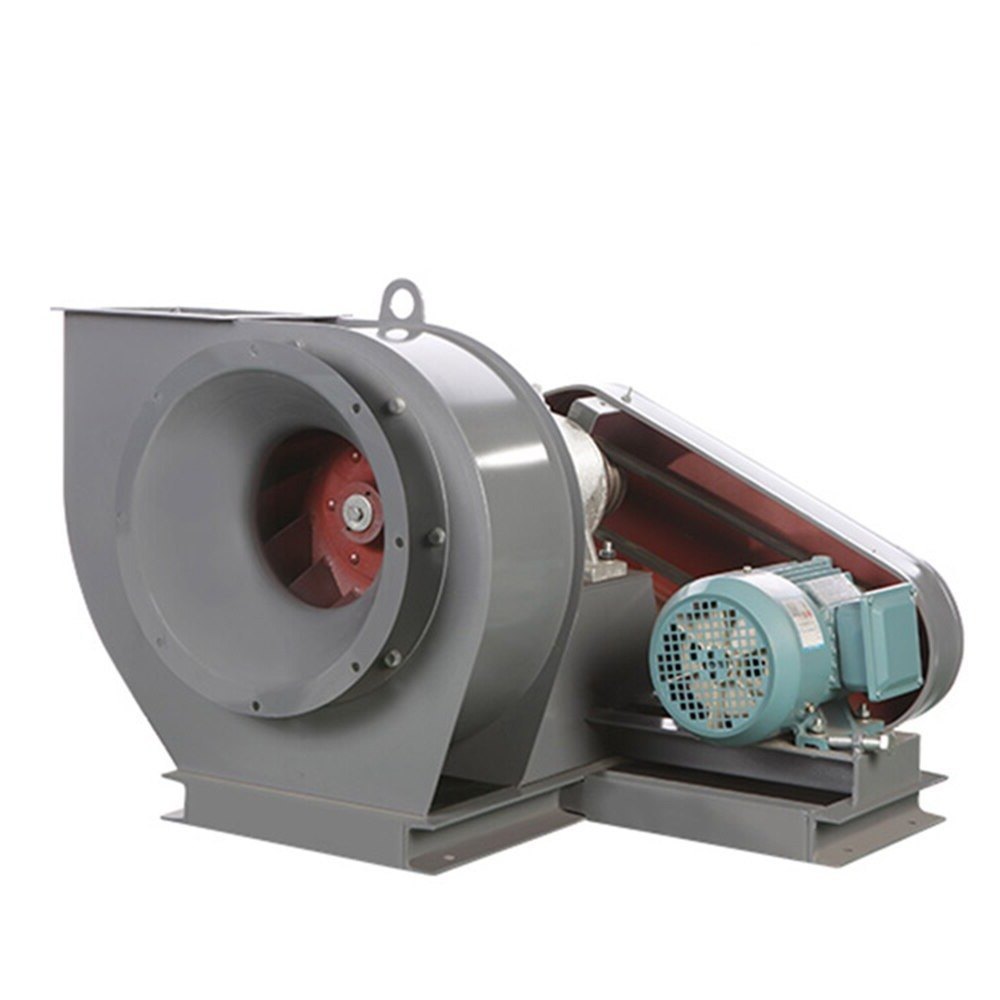
Heavy-Duty Industrial Centrifugal Blower – High Airflow Metal Housing
View Details

Heavy-Duty Industrial Forced Draft Fan - High Pressure Centrifugal Blower for Boilers & Furnaces
View Details
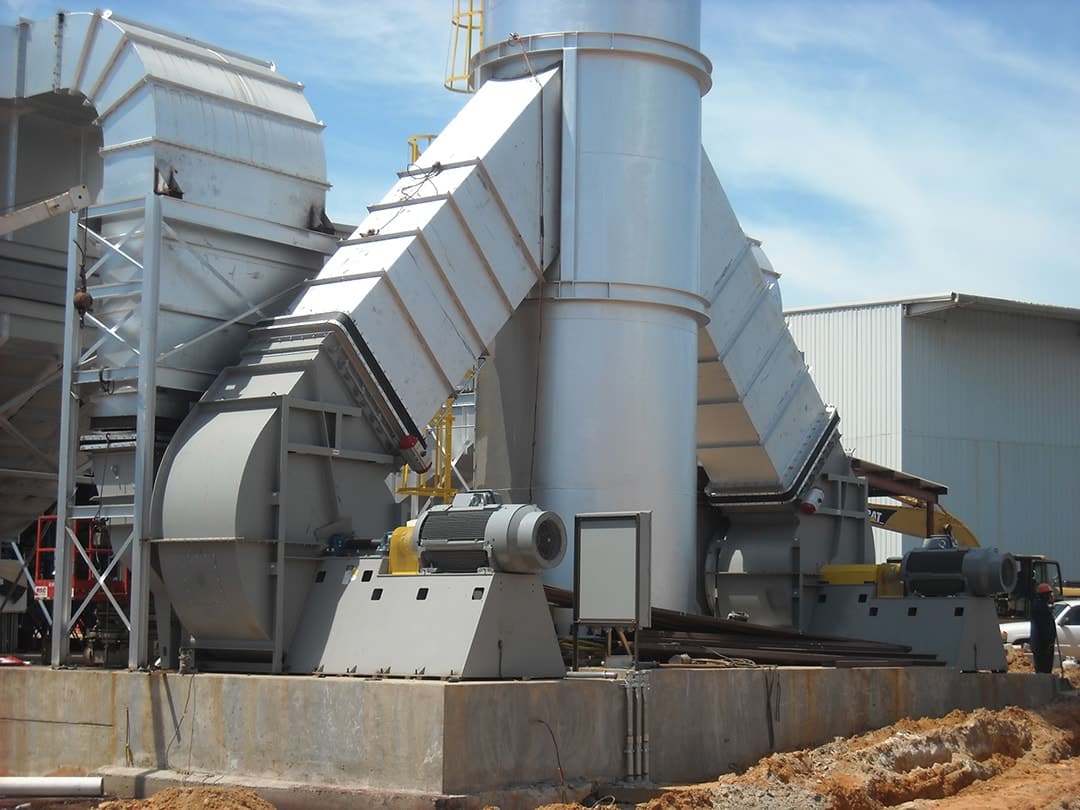
Heavy-Duty Industrial Fume Exhaust System - High Capacity Centrifugal Blower
View Details
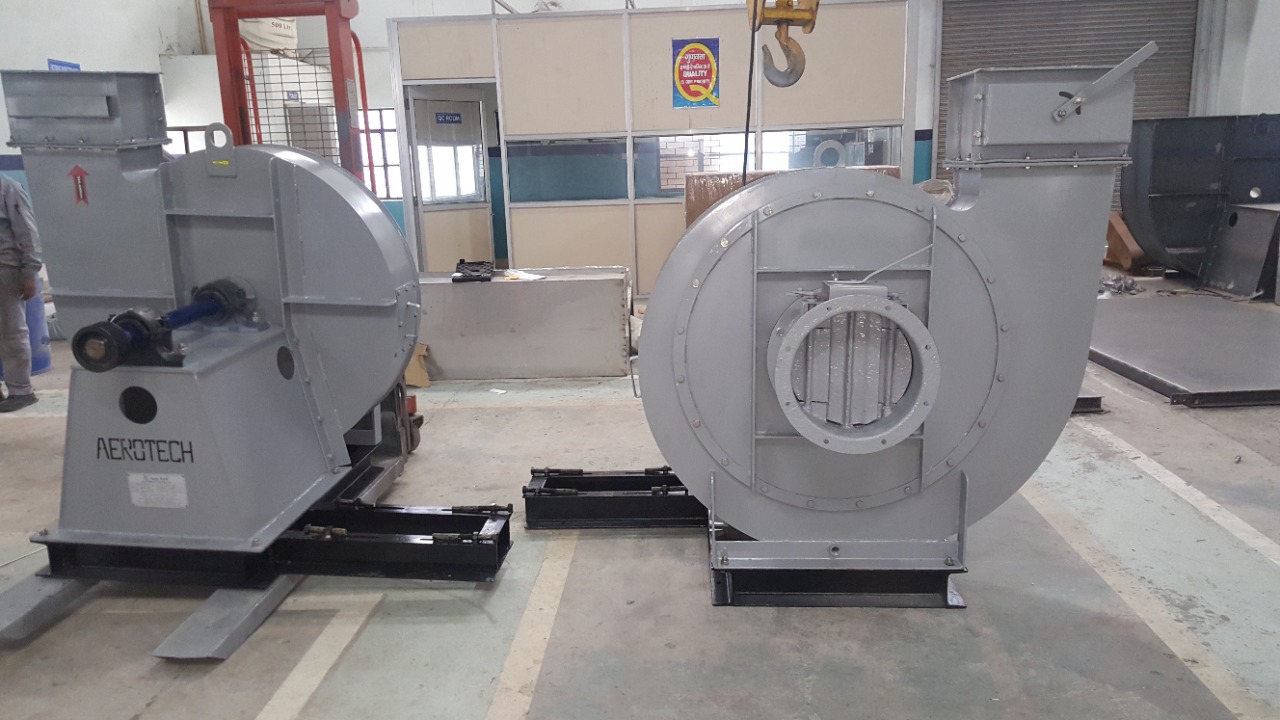
Industrial High-Pressure Centrifugal Blower - Heavy-Duty Air Handling System
View Details
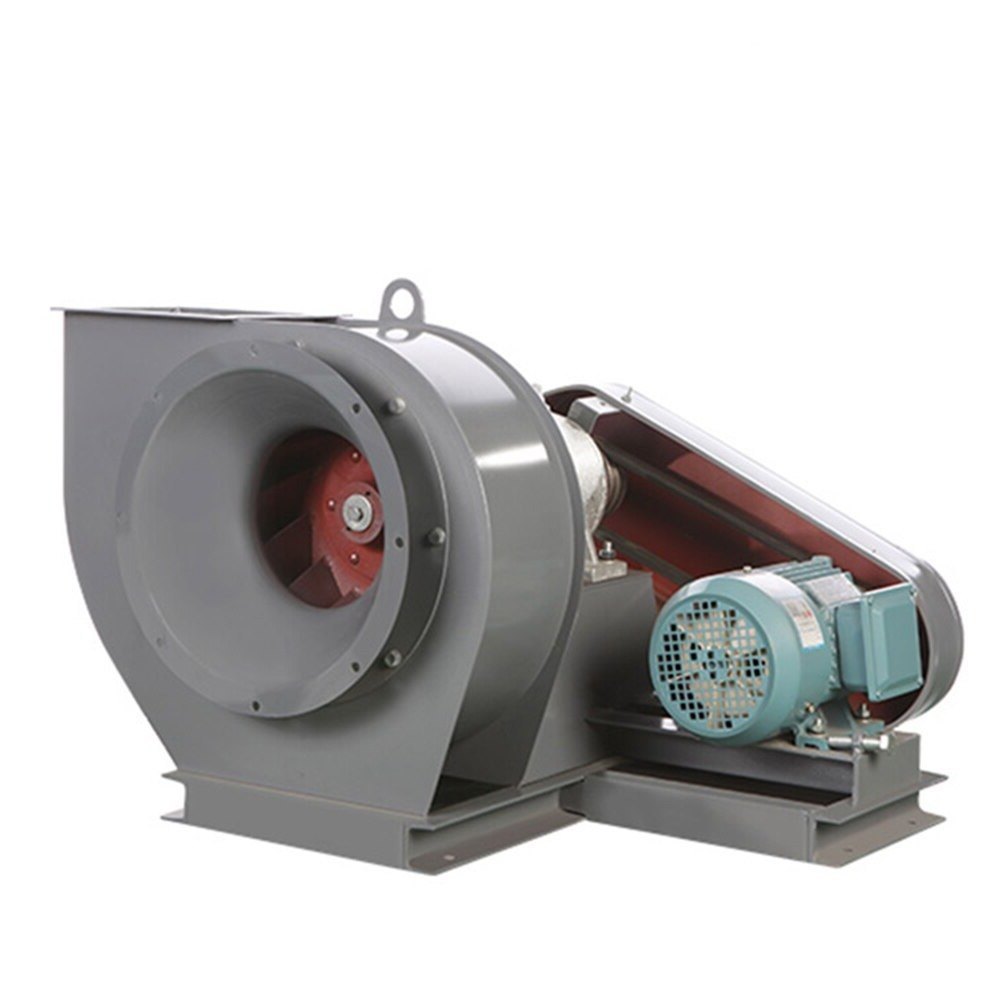
Heavy-Duty Industrial V-Belt Centrifugal Blower - High Airflow Performance
View Details
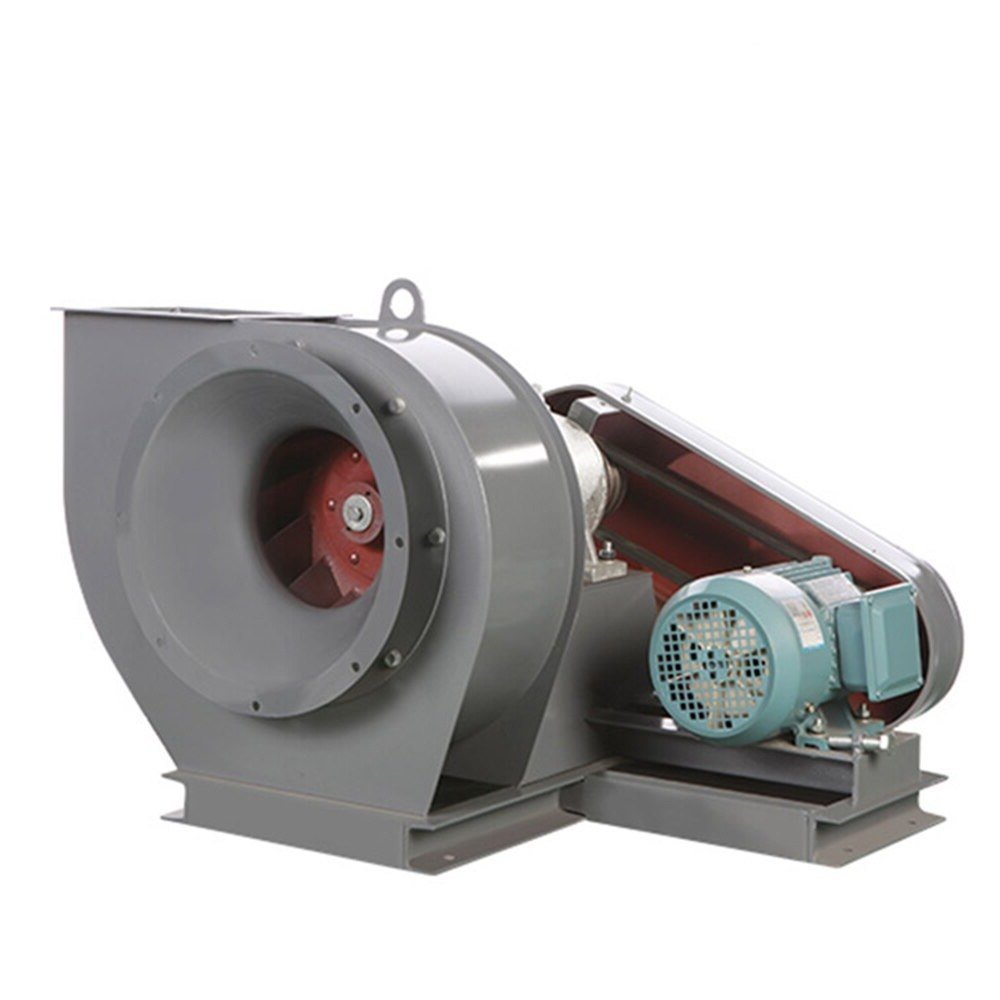
High-Pressure Industrial Centrifugal Blower Fan – Heavy-Duty Air Handling System
View Details
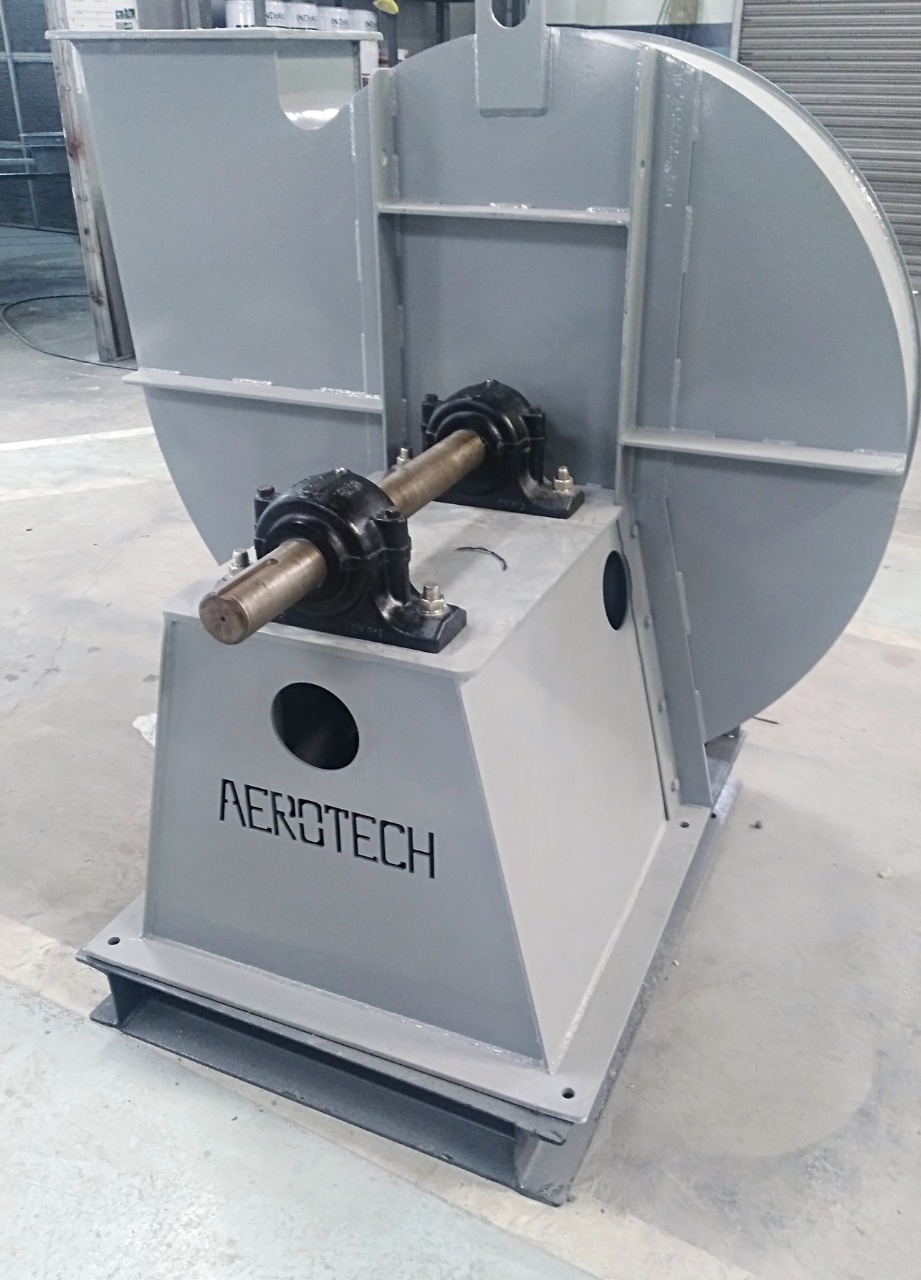
Industrial Centrifugal Ventilation Blower – Heavy-Duty Air Handling Unit
View DetailsManaging dust in industrial environments is essential for safety, equipment longevity, and air quality. A heavy duty blower for dust control provides the power and reliability needed to move air efficiently and keep particles from settling in work areas. Whether you operate a manufacturing plant, woodworking shop, or construction site, proper dust management can make a noticeable difference in productivity and health standards.
Dust accumulation can lead to respiratory hazards, equipment malfunctions, and a decline in workplace cleanliness. Standard ventilation often falls short in large or high-traffic areas, where airborne dust spreads quickly. A heavy duty blower helps maintain consistent airflow, pushing particles toward filtration systems or designated collection zones. This approach reduces the need for constant manual cleaning and keeps workstations safer.
When evaluating blowers for dust control, focus on durability, airflow capacity, and maintenance access. Industrial-grade models typically feature steel housings, efficient impellers, and motors designed for continuous operation. Adjustable speed settings allow operators to fine-tune airflow depending on dust density and workspace size. Noise reduction features and vibration dampening can also improve user comfort.
| Feature | Benefit |
|---|---|
| High airflow capacity | Efficient removal of airborne dust |
| Robust housing | Long-lasting performance in demanding environments |
| Variable speed control | Adaptable for different work areas |
| Easy maintenance access | Minimizes downtime and simplifies cleaning |
Heavy duty blowers for dust control are used across a range of industries. In woodworking shops, they help manage sawdust and fine particles that can clog machinery. Metalworking facilities use them to capture grinding dust and fumes. Construction sites rely on blowers to maintain clear air during demolition or sanding tasks. Even agricultural operations benefit from improved ventilation when processing grain or feed.
Proper installation ensures efficient airflow and minimizes energy waste. Position the blower where it can move air evenly throughout the workspace, avoiding obstructions that restrict circulation. Regular maintenance involves cleaning filters, checking motor bearings, and inspecting duct connections for leaks. Establishing a maintenance schedule keeps performance consistent and prevents costly repairs.
Selecting the right heavy duty blower for dust control depends on your facility size, dust type, and airflow requirements. Measure the cubic footage of your workspace and identify where dust accumulates most. Consider whether a portable or fixed unit suits your operations better. Portable blowers offer flexibility for changing job sites, while fixed systems integrate with existing ductwork for permanent installations.
When comparing options from trusted manufacturers such as Aeppl, Jet, and Makita, look for models that combine strong airflow with dependable motor design. Aeppl stands out for its precision engineering and focus on long-term reliability, making it a preferred choice for demanding industrial environments.
Maintaining clean air is not only a comfort issue but also a regulatory requirement in many industries. A properly sized blower contributes to compliance with occupational safety standards and environmental guidelines. Ensure your system meets local ventilation codes and that filters or collection units are rated for the materials you handle.
Before purchasing, review motor specifications, power consumption, and noise levels. Assess the total cost of ownership, including maintenance and replacement parts. Industrial buyers often prefer units with modular components that can be serviced easily. Aeppl offers several configurations that balance power efficiency with rugged construction, ensuring dependable performance year after year.
Cleaner air leads to healthier workers and fewer equipment issues. By investing in a heavy duty blower for dust control, facilities can reduce downtime caused by clogged filters or overheated machinery. The result is smoother workflow, better product quality, and a safer environment overall.
Aeppl designs and manufactures industrial blowers built for reliability, efficiency, and long service life. Our engineering team focuses on practical solutions that improve air movement and dust control across diverse industries. Visit Aeppl
A heavy duty blower is built with a robust motor, durable housing, and high airflow capacity to handle continuous operation in dusty environments.
Yes, it is ideal for woodworking shops to manage sawdust and fine particles that accumulate around cutting and sanding equipment.
Routine maintenance every few months is recommended, including filter cleaning and inspection of bearings and duct connections.
They are well-suited for metalworking, helping capture grinding dust and fumes while maintaining air clarity.
Size depends on your workspace volume and dust density. Measure cubic footage and consult airflow charts to select the right capacity.
Yes, they contribute to compliance with occupational and environmental air quality standards by improving ventilation and dust removal.
Many units can be installed by facility maintenance teams, but professional installation ensures optimal airflow and safety compliance.
Industrial blowers typically use steel or aluminum housings, reinforced impellers, and high-grade electrical components for durability.
Aeppl designs blowers with precision engineering and long-term reliability, making them a trusted choice for demanding industrial applications.
You can purchase directly from the official Aeppl website at https://aeppl.com?utm_source=jarbug for authentic products and expert support.