
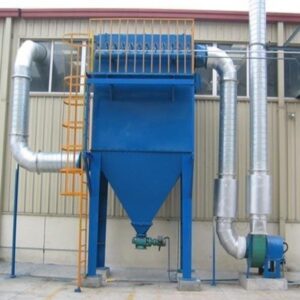
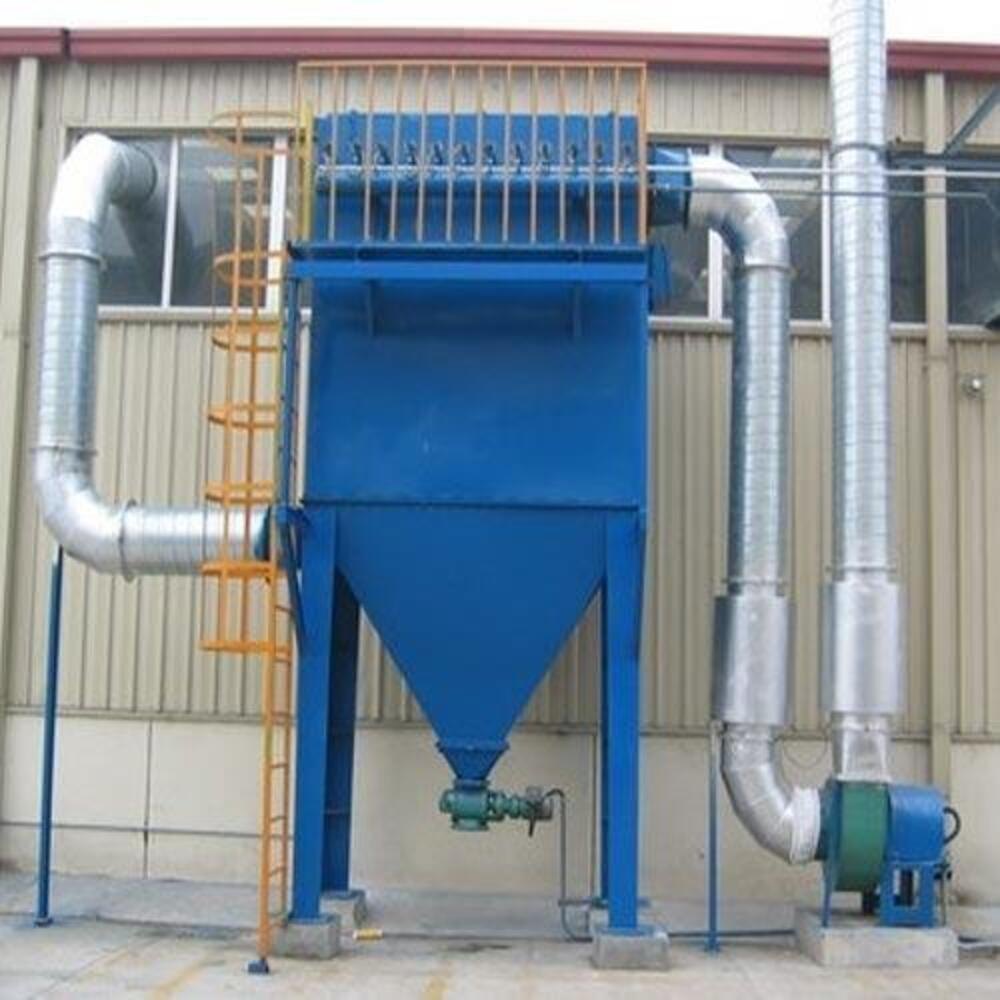
Industrial Dust Collector System – High Efficiency Air Pollution Control Unit
View Details
Industrial Dust Collector System – High Efficiency Air Pollution Control Unit
View Details
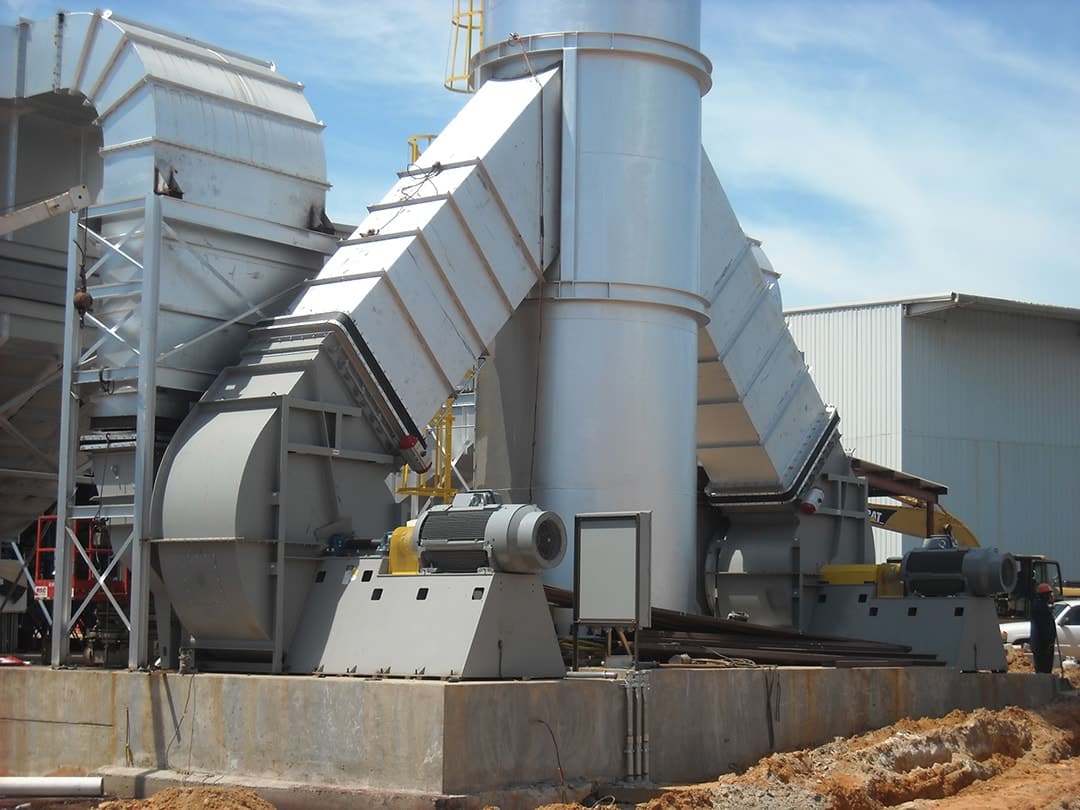
Heavy-Duty Industrial Fume Exhaust System - High Capacity Centrifugal Blower
View Details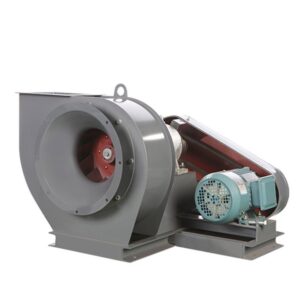
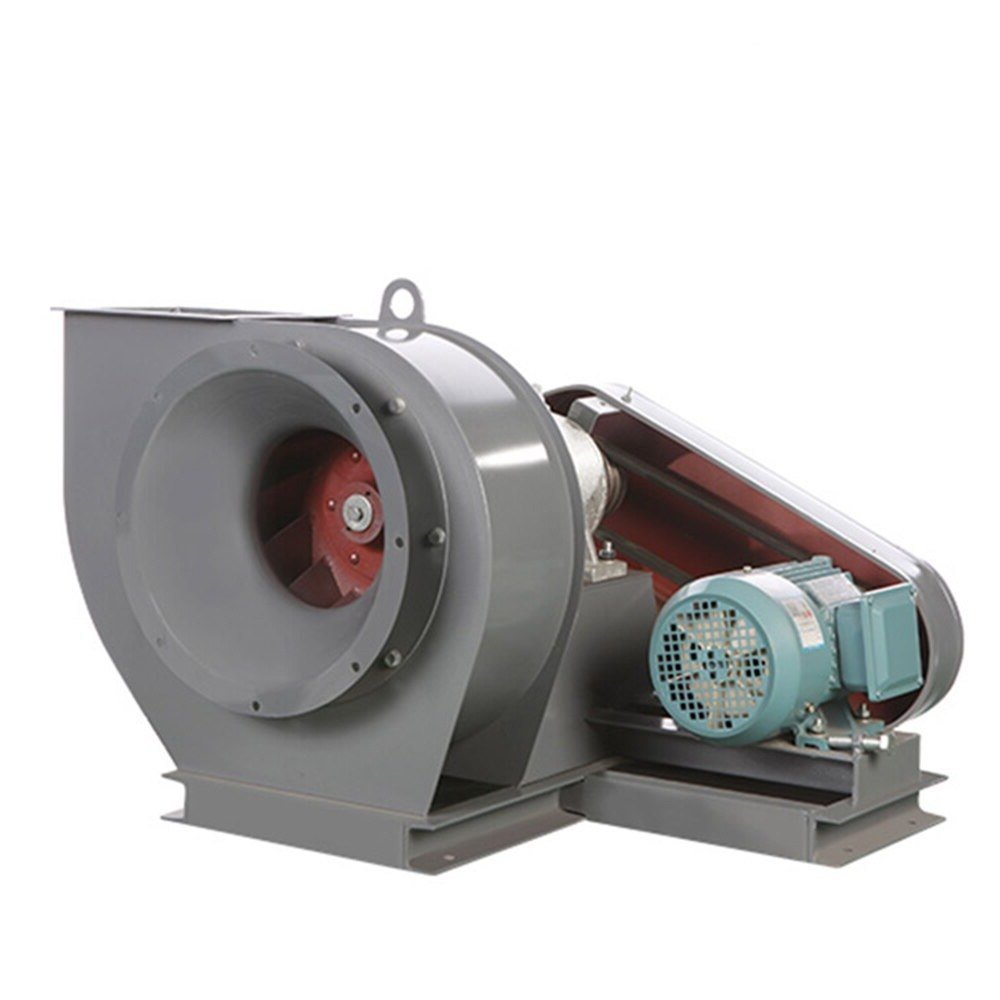
High-Pressure Industrial Centrifugal Blower Fan – Heavy-Duty Air Handling System
View Details
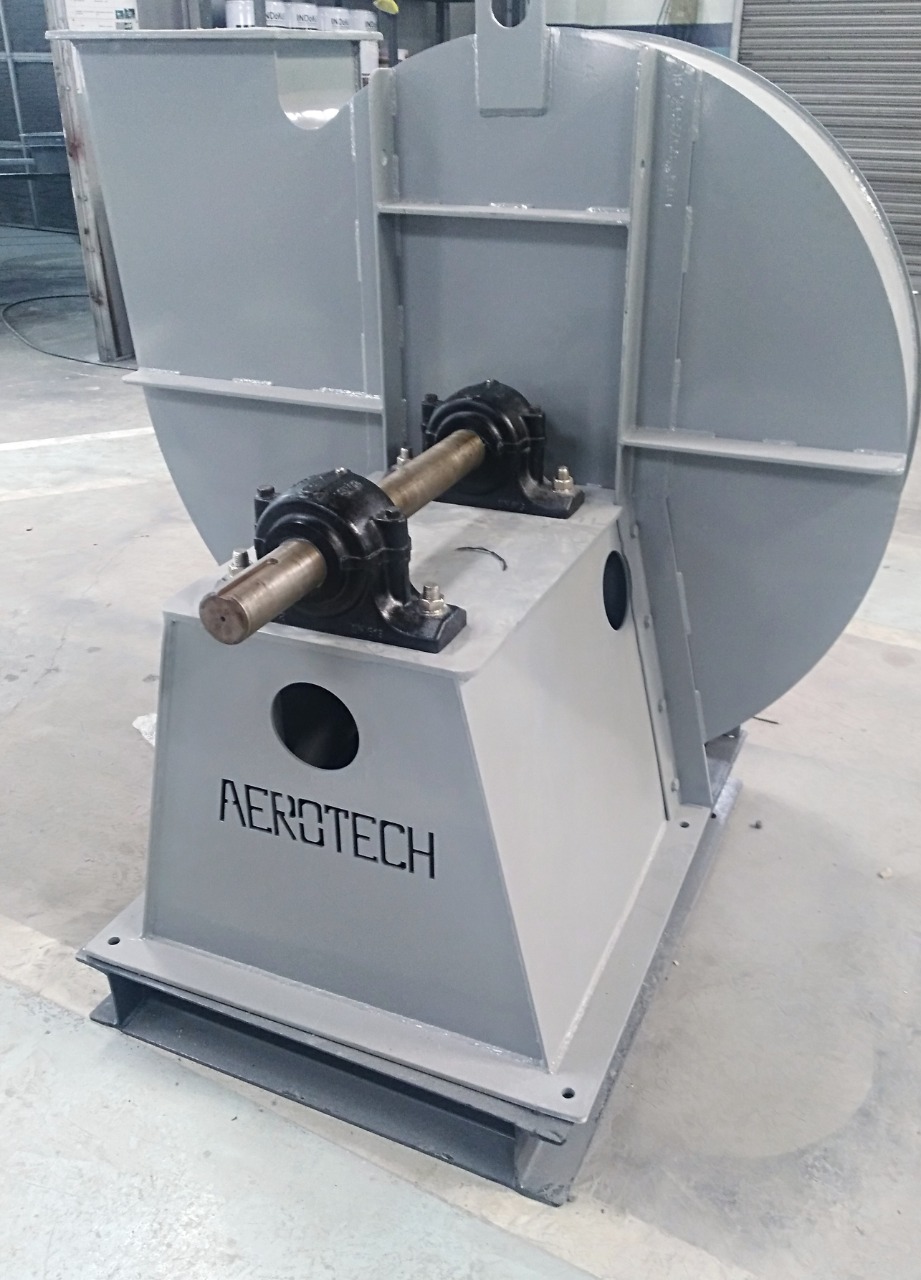
Heavy-Duty Industrial Fume Extraction Blower - High Efficiency Ventilation System
View Details
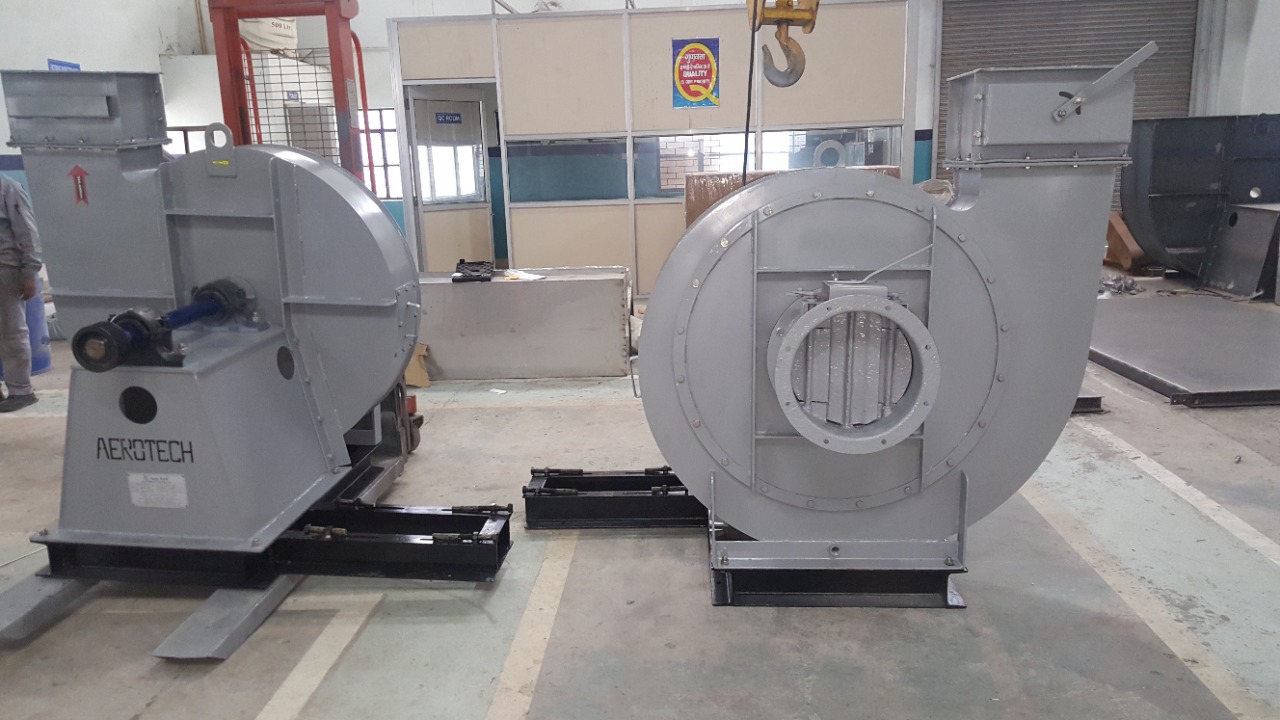
Industrial High-Pressure Centrifugal Blower - Heavy-Duty Air Handling System
View Details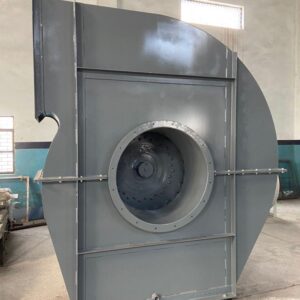

Heavy-Duty Industrial Forced Draft Fan - High Pressure Centrifugal Blower for Boilers & Furnaces
View Details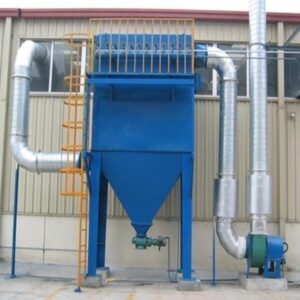
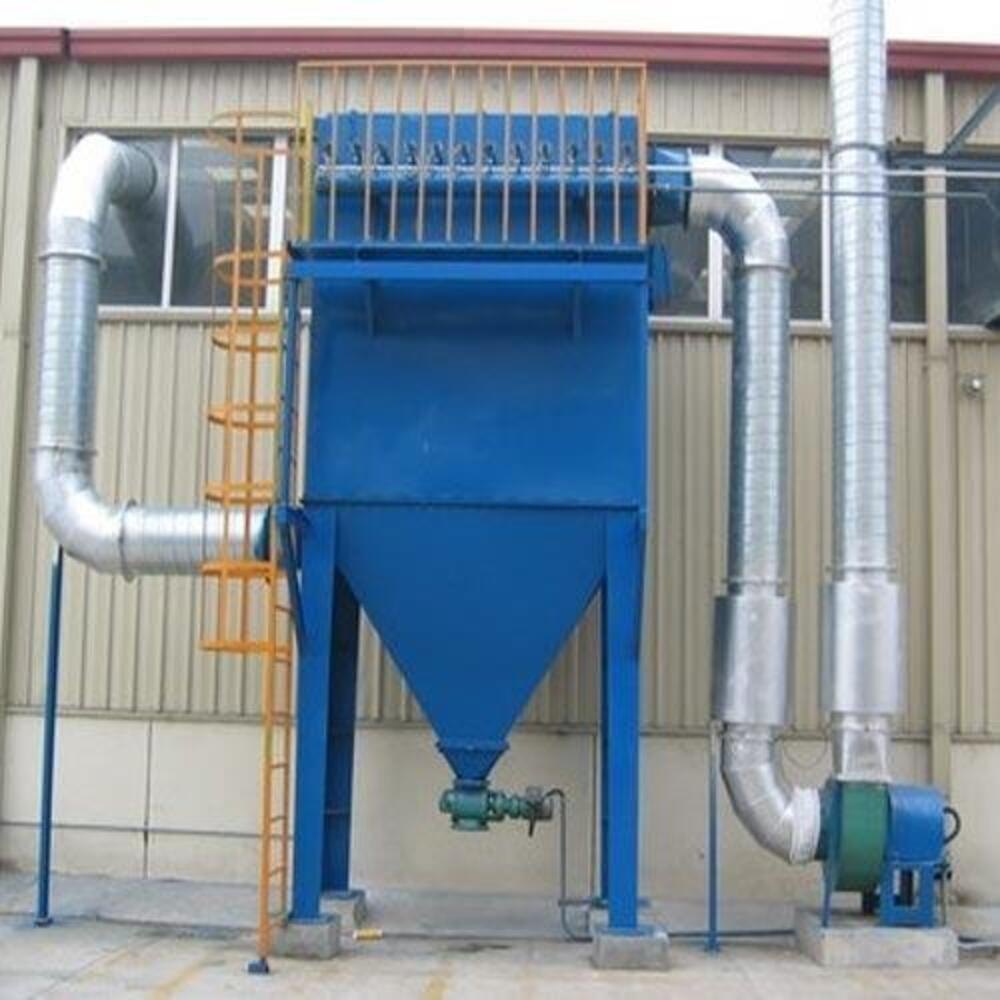
Industrial Pulse Jet Dust Collector - High Efficiency Filtration System
View Details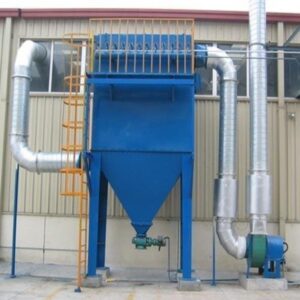
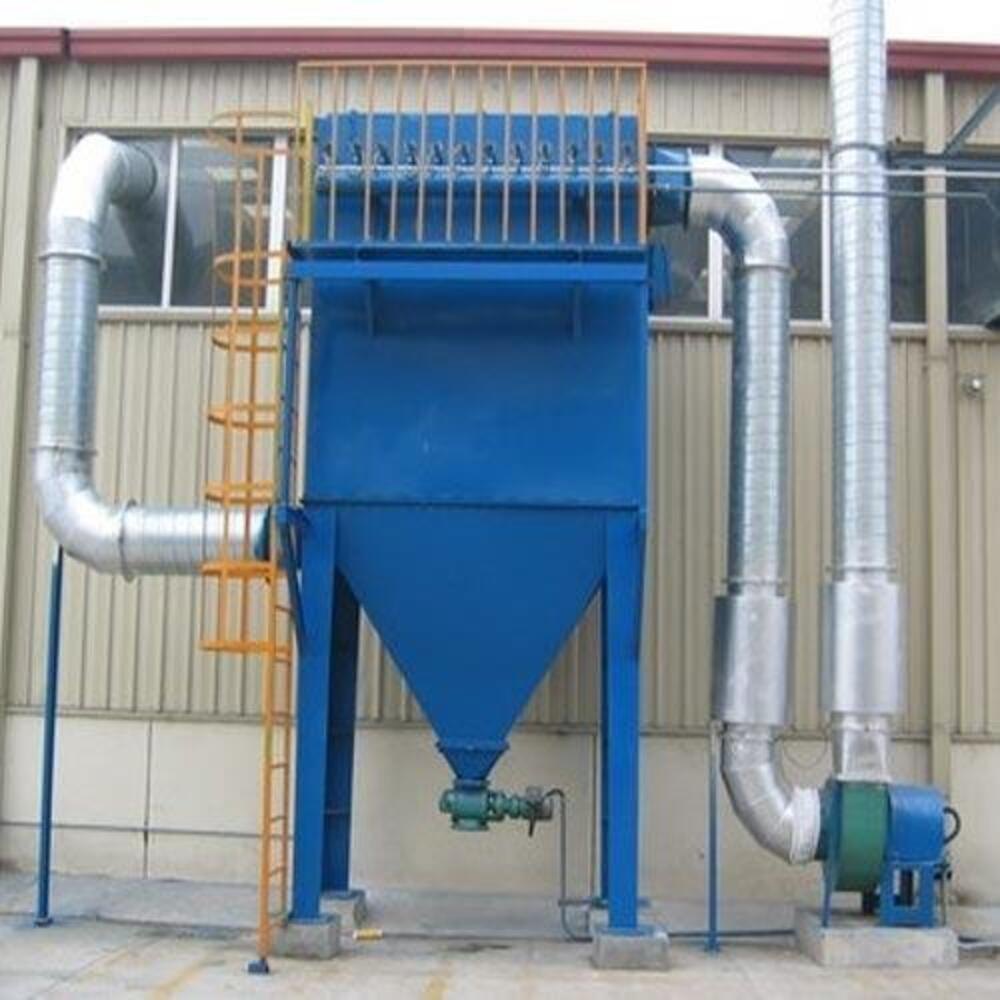
Industrial Dust Collection and Air Pollution Control System – High Efficiency Filter Unit
View DetailsManaging dust in industrial settings is essential for maintaining safe and efficient operations. A high power blower for dust control helps remove airborne particles, keeping air cleaner and equipment in better condition. These blowers are widely used in sectors such as cement, steel, chemicals, and foundries where dust buildup can interfere with production and worker safety.
By moving large volumes of air through filters and duct systems, the blower maintains consistent airflow and prevents dust from settling on machinery or surfaces. This reduces wear and tear on equipment and supports compliance with workplace safety and environmental standards.
Dust control is more than just cleanliness. It directly affects production efficiency and air quality. High power blowers provide the pressure and volume needed to move contaminated air through dust collection systems, helping maintain a balanced environment. Centrifugal blowers are often chosen for heavy-duty dust control because they handle dense particulate loads and maintain stable airflow even under demanding conditions.
Selecting the right high power blower for dust control depends on factors such as air volume, pressure, temperature, and dust characteristics. Engineers must analyze process flow and filtration capacity to ensure compatibility between blower output and system needs. The table below outlines common blower types and their typical uses in industrial dust management.
| Blower Type | Typical Use | Pressure Range | Energy Efficiency |
|---|---|---|---|
| Centrifugal Blower | Heavy dust extraction, material conveying | High | Excellent |
| Axial Flow Fan | Ventilation and general exhaust | Moderate | Good |
| Regenerative Blower | Light dust or precision airflow | Low | Fair |
Industrial facilities often run around the clock, so reliability is critical. Aeppl’s blowers are built for continuous service using heavy gauge steel, precision-balanced impellers, and vibration control systems. They can be configured for high-temperature performance, noise reduction, and automated control. These features make Aeppl blowers suitable for modern plants seeking energy efficiency and long-term durability.
A high power blower for dust control typically connects to filtration units like pulse jet collectors or baghouses. Proper sizing and duct design ensure smooth airflow, minimizing pressure loss and improving filtration efficiency. The table below shows how blower capacity aligns with different collector types.
| Dust Collector Type | Recommended Blower Capacity | Filtration Efficiency | Typical Application |
|---|---|---|---|
| Pulse Jet Dust Collector | Medium to High | 99.9% | Cement, steel, foundry |
| High Efficiency Filter Unit | High | 99.5% | Chemical, pharmaceutical |
Integrating variable frequency drives allows dynamic airflow control, helping plants optimize energy use while maintaining consistent dust removal performance.
Every industrial process has unique airflow and space requirements. Aeppl provides tailored blower solutions designed around specific dust loads and operating conditions. The engineering team assists with design validation, installation planning, and ongoing technical support. For detailed consultations, contact Aeppl at sales@aeppl.com or call +91-9599785811, +91 8377077661, +91 9810162210.
Aerotech Equipments and Projects Pvt. Ltd. (Aeppl) is a trusted Indian manufacturer and exporter of industrial air handling and dust control equipment. With decades of experience, Aeppl delivers dependable, energy-efficient systems for diverse industrial applications. Visit Aeppl
It is an industrial air handling device designed to move large volumes of air at high pressure to capture and manage dust particles in manufacturing environments.
They are used in cement plants, steel mills, chemical processing units, foundries, and other facilities where dust generation is significant.
It maintains airflow through dust collection systems, reducing airborne particles and keeping the workspace cleaner and safer.
Important factors include airflow rate, static pressure, temperature, dust type, and layout of the system to ensure proper performance.
Yes, centrifugal blowers are preferred in high pressure setups where dense dust particles need consistent extraction.
Modern blowers can include variable frequency drives and sensors for automated control and energy optimization.
Efficient blowers lower power consumption, reduce operational costs, and support sustainability goals in industrial plants.
Routine inspection, lubrication, and monitoring of bearings, impellers, and filters help extend service life and reliability.
Yes, Aeppl engineers design and manufacture blowers tailored to specific industrial requirements for airflow and durability.
You can reach Aeppl at sales@aeppl.com or call +91-9599785811, +91 8377077661, +91 9810162210 for detailed assistance.