
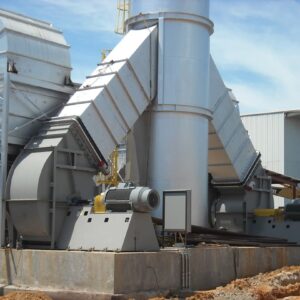
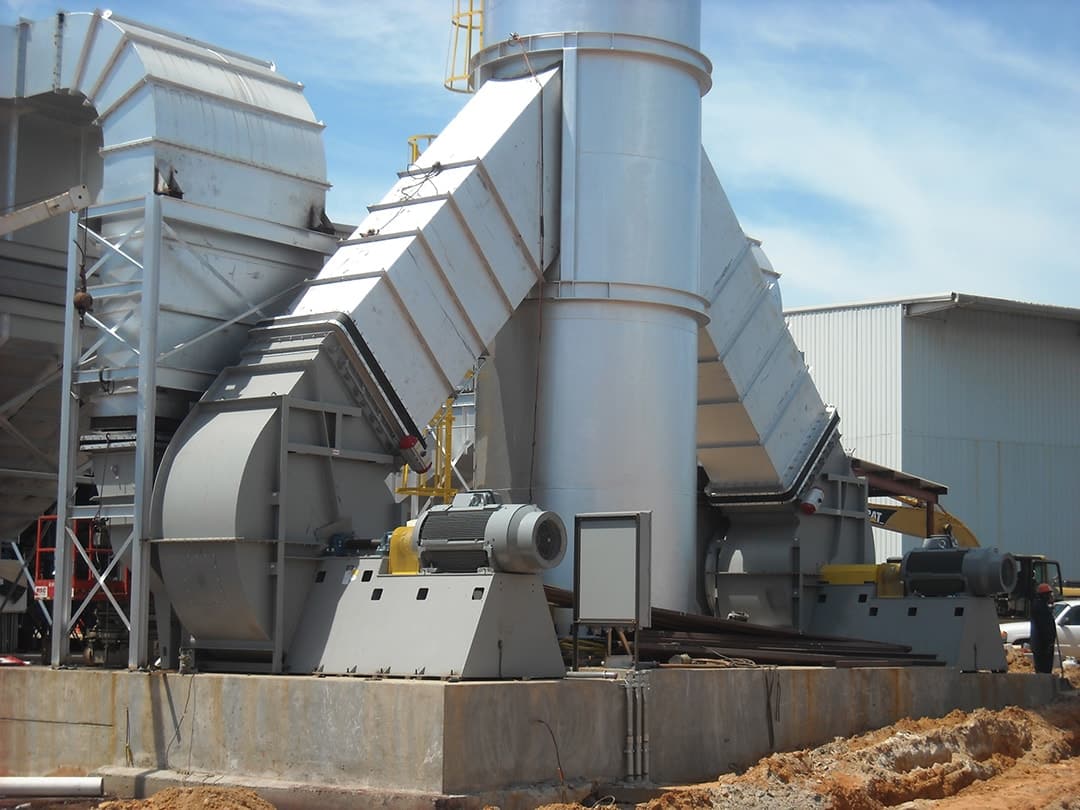
High-Capacity Industrial Centrifugal Ventilator - Heavy-Duty Airflow System
View Details
High-Capacity Industrial Centrifugal Ventilator - Heavy-Duty Airflow System
View Details
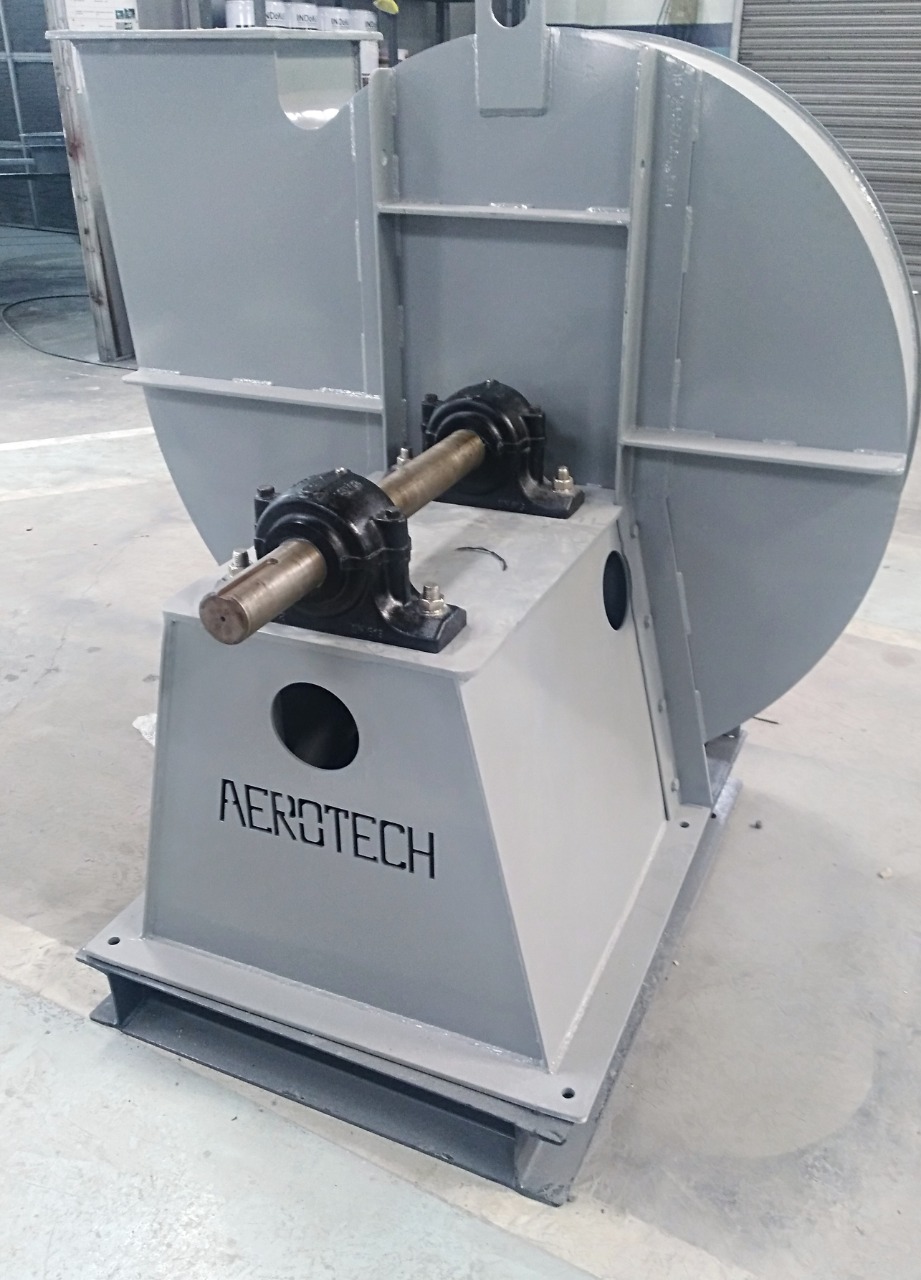
Heavy-Duty Industrial Fume Extraction Blower - High Efficiency Ventilation System
View Details
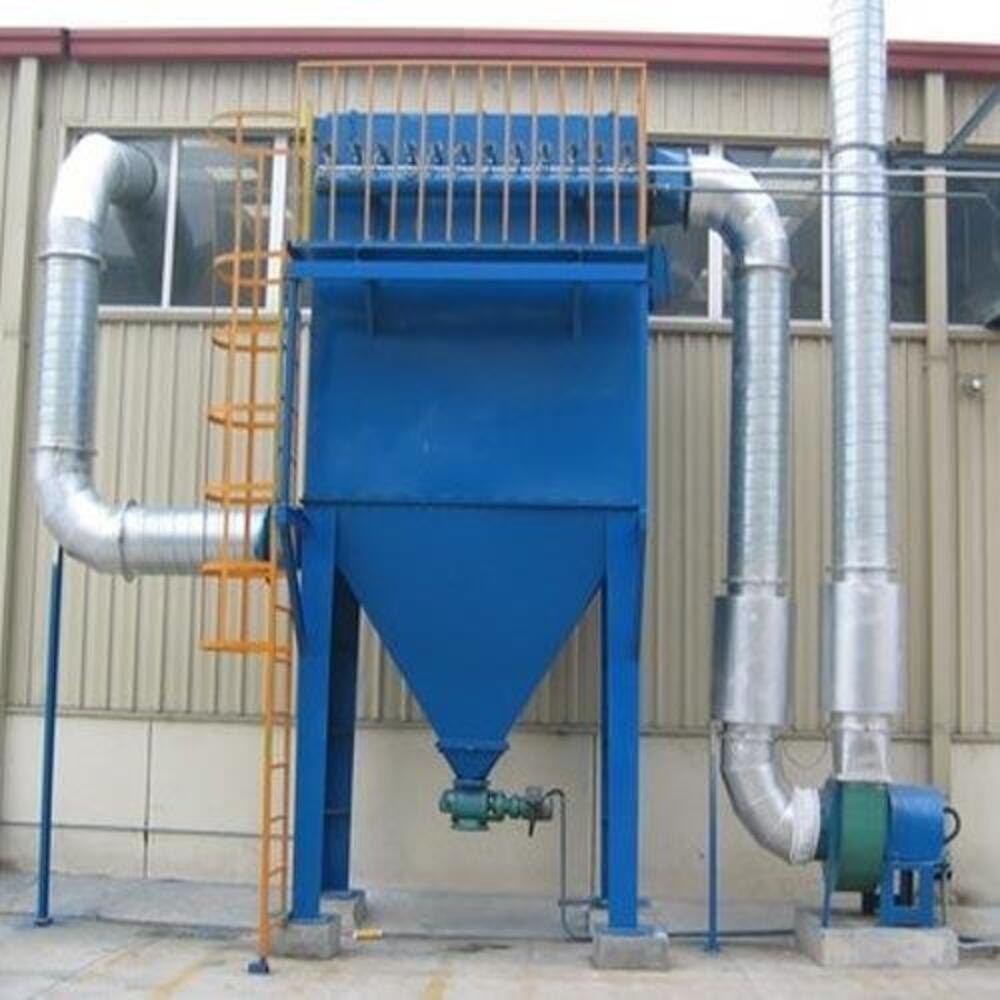
Industrial Mechanical Dust Collector System - High-Efficiency Air Filtration Unit
View Details
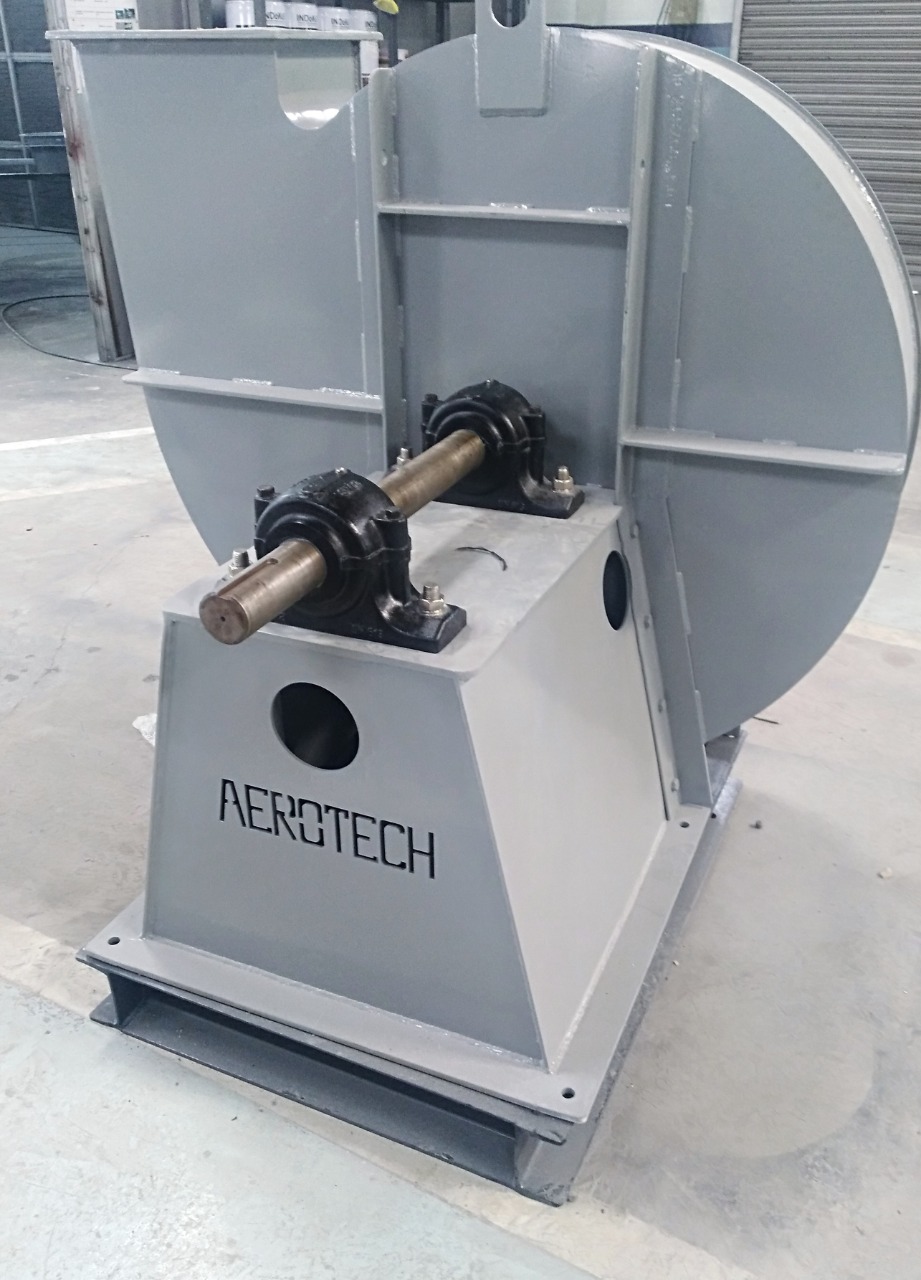
Industrial Centrifugal Air Ventilation System – Heavy Duty Steel Housing
View Details
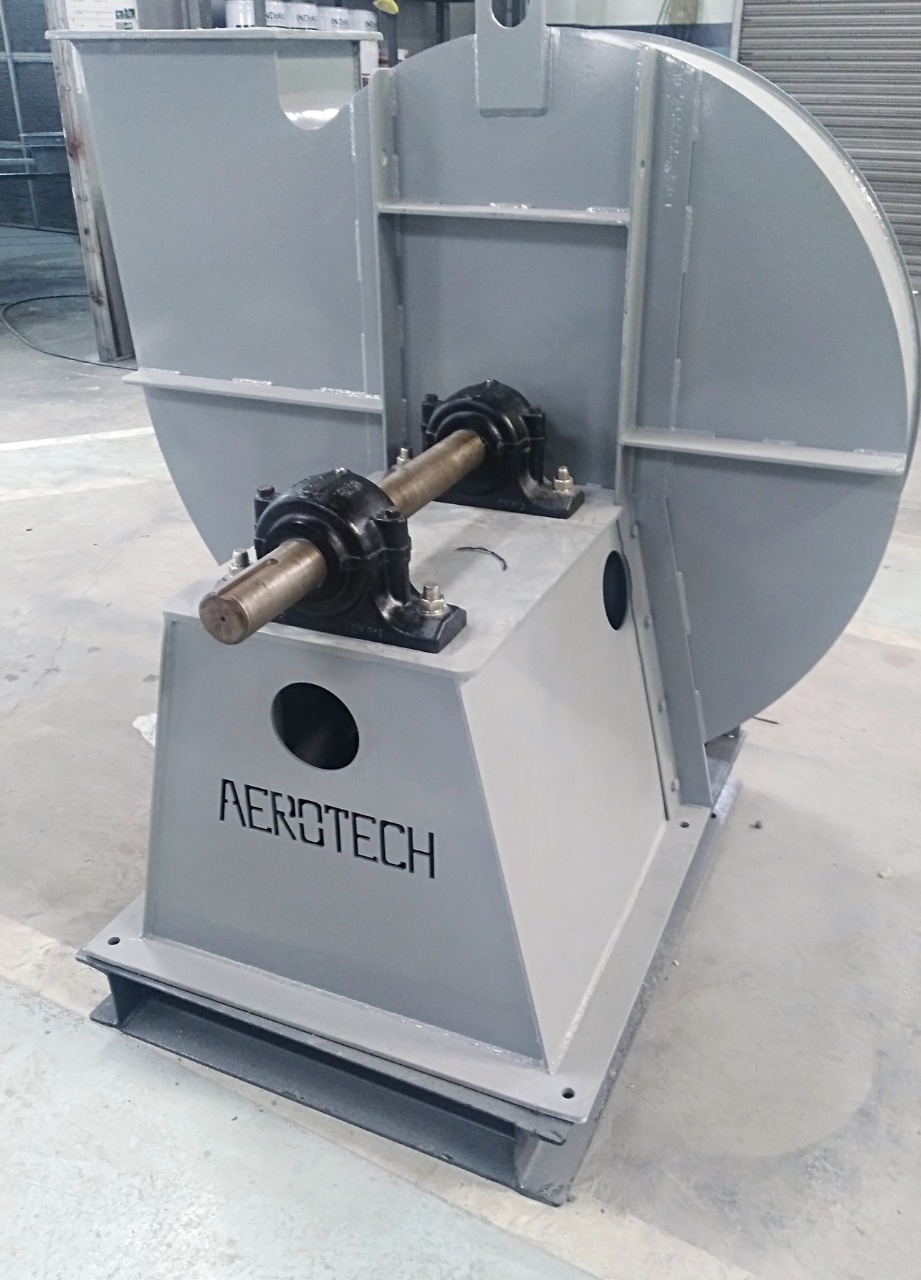
Industrial Centrifugal Ventilation Blower – Heavy-Duty Air Handling Unit
View Details
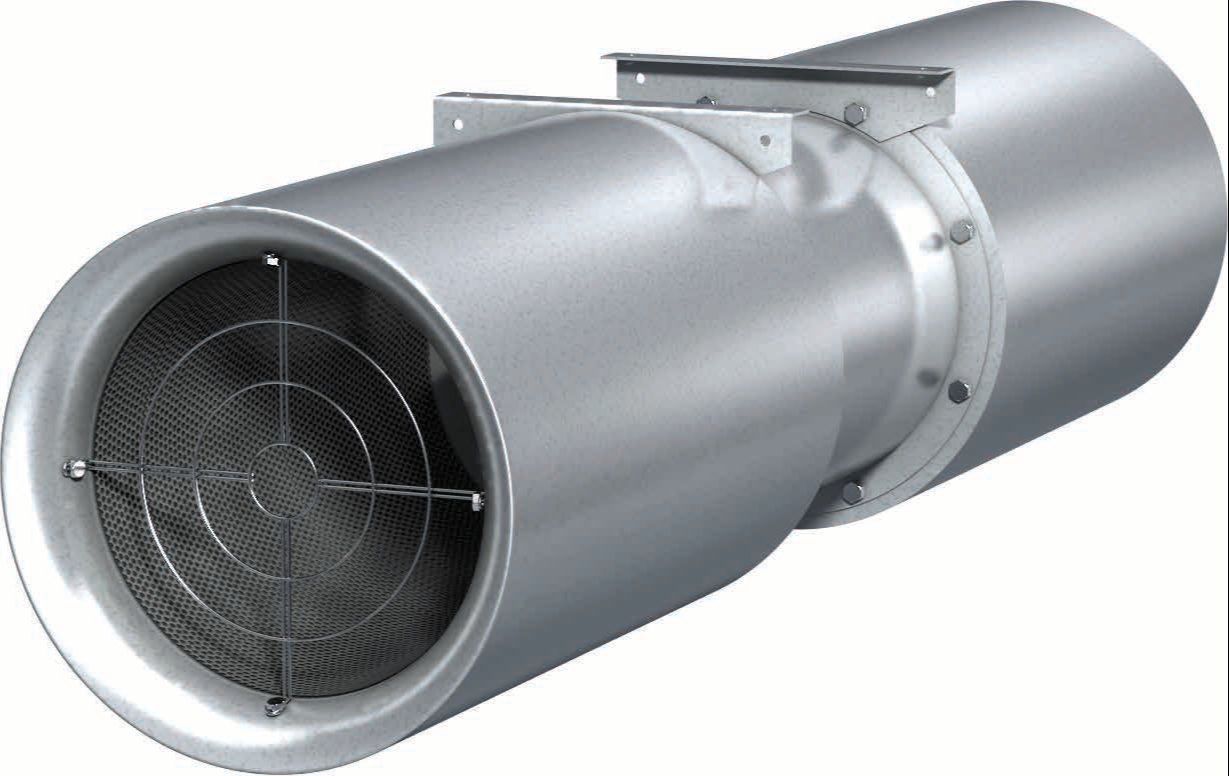
High-Performance Industrial Jet Fan - Tunnel and Garage Ventilation System
View Details
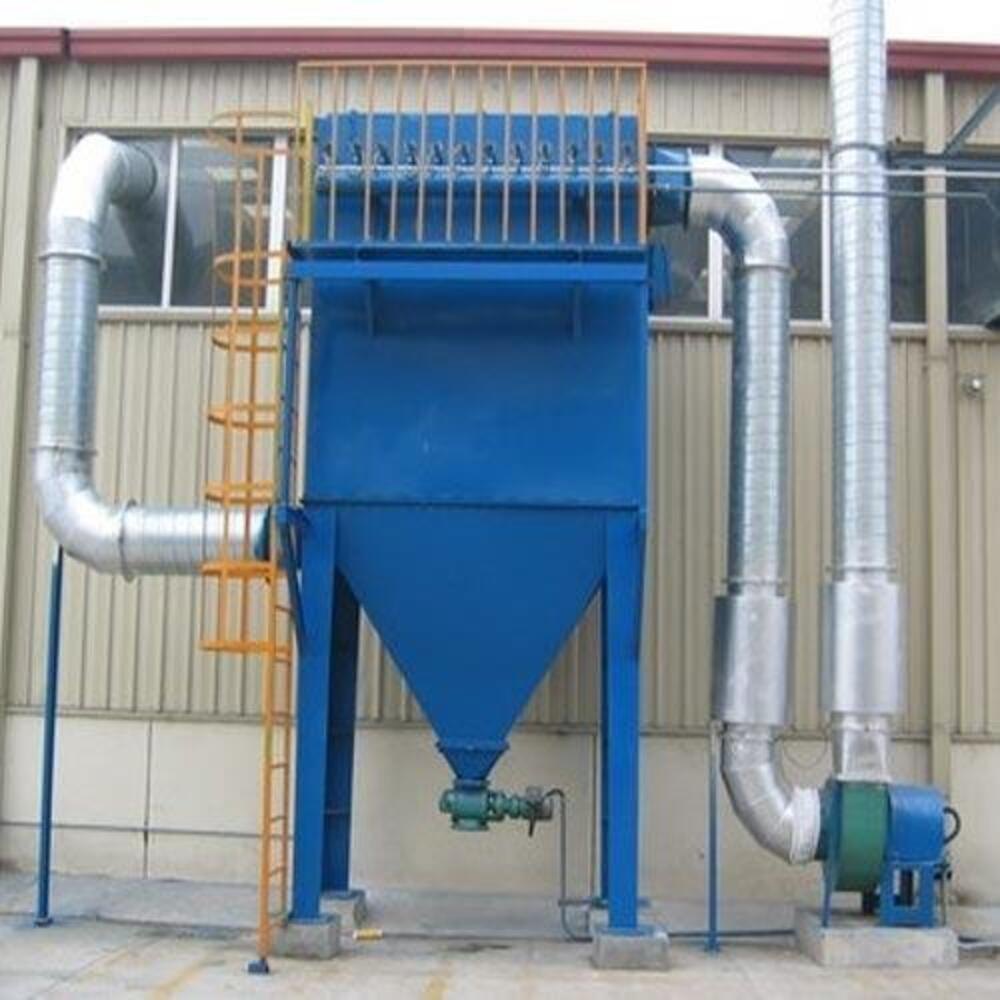
Industrial Dust Collection and Air Pollution Control System – High Efficiency Filter Unit
View Details
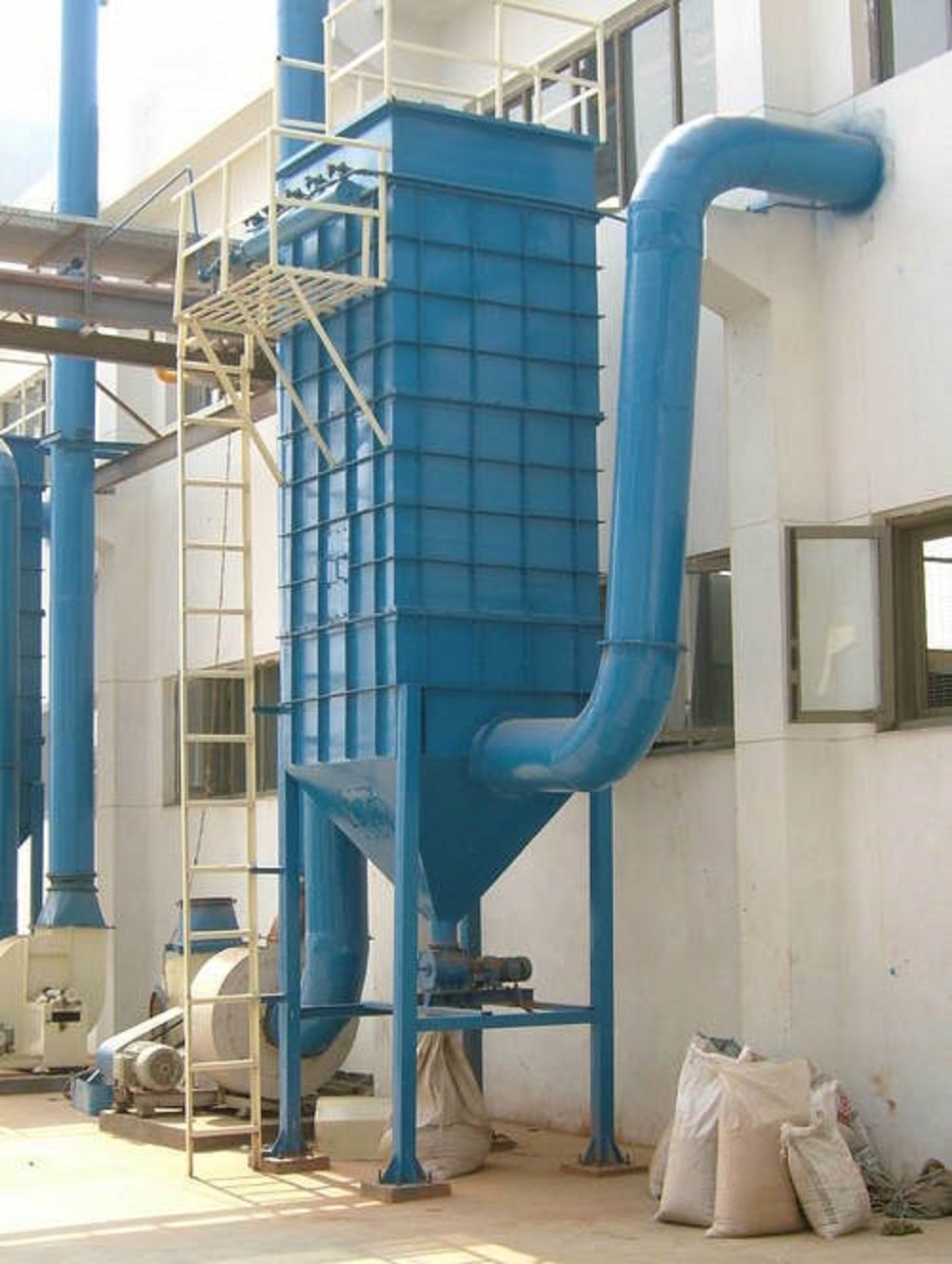
Industrial Dust Collection Bag Filter System - High Efficiency Air Filtration Unit
View DetailsManaging air quality in a factory with heavy dust is a serious challenge. Whether your plant handles cement, minerals, or metal fabrication, the right ventilation system keeps the workspace safe and efficient. Proper airflow reduces dust buildup, protects machinery, and helps maintain compliance with workplace safety and environmental guidelines. Aeppl designs and builds durable ventilation systems that perform reliably in tough, dust-heavy environments.
Factories that grind, cut, or transport bulk materials release fine particles into the air. These particles can damage motors, clog filters, and reduce overall productivity. Effective ventilation keeps air moving, prevents buildup, and limits exposure for workers. It also helps lower maintenance costs by keeping equipment cleaner and running smoothly.
| System Type | Best For | Key Benefit |
|---|---|---|
| Industrial Centrifugal Ventilation Blower | Foundries and large workshops | Strong airflow under heavy particulate loads |
| Mechanical Dust Collector System | Grinding and powder coating plants | Captures fine dust before it spreads |
| Dust Collection Bag Filter System | Cement and mineral processing | Stable operation with minimal upkeep |
Factory ventilation for heavy dust must meet strict air quality and safety standards. Aeppl systems are built with compliance in mind and tested for airflow, noise, and filtration efficiency. Each unit is balanced for smooth operation and designed for long-term durability. These systems help facilities meet ISO and environmental requirements without sacrificing performance.
Many plants now use automated monitoring to track ventilation performance. Aeppl systems can connect with existing plant software to monitor pressure, airflow, and energy use. Operators can quickly identify issues and schedule maintenance before downtime occurs. This approach keeps production consistent and reduces unexpected repairs.
Dust varies by industry and material type. Aeppl tailors ventilation designs to fit each facility’s needs, from steel fabrication and cement production to food and chemical processing. Whether you need one heavy-duty blower or a full extraction network, the engineering team develops solutions that match your layout and production goals.
| Equipment | Energy Efficiency Rating | Maintenance Interval |
|---|---|---|
| High-Capacity Industrial Centrifugal Ventilator | A+ | 6 months |
| Industrial Centrifugal Air Ventilation System | A | 8 months |
| Heavy-Duty Industrial Fume Extraction Blower | A+ | 6 months |
Investing in quality factory ventilation for heavy dust pays off through fewer breakdowns, cleaner air, and better product consistency. Aeppl builds equipment meant to last, supported by responsive service and accessible spare parts. For technical guidance or specifications, contact sales@aeppl.com or call +91-9599785811, +91 8377077661, +91 9810162210.
Aeppl, Aerotech Equipments and Projects Pvt. Ltd., is an established Indian manufacturer of industrial air handling and ventilation systems. The company focuses on durable, efficient solutions for heavy dust environments, supported by expert engineering and consistent performance. Visit Aeppl
It refers to air handling systems designed to remove high concentrations of dust from industrial areas, maintaining clean air and safe conditions.
Industries such as cement, metal fabrication, woodworking, and mineral processing require specialized ventilation to manage dust levels.
It captures airborne particles before they spread through the facility, improving air quality and protecting equipment from wear.
Efficiency depends on airflow design, fan capacity, duct layout, filter type, and how often maintenance is performed.
Yes, modern systems can link with plant monitoring software to track airflow, pressure, and energy use in real time.
Service intervals vary by dust load, usually every 6 to 12 months for heavy-duty applications.
They lower power consumption and maintenance costs while keeping airflow steady and meeting environmental standards.
Systems must meet occupational safety, air quality, and environmental regulations set by national and international agencies.
Yes, Aeppl designs and builds systems tailored to each plant’s dust type, space, and production requirements.
Contact Aeppl at sales@aeppl.com or call +91-9599785811, +91 8377077661, +91 9810162210 for consultation or quotations.