
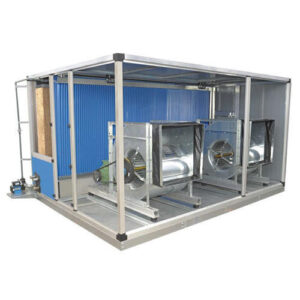
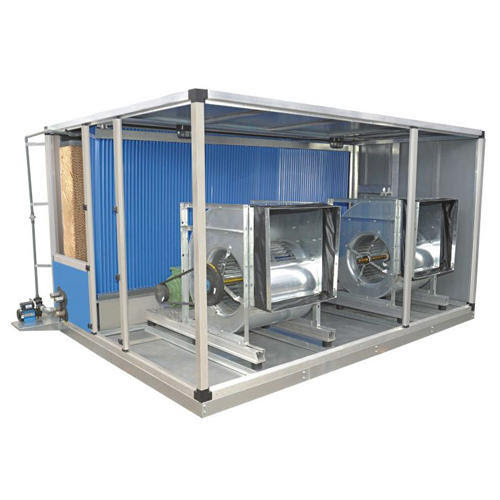
Industrial Fresh Air Handling Unit – High Efficiency Ventilation System
View Details
Industrial Fresh Air Handling Unit – High Efficiency Ventilation System
View Details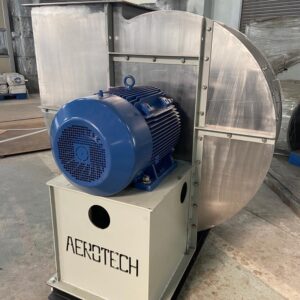
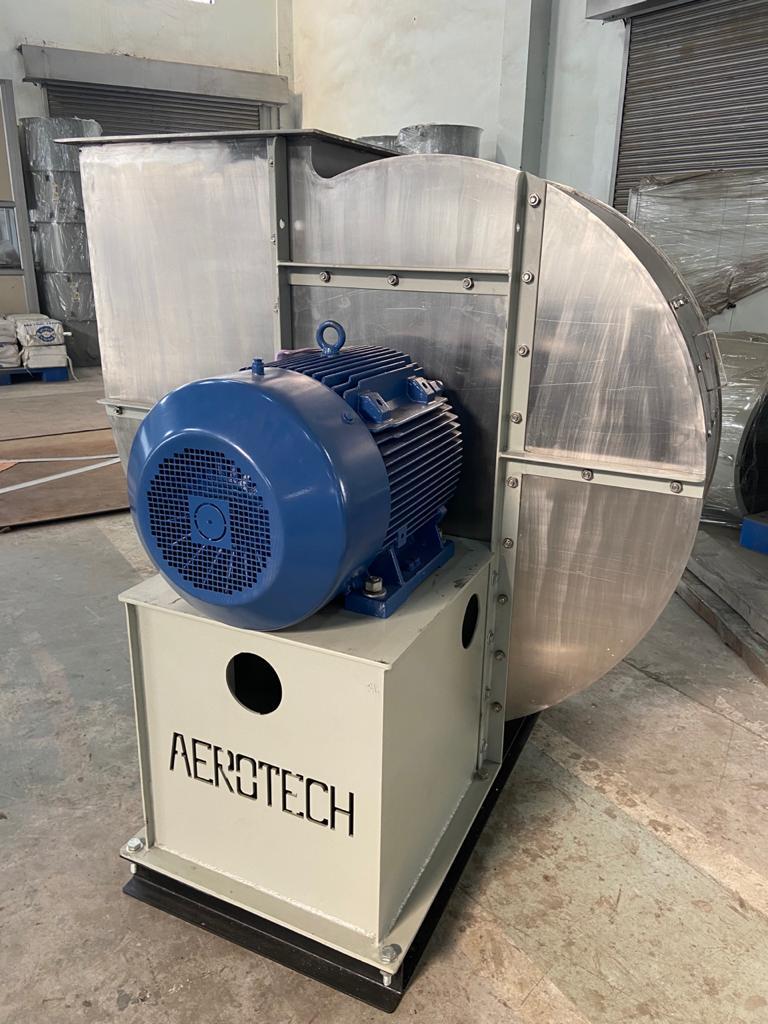
Industrial Low-Pressure Centrifugal Blower - High Efficiency Air Handling Unit
View Details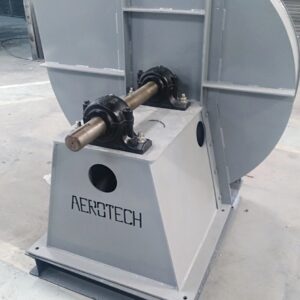
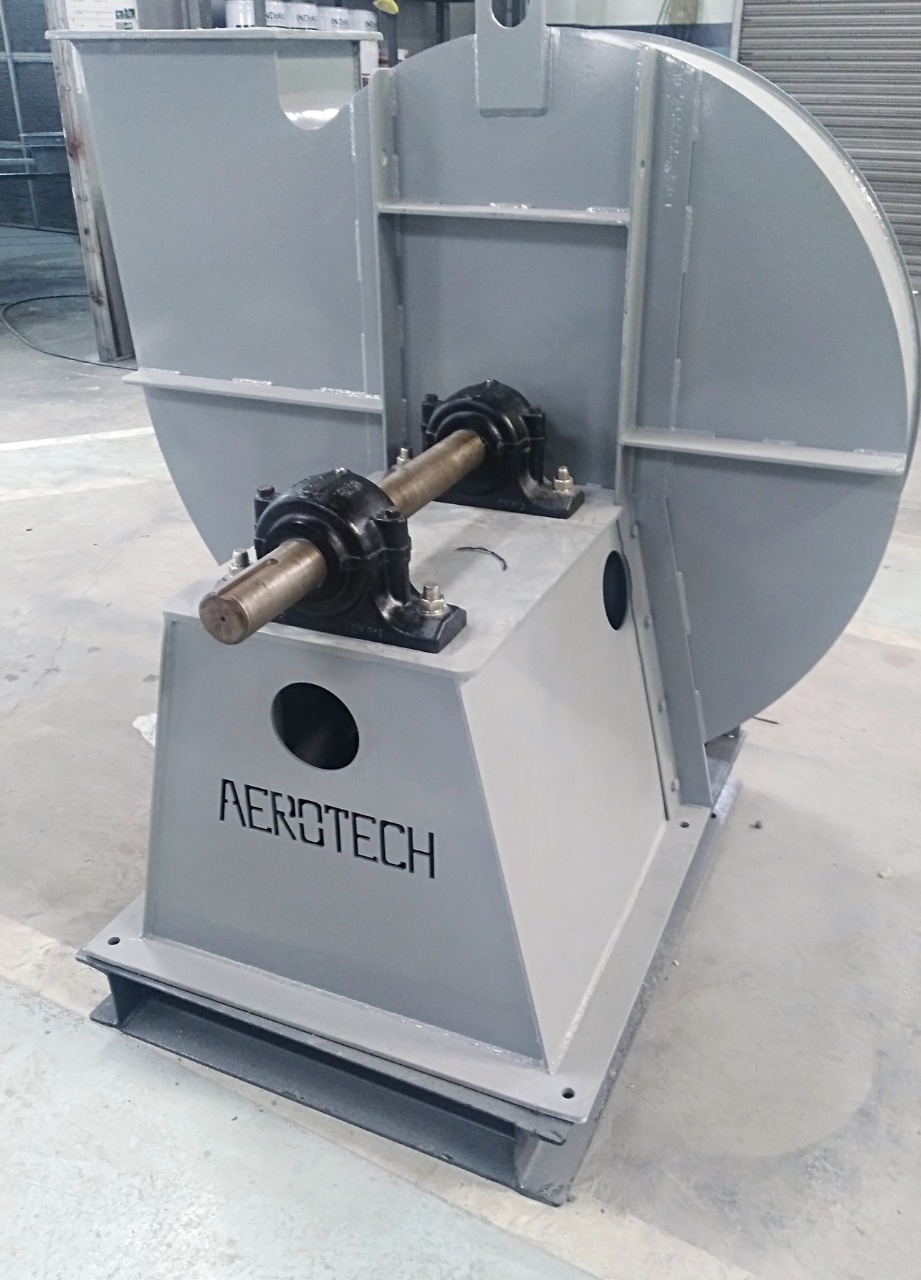
Industrial Centrifugal Ventilation Blower – Heavy-Duty Air Handling Unit
View Details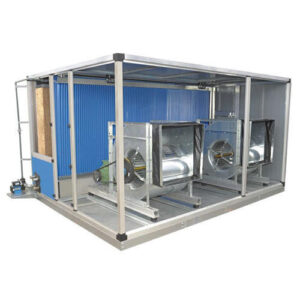

Industrial Air Cooling System with Dual Centrifugal Blowers – High Efficiency HVAC Unit
View Details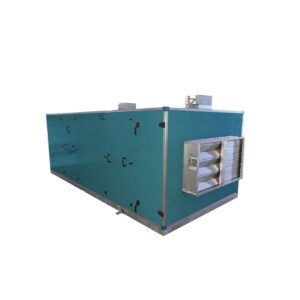
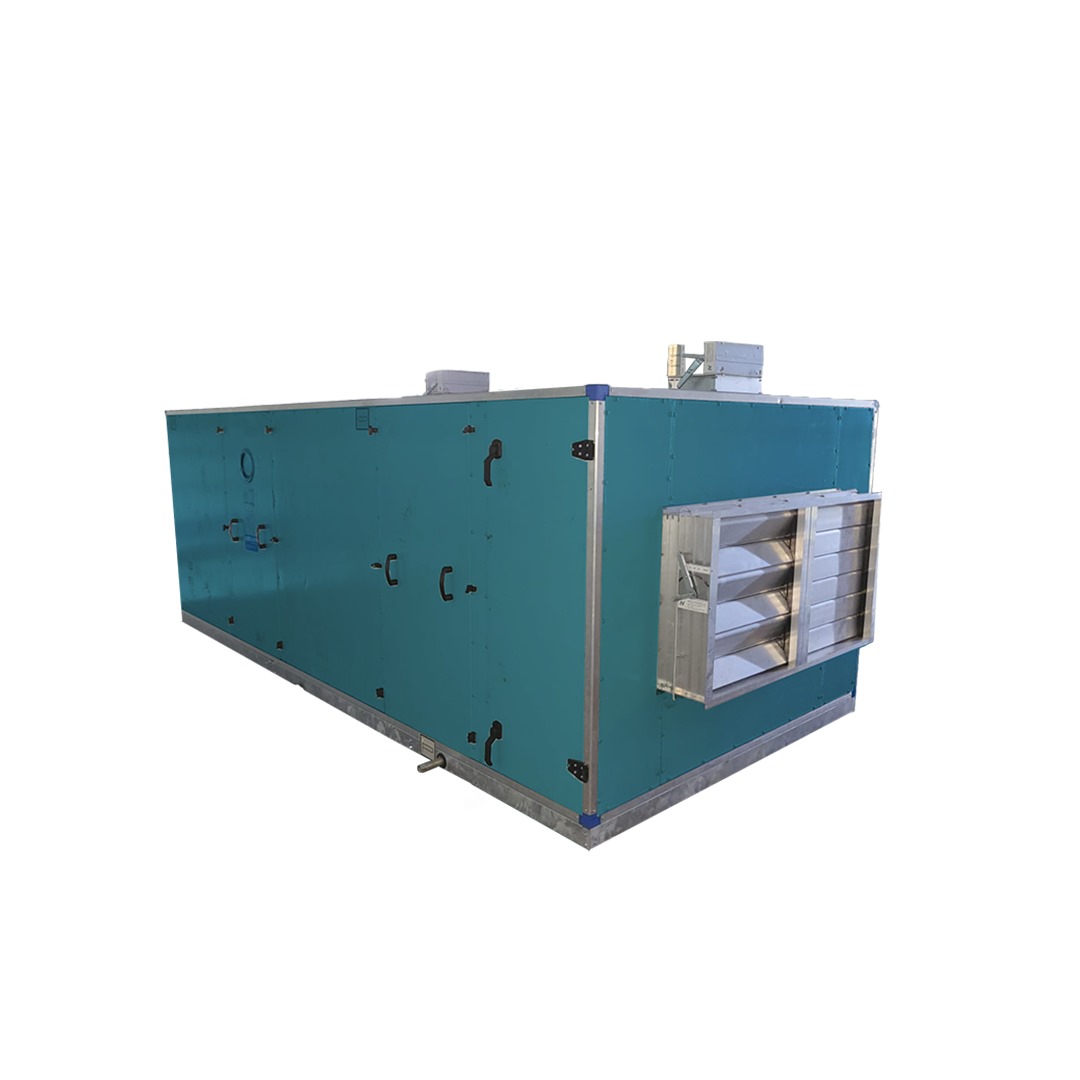
Ceiling Suspended Air Handling Unit – High Efficiency HVAC System for Commercial Use
View Details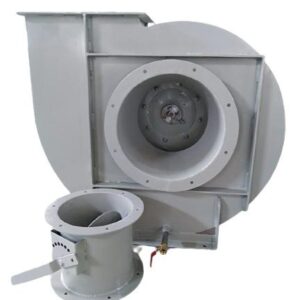
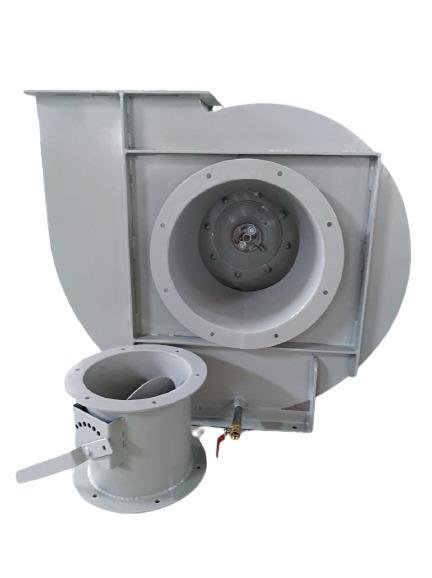
Industrial Kitchen Exhaust Centrifugal Blower Fan – High Efficiency Ventilation System
View Details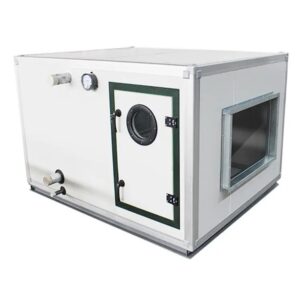
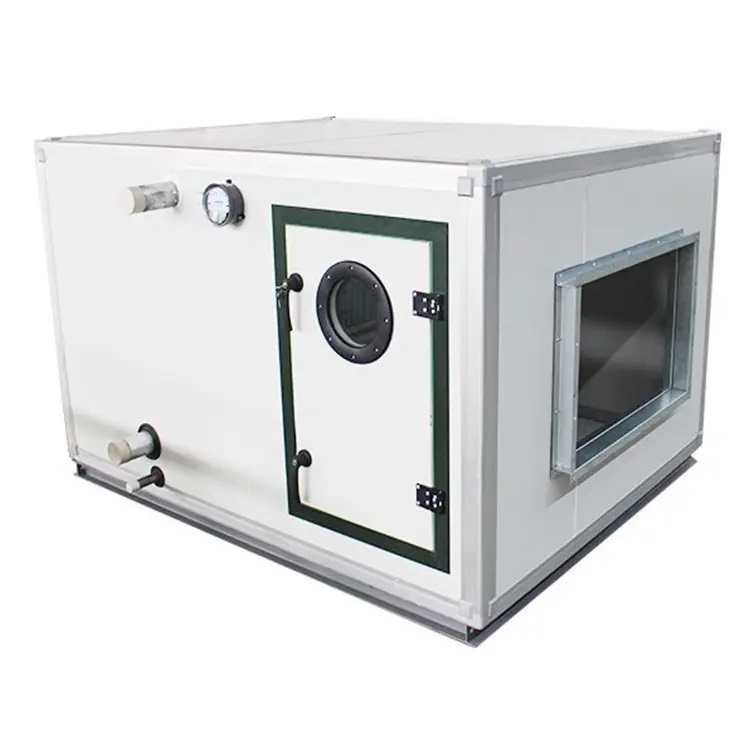
Industrial Treated Fresh Air Unit – Energy-Efficient Air Handling System
View Details
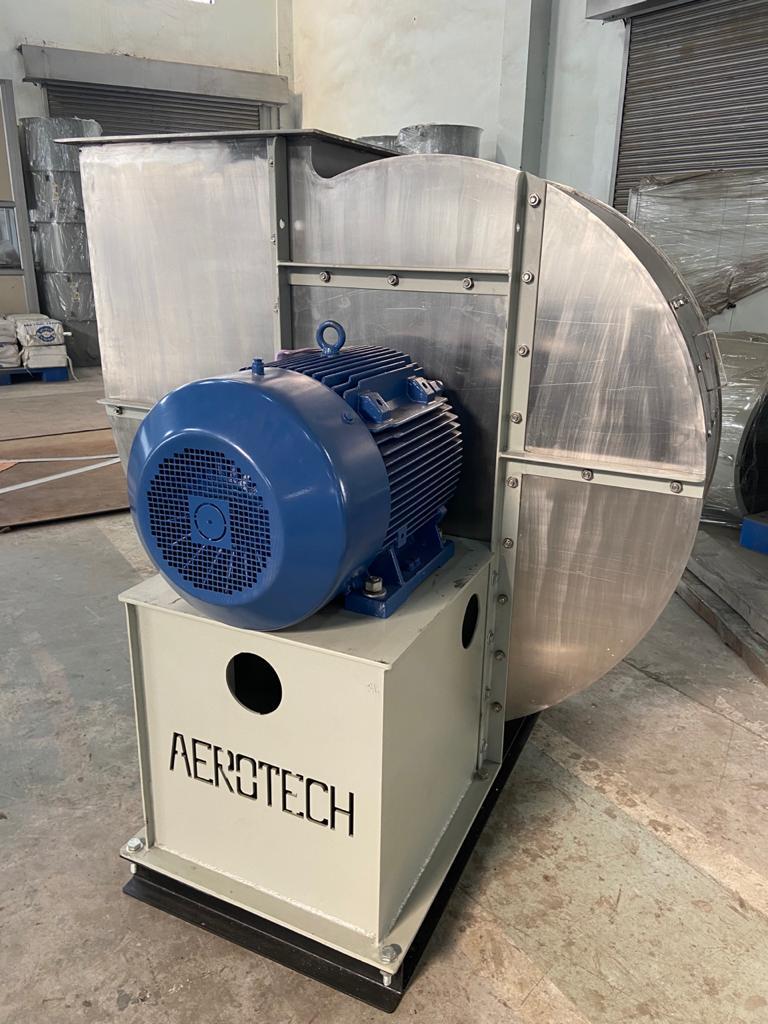
Industrial Direct Driven Centrifugal Blower – High Efficiency Air Handling System
View DetailsAn industrial ventilation system for manufacturing production line operations plays a vital role in maintaining clean air, temperature balance, and worker comfort. When machinery and processes generate heat, fumes, or particulate matter, proper ventilation ensures a stable and safe environment. Engineers and plant managers rely on these systems to keep air quality consistent while optimizing energy use and productivity.
Each industrial ventilation system for manufacturing production line setups is designed to handle continuous operation under demanding conditions. A well-balanced airflow system removes heat and airborne contaminants, supporting cleaner production and consistent product quality.
| Model | Pressure Type | Ideal Use | Energy Efficiency |
|---|---|---|---|
| Low-Pressure Centrifugal Blower | Low | Continuous airflow in large production areas | High |
| Direct Driven Centrifugal Blower | Medium | Compact or modular line setups | Moderate to High |
| Heavy-Duty Ventilation Blower | High | Dust or fume-heavy applications | High |
Choosing the right blower depends on production scale, airflow demand, and space constraints. Aeppl engineers assist in designing systems that match your process layout and performance goals.
Modern manufacturing facilities emphasize energy-efficient ventilation to reduce operational costs and meet sustainability targets. Smart sensors, variable speed drives, and optimized duct routing help maintain airflow precision while minimizing power consumption. An industrial ventilation system for manufacturing production line setups can connect with automation software for real-time monitoring and predictive maintenance.
Every production line has unique environmental needs. Aeppl provides custom-built air handling units tailored to specific applications, such as treated fresh air systems or ceiling-suspended configurations. Whether your facility requires focused exhaust for high-temperature zones or balanced air circulation for packaging areas, Aeppl offers engineered solutions to fit your workflow.
| System Type | Configuration | Recommended Application |
|---|---|---|
| Fresh Air Handling Unit | Standalone or integrated | General manufacturing floors |
| Treated Fresh Air Unit | Energy-efficient | Cleanroom and precision production |
| Ceiling Suspended Air Handling Unit | Compact mount | Space-limited work areas |
A properly engineered ventilation system improves production consistency and equipment lifespan. With regular maintenance and airflow audits, facilities can minimize downtime and maintain compliance with air quality standards. Many manufacturers now track ventilation performance metrics as part of their efficiency and sustainability reporting.
Ventilation systems are essential for meeting occupational safety and emission requirements. Effective airflow prevents buildup of fumes, dust, and heat, protecting workers and maintaining process integrity. Aeppl designs its systems according to ISO and local environmental standards for reliable operation across industries such as automotive, pharmaceutical, and food processing.
Aerotech Equipments and Projects Pvt. Ltd. (Aeppl) is a trusted manufacturer and exporter of industrial air handling and ventilation systems. With decades of engineering experience, Aeppl delivers durable, energy-efficient solutions designed for continuous industrial use. Visit Aeppl
It maintains consistent airflow, controls temperature, and removes contaminants, helping equipment run efficiently and improving overall product quality.
Proper ventilation supports worker safety, reduces heat stress, and helps meet environmental compliance standards in production facilities.
Heavy-duty centrifugal blowers and treated fresh air units are ideal for environments with high dust or fumes, offering stable performance under continuous load.
Yes, modern systems with variable speed drives and optimized duct design lower power consumption while maintaining required airflow levels.
Air volume requirements, space layout, process temperature, and contaminant type all influence system design and equipment selection.
Regular inspection every 6 to 12 months ensures optimal airflow and identifies wear or imbalance before it affects production efficiency.
Yes, they help facilities meet occupational safety and environmental emission standards by maintaining proper air exchange and pollutant control.
Many systems integrate easily with automation platforms for real-time monitoring, performance tracking, and predictive maintenance alerts.
Aeppl offers durable, energy-efficient ventilation systems designed for demanding industrial environments, backed by expert engineering support.
Contact Aeppl at +91-9599785811, +91 8377077661, or +91 9810162210, or email sales@aeppl.com for technical assistance and product inquiries.