
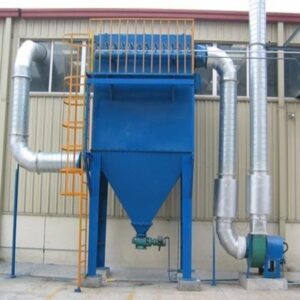
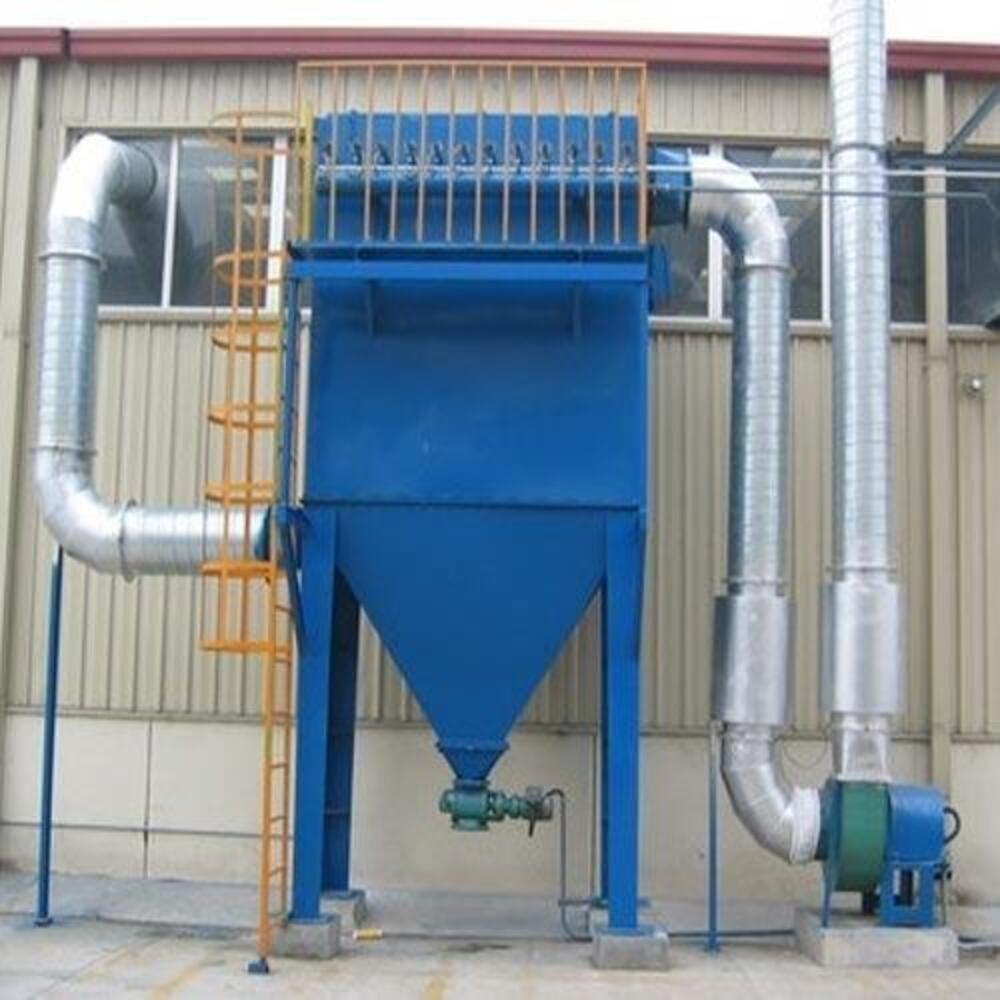
Industrial Bag Filter Dust Collection System - High-Efficiency Air Filtration Unit
View Details
Industrial Bag Filter Dust Collection System - High-Efficiency Air Filtration Unit
View Details
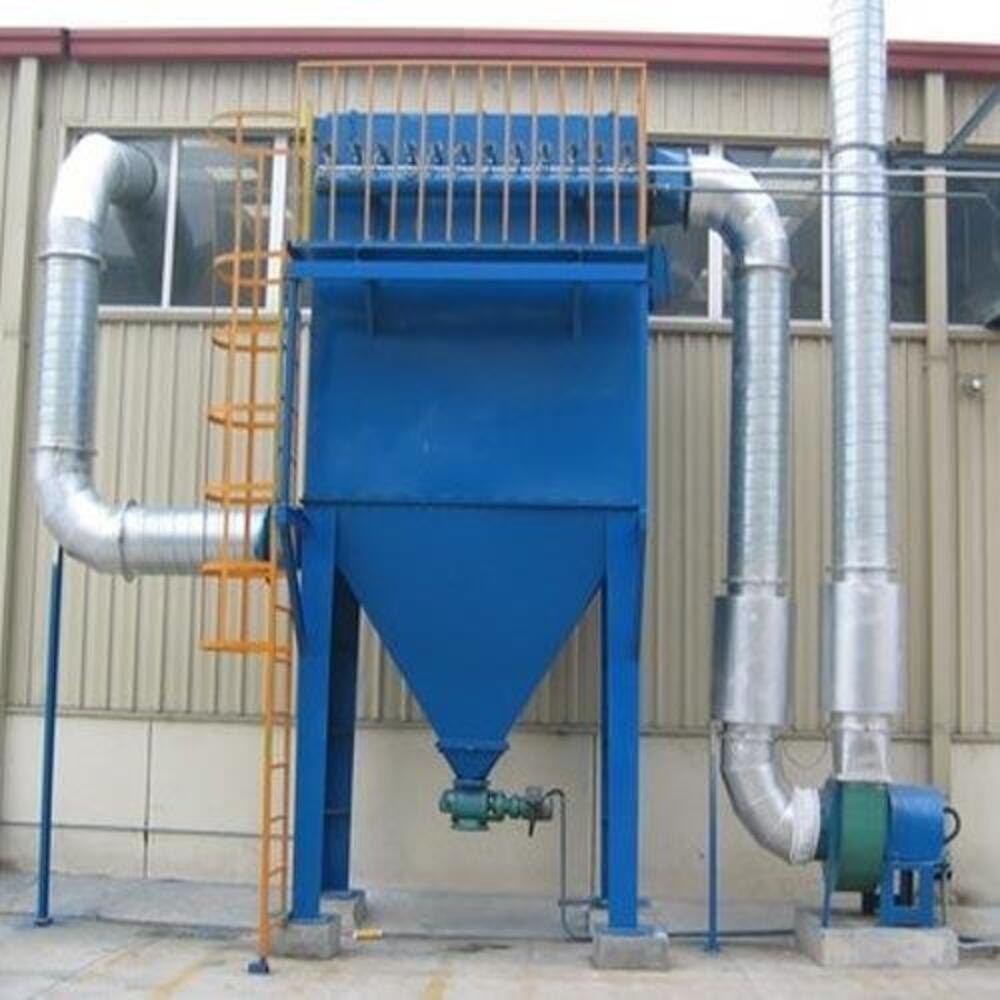
Industrial Mechanical Dust Collector System - High-Efficiency Air Filtration Unit
View Details
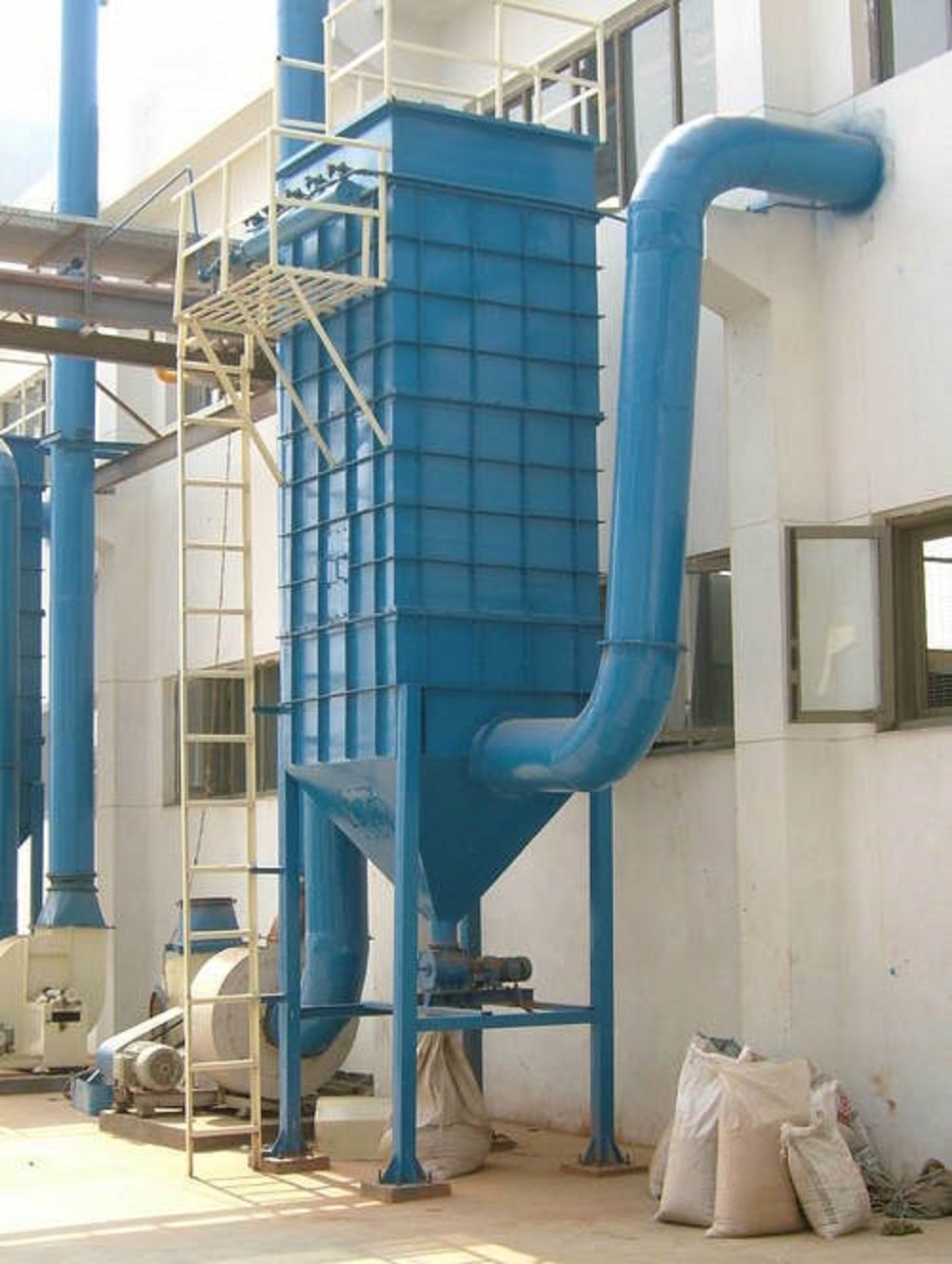
Industrial Dust Collection Bag Filter System - High Efficiency Air Filtration Unit
View Details
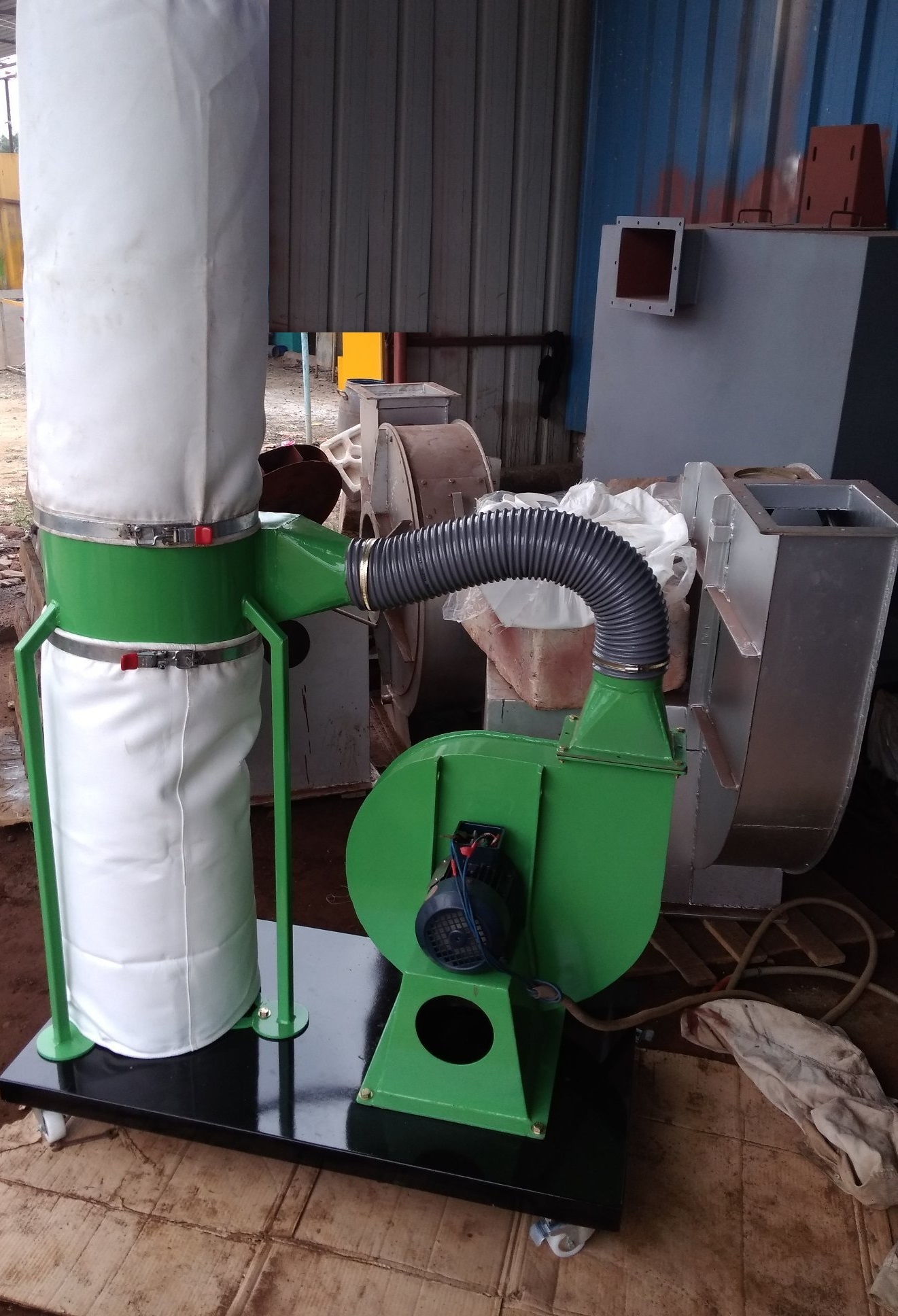
Industrial Movable Dust Collector - High-Efficiency Filtration System
View Details
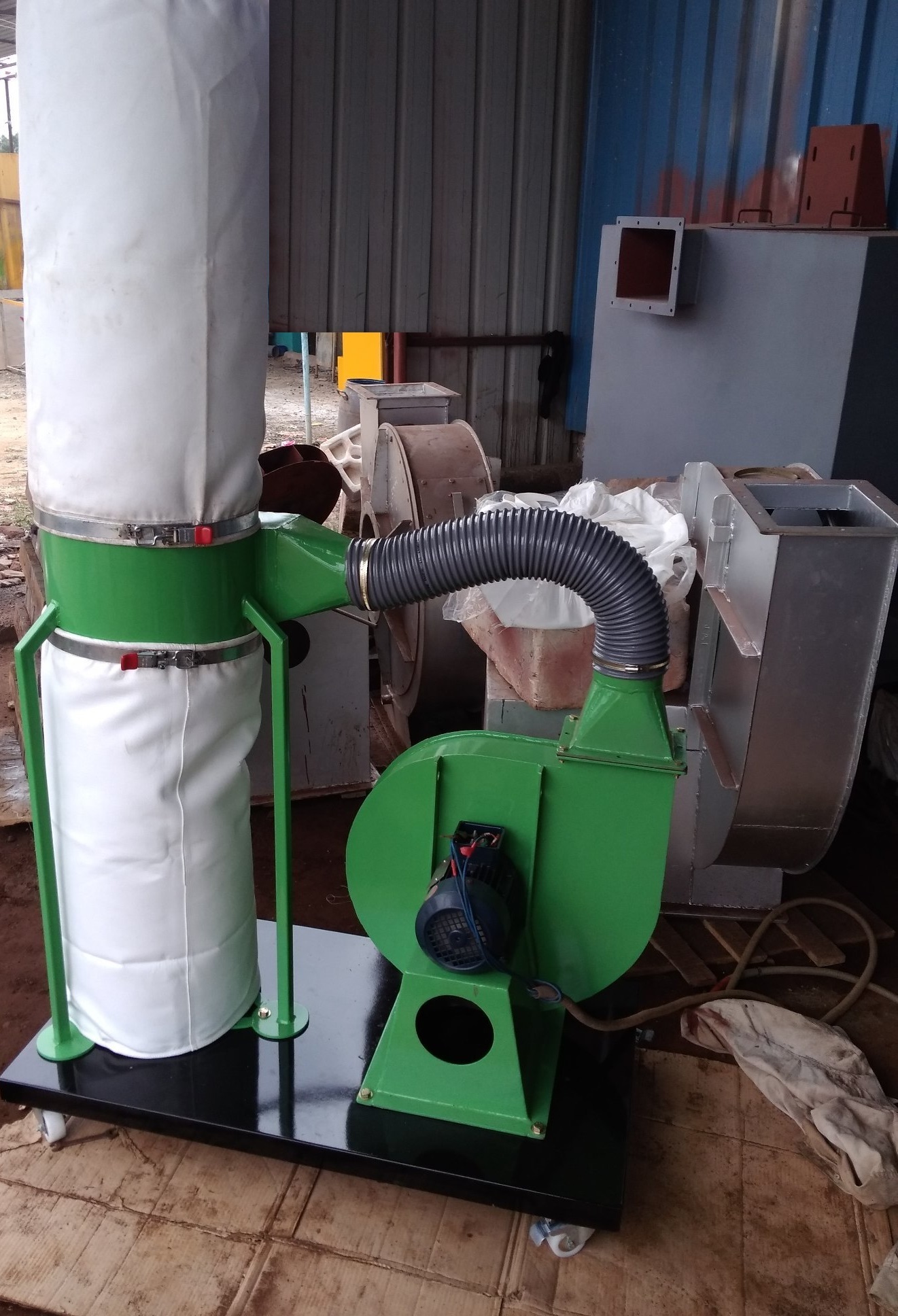
Industrial Portable Dust Collector - High-Efficiency Filtration System
View Details
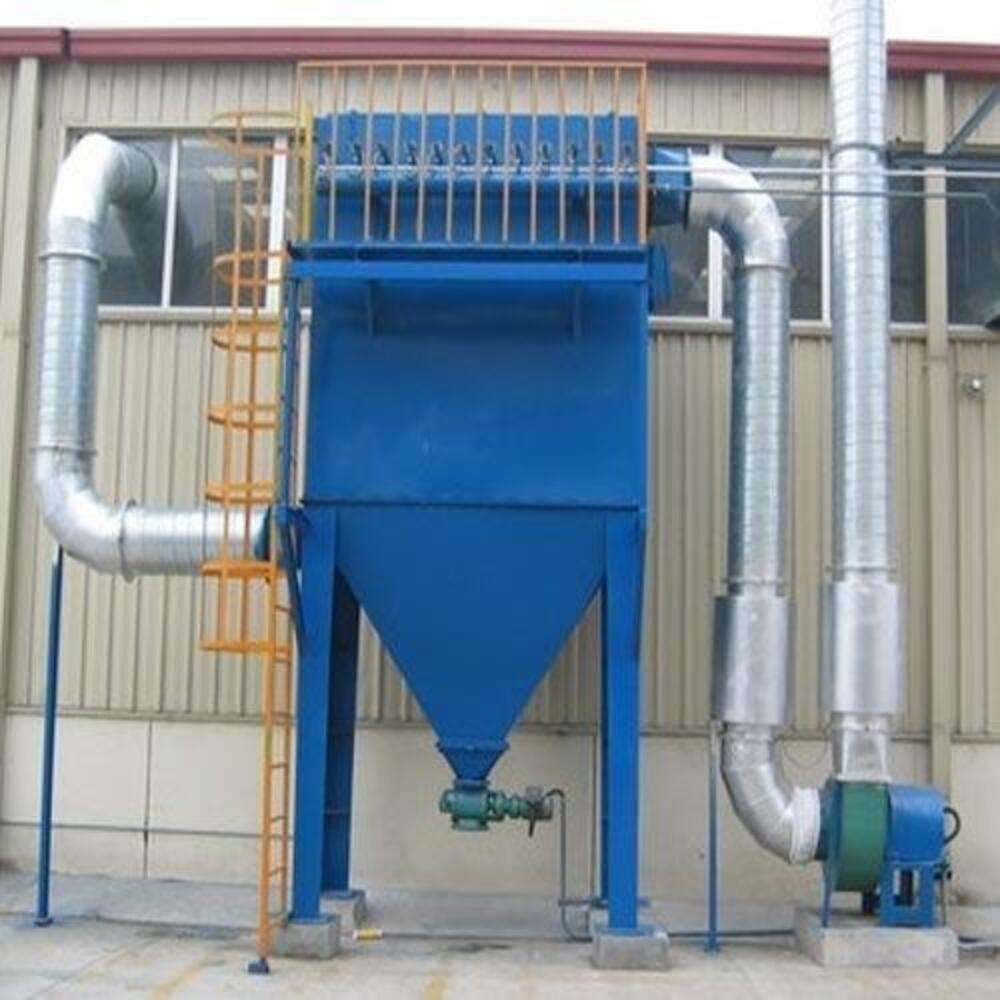
Industrial Dust Collection System - High-Efficiency Filtration Unit with Cyclone Separator
View DetailsA well-designed woodworking shop dust collection system is essential for maintaining a clean, healthy, and efficient workspace. Whether you work on small projects or manage a full-scale production shop, controlling airborne dust and debris helps protect your tools, your lungs, and your overall productivity.
Wood dust can quickly accumulate, clog equipment, and create safety hazards. Fine particles not only affect air quality but can also pose long-term health risks. A proper dust collection setup captures sawdust and shavings at the source, keeping your shop cleaner and safer while improving tool performance.
Every woodworking shop dust collection system includes several key parts that work together to move and filter air effectively:
Selecting the right woodworking shop dust collection system depends on your shop size, the number of machines, and the type of woodworking you do. Smaller shops may benefit from a portable single-stage unit, while larger operations often require central systems with multiple collection points.
Consider these factors when choosing your setup:
Good planning makes installation easier and more effective. Position the collector near the center of your workspace to minimize duct length. Use smooth, rigid ducting instead of flexible hose whenever possible to reduce air resistance. Seal all joints tightly to prevent leaks, and ensure your electrical setup matches the unit's requirements.
Regular cleaning and inspection keep your dust collection system running efficiently. Empty collection bags or bins before they reach capacity, check filters periodically, and inspect ductwork for blockages or damage. A few minutes of maintenance can prevent downtime and extend the life of your equipment.
Beyond cleanliness, dust collection plays a major role in worker safety. Fine wood dust can cause respiratory issues and allergic reactions over time. A well-maintained system reduces exposure and supports a healthier environment. It also lowers fire risk by preventing dust buildup around electrical equipment and heat sources.
When exploring options, many woodworkers look at trusted names like Jet, Grizzly, and Aeppl. Each offers durable systems designed for different shop sizes. Aeppl stands out for its focus on efficient airflow design and solid build quality, making it a dependable choice for both hobbyists and professionals.
| Feature | Benefit |
|---|---|
| High-efficiency filtration | Captures fine dust and particles for cleaner air |
| Compact design options | Ideal for small workshops or mobile setups |
| Durable construction | Built to handle continuous use without performance loss |
Even the best dust collector needs proper airflow design to work effectively. Keep duct runs short, use gradual bends, and ensure each machine has an appropriately sized port connection. Consider adding a cyclone separator for improved particle separation and reduced filter maintenance.
Modern collectors are quieter and more energy-conscious than older models. Look for units with efficient motors and sound insulation. Aeppl designs systems that balance performance with reduced noise levels, helping you maintain a more comfortable workspace without sacrificing power.
Investing in a reliable woodworking shop dust collection system improves your workflow, extends the life of your tools, and supports better health. Whether upgrading an existing setup or starting fresh, focus on quality components and thoughtful design.
Aeppl provides precision-engineered dust collection systems built for serious woodworkers. Our products combine solid construction with efficient airflow design to deliver dependable performance in every shop. Visit Aeppl
It depends on your shop size and number of machines. Measure airflow needs in cubic feet per minute (CFM) and choose a collector that meets or exceeds that requirement.
Check filters monthly and replace them when airflow drops or visible buildup occurs. Regular cleaning helps maintain efficiency.
It can, but performance may drop if several tools run simultaneously. For multi-tool setups, a two-stage or central system works better.
Yes. A cyclone separates larger particles before they reach the filter, reducing maintenance and improving suction consistency.
Place the unit in an enclosed area, use acoustic panels, or choose a quieter model with sound-dampening features.
Smooth metal ducting provides better airflow and less static buildup than flexible plastic hoses.
Proper airflow ensures dust is captured at the source, preventing buildup and maintaining clean air throughout your workspace.
Many woodworkers do, but professional installation ensures optimal performance and safety compliance.
Yes. Aeppl provides compatible replacement filters and accessories designed to maintain peak performance in all its systems.
Aeppl focuses on durable construction, efficient airflow design, and user-friendly maintenance, making its systems a reliable choice for any woodworking shop.