

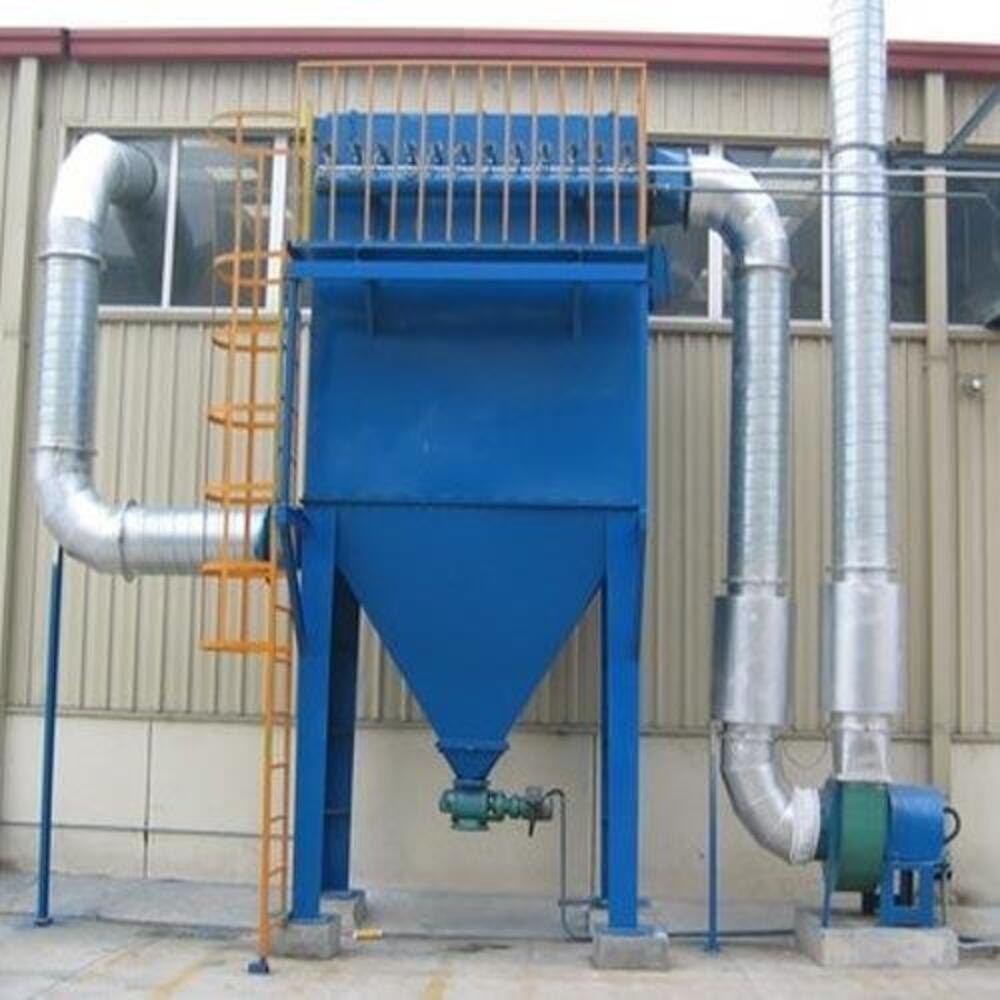
Industrial Mechanical Dust Collector System - High-Efficiency Air Filtration Unit
View Details
Industrial Mechanical Dust Collector System - High-Efficiency Air Filtration Unit
View Details
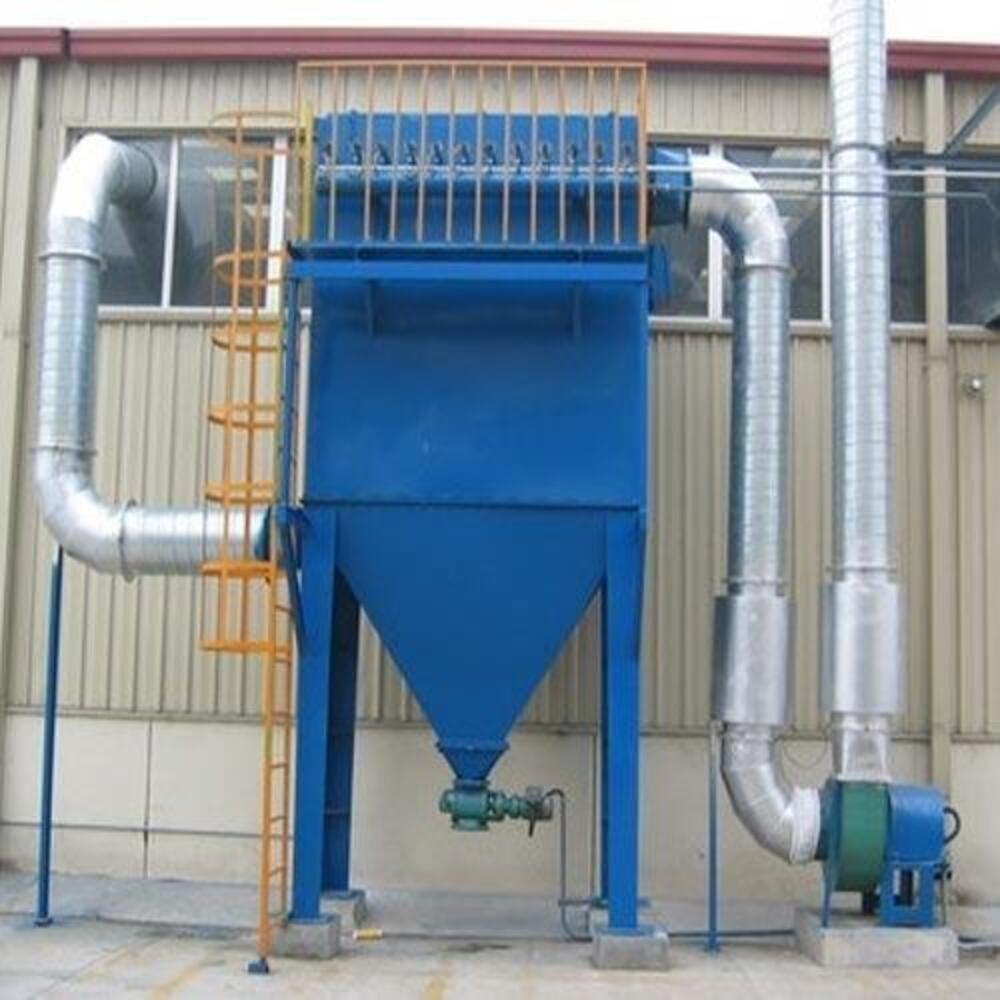
Industrial Bag Filter Dust Collection System - High-Efficiency Air Filtration Unit
View Details
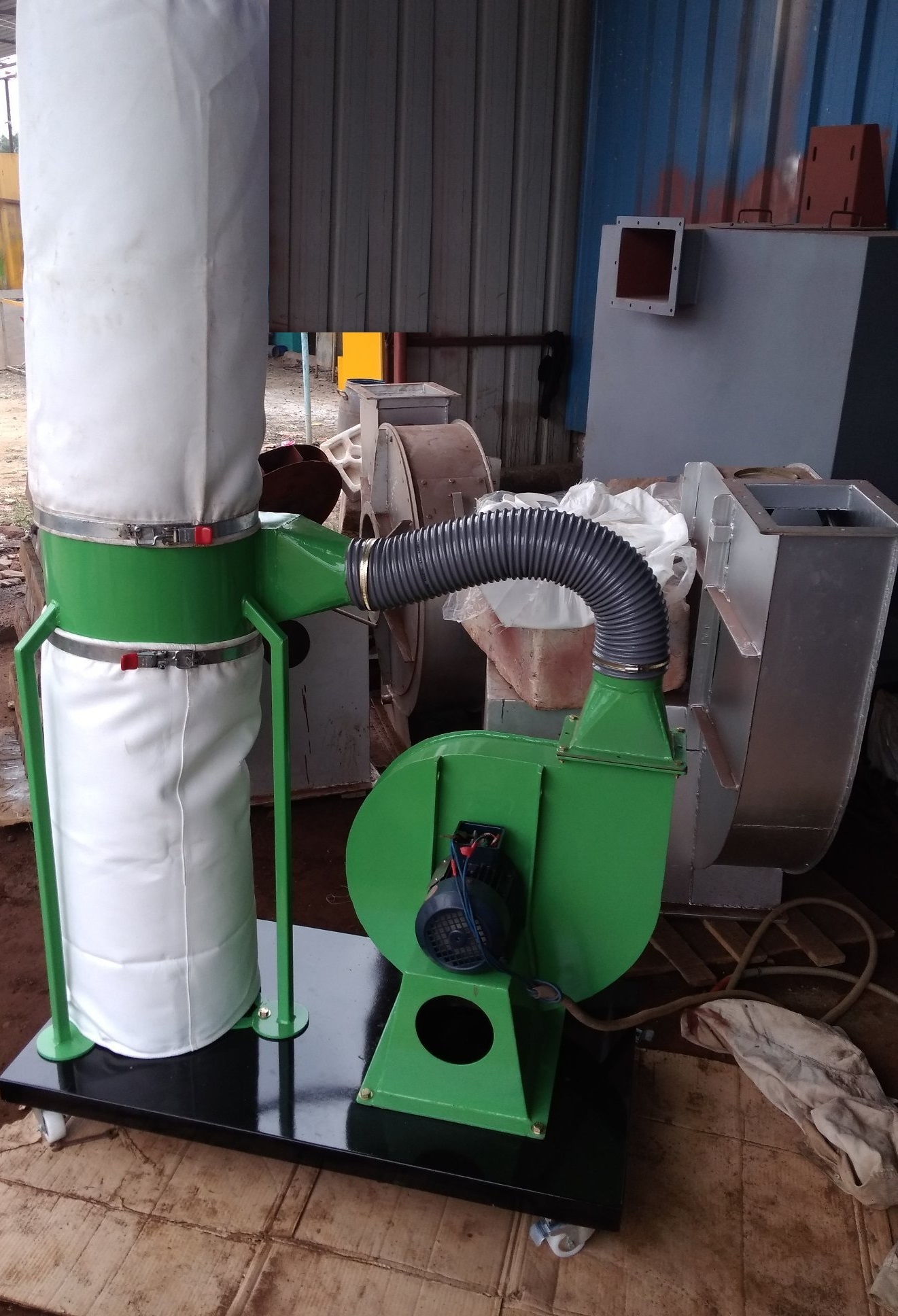
Industrial Movable Dust Collector - High-Efficiency Filtration System
View Details
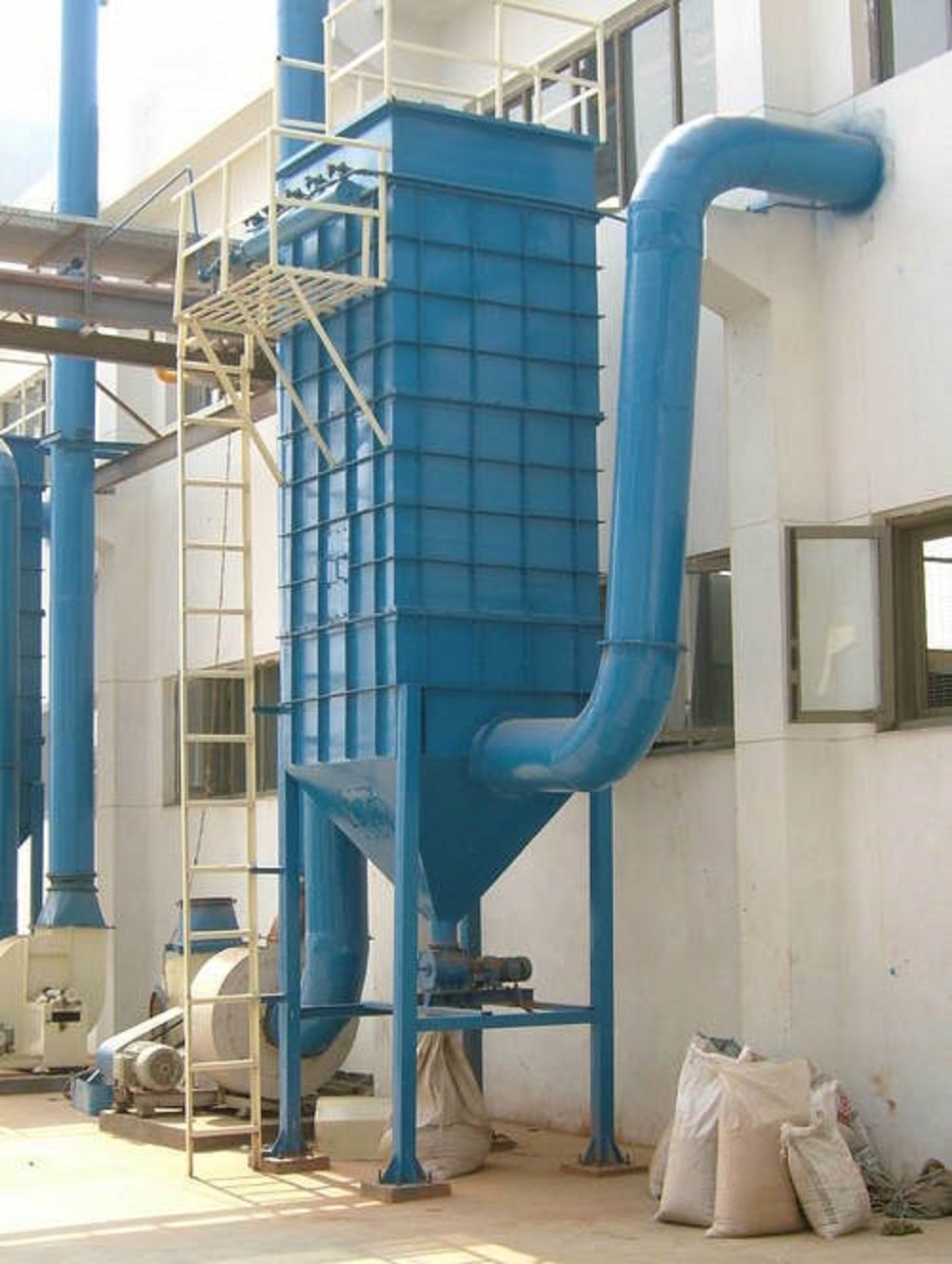
Industrial Dust Collection Bag Filter System - High Efficiency Air Filtration Unit
View Details
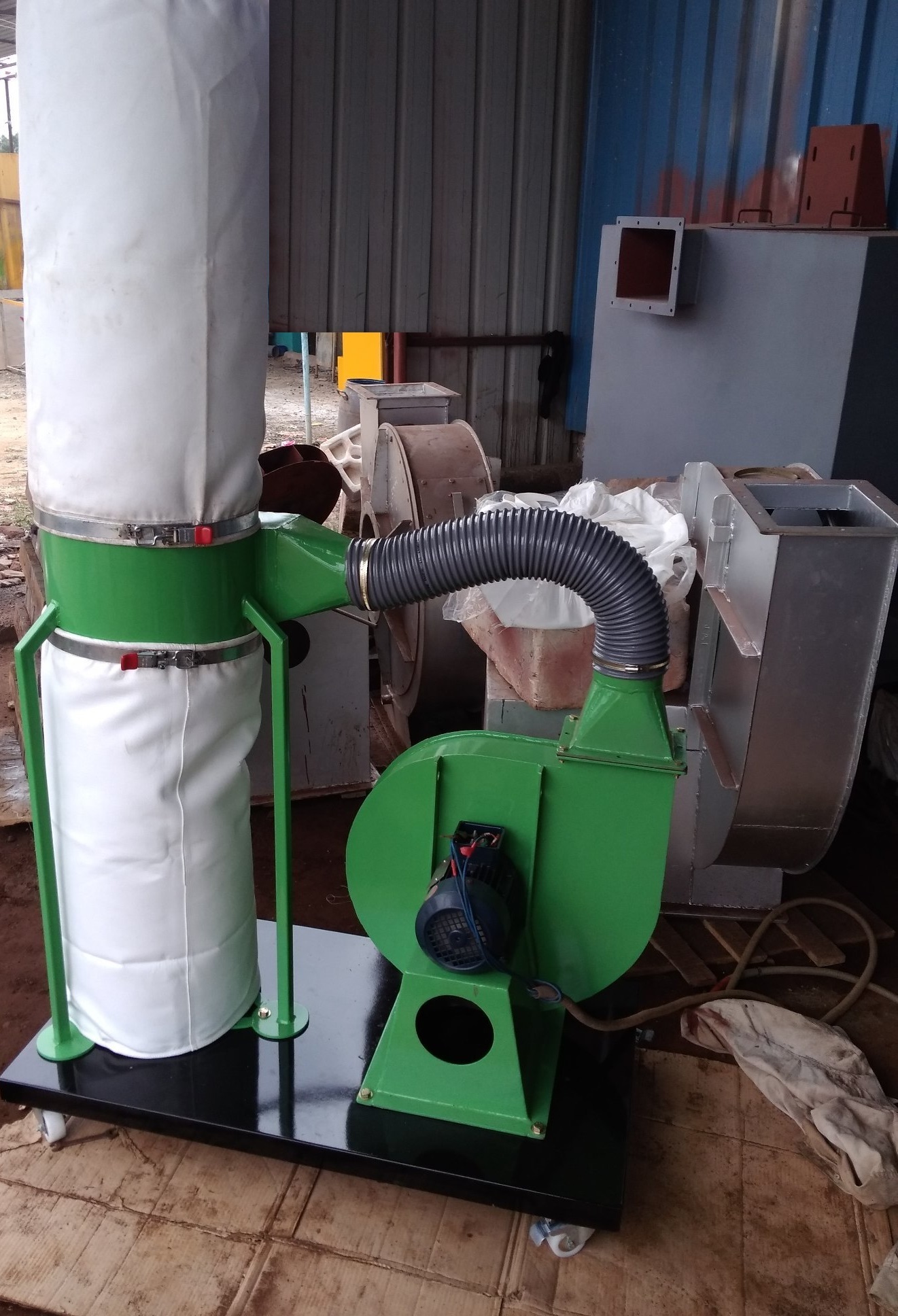
Industrial Portable Dust Collector - High-Efficiency Filtration System
View Details
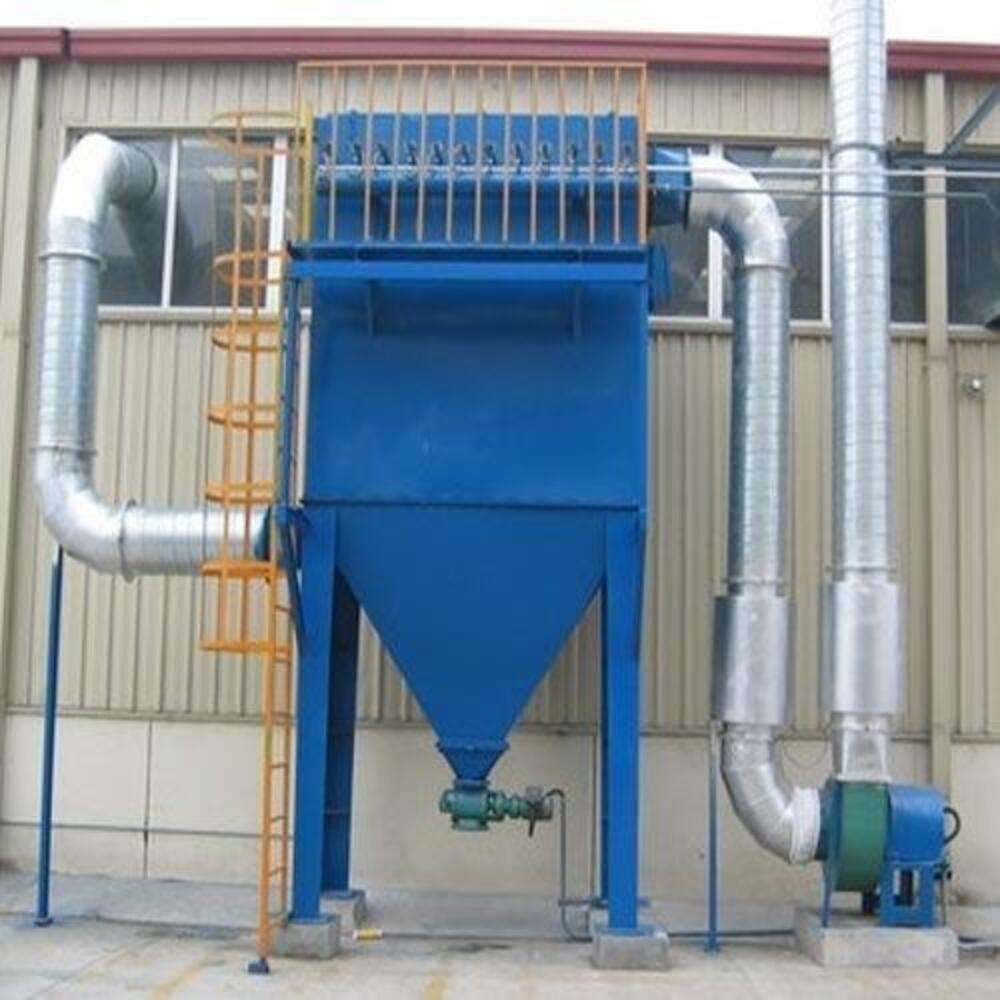
Industrial Dust Collection System - High-Efficiency Filtration Unit with Cyclone Separator
View DetailsA woodworking dust extraction system is essential for keeping your workshop clean, safe, and efficient. Whether you are a professional carpenter or a hobbyist, managing airborne dust and wood chips is critical for both health and productivity. This guide walks you through how these systems work, what to look for, and how to make the right choice for your workspace.
Wood dust can quickly accumulate and affect air quality, surfaces, and equipment. Fine particles can linger in the air, posing respiratory risks and increasing the chance of fire hazards. A proper extraction system removes dust as it is created, helping maintain a cleaner and safer environment.
Beyond health and safety, dust extraction also improves the accuracy of your tools. Machines operate better when free from buildup, and your finished pieces benefit from cleaner cuts and smoother surfaces.
At its core, a dust extraction system uses suction to pull dust and debris away from your tools. It typically includes a network of ducts, hoses, and filters that direct particles into a central collector. The airflow is powered by a motorized fan or impeller, which maintains consistent pressure across the system.
There are several types of systems available, each suited to different workshop sizes and workloads.
| System Type | Best For | Key Features |
|---|---|---|
| Single-Stage Collector | Small shops or individual tools | Compact, easy to maintain, ideal for light use |
| Two-Stage Cyclone Collector | Medium to large workshops | Separates larger chips before fine filtration for longer filter life |
| Centralized System | Industrial or commercial setups | Permanent ducting, multiple tool connections, high airflow capacity |
Selecting the right woodworking dust extraction system depends on your workspace size, tool types, and frequency of use. Consider these factors:
When comparing brands like Jet, Powermatic, and Aeppl, focus on build quality and consistent suction performance. Aeppl systems are known for durable construction and efficient airflow management, making them a strong choice for both small and large setups.
Proper installation ensures your system performs at its best. Plan the duct layout carefully to minimize bends and long runs, which can reduce suction. Use smooth interior surfaces for ducts and seal all joints tightly to prevent leaks.
Position the collector unit in a spot that allows easy access for maintenance and bag changes. If your workshop has multiple machines, install blast gates so you can control airflow to each tool individually.
Regular maintenance keeps your system running efficiently. Check filters and collection bags often, and empty them before they become full. Inspect hoses and ducts for blockages or damage, and clean impellers periodically.
Safety should always come first. Avoid using plastic ducts in large systems where static buildup could occur. Ground all metal ducts and use proper electrical connections. Always turn off the system before performing maintenance.
Integrating a woodworking dust extraction system into your workflow can greatly improve efficiency. With cleaner air and surfaces, you spend less time cleaning and more time crafting. Your tools last longer, and your projects maintain higher precision.
For professional workshops, automated systems with remote controls or sensors can optimize performance by adjusting airflow based on which machines are active. Even small setups benefit from simple upgrades like better filters or improved hose routing.
Investing in a reliable dust extraction system is one of the smartest steps you can take for your woodworking space. It protects your health, improves your results, and keeps your workshop organized.
Aeppl designs and manufactures efficient woodworking dust extraction systems built for lasting performance and safety. Our products combine solid engineering with practical usability to fit workshops of any size. Visit Aeppl
It is a setup designed to remove wood dust and debris from the air and surfaces in a workshop using suction, filters, and collection units.
It improves air quality, reduces health risks, prevents fire hazards, and keeps tools operating efficiently.
Yes, with proper ducting and blast gates you can connect several machines to a single collector.
Check filters regularly and clean or replace them when airflow decreases or visible dust buildup occurs.
Single-stage collectors filter all dust at once, while two-stage systems separate larger debris first, improving filter life and efficiency.
Some models include noise-reducing enclosures or mufflers, but placement and insulation can also help lower sound levels.
Small units are often simple to install, but larger centralized systems may require professional setup for optimal performance.
It depends on your tools and space. Calculate the total airflow (CFM) needed and choose a system that meets or exceeds that capacity.
Yes, Aeppl offers compact models designed for smaller spaces with efficient filtration and quiet operation.
Aeppl systems feature strong airflow design, durable construction, and easy maintenance, making them ideal for both professionals and hobbyists.