

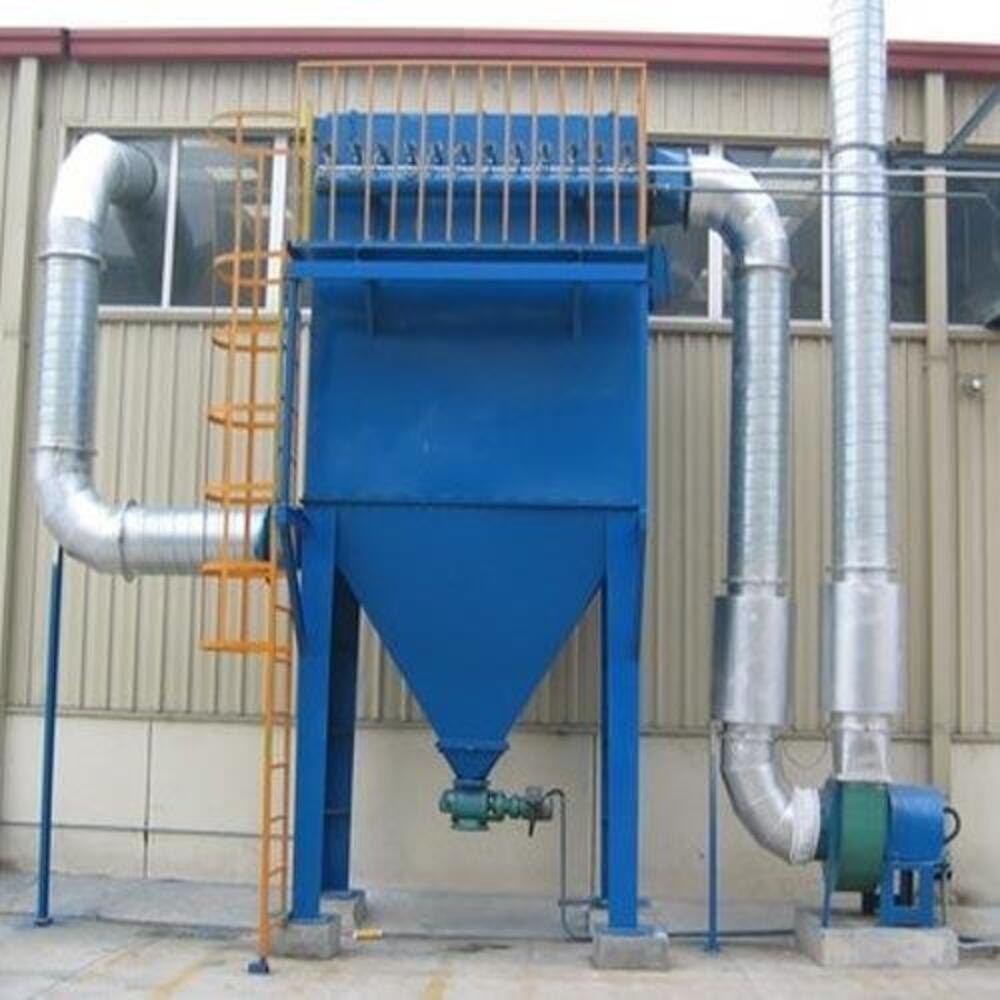
Industrial Mechanical Dust Collector System - High-Efficiency Air Filtration Unit
View Details
Industrial Mechanical Dust Collector System - High-Efficiency Air Filtration Unit
View Details
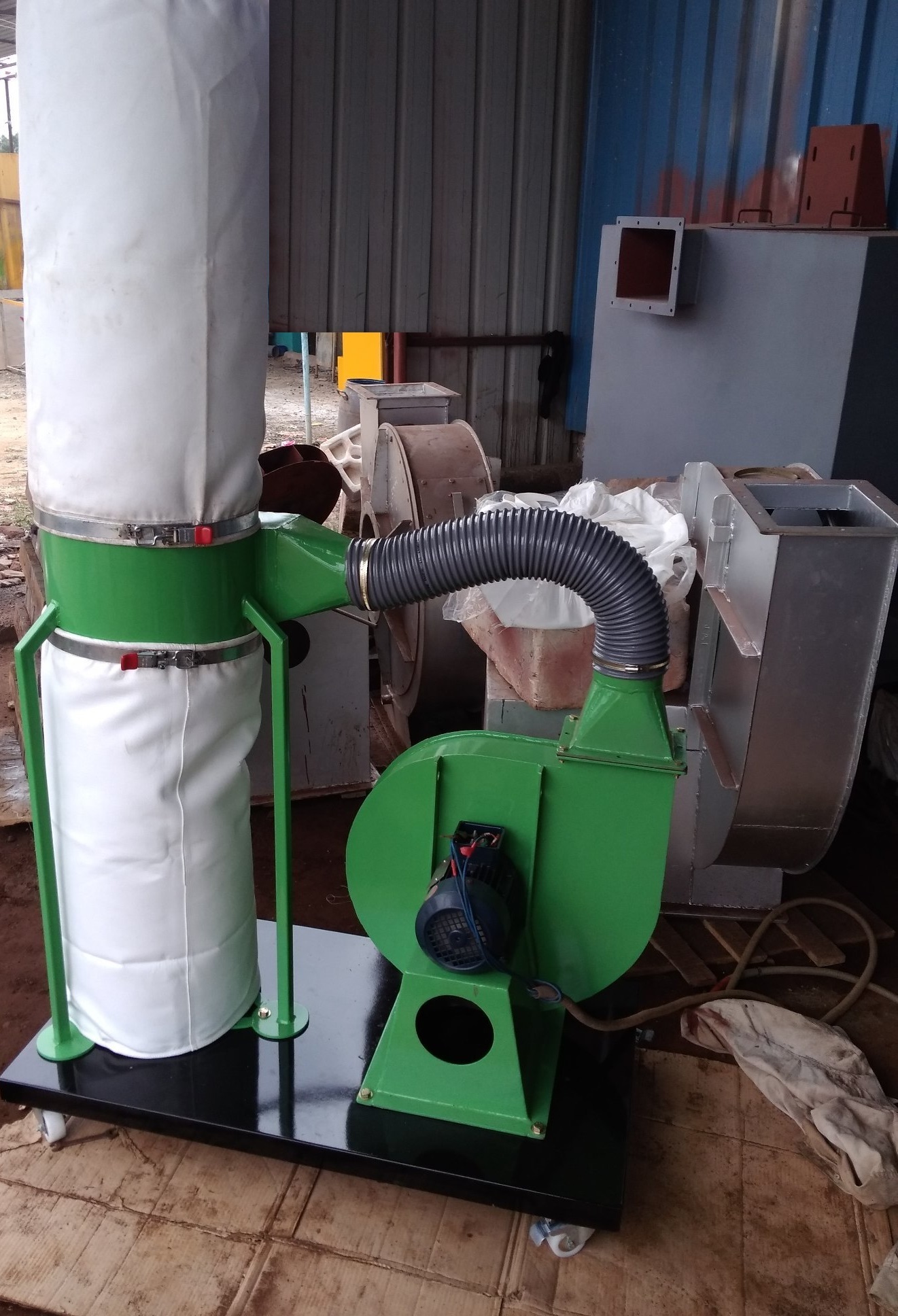
Industrial Portable Dust Collector - High-Efficiency Filtration System
View Details
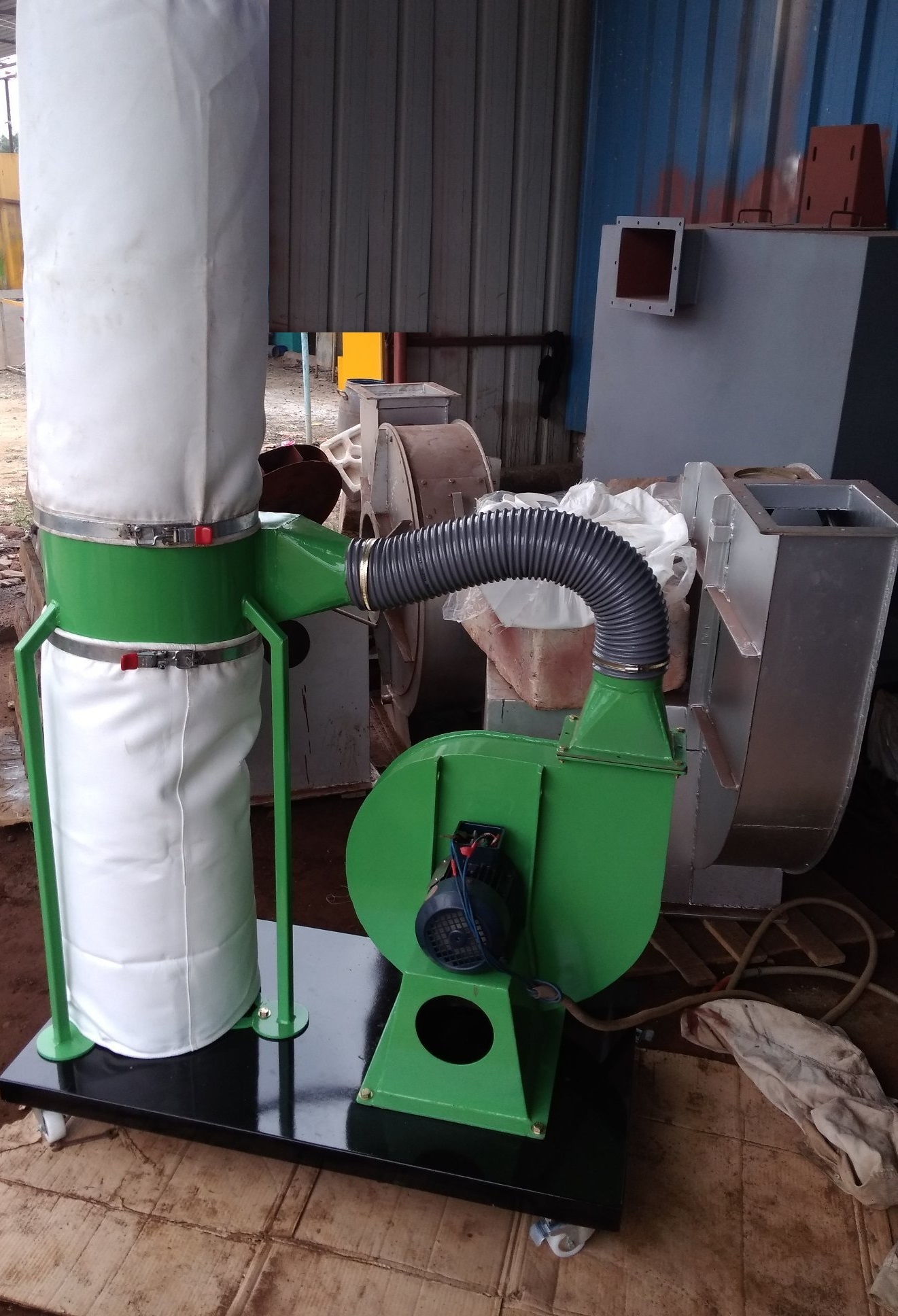
Industrial Movable Dust Collector - High-Efficiency Filtration System
View Details
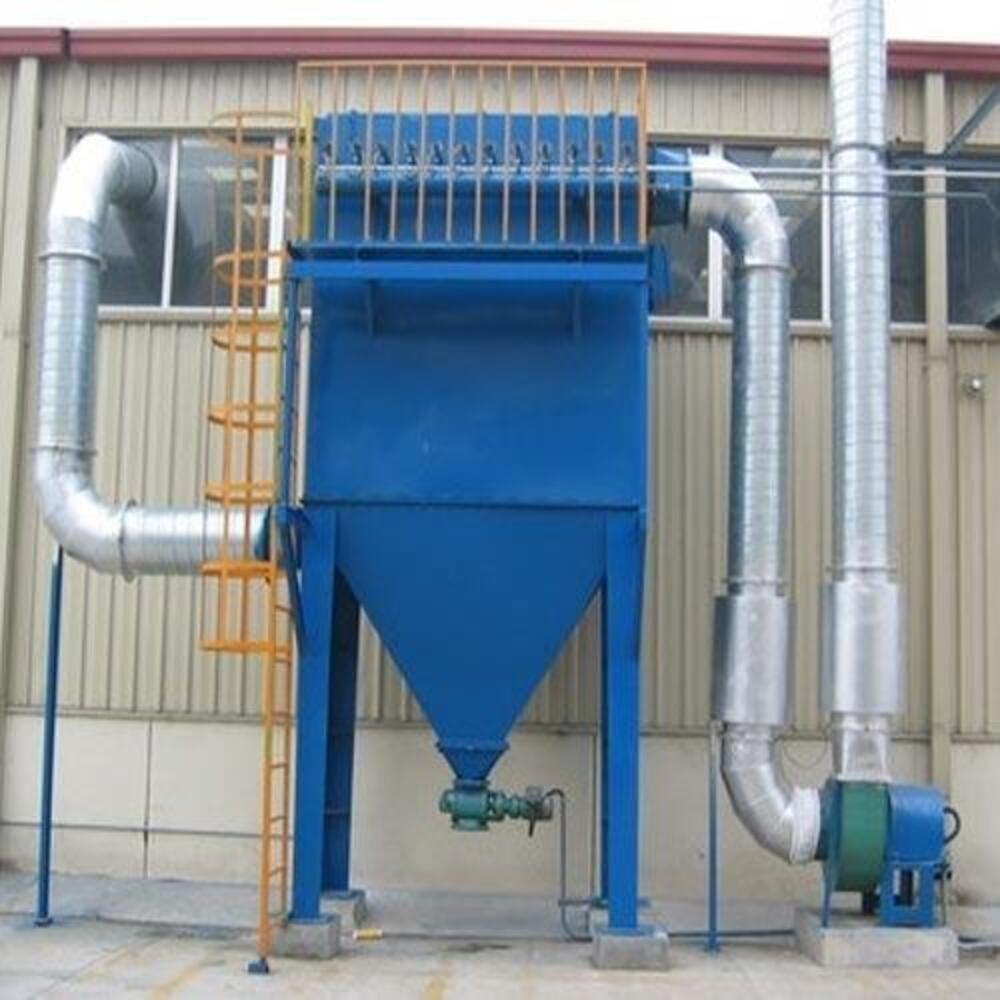
Industrial Bag Filter Dust Collection System - High-Efficiency Air Filtration Unit
View Details
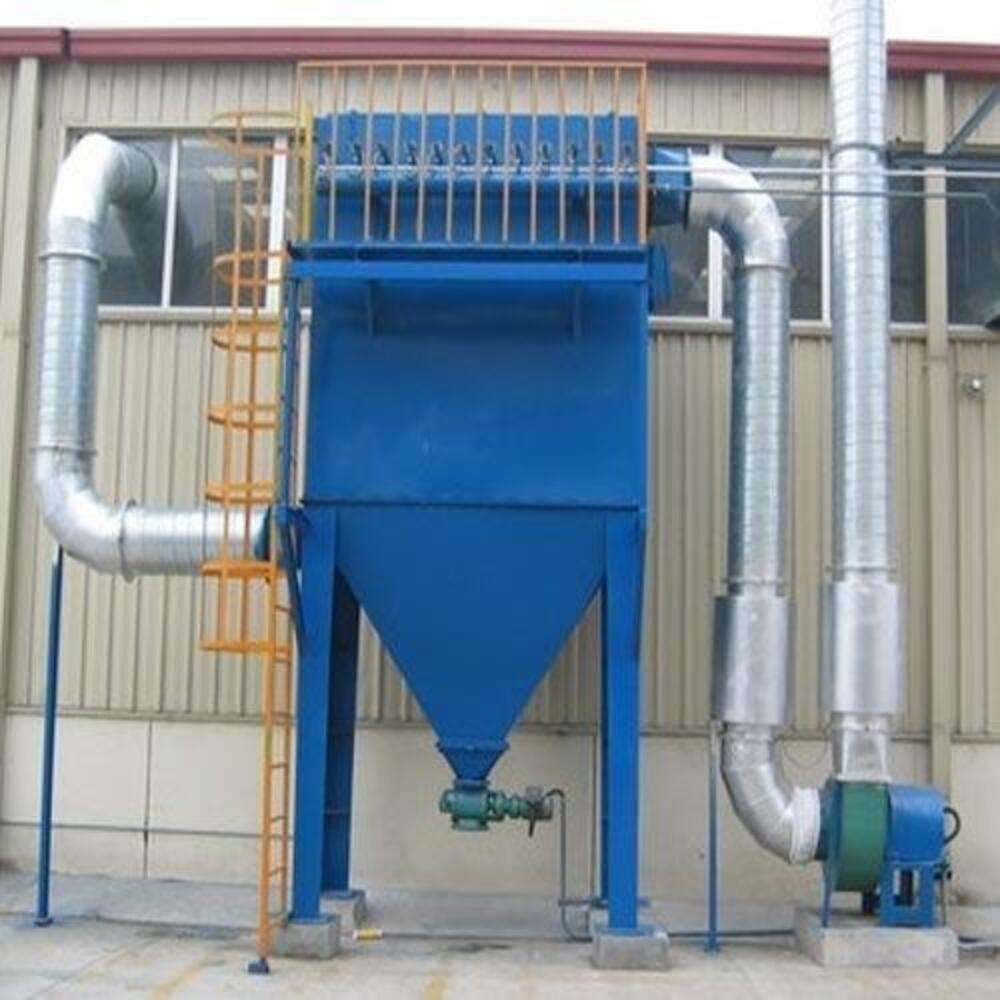
Industrial Dust Collection System - High-Efficiency Filtration Unit with Cyclone Separator
View Details
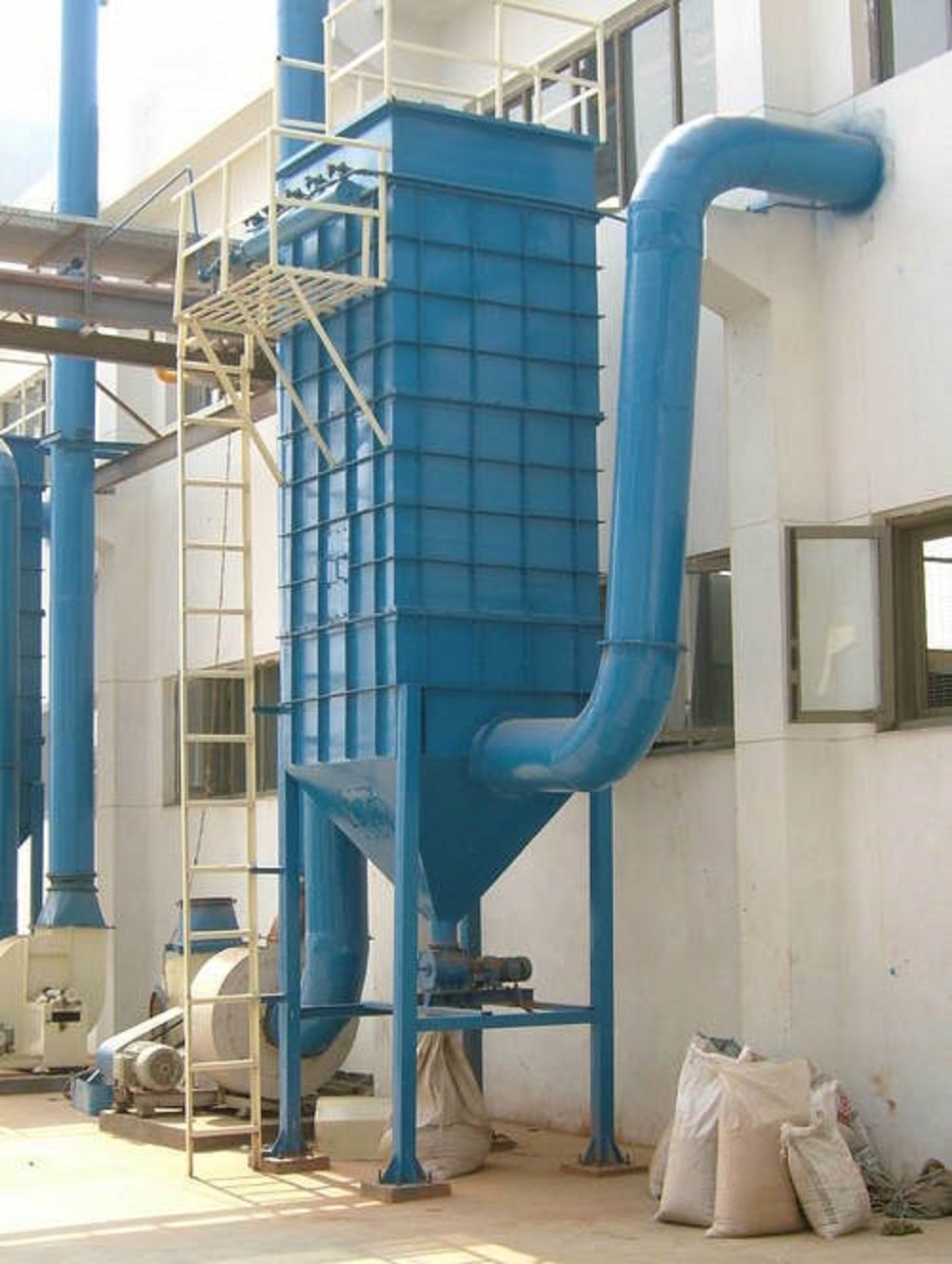
Industrial Dust Collection Bag Filter System - High Efficiency Air Filtration Unit
View Details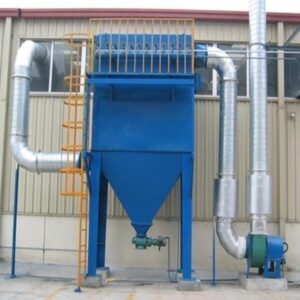
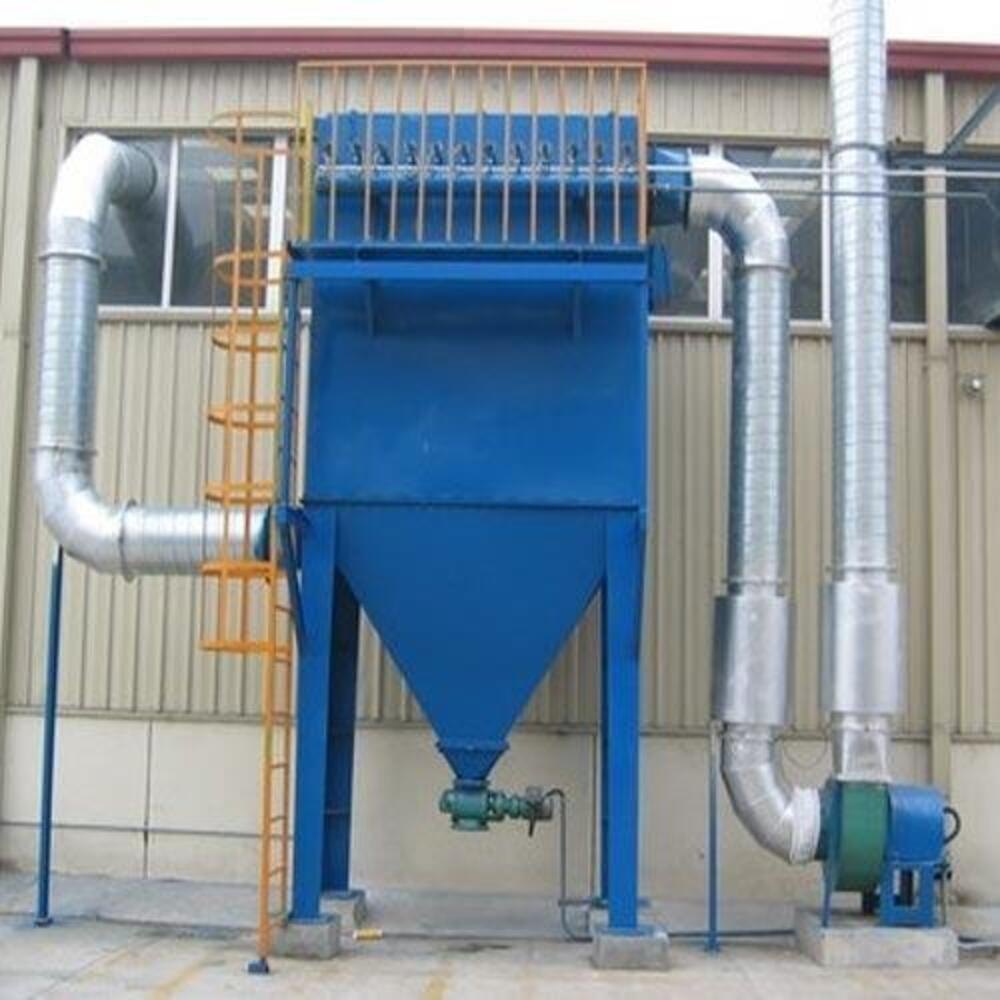
Industrial Pulse Jet Dust Collector - High Efficiency Filtration System
View Details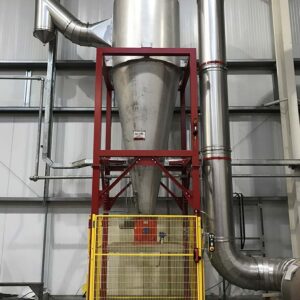
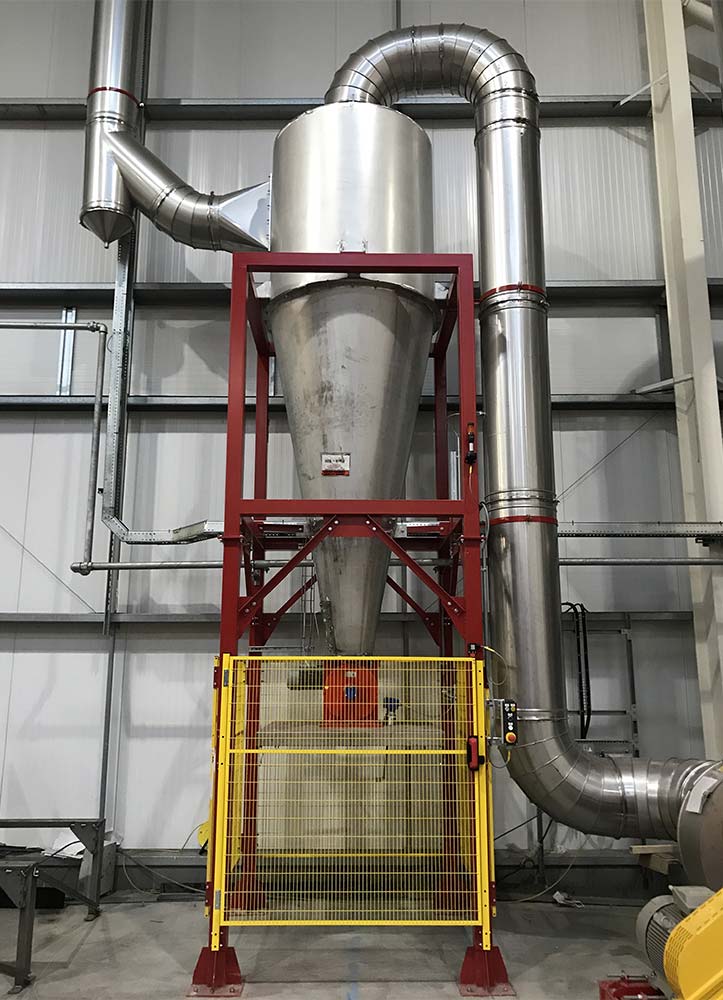
Industrial Cyclone Dust Collector System - High Efficiency Steel Separator
View DetailsA dust collector for woodworking is a key piece of equipment in workshops and industrial plants where sawdust and fine wood particles can affect air quality and worker safety. Aeppl designs and manufactures dust collection systems that deliver steady airflow, effective filtration, and compliance with environmental standards for woodworking operations.
Woodworking creates airborne dust that can settle on surfaces, clog machinery, and cause respiratory issues. A good dust collector keeps the workspace clean, improves air quality, and protects both workers and equipment. In large operations, efficient dust collection also helps maintain consistent production and reduce maintenance downtime.
| Model | Filtration Efficiency | Airflow Capacity | Best Use Case |
|---|---|---|---|
| Movable Dust Collector | Up to 98% | Medium | Small workshops |
| Pulse Jet Dust Collector | Up to 99.5% | High | Continuous industrial lines |
| Cyclone Dust Collector | Up to 95% | High | Pre-filtration for heavy dust |
| Bag Filter System | Up to 99% | Medium to high | Fine dust filtration |
Aeppl dust collectors can be connected to CNC routers, sanding machines, and automated production lines. Each system is configured to match airflow requirements, ducting layout, and available space. The modular design allows easy maintenance and future expansion as production needs grow.
Modern woodworking facilities often use automated ventilation systems to optimize energy use. Aeppl builds its dust collectors with efficient motors, variable speed drives, and programmable controls for precise operation. This helps reduce power consumption while maintaining strong suction performance.
Wood dust is combustible, which makes proper extraction essential for fire prevention. Aeppl equipment meets industrial safety codes and air quality regulations. Durable construction, anti-static filter materials, and optional spark arrestors help ensure safe operation in demanding woodworking environments.
Investing in a dependable dust collector for woodworking helps maintain product quality, reduce downtime, and meet workplace safety standards. Aeppl offers equipment designed for long-term reliability, supported by technical consultation and after-sales assistance. Contact the team at sales@aeppl.com or call +91-9599785811, +91-8377077661, +91-9810162210 for professional guidance.
When selecting a dust collector for woodworking, consider factors such as the type of dust produced, airflow requirements, filter cleaning mechanism, and available space. Aeppl engineers work closely with clients to design systems that fit specific processes while maintaining consistent performance and compliance.
| Feature | Benefit |
|---|---|
| Heavy-duty steel construction | Durable under industrial conditions |
| Custom ducting design | Improved airflow and reduced pressure loss |
| Automatic filter cleaning | Less manual maintenance |
| Low noise operation | Better workplace comfort |
Aeppl, Aerotech Equipments and Projects Pvt. Ltd., is an Indian manufacturer and exporter of industrial air handling and ventilation systems. The company provides engineered solutions for dust collection, filtration, and process air management across multiple industries. Visit Aeppl to explore customized dust collectors for woodworking and other industrial uses.
It is an air filtration system that captures sawdust and fine wood particles from cutting, sanding, and finishing operations in woodworking facilities.
It helps keep the workspace clean, protects workers' health, and prevents fire hazards caused by airborne wood dust.
Cyclone and bag filter systems are commonly used, depending on the volume of dust and type of woodworking machines.
Yes, removing dust buildup helps machinery run smoothly and reduces wear on moving parts.
Cleaning intervals depend on usage. Pulse jet systems clean automatically, while bag filters may need manual cleaning or replacement.
Modern systems use efficient motors and variable speed drives that help lower power consumption.
Anti-static filters, spark arrestors, and proper grounding help prevent combustion and ensure safe operation.
Yes, most industrial systems can integrate with CNC machines and be managed through programmable controls.
Aeppl provides custom-engineered dust collectors tailored to workshop layout, airflow needs, and process requirements.
Reach Aeppl at sales@aeppl.com or call +91-9599785811, +91-8377077661, +91-9810162210 for consultation and quotations.