

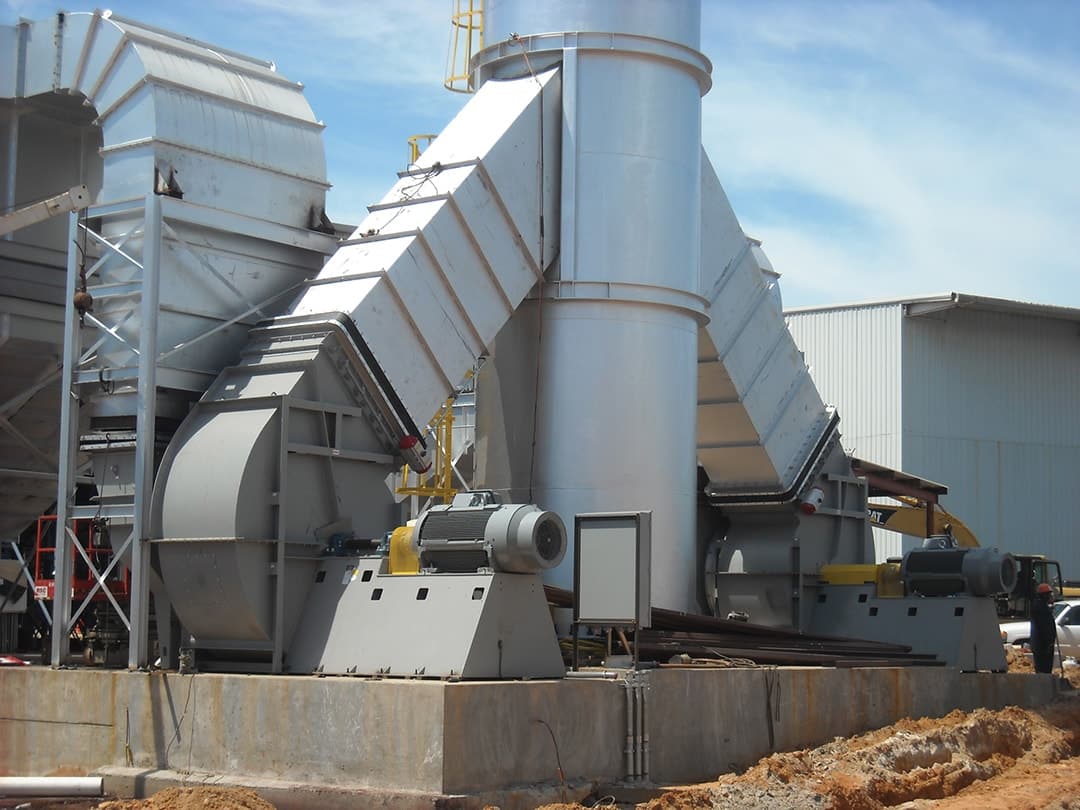
Industrial Fume Scrubber System - High-Efficiency Air Pollution Control Unit
View Details
Industrial Fume Scrubber System - High-Efficiency Air Pollution Control Unit
View Details
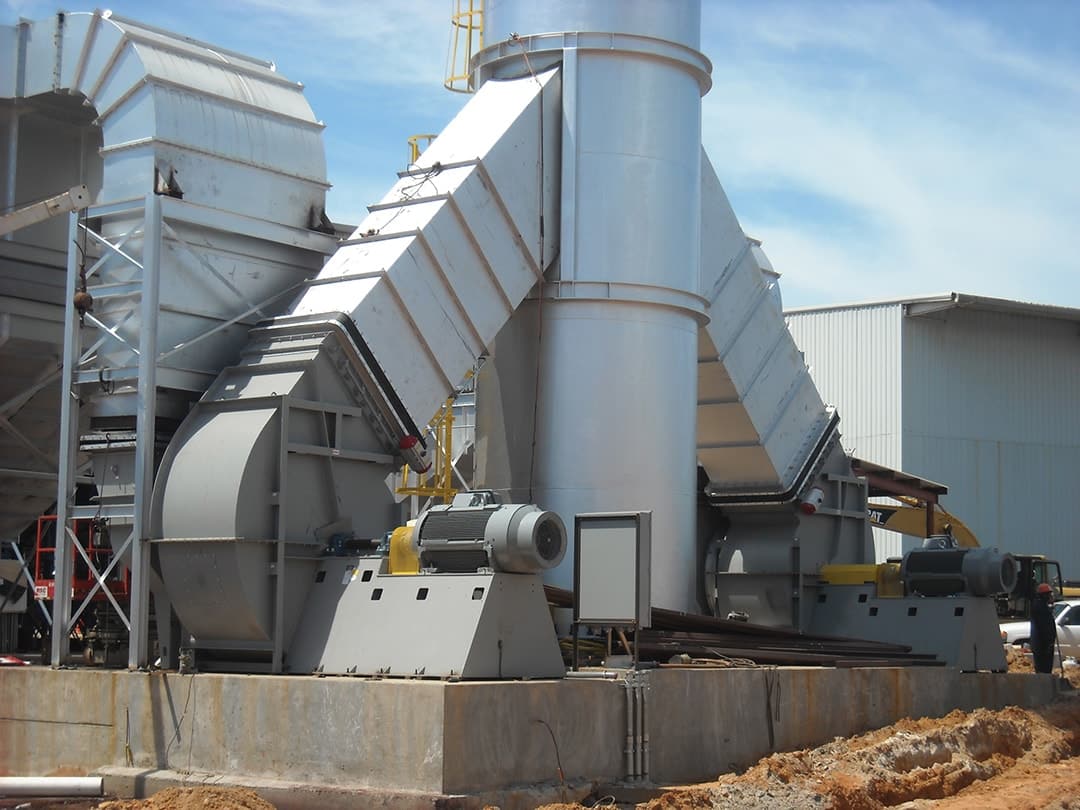
Industrial Fume Extraction System - High-Efficiency Air Filtration Unit
View Details
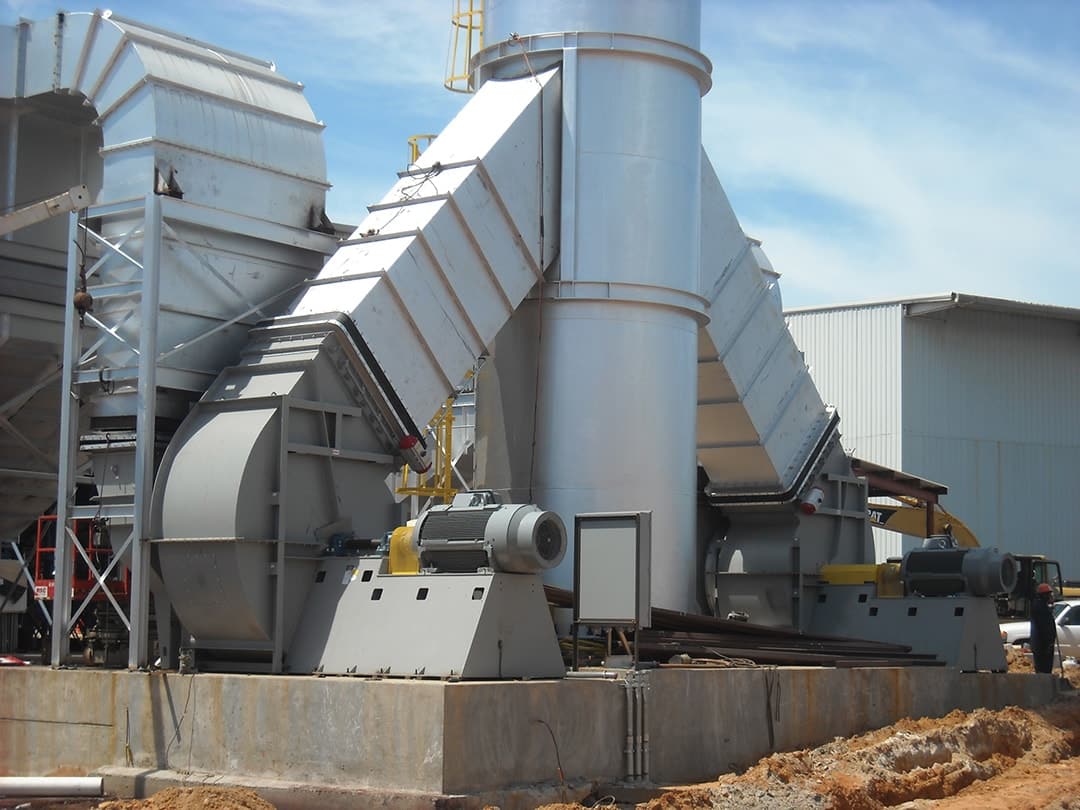
Heavy-Duty Industrial Fume Extraction System – High Capacity Air Filtration Unit
View Details
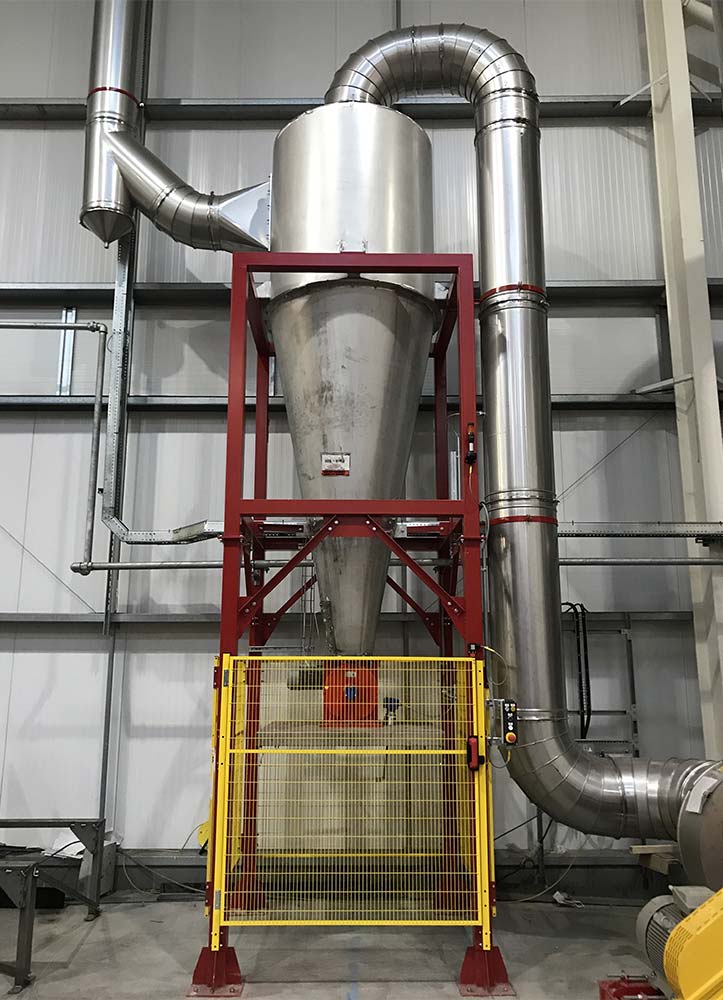
Industrial Venturi Scrubber System – High-Efficiency Air Pollution Control Unit
View Details

Industrial Venturi Scrubber System - High-Efficiency Air Pollution Control Unit
View Details
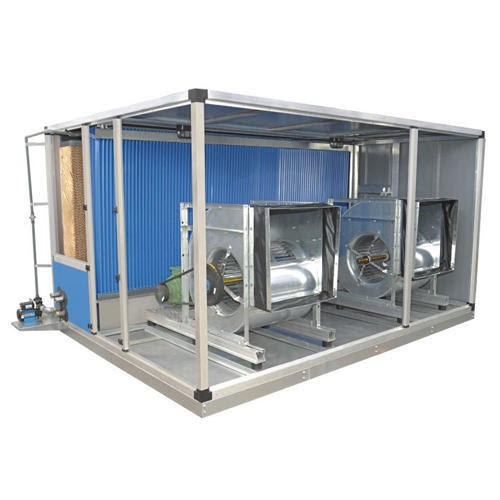
Industrial Evaporative Air Cooling Unit - High Efficiency HVAC System
View Details
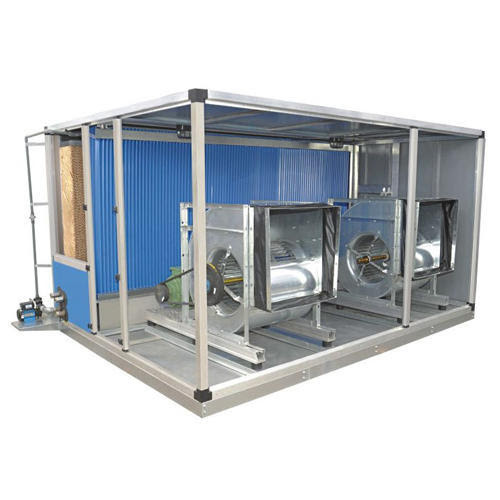
Industrial Air Washer Unit – High Efficiency Cooling & Air Handling System
View Details
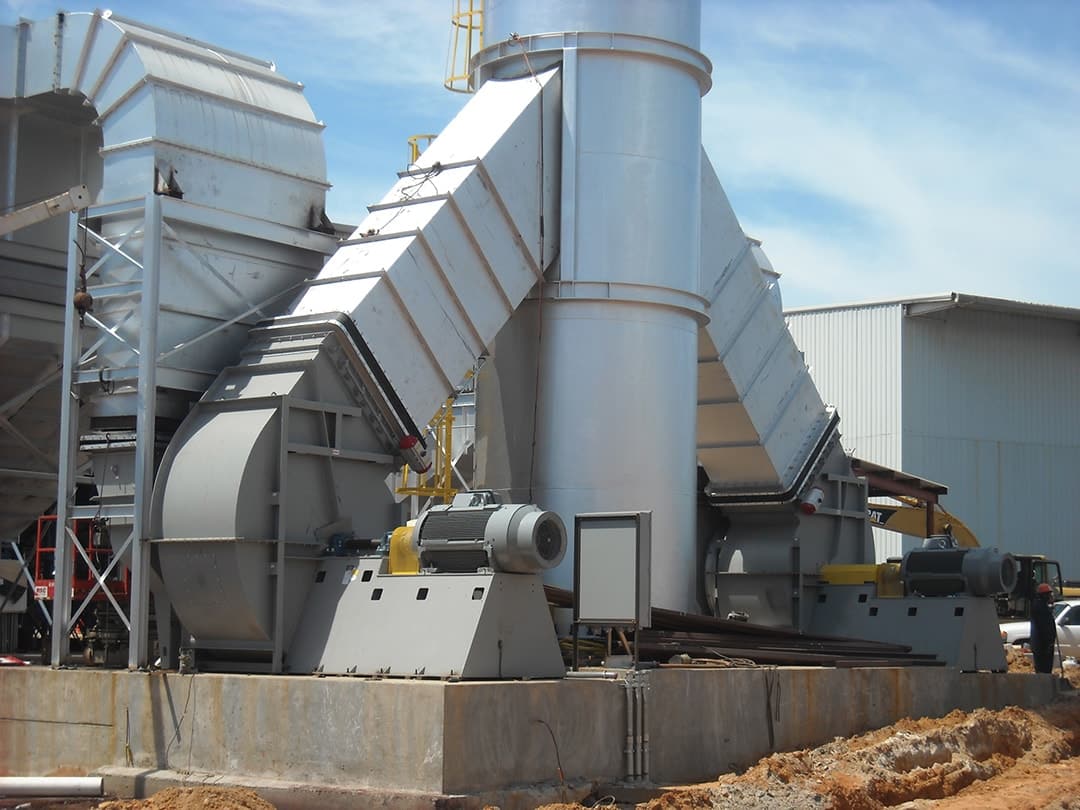
High-Temperature Industrial Smoke Spill Unit - Heavy-Duty Ventilation System
View DetailsHandling chemical fumes safely is essential in laboratories, manufacturing plants, and industrial settings. A wet scrubber for chemical fumes provides a reliable way to capture and neutralize harmful gases before they reach the atmosphere. This system uses liquid to wash pollutants from the air stream, helping maintain healthier working conditions and meet environmental standards.
Wet scrubbers operate by introducing a scrubbing liquid, typically water or a chemical solution, into a contaminated gas stream. As the gas passes through the scrubber, the liquid captures and dissolves the pollutants. The cleaned air then exits the system, while the contaminated liquid is treated or disposed of according to safety guidelines.
Wet scrubbers are widely used in industries that generate acid gases, ammonia, or volatile organic compounds. Facilities such as chemical plants, laboratories, and metal finishing operations rely on these systems to maintain compliance and protect employee health.
In environments where corrosive vapors are common, a wet scrubber for chemical fumes helps prevent damage to equipment and reduces maintenance costs. The system can be customized based on the type and concentration of contaminants, making it suitable for both small and large-scale operations.
Compared to dry filtration systems, wet scrubbers handle moisture-rich or sticky pollutants more efficiently. They are particularly useful where gas streams contain soluble compounds such as hydrogen chloride or sulfur dioxide.
Selecting the right wet scrubber for chemical fumes depends on several factors, including gas composition, flow rate, and required removal efficiency. A properly sized system ensures optimal performance and lower operating costs.
| Parameter | Consideration |
|---|---|
| Gas type | Identify the main contaminants to select the right scrubbing liquid. |
| Flow rate | Ensure the scrubber capacity matches the volume of exhaust gases. |
| Material compatibility | Use corrosion-resistant materials for acidic or caustic fumes. |
| Maintenance access | Design should allow easy cleaning and replacement of parts. |
Installing a wet scrubber requires careful integration with existing ventilation systems. Proper ducting, drainage, and pump setup are crucial for efficiency. Regular maintenance includes checking liquid levels, inspecting nozzles, and cleaning mist eliminators.
Training staff to monitor system performance ensures long-term reliability. Many facilities choose automated monitoring to track pressure drops and liquid quality, helping maintain consistent results.
Regulatory agencies require emission control solutions to meet air quality standards. Wet scrubbers help facilities comply with these rules by capturing pollutants before release. They also contribute to sustainability goals by minimizing harmful emissions.
While initial setup costs vary based on system size and complexity, the long-term benefits of cleaner air and reduced chemical exposure outweigh the investment. Energy-efficient pumps and optimized liquid circulation can further reduce operating expenses.
Among leading manufacturers of air pollution control systems, Aeppl provides dependable wet scrubbers designed for chemical fume removal. Our systems combine robust engineering with practical operation, ensuring consistent performance in demanding environments. Whether you need a compact unit for a lab or a large-scale industrial setup, Aeppl offers tailored solutions that meet your needs.
Aeppl specializes in air pollution control systems built for industrial reliability and environmental responsibility. Our wet scrubbers for chemical fumes are trusted by facilities worldwide for their efficiency and durability. Visit Aeppl
It is an air pollution control device that uses liquid to remove harmful gases and particles from industrial exhaust streams.
It sprays a liquid solution into the gas stream, capturing and neutralizing pollutants before releasing clean air.
They are used in chemical plants, metal finishing facilities, laboratories, and any environment with corrosive or hazardous gases.
Wet scrubbers can remove acid gases, ammonia, chlorine, and other water-soluble compounds.
Yes, routine inspections and cleaning ensure optimal performance and prevent buildup in the system.
Yes, systems can be tailored based on gas composition, flow rate, and desired removal efficiency.
Modern designs use efficient pumps and optimized liquid circulation to minimize energy consumption.
Operators should wear protective gear, monitor pH levels, and follow chemical handling guidelines during maintenance.
Aeppl offers durable, high-performance wet scrubbers backed by engineering expertise and reliable customer support.
You can explore options and order directly from Aeppl by visiting their website.