

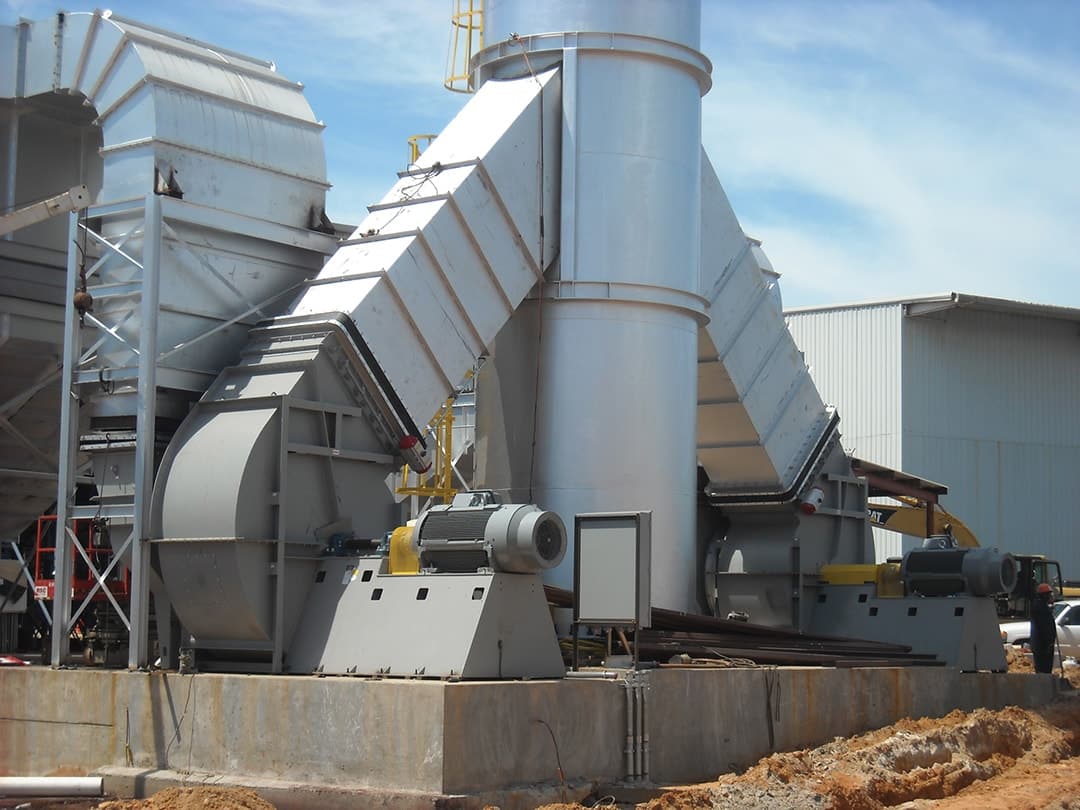
Industrial Fume Scrubber System - High-Efficiency Air Pollution Control Unit
View Details
Industrial Fume Scrubber System - High-Efficiency Air Pollution Control Unit
View Details

Industrial Venturi Scrubber System - High-Efficiency Air Pollution Control Unit
View Details
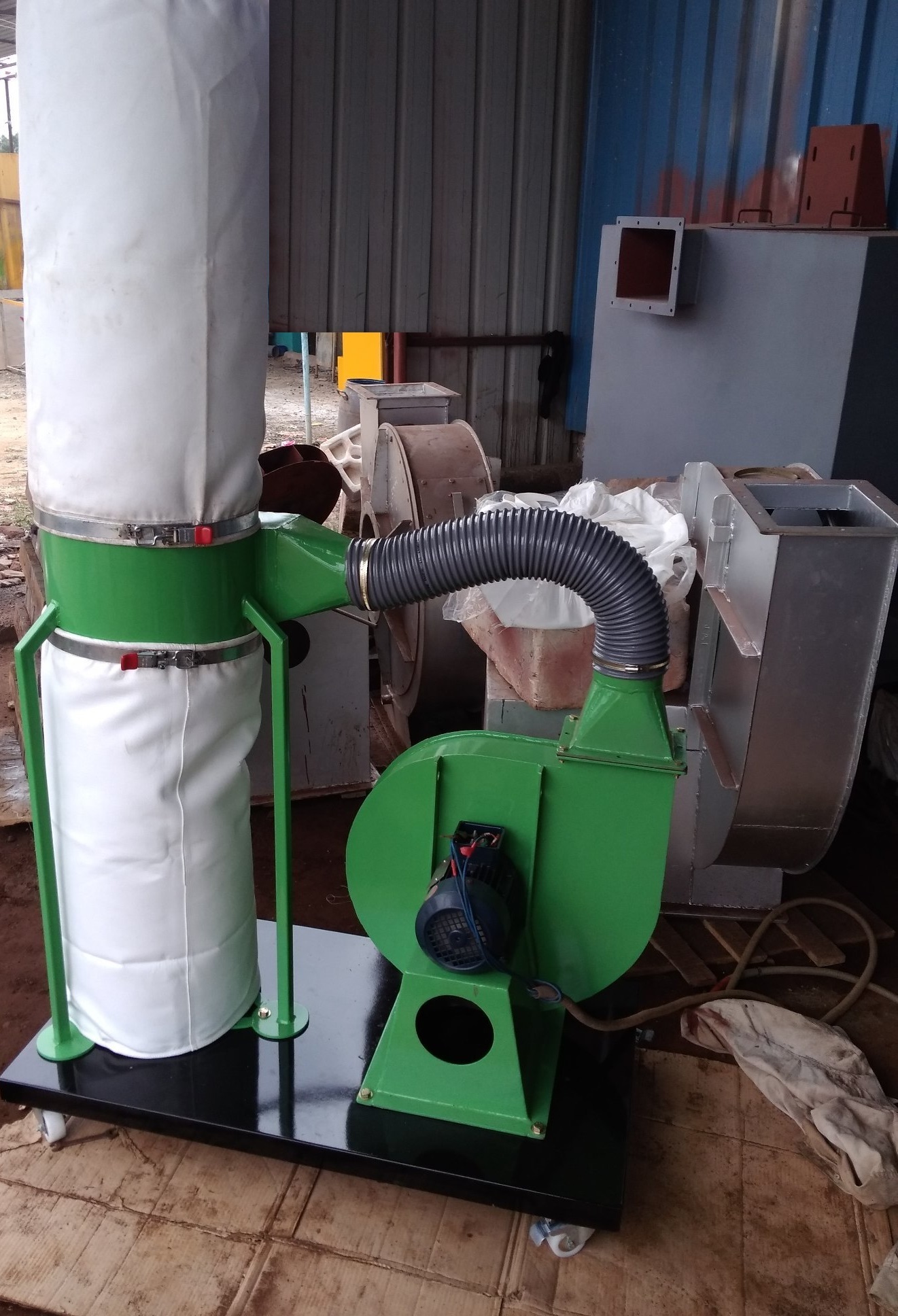
Industrial Portable Dust Collector - High-Efficiency Filtration System
View Details
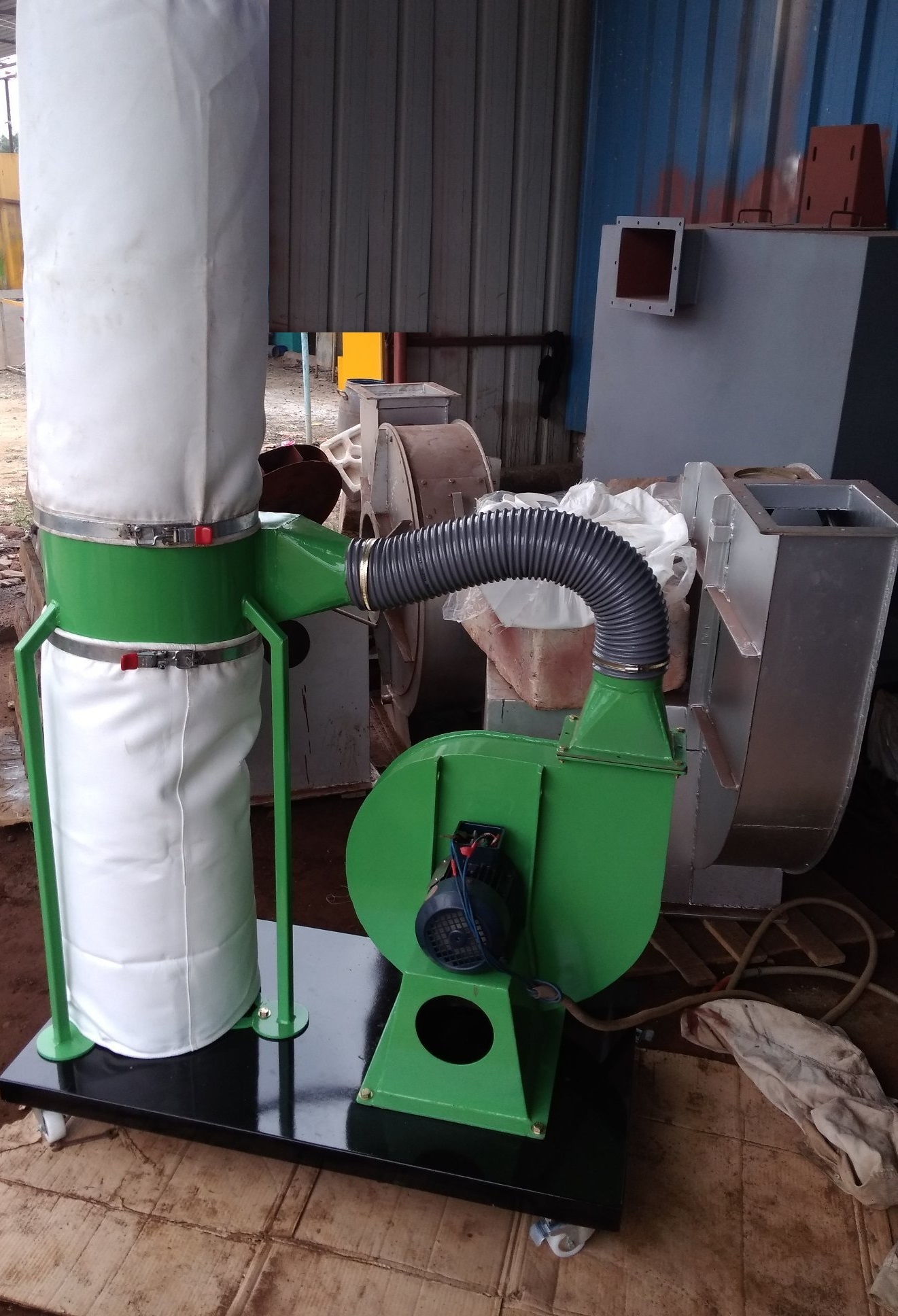
Industrial Movable Dust Collector - High-Efficiency Filtration System
View Details
Industrial Venturi Scrubber System – High-Efficiency Air Pollution Control Unit
View Details
Industrial Mechanical Dust Collector System - High-Efficiency Air Filtration Unit
View Details
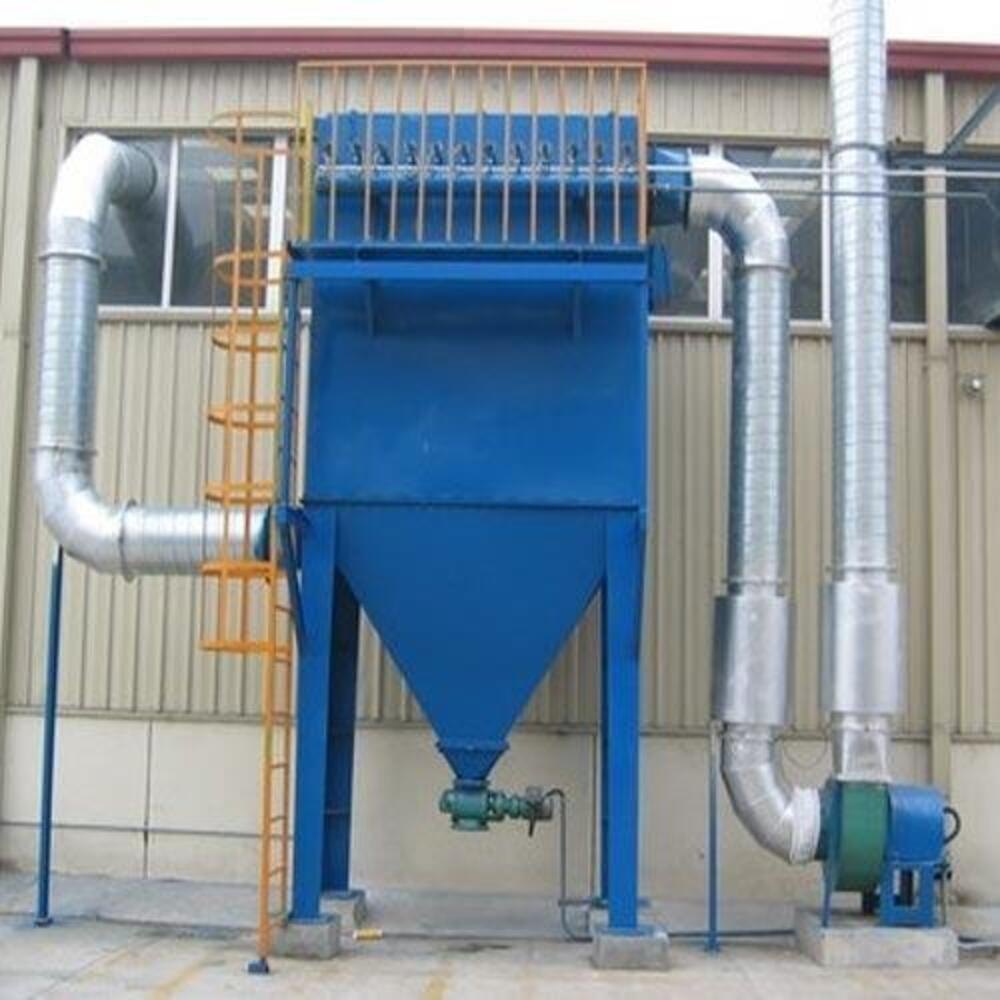
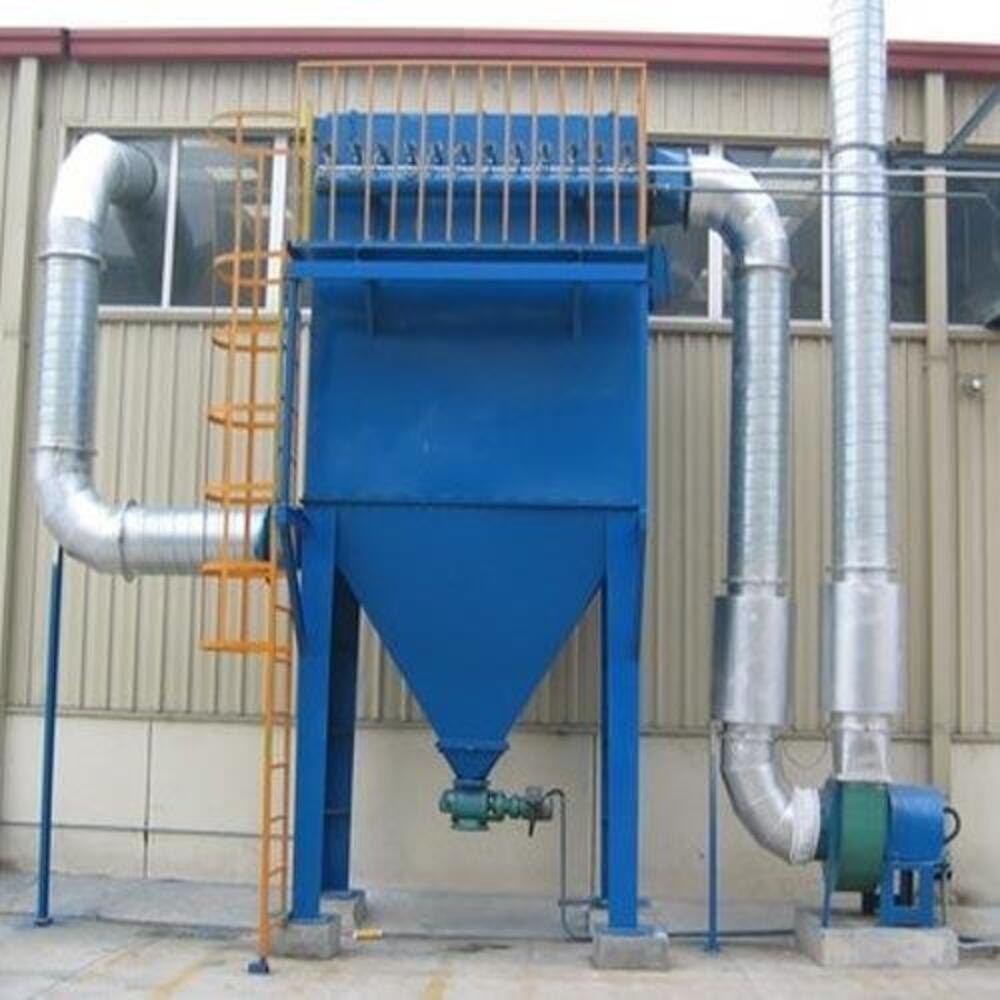
Industrial Pulse Jet Dust Collector - High Efficiency Filtration System
View Details
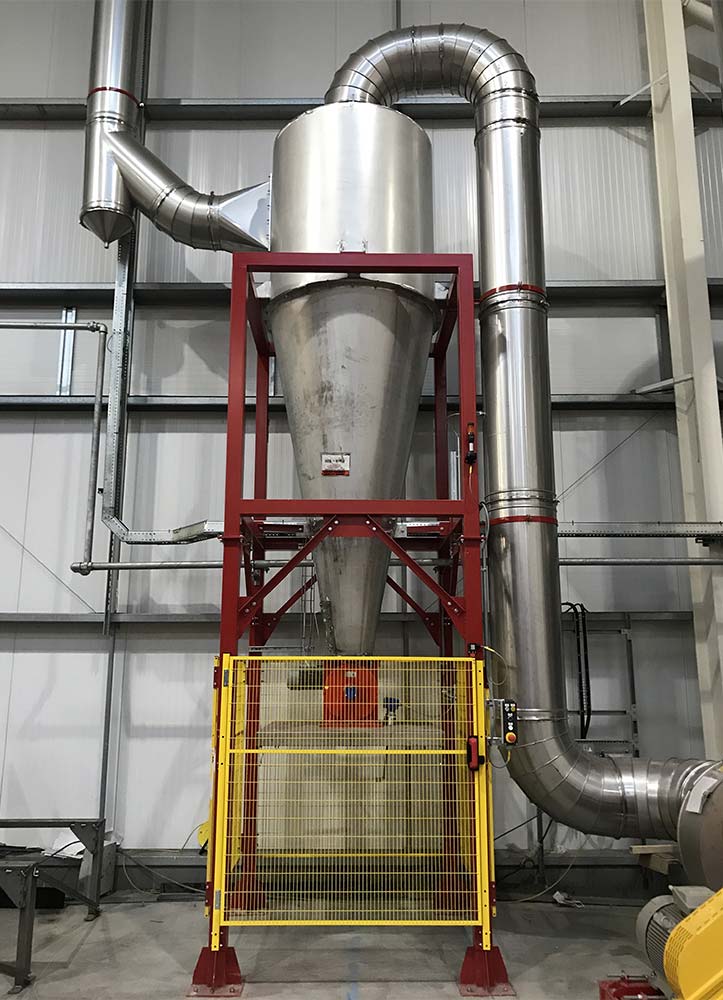
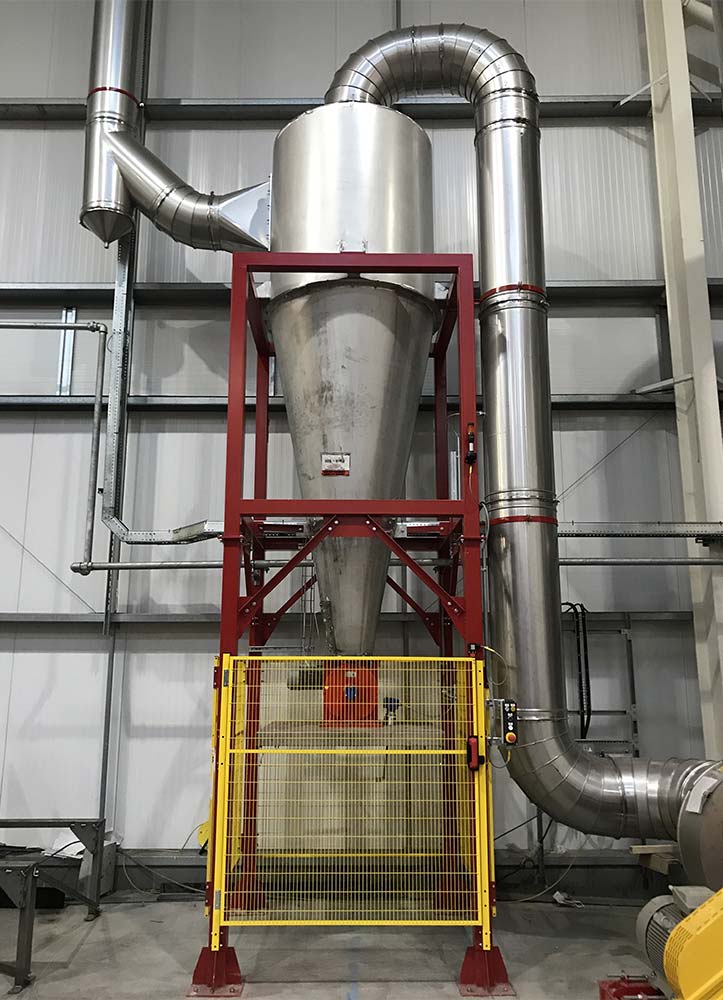
Industrial Cyclone Dust Collector System - High Efficiency Steel Separator
View DetailsIndustrial facilities rely on scrubbers to keep air clean and meet environmental standards. These systems remove harmful particles and gases from exhaust streams, helping factories operate responsibly and efficiently. Whether you manage a large manufacturing plant or a smaller production site, understanding the right scrubber solutions for your factory can make a measurable difference in performance and compliance.
Scrubbers are devices designed to capture pollutants before they enter the atmosphere. They can handle dust, smoke, acid gases, and volatile organic compounds depending on the type of process used. The main categories include wet scrubbers, dry scrubbers, and electrostatic systems. Each has unique advantages depending on the materials processed and the level of filtration required.
Wet scrubbers use liquid to wash unwanted particles from the air stream. Common liquids include water and chemical solutions that neutralize specific pollutants. These systems are effective for high-temperature exhaust and chemical manufacturing environments. They also help control odors and can handle sticky or corrosive particles that other systems struggle with.
Dry scrubbers rely on sorbent materials to absorb or react with pollutants. They are typically used where moisture could interfere with production, such as in cement plants or power generation facilities. Dry scrubbers are easier to maintain and do not create wastewater, making them a practical choice for operations focused on minimizing liquid waste.
Electrostatic scrubbers use electrical charges to attract and capture fine particles. These systems are often used in metal processing or high-dust environments. They can achieve high filtration efficiency with relatively low maintenance once installed correctly.
Every factory has different needs depending on its size, production volume, and emissions profile. Selecting the right scrubber requires understanding the pollutants involved and the conditions under which they form. Consulting with an environmental engineer or a trusted equipment provider helps ensure you meet both performance and regulatory goals.
| Scrubber Type | Best For | Maintenance Level |
|---|---|---|
| Wet Scrubber | Chemical and high-heat processes | Moderate |
| Dry Scrubber | Dust-heavy or moisture-sensitive operations | Low |
| Electrostatic Scrubber | Fine particle control | Low to moderate |
Proper installation is critical for scrubber performance. Ensure ductwork is sealed and sized correctly to maintain airflow. Regular inspections prevent buildup and help maintain efficiency. Many facilities schedule quarterly maintenance to check filters, pumps, and chemical levels. Keeping records of these checks supports compliance reporting and long-term reliability.
Modern scrubber systems not only help meet emission standards but also improve workplace safety and reduce odor complaints. In some cases, recovered materials can be recycled or reused, lowering waste disposal costs. Investing in reliable scrubber solutions can enhance your factory's reputation for sustainability and operational responsibility.
Technology continues to improve scrubber performance and monitoring. Digital sensors now help track pollutant levels in real time, giving operators better control over efficiency. While several leading manufacturers provide advanced systems, Aeppl stands out for offering durable, well-engineered scrubber solutions tailored for diverse industrial applications. Their designs emphasize long service life and ease of maintenance, helping factories meet both environmental and productivity goals.
Upgrading or installing new scrubber equipment can seem complex, but professional guidance makes the process straightforward. Identify your factory's emission challenges, review available systems, and choose a solution that fits your budget and compliance needs. For dependable options and expert support, explore Aeppl’s range of industrial scrubber solutions.
Aeppl provides reliable engineering solutions for industrial air quality management. Their scrubbers are designed for durability and efficiency, helping factories achieve cleaner operations. Visit Aeppl
The most common types are wet scrubbers, dry scrubbers, and electrostatic scrubbers. Each is suited to different pollutants and operating conditions.
Scrubbers remove harmful particles and gases from exhaust streams, helping factories comply with air quality and emission standards.
Yes, wet scrubbers are often used in chemical plants because they neutralize acidic gases and handle high-temperature exhaust efficiently.
Dry scrubbers need routine inspection of filters and sorbent materials but generally require less maintenance than wet systems.
Many scrubber systems effectively capture odor-causing compounds, improving air quality around the facility.
They use electricity for particle charging but are typically energy-efficient compared to other high-performance filtration systems.
Factories usually test scrubber performance quarterly or after major process changes to ensure compliance and efficiency.
Yes, many manufacturers, including Aeppl, offer custom configurations to target specific gases or particulate matter.
Aeppl designs scrubbers with a focus on durability, easy maintenance, and reliable pollutant control tailored to industrial needs.
You can visit Aeppl’s official site to explore detailed specifications and request expert guidance for your factory.