

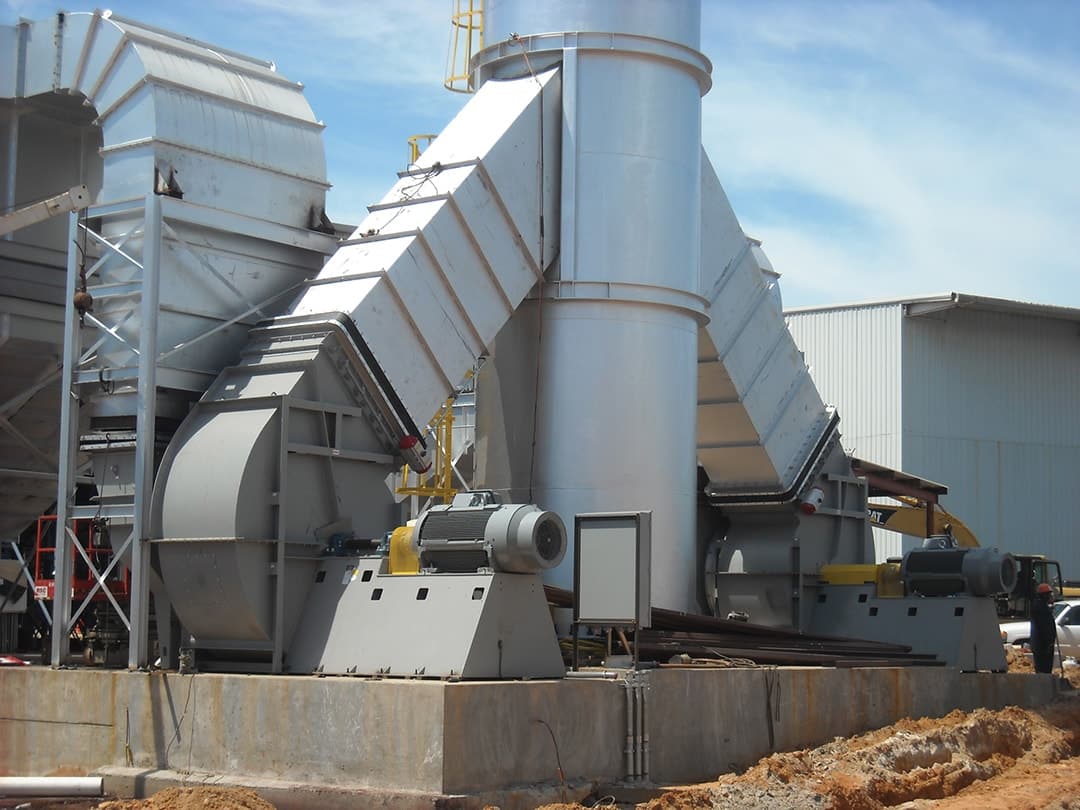
Industrial Fume Scrubber System - High-Efficiency Air Pollution Control Unit
View Details
Industrial Fume Scrubber System - High-Efficiency Air Pollution Control Unit
View Details

Industrial Venturi Scrubber System - High-Efficiency Air Pollution Control Unit
View Details
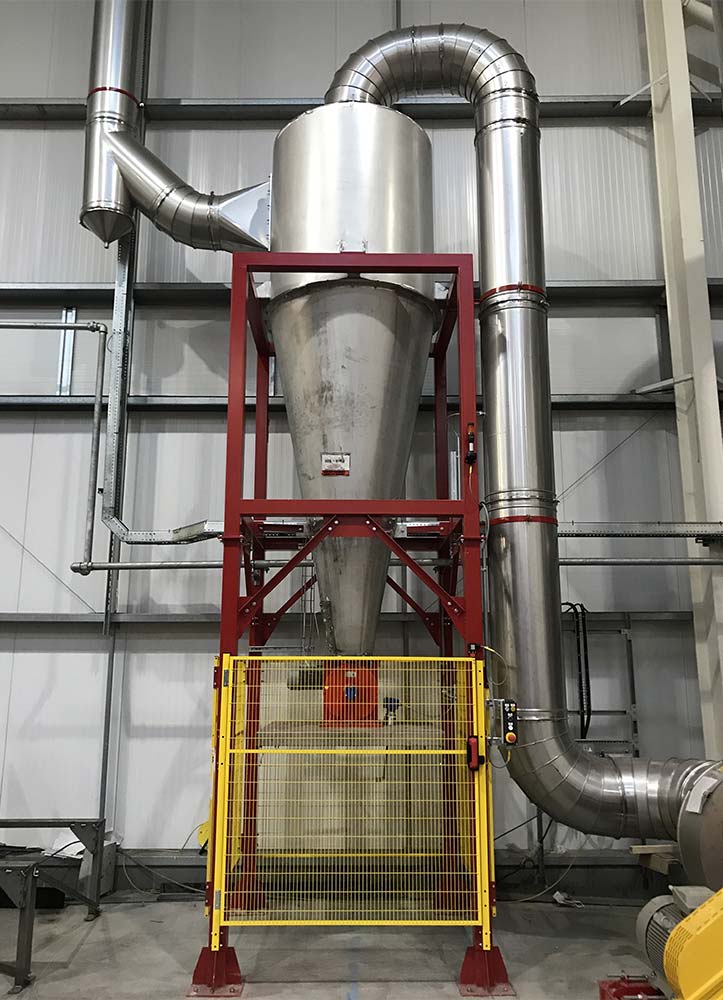
Industrial Venturi Scrubber System – High-Efficiency Air Pollution Control Unit
View Details
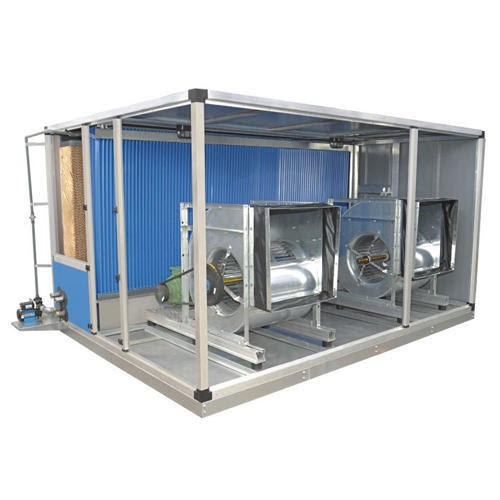
Industrial Evaporative Air Cooling Unit - High Efficiency HVAC System
View Details
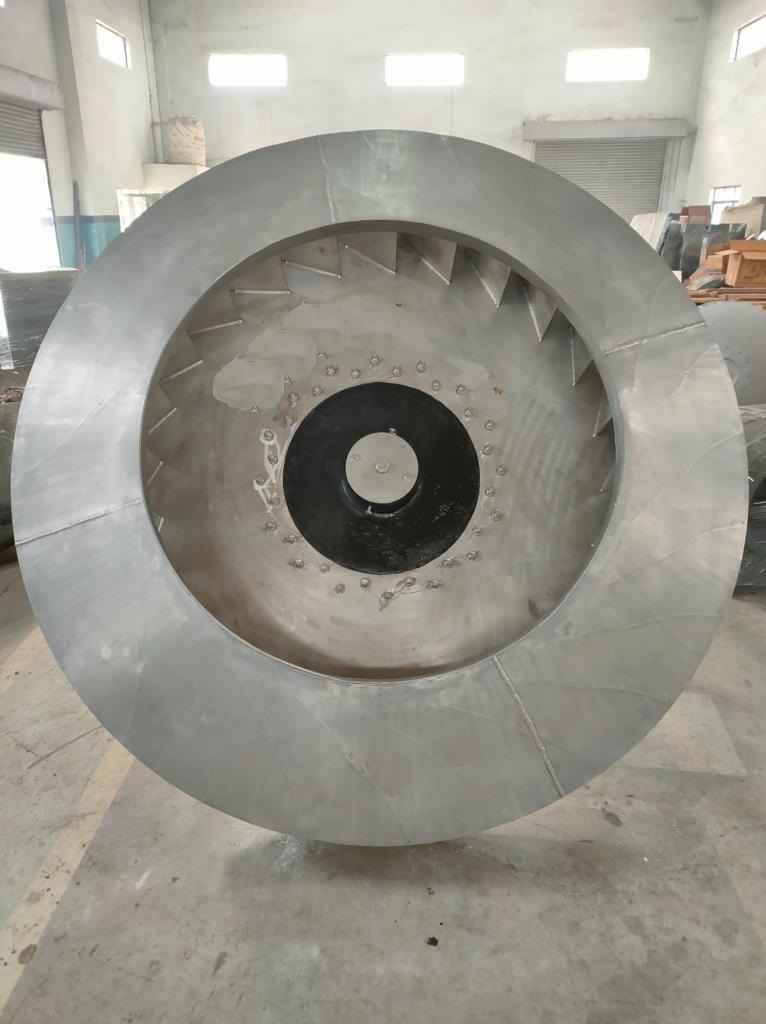
Industrial Self-Cleaning Centrifugal Blade Assembly - High Efficiency Air Handling Rotor
View Details

Industrial Stainless Steel Cyclone Separator System - High-Efficiency Dust Collection Unit
View Details
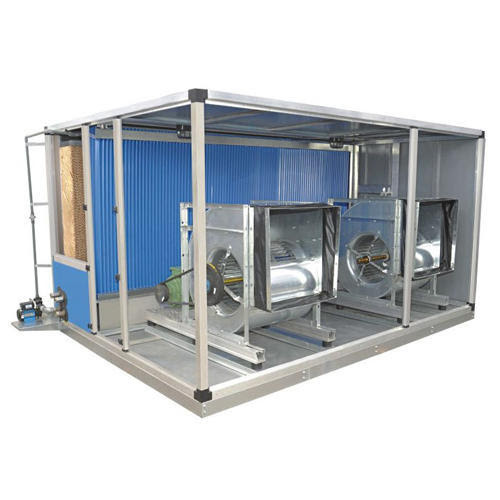
Industrial Air Washer Unit – High Efficiency Cooling & Air Handling System
View Details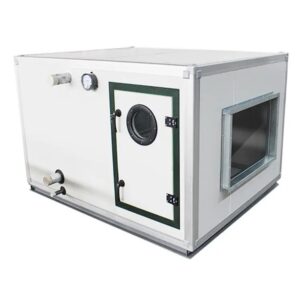
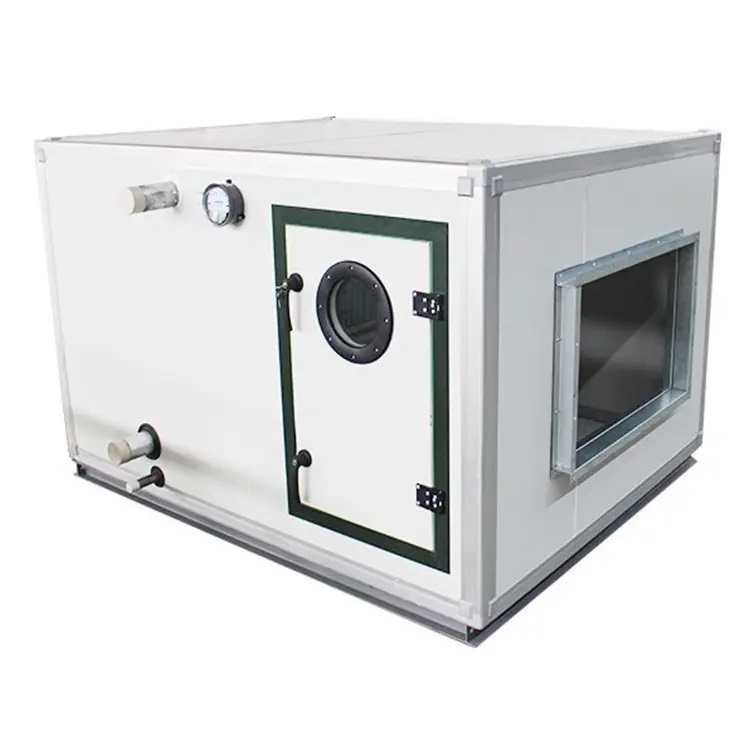
Industrial Treated Fresh Air Unit – Energy-Efficient Air Handling System
View DetailsFactories across India and around the world face growing pressure to control air emissions and maintain cleaner production standards. An industrial wet scrubber system offers a practical way to remove particulates, gases, and chemical vapors from exhaust streams before they enter the atmosphere. These systems help plants meet environmental regulations, protect worker health, and improve overall air quality.
Wet scrubbers are widely used in manufacturing sectors such as steel, cement, fertilizer, and pharmaceuticals. They provide an adaptable solution for managing dust, fumes, and acidic gases while maintaining efficient operation. Choosing the right system design ensures reliability and long-term value for industrial facilities.
In a wet scrubber, contaminated air passes through a chamber where it interacts with liquid droplets. These droplets absorb or chemically react with pollutants, resulting in cleaner air discharge. The scrubbing liquid can be water or a specific chemical solution depending on the type of contaminants. Systems are designed to handle varying flow rates, temperatures, and gas compositions, making them suitable for many industrial applications.
Factories can select from several types of wet scrubbers based on their process requirements and pollutants:
| Scrubber Type | Best Application | Efficiency Range | Maintenance Level |
|---|---|---|---|
| Venturi Wet Scrubber | Particulate and gas removal | 95%-99% | Moderate |
| Packed Bed Scrubber | Gas absorption and neutralization | 90%-98% | Low |
| Cyclonic Wet Scrubber | Dust-laden air streams | 85%-95% | Low |
Installing a wet scrubber system offers several practical advantages for factories and processing plants:
Modern wet scrubbers are engineered to minimize water use and energy consumption. By optimizing pump performance and airflow, they lower operational costs while maintaining efficiency. Many plants now include sensors and automated controls to monitor emissions and adjust system parameters in real time. This helps reduce downtime and keeps production compliant with environmental regulations.
Choosing the correct wet scrubber for factory use depends on several factors, including the type of exhaust gas, particulate concentration, and available space. Engineering teams should also consider maintenance needs and long-term reliability. Aeppl provides tailored solutions designed for varied industrial sectors such as foundries, fertilizer plants, and chemical manufacturing.
| Selection Criteria | Recommended System |
|---|---|
| High particulate load | Venturi scrubber |
| Corrosive gases | Fume scrubber with chemical-resistant lining |
| Limited space | Compact vertical design |
| High-temperature exhaust | Stainless steel scrubber with cooling integration |
Regular upkeep ensures consistent system performance. Cleaning spray nozzles, inspecting pumps, and checking demisters should be part of routine maintenance. Aeppl provides on-site support, spare parts, and performance audits to help factories stay compliant and efficient throughout the equipment's life cycle.
Aerotech Equipments and Projects Pvt. Ltd. (Aeppl) designs and manufactures reliable air handling and pollution control systems for industrial environments. With decades of experience, Aeppl offers durable and efficient wet scrubber solutions tailored for factory operations worldwide. Visit Aeppl
A wet scrubber for factories is an air pollution control system that removes dust, gases, and chemical vapors from industrial exhaust using liquid droplets.
It captures fine particles and harmful gases before they leave the plant, helping factories meet emission standards and maintain cleaner air.
Industries such as steel, cement, fertilizer, and pharmaceuticals use wet scrubbers to control emissions and maintain safe working environments.
Gas velocity, liquid-to-gas ratio, droplet size, and scrubbing liquid composition all influence scrubber efficiency.
Yes, with corrosion-resistant materials and suitable scrubbing media, they can safely handle acidic or reactive gases.
Routine maintenance every few months helps ensure nozzles, pumps, and demisters remain clean and efficient.
Wet scrubbers use liquid to remove pollutants, while dry scrubbers rely on solid absorbents. Wet systems are generally better for gas absorption and cooling.
Yes, modern systems can include sensors and automated controls for real-time monitoring and performance adjustments.
Aeppl designs durable, efficient wet scrubber systems backed by engineering expertise and reliable service for industrial applications.
Call +91-9599785811, +91 8377077661, +91 9810162210 or email sales@aeppl.com to discuss your factory requirements.