

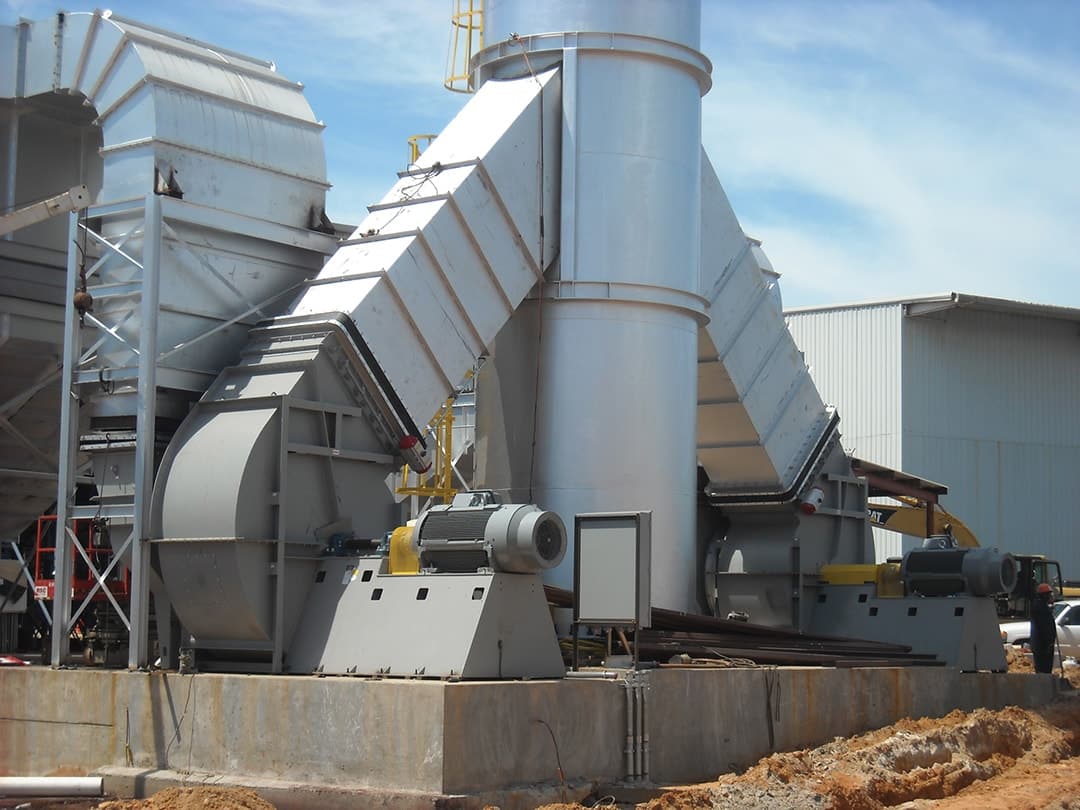
Industrial Fume Scrubber System - High-Efficiency Air Pollution Control Unit
View Details
Industrial Fume Scrubber System - High-Efficiency Air Pollution Control Unit
View Details

Industrial Venturi Scrubber System - High-Efficiency Air Pollution Control Unit
View Details
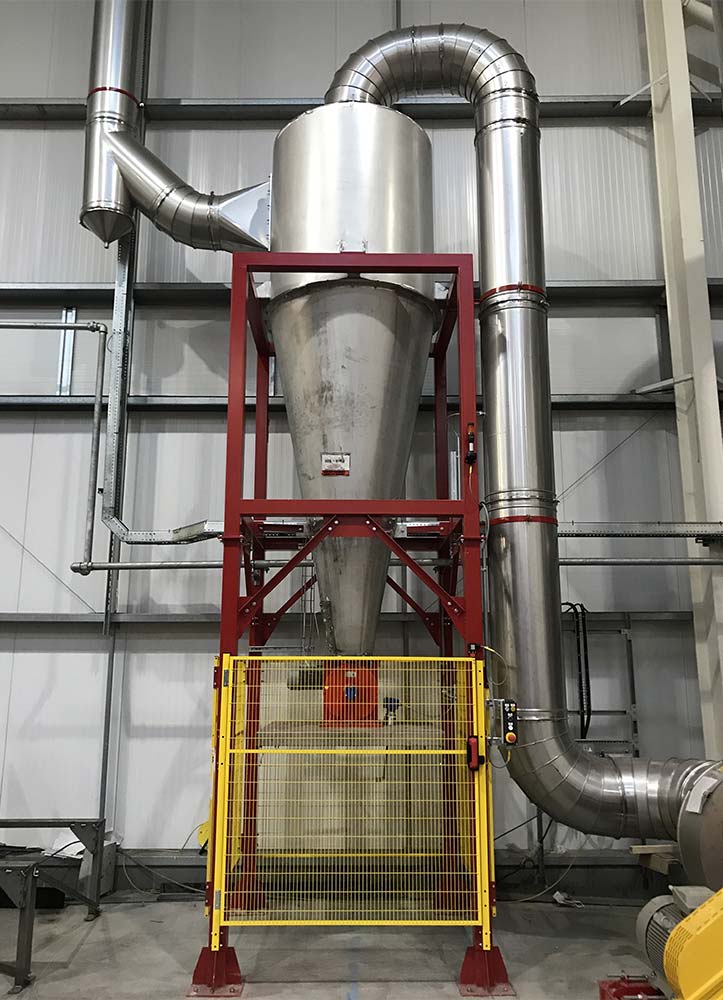
Industrial Venturi Scrubber System – High-Efficiency Air Pollution Control Unit
View Details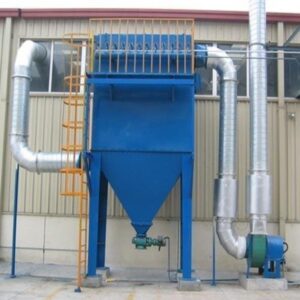
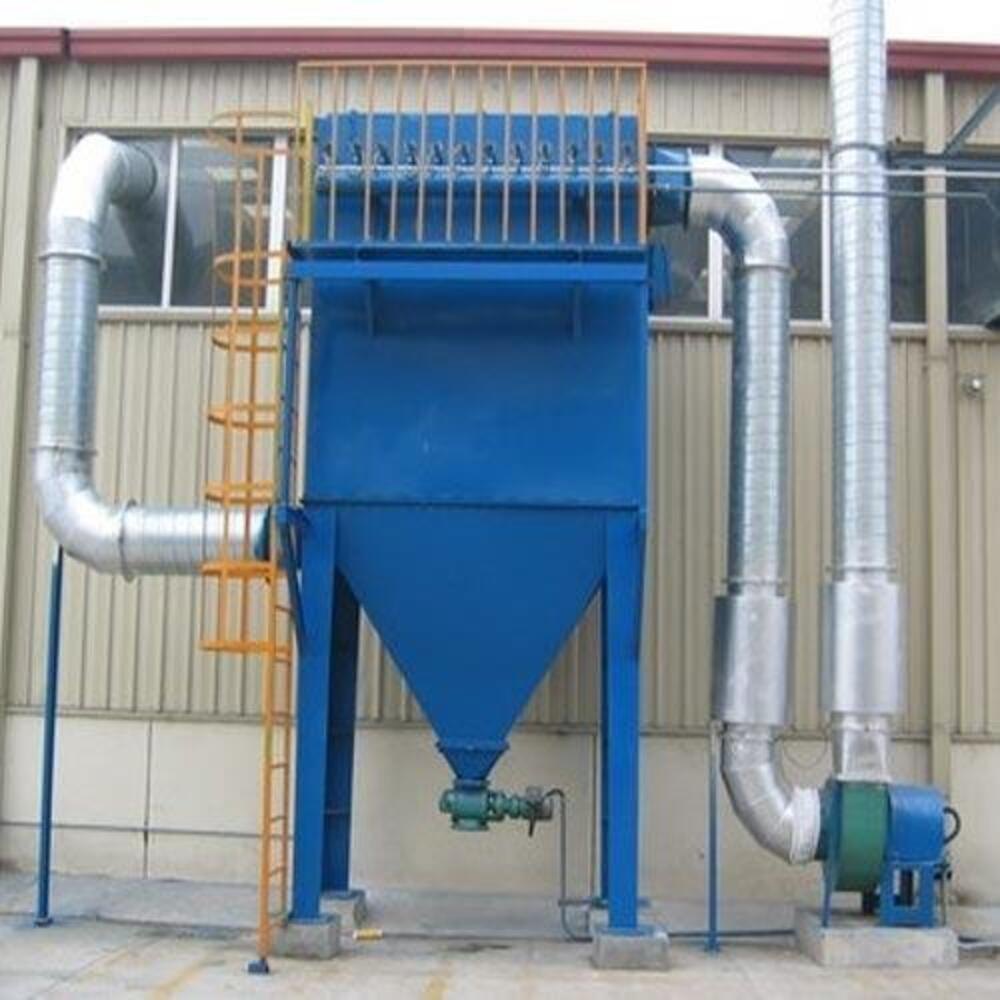
Industrial Dust Collection and Air Pollution Control System – High Efficiency Filter Unit
View Details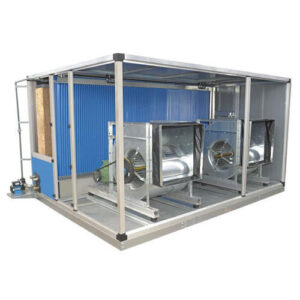
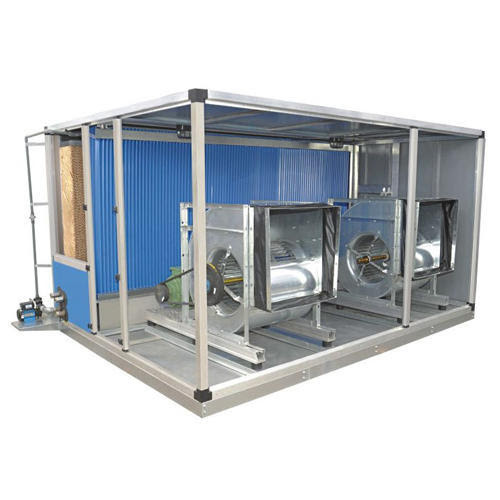
Industrial Air Washer Unit – High Efficiency Cooling & Air Handling System
View Details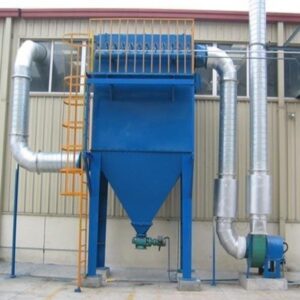
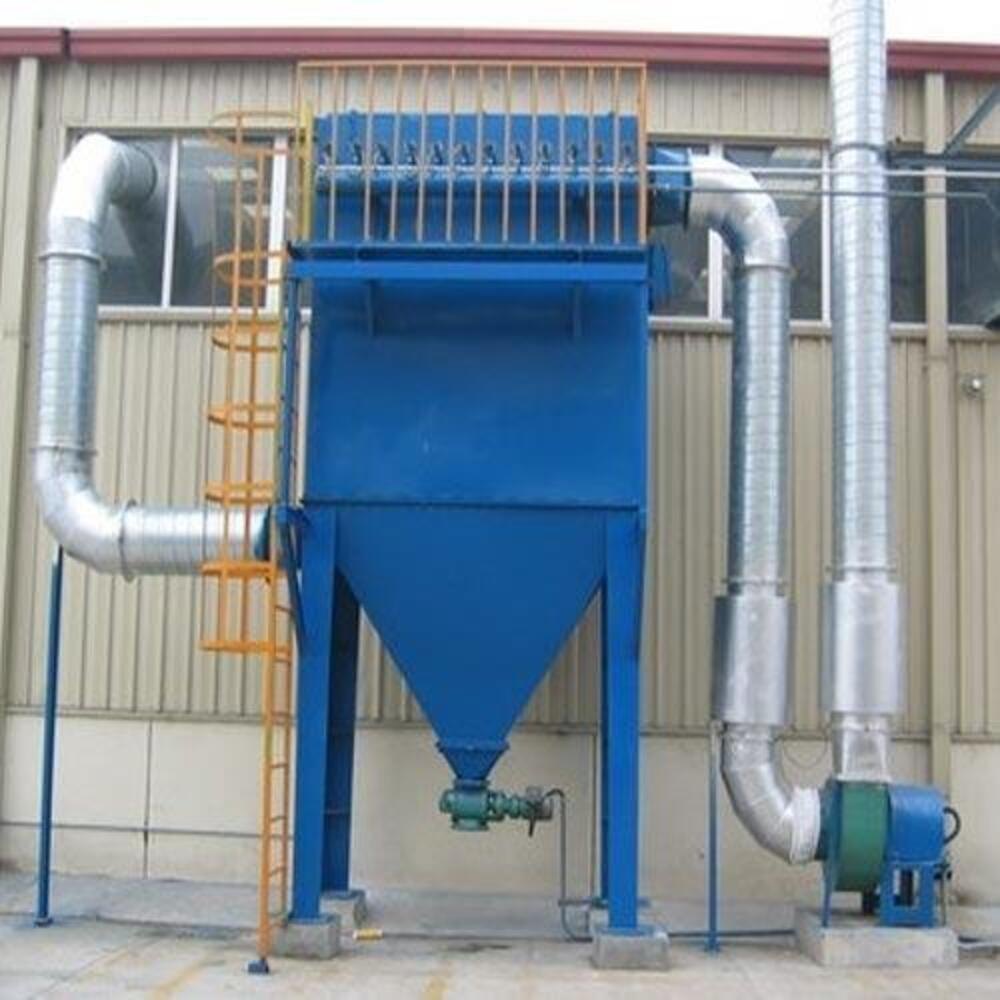
Industrial Dust Collector System – High Efficiency Air Pollution Control Unit
View Details
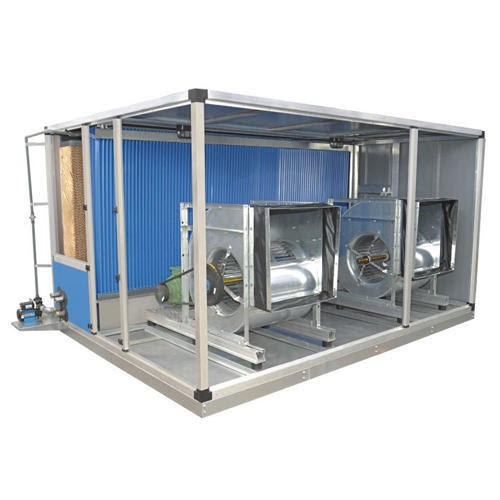
Industrial Evaporative Air Cooling Unit - High Efficiency HVAC System
View Details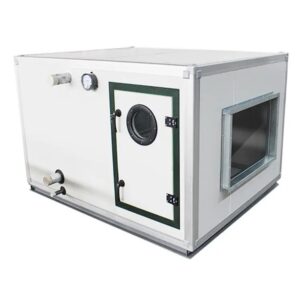
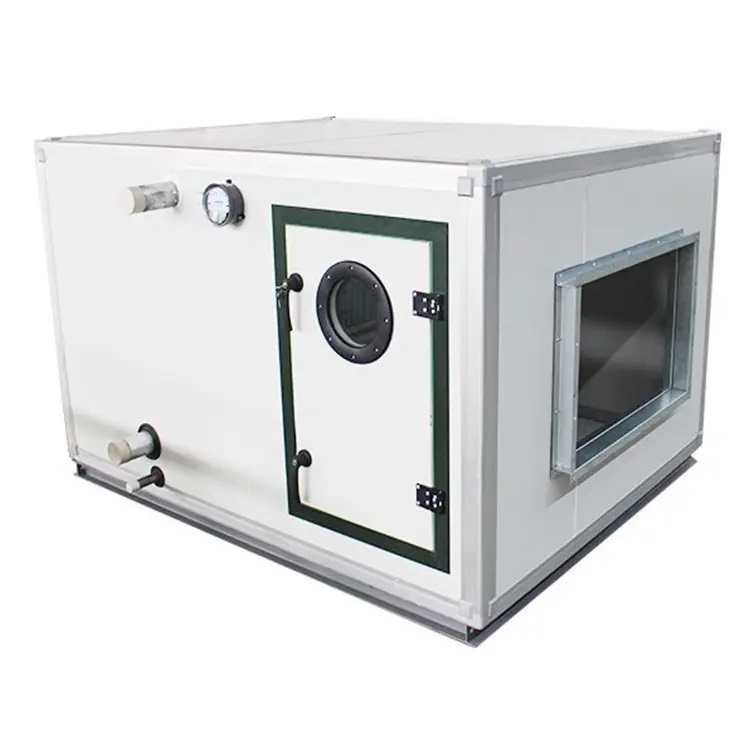
Industrial Treated Fresh Air Unit – Energy-Efficient Air Handling System
View DetailsA wet scrubber for air pollution is a reliable method used across industries to capture dust, fumes, and gas pollutants before they reach the atmosphere. By using a liquid medium to absorb or neutralize contaminants, it ensures cleaner air discharge and compliance with environmental regulations. Facilities such as metal processing plants, cement units, and chemical factories depend on wet scrubbers to maintain safe working conditions and meet emission standards.
Wet scrubbers operate by bringing exhaust gases into contact with a scrubbing liquid. As the gas passes through a chamber or tower, pollutants dissolve or react with the liquid. The treated gas exits the system while the liquid is recirculated or processed for disposal. This approach is particularly effective for handling sticky or soluble pollutants that dry filters struggle to remove.
Different scrubber designs are used depending on the type of pollutants and process conditions. The most common configurations include Venturi scrubbers, packed bed scrubbers, and spray towers. Each design offers distinct performance advantages depending on gas velocity, particle size, and chemical composition.
| Scrubber Type | Best For | Typical Industries |
|---|---|---|
| Venturi Scrubber | Fine particulate removal | Steel plants, foundries, cement units |
| Packed Bed Scrubber | Gas absorption and neutralization | Chemical, fertilizer, and pharmaceutical plants |
| Spray Tower | Large gas volumes with moderate pollutants | Power generation, pulp and paper |
Wet scrubbers differ from dry systems in how they treat gases. While dry scrubbers rely on solid sorbents or filters, wet scrubbers use liquids to absorb or wash away contaminants. The table below highlights key differences.
| Feature | Wet Scrubber | Dry Scrubber |
|---|---|---|
| Pollutant Handling | Soluble gases and particulates | Primarily particulates |
| Maintenance | Periodic cleaning of liquid system | Filter replacement |
| Efficiency for Fine Dust | High | Moderate |
| Initial Cost | Higher | Lower |
| Long-Term Stability | Consistent performance | Depends on filter condition |
Aeppl designs each wet scrubber system based on the process stream and emission requirements. Key parameters such as material choice, nozzle type, and pump configuration are tailored for optimal results. Depending on chemical compatibility, units can be fabricated in mild steel, stainless steel, or FRP. Advanced controls such as PLC panels allow precise monitoring of pressure, liquid flow, and pH levels for steady operation.
Modern wet scrubber systems are designed to conserve water and energy. Efficient pumps and mist eliminators help minimize resource use, while automated valves and sensors maintain optimal operating conditions. With sustainability targets becoming more stringent, Aeppl focuses on building systems that lower emissions and operating costs without sacrificing reliability.
Aeppl provides complete project support from design to commissioning. Wet scrubbers can be integrated with other air handling equipment such as Industrial Evaporative Air Cooling Units and Dust Collector Systems for comprehensive air quality management across facilities.
Aerotech Equipments and Projects Pvt. Ltd. (Aeppl) is a trusted Indian manufacturer of air handling and pollution control systems. With extensive engineering experience, Aeppl delivers durable and efficient solutions for industrial air management worldwide. Visit Aeppl
A wet scrubber for air pollution is an industrial system that removes contaminants from exhaust gases using a liquid medium such as water or a chemical solution.
It captures and neutralizes dust, acidic gases, and vapors, ensuring cleaner air discharge and helping industries comply with emission standards.
Wet scrubbers are used in steel manufacturing, cement plants, chemical processing, power generation, and other heavy industries with gas emissions.
Yes, wet scrubbers can be built with corrosion-resistant materials like stainless steel or FRP to handle acidic or aggressive exhaust streams.
Routine checks include cleaning nozzles, monitoring liquid levels, and maintaining pH or chemical dosing systems for consistent efficiency.
Yes, wet scrubbers can be connected to existing air handling or dust collection systems for complete pollution control.
Efficiency depends on gas velocity, droplet size, liquid chemistry, and the contact time between the gas and scrubbing liquid.
Wet scrubbers are better for soluble pollutants and high-temperature gases, while dry scrubbers suit low-moisture particulate control.
Yes, Aeppl designs and exports wet scrubber systems globally, ensuring compliance with international environmental norms.
You can reach Aeppl at sales@aeppl.com or call +91-9599785811, +91 8377077661, +91 9810162210 for technical consultation and quotations.