

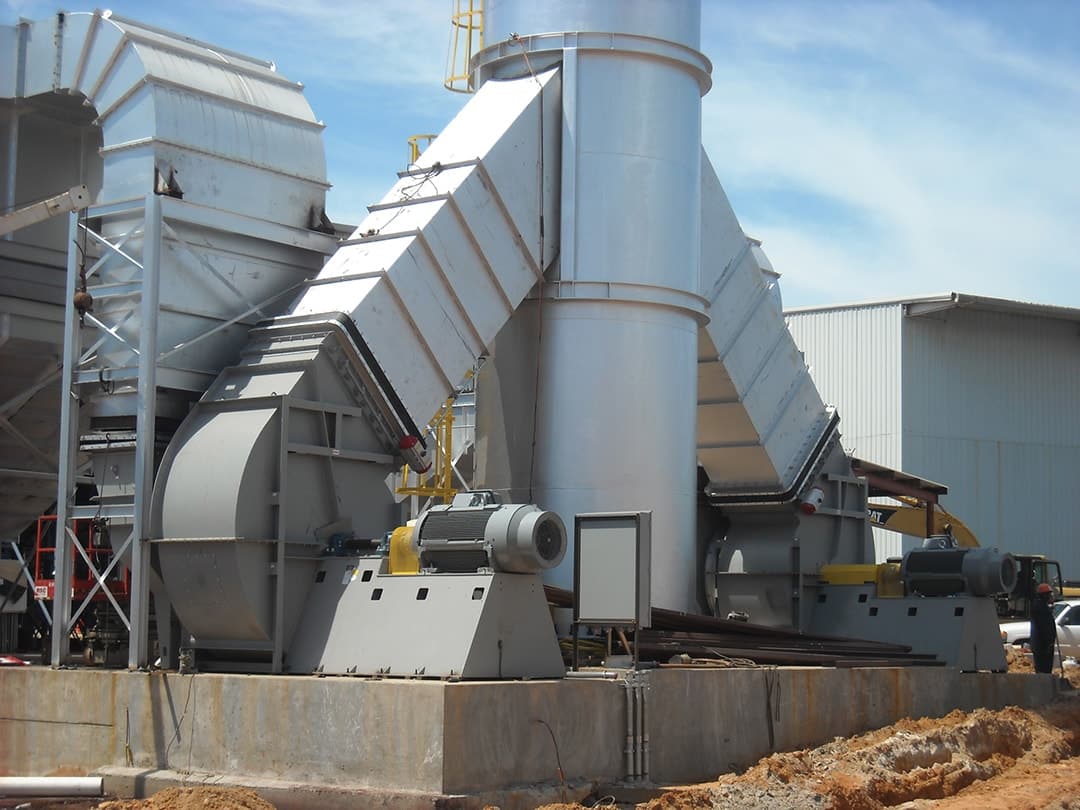
Industrial Fume Scrubber System - High-Efficiency Air Pollution Control Unit
View Details
Industrial Fume Scrubber System - High-Efficiency Air Pollution Control Unit
View Details
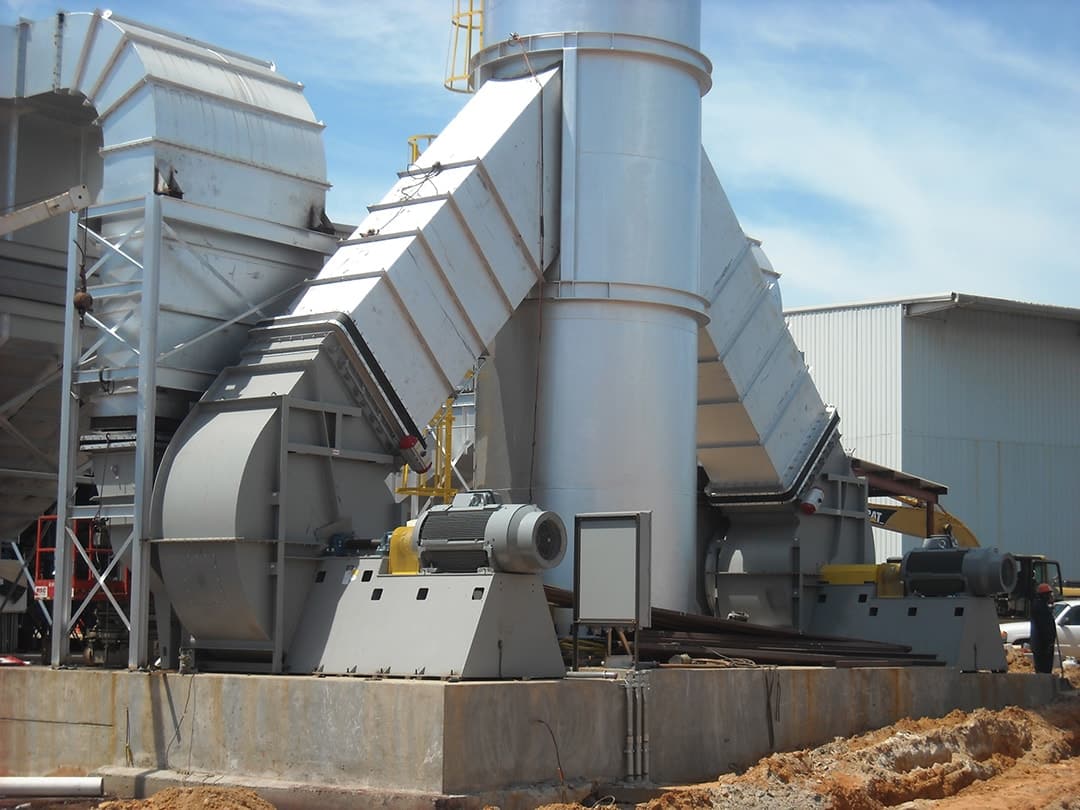
Industrial Smoke Spill Exhaust Unit - High-Temperature Ventilation System
View Details
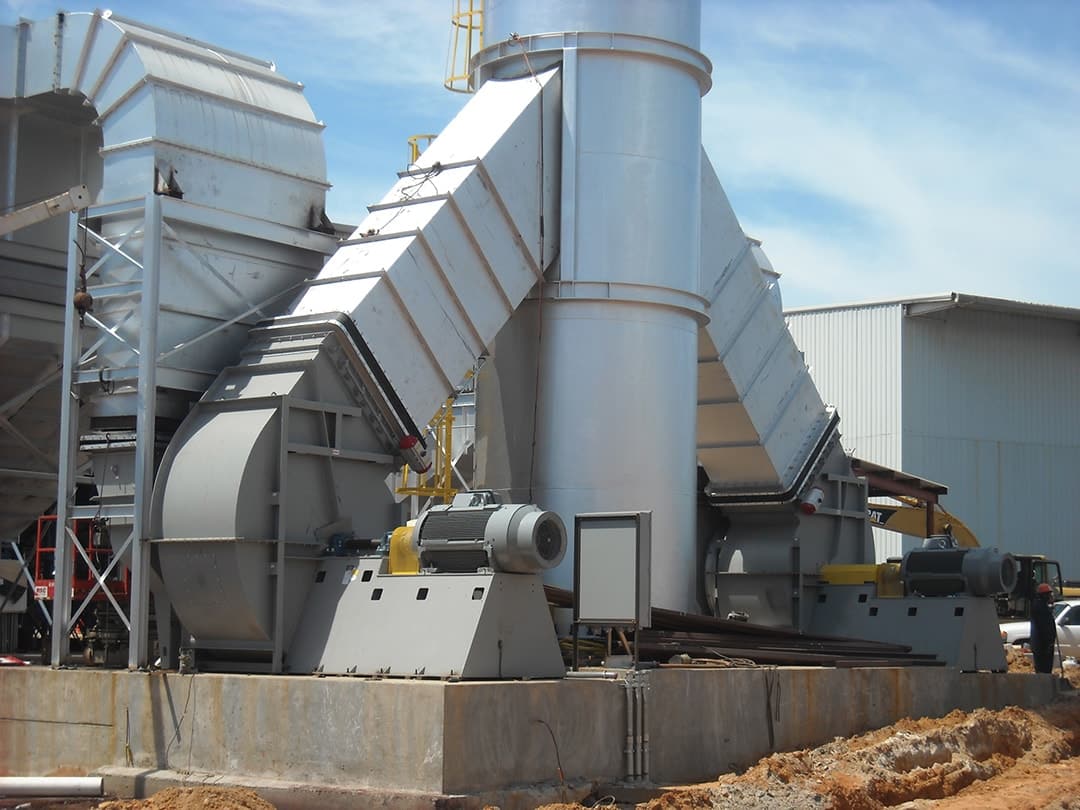
High-Temperature Industrial Smoke Spill Unit - Heavy-Duty Ventilation System
View Details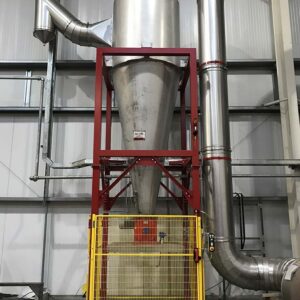

Industrial Venturi Scrubber System - High-Efficiency Air Pollution Control Unit
View Details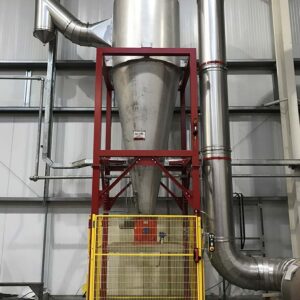
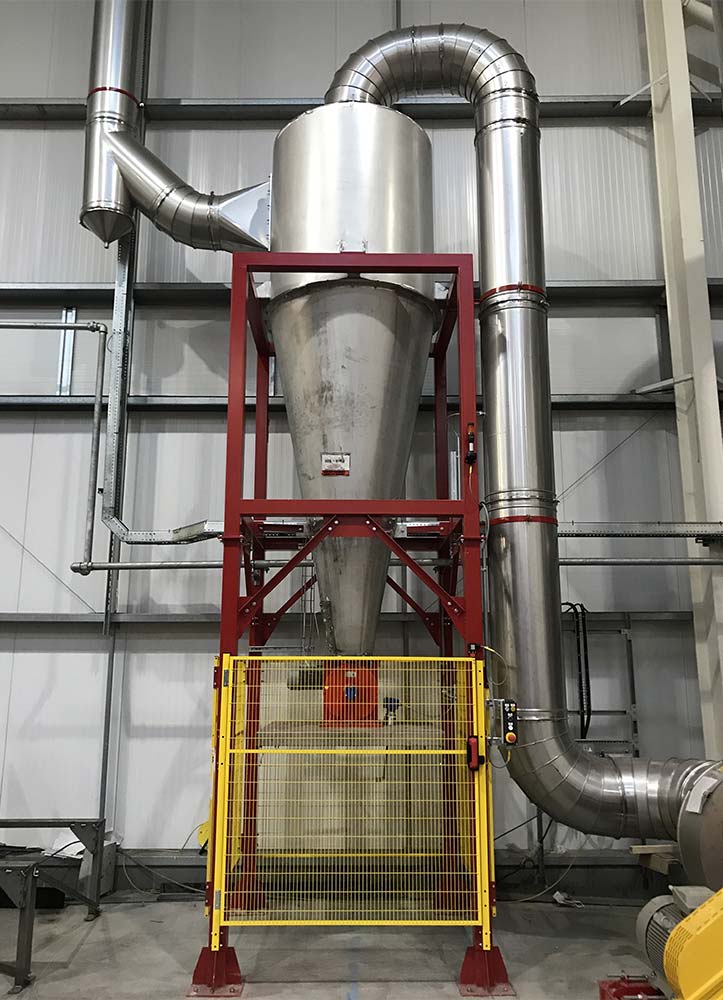
Industrial Venturi Scrubber System – High-Efficiency Air Pollution Control Unit
View Details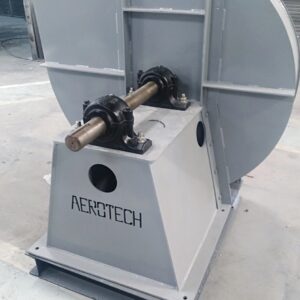
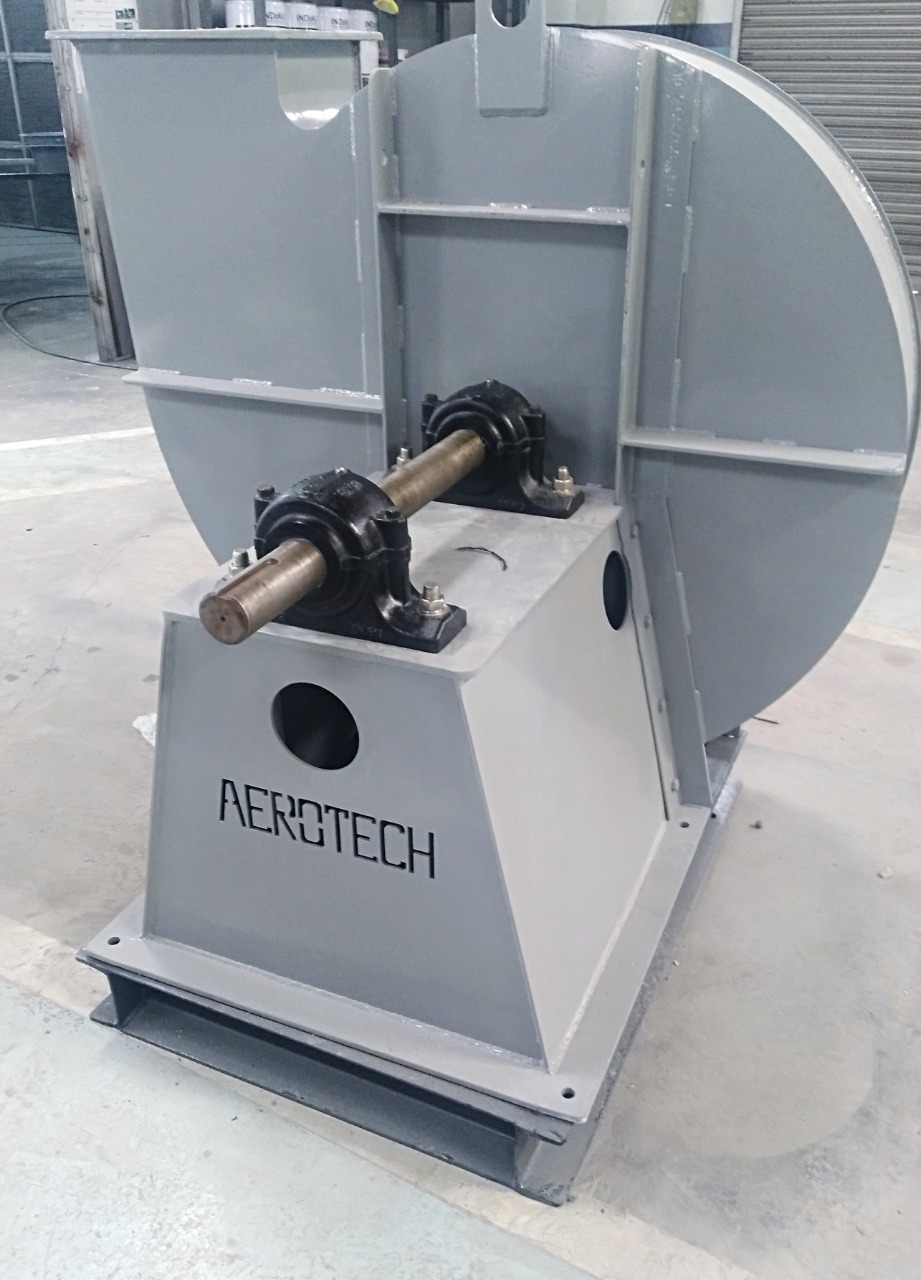
Industrial Centrifugal Exhaust Blower – Heavy Duty Steel Housing
View Details
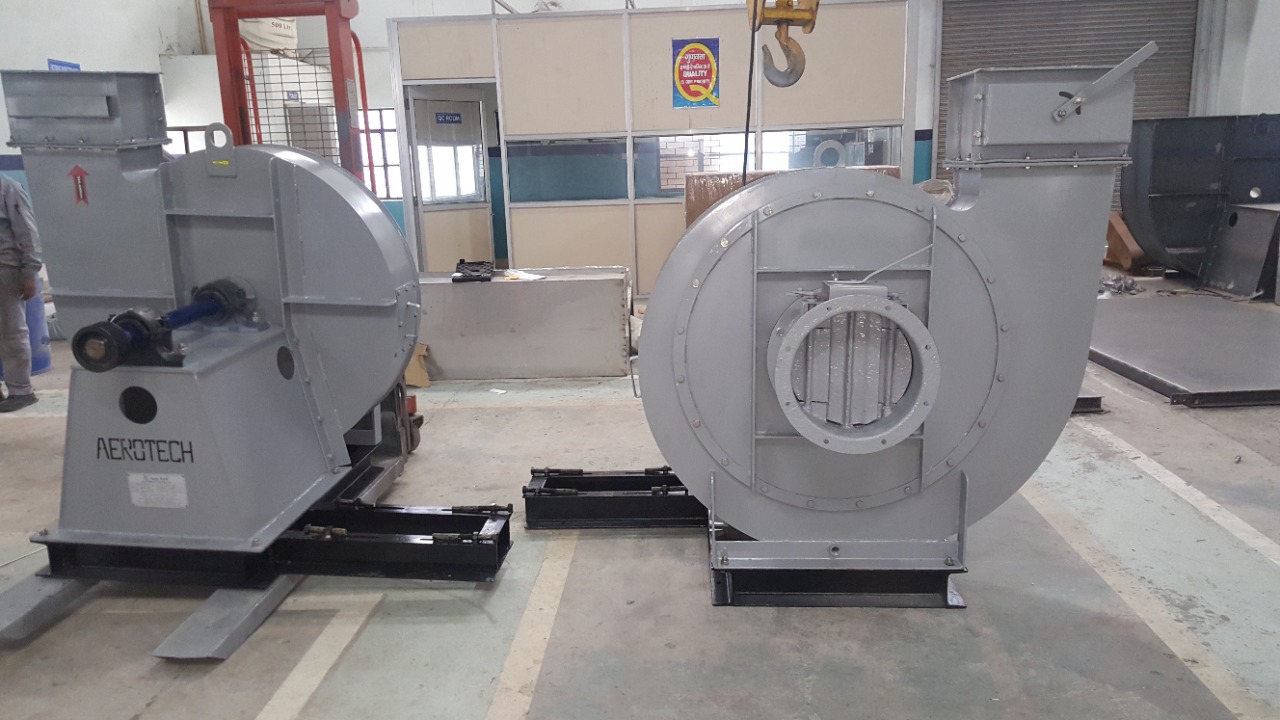
Industrial High-Pressure Centrifugal Blower - Heavy-Duty Air Handling System
View Details
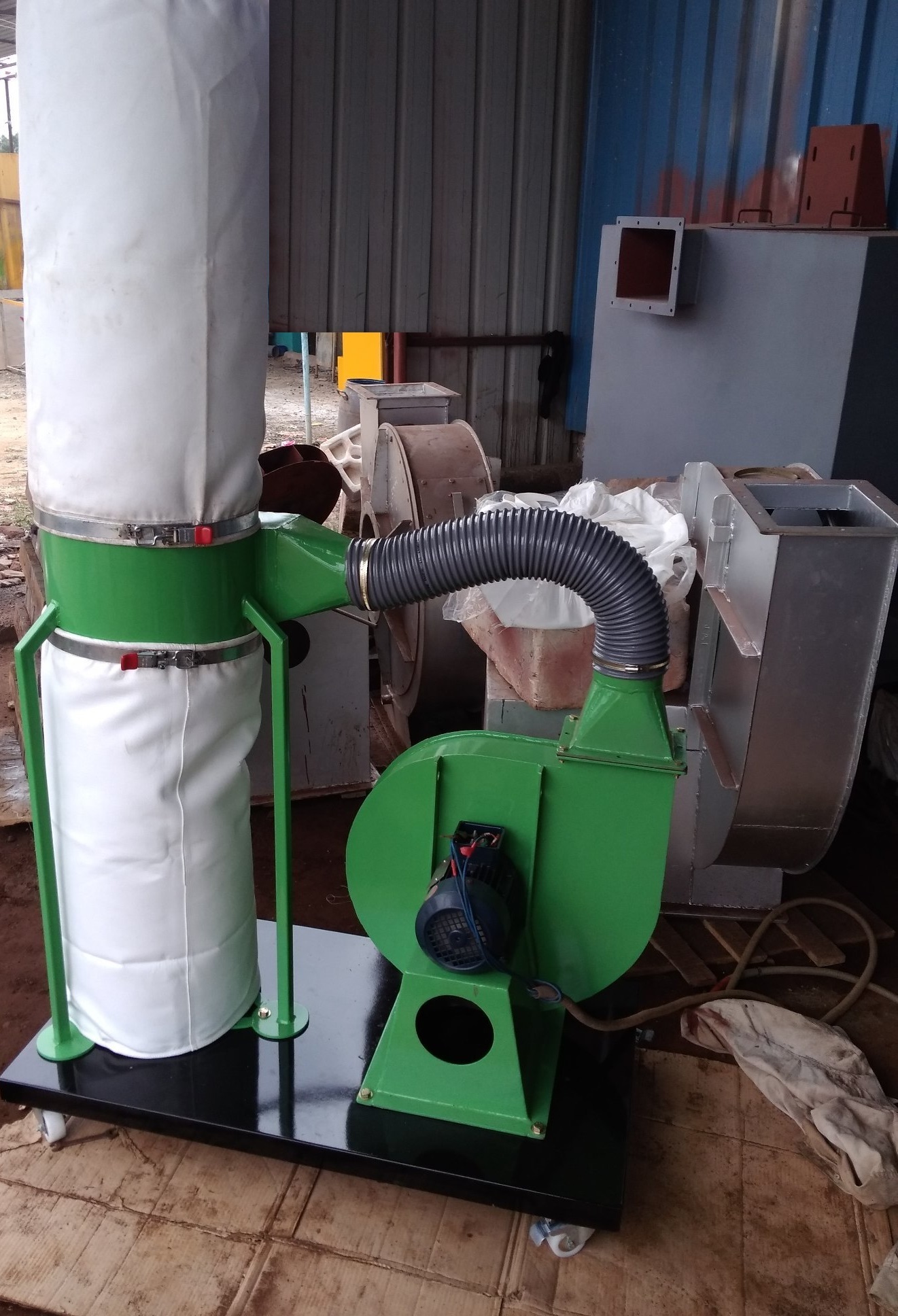
Industrial Portable Dust Collector - High-Efficiency Filtration System
View DetailsAn industrial exhaust gas scrubber helps control air pollution by removing gases, vapors, and fine particles before they are released into the atmosphere. These systems are vital for industries that generate chemical or particulate emissions, including power generation, metal refining, and chemical processing. Aeppl designs scrubbers that combine robust construction with efficient pollutant removal, supporting both environmental responsibility and operational reliability.
Scrubbers work by neutralizing or capturing contaminants through wet or dry treatment methods. Wet scrubbers use liquid reagents to dissolve or absorb gases such as sulfur dioxide or hydrogen chloride, while dry scrubbers rely on solid sorbents to remove targeted compounds. The choice depends on the exhaust composition, temperature, and moisture levels of your process.
| Scrubber Type | Efficiency Range | Common Applications | Maintenance Level |
|---|---|---|---|
| Wet Scrubber | 90-99% | Power plants, steel mills | Moderate |
| Dry Scrubber | 80-95% | Cement plants, chemical industries | Low |
| Venturi Scrubber | 95-99% | Metal finishing, foundries | Moderate |
Industrial exhaust gas scrubber systems are built for durability and steady operation. Key considerations include corrosion-resistant materials, optimized airflow paths, and precise reagent dosing to maintain consistent performance. Integration with digital monitoring tools enables operators to track pressure drops, gas composition, and reagent levels, helping maintain efficiency and avoid unplanned downtime.
Aeppl engineers tailor each system to the specific process conditions of your facility. This ensures that pollutant removal is achieved without disrupting airflow or production schedules. The goal is always dependable performance with minimal maintenance demands.
Industrial exhaust gas scrubbers are used across power generation, fertilizer manufacturing, pharmaceuticals, and waste treatment sectors. Each application demands careful design based on gas chemistry, flow rate, and temperature. Aeppl provides application-specific solutions that align with these requirements. The company also offers compatible air handling equipment such as the Industrial Venturi Scrubber System, Industrial High-Pressure Centrifugal Blower, and Industrial Fume Scrubber System.
| Parameter | Wet Scrubber | Dry Scrubber |
|---|---|---|
| Pollutant Type | Soluble gases and particulates | Acidic gases |
| Water Usage | High | None |
| Space Requirement | Moderate | Compact |
| Operational Cost | Medium | Low |
Aeppl provides end-to-end assistance from design consultation to commissioning and periodic maintenance. The team helps with installation, operator training, and system audits to maintain compliance and efficiency. For detailed technical discussions or quotes, contact +91-9599785811, +91 8377077661, +91 9810162210, or email sales@aeppl.com.
Aerotech Equipments and Projects Pvt. Ltd. (Aeppl) is a trusted Indian manufacturer of industrial air handling and pollution control systems. With decades of experience, Aeppl delivers reliable and efficient solutions for demanding industrial environments. Visit Aeppl
It is a system that removes gases and particulates from industrial exhaust to reduce pollution and meet environmental standards.
Wet scrubbers use liquids to absorb pollutants, while dry scrubbers use solid reagents to neutralize gases without water.
Industries such as power generation, metal refining, chemical processing, cement manufacturing, and waste incineration use them.
They can remove sulfur dioxide, hydrogen chloride, ammonia, and fine particulates depending on system design and reagents used.
Regular maintenance every few months helps keep nozzles, pumps, and reagent dosing systems in good condition.
Yes, advanced designs minimize pressure drop and optimize reagent use, reducing energy consumption and operational costs.
Yes, most systems can connect to control panels for automated monitoring and performance alerts.
They are essential for meeting emission regulations and maintaining workplace safety standards.
Aeppl provides tailored systems based on exhaust composition, temperature, and process flow to maximize efficiency.
Reach Aeppl at +91-9599785811, +91 8377077661, +91 9810162210, or email sales@aeppl.com for consultations and quotes.