
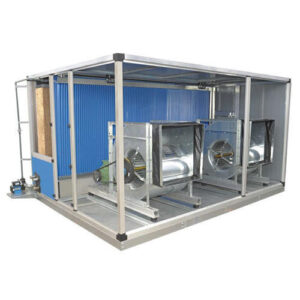
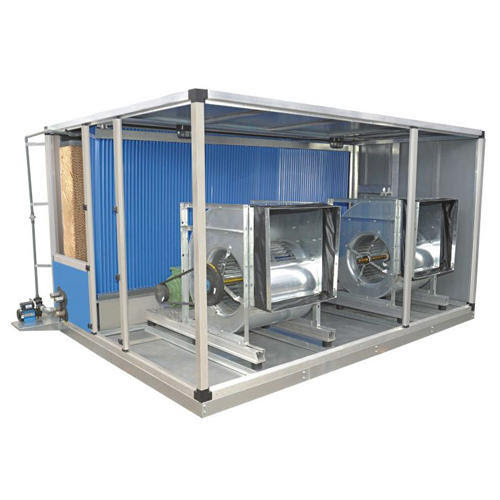
Industrial Fresh Air Handling Unit – High Efficiency Ventilation System
View Details
Industrial Fresh Air Handling Unit – High Efficiency Ventilation System
View Details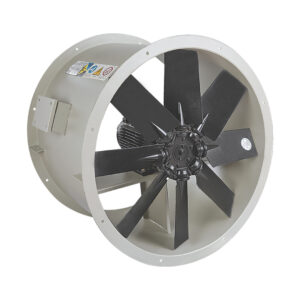
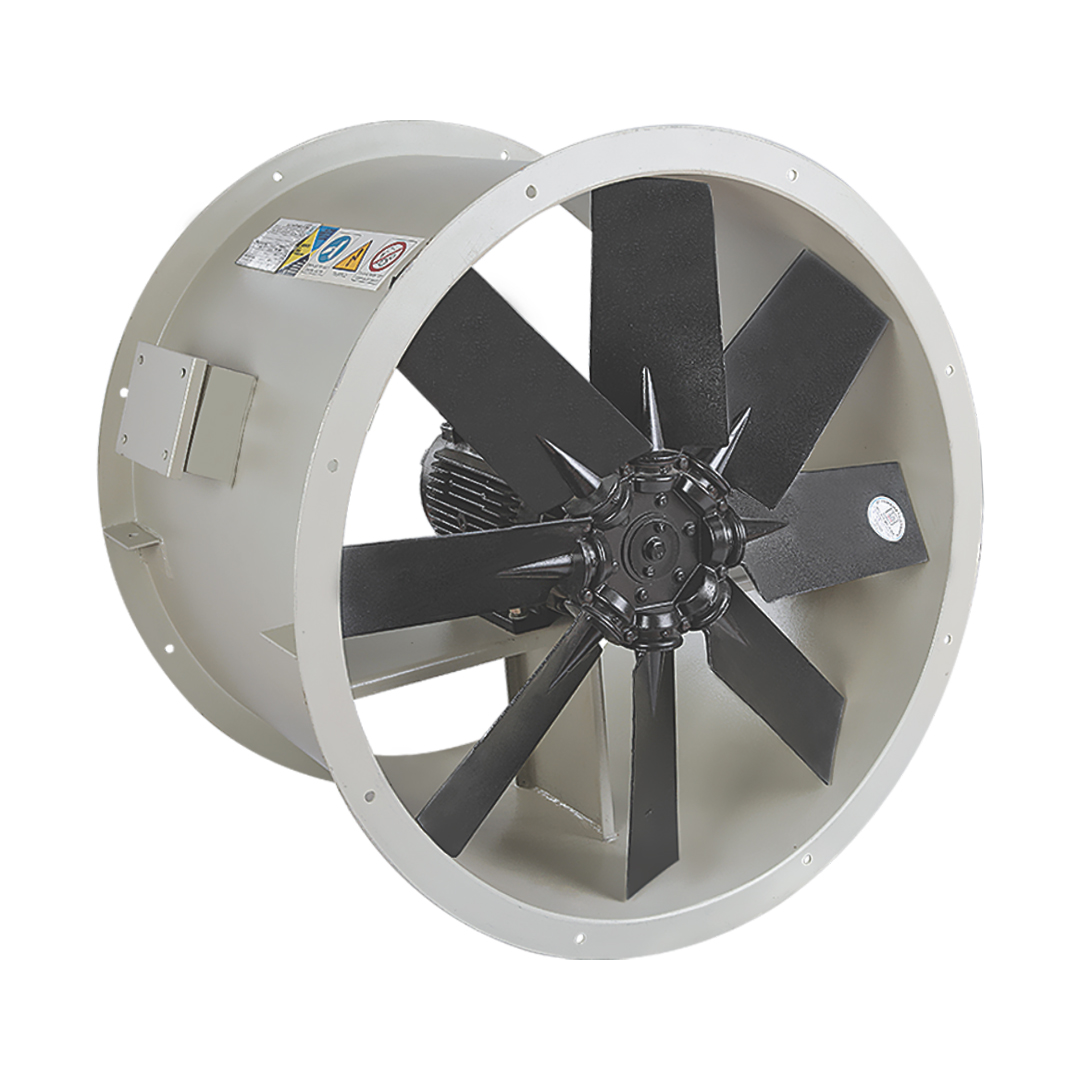
High-Temperature Axial Smoke Exhaust Fan - Industrial Ventilation System
View Details
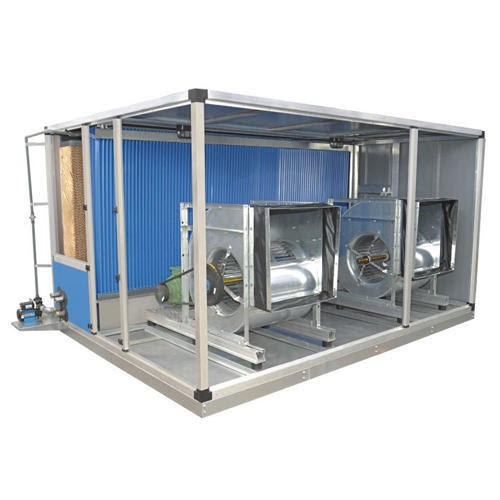
Industrial Evaporative Air Cooling Unit - High Efficiency HVAC System
View Details
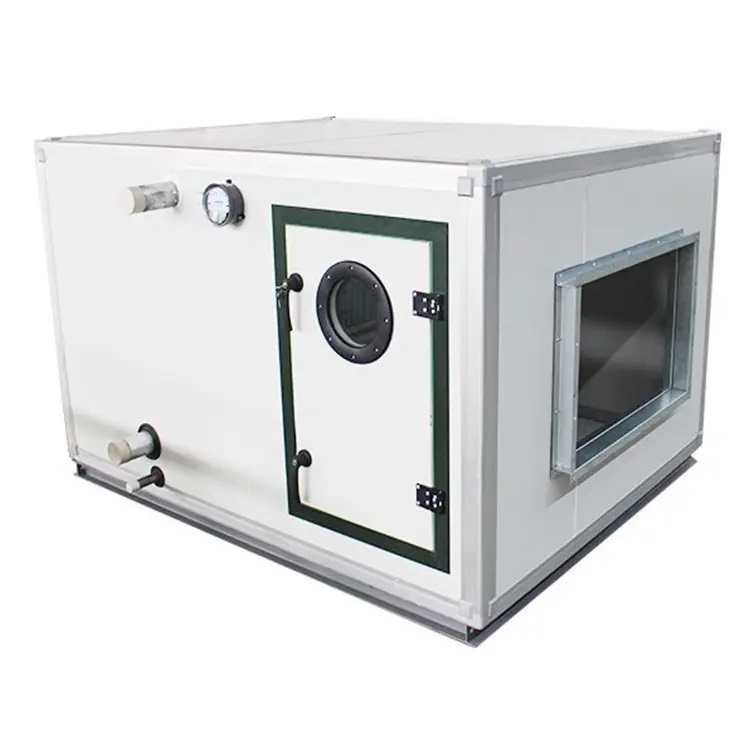
Industrial Treated Fresh Air Unit – Energy-Efficient Air Handling System
View Details
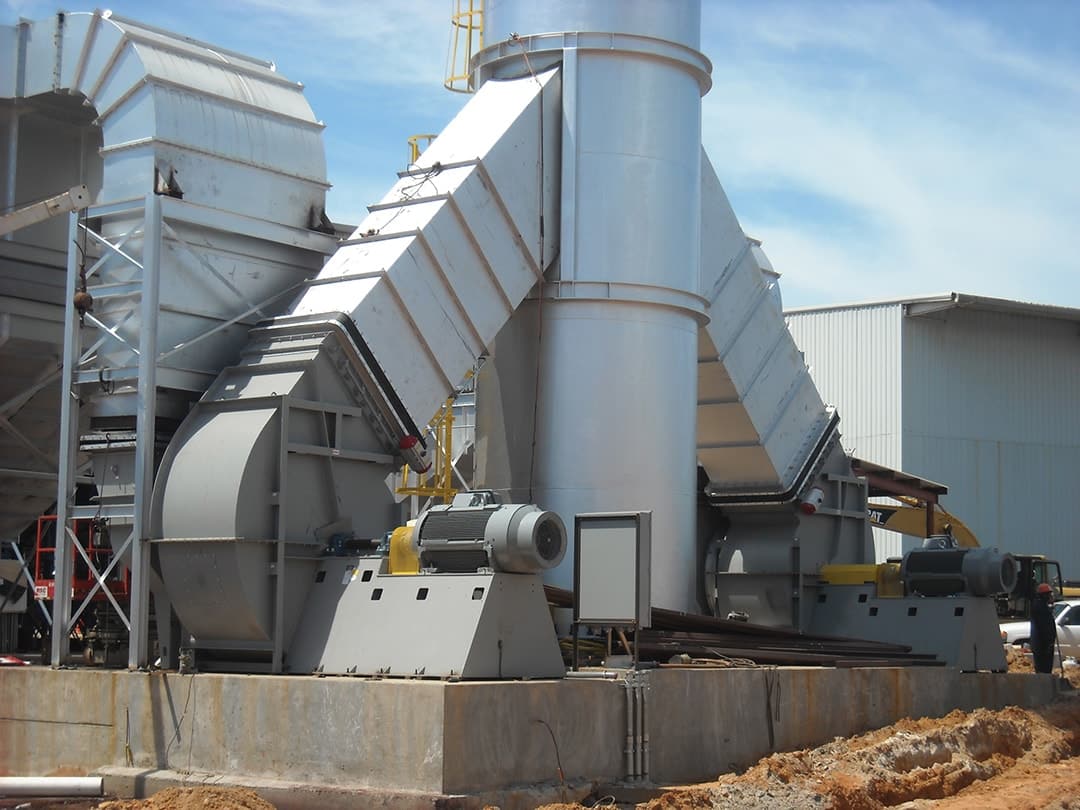
Industrial Fume Extraction System - High-Efficiency Air Filtration Unit
View Details
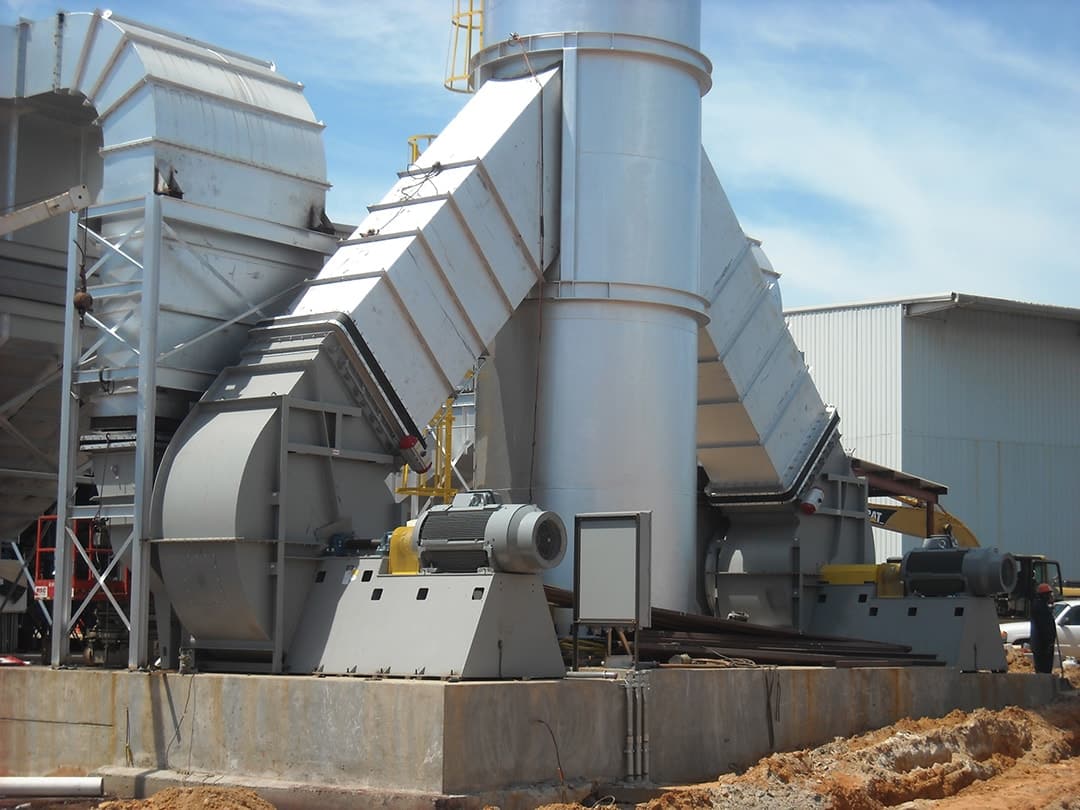
Industrial Smoke Spill Exhaust Unit - High-Temperature Ventilation System
View Details
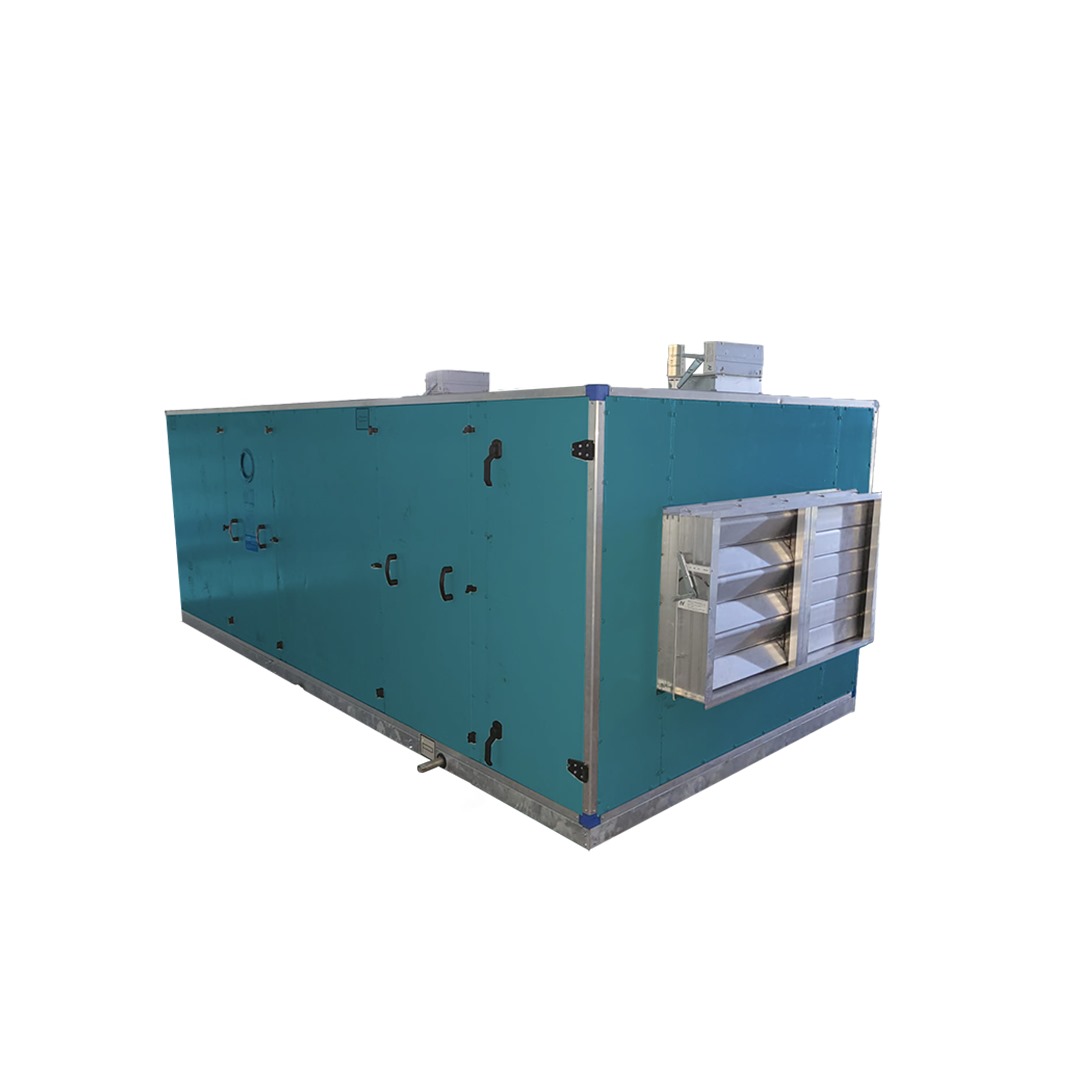
Industrial Modular Air Handling Unit - High Efficiency HVAC System
View Details
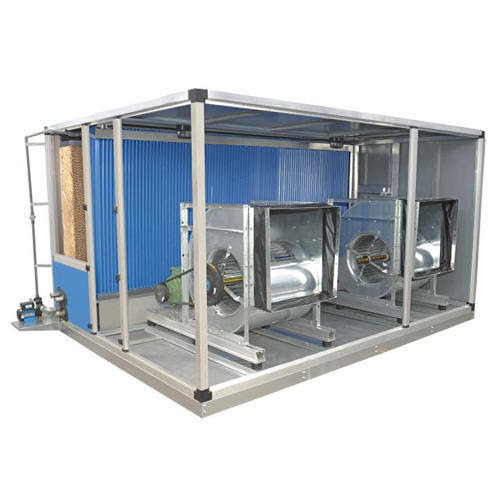
Industrial Evaporative Air Cooling Unit – High Efficiency HVAC System
View DetailsAn effective ventilation system for meat processing facilities is vital for maintaining hygiene, air quality, and safe working conditions. Proper airflow ensures temperature stability, humidity control, and minimizes airborne contaminants that can affect product safety and shelf life. Aeppl designs and builds ventilation systems tailored for meat processing environments, providing reliable performance that meets food safety standards and supports efficient operations.
Processing meat generates heat, moisture, and strong odors. Without proper ventilation, these factors can lead to bacterial growth, corrosion of equipment, and unstable production conditions. A well-planned ventilation setup maintains balanced air pressure, controls humidity, and supplies clean air throughout the facility.
Each section of a meat processing plant has distinct ventilation needs. Slaughter zones often use negative-pressure exhausts, cold storage areas rely on humidity-controlled air handling units, and packaging areas benefit from filtered supply air systems. Aeppl provides configurations designed to match plant layout and operational requirements.
| System Type | Application | Key Benefit |
|---|---|---|
| Negative Pressure Exhaust | Slaughtering and scalding zones | Efficiently removes contaminated air |
| Fresh Air Handling Unit | Processing and packing areas | Maintains clean airflow and circulation |
| Evaporative Cooling Unit | Cold rooms and storage | Controls humidity and temperature levels |
Modern ventilation systems in meat processing facilities must deliver strong airflow while keeping energy consumption low. Aeppl integrates efficient fan designs, variable speed drives, and intelligent control systems that help reduce power use and maintain consistent air quality. These systems align with current industrial priorities focused on sustainability and process automation.
| Feature | Conventional System | Aeppl Engineered System |
|---|---|---|
| Airflow Control | Fixed-speed fans | Variable-speed with sensor-based control |
| Energy Efficiency | Average | Optimized for lower energy consumption |
| Maintenance | Requires frequent manual checks | Easy access and minimal downtime |
| Compliance | Meets basic standards | Built to satisfy global food safety ventilation norms |
To complete a ventilation system for meat processing, Aeppl offers supporting equipment such as:
Every meat processing plant has unique ventilation requirements depending on capacity, building layout, and hygiene protocols. Aeppl's engineering team collaborates with facility managers to design systems that integrate smoothly with production lines and storage areas. Each system is tested for airflow balance, filtration efficiency, and temperature control before installation.
Food safety standards demand precise control of air movement to prevent contamination. Aeppl systems are designed for easy maintenance and use corrosion-resistant materials suitable for humid environments. Washable filters and durable components ensure consistent performance under high workloads.
For technical details or project discussions, contact Aeppl at +91-9599785811, +91 8377077661, or +91 9810162210, or email sales@aeppl.com for consultation.
Aeppl, Aerotech Equipments and Projects Pvt. Ltd., is an Indian manufacturer and exporter of industrial ventilation and air handling systems. With decades of engineering experience, Aeppl delivers dependable, energy-efficient solutions for complex industrial environments. Visit Aeppl
It maintains air quality, regulates humidity, and prevents contamination in processing areas, ensuring food safety and worker comfort.
Ventilation systems distribute cooled or conditioned air evenly, preventing heat buildup and maintaining consistent temperatures across zones.
Slaughtering zones, cold rooms, packaging areas, and storage sections each require tailored airflow and filtration systems.
Negative-pressure systems, air handling units, and evaporative coolers are commonly used depending on the plant's specific operations.
Controlled airflow prevents mixing of air between clean and contaminated zones, reducing bacterial spread and maintaining hygiene standards.
Facility layout, processing volume, local climate, and regulatory requirements determine system capacity and airflow configuration.
Modern systems use variable speed drives and efficient fans to minimize energy consumption while maintaining consistent performance.
Routine inspections and filter cleaning every few months help maintain efficiency and prevent buildup of contaminants.
Yes, Aeppl designs and manufactures tailored ventilation solutions based on plant layout and operational needs.
You can reach Aeppl at +91-9599785811, +91 8377077661, +91 9810162210 or email sales@aeppl.com for technical consultation or quotes.