
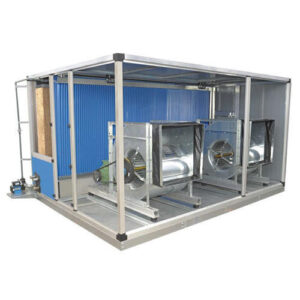
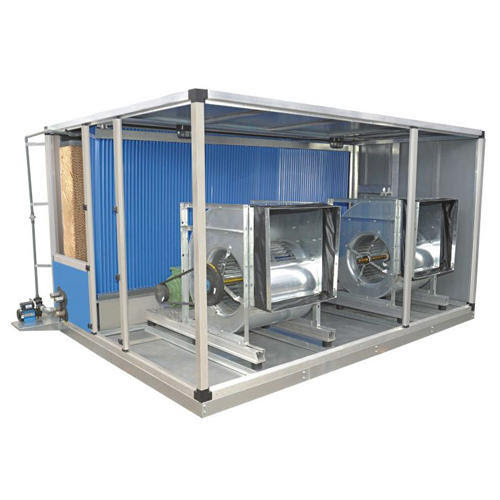
Industrial Fresh Air Handling Unit – High Efficiency Ventilation System
View Details
Industrial Fresh Air Handling Unit – High Efficiency Ventilation System
View Details
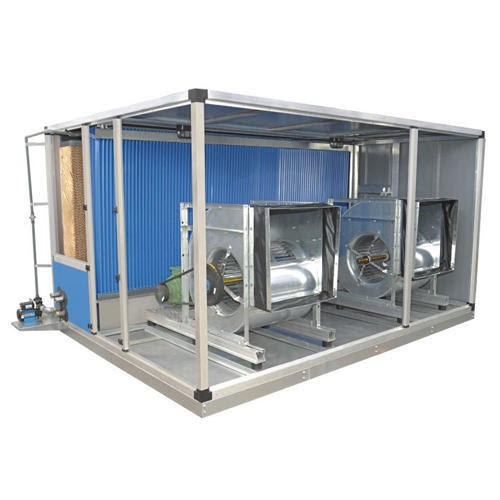
Industrial Evaporative Air Cooling Unit - High Efficiency HVAC System
View Details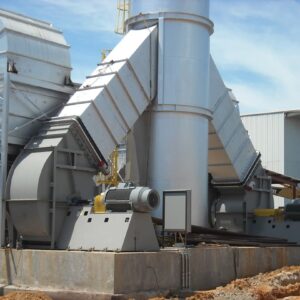
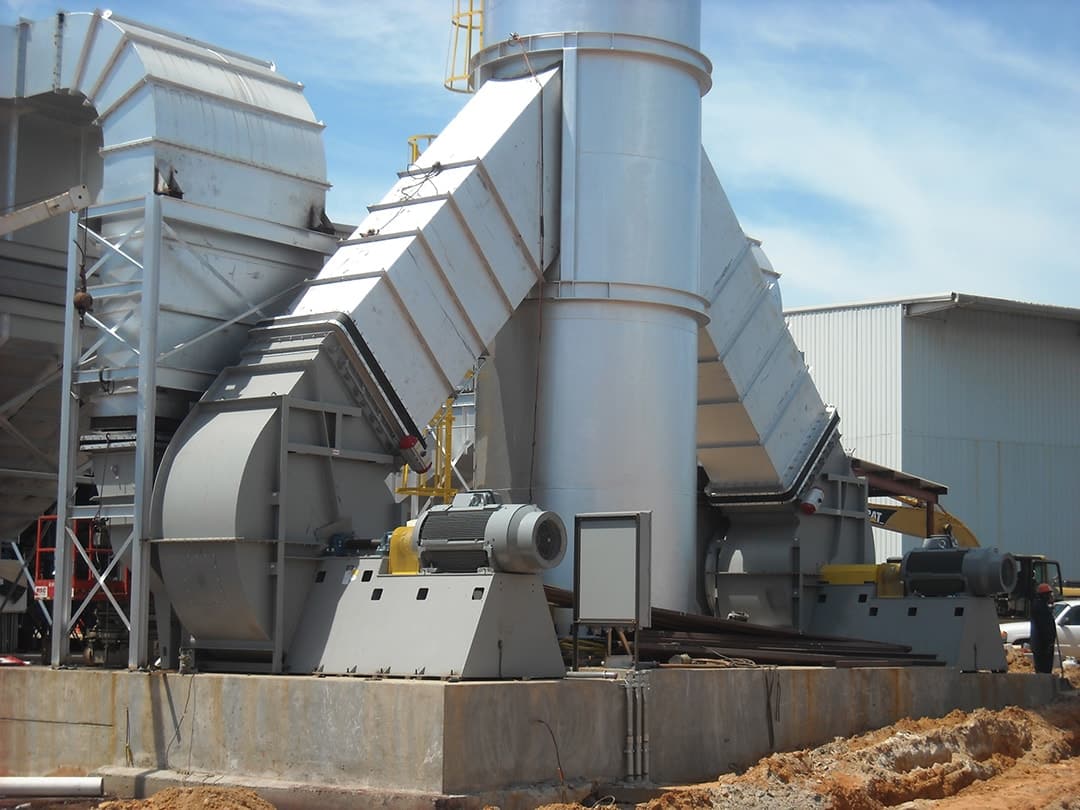
High-Capacity Industrial Centrifugal Ventilator - Heavy-Duty Airflow System
View Details
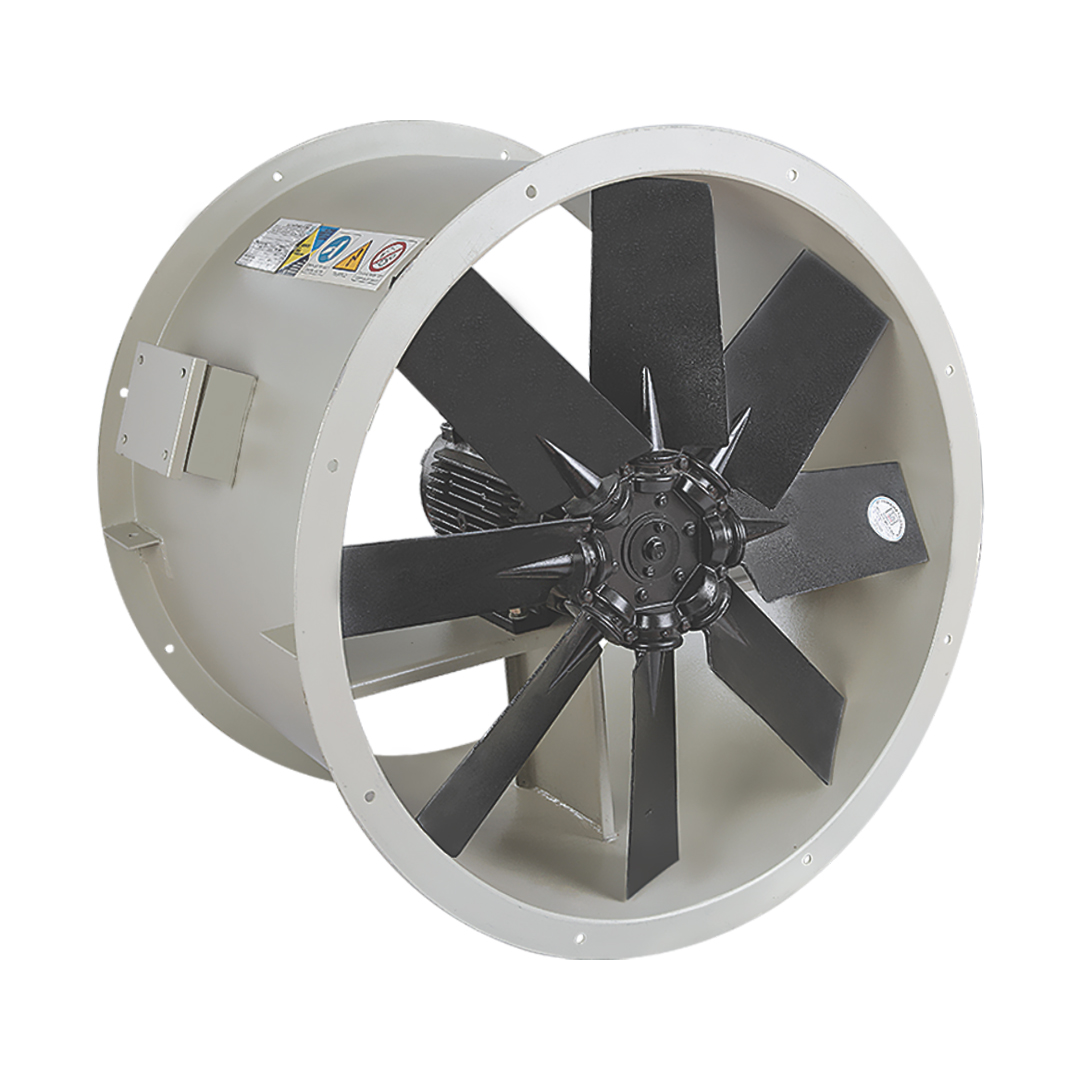
High-Temperature Axial Smoke Exhaust Fan - Industrial Ventilation System
View Details
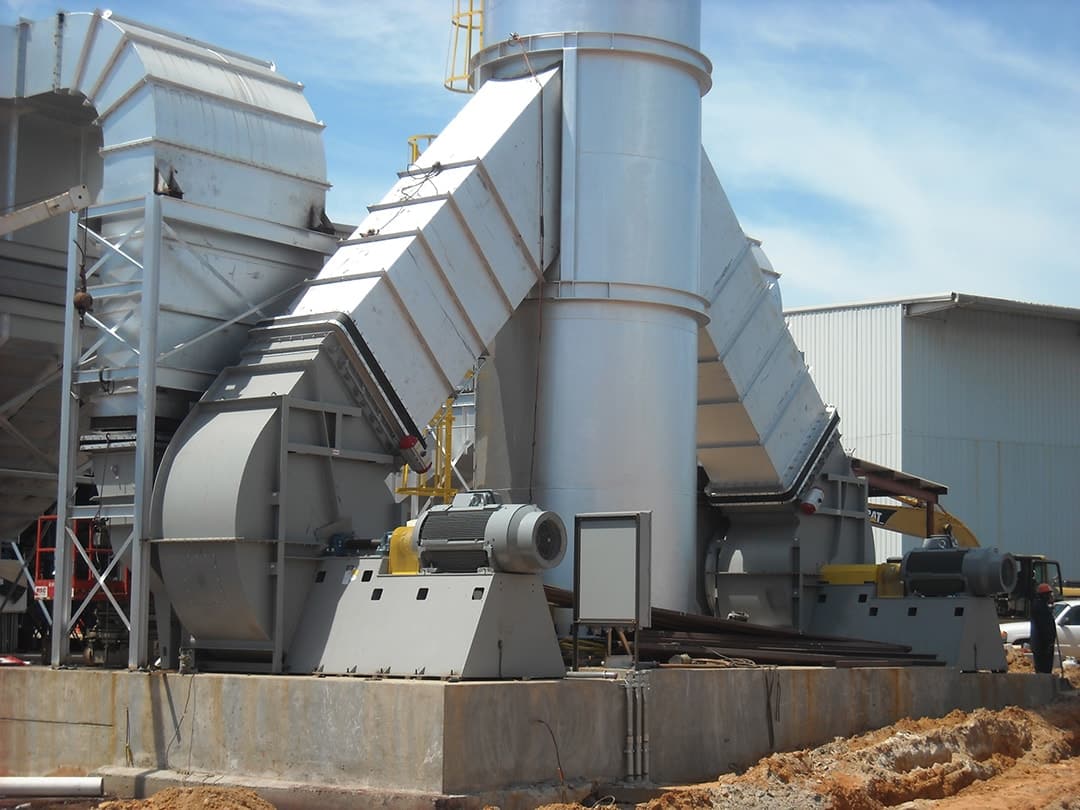
Industrial Smoke Spill Exhaust Unit - High-Temperature Ventilation System
View Details
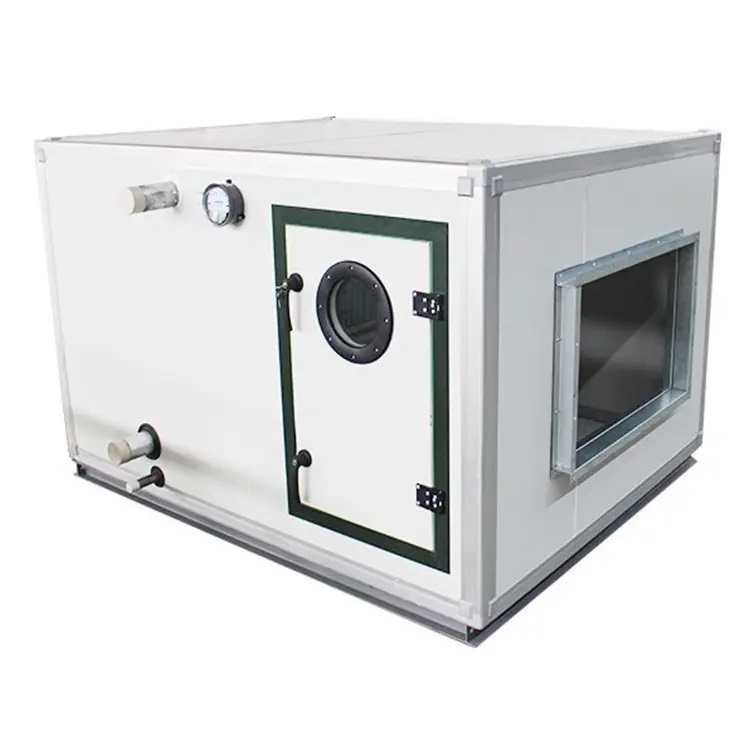
Industrial Treated Fresh Air Unit – Energy-Efficient Air Handling System
View Details
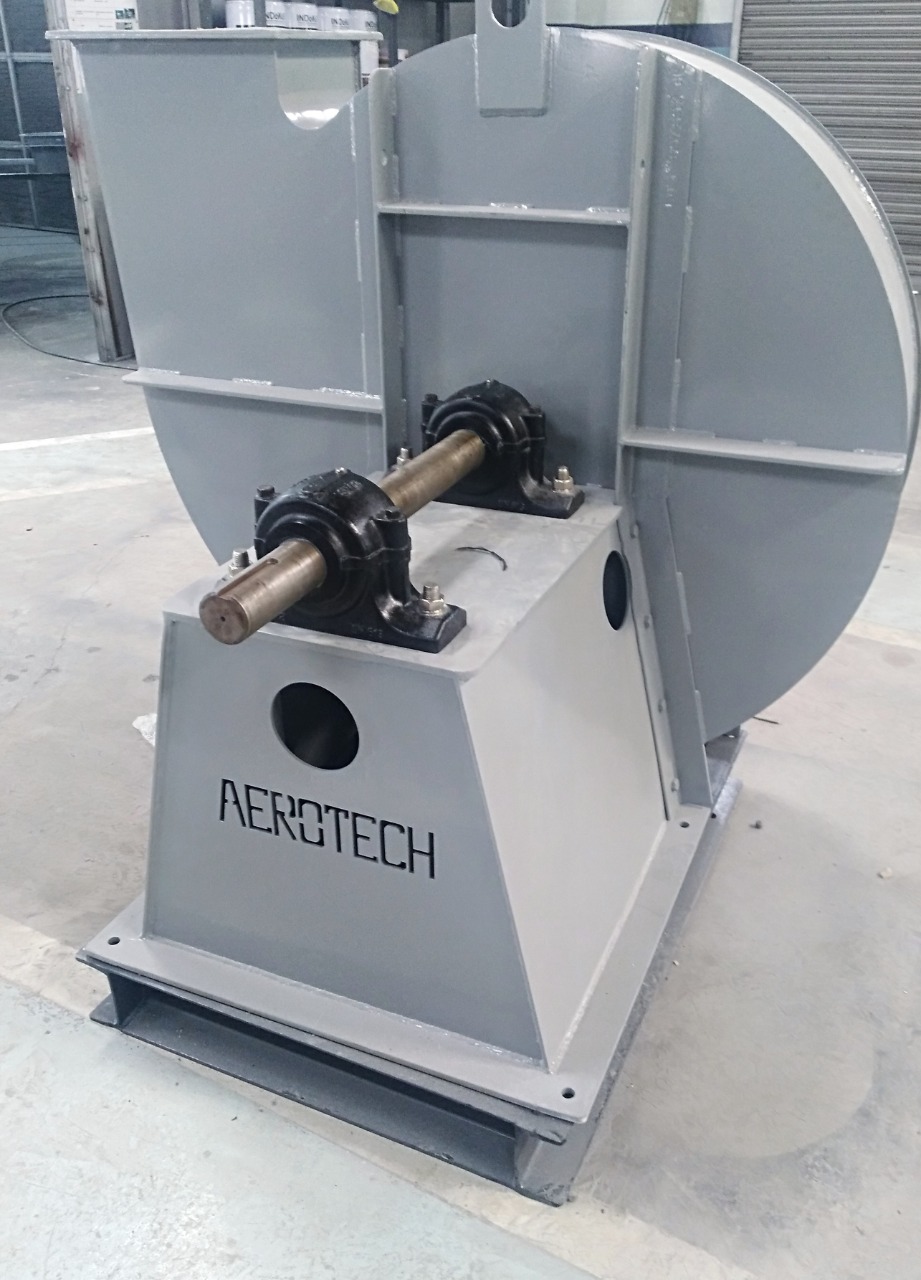
Industrial Centrifugal Air Ventilation System – Heavy Duty Steel Housing
View Details
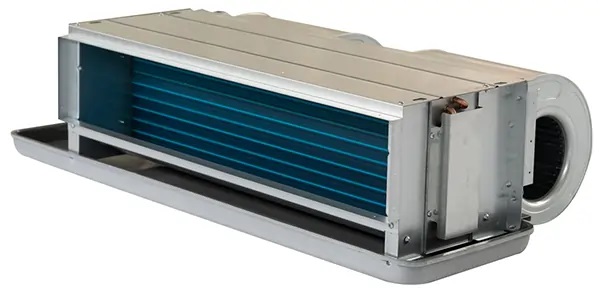
Ceiling Concealed Fan Coil Unit - High Efficiency HVAC Air Handling System
View DetailsManaging heat inside a factory is essential for keeping operations smooth and safe. A well-designed factory ventilation system for heat control helps maintain comfortable working conditions and protects machinery from thermal stress. Industrial spaces often generate heat from equipment, production processes, and external temperatures, making effective ventilation a key part of facility planning.
By circulating air efficiently and removing excess heat, ventilation systems create a balanced environment that supports productivity and long-term equipment reliability. Whether in heavy manufacturing or light assembly, heat management plays a crucial role in operational efficiency.
Every factory has unique heat sources and airflow needs. A ventilation system handles these challenges through a combination of exhaust fans, air handling units, and heat recovery modules. These components work together to extract hot air, bring in cooler filtered air, and maintain steady circulation throughout the facility.
In high-temperature zones, evaporative cooling systems can reduce air temperature naturally through water circulation, offering an energy-efficient solution for large spaces.
Factories use different systems depending on their processes and building design. Common configurations include:
| System Type | Main Function | Energy Efficiency |
|---|---|---|
| Heat Recovery Ventilation | Transfers heat between exhaust and intake air streams | High |
| Evaporative Cooling | Uses water evaporation to lower air temperature | Moderate to High |
| Centrifugal Exhaust | Removes hot air quickly from large areas | Medium |
Industrial ventilation systems must align with safety and environmental standards. A factory ventilation system for heat should be designed to meet air quality requirements, maintain safe temperature levels, and operate efficiently over long periods. Key factors include:
Energy efficiency is a growing priority in industrial settings. Modern ventilation systems use variable speed drives and smart sensors to regulate airflow based on real-time heat load. This approach reduces power consumption and improves environmental performance without sacrificing comfort or safety.
| Feature | Benefit |
|---|---|
| Variable speed drives | Adjust airflow automatically to match heat levels |
| Smart sensors | Monitor temperature and air quality continuously |
| Modular installation | Allows flexible setup for different factory layouts |
Factories in automotive, metalworking, food processing, chemical, textile, and electronics sectors all rely on heat ventilation systems to maintain stable environments. Each industry has its own airflow requirements, but the goal remains the same - consistent temperature management and improved worker comfort.
By controlling heat effectively, businesses can reduce downtime, extend equipment life, and create safer workspaces. The right ventilation setup contributes directly to better production outcomes.
Choosing the right system involves assessing internal heat generation, building volume, and process demands. Aeppl engineers design systems that balance performance, durability, and efficiency. Whether for a new facility or an upgrade, Aeppl provides tailored solutions for industrial ventilation and air handling.
Aerotech Equipments and Projects Pvt. Ltd. (Aeppl) is a trusted manufacturer and exporter of industrial ventilation and air handling systems. With decades of engineering experience, Aeppl delivers reliable solutions designed for factories that demand efficient heat control and lasting performance. Visit Aeppl
It is a system designed to remove excess heat and bring in fresh air to maintain safe and comfortable working conditions in factories.
Heat recovery systems reuse energy from exhaust air by transferring heat to incoming air, improving efficiency and reducing costs.
Automotive, metalworking, food processing, textile, and electronics industries use these systems to manage internal heat and air quality.
Evaporative cooling lowers air temperature using water, offering an efficient and natural way to control heat in large industrial spaces.
Yes, modern systems with variable speed drives and heat recovery units help lower electricity consumption and improve sustainability.
Routine inspection and cleaning of fans, ducts, and filters keep the system efficient and extend equipment life.
Automation enables real-time monitoring and airflow adjustment based on temperature and occupancy, optimizing system efficiency.
Heat sources, building size, production processes, and compliance requirements shape the design and capacity of the system.
Aeppl provides engineered ventilation systems focused on heat control, energy efficiency, and long-term reliability for industrial clients.
You can reach Aeppl at +91-9599785811, +91-8377077661, +91-9810162210 or email sales@aeppl.com for technical assistance.