
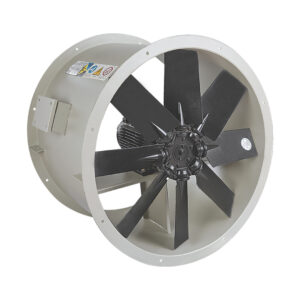
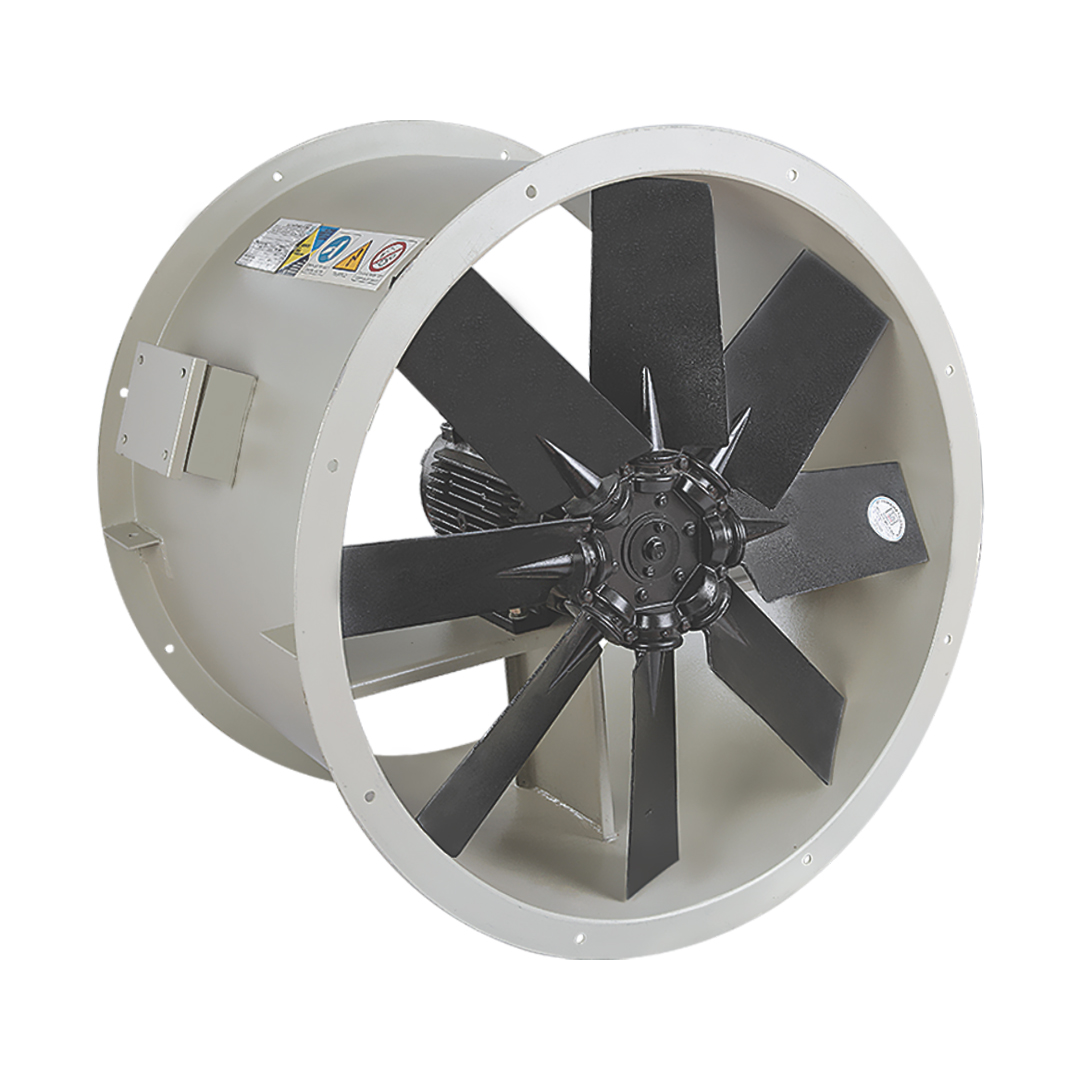
High-Temperature Axial Smoke Exhaust Fan - Industrial Ventilation System
View Details
High-Temperature Axial Smoke Exhaust Fan - Industrial Ventilation System
View Details
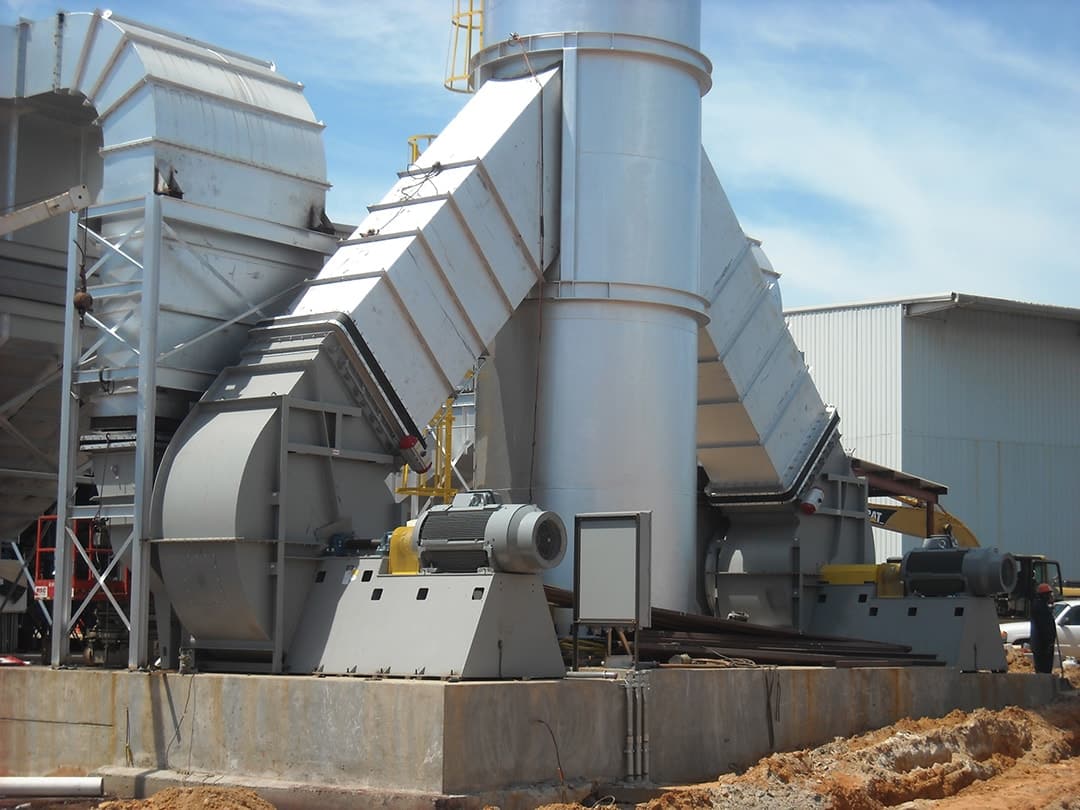
Industrial Smoke Spill Exhaust Unit - High-Temperature Ventilation System
View Details
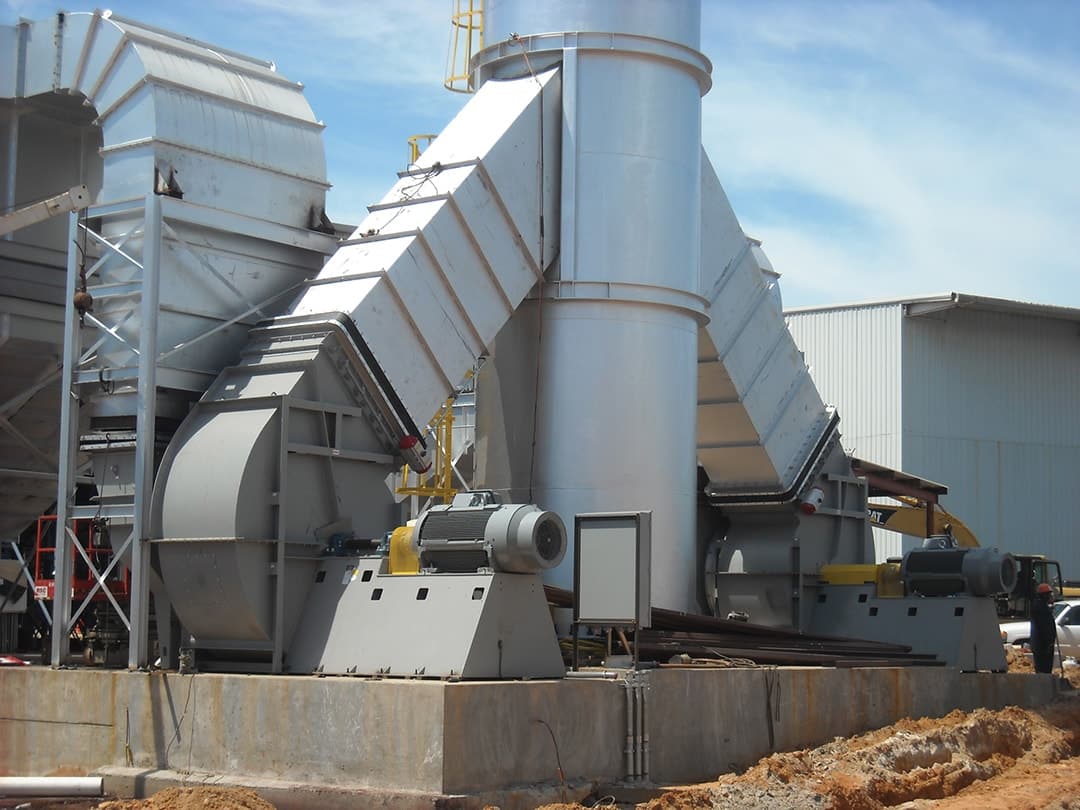
Industrial Fume Scrubber System - High-Efficiency Air Pollution Control Unit
View Details
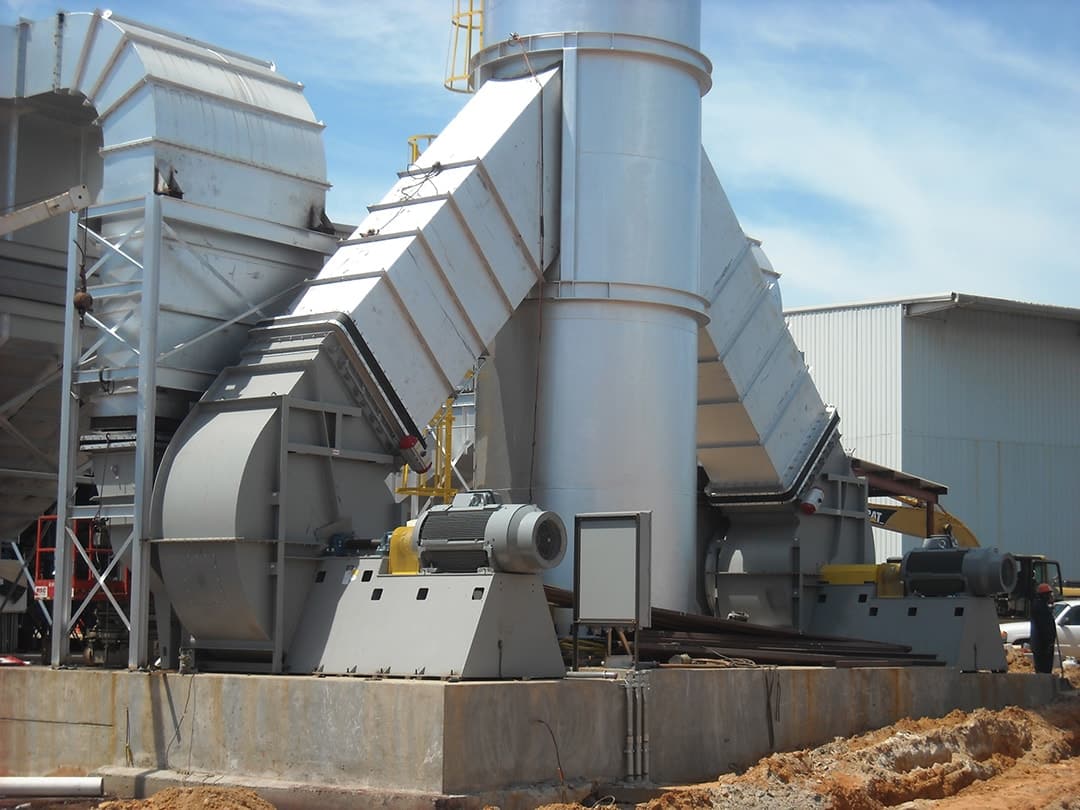
High-Capacity Industrial Centrifugal Ventilator - Heavy-Duty Airflow System
View Details
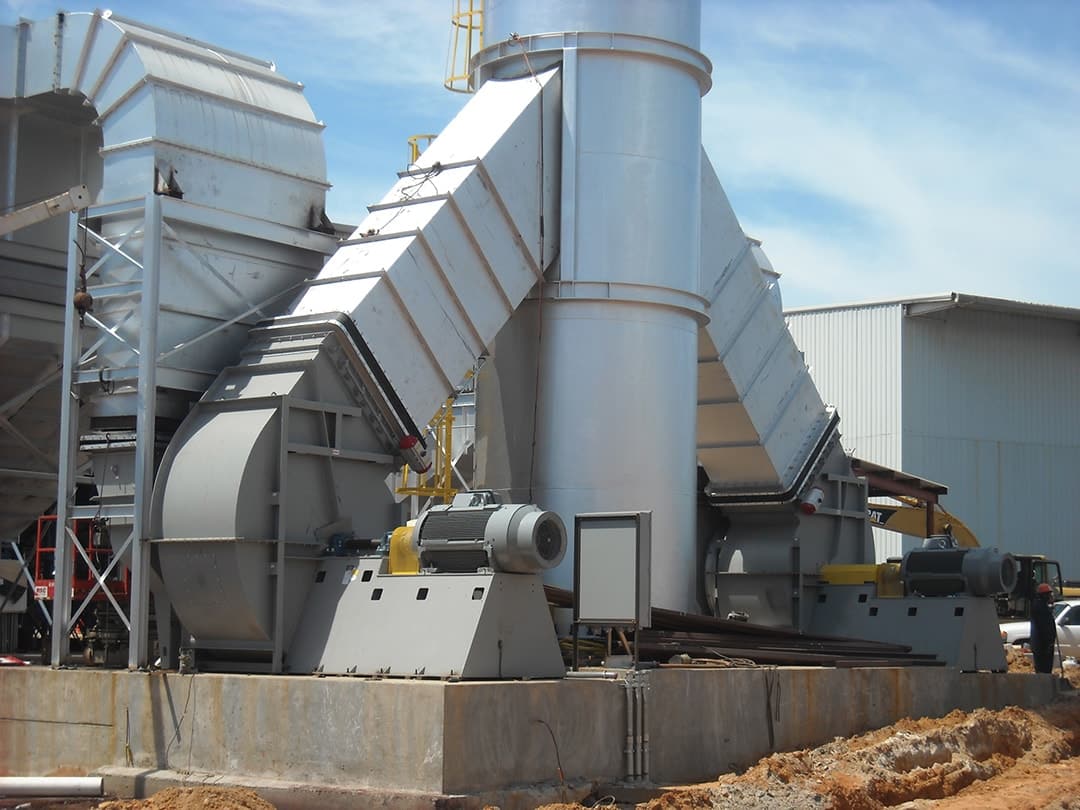
High-Temperature Industrial Smoke Spill Unit - Heavy-Duty Ventilation System
View Details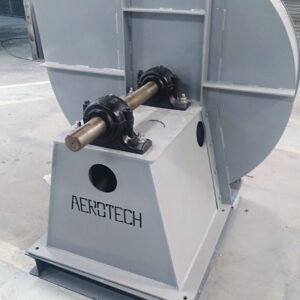
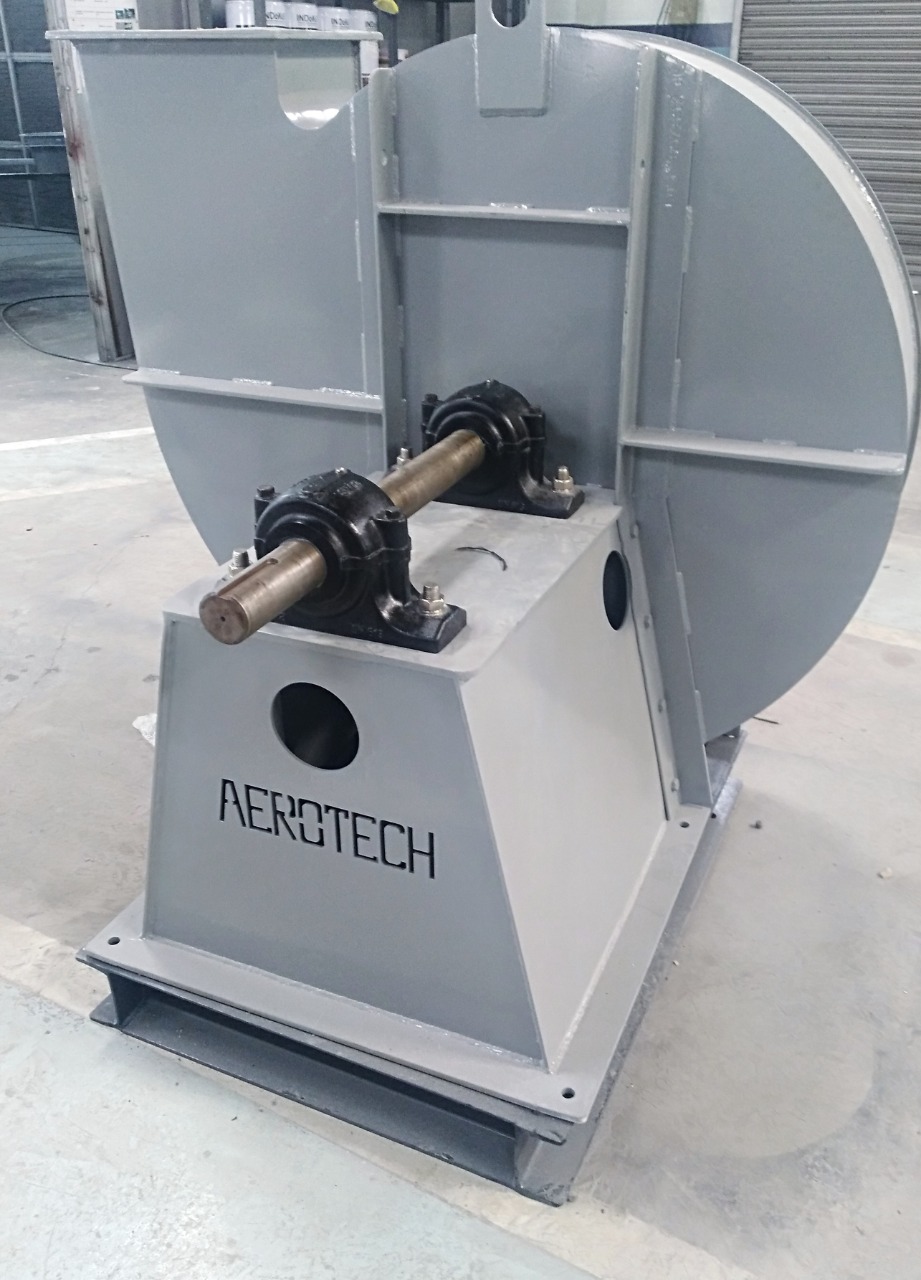
Industrial Centrifugal Air Ventilation System – Heavy Duty Steel Housing
View Details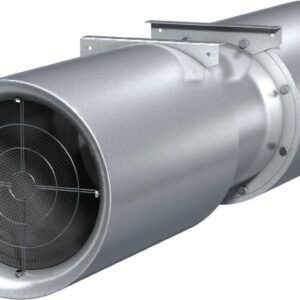
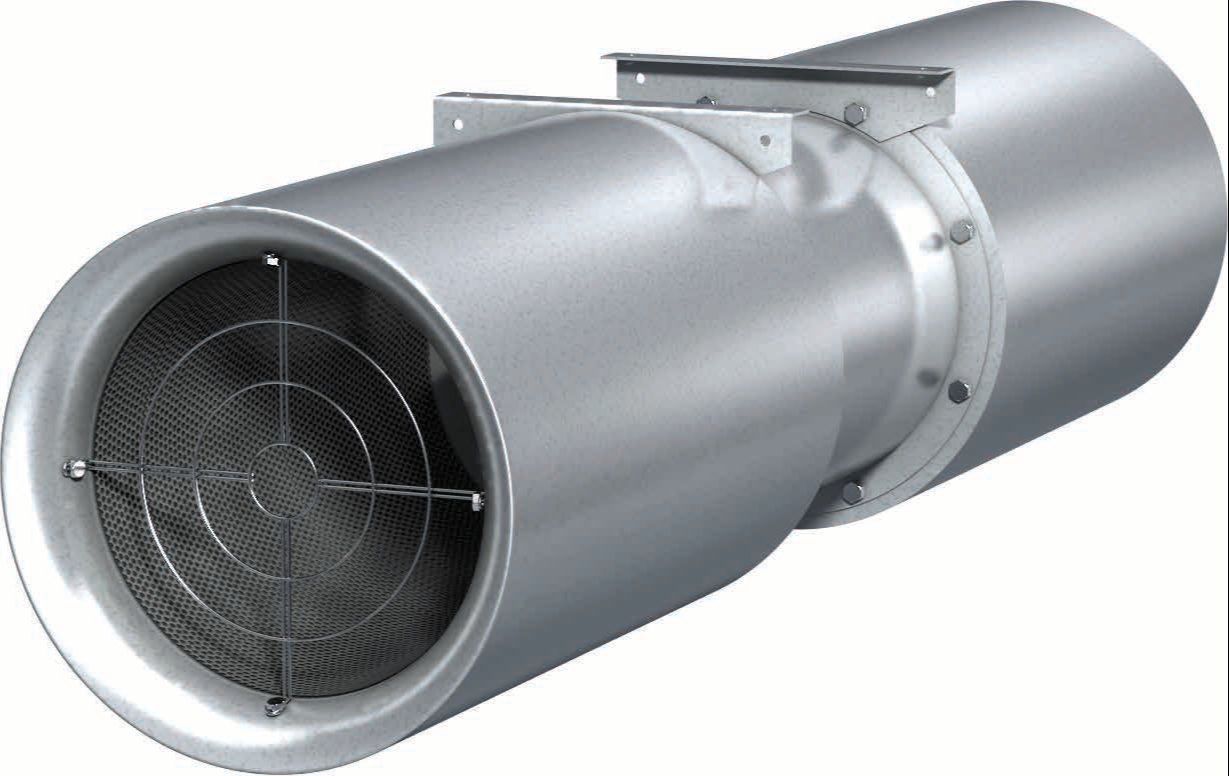
High-Performance Industrial Jet Fan - Tunnel and Garage Ventilation System
View Details
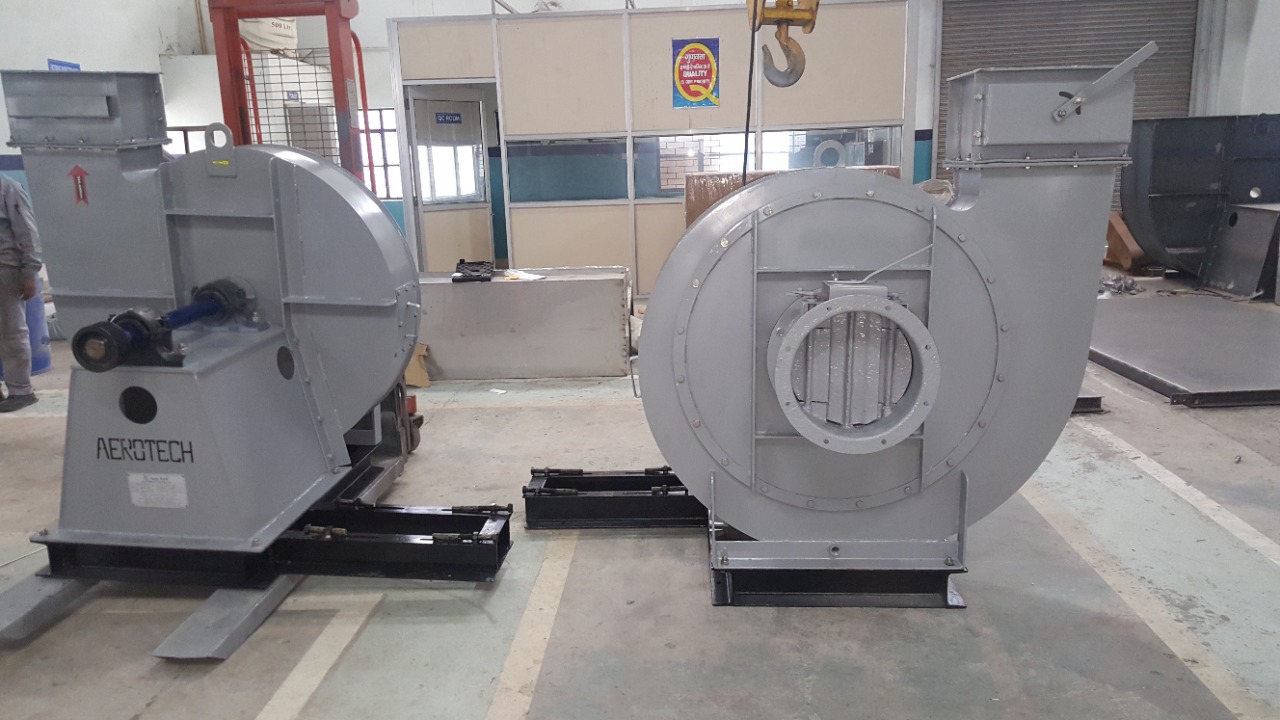
Industrial High-Pressure Centrifugal Blower - Heavy-Duty Air Handling System
View DetailsA ventilation system for hazardous gases plays a vital role in maintaining safe and breathable air in facilities that handle chemicals, solvents, or combustible materials. Without proper extraction and filtration, workers face exposure risks and equipment suffers from corrosion and contamination. Aeppl designs and manufactures systems suited for demanding industrial conditions, ensuring steady airflow and reliable gas management.
Hazardous gases can be toxic, flammable, or corrosive. Standard ventilation setups often fail to handle these challenges. Aeppl systems are built with durable materials and precise airflow control to manage different gas types effectively. This helps facilities stay compliant with safety standards and protect personnel from harmful exposure.
Each ventilation setup consists of specialized components working together to move, treat, and release gases safely. The design depends on gas concentration, temperature, and process requirements. Below is an overview of typical components used in Aeppl systems.
| Component | Function | Material Options |
|---|---|---|
| Industrial Centrifugal Blower | Generates airflow and maintains pressure for gas extraction | Steel, FRP, or coated aluminum |
| Fume Scrubber System | Filters and neutralizes hazardous vapors before exhaust | PP, PVC, or stainless steel |
| Smoke Spill Exhaust Unit | Handles emergency extraction and high-temperature gases | Galvanized steel or stainless steel |
Energy efficiency is a major focus in industrial ventilation. Aeppl integrates variable frequency drives and airflow sensors that adjust performance based on demand. This reduces power consumption while maintaining consistent ventilation rates. The systems are designed for long-term reliability and easy maintenance, helping facilities meet both operational and sustainability goals.
Ventilation systems for hazardous gases are used in many industrial sectors. Each application has unique requirements for airflow, filtration, and temperature resistance. Aeppl provides solutions tailored to these needs.
| System Type | Best For | Key Advantage |
|---|---|---|
| High-Temperature Smoke Exhaust Unit | Fire safety and emergency ventilation | Operates reliably at temperatures up to 250°C |
| Fume Scrubber System | Chemical gas treatment and neutralization | Removes acidic and corrosive vapors efficiently |
| Centrifugal Ventilation System | General air movement and process ventilation | High static pressure and consistent airflow |
Every industrial site has unique requirements. Aeppl engineers customize each ventilation system for hazardous gases according to layout, duct length, and control preferences. Systems can be integrated with PLC automation and smart alarms for proactive monitoring. This ensures safety and efficiency without unnecessary complexity.
Ventilation systems for hazardous gases must comply with environmental and occupational safety standards. Aeppl designs meet IS, IEC, and international codes for ventilation performance and emission control. These systems help facilities maintain safe operations and meet inspection requirements.
Aeppl provides complete support from design to installation and maintenance. Technical guidance, performance audits, and spare parts availability ensure long-term reliability. For detailed specifications or project inquiries, contact sales@aeppl.com or call +91-9599785811, +91 8377077661, +91 9810162210.
Aerotech Equipments and Projects Pvt. Ltd. (Aeppl) is a trusted Indian manufacturer of industrial air handling systems. With years of experience in ventilation technology, Aeppl delivers durable and efficient solutions for industries worldwide. Visit Aeppl
It is a system designed to extract, filter, and discharge toxic or corrosive gases safely from industrial environments.
They are used in chemical plants, paint shops, pharmaceutical facilities, and metal finishing industries.
By removing harmful vapors and maintaining air quality, it protects workers and prevents unsafe gas accumulation.
Materials like stainless steel, FRP, and coated aluminum are preferred for durability and corrosion resistance.
Yes, they can include PLC controls and sensors for automated performance monitoring and energy efficiency.
A routine inspection every six months is recommended, with cleaning and performance checks as needed.
Designs follow IS, IEC, and global codes for ventilation efficiency and emission control compliance.
Gas type, concentration, temperature, airflow rate, and facility layout all influence system choice.
Yes, Aeppl engineers design solutions tailored to each facility’s process and safety requirements.
You can reach Aeppl at sales@aeppl.com or call +91-9599785811, +91 8377077661, or +91 9810162210.