
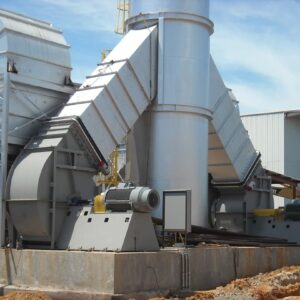
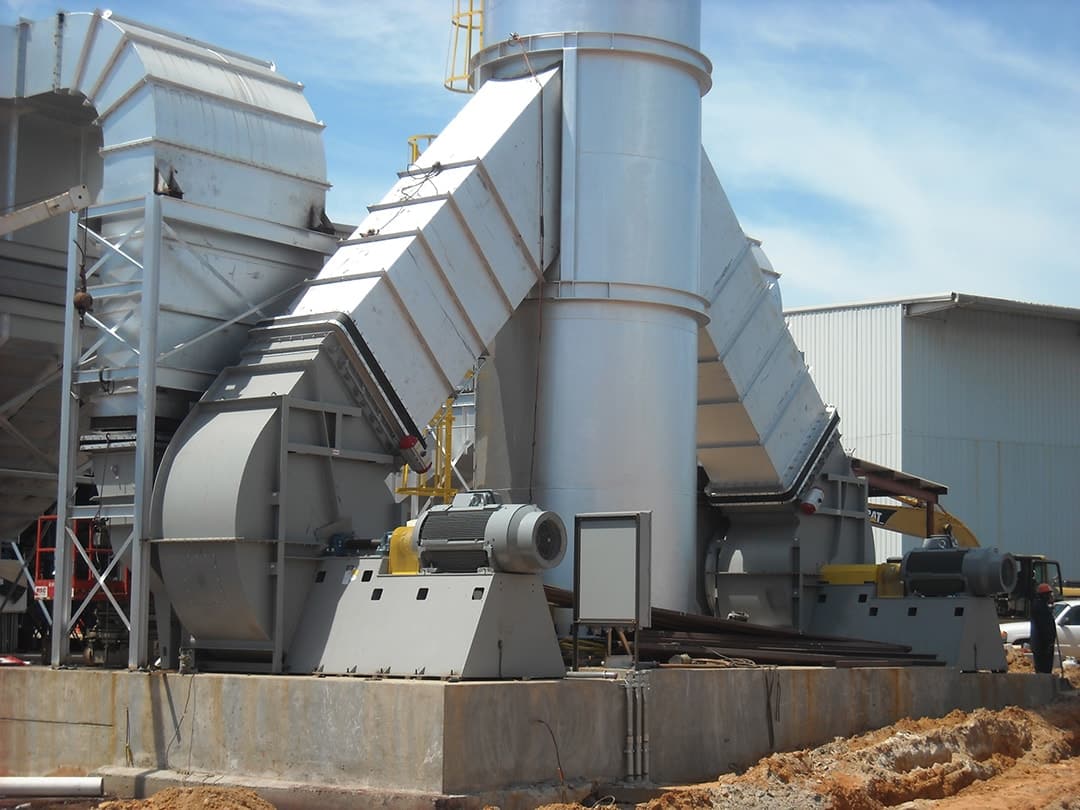
Industrial Smoke Spill Exhaust Unit - High-Temperature Ventilation System
View Details
Industrial Smoke Spill Exhaust Unit - High-Temperature Ventilation System
View Details
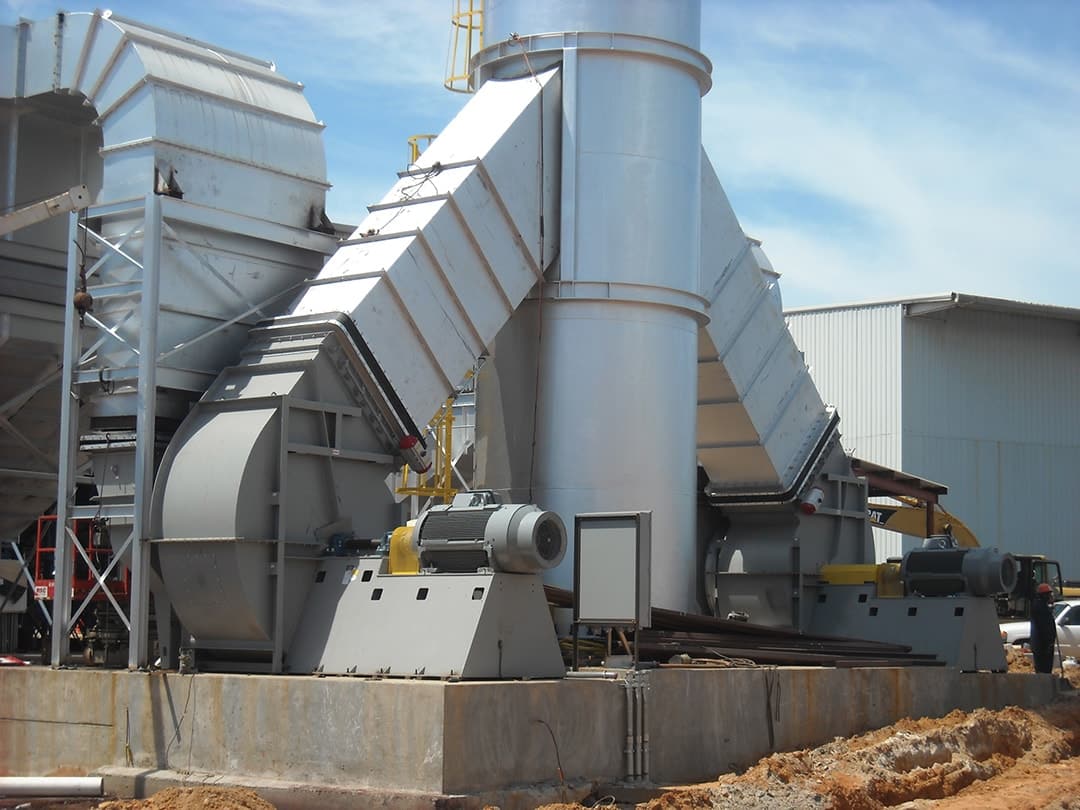
High-Temperature Industrial Smoke Spill Unit - Heavy-Duty Ventilation System
View Details
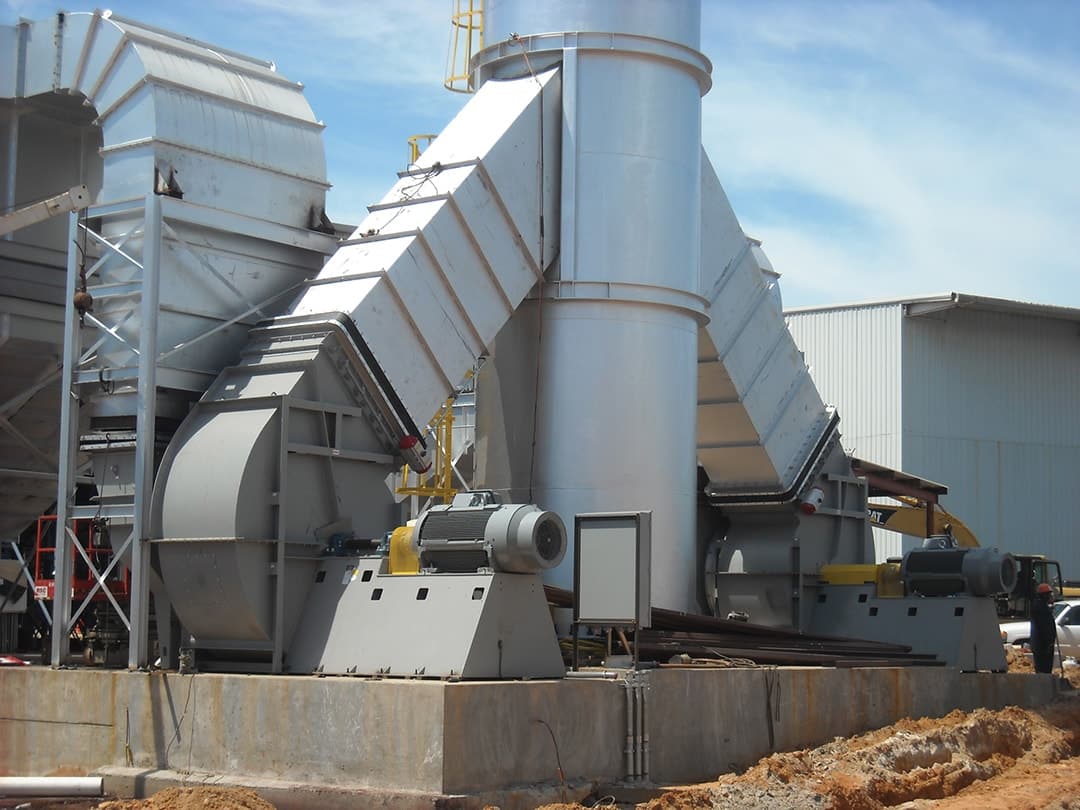
Industrial Fume Scrubber System - High-Efficiency Air Pollution Control Unit
View Details
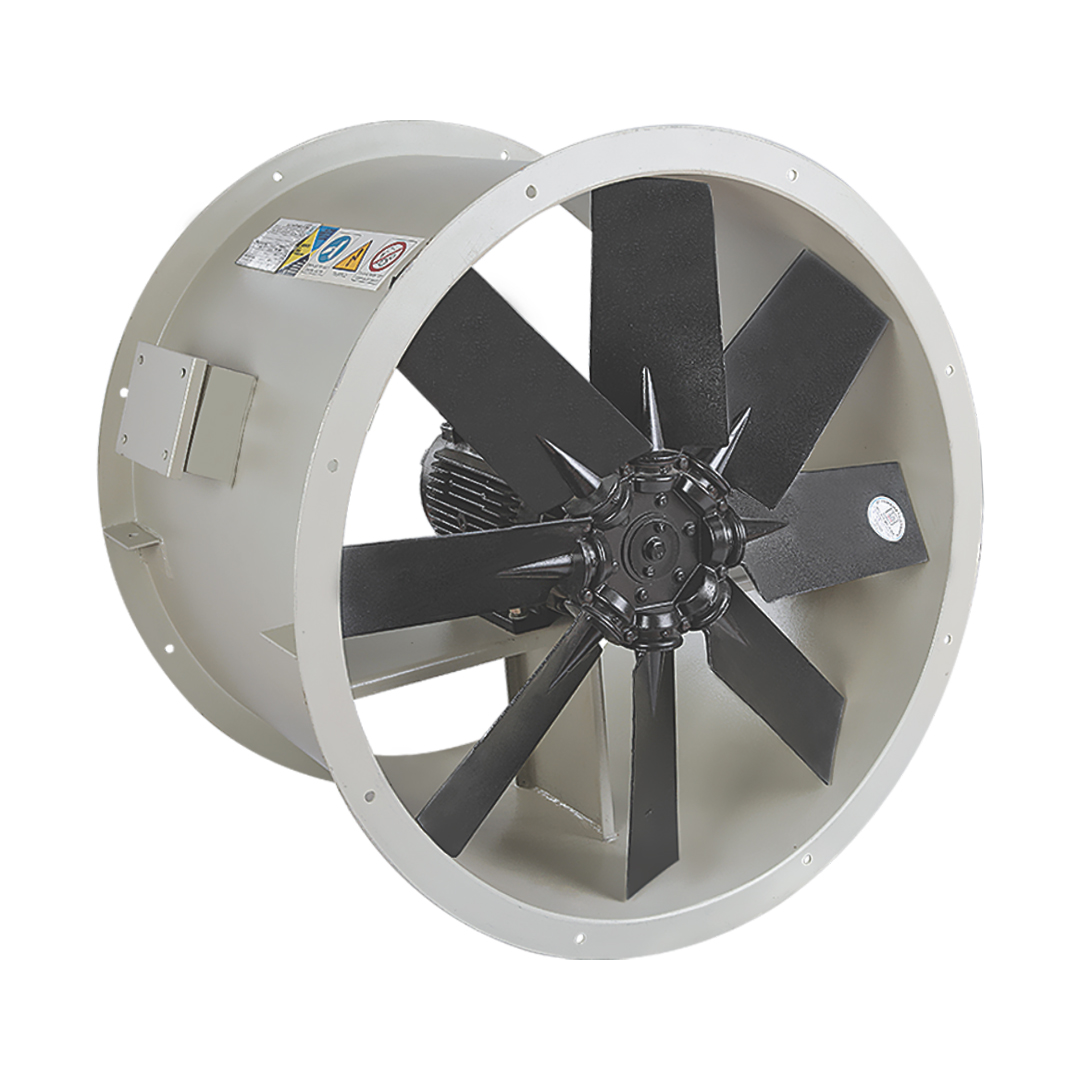
High-Temperature Axial Smoke Exhaust Fan - Industrial Ventilation System
View Details
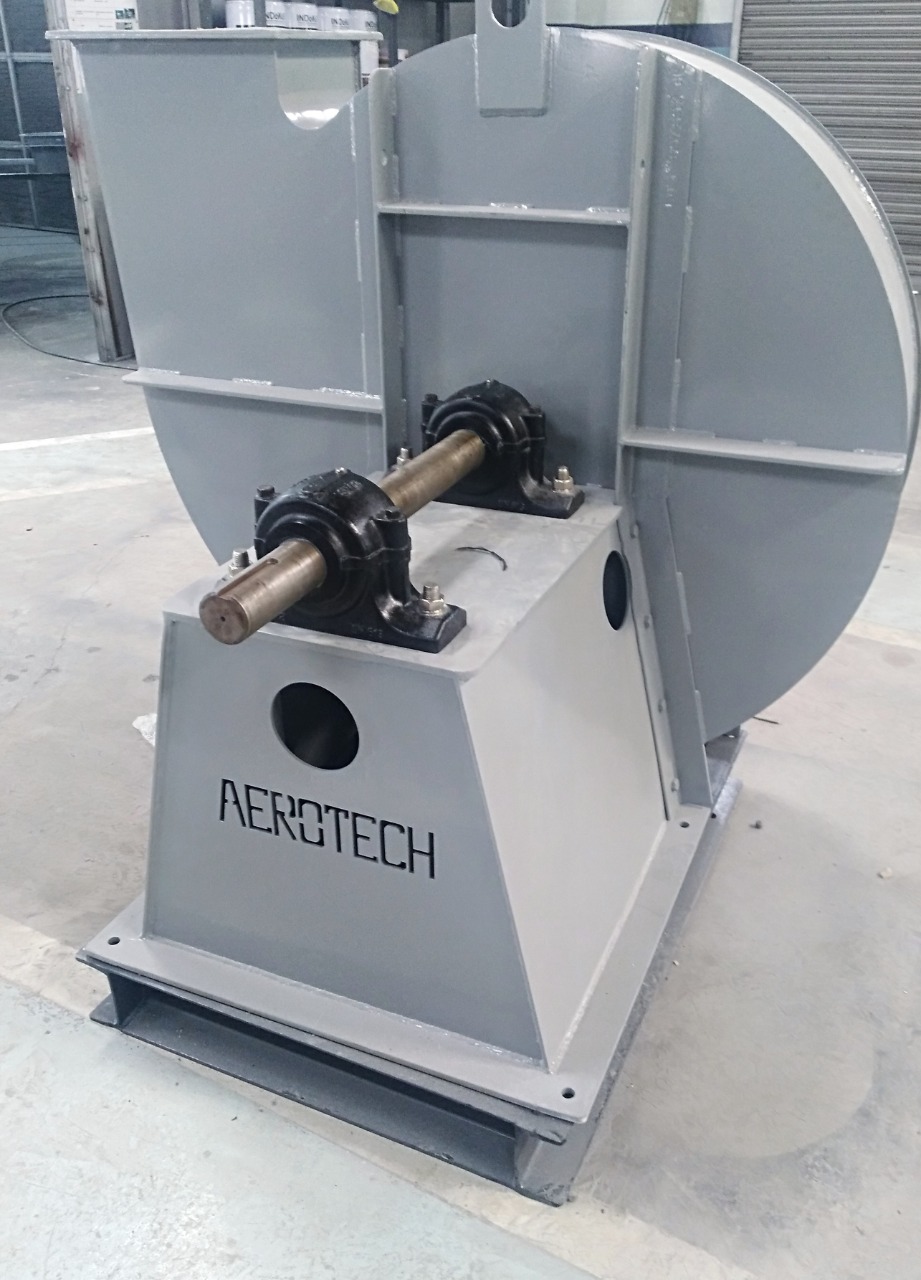
Industrial Centrifugal Air Ventilation System – Heavy Duty Steel Housing
View Details
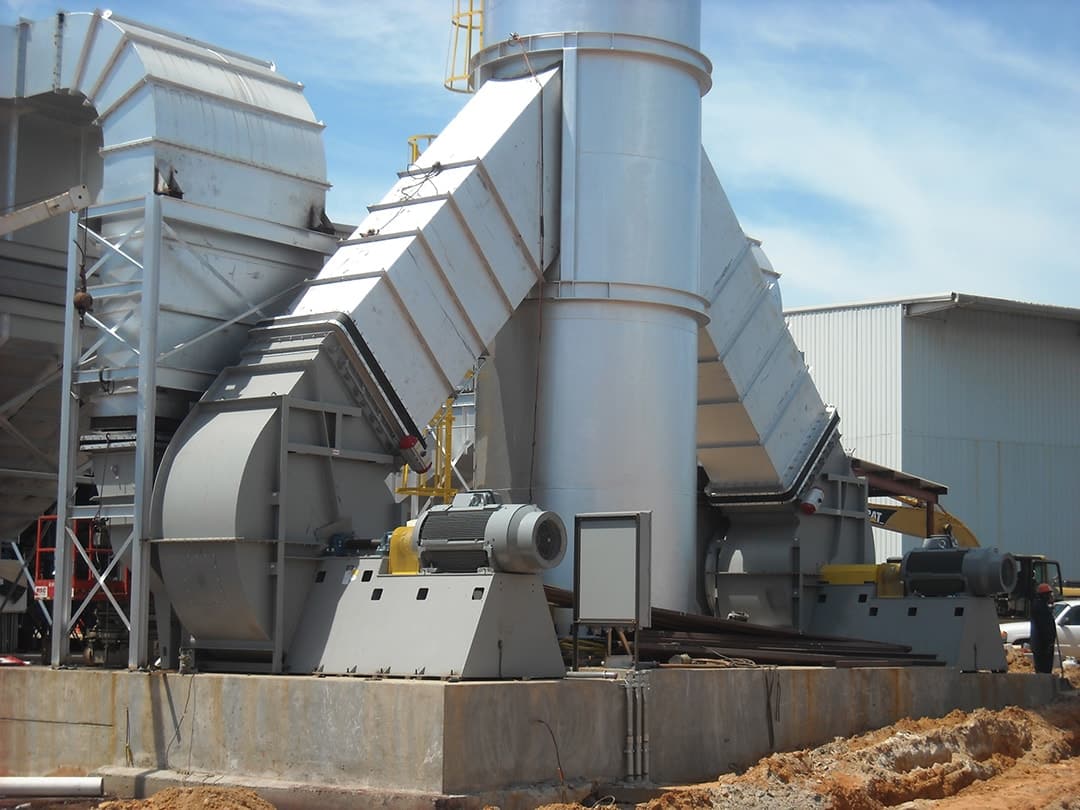
High-Capacity Industrial Centrifugal Ventilator - Heavy-Duty Airflow System
View Details
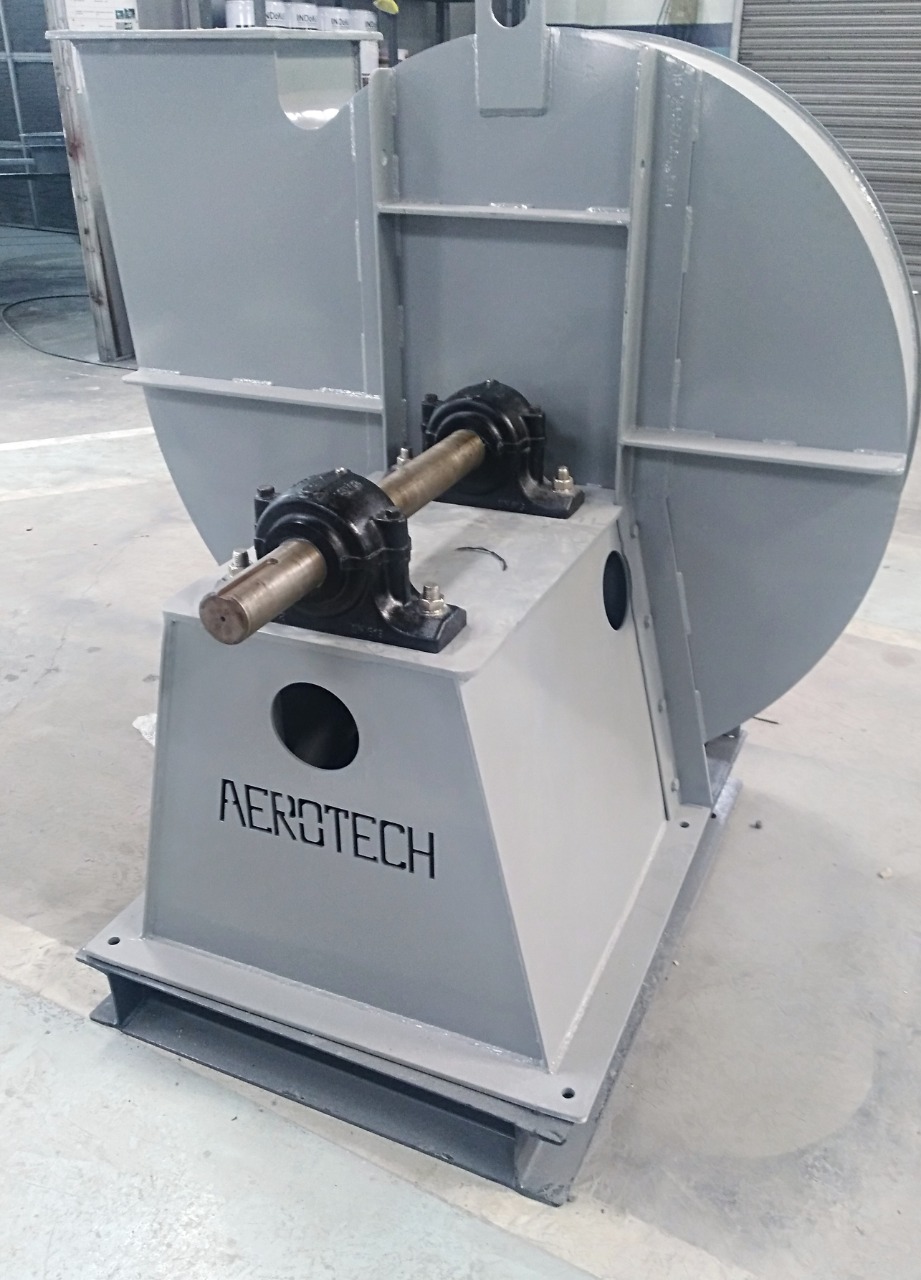
Heavy-Duty Industrial Fume Extraction Blower - High Efficiency Ventilation System
View Details
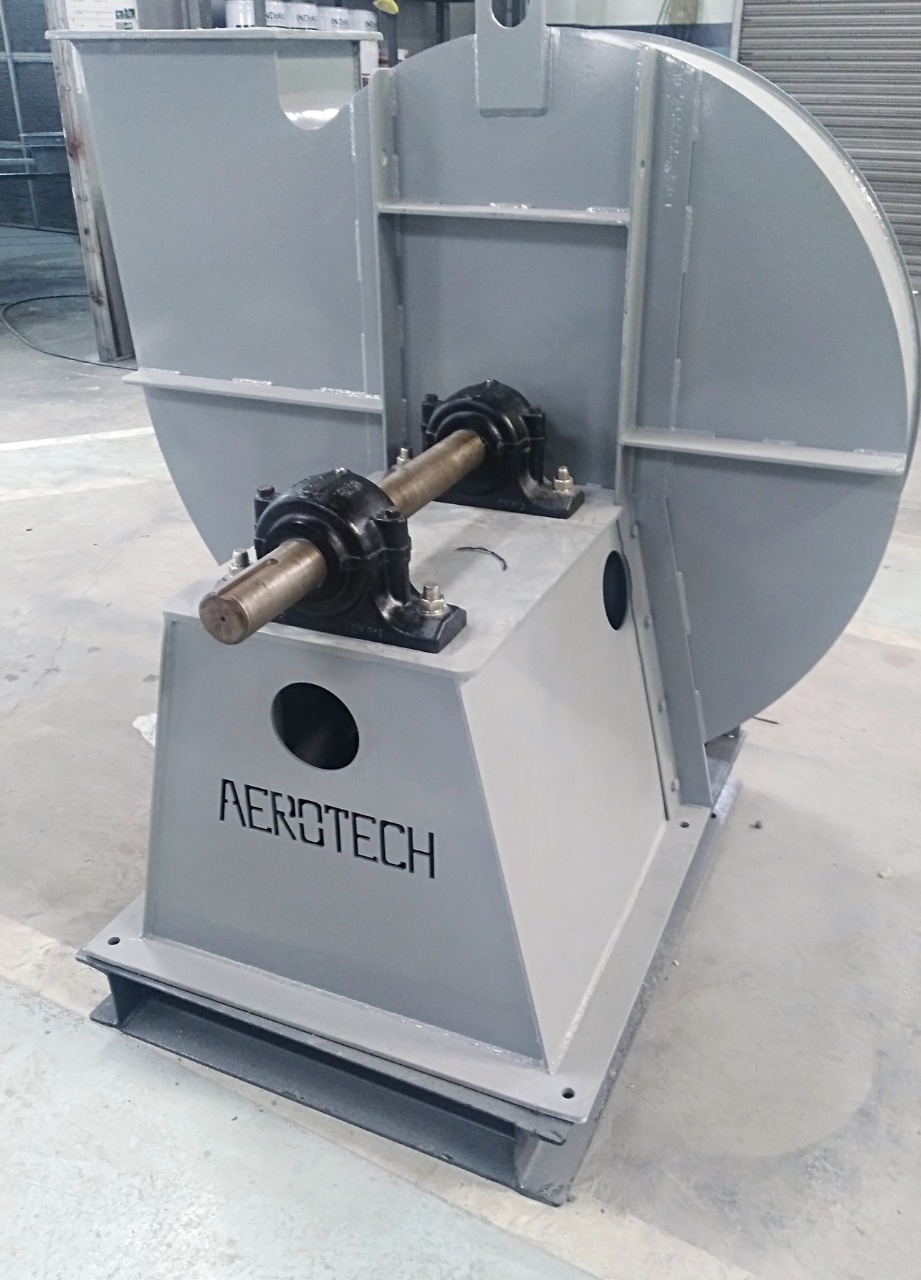
Industrial Centrifugal Ventilation Blower – Heavy-Duty Air Handling Unit
View DetailsIndustrial ventilation for hazardous areas plays a crucial role in maintaining workplace safety and operational efficiency. In facilities where flammable gases, vapors, or fine particulates are present, effective ventilation prevents dangerous buildup and ensures air quality remains within regulated limits. Industries such as chemical processing, oil refining, and paint manufacturing rely on durable systems that can withstand harsh conditions while meeting strict compliance standards. Aeppl designs and produces ventilation systems focused on safety, performance, and long-term reliability.
Ventilation systems used in hazardous areas require careful engineering to prevent ignition risks while maintaining stable airflow. Aeppl’s solutions are built using spark-resistant materials and tested for flameproof performance. Each unit is carefully balanced for smooth operation and configured to handle heat, corrosion, and continuous use. The emphasis is always on safety without sacrificing efficiency.
Industrial ventilation for hazardous areas is indispensable in sectors like chemical manufacturing, power generation, waste treatment, and petrochemical refining. Each site presents unique challenges such as temperature extremes, airborne toxins, or explosive vapors. Aeppl collaborates with engineers to design systems that match process requirements and facility layouts, ensuring dependable performance under demanding conditions.
| Feature | Standard Ventilation | Hazardous Area Ventilation |
|---|---|---|
| Material Construction | Mild steel or aluminum | Stainless or coated steel for chemical resistance |
| Motor Protection | Open motors | Explosion-proof or flameproof motors |
| Control System | Manual operation | Automated control with safety interlocks |
| Compliance | General industrial standards | Hazardous zone certification (ATEX, IECEx) |
Modern ventilation systems are increasingly integrated with smart controls and variable frequency drives to optimize airflow and energy consumption. Aeppl’s industrial ventilation for hazardous areas combines proven mechanical design with adaptable automation options. Monitoring sensors and control panels allow operators to manage ventilation performance in real time, helping to reduce downtime and improve safety.
Engineers and facility managers choose Aeppl for its proven reliability, technical expertise, and strong after-sales support. Each ventilation system undergoes rigorous testing to meet safety and performance standards before delivery. The design process emphasizes practical engineering and user-friendly maintenance access, ensuring the equipment performs consistently over time.
Whether you need a new installation or an upgrade to existing ventilation infrastructure, Aeppl provides technical consultation and custom design services. The team assists with hazardous zone classification, airflow calculations, and compliance documentation. For project discussions or technical inquiries, reach Aeppl at +91-9599785811, +91-8377077661, +91-9810162210, or email sales@aeppl.com.
To learn more about specialized ventilation systems designed for safety and efficiency, connect with our experts today.
Aeppl (Aerotech Equipments and Projects Pvt. Ltd.) is an Indian manufacturer and exporter of industrial air handling and ventilation systems for complex environments. With decades of engineering experience, Aeppl delivers reliable, energy-efficient solutions trusted across industries worldwide. Visit Aeppl
It refers to engineered airflow systems designed to safely remove fumes, vapors, or dust from zones where explosive or toxic materials may be present.
It prevents accumulation of flammable gases or harmful contaminants, reducing risks of explosion and ensuring worker safety.
Chemical plants, oil refineries, paint manufacturing units, and power stations often require specialized ventilation systems.
Hazardous area systems use flameproof motors, corrosion-resistant materials, and certified designs to meet strict safety codes.
Yes, many modern units include variable frequency drives and smart sensors for automated airflow control and energy optimization.
Common certifications include IS, IECEx, and ATEX, ensuring compliance with safety standards for explosive or toxic environments.
Regular inspection and servicing every six to twelve months help maintain performance and compliance with safety regulations.
Key factors include airflow rate, temperature range, chemical exposure, noise limits, and zone classification.
Yes, Aeppl designs and manufactures tailored systems for specific industrial processes and hazardous zone requirements.
You can reach Aeppl at +91-9599785811, +91-8377077661, +91-9810162210, or email sales@aeppl.com for technical consultation.