

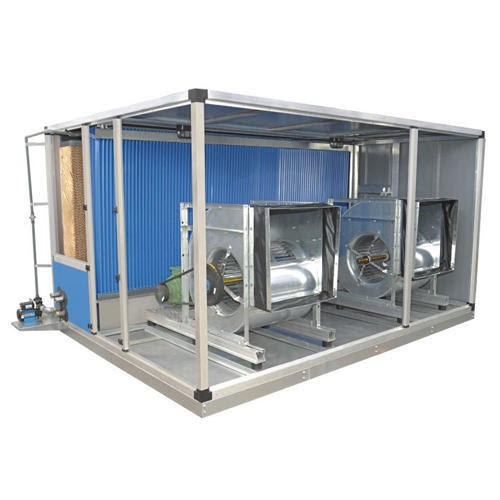
Industrial Evaporative Air Cooling Unit - High Efficiency HVAC System
View Details
Industrial Evaporative Air Cooling Unit - High Efficiency HVAC System
View Details
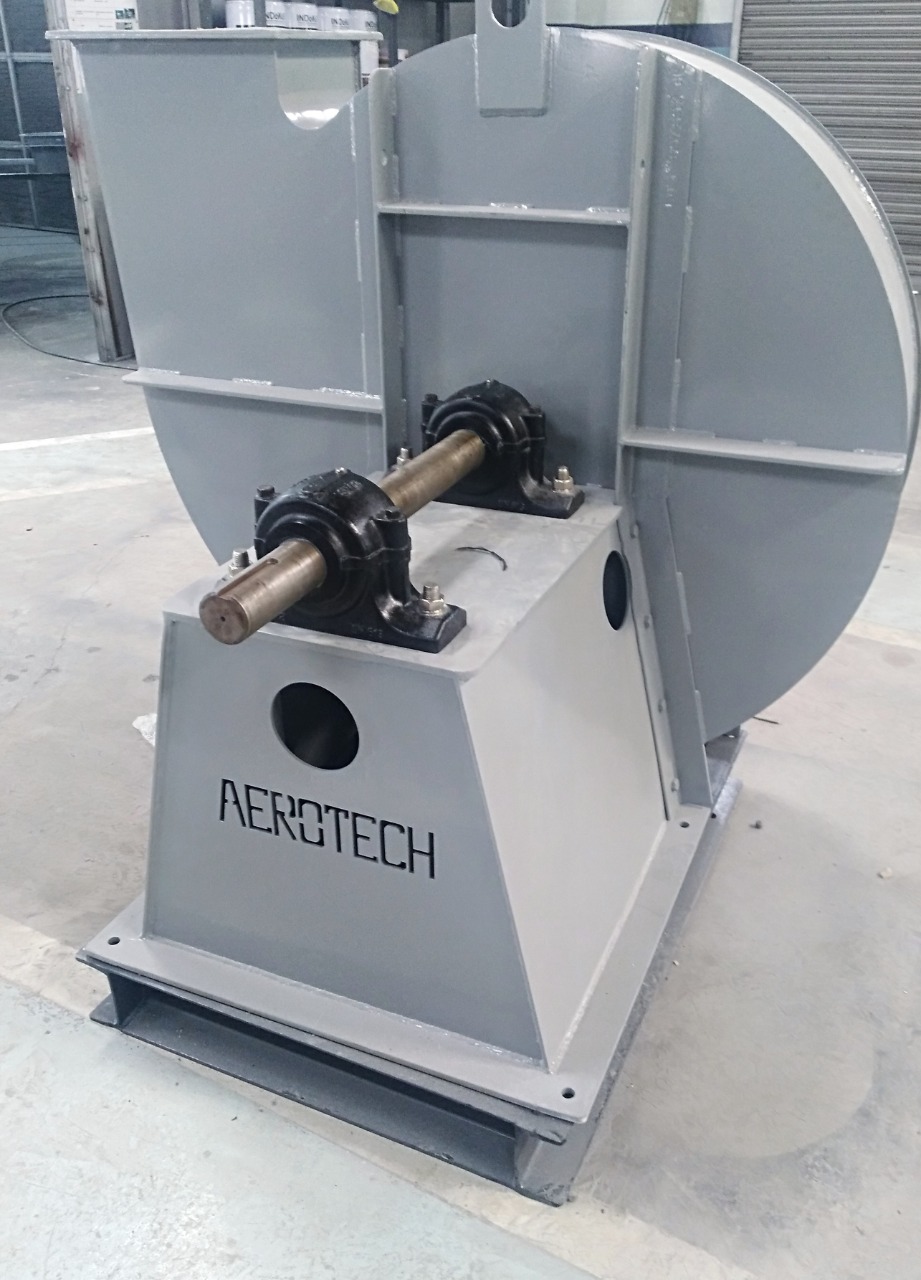
Industrial Centrifugal Air Ventilation System – Heavy Duty Steel Housing
View Details
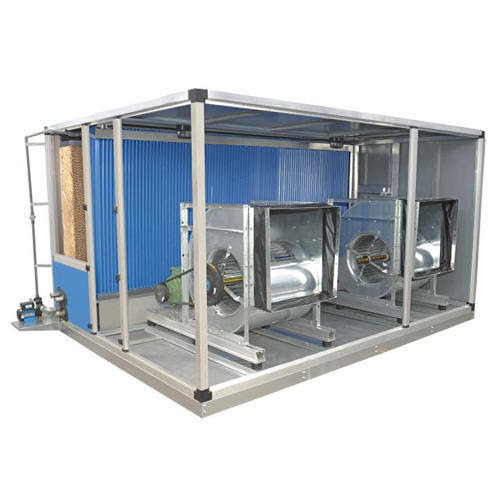
Industrial Evaporative Air Cooling Unit – High Efficiency HVAC System
View Details
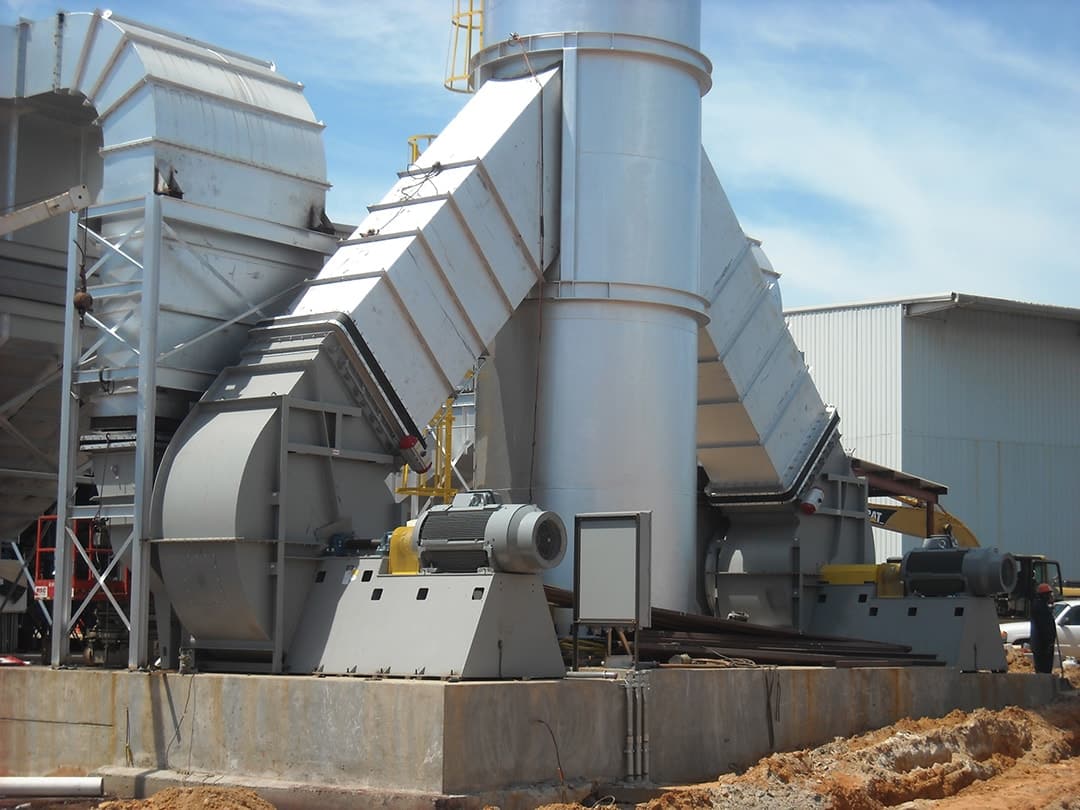
Industrial Smoke Spill Exhaust Unit - High-Temperature Ventilation System
View Details
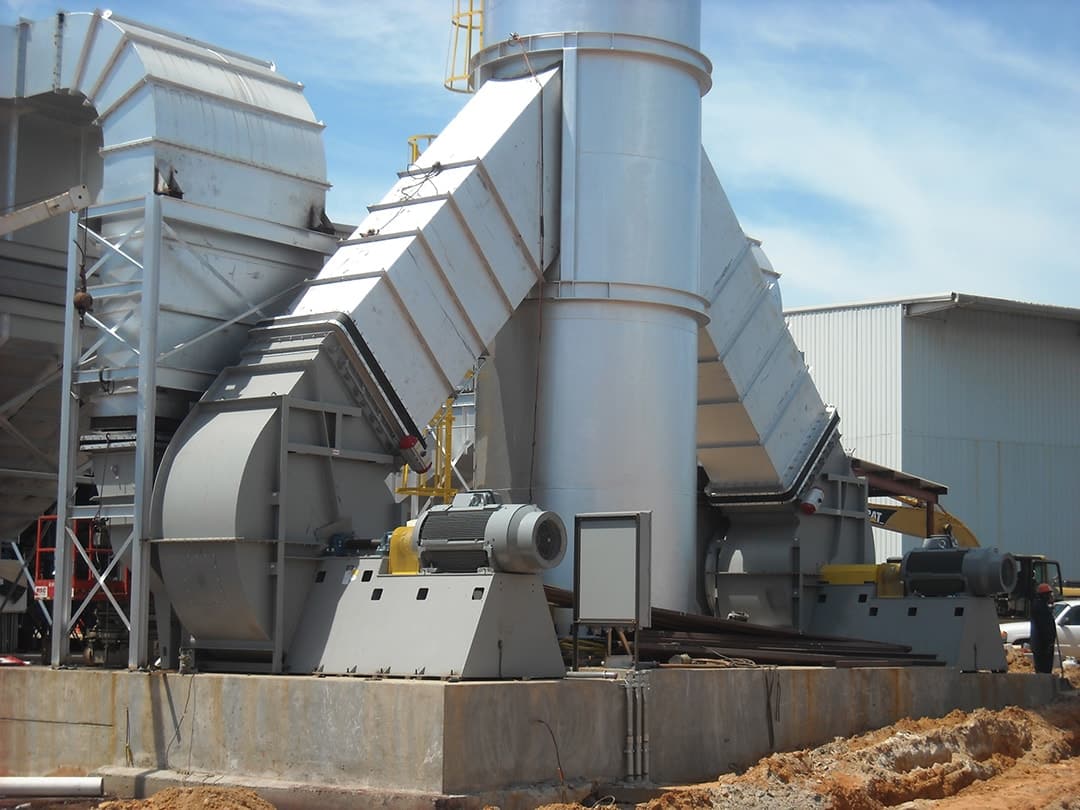
High-Capacity Industrial Centrifugal Ventilator - Heavy-Duty Airflow System
View Details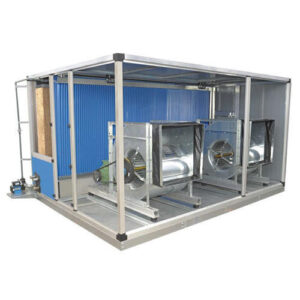
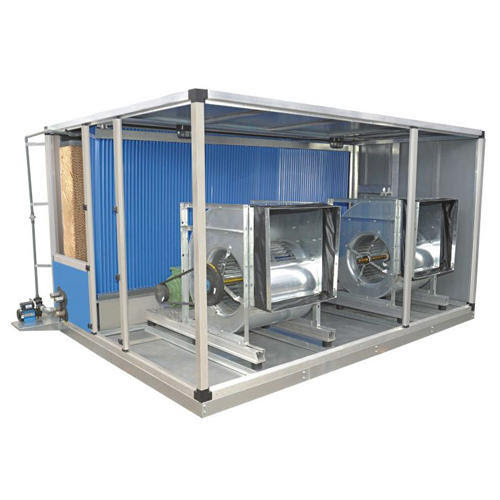
Industrial Fresh Air Handling Unit – High Efficiency Ventilation System
View Details

Industrial Venturi Scrubber System - High-Efficiency Air Pollution Control Unit
View Details
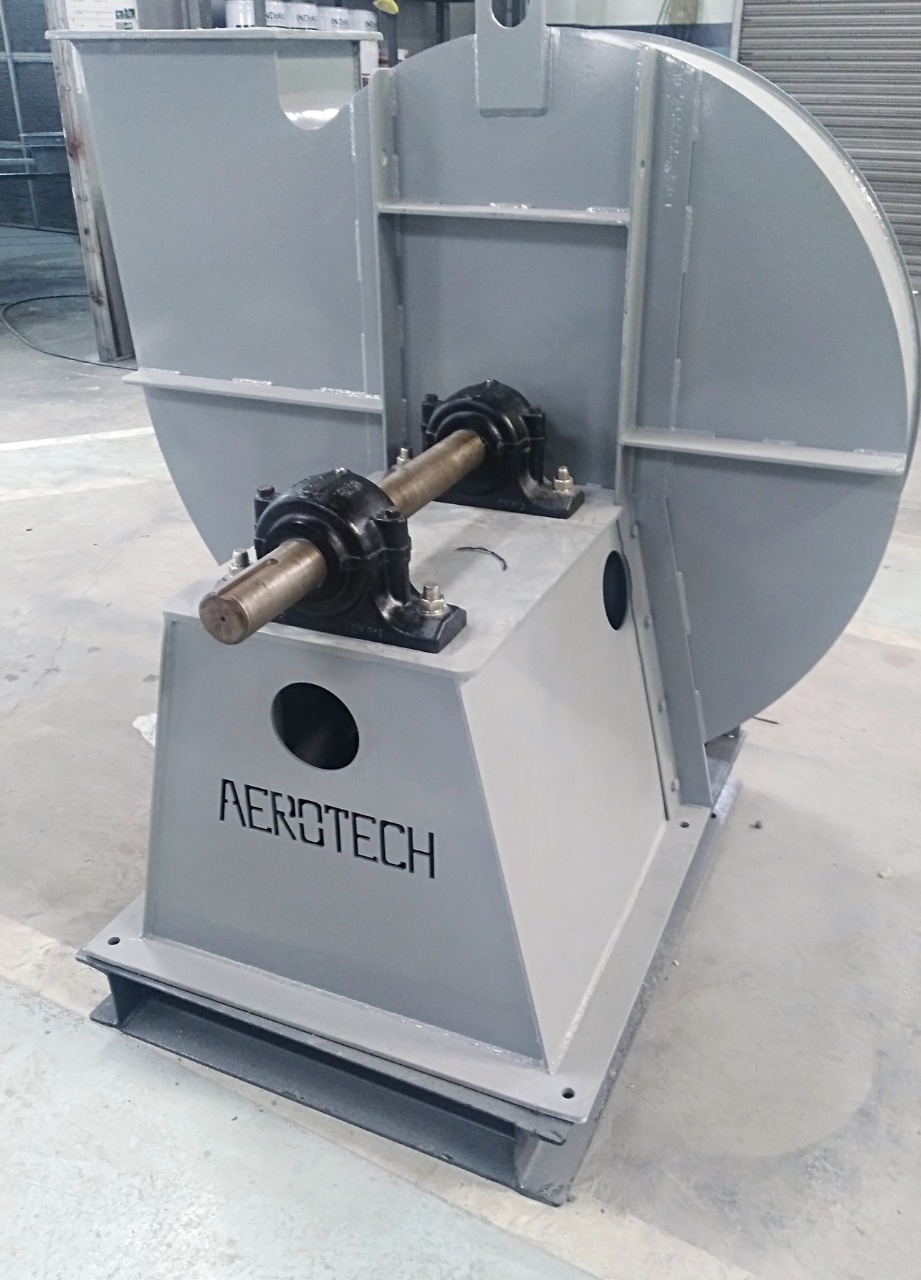
Industrial Centrifugal Ventilation Blower – Heavy-Duty Air Handling Unit
View DetailsManaging heat and air quality is essential in large industrial spaces. An industrial roof ventilator helps maintain a balanced environment by removing hot air, fumes, and humidity from inside the building. In production units and warehouses, this simple yet effective system supports worker comfort and equipment longevity. Aeppl manufactures ventilators that combine efficiency with durability, suitable for a wide range of applications.
Different industrial settings call for different ventilation solutions. Roof ventilators are available in natural, turbo, and motorized models. Each type offers distinct advantages depending on the space and airflow needs.
The table below outlines how each type functions under typical industrial conditions.
| Ventilator Type | Power Requirement | Typical Application | Maintenance Level |
|---|---|---|---|
| Natural | None | Warehouses, storage areas | Low |
| Turbo | None | Medium-scale factories | Moderate |
| Motorized | Electrical | Heavy industrial plants | Higher |
Aeppl builds each industrial roof ventilator using corrosion-resistant metals such as aluminum or galvanized steel. The goal is long-term reliability with smooth airflow and minimal vibration. Bearings and blades are engineered for quiet operation, making these systems suitable for continuous use in busy production areas.
Ventilation systems often work alongside HVAC and exhaust units to maintain balanced conditions. Aeppl industrial roof ventilators can be paired with the Industrial Evaporative Air Cooling Unit or the Industrial Smoke Spill Exhaust Unit for complete airflow management. This approach helps maintain consistent air quality while meeting environmental and safety standards.
Factories, processing plants, and warehouses all benefit from proper ventilation. Industrial roof ventilators are common in cement, textile, steel, pharmaceutical, food processing, and automotive facilities. They help control temperature peaks, reduce humidity, and remove airborne contaminants. In energy-conscious operations, they also reduce the load on cooling systems, improving overall efficiency.
The following table highlights standard parameters for industrial roof ventilators used across different sectors.
| Parameter | Typical Range |
|---|---|
| Airflow Capacity | 3000 - 15000 CFM |
| Material | Aluminum, Galvanized Steel, FRP |
| Mounting | Roof Ridge or Slope Installation |
| Operating Mode | Natural or Motorized |
| Noise Level | Below 70 dB |
Aeppl has years of experience producing industrial air handling systems trusted by manufacturing facilities across India and abroad. Each ventilator is designed for reliability, easy installation, and minimal upkeep. The engineering team tailors solutions for both new projects and retrofits. For consultation or technical details, contact +91-9599785811, +91 8377077661, +91 9810162210 or email sales@aeppl.com.
Aeppl (Aerotech Equipments and Projects Pvt. Ltd.) is a respected Indian manufacturer of industrial air handling and ventilation systems. The company focuses on dependable engineering and efficient performance for demanding environments. Visit Aeppl
An industrial roof ventilator is installed on a building's roof to remove hot air, humidity, and fumes, improving air circulation and comfort.
It releases trapped heat from industrial spaces, helping maintain balanced indoor temperatures and reducing pressure on cooling systems.
Yes. Natural and turbo models use wind and thermal pressure, requiring no electricity while providing effective ventilation.
Aluminum, galvanized steel, and FRP are popular materials due to their corrosion resistance and durability.
They work well in humid environments by reducing moisture buildup and preventing condensation on surfaces and machinery.
Motorized ventilators require occasional checks on bearings and electrical parts to ensure steady performance.
Yes. They can be adapted for ridge, slope, or flat roof installations depending on airflow needs and structure.
By improving airflow naturally or through efficient powered systems, they reduce energy use and support eco-friendly operations.
Aeppl designs ventilators using sturdy materials and precise engineering that meet industrial standards for long-term performance.
You can call +91-9599785811, +91 8377077661, or +91 9810162210, or email sales@aeppl.com for specifications and quotations.