
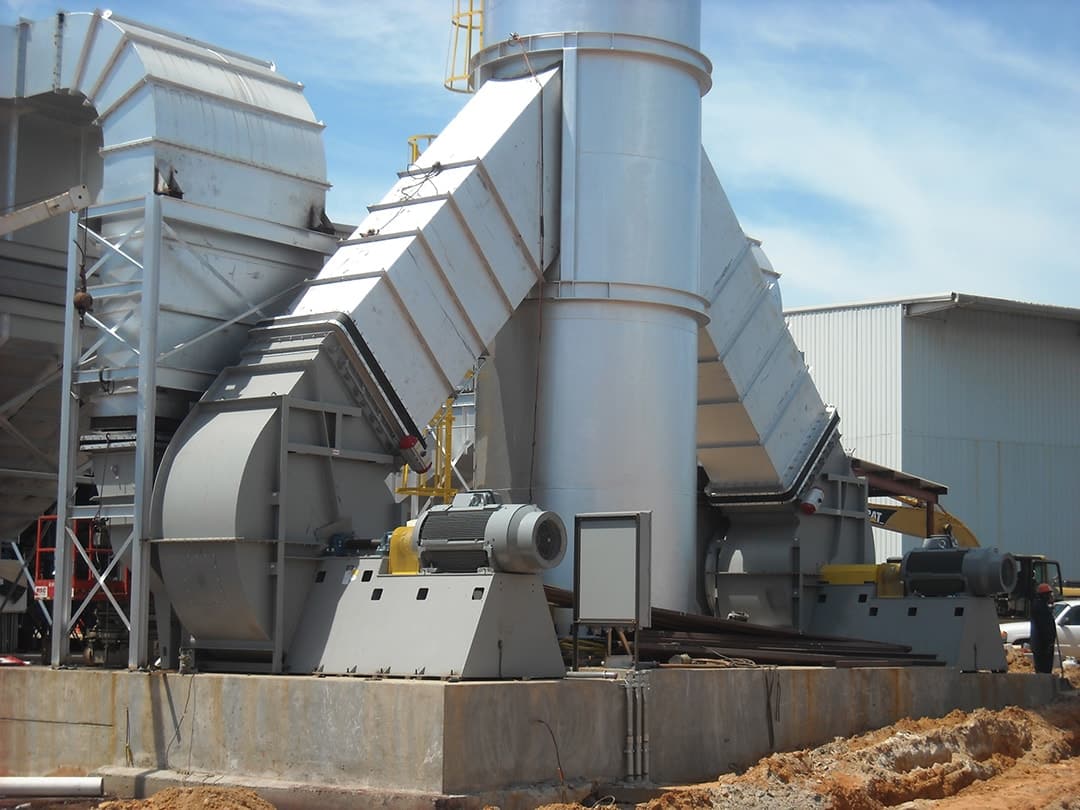
High-Capacity Industrial Centrifugal Ventilator - Heavy-Duty Airflow System
View Details
High-Capacity Industrial Centrifugal Ventilator - Heavy-Duty Airflow System
View Details
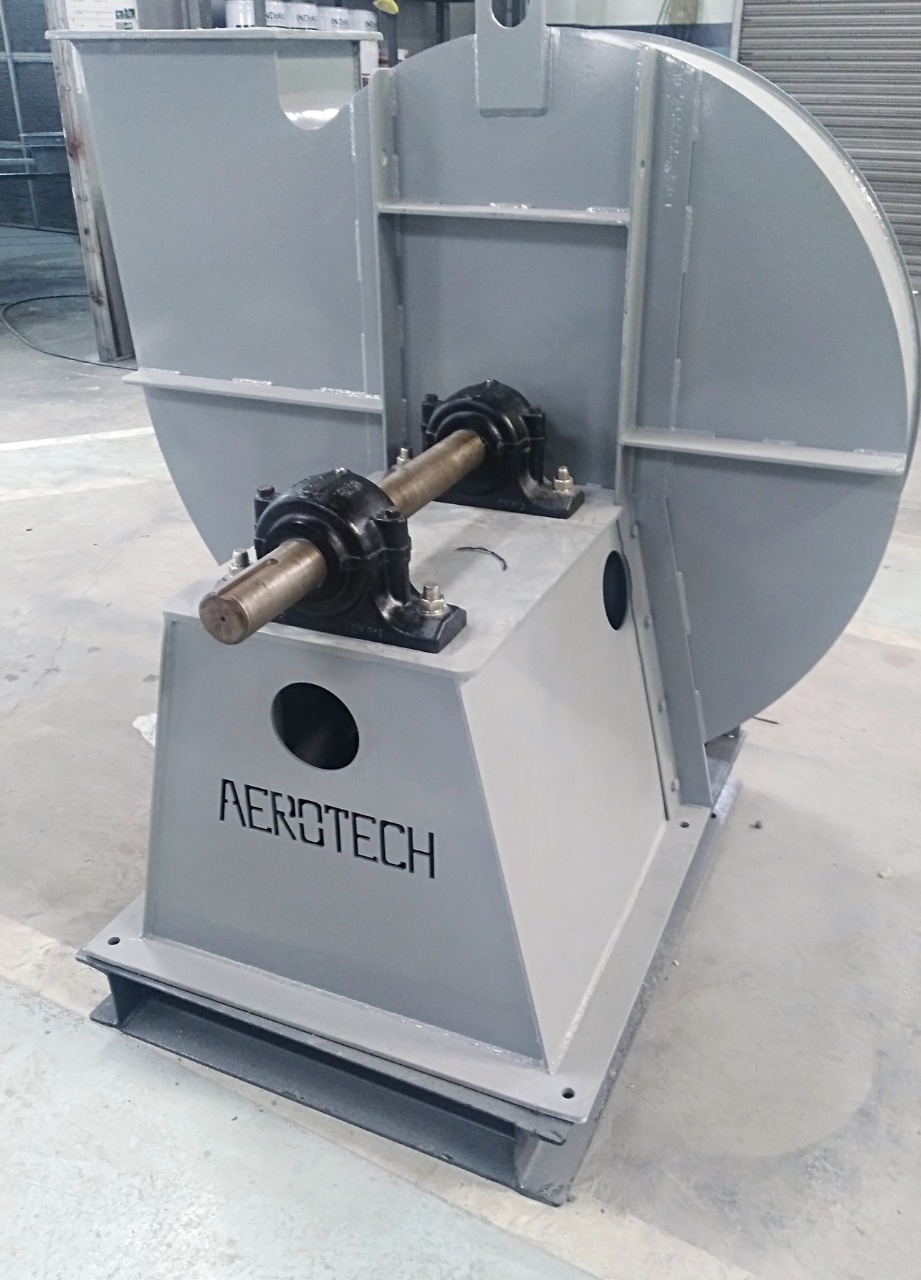
Industrial Centrifugal Ventilation Blower – Heavy-Duty Air Handling Unit
View Details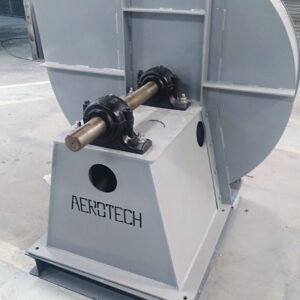
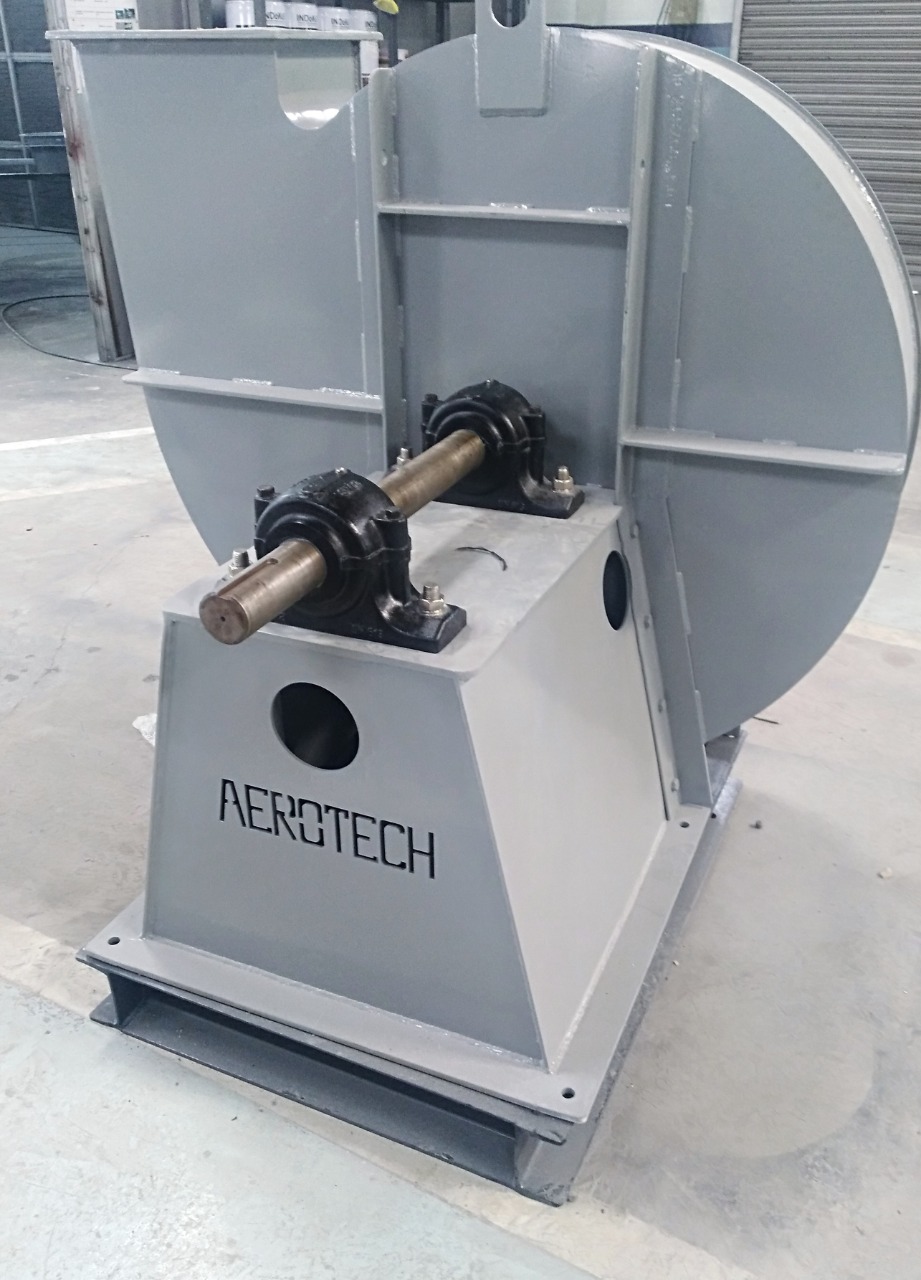
Industrial Centrifugal Air Ventilation System – Heavy Duty Steel Housing
View Details
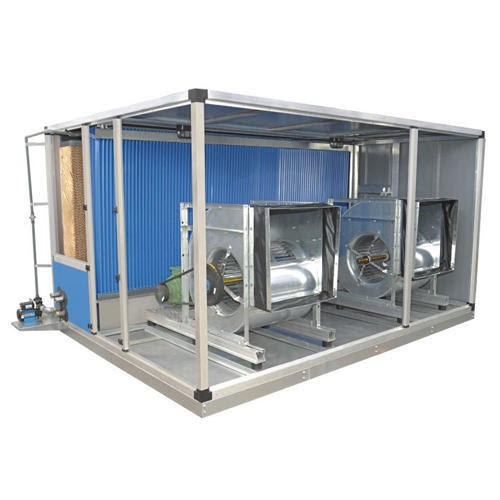
Industrial Evaporative Air Cooling Unit - High Efficiency HVAC System
View Details
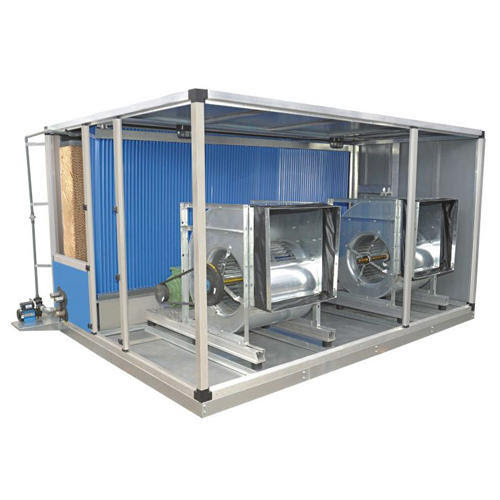
Industrial Fresh Air Handling Unit – High Efficiency Ventilation System
View Details
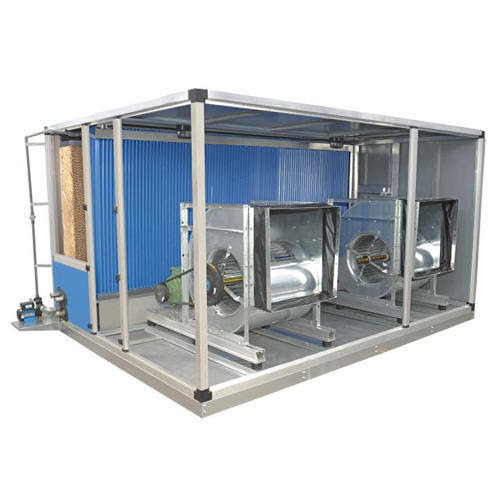
Industrial Evaporative Air Cooling Unit – High Efficiency HVAC System
View Details
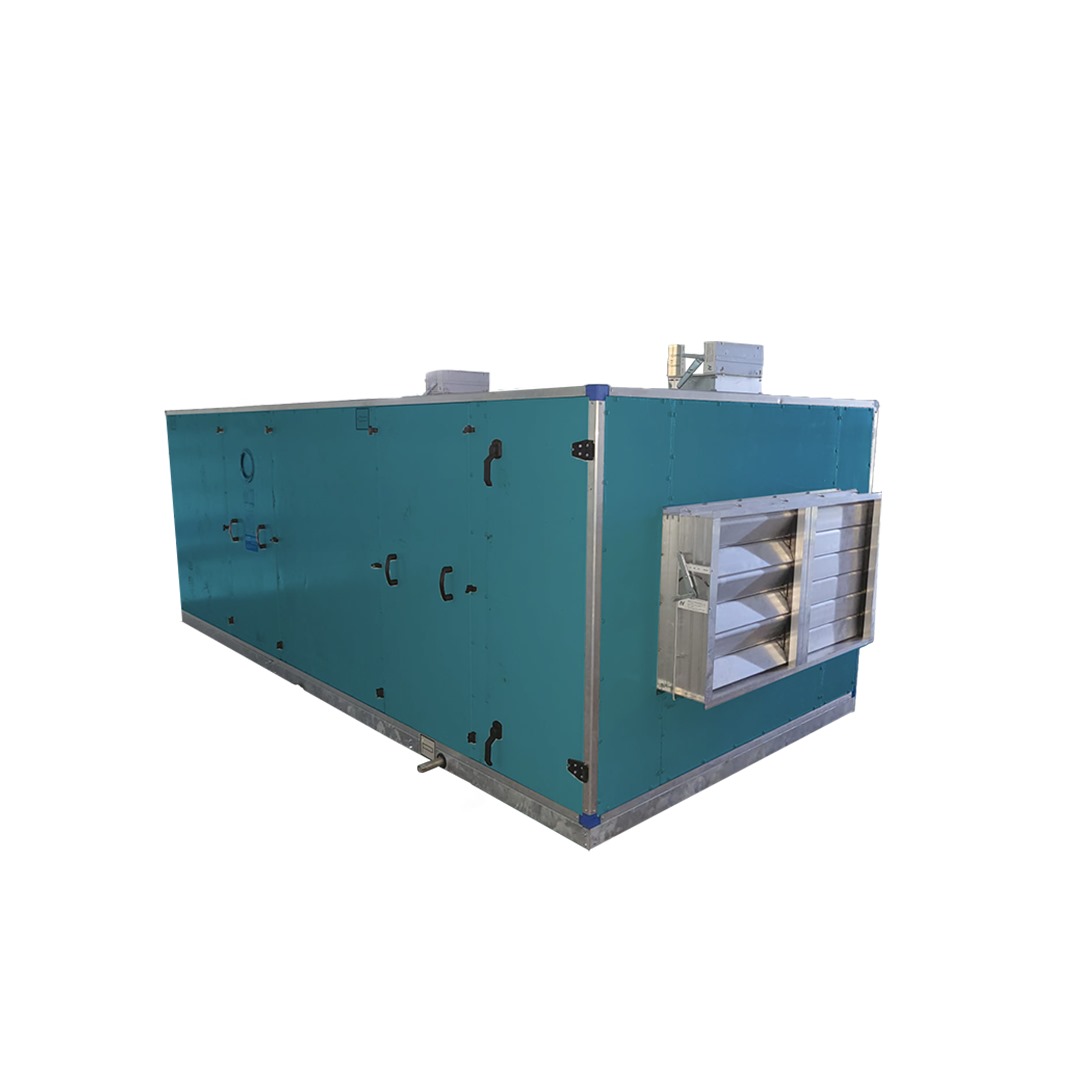
Industrial Modular Air Handling Unit - High Efficiency HVAC System
View Details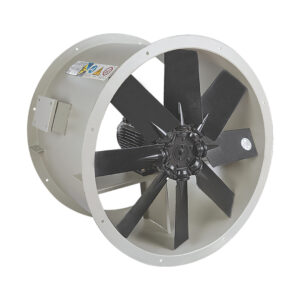

Industrial Axial Metal Exhaust Fan – High Airflow Ventilation System
View DetailsManaging air quality in industrial environments is essential for safety, productivity, and comfort. An industrial air ventilator helps control temperature, remove contaminants, and maintain a steady flow of fresh air throughout large facilities. Whether you operate a factory, warehouse, or processing plant, the right ventilation system ensures your workspace remains healthy and efficient.
Industrial operations generate heat, dust, and fumes that can quickly affect air quality. A well-designed ventilator system removes these airborne particles while regulating humidity and temperature. This not only protects workers but also helps maintain equipment performance and product quality.
Ventilators play a vital role in managing energy costs. By improving airflow, they reduce the need for excessive cooling or heating, making operations more sustainable over time.
These ventilators move air along the axis of the fan and are commonly used for general ventilation in large spaces. They are efficient for moving high volumes of air at low pressure.
Centrifugal models use a rotating impeller to push air outward, creating higher pressure. They are ideal for applications that require air movement through duct systems or filters.
These units are installed directly on building structures to exhaust hot air and fumes outside. They are often used in manufacturing facilities and workshops where direct air extraction is needed.
Industrial air ventilators serve a wide range of operations, including manufacturing, chemical processing, food production, and automotive facilities. They help maintain compliance with safety standards and improve overall environmental conditions.
| Industry | Ventilator Type | Primary Benefit |
|---|---|---|
| Manufacturing | Axial Flow | Reduces heat buildup |
| Food Processing | Centrifugal | Controls humidity and odor |
| Automotive | Roof-Mounted | Removes fumes and exhaust |
| Warehousing | Wall-Mounted | Improves air circulation |
Proper installation ensures your ventilator performs efficiently. Position units to maximize airflow and minimize obstructions. Regular maintenance, such as cleaning blades and checking bearings, extends equipment life and prevents unexpected downtime.
Scheduling periodic inspections helps identify wear early and ensures continuous operation without interruption.
When selecting a ventilator, consider the size of your space, air volume requirements, and the nature of your operations. Facilities dealing with chemical fumes may require specialized filtration systems, while general manufacturing areas benefit from high-capacity axial fans.
Comparing models from trusted brands such as Aeppl, Greenheck, and Soler & Palau can help identify the best match for your needs. Aeppl stands out for its balance of efficiency, durability, and service support, making it a preferred choice among facility managers.
Reliable airflow is critical to maintaining a safe and productive industrial environment. Upgrading to a modern industrial air ventilator can reduce energy costs and improve comfort for everyone on site.
Aeppl designs and manufactures durable ventilation systems built for demanding industrial settings. Our focus on reliability and performance helps facilities maintain cleaner, safer air. Visit Aeppl
It is a mechanical device that moves air through an industrial space to control temperature, remove contaminants, and maintain proper airflow.
They are used in factories, warehouses, workshops, and processing plants to improve air quality and comfort.
Routine inspections every six months are recommended to ensure optimal performance and prevent mechanical issues.
Yes, efficient ventilation reduces strain on heating and cooling systems, lowering overall energy consumption.
Many models include noise-dampening features such as balanced blades and insulated housings.
Corrosion-resistant metals and coated components perform best in areas with humidity or chemical exposure.
Axial ventilators move air straight through the fan, while centrifugal ventilators push air outward for higher pressure applications.
Yes, most models can connect to ductwork or control systems for coordinated airflow management.
Aeppl provides durable, energy-efficient ventilators backed by strong service and engineering expertise.
Yes, Aeppl can design tailored systems to meet unique airflow and space requirements for industrial clients.