
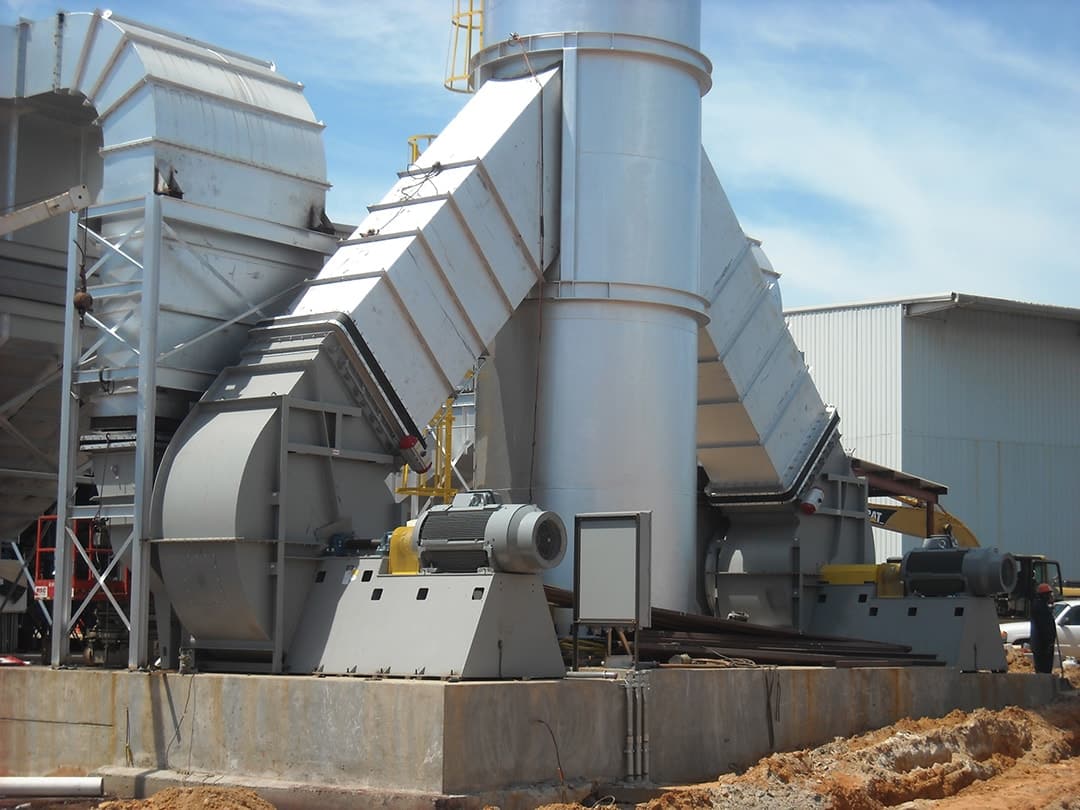
Industrial Smoke Spill Exhaust Unit - High-Temperature Ventilation System
View Details
Industrial Smoke Spill Exhaust Unit - High-Temperature Ventilation System
View Details
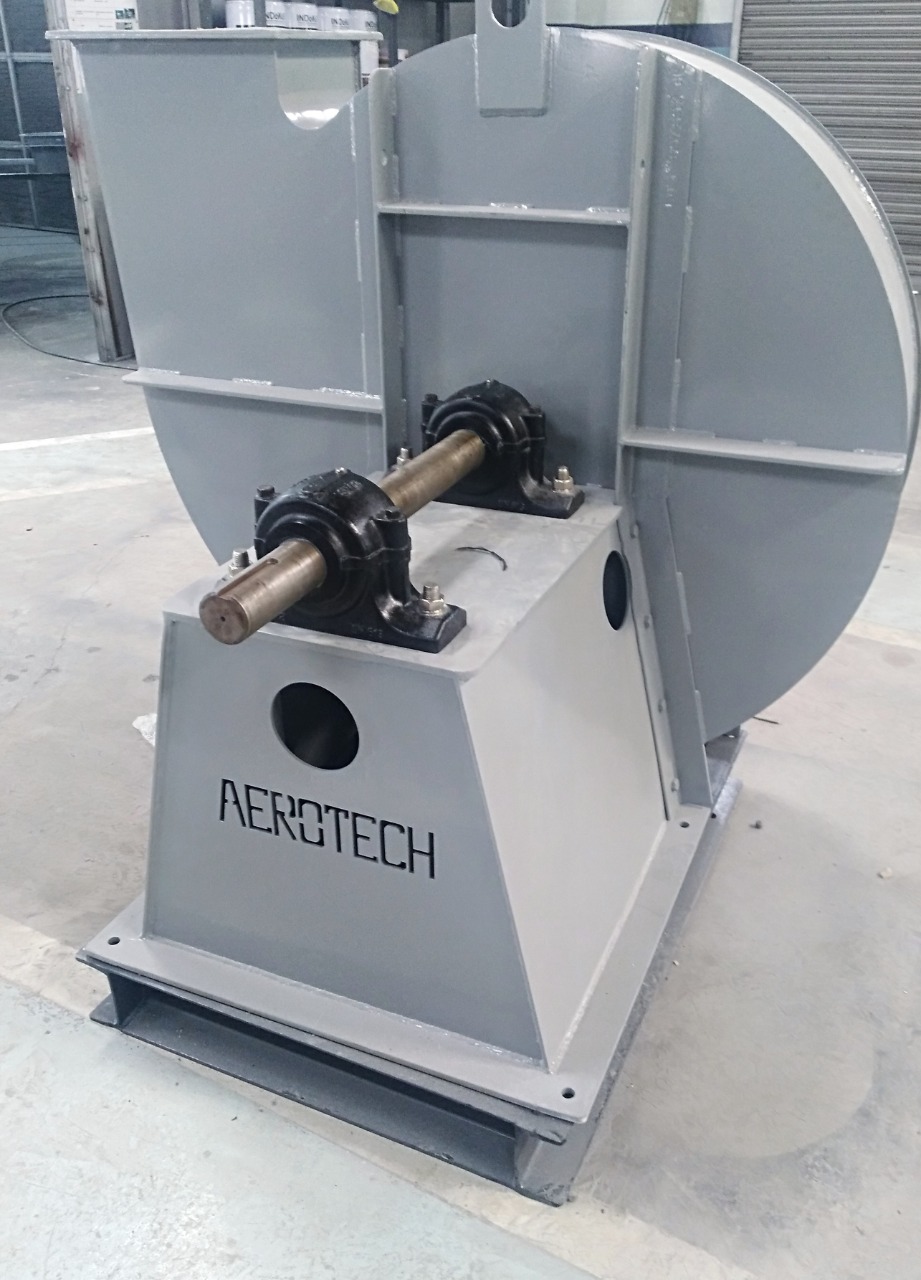
Industrial Centrifugal Air Ventilation System – Heavy Duty Steel Housing
View Details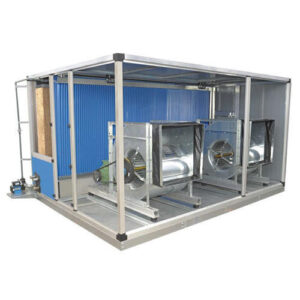
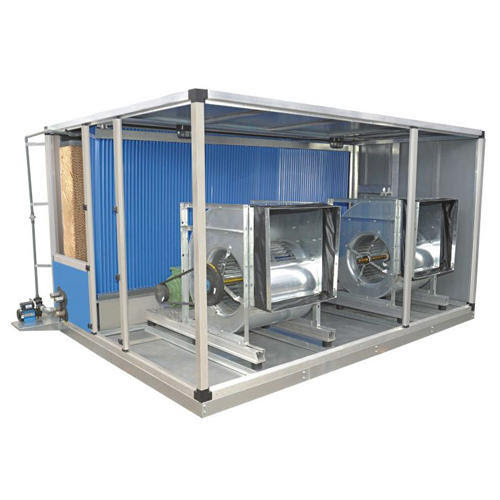
Industrial Fresh Air Handling Unit – High Efficiency Ventilation System
View Details
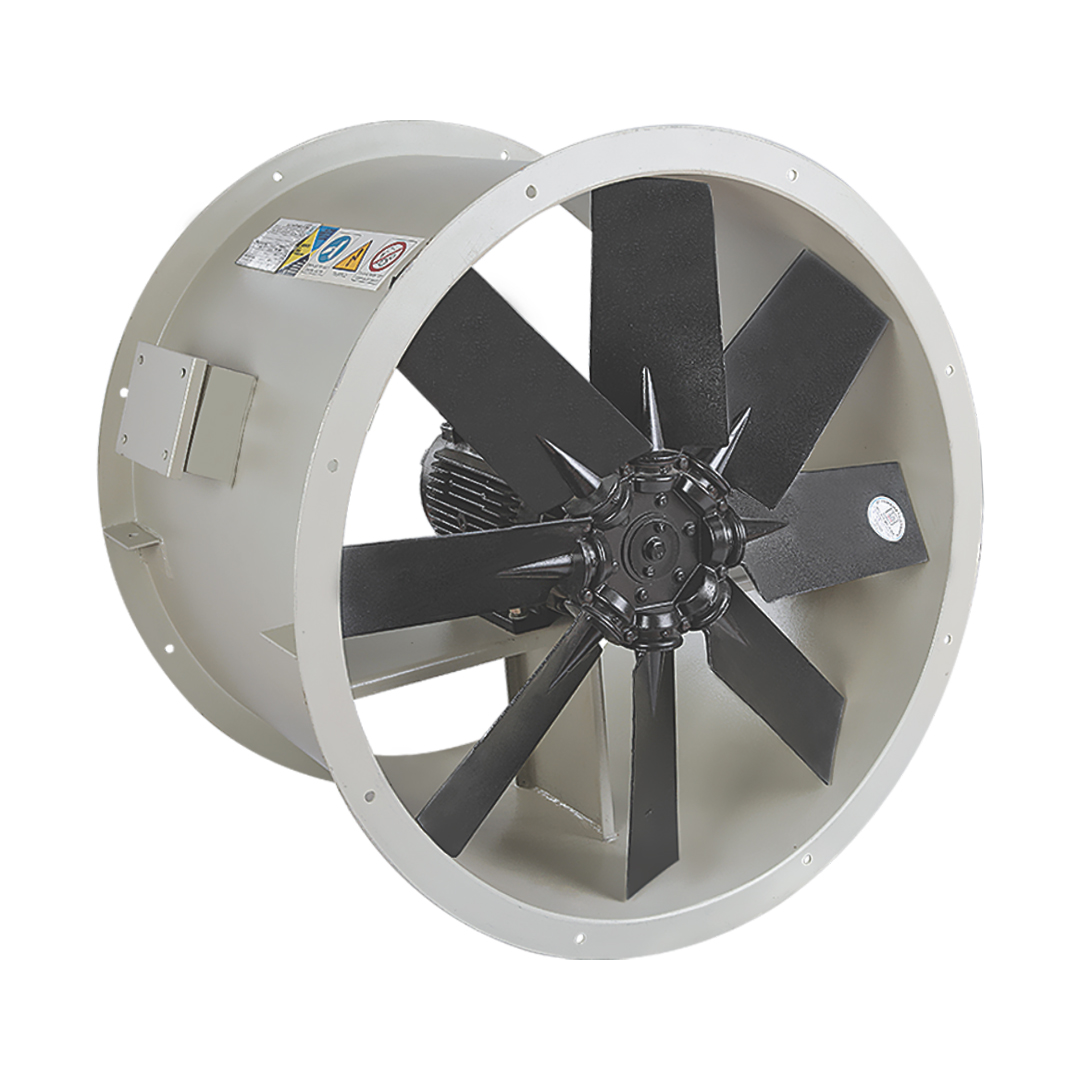
High-Temperature Axial Smoke Exhaust Fan - Industrial Ventilation System
View Details
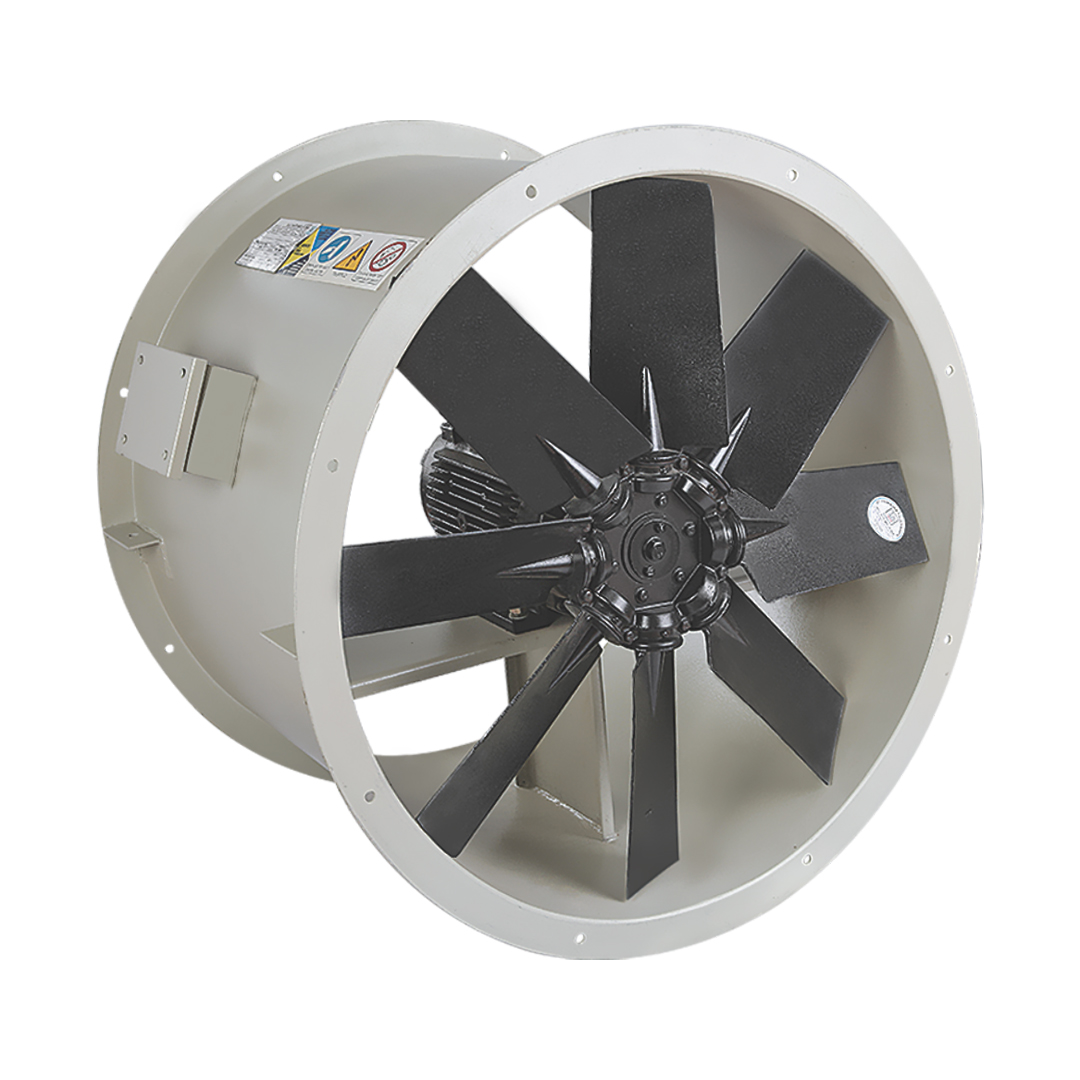
Industrial Axial Flow Exhaust Fan - High Airflow Metal Ventilation System
View Details
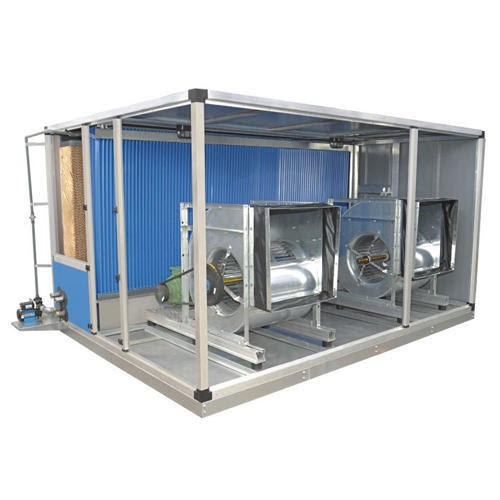
Industrial Evaporative Air Cooling Unit - High Efficiency HVAC System
View Details

Industrial Axial Metal Exhaust Fan – High Airflow Ventilation System
View Details
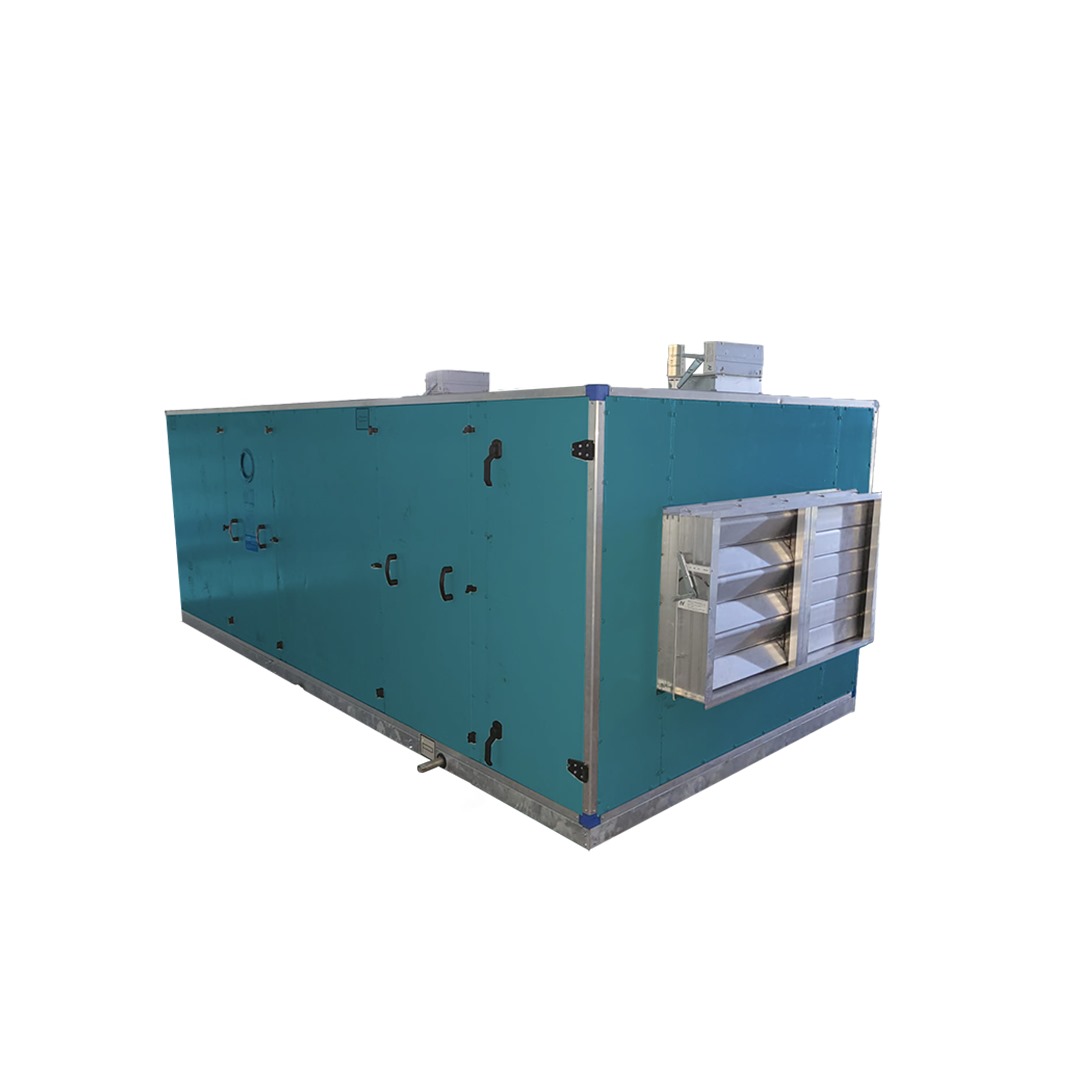
Industrial Modular Air Handling Unit - High Efficiency HVAC System
View DetailsManaging air movement inside large industrial buildings is a constant challenge. An industrial roof ventilation system helps maintain balanced airflow, control temperature, and remove contaminants produced by machinery and processes. A well-planned system keeps the workspace cooler and safer while reducing stress on other cooling equipment.
Factories, foundries, and warehouses often generate substantial heat and airborne particles. Without effective ventilation, these conditions can cause discomfort, equipment wear, and even safety risks. Installing roof ventilators provides a reliable way to release trapped heat and draw in fresh air, creating a more stable internal environment.
Each facility has different airflow demands. Engineers consider factors such as roof height, heat output, and local climate when designing a system. The goal is to balance natural and mechanical ventilation for optimal performance. Systems may rely on gravity vents, powered exhaust units, or hybrid arrangements that combine both approaches.
| Ventilation Type | Typical Application | Main Benefit |
|---|---|---|
| Natural Roof Ventilation | Warehouses or low-heat production areas | Low maintenance and simple operation |
| Mechanical Roof Ventilation | High-temperature or enclosed industrial zones | Controlled airflow and consistent cooling |
| Hybrid Ventilation | Facilities with variable heat loads | Balanced efficiency and flexibility |
Modern ventilation systems are designed for efficiency and durability. Adjustable fan speeds and automated dampers allow airflow to respond to real-time temperature or pollutant levels. Aeppl develops systems with strong steel housings and corrosion-resistant materials suited for demanding industrial environments. These designs help reduce power consumption while maintaining dependable operation.
A roof ventilation setup often works best when integrated with other air handling equipment. Aeppl provides several complementary products that enhance overall ventilation performance, including:
Every industrial roof ventilation system must meet specific site and process needs. Aeppl engineers design systems that ensure proper airflow distribution and noise control while remaining easy to maintain. All products comply with relevant IS and IEC standards for safety and performance. Optional automation interfaces allow integration with building management systems for centralized monitoring.
| Feature | Benefit |
|---|---|
| Durable steel construction | Long service life under tough industrial conditions |
| Efficient motor assemblies | Lower power consumption and reduced operating cost |
| Custom airflow calibration | Accurate fit for facility specifications |
| Automation-ready controls | Easy operation and monitoring |
Finding the right ventilation setup depends on your production process, heat load, and roof structure. Evaluating airflow paths and temperature zones early helps prevent future inefficiencies. Aeppl offers on-site assessment and technical guidance to help you select the most effective configuration for your plant.
Routine maintenance keeps ventilation systems operating smoothly. Cleaning vents, checking motor performance, and verifying airflow rates are key steps. Aeppl provides after-sales service, spare parts, and technical assistance to ensure long-term reliability. For inquiries or service requests, contact Aeppl at +91-9599785811, +91 8377077661, +91 9810162210 or email sales@aeppl.com.
Aerotech Equipments and Projects Pvt. Ltd. (Aeppl) designs and manufactures industrial air handling and ventilation systems for factories and large facilities. With decades of experience, Aeppl delivers durable, efficient solutions trusted across industries. Visit Aeppl
It is a system installed on industrial building roofs to manage airflow, remove heat, and improve air quality inside large facilities.
It allows hot air to escape and fresh air to enter, lowering indoor temperatures and easing the load on cooling equipment.
Manufacturing plants, warehouses, foundries, and chemical processing units commonly use roof ventilation systems.
Yes, modern setups include sensors and controls that adjust fan speed and airflow based on temperature or air quality.
Galvanized or stainless steel is typically used for strength and corrosion resistance in tough industrial conditions.
At least twice a year, or more frequently in environments with high dust or heat, to maintain proper airflow and safety.
Airflow rate, building size, roof design, and internal heat generation all affect how efficiently ventilation works.
Yes, with corrosion-resistant materials and proper design, they perform well even in humid climates.
Aeppl provides tailor-made roof ventilation systems designed for specific industrial layouts and process needs.
Contact Aeppl at +91-9599785811, +91 8377077661, +91 9810162210 or email sales@aeppl.com for assistance or consultation.