
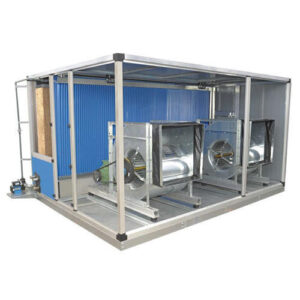
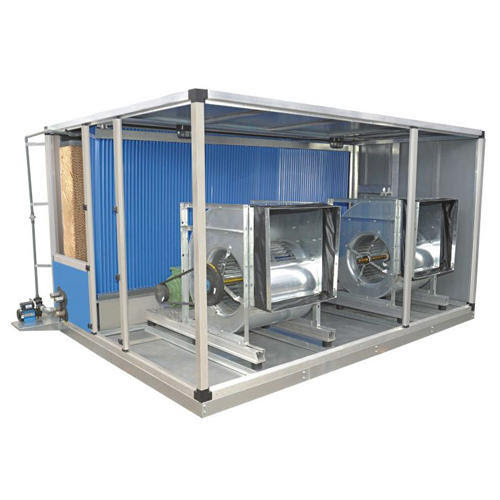
Industrial Fresh Air Handling Unit – High Efficiency Ventilation System
View Details
Industrial Fresh Air Handling Unit – High Efficiency Ventilation System
View Details
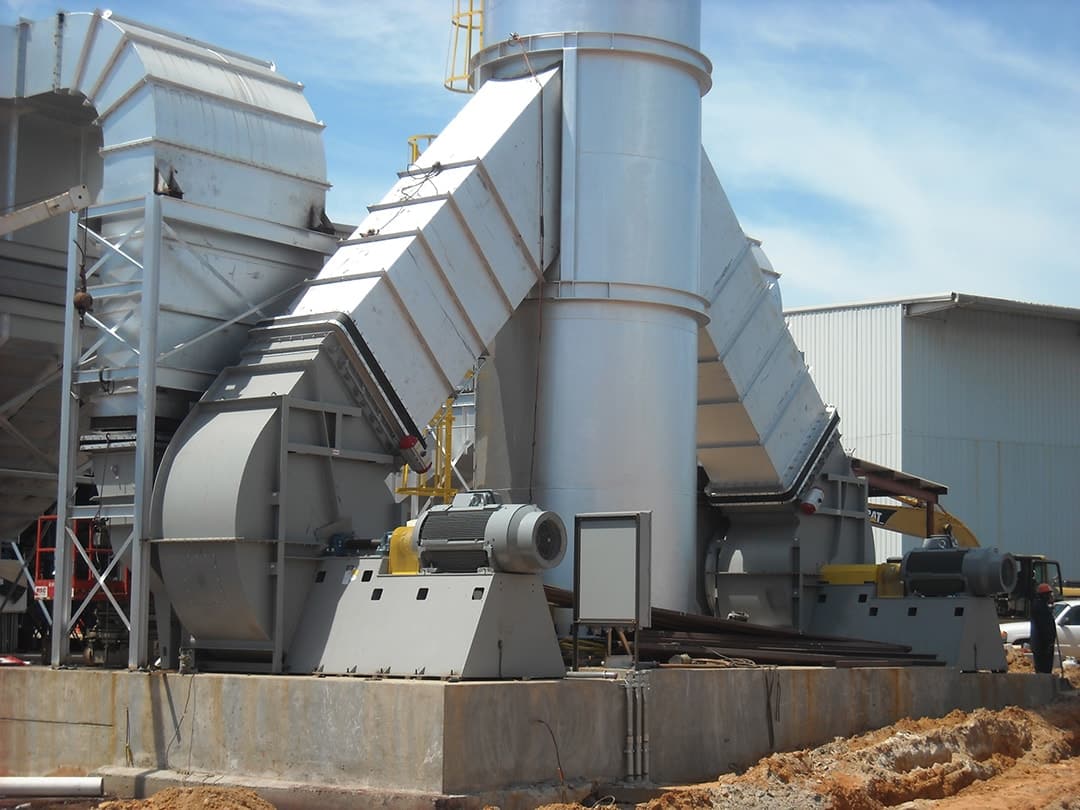
Industrial Smoke Spill Exhaust Unit - High-Temperature Ventilation System
View Details
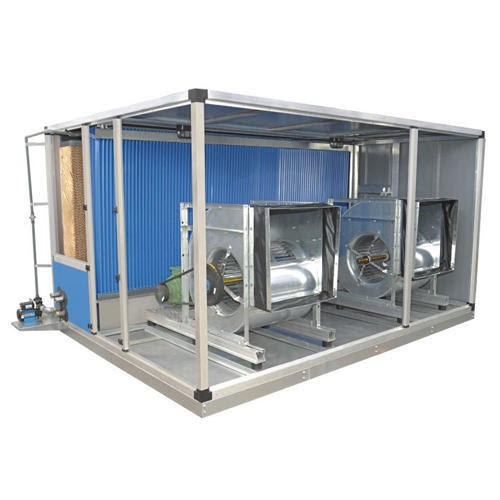
Industrial Evaporative Air Cooling Unit - High Efficiency HVAC System
View Details
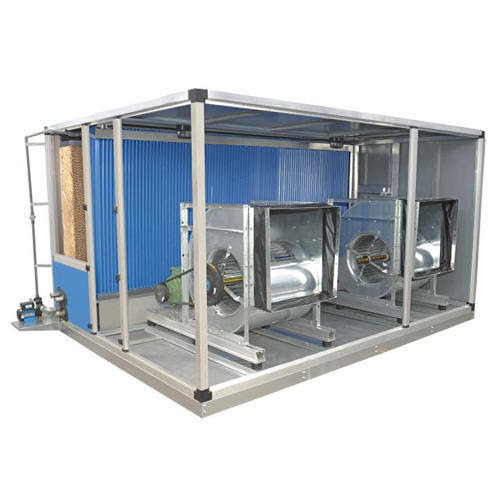
Industrial Evaporative Air Cooling Unit – High Efficiency HVAC System
View Details
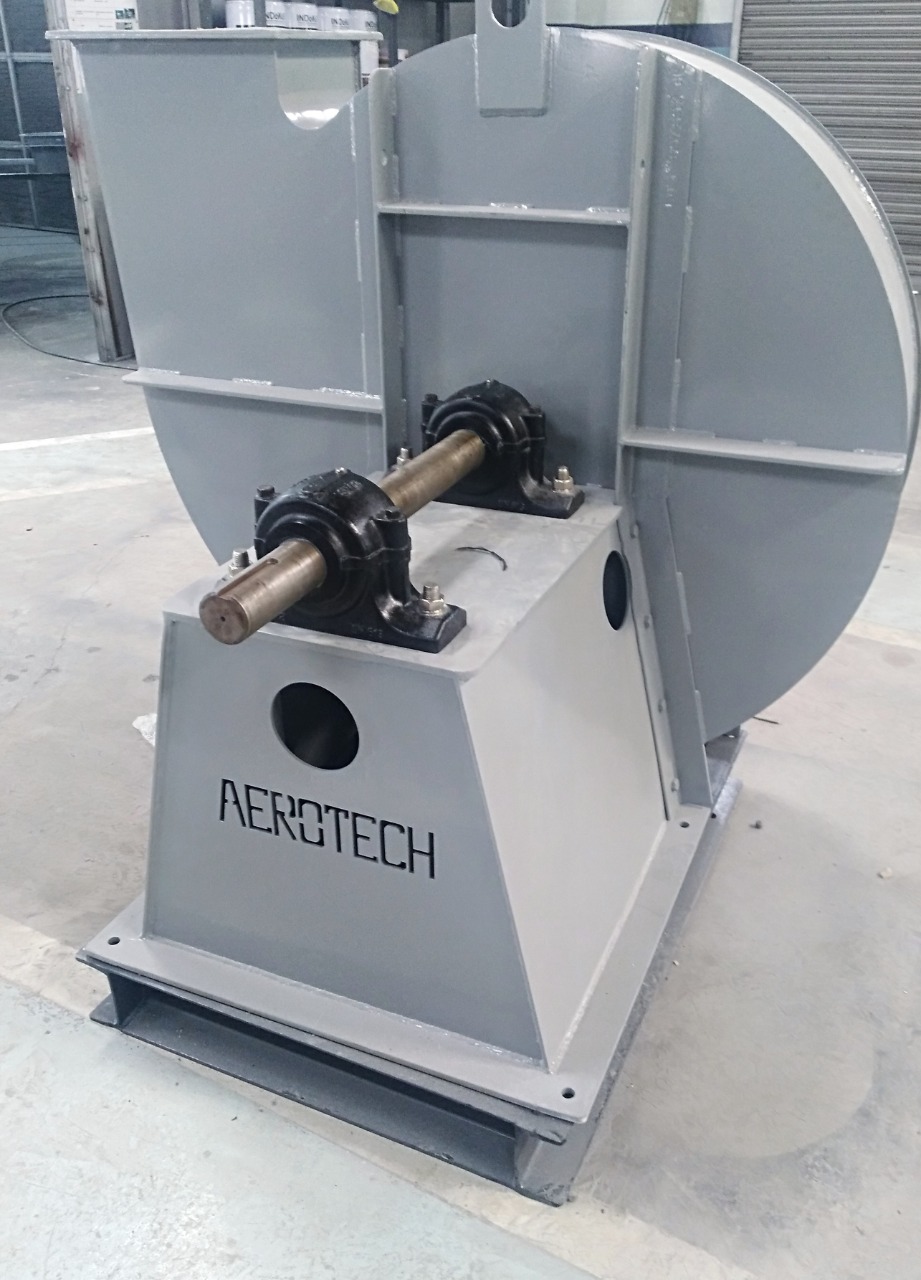
Industrial Centrifugal Air Ventilation System – Heavy Duty Steel Housing
View Details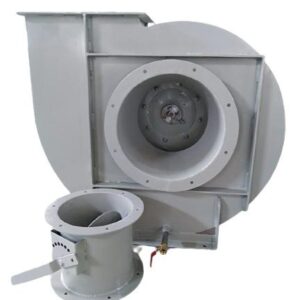
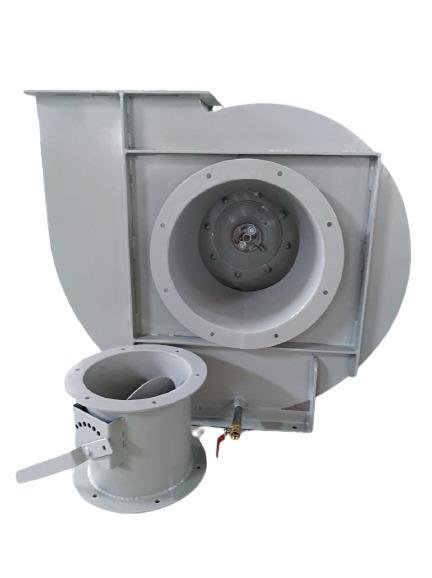
Industrial Kitchen Exhaust Centrifugal Blower Fan – High Efficiency Ventilation System
View Details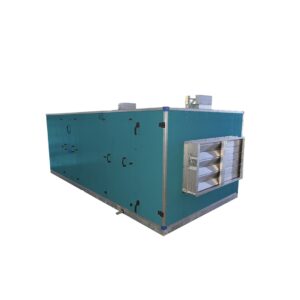
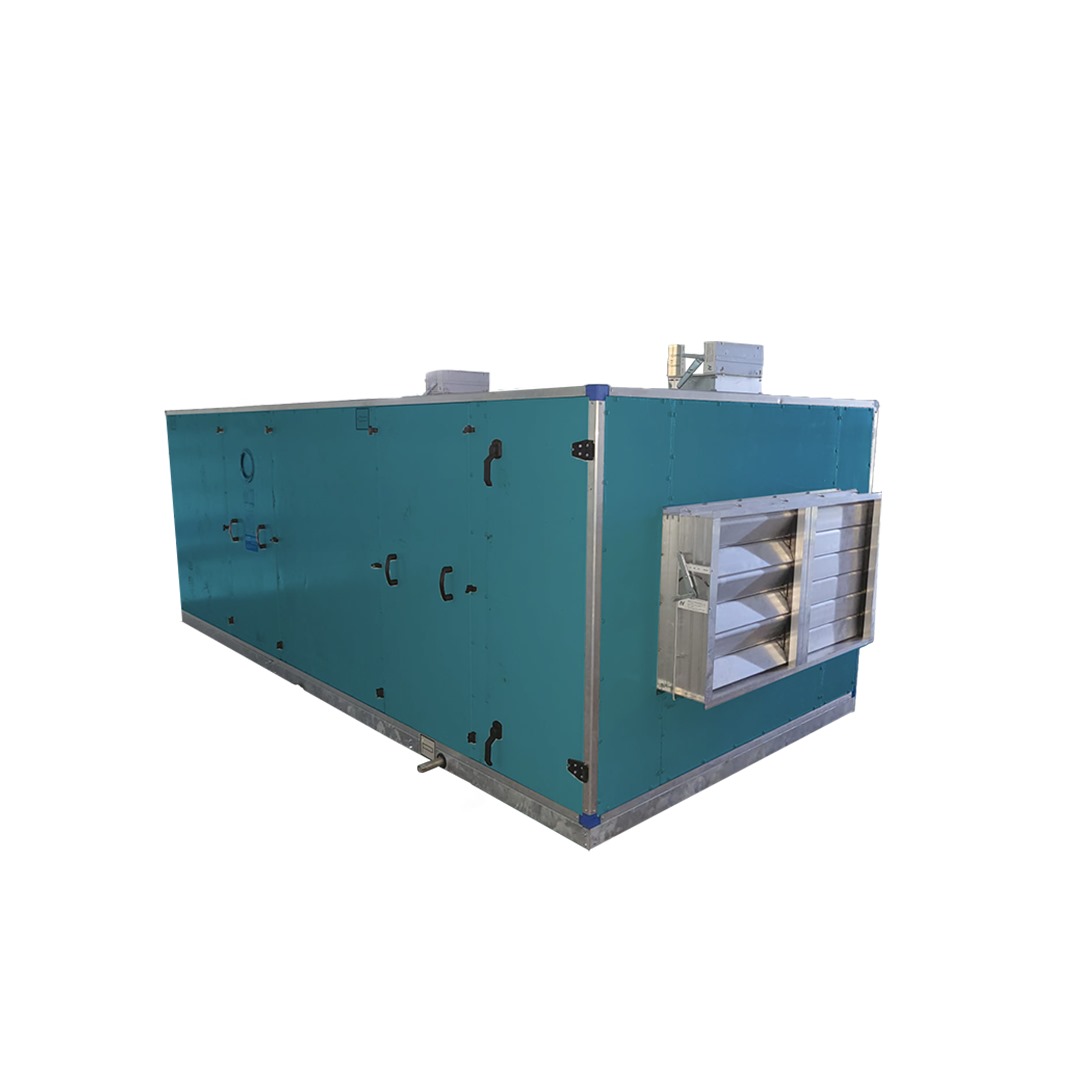
Industrial Modular Air Handling Unit - High Efficiency HVAC System
View Details
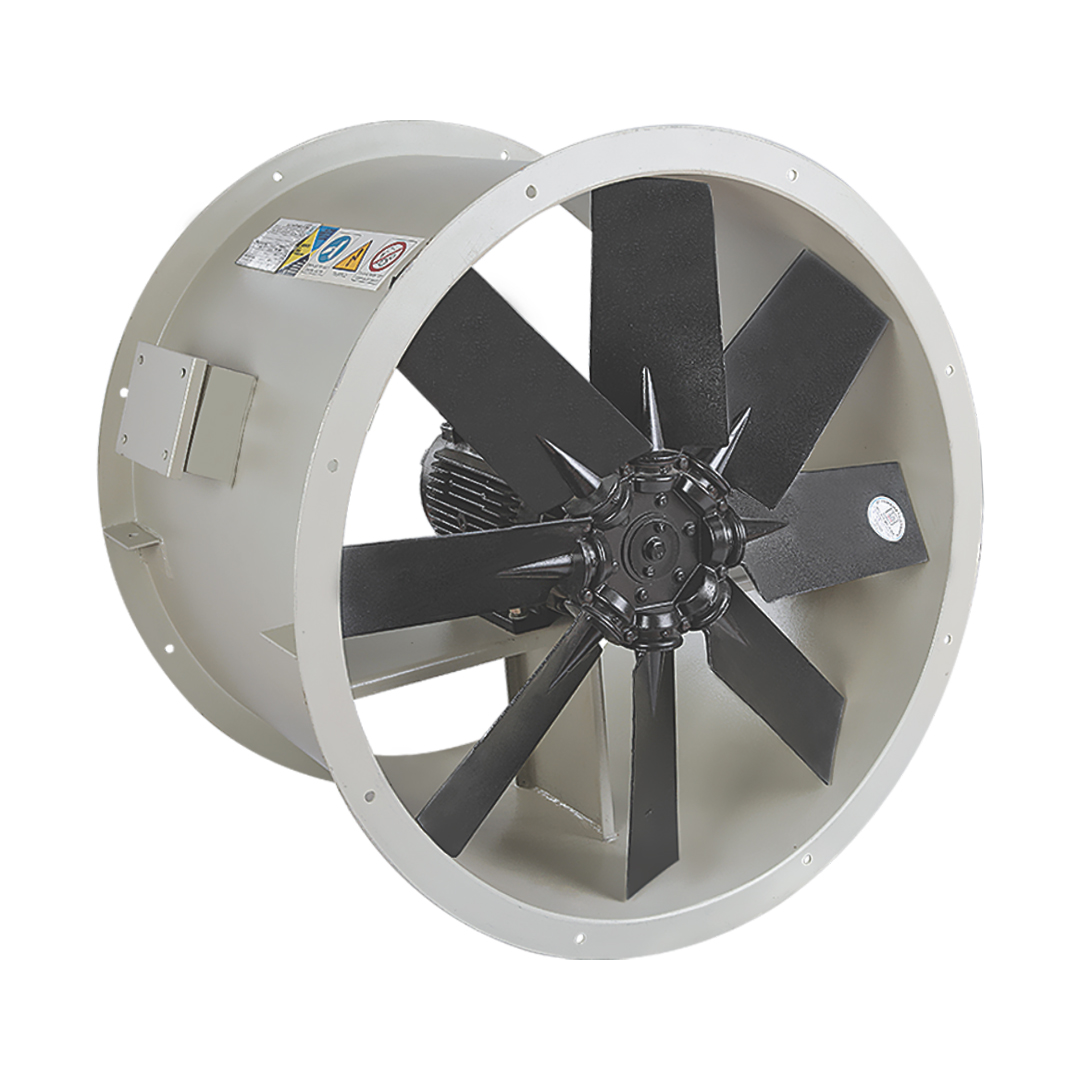
High-Temperature Axial Smoke Exhaust Fan - Industrial Ventilation System
View DetailsIndustrial kitchen ventilation plays a vital role in creating safe and efficient working environments. In large-scale cooking facilities, food processing plants, and institutional kitchens, heat, smoke, and grease particles can quickly accumulate. A well-designed ventilation system helps remove these contaminants, improving air quality and ensuring compliance with safety standards. Beyond comfort, proper ventilation supports energy efficiency and equipment longevity.
Creating an efficient ventilation setup requires thoughtful engineering. Professionals assess airflow rates, duct layout, filtration needs, and temperature control. Demand-controlled ventilation, which adjusts fan operation based on cooking activity, is increasingly common for managing energy use. Systems should also include makeup air units to balance pressure and prevent unwanted drafts. When designed correctly, these elements work together to maintain consistent air quality and reduce energy consumption.
| Feature | Conventional Ventilation | Industrial Kitchen Ventilation |
|---|---|---|
| Airflow Capacity | Suitable for small kitchens | Handles continuous heavy-duty operation |
| Energy Management | Manual control | Automated demand-controlled setup |
| Durability | Standard materials | Grease and temperature resistant components |
| Compliance | Basic safety coverage | Meets industrial and fire safety standards |
Industrial kitchen ventilation now often connects with building management systems for centralized monitoring. This integration helps track airflow, temperature, and energy use in real time. Engineers can quickly identify issues and adjust performance parameters, minimizing downtime and maintaining consistent environmental conditions. Such integration supports food safety compliance and enhances worker comfort.
Modern ventilation design emphasizes sustainability. High-efficiency motors, variable frequency drives, and improved insulation are common upgrades that reduce power consumption. These improvements align with green manufacturing initiatives and help facilities meet energy targets without compromising performance. Investing in sustainable ventilation technology also lowers operational costs over time.
Aeppl manufactures air handling and ventilation systems designed for industrial reliability. Popular equipment includes the Industrial Kitchen Exhaust Centrifugal Blower Fan, Industrial Fresh Air Handling Unit, and Industrial Smoke Spill Exhaust Unit. Each product is built for consistent airflow and durability in high-heat, high-grease environments.
Choosing an industrial kitchen ventilation system depends on cooking volume, heat output, and space layout. Facilities with multiple cooking zones often benefit from modular systems that allow flexible scaling. Proper installation and regular maintenance are crucial for achieving long-term performance and compliance with local standards.
| System Type | Best For | Typical Use |
|---|---|---|
| Exhaust Centrifugal Blower Fan | Grease and smoke extraction | Large commercial kitchens, food plants |
| Fresh Air Handling Unit | Air quality and temperature control | Food packaging zones |
| Smoke Spill Exhaust Unit | Emergency high-temperature ventilation | Industrial cooking areas |
Aeppl, officially Aerotech Equipments and Projects Pvt. Ltd., is a trusted Indian manufacturer and exporter of industrial air handling and ventilation systems. With decades of experience, Aeppl provides durable, efficient solutions for industrial kitchens and heavy-duty facilities. To learn more or discuss your ventilation needs, Visit Aeppl.
It is a system designed to remove heat, smoke, grease, and airborne contaminants from large-scale cooking or food processing areas, ensuring safe and efficient operations.
Proper ventilation maintains air quality, prevents fire hazards, and helps meet safety and hygiene regulations required in industrial food environments.
It uses sensors to adjust fan speed based on cooking activity, optimizing energy use and maintaining balanced airflow automatically.
Typical components include exhaust fans, makeup air units, ducting, filters, and control panels for airflow management and safety compliance.
Yes, modern systems with variable frequency drives and efficient motors significantly reduce energy usage compared to traditional constant-speed setups.
Routine inspection and cleaning should be done quarterly or as recommended by the manufacturer to ensure optimal airflow and prevent grease buildup.
Yes, configurations can be customized to match kitchen size, heat load, and operational requirements for balanced performance.
Systems must comply with local building codes, fire safety norms, and occupational health standards governing air quality and exhaust management.
Aeppl designs engineered ventilation systems with durable materials, efficient airflow control, and long service life for demanding industrial conditions.
Yes, Aeppl offers technical support for installation, commissioning, and after-sales maintenance to ensure reliable long-term operation.