
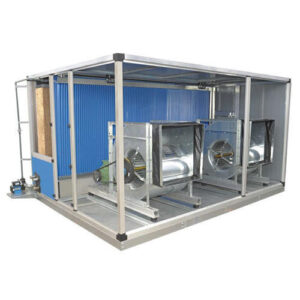
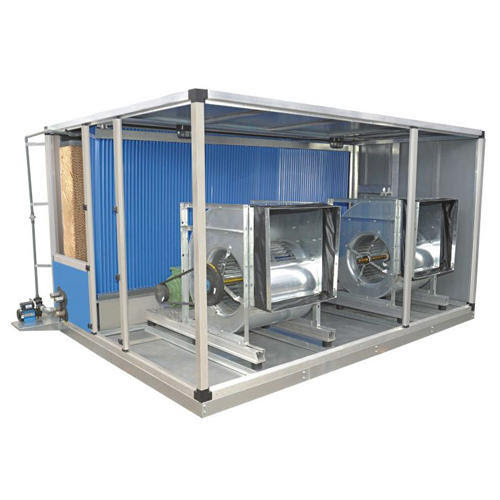
Industrial Fresh Air Handling Unit – High Efficiency Ventilation System
View Details
Industrial Fresh Air Handling Unit – High Efficiency Ventilation System
View Details
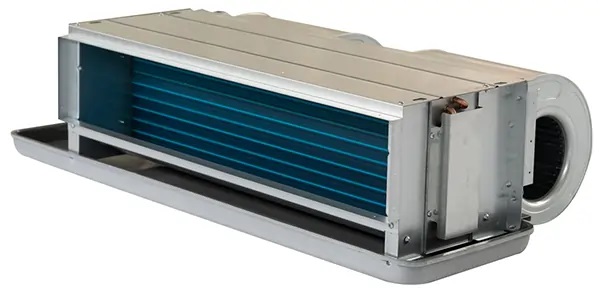
Ceiling Concealed Fan Coil Unit - High Efficiency HVAC Air Handling System
View Details
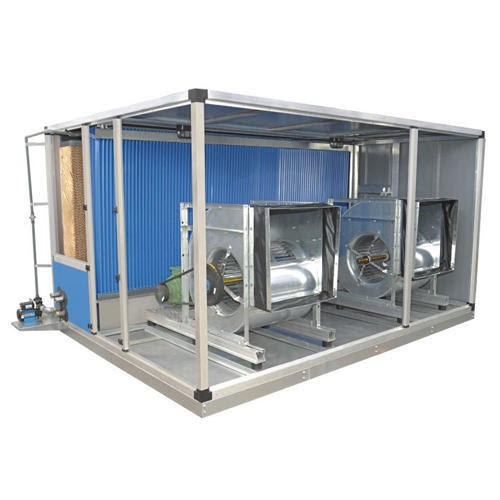
Industrial Evaporative Air Cooling Unit - High Efficiency HVAC System
View Details
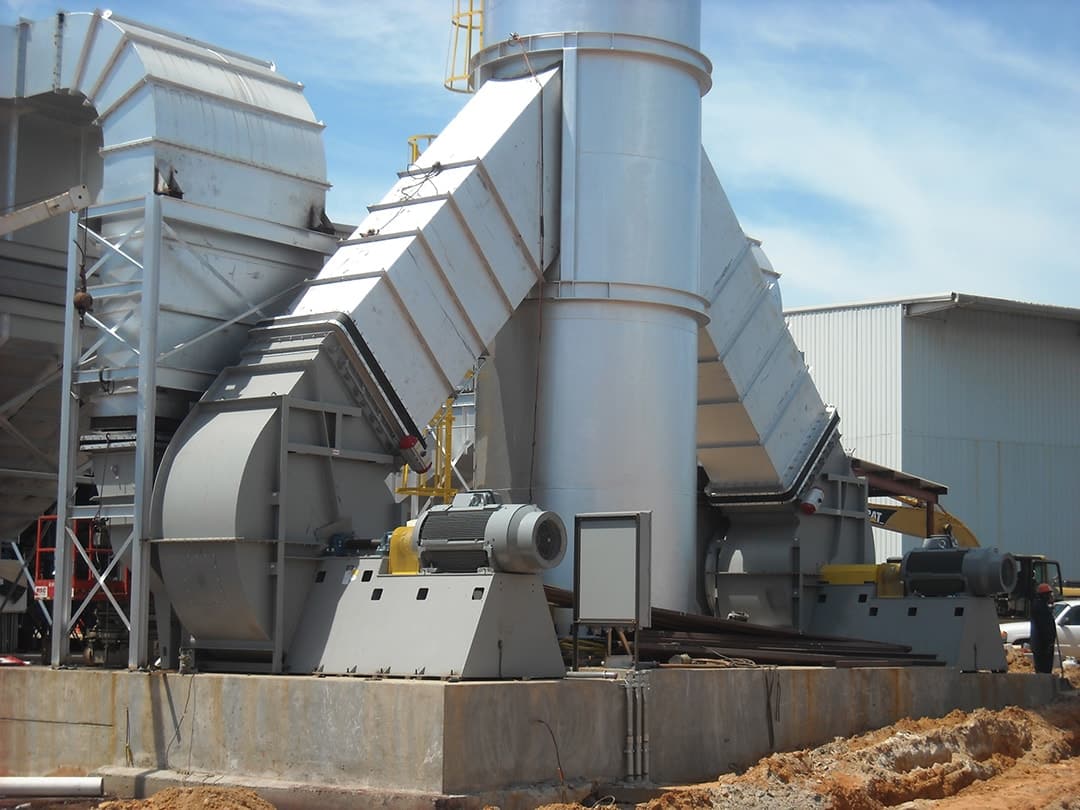
High-Capacity Industrial Centrifugal Ventilator - Heavy-Duty Airflow System
View Details

Industrial Venturi Scrubber System - High-Efficiency Air Pollution Control Unit
View Details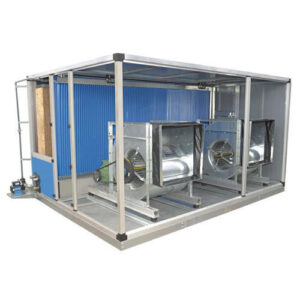
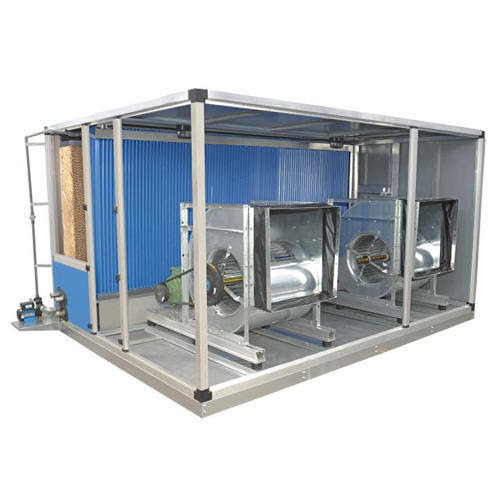
Industrial Evaporative Air Cooling Unit – High Efficiency HVAC System
View Details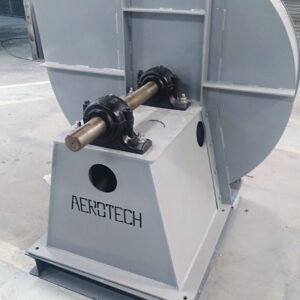
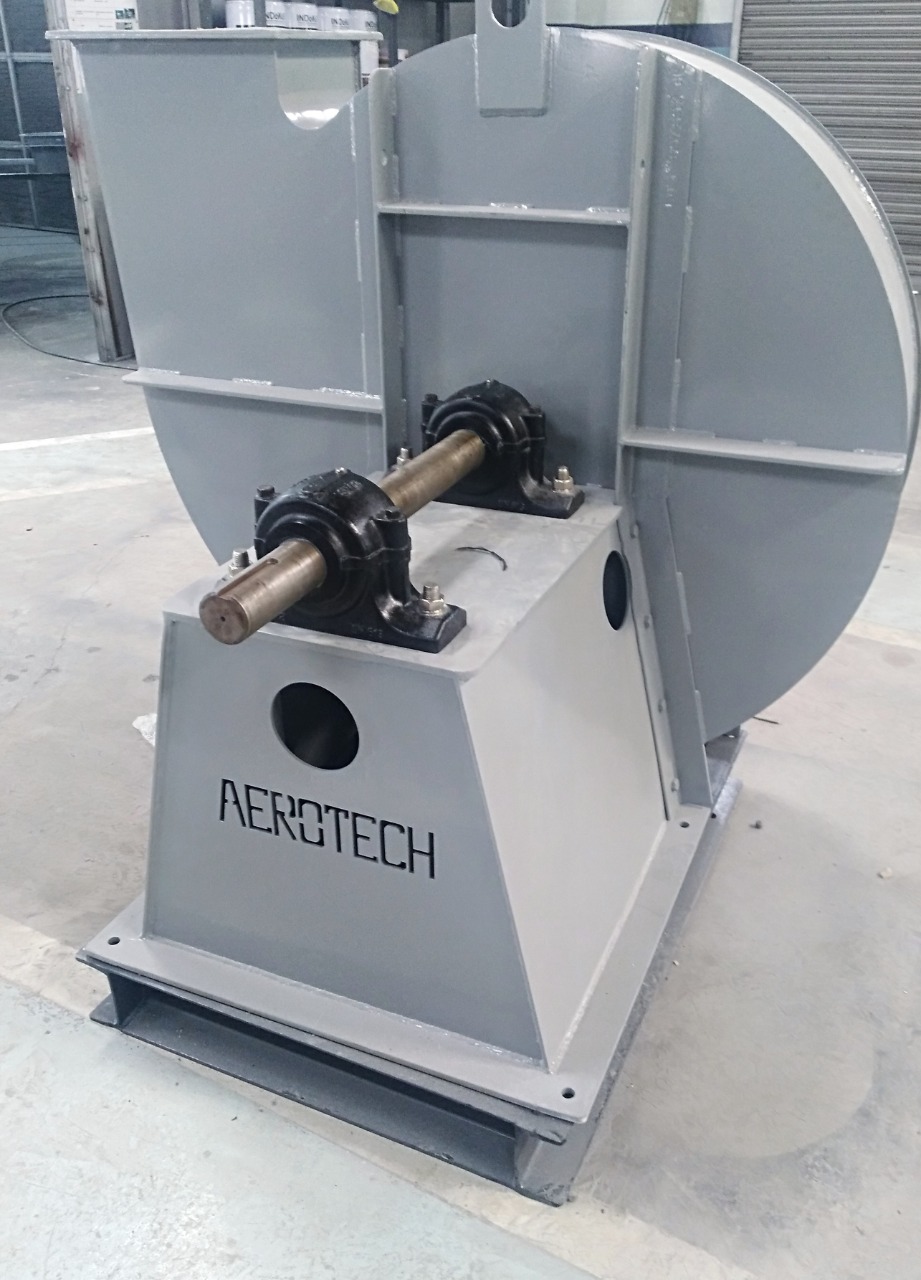
Industrial Centrifugal Air Ventilation System – Heavy Duty Steel Housing
View Details
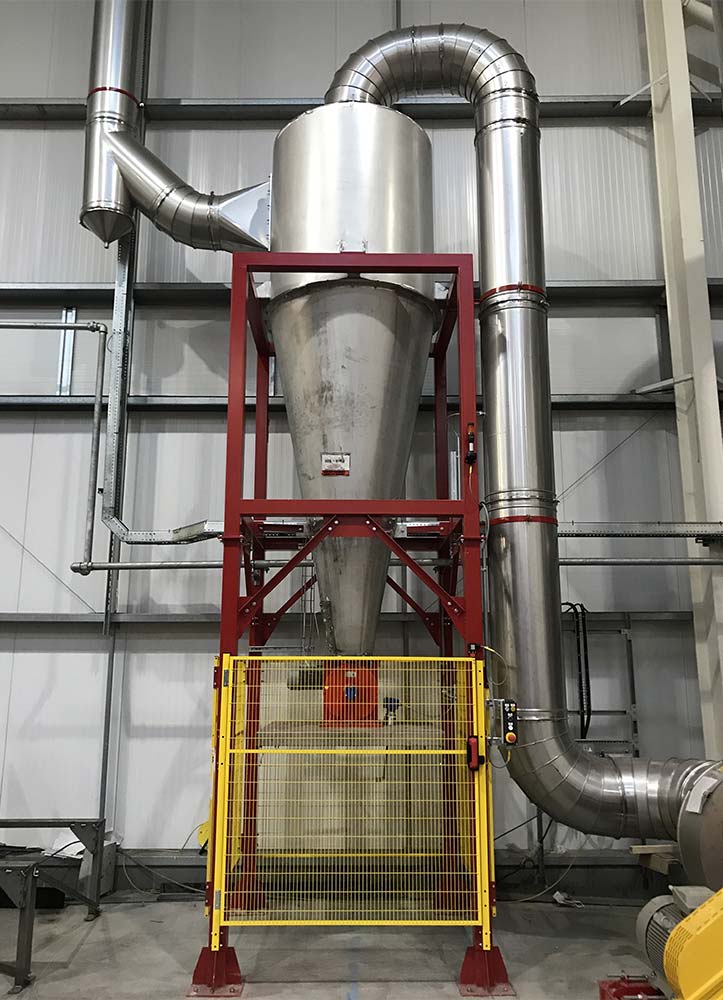
Industrial Venturi Scrubber System – High-Efficiency Air Pollution Control Unit
View DetailsPlanning a factory roof ventilator purchase involves more than picking a product from a catalog. It requires understanding how ventilation affects temperature, air quality, and worker comfort. Proper air movement prevents heat buildup and helps maintain stable conditions for machines and processes. When you invest in a well-designed roof ventilator, you improve both safety and productivity inside your facility.
Factories vary widely in layout, production intensity, and environmental exposure. A ventilation system must match these factors to perform efficiently. For example, a steel fabrication plant may require high airflow to remove heat and fumes, while a textile mill needs balanced ventilation to control humidity. Evaluating airflow capacity, material quality, and mounting design helps ensure the right fit for your building.
Roof ventilators typically fall into two categories: wind-driven and motorized. Wind-driven ventilators rely on natural air movement, making them ideal for areas with consistent wind patterns. Motorized ventilators operate independently of weather conditions and maintain steady airflow in high-temperature environments. Selecting between these types depends on your factory's operating conditions and energy priorities.
| Type | Material | Power Source | Best Use Case |
|---|---|---|---|
| Wind-driven ventilator | Aluminum or stainless steel | Natural wind energy | Warehouses and low-energy factories |
| Motorized ventilator | Galvanized steel or stainless steel | Electric motor | High-heat or low-wind environments |
Modern roof ventilators are designed to meet sustainability goals while maintaining strong performance. Energy-efficient systems help reduce electrical consumption and support compliance with green building standards. Aeppl focuses on maximizing airflow and minimizing power use, helping industrial facilities manage heat without excessive energy costs. This balance supports long-term operational efficiency and environmental responsibility.
Roof ventilators often work best when integrated with broader ventilation networks. Combining them with air handling units or exhaust systems ensures uniform airflow across production areas. For example, pairing roof ventilators with Aeppl's Industrial Fresh Air Handling Unit or Industrial Centrifugal Air Ventilation System allows precise temperature control and improved workplace conditions.
Before finalizing a factory roof ventilator purchase, review technical specifications carefully. The following parameters influence performance and durability:
| Specification | Typical Range | Performance Impact |
|---|---|---|
| Airflow capacity | 5000 - 25000 CFM | Determines ventilation coverage and effectiveness |
| Blade material thickness | 0.5 - 1.2 mm | Affects strength and lifespan |
| Operating noise level | Below 65 dB | Ensures quiet operation |
| Mounting type | Ridge or dome | Influences airflow direction and pressure balance |
Technical support during a factory roof ventilator purchase helps prevent design mismatches and installation errors. Many facilities consult experienced manufacturers like Aeppl for engineering advice and compliance review. This collaboration ensures that ventilation systems meet local building codes and operational standards. Professional input also helps optimize installation for better airflow and energy savings.
Each factory has its own challenges, from heat-intensive processes to moisture-sensitive production lines. Custom ventilator designs can address these needs precisely. Aeppl offers tailored configurations with specialized blade profiles, bearing systems, and mounting assemblies for long-term reliability. Industries such as automotive, food processing, and textiles benefit from these customized solutions that improve air circulation and reduce maintenance frequency.
Regular maintenance keeps ventilation systems running smoothly and prevents performance drops. Aeppl provides detailed inspection services, replacement parts, and technical assistance through trained professionals. Scheduled cleaning and lubrication extend equipment life and reduce downtime. Maintaining your factory roof ventilator properly ensures consistent airflow and safe working conditions throughout the year.
Aerotech Equipments and Projects Pvt. Ltd. (Aeppl) designs and manufactures industrial ventilation and air handling systems for factories and process plants. With decades of engineering experience, Aeppl delivers reliable, energy-efficient solutions backed by responsive technical support. For inquiries, call +91-9599785811, +91-8377077661, or +91-9810162210, or email sales@aeppl.com. Visit Aeppl
Important factors include airflow capacity, material durability, mounting design, and operating conditions. Evaluating these ensures efficient ventilation.
They rotate with wind pressure to expel hot air and draw in cooler air, improving circulation without using electricity.
Yes, motorized ventilators maintain steady airflow regardless of wind, making them ideal for heat-intensive production areas.
Aluminum, stainless steel, and galvanized steel are preferred for their corrosion resistance and strength.
They can be combined with air handling units or exhaust systems to maintain balanced airflow and temperature control.
Routine inspections every 6 to 12 months help maintain airflow efficiency and detect wear early.
Yes, efficient ventilation reduces cooling load and supports energy-saving goals in industrial operations.
With proper maintenance, a ventilator can last more than 10 years depending on material and usage.
Aeppl offers tailored ventilator designs based on site conditions, airflow needs, and compliance standards.
You can reach Aeppl at +91-9599785811, +91-8377077661, +91-9810162210 or email sales@aeppl.com for expert assistance and quotations.