
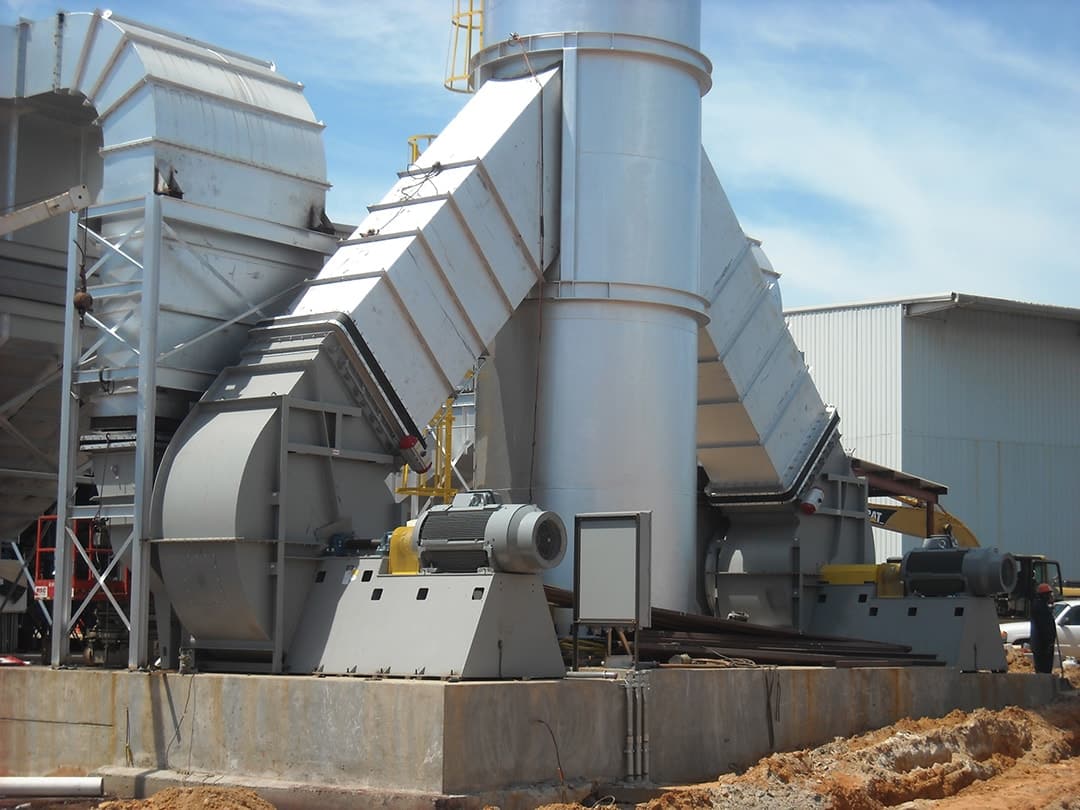
Industrial Smoke Spill Exhaust Unit - High-Temperature Ventilation System
View Details
Industrial Smoke Spill Exhaust Unit - High-Temperature Ventilation System
View Details
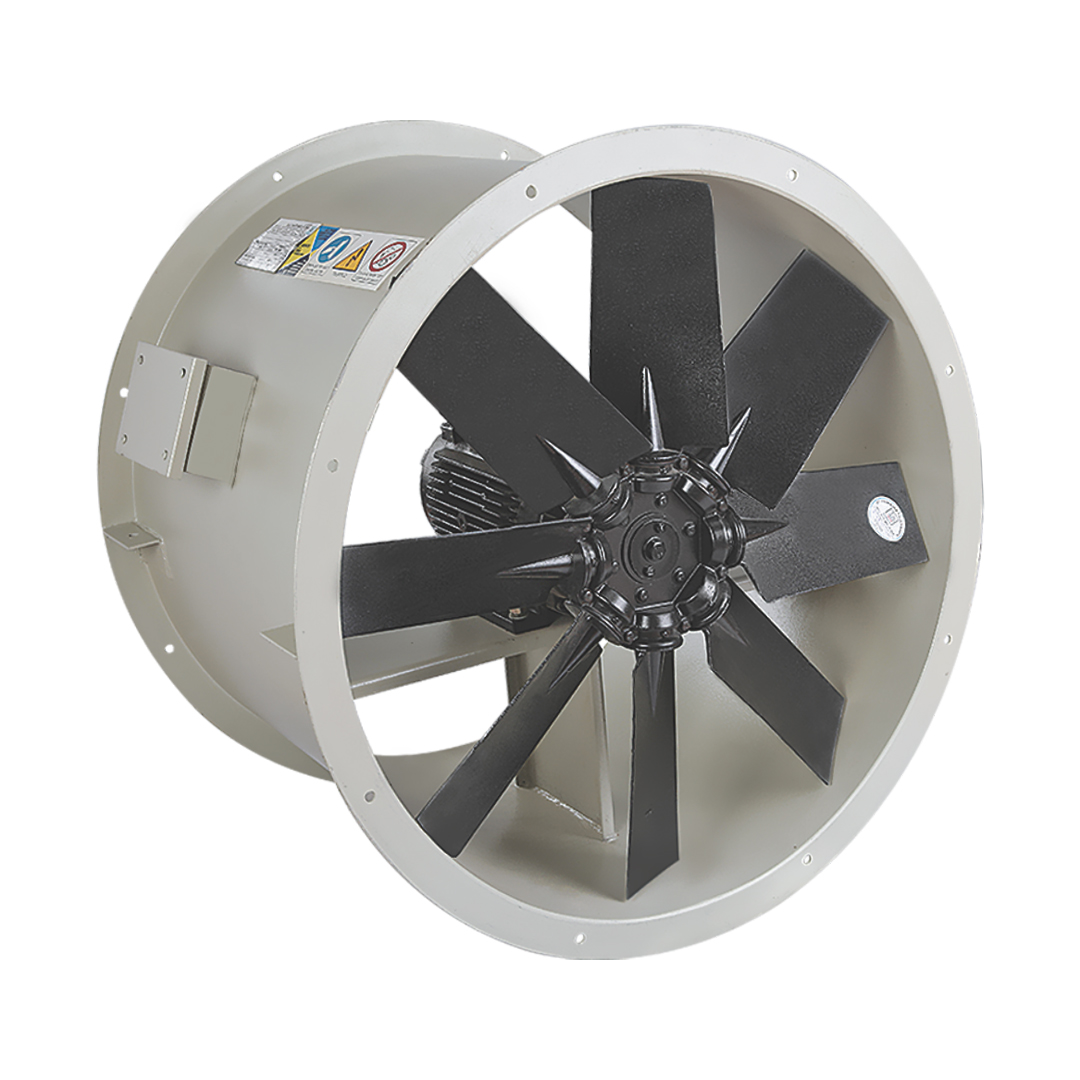
Industrial Axial Flow Exhaust Fan - High Airflow Metal Ventilation System
View Details

Industrial Axial Metal Exhaust Fan – High Airflow Ventilation System
View Details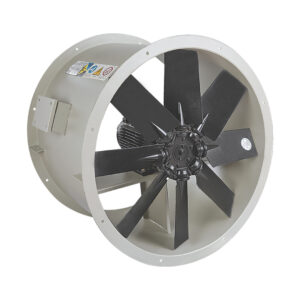
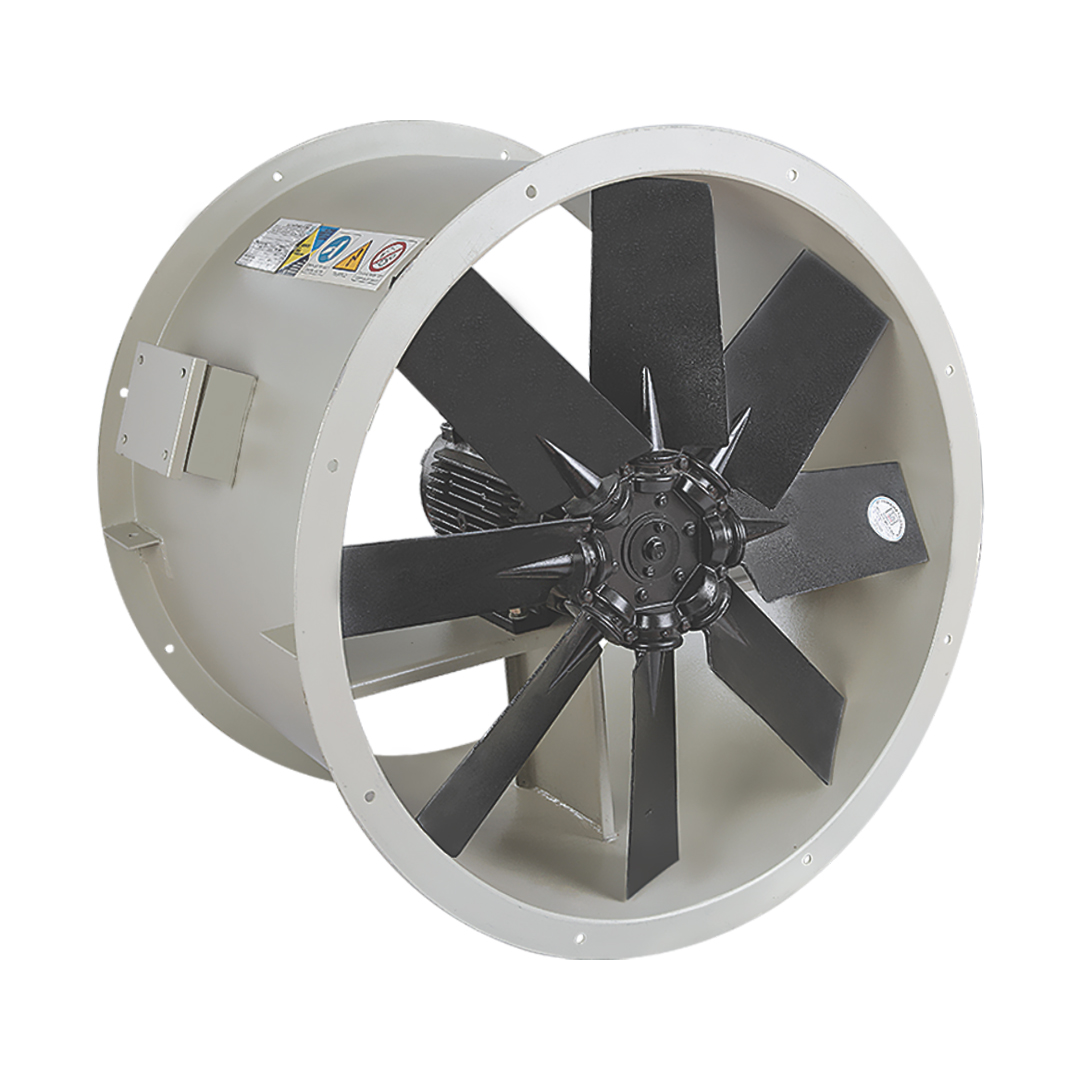
High-Temperature Axial Smoke Exhaust Fan - Industrial Ventilation System
View Details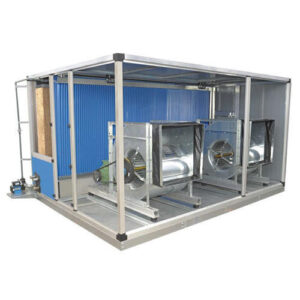
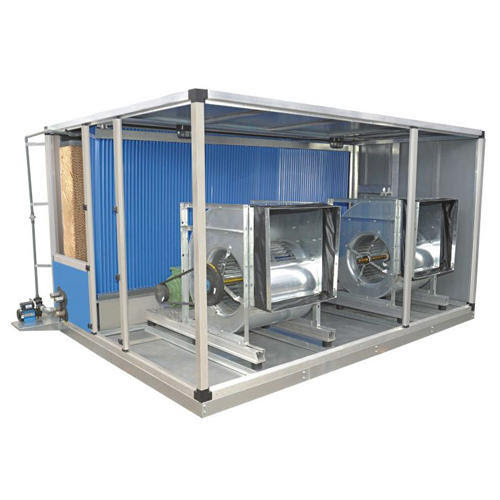
Industrial Fresh Air Handling Unit – High Efficiency Ventilation System
View Details
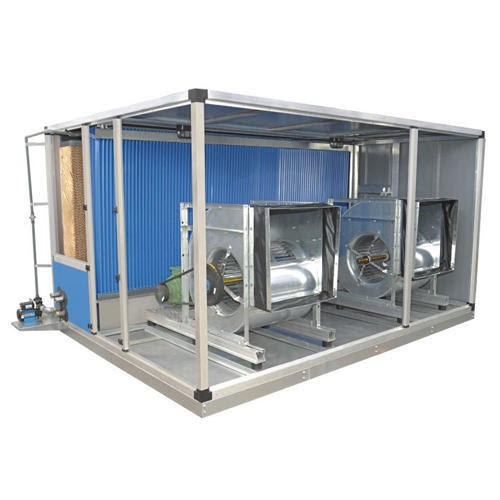
Industrial Evaporative Air Cooling Unit - High Efficiency HVAC System
View Details
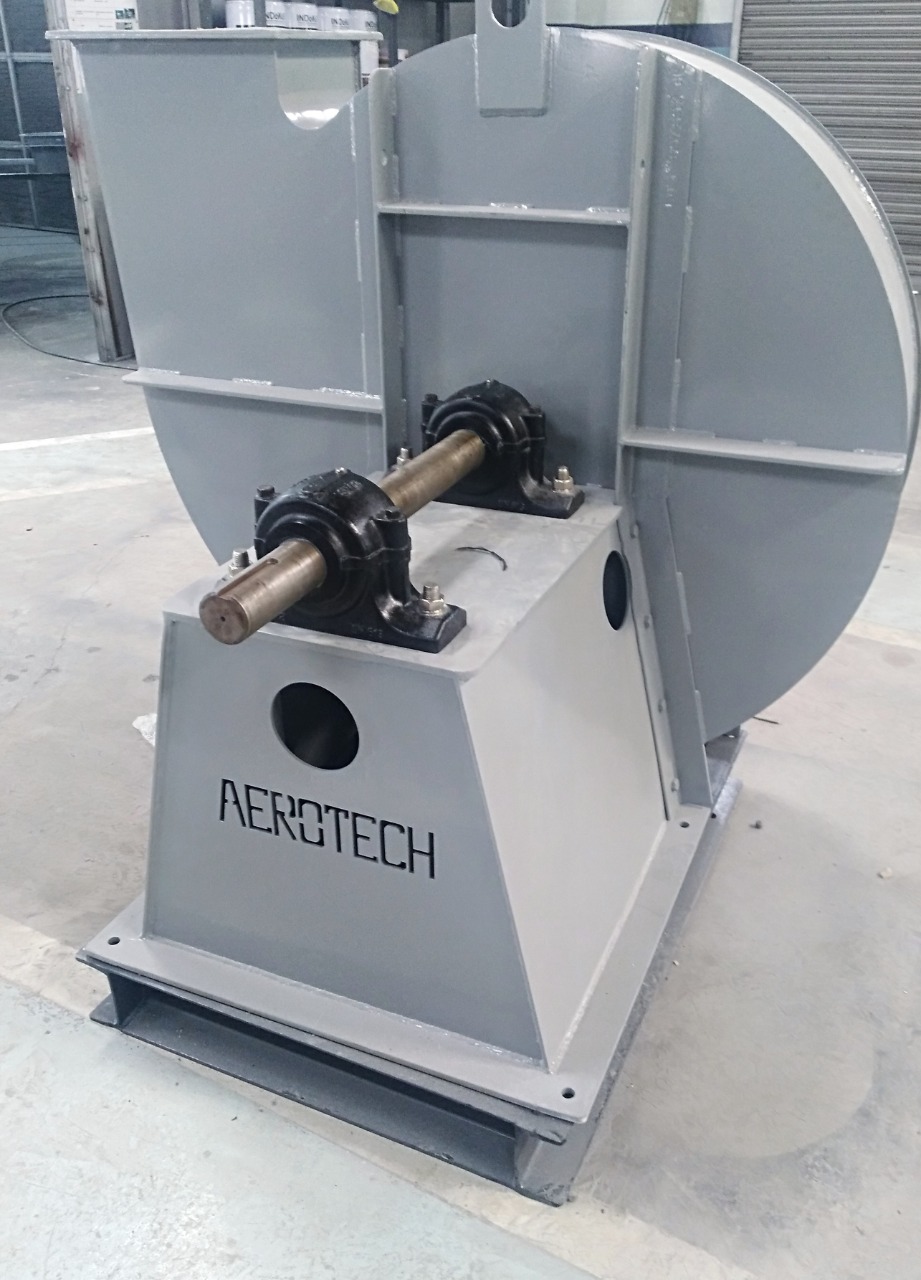
Industrial Centrifugal Air Ventilation System – Heavy Duty Steel Housing
View Details
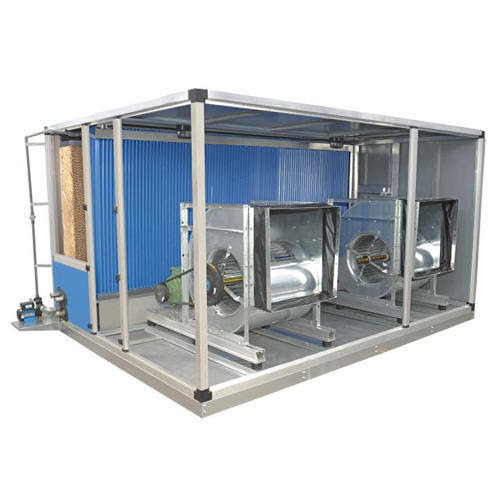
Industrial Evaporative Air Cooling Unit – High Efficiency HVAC System
View DetailsIndustrial exhaust ventilation is essential for maintaining safe and comfortable working conditions in manufacturing plants, fabrication units, and heavy-duty production facilities. These systems help remove dust, fumes, and heat generated during industrial operations, keeping the air clean and breathable. In both large and small setups, reliable ventilation supports worker health and equipment longevity while ensuring compliance with environmental and safety regulations.
Factories and workshops often release contaminants such as smoke, chemical vapors, and fine particles. Without proper ventilation, these pollutants can accumulate and affect air quality. Exhaust systems are designed to capture these substances at their source and discharge them safely outside. This helps maintain a balanced environment, reduces equipment wear, and supports compliance with workplace safety norms.
When engineers design an industrial exhaust ventilation system, they consider factors like airflow rate, duct layout, fan selection, and filtration efficiency. The aim is to achieve steady extraction without wasting energy. Systems are tailored to the type of process, pollutant level, and building structure. Proper calibration ensures balanced pressure and prevents air recirculation issues that can compromise performance.
| System Type | Typical Application | Key Benefit |
|---|---|---|
| Local Exhaust | Welding, chemical handling | Captures pollutants directly at source |
| General Exhaust | Large workshops, foundries | Maintains overall indoor air quality |
| Hybrid System | Mixed manufacturing setups | Flexible and energy-conscious design |
Many industrial exhaust ventilation systems now include variable frequency drives and automated dampers to regulate airflow as needed. These features help reduce power consumption and extend equipment life. As industries move toward sustainability goals, energy-efficient ventilation is becoming a standard practice for both new installations and retrofits.
Industrial environments demand durability. Fans and ducts made from heavy-gauge steel or aluminum with corrosion-resistant coatings can withstand continuous operation under high temperatures. Proper insulation and vibration control further improve performance and noise levels, ensuring smooth operation throughout long production hours.
Ventilation systems play an important role in meeting occupational safety and environmental standards. Proper airflow management helps control temperature, reduce fire hazards, and maintain air purity. Routine inspections and airflow testing keep systems running efficiently and in line with local safety codes.
| Performance Metric | Recommended Range | Impact |
|---|---|---|
| Airflow Rate | 5000 - 250000 CFM | Defines exhaust capacity |
| Noise Level | Below 75 dB | Improves comfort and focus |
| Efficiency | Above 80% | Lowers energy costs |
Industrial exhaust ventilation works best when paired with cooling and air handling units. Coordinated systems maintain temperature balance and prevent humidity buildup. This integration supports smoother production and a healthier work environment while optimizing energy use.
Aerotech Equipments and Projects Pvt. Ltd. (Aeppl) specializes in designing and manufacturing advanced industrial ventilation and air handling systems. With decades of engineering experience, Aeppl provides durable and efficient solutions for demanding industrial applications. Visit Aeppl
Industrial exhaust ventilation removes airborne contaminants, fumes, and heat from industrial spaces to maintain safe air quality.
It prevents harmful gases and dust from accumulating, protecting workers and equipment while meeting safety standards.
It captures pollutants at their source through ducts and fans, then filters or expels them outside to keep indoor air clean.
Local exhaust systems handle specific sources, while general exhaust systems manage overall air movement across large areas.
Variable speed drives and automated controls help manage airflow and reduce energy use.
Steel and aluminum with corrosion-resistant finishes are preferred for durability and long service life.
A routine inspection every six months helps sustain airflow performance and safety compliance.
Yes, they help remove moisture-laden air, stabilizing humidity levels in industrial settings.
Aeppl builds each system with strong materials, efficient fans, and custom configurations suited for industrial environments.
You can request quotes or shop directly through Aeppl's official website at https://aeppl.com?utm_source=jarbug.