

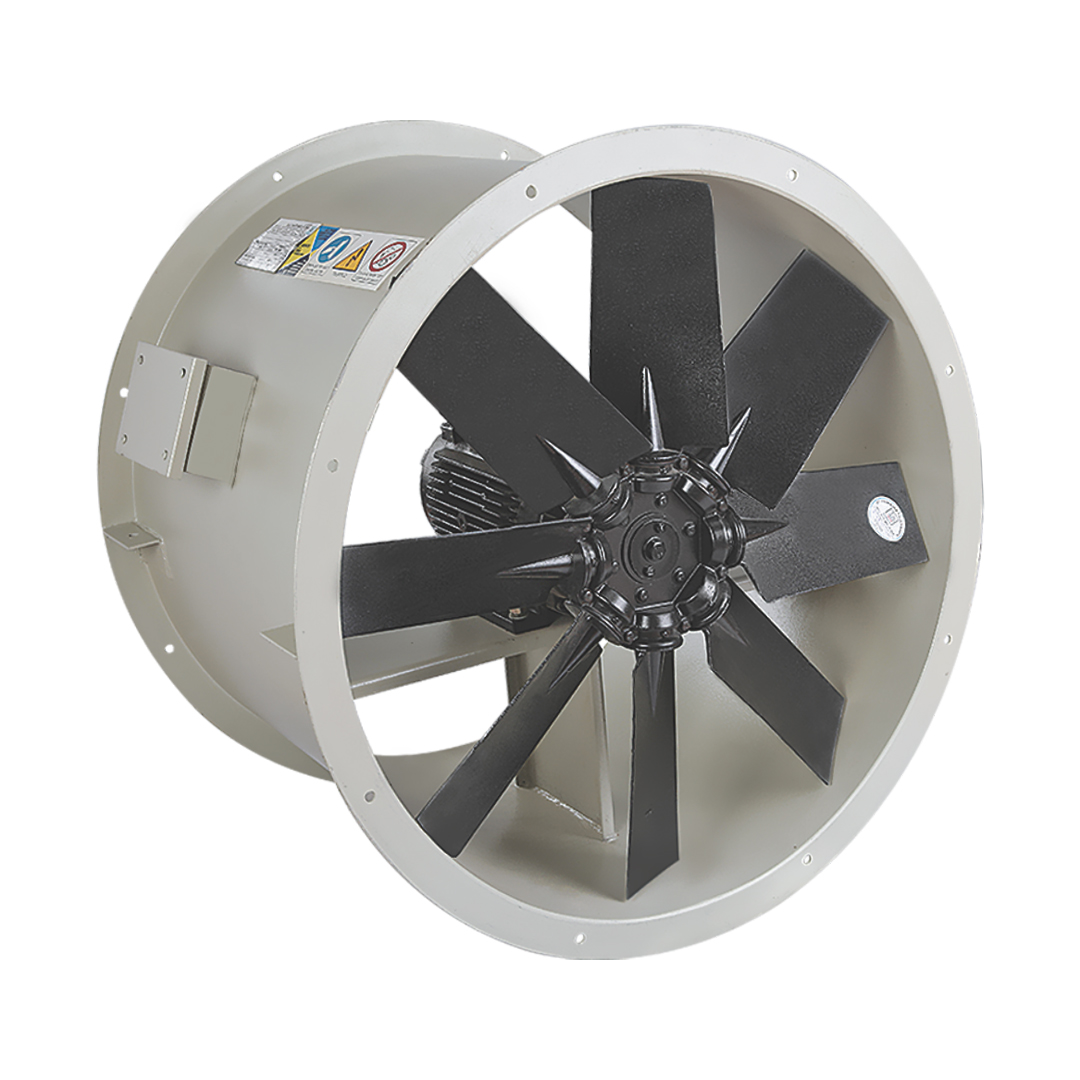
Industrial Axial Flow Exhaust Fan - High Airflow Metal Ventilation System
View Details
Industrial Axial Flow Exhaust Fan - High Airflow Metal Ventilation System
View Details

Industrial Axial Metal Exhaust Fan – High Airflow Ventilation System
View Details
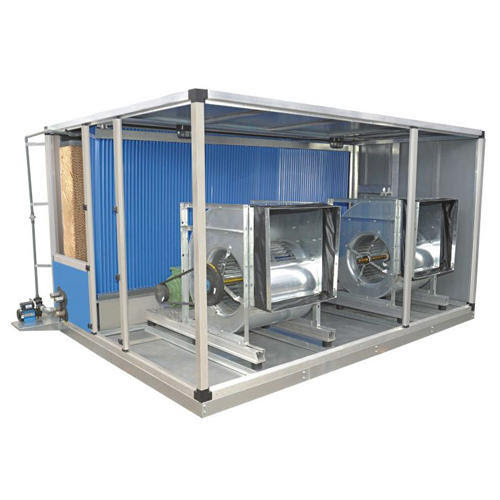
Industrial Fresh Air Handling Unit – High Efficiency Ventilation System
View Details
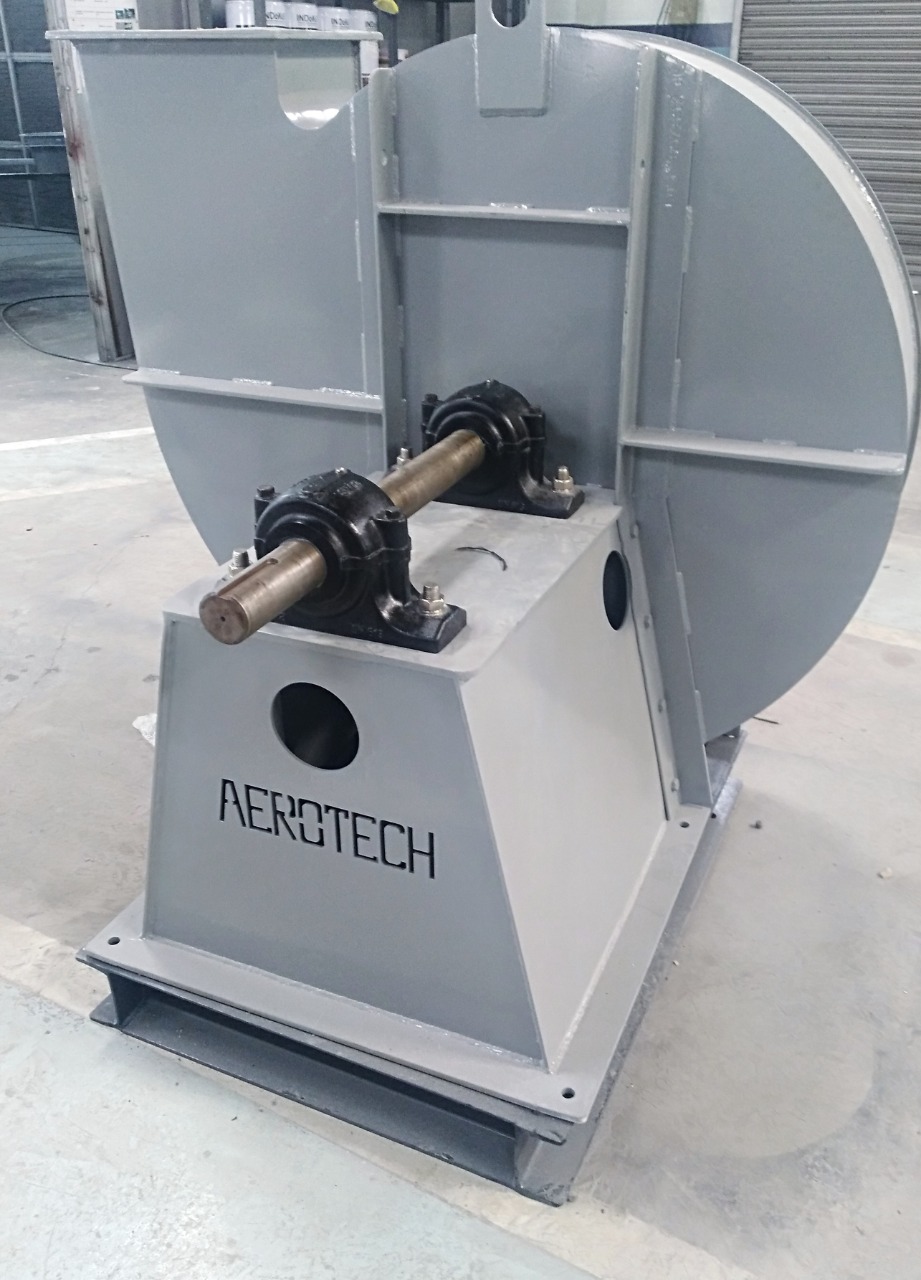
Industrial Centrifugal Air Ventilation System – Heavy Duty Steel Housing
View Details
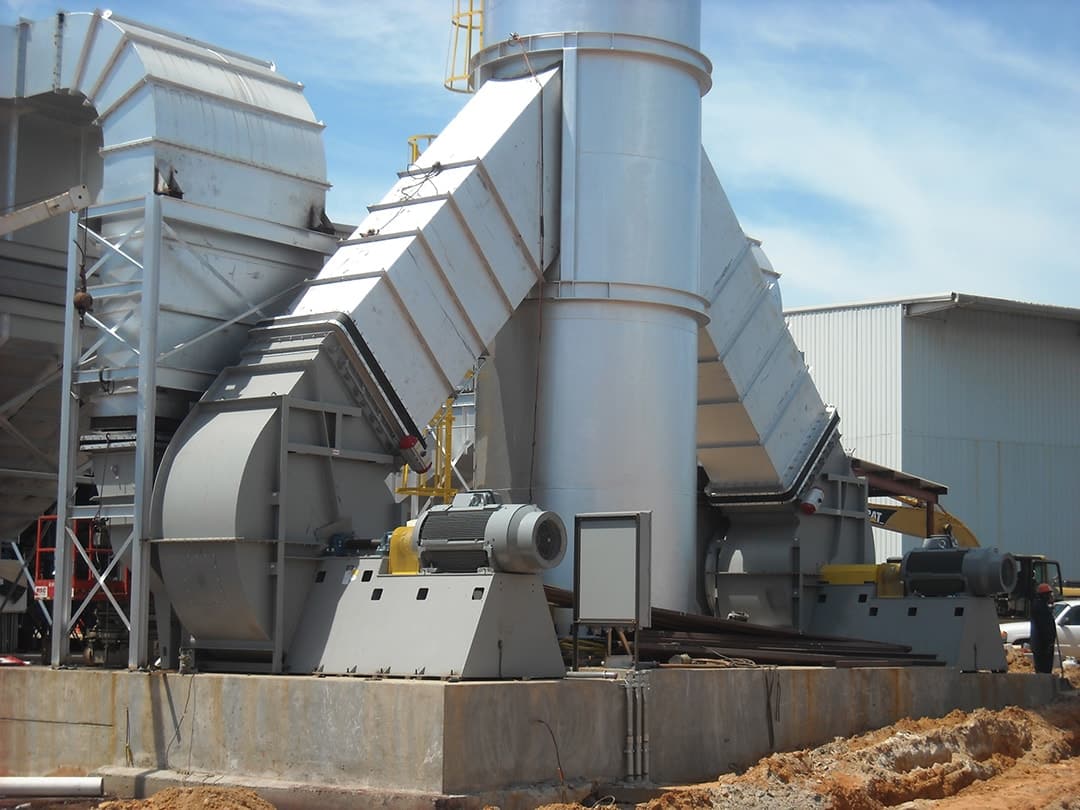
High-Capacity Industrial Centrifugal Ventilator - Heavy-Duty Airflow System
View Details
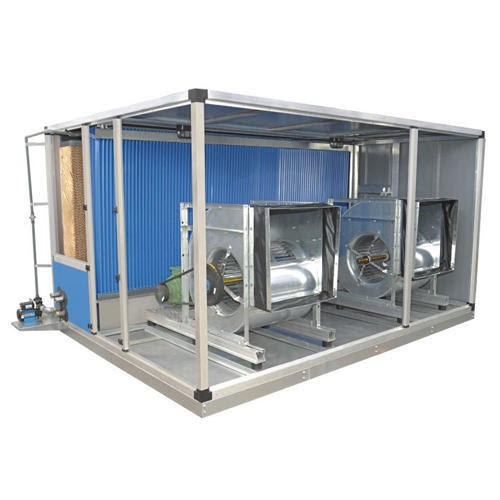
Industrial Evaporative Air Cooling Unit - High Efficiency HVAC System
View Details
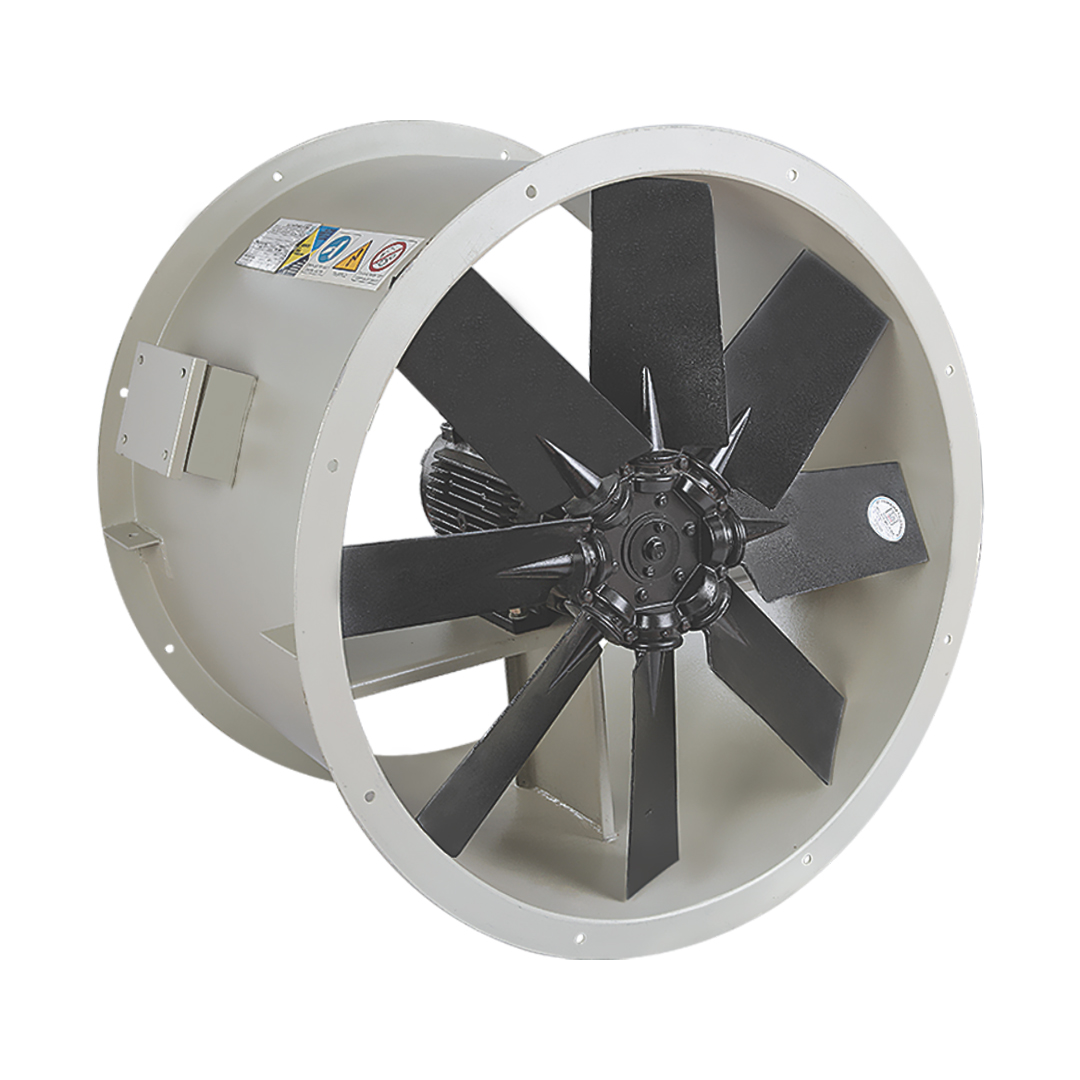
Industrial Axial Flow Fan - High Efficiency Air Ventilation System
View Details
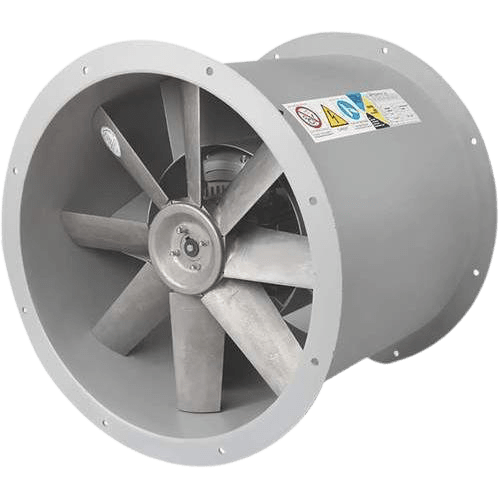
Heavy-Duty Industrial Vane Axial Fan – High Airflow Ventilation System
View DetailsIndustrial ventilation and airflow systems play a vital role in maintaining healthy, efficient, and compliant workplaces. These systems help control heat, humidity, fumes, and airborne particles, ensuring safe air quality and stable working conditions. Whether for a metal fabrication plant, food processing unit, or automotive assembly line, a well-designed ventilation setup directly supports productivity and employee comfort.
Aeppl designs and manufactures industrial ventilation and airflow systems that suit diverse industrial environments. Each system is engineered for durability, balanced airflow, and easy integration with existing building or process layouts. For inquiries, call +91-9599785811, +91 8377077661, or +91 9810162210, or email sales@aeppl.com.
Modern facilities demand ventilation systems that maintain steady airflow while minimizing energy use. The goal is to achieve reliable air exchange without excessive power consumption. Aeppl focuses on mechanical precision and robust design, ensuring dependable performance under continuous industrial operation.
Industrial ventilation and airflow systems are used across numerous sectors, including steel manufacturing, automotive production, chemical processing, food and beverage, and power generation. Effective air handling extends equipment life, reduces maintenance issues, and helps meet safety regulations. Aeppl's systems are designed to comply with both local and international standards for industrial air management.
| System Type | Best For | Key Advantage |
|---|---|---|
| Industrial Axial Flow Fan | Large volume air movement | Compact design with high efficiency |
| Industrial Centrifugal Ventilator | High pressure applications | Stable performance under varying loads |
| Evaporative Air Cooling Unit | Temperature control and cooling | Low operating cost and eco-friendly design |
Each configuration can be tailored for process ventilation, localized exhaust, or full-building air circulation. Aeppl engineers assess layout, environmental conditions, and performance goals to recommend the best system combination.
| Feature | Axial Systems | Centrifugal Systems |
|---|---|---|
| Airflow Volume | High | Moderate to High |
| Pressure Capability | Low to Medium | Medium to High |
| Maintenance Level | Low | Medium |
| Energy Efficiency | Excellent | Good |
Understanding these parameters helps facility managers and engineers choose systems that match operational requirements. Aeppl offers technical consultation to ensure accurate sizing and energy optimization for each installation.
Ventilation systems must meet modern energy and environmental standards. Aeppl incorporates sustainability principles through efficient fan designs and optimized duct layouts that help reduce energy use and carbon emissions. These systems support industrial facilities in achieving long-term energy goals while maintaining dependable air performance.
Aeppl (Aerotech Equipments and Projects Pvt. Ltd.) is an Indian manufacturer specializing in industrial air handling and ventilation equipment. With decades of engineering experience, Aeppl delivers reliable, energy-conscious solutions for complex manufacturing environments. Visit Aeppl to learn more or contact the team at +91-9599785811, +91 8377077661, +91 9810162210, or sales@aeppl.com.
They manage air quality, temperature, and airborne contaminants in industrial spaces to maintain safe and efficient operations.
Axial systems move large volumes of air with lower pressure, while centrifugal systems provide higher pressure suitable for ducted or localized ventilation.
Airflow needs, pressure requirements, energy efficiency, space limitations, and compliance standards should guide selection.
Yes, efficient motor designs and optimized airflow paths can significantly reduce electricity consumption over time.
Specialized models with spark-resistant or corrosion-proof components can be used safely in hazardous or chemical areas.
Routine inspection every 6 to 12 months is recommended to maintain consistent airflow and prevent downtime.
Proper ventilation reduces exposure to heat, fumes, and dust, improving worker comfort and compliance with safety norms.
Yes, many systems can be integrated with automated controls to adjust airflow based on temperature or production activity.
Aeppl combines proven engineering with durable materials and energy-efficient designs to deliver reliable long-term performance.
You can reach Aeppl at +91-9599785811, +91 8377077661, +91 9810162210, or email sales@aeppl.com for consultation and quotes.