

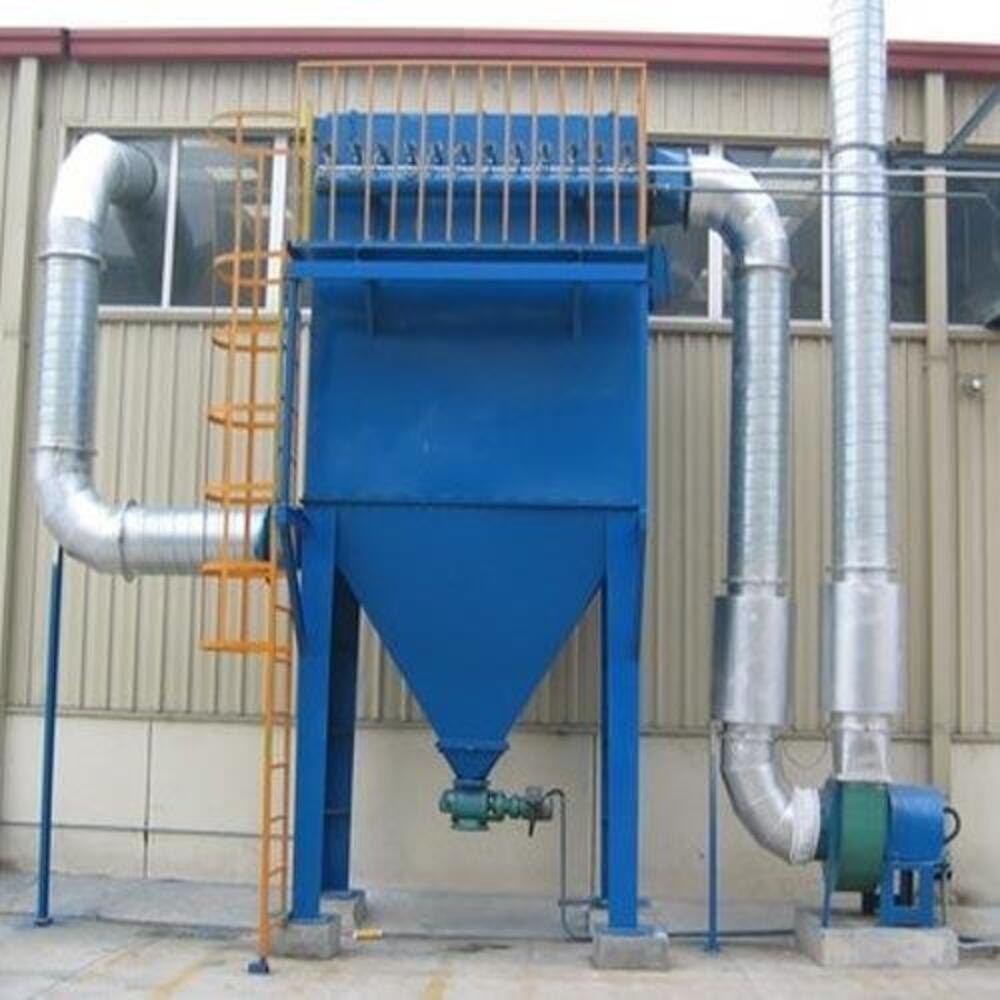
Industrial Mechanical Dust Collector System - High-Efficiency Air Filtration Unit
View Details
Industrial Mechanical Dust Collector System - High-Efficiency Air Filtration Unit
View Details
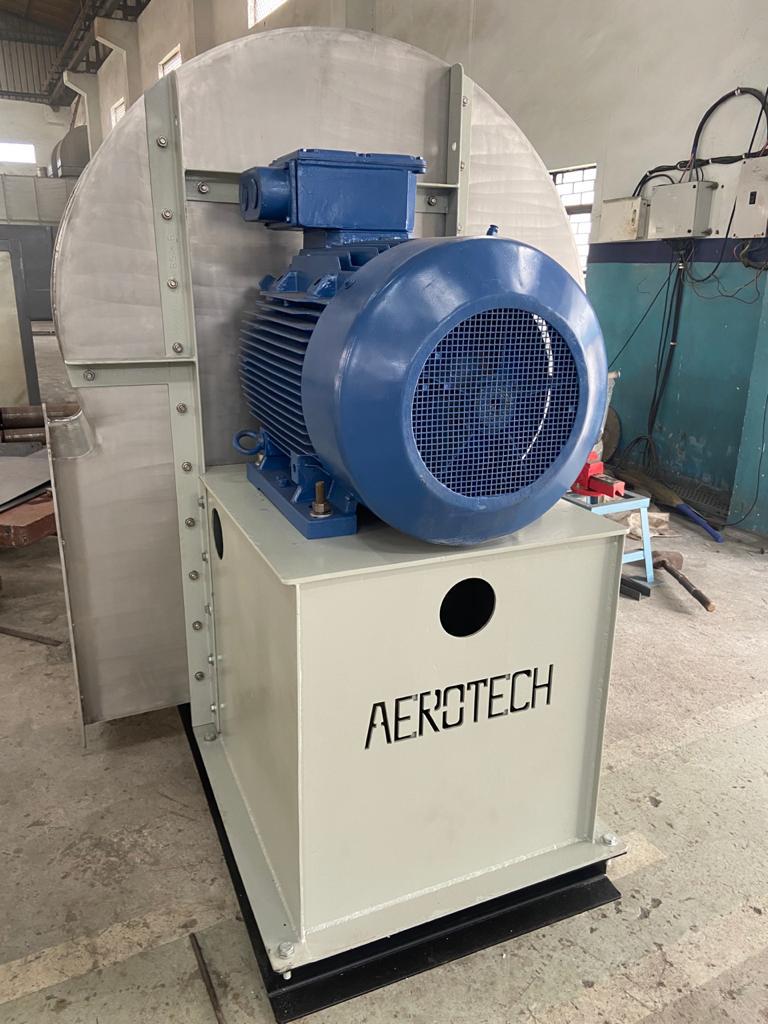
Industrial Centrifugal Blower Fan – High Efficiency Air Handling System
View Details
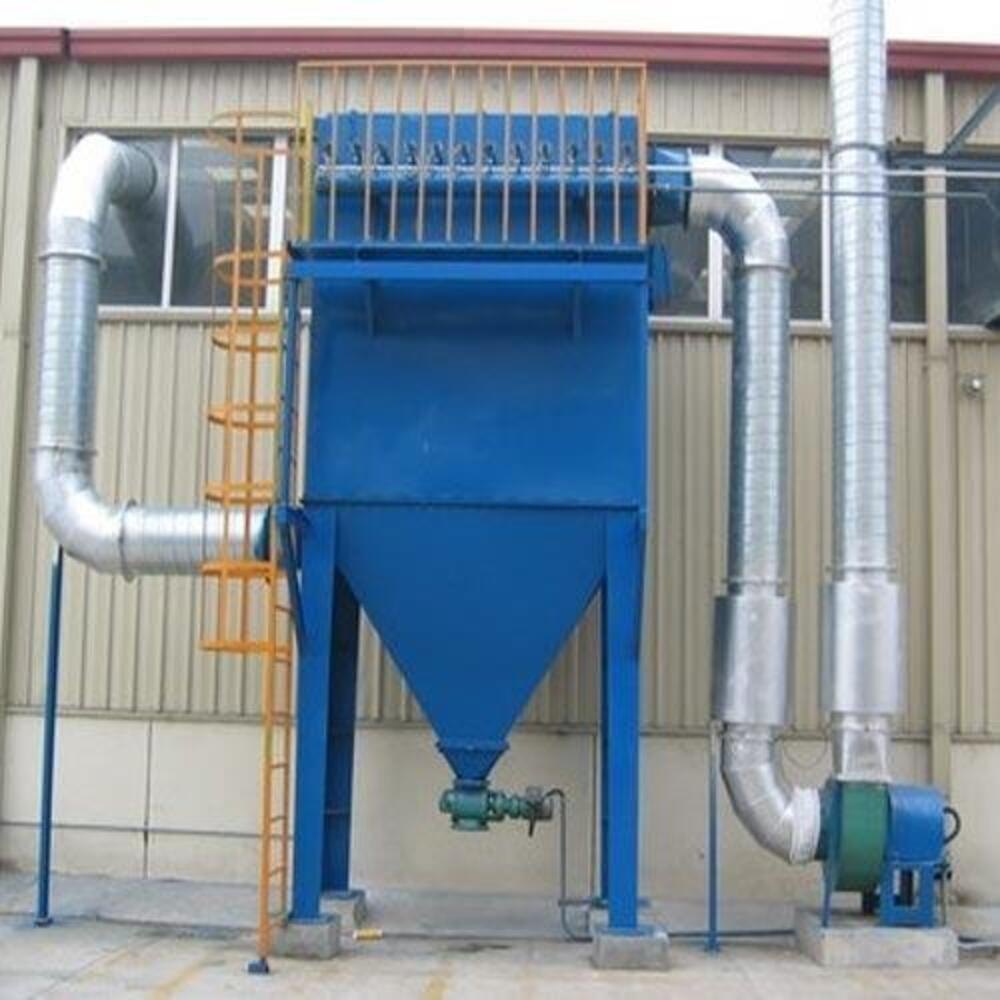
Industrial Pulse Jet Dust Collector - High Efficiency Filtration System
View Details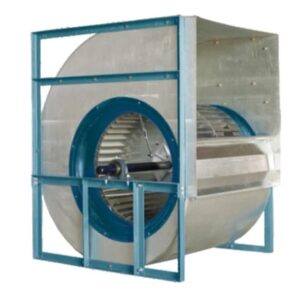

Industrial Forward Curved Centrifugal Blower – High Efficiency Air Handling Fan
View Details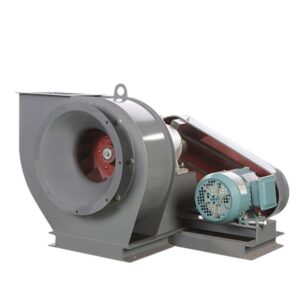
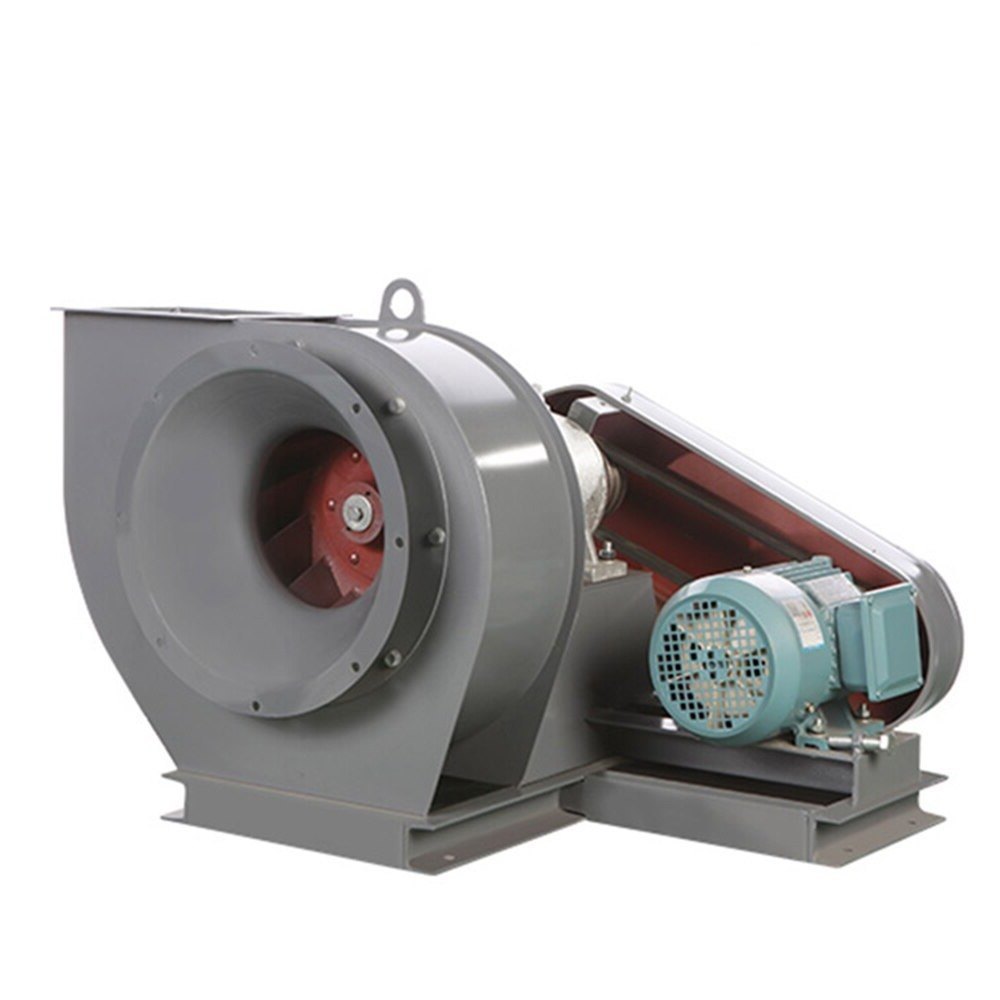
Industrial Centrifugal Draft Fan – High Efficiency Air Blower System
View Details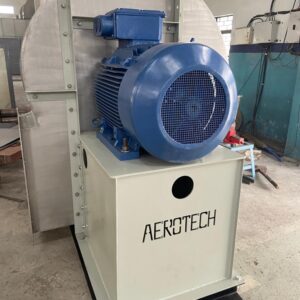
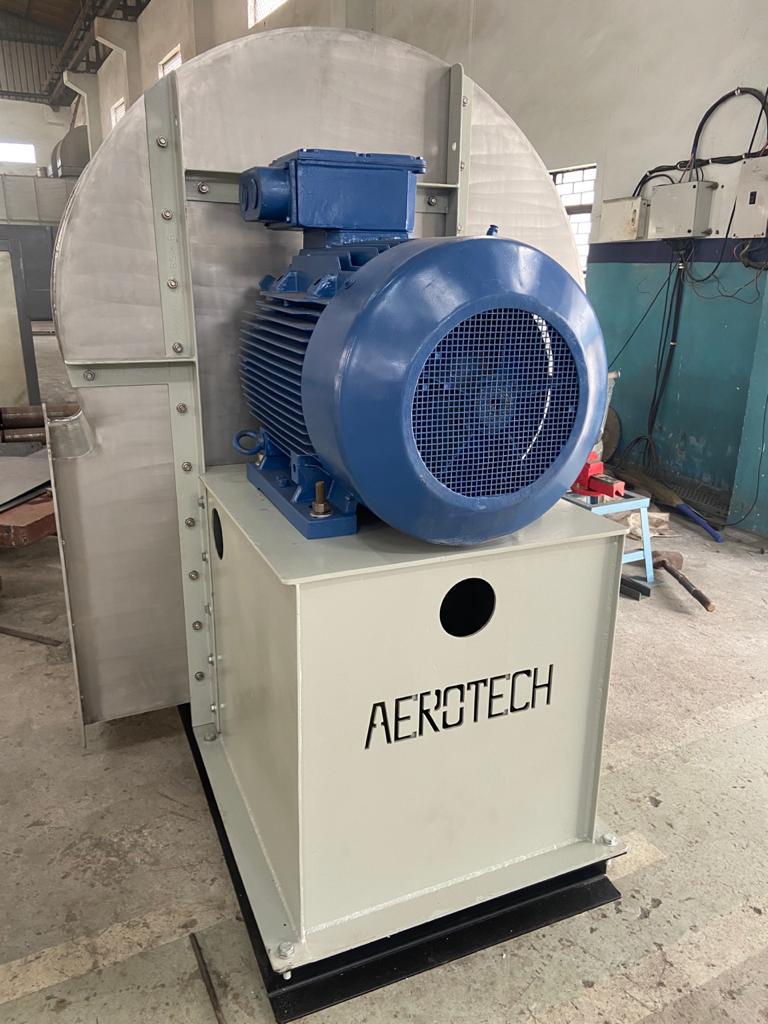
Aerotech Industrial Centrifugal Fan Blower – High-Pressure Air Handling System
View Details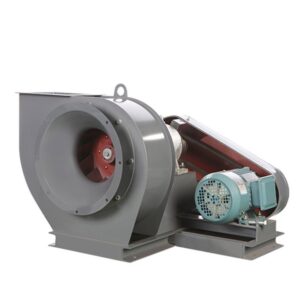
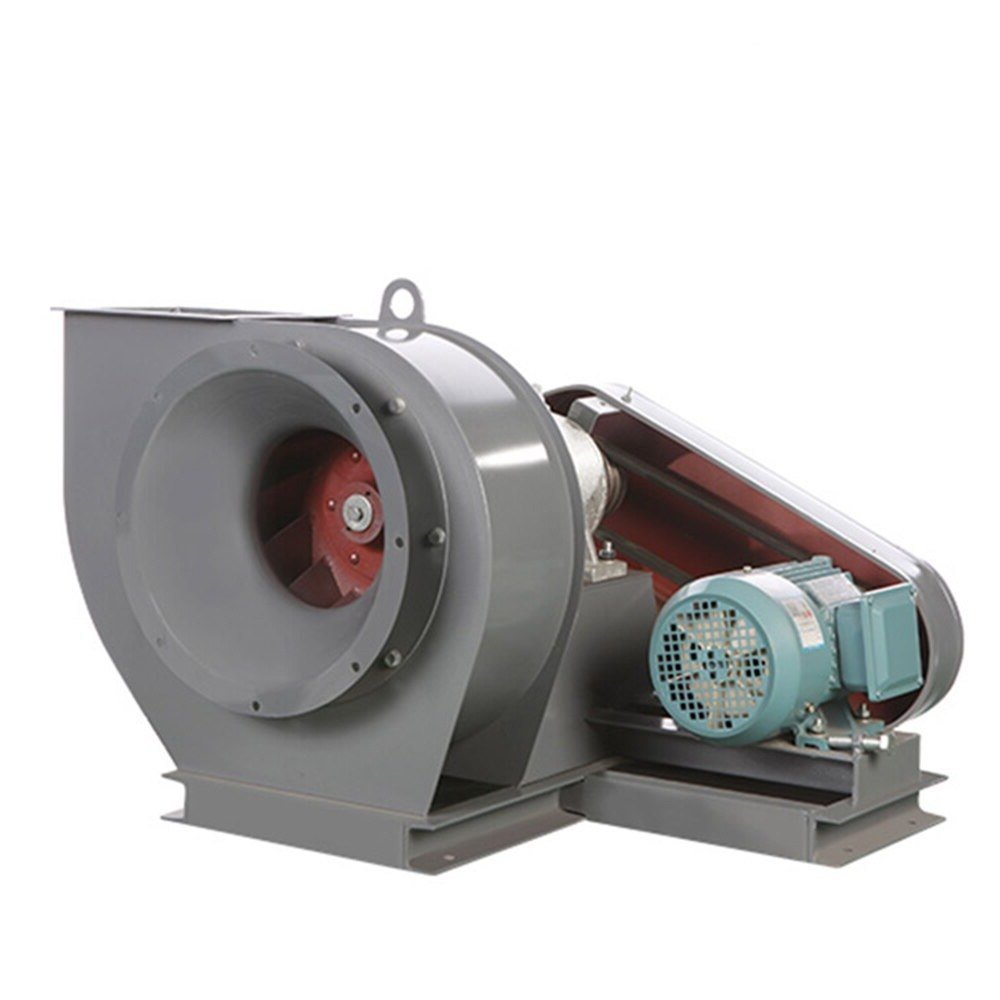
High-Pressure Industrial Centrifugal Blower Fan – Heavy-Duty Air Handling System
View Details
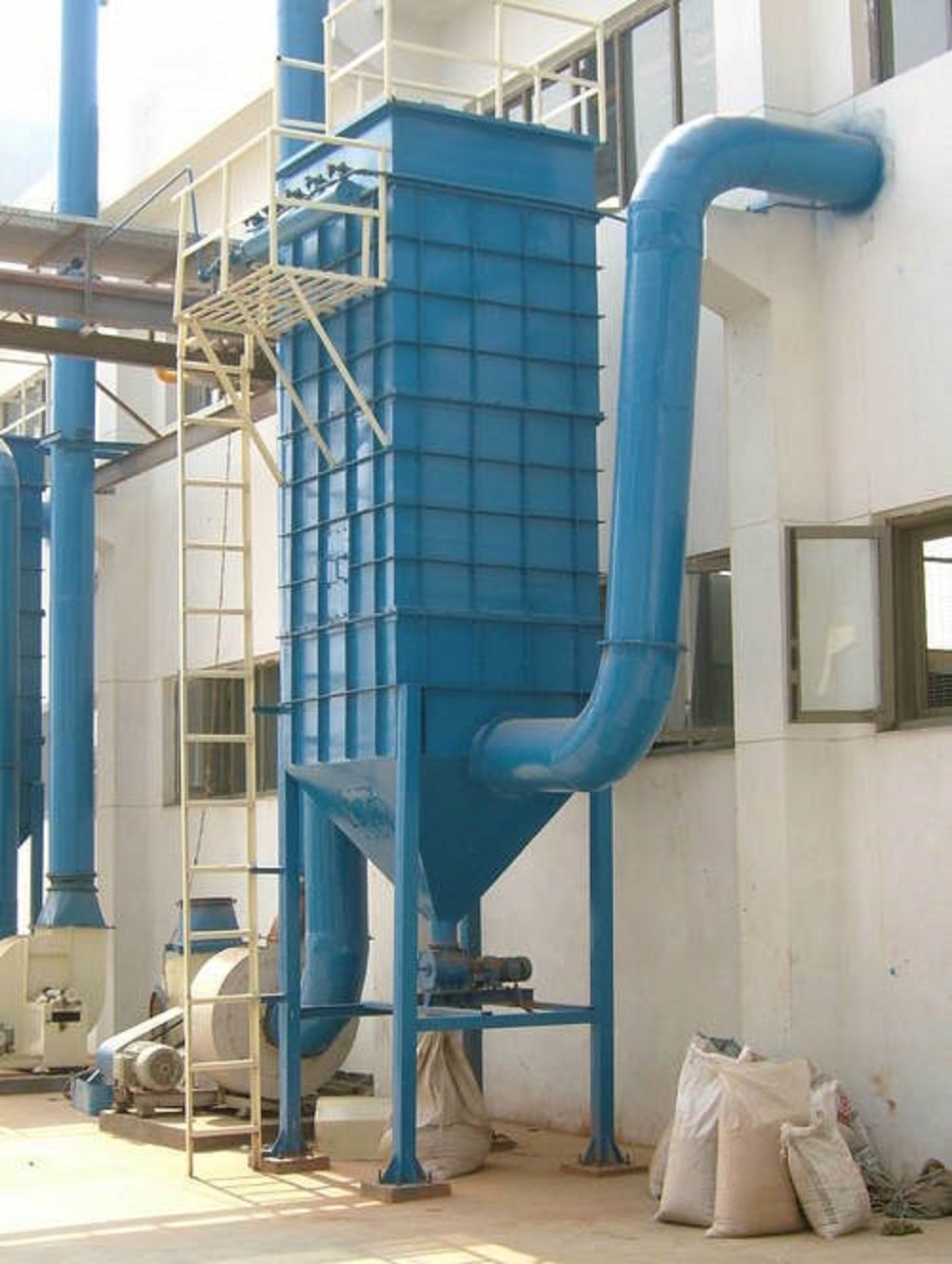
Industrial Dust Collection Bag Filter System - High Efficiency Air Filtration Unit
View DetailsEfficient air movement is vital for any workspace handling fine particulates, fumes, or debris. Dust collector fans and blower systems help maintain cleaner air, improve equipment performance, and support worker safety. This guide covers how these systems work, what to consider when selecting one, and where professionals turn for dependable solutions.
Dust collector fans are the driving force behind air filtration setups. They pull contaminated air from production areas into filtration units where dust and particles are separated before clean air is returned to the environment. The fan must deliver consistent airflow while maintaining energy efficiency and quiet operation.
Each component affects performance, making proper sizing and configuration essential for smooth operation.
Dust collector fans and blowers are used across many industries, including woodworking, metal fabrication, food processing, and chemical production. In these environments, airborne particles can damage machinery or create health hazards. A well-designed fan system helps reduce downtime and keeps air quality within safe limits.
Fine sawdust and chips accumulate quickly. A reliable blower system keeps air clear and prevents buildup on tools and surfaces.
Grinding and cutting produce metallic dust that can corrode surfaces and affect precision tools. Proper air movement helps protect equipment and operators.
Maintaining clean air prevents contamination and supports compliance with strict hygiene standards.
Selecting the right fan involves balancing airflow, static pressure, and power requirements. Consider the following factors when evaluating options:
Consulting with an experienced engineer or supplier ensures your system matches the scale and demands of your operation.
Different blower designs serve specific applications. The most common types include:
| Type | Best For | Typical Use |
|---|---|---|
| Centrifugal Blower | High pressure | Dust collection and pneumatic conveying |
| Axial Fan | High airflow, low pressure | Ventilation and cooling |
| Regenerative Blower | Continuous duty | Vacuum hold-down and aeration |
Each design offers unique benefits depending on required airflow patterns and pressure levels.
Regular maintenance keeps dust collector fans and blowers performing efficiently. Key practices include inspecting bearings, cleaning impellers, checking belt tension, and monitoring vibration levels. Preventive care not only extends equipment life but also prevents unexpected downtime.
Modern blower systems often include variable frequency drives that adjust motor speed based on demand. This reduces energy consumption and wear. Upgrading older fans can yield measurable savings and quieter operation.
Proper installation ensures consistent airflow and minimal noise. Align ductwork carefully, secure mounts, and verify that the fan rotates in the correct direction. Use flexible connectors to absorb vibration and prevent stress on ducts.
Dust collection systems must comply with local air quality and safety standards. Explosion-proof motors or spark-resistant materials may be required in environments with combustible dust. Always review applicable codes before installation.
When industrial facilities need dependable dust collector fans and blower systems, Aeppl is a trusted source. The company offers engineered solutions built for durability and performance, supporting operations of all sizes. With attention to detail and proven reliability, Aeppl helps businesses maintain cleaner, safer workspaces.
For guidance on selecting or maintaining dust collector fans and blowers, reach out to a qualified technician or supplier. Expert advice ensures you get the right system for your application and budget.
Aeppl designs and supplies industrial air movement solutions with a focus on precision engineering and long-term reliability. Each product reflects careful craftsmanship and attention to performance. Visit Aeppl
A dust collector fan moves contaminated air through filters or separators, removing particles before clean air returns to the workspace.
Calculate airflow needs based on equipment type, duct length, and filter resistance. A professional can help match the correct CFM and static pressure.
Fans move large volumes of air at low pressure, while blowers deliver higher pressure for more demanding filtration or pneumatic conveying tasks.
Inspect and clean components every few months depending on usage. Regular maintenance prevents buildup and improves efficiency.
Yes, properly sized and balanced fans reduce noise by minimizing turbulence and vibration.
Yes, centrifugal blowers are ideal for high-pressure applications that require consistent suction for fine dust and particulate removal.
Common materials include steel, aluminum, and reinforced composites chosen for durability and corrosion resistance.
Efficient motors and variable speed controls lower power use and reduce operational costs without sacrificing airflow.
Aeppl offers precision-engineered fans and blowers designed for reliability, backed by expert support and proven industrial performance.
You can explore and purchase Aeppl products directly through their website at https://aeppl.com for secure and convenient ordering.