
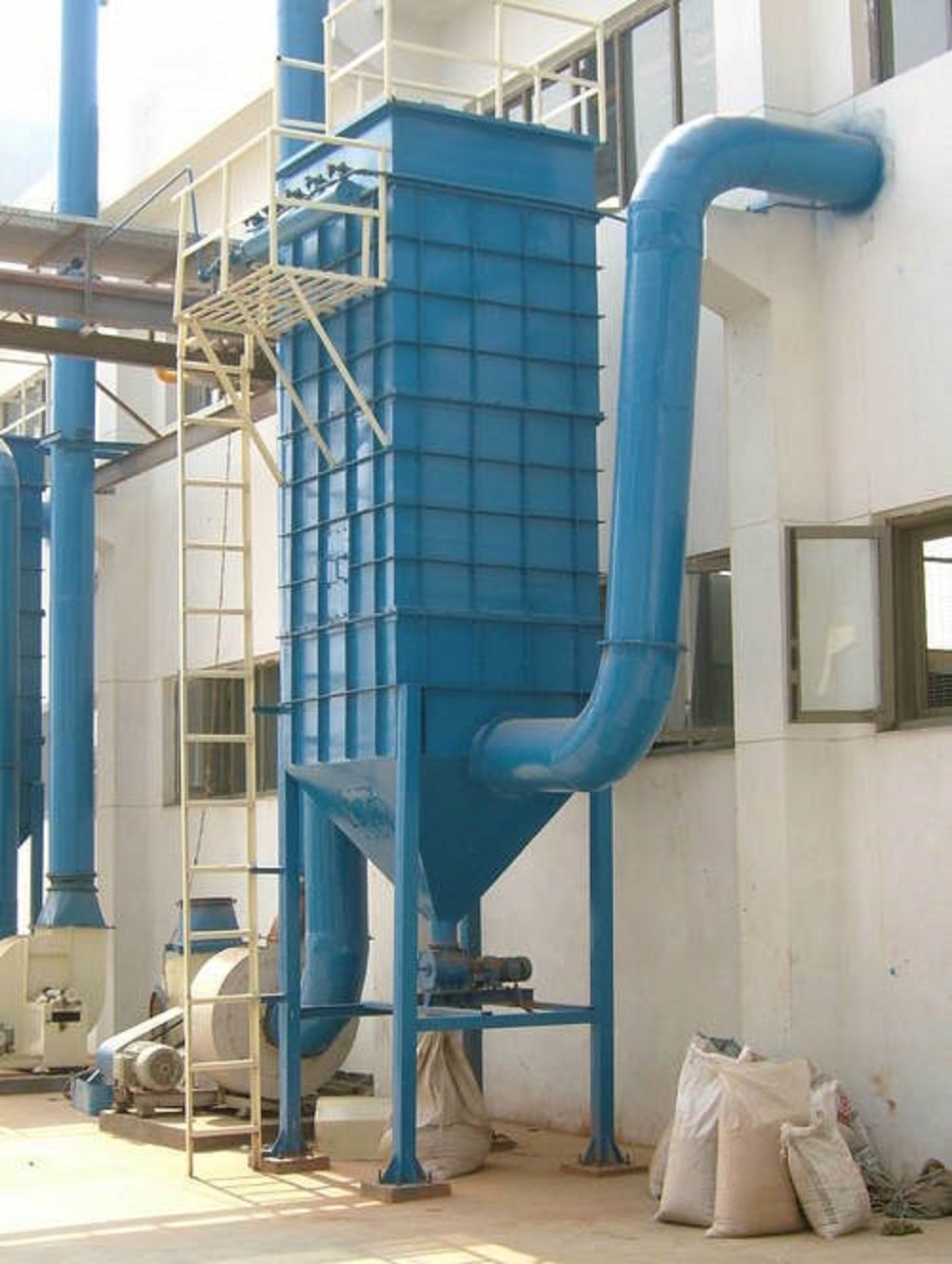
Industrial Dust Collection Bag Filter System - High Efficiency Air Filtration Unit
View Details
Industrial Dust Collection Bag Filter System - High Efficiency Air Filtration Unit
View Details
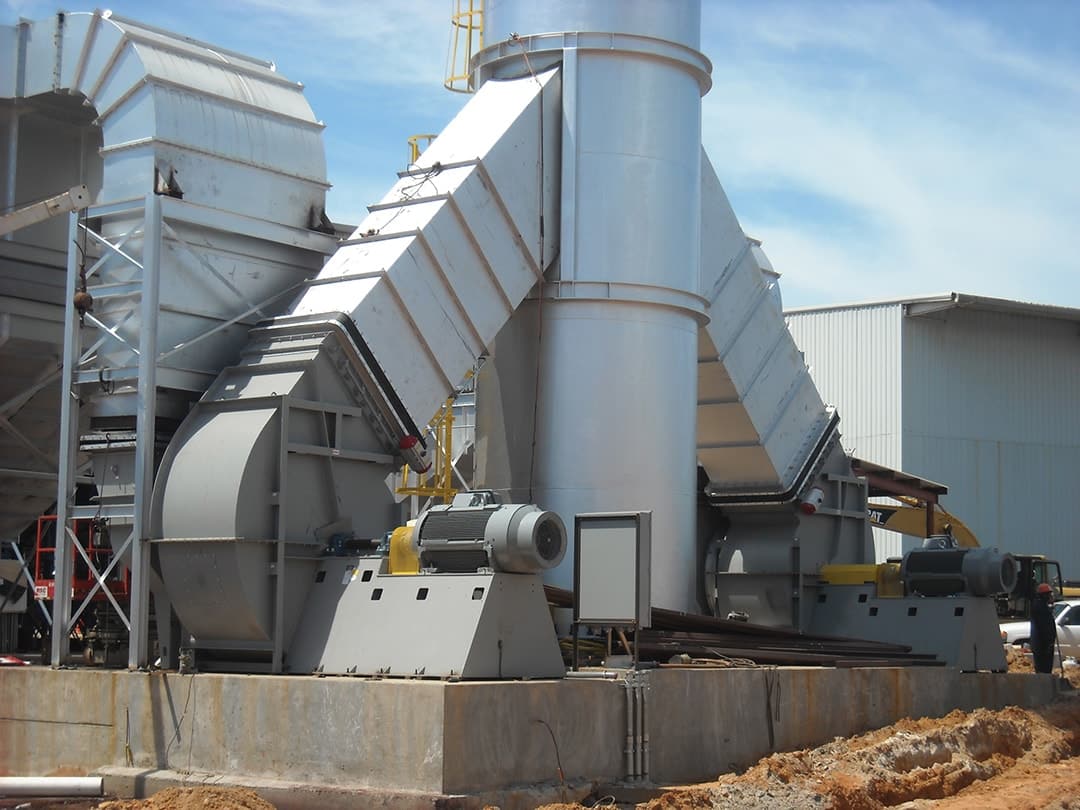
Industrial Fume Extraction System - High-Efficiency Air Filtration Unit
View Details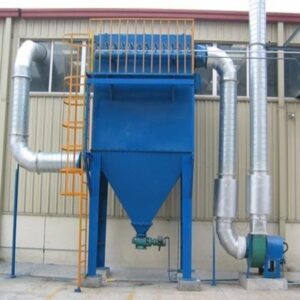
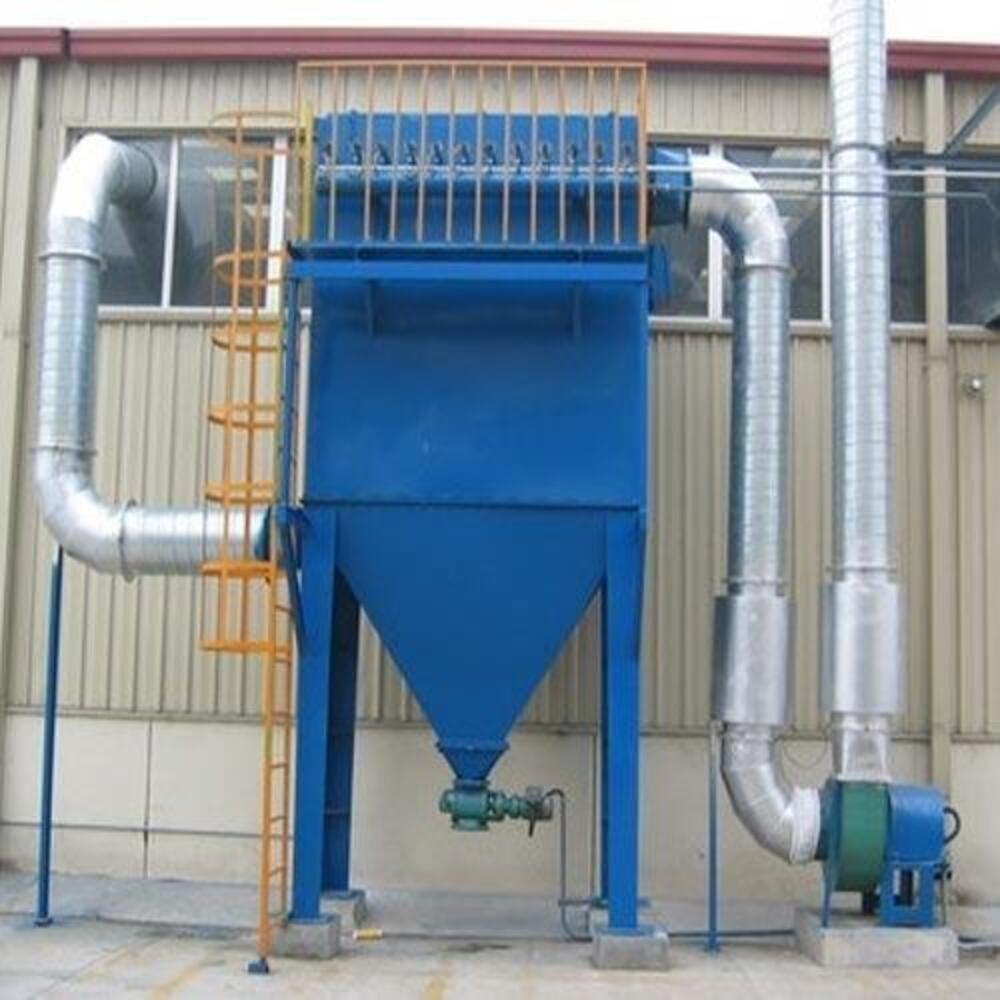
Industrial Bag Filter Dust Collection System - High-Efficiency Air Filtration Unit
View Details
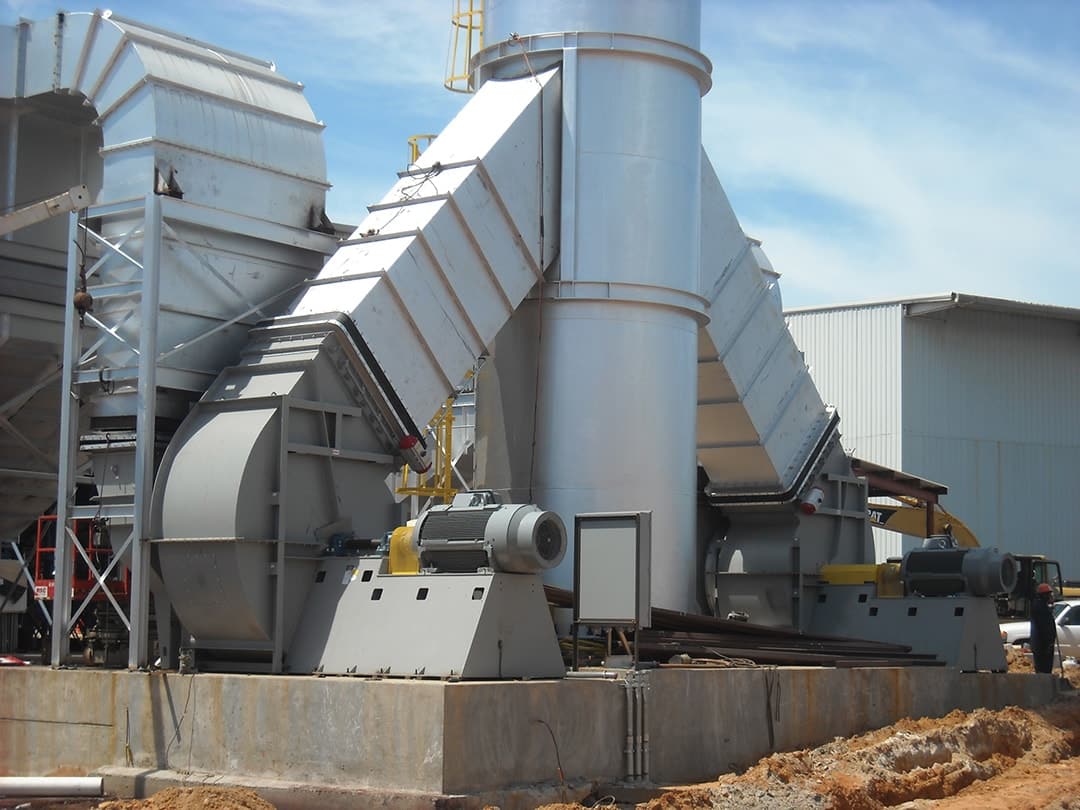
Heavy-Duty Industrial Fume Extraction System – High Capacity Air Filtration Unit
View Details
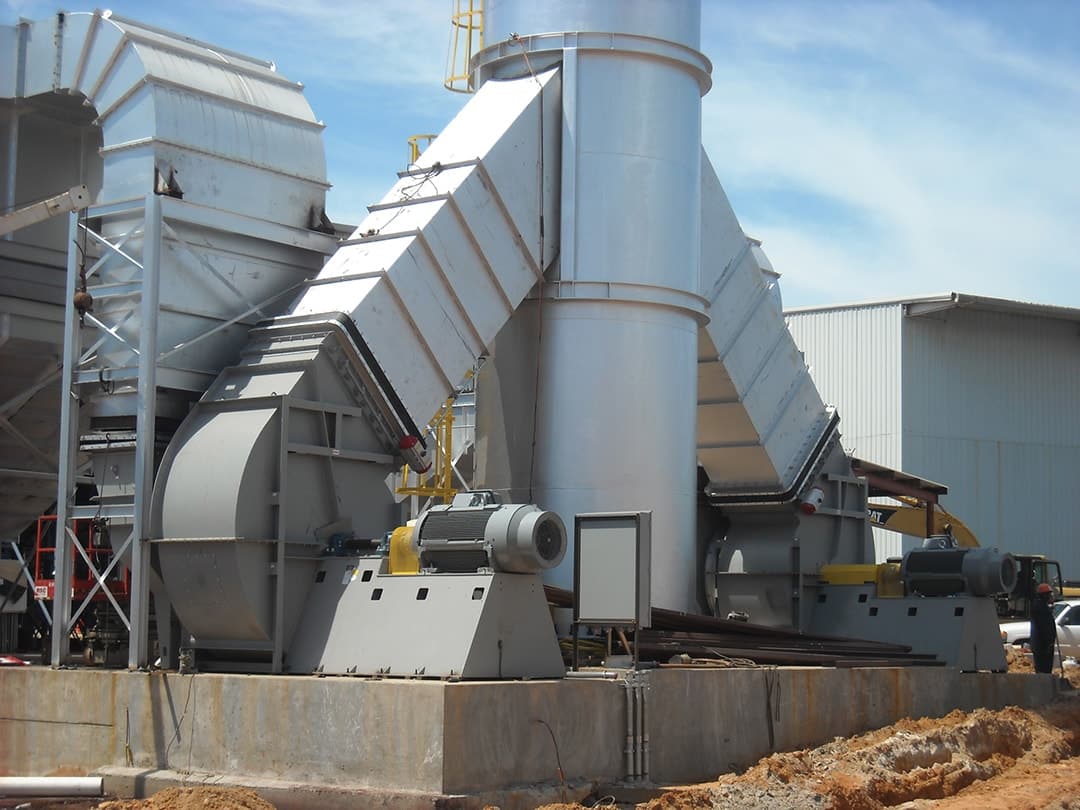
Industrial Fume Scrubber System - High-Efficiency Air Pollution Control Unit
View Details
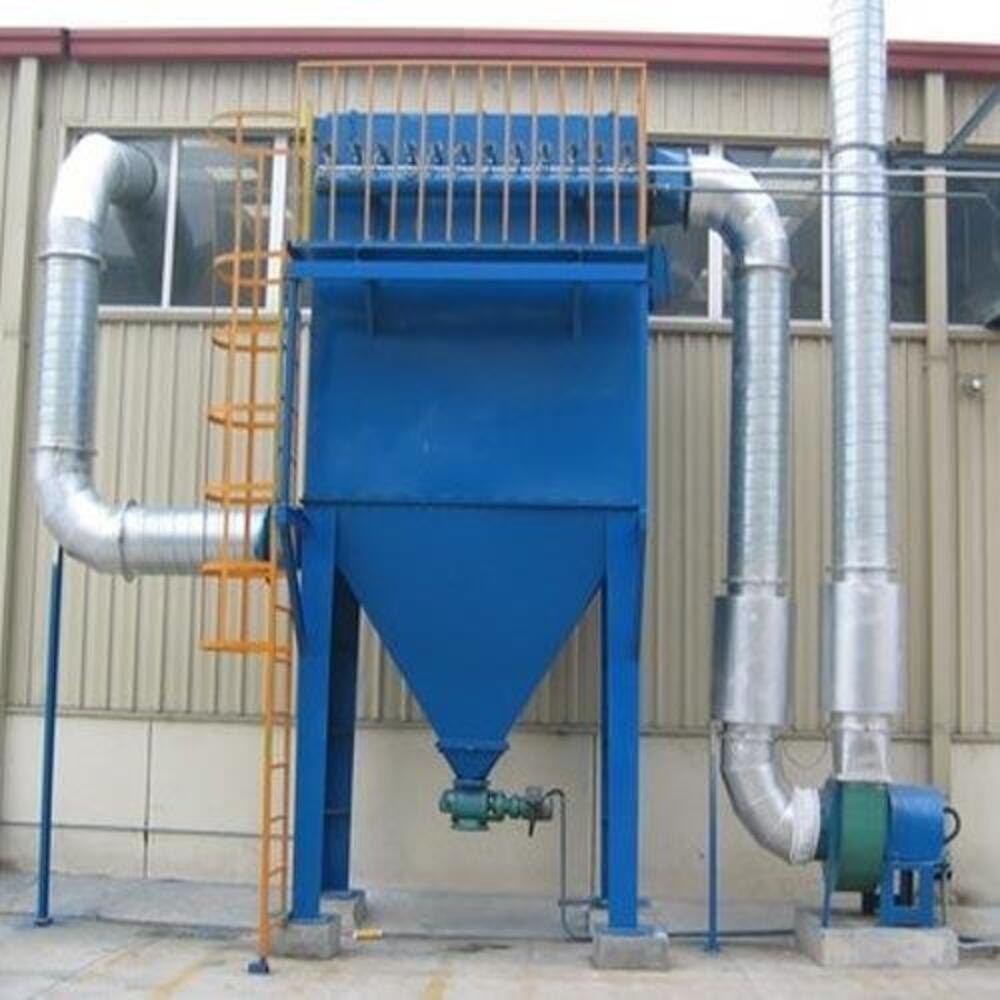
Industrial Mechanical Dust Collector System - High-Efficiency Air Filtration Unit
View Details
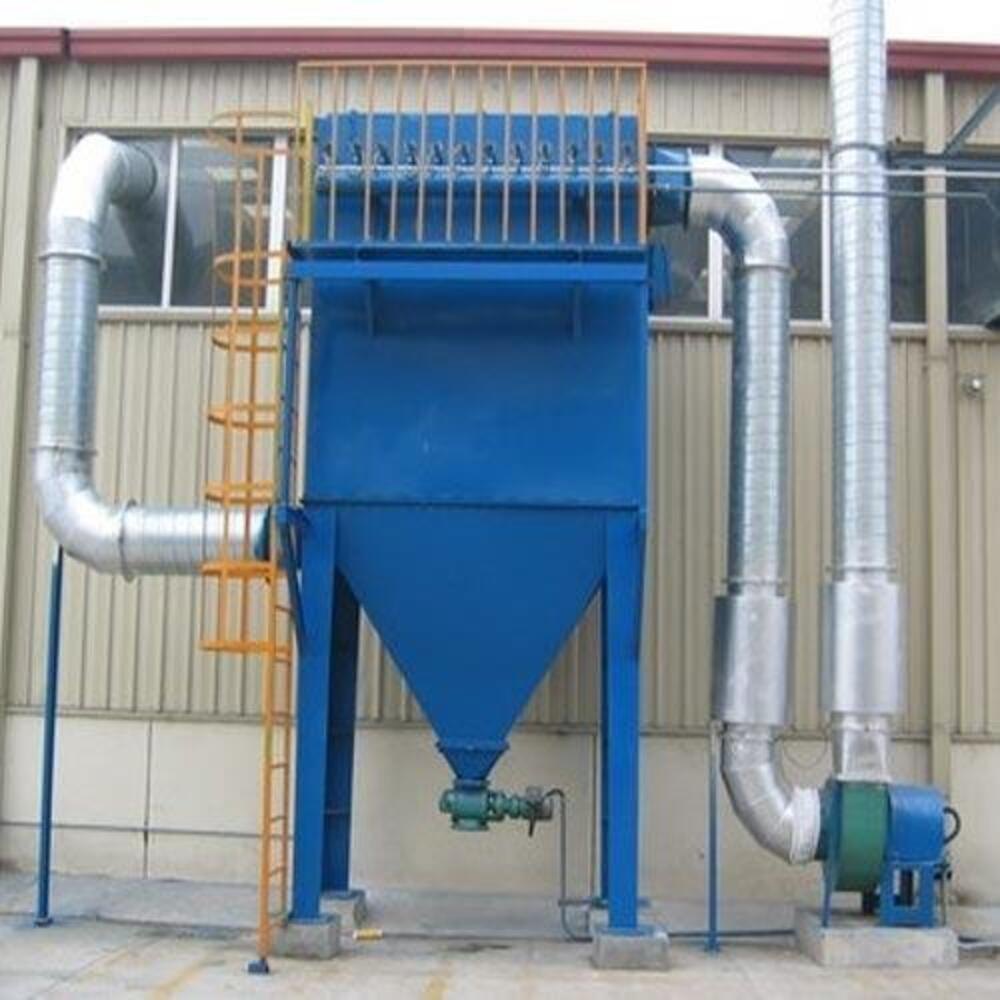
Industrial Dust Collection and Air Pollution Control System – High Efficiency Filter Unit
View Details
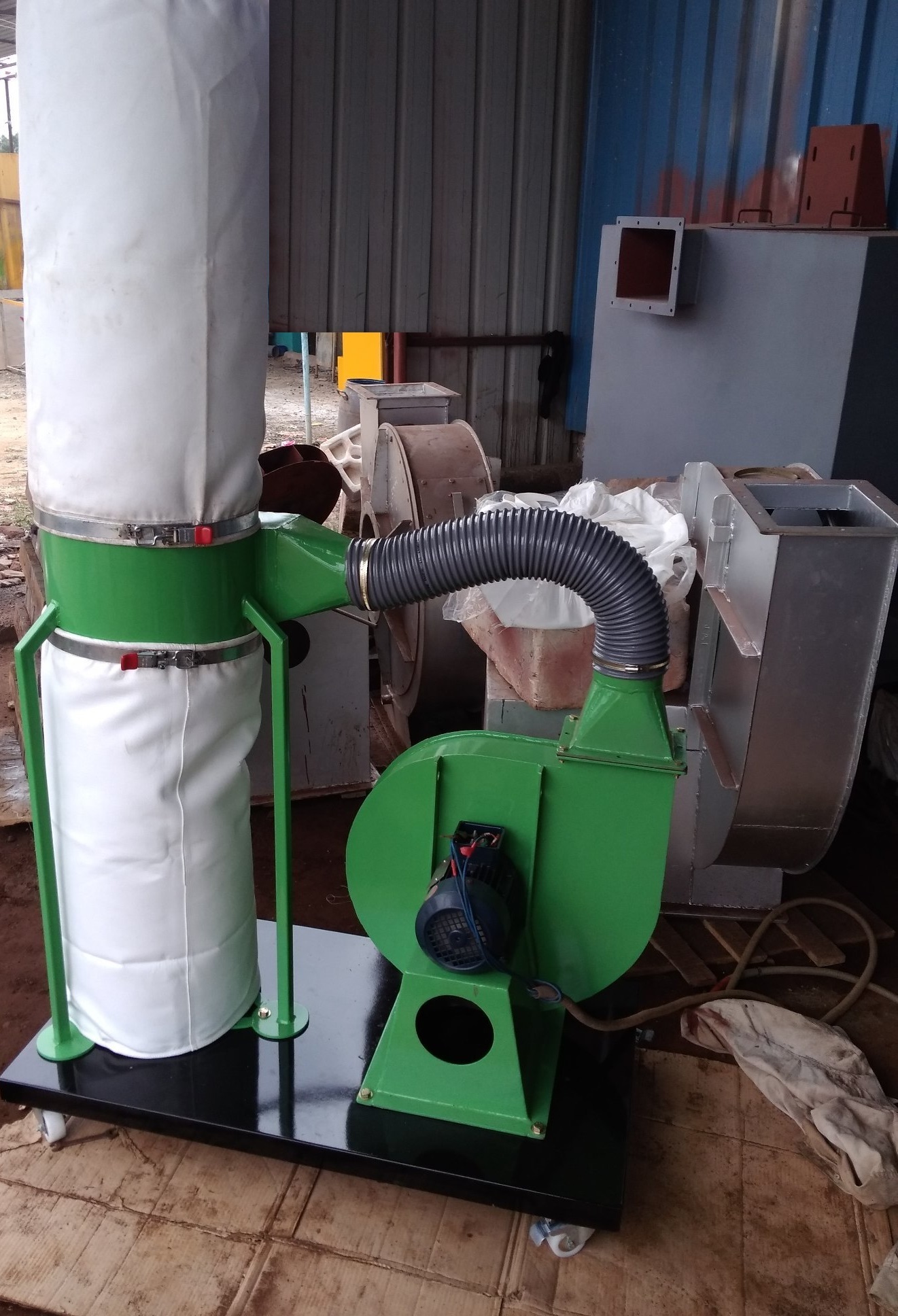
Industrial Portable Dust Collector - High-Efficiency Filtration System
View DetailsManaging odors in industrial settings is about more than comfort. It is essential for meeting environmental regulations and maintaining a safe, productive workspace. Air filtration for odor control reduces volatile organic compounds, chemical fumes, and process-related smells that can impact air quality and worker health. Facilities in sectors such as chemical processing, food manufacturing, and waste treatment depend on robust filtration systems that handle large air volumes while maintaining efficiency and reliability.
Strong or persistent odors often indicate incomplete filtration or poor ventilation. In facilities operating continuously, exposure to industrial fumes can lead to regulatory challenges and discomfort among employees. Effective odor control systems use multiple filtration stages, combining mechanical filters, activated carbon, and wet scrubbers to capture particles and neutralize gases before air is released.
| Filtration Type | Best For | Efficiency Range |
|---|---|---|
| Activated Carbon Filter | Gas and vapor odor removal | Up to 95% |
| Wet Scrubber System | Chemical and acidic fumes | Up to 98% |
| Bag Filter Unit | Dust and particulate odor control | Up to 99% |
Air filtration for odor control plays a key role across industries including food processing, pharmaceuticals, metal finishing, and waste management. Each environment requires specific airflow management to handle unique compounds. In India, stricter sustainability standards and global export requirements have made efficient odor control systems part of compliance audits and facility design planning.
Modern filtration systems can be connected to automated ventilation setups. Sensors monitor air quality and trigger maintenance alerts when filters need cleaning or replacement. This approach helps maintain reliability and reduces downtime. For plant engineers, choosing a system that aligns with smart facility infrastructure supports long-term scalability and operational consistency.
As industries move toward sustainability goals, energy-efficient air filtration for odor control has become a priority. Using low-resistance filters and optimized airflow designs helps reduce power consumption while maintaining filtration performance. Systems from Aeppl are built with durable materials to sustain airflow and minimize pressure drop over extended operating cycles.
Each system is designed to address specific odor profiles and particulate concentrations, ensuring proper filtration under varying process temperatures and humidity conditions.
When choosing a supplier for air filtration and odor control equipment, consider engineering experience, customization capability, and dependable support services. Aeppl provides consultation, installation, and maintenance assistance. With years of expertise in industrial air handling, Aeppl helps facilities achieve compliance and maintain consistent air quality.
| Selection Criteria | Considerations |
|---|---|
| Filtration Efficiency | Match system design to odor intensity and compound type |
| Energy Consumption | Review fan and motor efficiency ratings |
| Maintenance | Check filter lifespan and ease of replacement |
| Integration | Ensure compatibility with existing ventilation or control systems |
Aerotech Equipments and Projects Pvt. Ltd. (Aeppl) is an Indian manufacturer and exporter of air handling and ventilation systems for industrial odor control and pollution management. The company focuses on performance, safety, and energy efficiency, supporting industries worldwide with reliable equipment and technical expertise. Visit Aeppl
Air filtration for odor control removes gases, fumes, and odors from industrial air streams using filters and scrubbers before discharge or recirculation.
Industries such as food processing, chemical manufacturing, waste management, and pharmaceuticals use odor control systems to meet air quality standards.
Activated carbon filters adsorb volatile organic compounds and gaseous pollutants that cause odors, making them effective for chemical and food industries.
Airflow rate, filter media type, temperature, humidity, and concentration of odor-causing compounds all affect system performance.
Modern designs use low-resistance filters and efficient motors to reduce energy consumption while maintaining effective odor removal.
Yes, many systems include sensors and control modules that integrate with plant automation to monitor air quality and schedule maintenance.
Filter replacement depends on operating conditions and contaminant load, but regular inspection helps maintain consistent performance.
Yes, properly designed air filtration systems help facilities meet local and international air quality and emission regulations.
Aeppl offers tailored air filtration solutions built to match specific industrial odor profiles and airflow requirements.
You can reach Aeppl at +91-9599785811, +91 8377077661, +91 9810162210, or email sales@aeppl.com for technical consultation and product inquiries.