
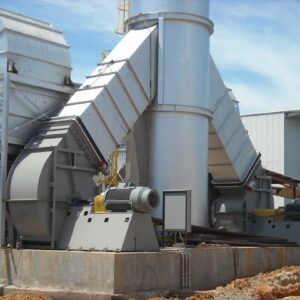
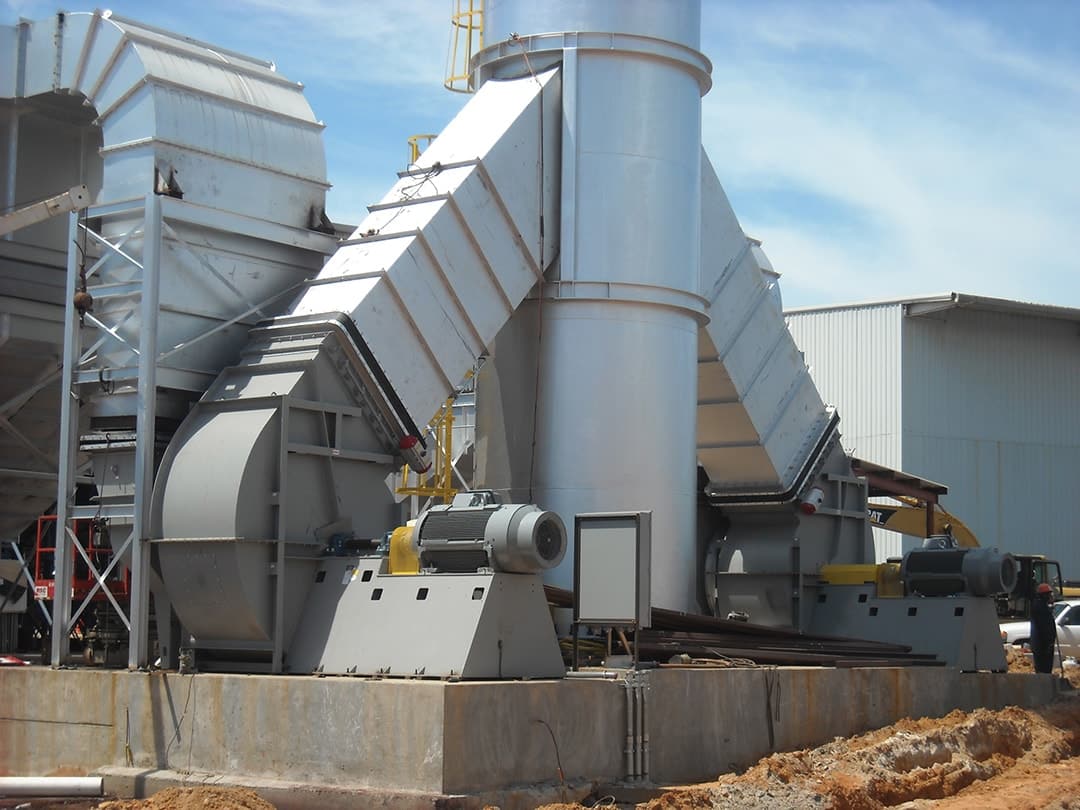
Industrial Fume Extraction System - High-Efficiency Air Filtration Unit
View Details
Industrial Fume Extraction System - High-Efficiency Air Filtration Unit
View Details
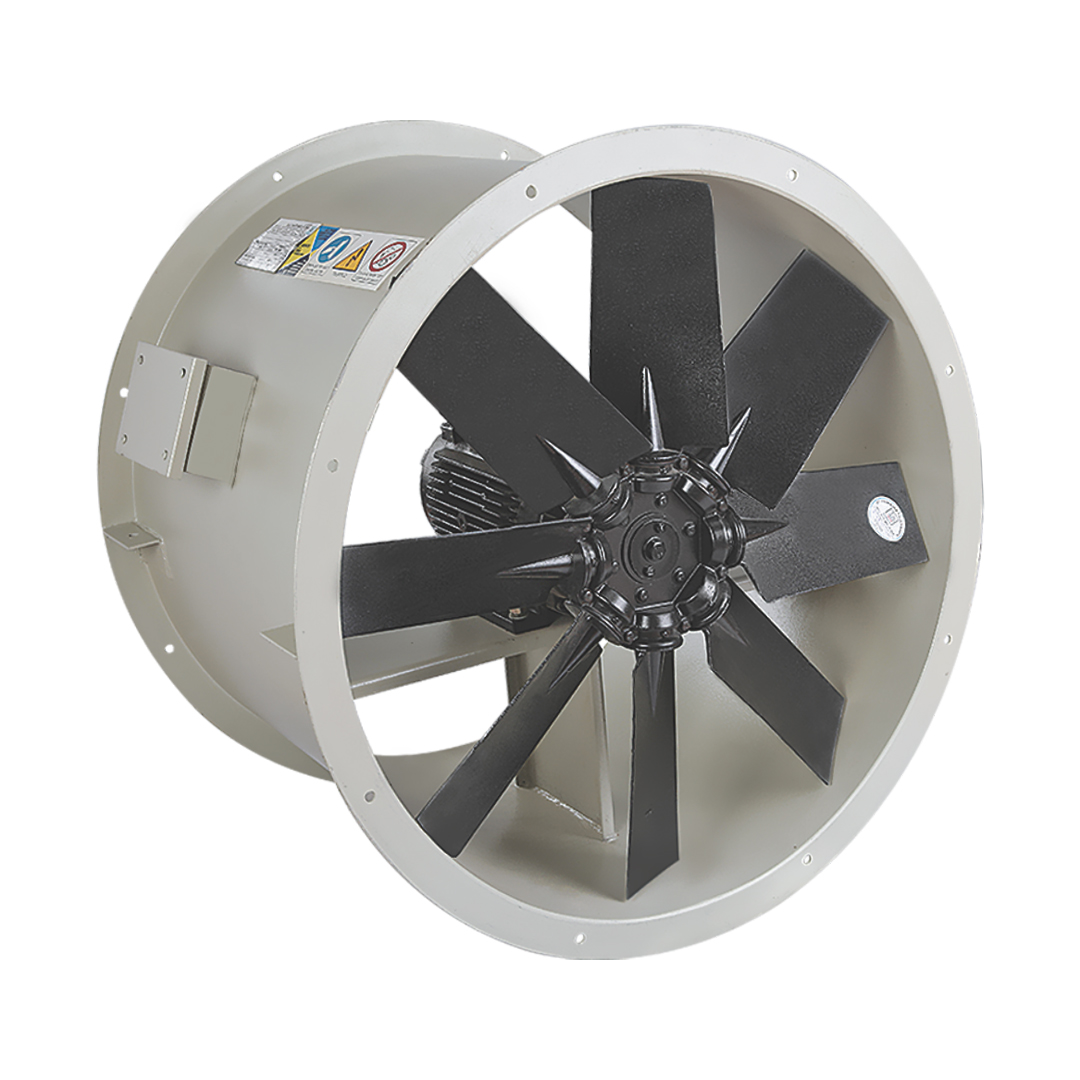
Industrial Axial Flow Exhaust Fan - High Airflow Metal Ventilation System
View Details
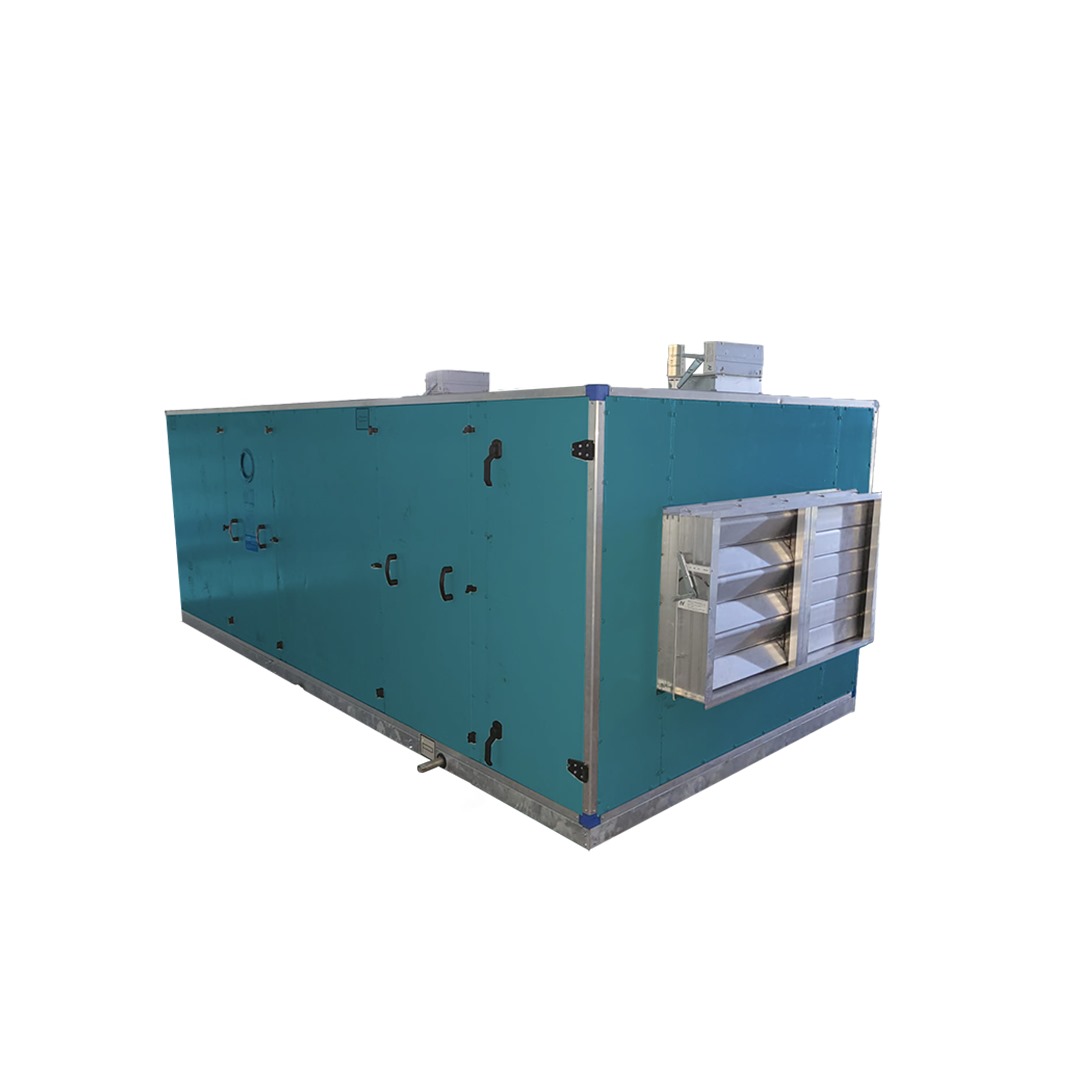
Industrial Modular Air Handling Unit - High Efficiency HVAC System
View Details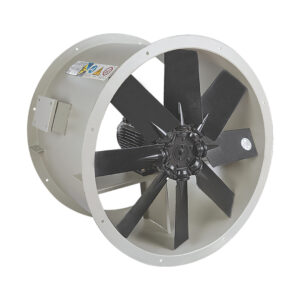

Industrial Axial Metal Exhaust Fan – High Airflow Ventilation System
View Details
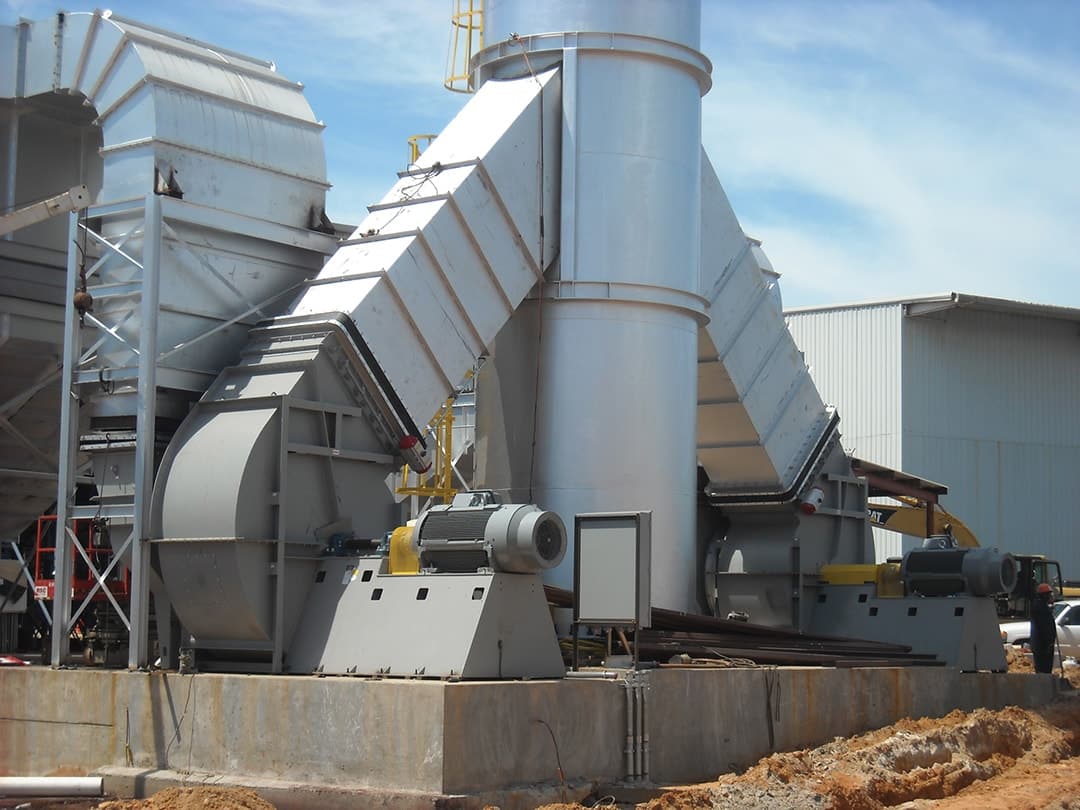
Industrial Fume Scrubber System - High-Efficiency Air Pollution Control Unit
View Details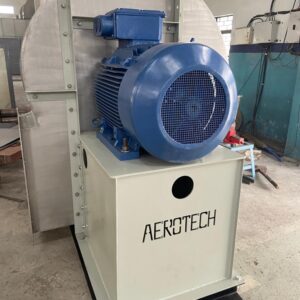
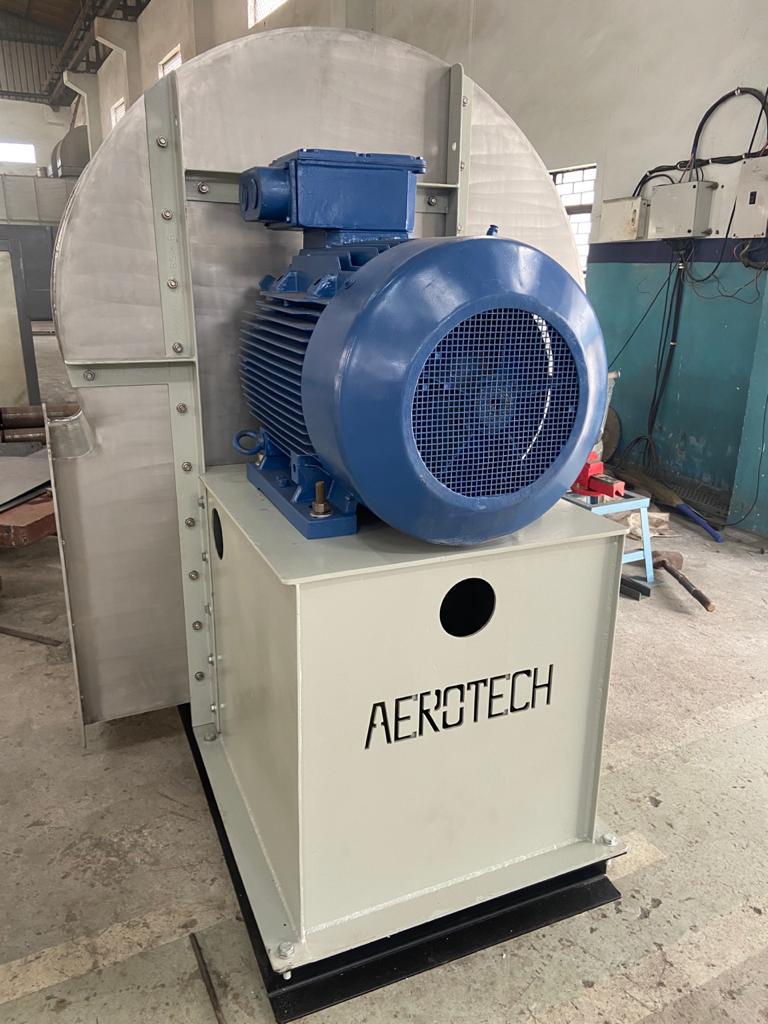
Aerotech Industrial Centrifugal Fan Blower – High-Pressure Air Handling System
View Details
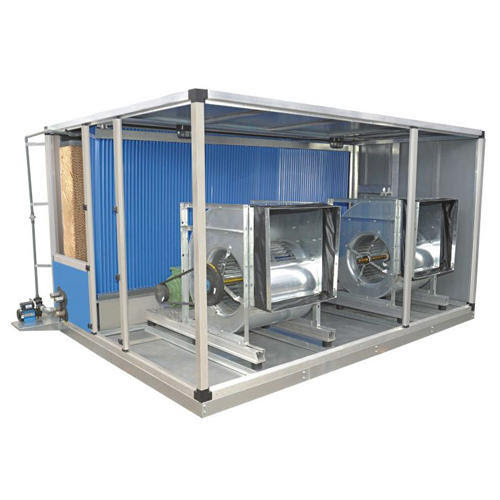
Industrial Fresh Air Handling Unit – High Efficiency Ventilation System
View Details
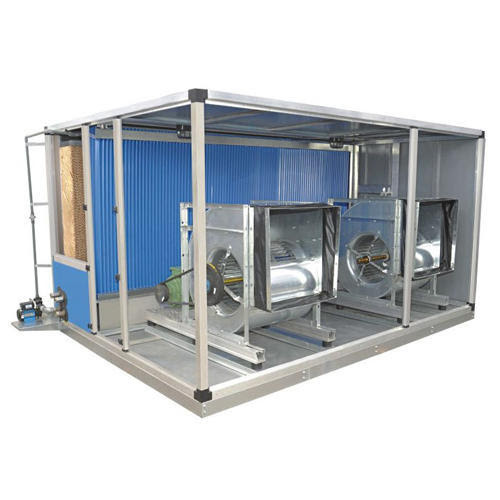
Industrial Air Washer Unit – High Efficiency Cooling & Air Handling System
View DetailsManaging airflow in industrial environments is essential for maintaining safety, energy efficiency, and consistent production quality. An industrial airflow management system helps control ventilation, temperature, and particulate movement across manufacturing floors, warehouses, and processing plants.
Proper airflow affects everything from worker comfort to equipment performance. Without a well-designed system, air can stagnate, contaminants may spread, and temperature fluctuations can disrupt operations. A balanced approach ensures that air moves where it should, supporting clean and productive workspaces.
Each system typically includes a combination of fans, ducts, filters, and control panels. These elements work together to regulate air movement and maintain environmental standards. Sensors can monitor air pressure and temperature, sending data to a central control unit for automatic adjustments.
| Component | Function |
|---|---|
| Fans and Blowers | Move air through ducts and across work areas |
| Air Ducts | Channel airflow efficiently throughout the facility |
| Filters | Remove dust and contaminants before air recirculation |
| Control Systems | Regulate airflow speed and direction based on environmental feedback |
Every facility has unique needs. For example, a food processing plant requires tight control over airborne particles, while a metal workshop focuses more on temperature and fume extraction. The design process starts with an airflow audit to identify problem areas and inefficiencies.
Engineers then create a layout that balances intake and exhaust points. Strategic placement of vents and fans ensures air moves smoothly without creating turbulence or dead zones. The goal is consistent circulation that supports production while minimizing energy use.
Modern airflow management systems prioritize energy savings. Variable-speed motors and smart sensors help reduce power consumption by adjusting airflow in real time. This not only lowers utility costs but also supports sustainability goals by cutting emissions.
Facilities using efficient airflow systems often see measurable improvements in temperature stability and air quality. Workers benefit from cleaner air, and machinery runs under optimal conditions, extending equipment life.
Routine maintenance keeps airflow systems performing at their best. Filters should be checked regularly, and ducts inspected for buildup or leaks. Many systems now include monitoring software that alerts maintenance teams when performance drops below target levels.
Periodic airflow testing ensures compliance with safety standards. Documentation from these tests can help meet regulatory requirements and demonstrate a commitment to workplace health.
Installing an industrial airflow management system does not always require a complete overhaul. Many solutions can integrate with existing HVAC and ventilation setups. Retrofitting equipment allows facilities to upgrade gradually, minimizing downtime.
For new construction projects, engineers can design airflow systems alongside structural plans to optimize space and efficiency from day one.
Airflow management plays a vital role in industries such as automotive manufacturing, electronics assembly, pharmaceuticals, and food processing. Each relies on controlled environments to protect products and maintain consistent output.
Companies like Aeppl specialize in engineering solutions that adapt to these diverse needs. Their systems are designed for reliability and precision, helping businesses maintain compliance and performance standards.
When selecting an airflow management provider, consider experience, customization options, and long-term support. Aeppl offers tailored solutions backed by engineering expertise and a deep understanding of industrial requirements.
From initial consultation to installation and maintenance, Aeppl ensures each system performs efficiently and safely.
If your facility struggles with temperature control or air quality issues, upgrading to a modern airflow management system can make a significant difference. Evaluate your current setup and explore how improved airflow can enhance productivity and safety.
Aeppl provides industrial airflow management systems built for reliability and precision. Their engineering approach focuses on efficiency, safety, and long-term performance. Visit Aeppl
It is a system designed to control and optimize air movement within industrial facilities, improving safety, comfort, and operational efficiency.
By regulating air movement and using variable-speed motors, these systems reduce energy consumption and lower operating costs.
Yes, many airflow management solutions can integrate with existing HVAC systems, allowing for gradual upgrades without major disruptions.
Industries such as manufacturing, food processing, pharmaceuticals, and electronics rely on airflow management for quality and safety control.
Routine inspections and filter changes are recommended every few months, depending on usage and environmental conditions.
Facility size, production type, temperature requirements, and contamination risks all influence system layout and capacity.
Modern systems are designed for efficiency and sustainability, helping reduce energy use and emissions.
They help control dust, fumes, and temperature, creating a healthier and safer working environment.
Aeppl focuses on precision engineering and tailored solutions, ensuring each airflow system meets specific industrial needs.
Yes, Aeppl provides ongoing maintenance and performance monitoring to keep systems operating efficiently over time.