

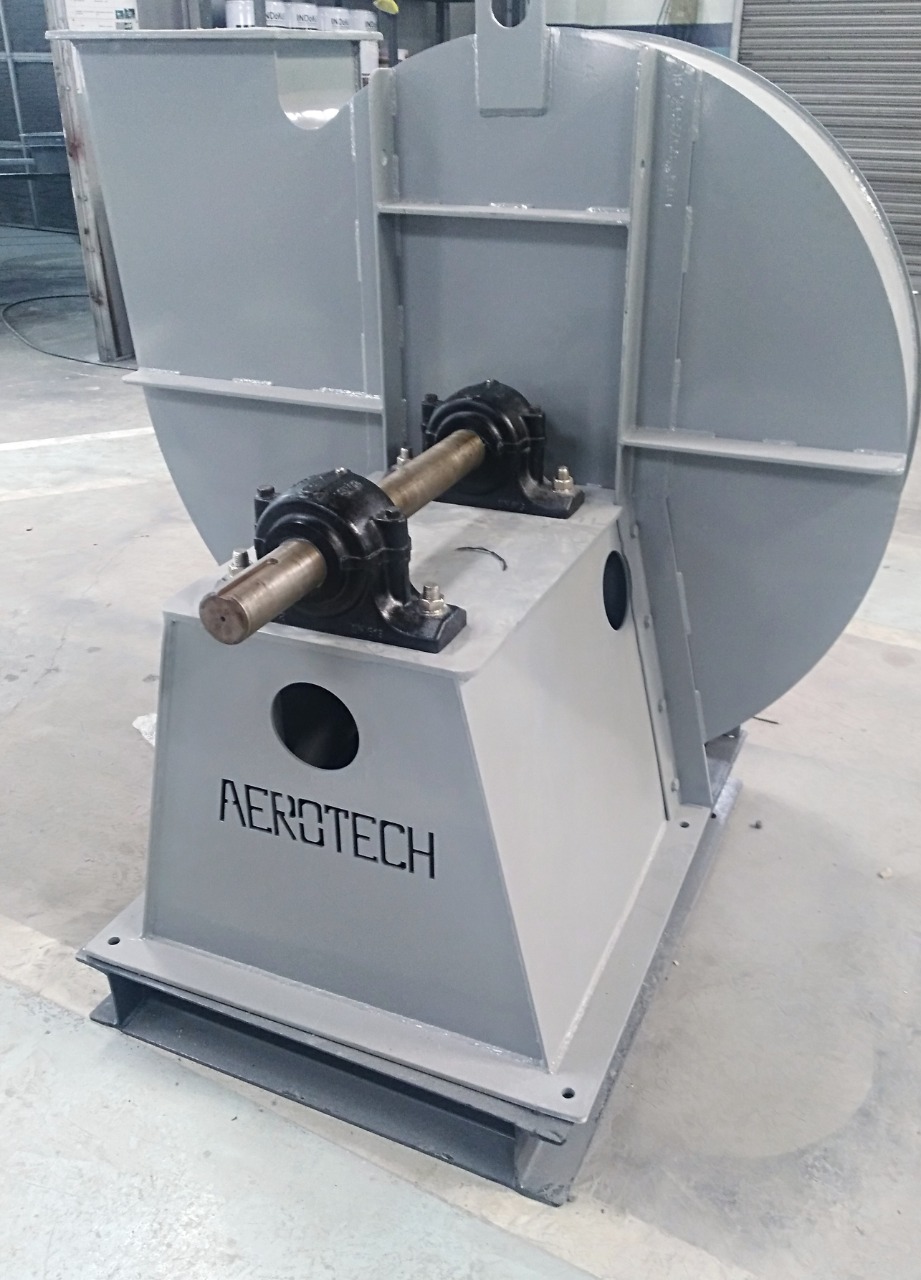
Heavy-Duty Industrial Fume Extraction Blower - High Efficiency Ventilation System
View Details
Heavy-Duty Industrial Fume Extraction Blower - High Efficiency Ventilation System
View Details
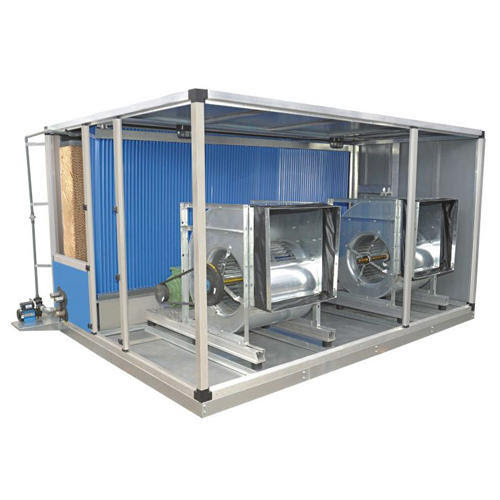
Industrial Fresh Air Handling Unit – High Efficiency Ventilation System
View Details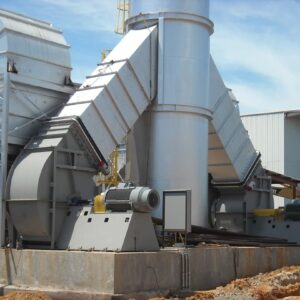
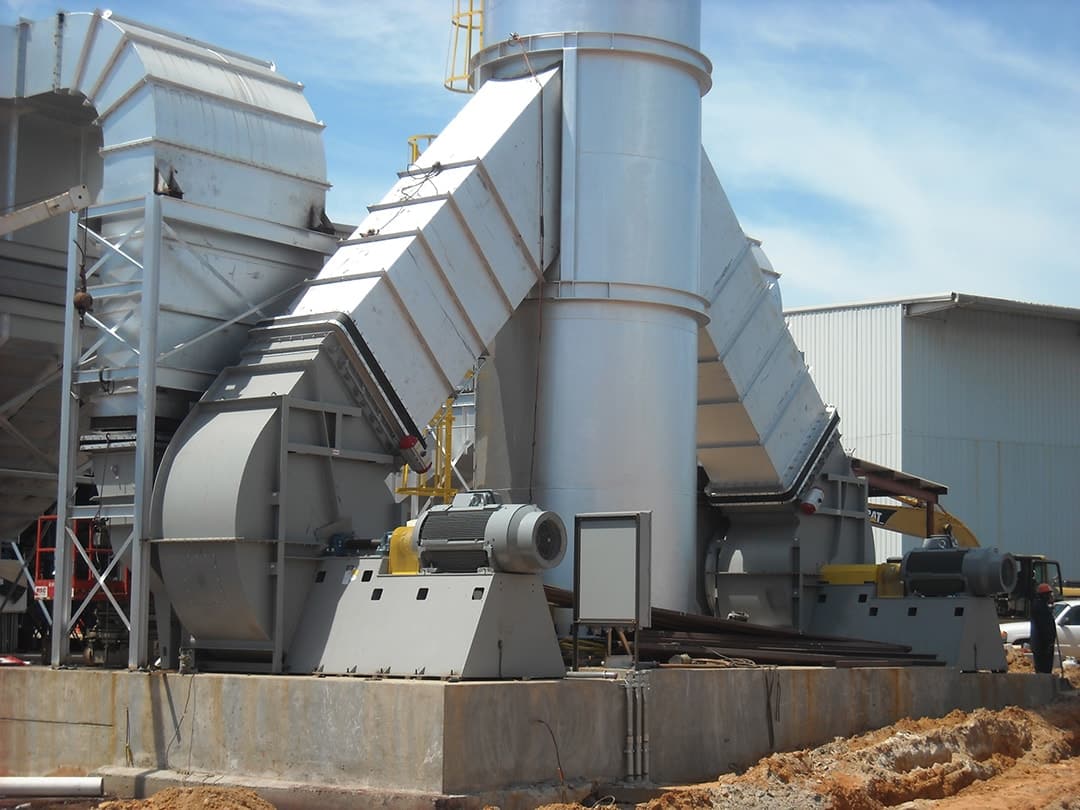
Industrial Smoke Spill Exhaust Unit - High-Temperature Ventilation System
View Details
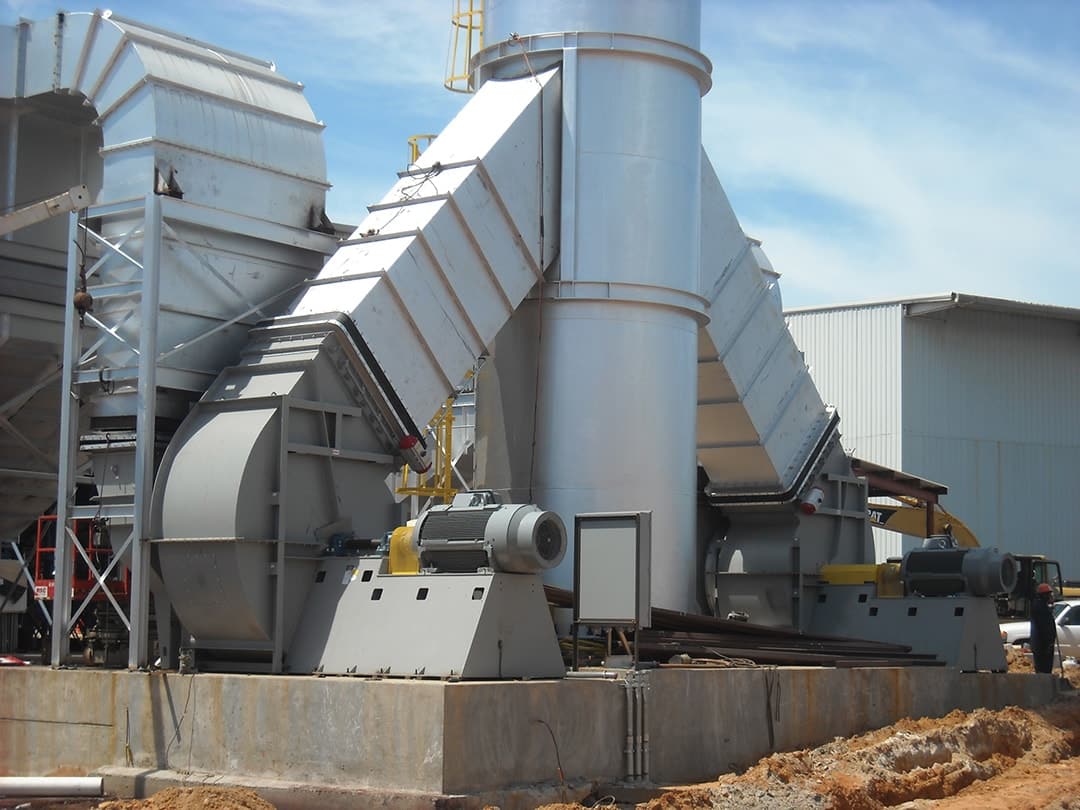
Heavy-Duty Industrial Fume Extraction System – High Capacity Air Filtration Unit
View Details
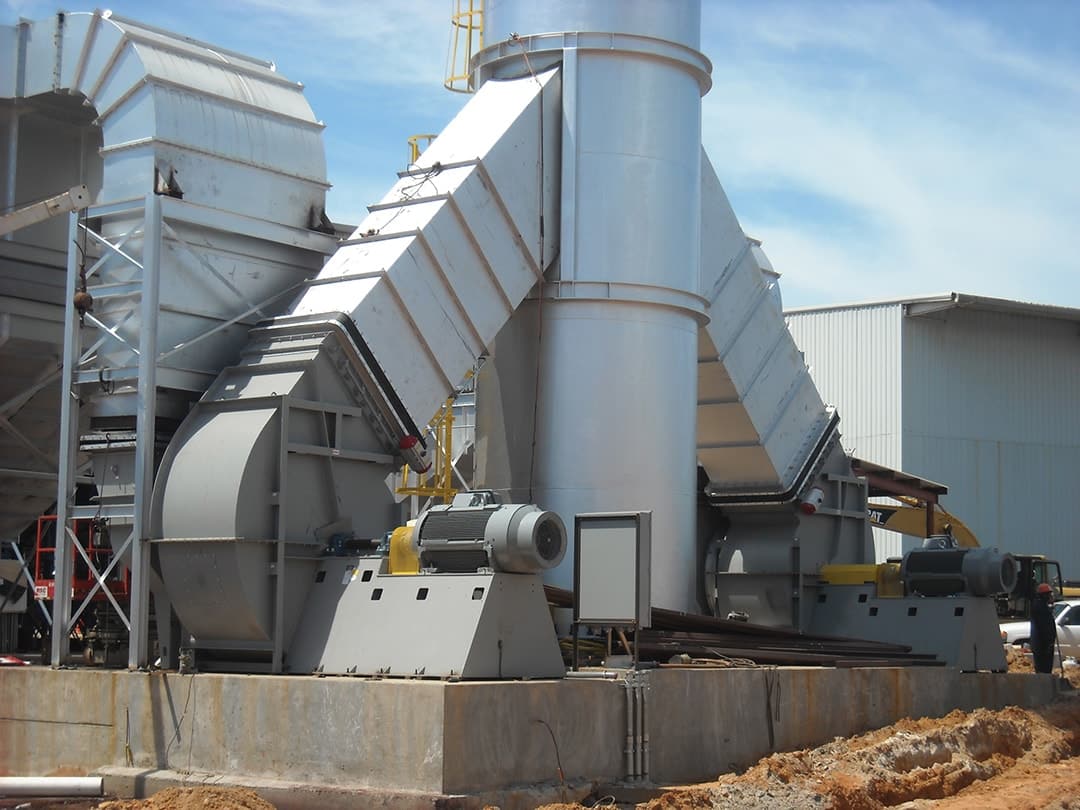
Industrial Fume Extraction System - High-Efficiency Air Filtration Unit
View Details
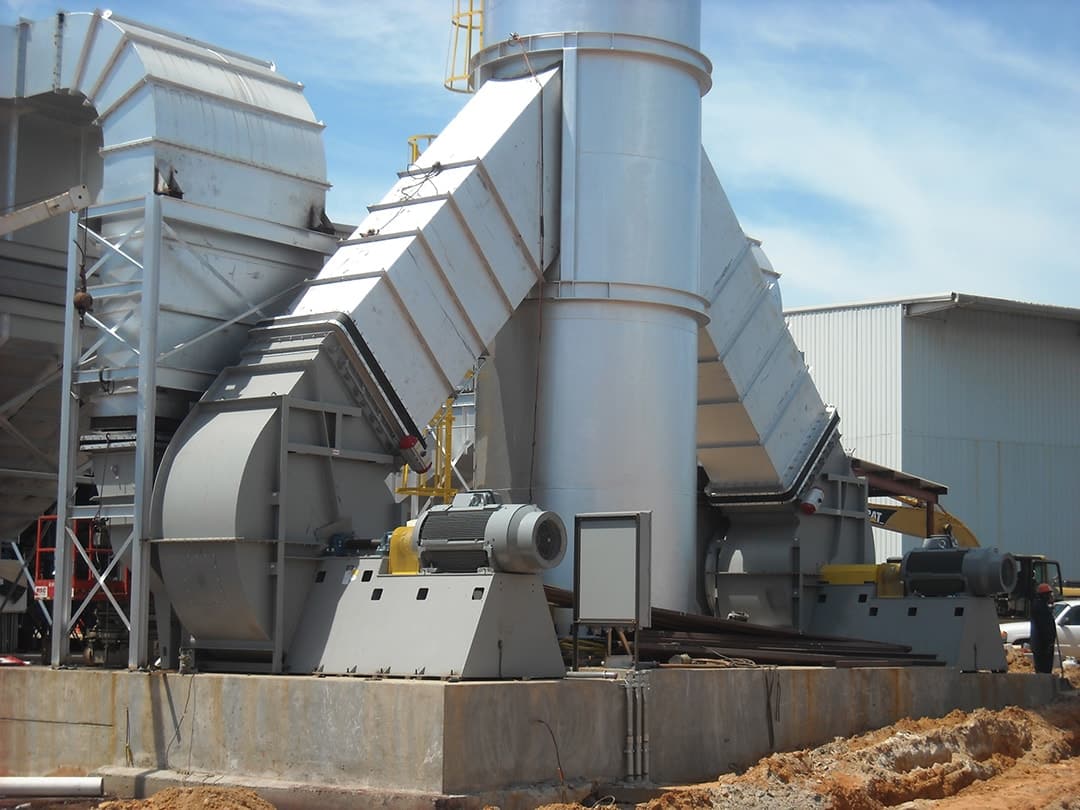
High-Capacity Industrial Centrifugal Ventilator - Heavy-Duty Airflow System
View DetailsIn any large facility, maintaining proper air circulation is essential for both worker safety and equipment performance. A warehouse vent helps manage airflow, reduce heat buildup, and control humidity across wide spaces. Whether you operate a logistics hub, manufacturing plant, or storage facility, an effective ventilation system ensures steady air exchange and compliance with safety standards.
Choosing the right vent type depends on your facility's airflow needs and structural design. Each model offers distinct advantages depending on the application. Before comparing performance metrics, review your building layout and operational load to determine the most effective solution.
| Vent Type | Airflow Capacity | Energy Efficiency | Ideal Use Case |
|---|---|---|---|
| Axial Vent | High volume, moderate pressure | Good | General warehouse ventilation |
| Centrifugal Vent | Moderate volume, high pressure | Excellent | Dust control and exhaust systems |
| Roof-mounted Vent | Variable depending on size | Very good | Heat and smoke extraction |
Many modern facilities use automated control systems to manage airflow and temperature. When paired with sensors or programmable controllers, a warehouse vent can respond dynamically to changes in heat or air quality. Aeppl provides engineered systems that support energy-efficient operation and meet current sustainability standards.
Warehouse vents serve a wide range of industrial sectors, including automotive, food processing, logistics, and heavy engineering. They reduce condensation, stabilize temperature, and protect stored materials or machinery from heat stress. Each facility benefits from a tailored approach that considers ceiling height, equipment density, and airflow paths.
Energy-efficient ventilation systems help reduce operating costs while meeting safety and environmental requirements. Models with variable-speed drives or advanced impeller designs deliver strong airflow with less power consumption. Compliance also involves ensuring proper air exchange rates and smoke extraction capabilities in case of emergencies.
When choosing a vent, evaluate airflow capacity, installation type, noise levels, and ease of maintenance. Aeppl supports clients through technical consultation and specification development, ensuring each system fits operational demands. For large spaces, combining vents with Industrial Smoke Spill Exhaust Units or High-Capacity Centrifugal Ventilators enhances overall ventilation efficiency and emergency readiness.
Routine inspection and cleaning keep vents operating efficiently and extend equipment life. Aeppl designs systems with easy access for maintenance, minimizing downtime and preserving consistent airflow. Reliable ventilation supports a safer work environment and steady production output.
Aeppl (Aerotech Equipments and Projects Pvt. Ltd.) is a trusted Indian manufacturer and exporter of industrial air handling and ventilation equipment. With decades of practical engineering experience, Aeppl delivers durable solutions for complex airflow needs in warehouses, plants, and process industries. Visit Aeppl
A warehouse vent is a ventilation component designed to circulate air, control temperature, and manage humidity in large industrial or storage spaces.
It prevents heat buildup, condensation, and airborne contaminants, maintaining a safe and efficient environment for workers and equipment.
Vent size depends on total volume, heat generation, and airflow targets. Engineering assessment ensures accurate capacity and system balance.
Yes, efficient models reduce power consumption while maintaining airflow, contributing to lower operational expenses.
They are typically made from galvanized steel, aluminum, or coated alloys that resist corrosion and withstand industrial conditions.
Heavy-duty versions with filters or extraction systems handle dust well in manufacturing and logistics operations.
Inspection every six to twelve months helps maintain airflow efficiency and prevents mechanical wear or blockage.
They help balance temperature by promoting air movement, preventing hot spots, and supporting cooling or exhaust systems.
Aeppl designs and manufactures custom warehouse vents tailored to each facility's airflow and environmental control needs.
Reach Aeppl at +91-9599785811, +91 8377077661, +91 9810162210 or email sales@aeppl.com for detailed specifications and engineering assistance.