
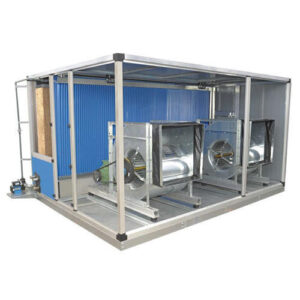
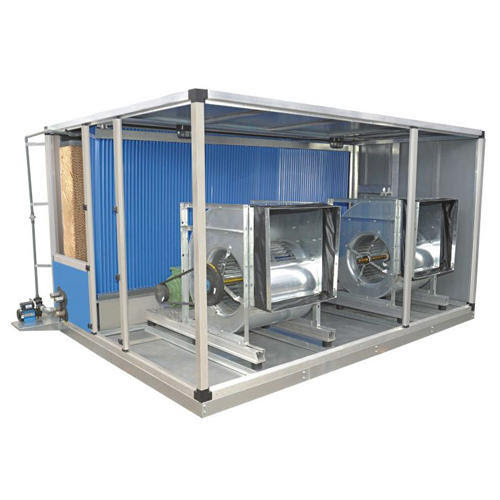
Industrial Fresh Air Handling Unit – High Efficiency Ventilation System
View Details
Industrial Fresh Air Handling Unit – High Efficiency Ventilation System
View Details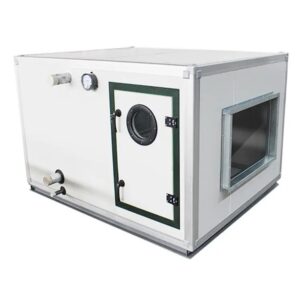
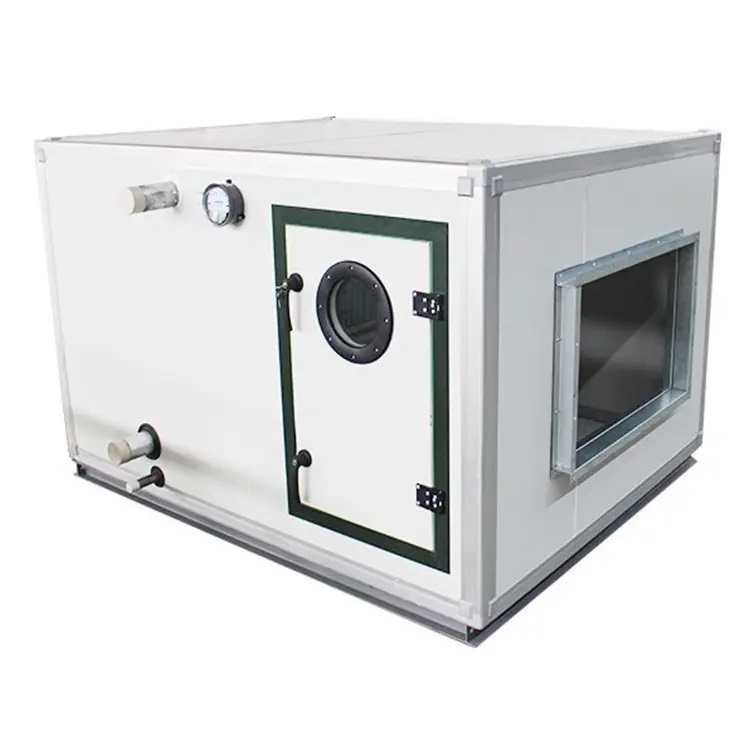
Industrial Treated Fresh Air Unit – Energy-Efficient Air Handling System
View Details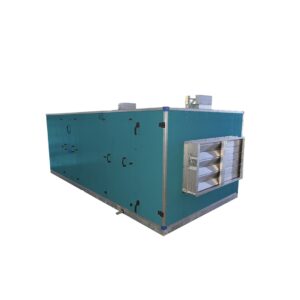
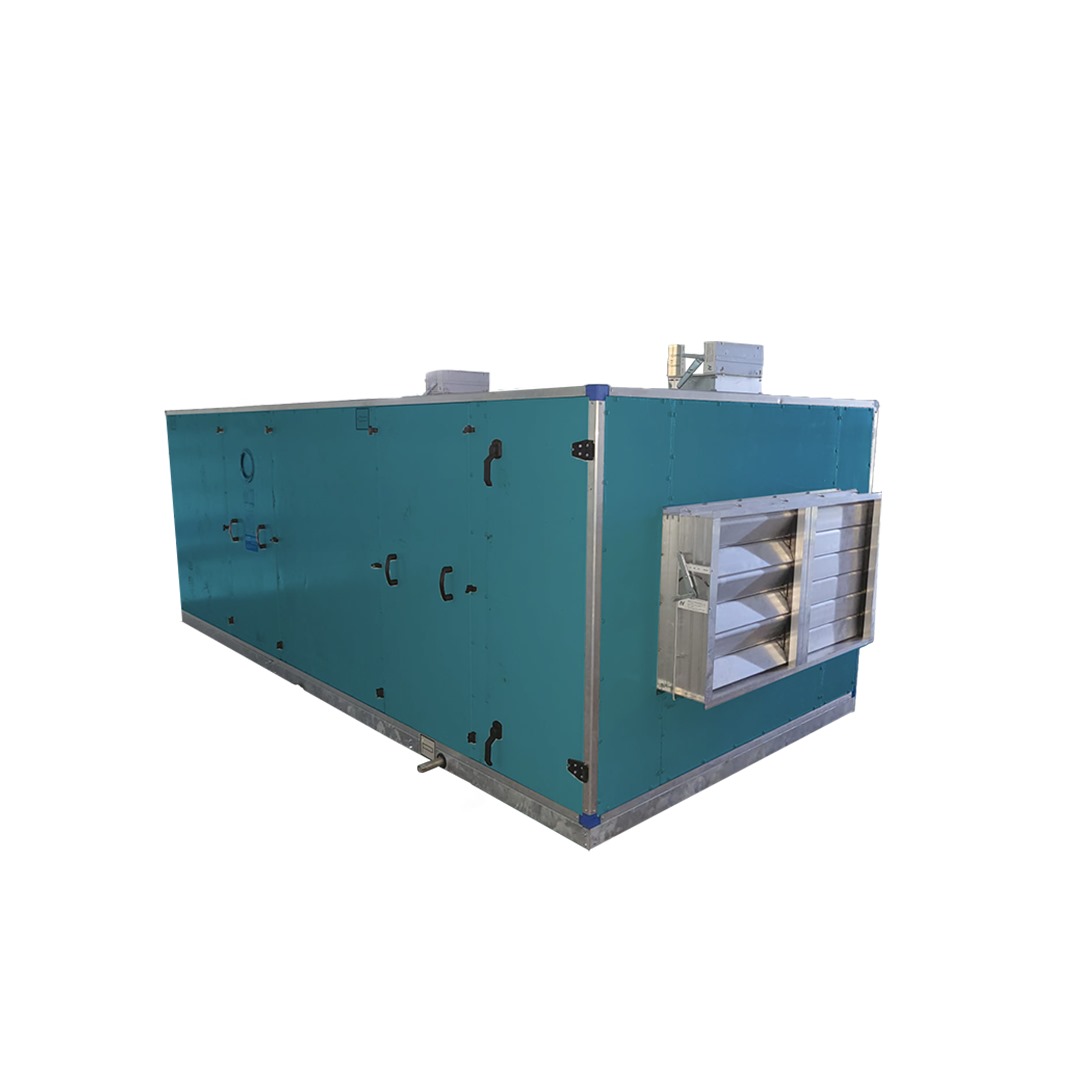
Industrial Modular Air Handling Unit - High Efficiency HVAC System
View Details
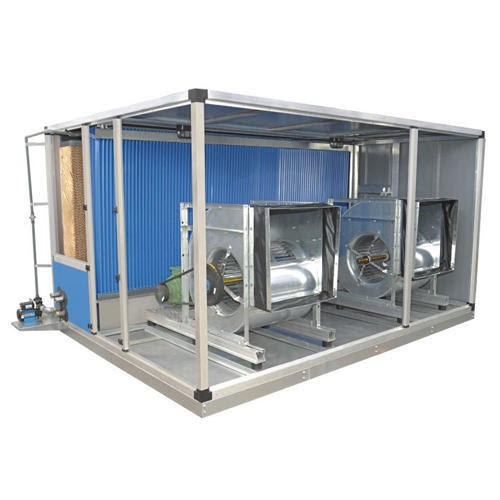
Industrial Evaporative Air Cooling Unit - High Efficiency HVAC System
View Details
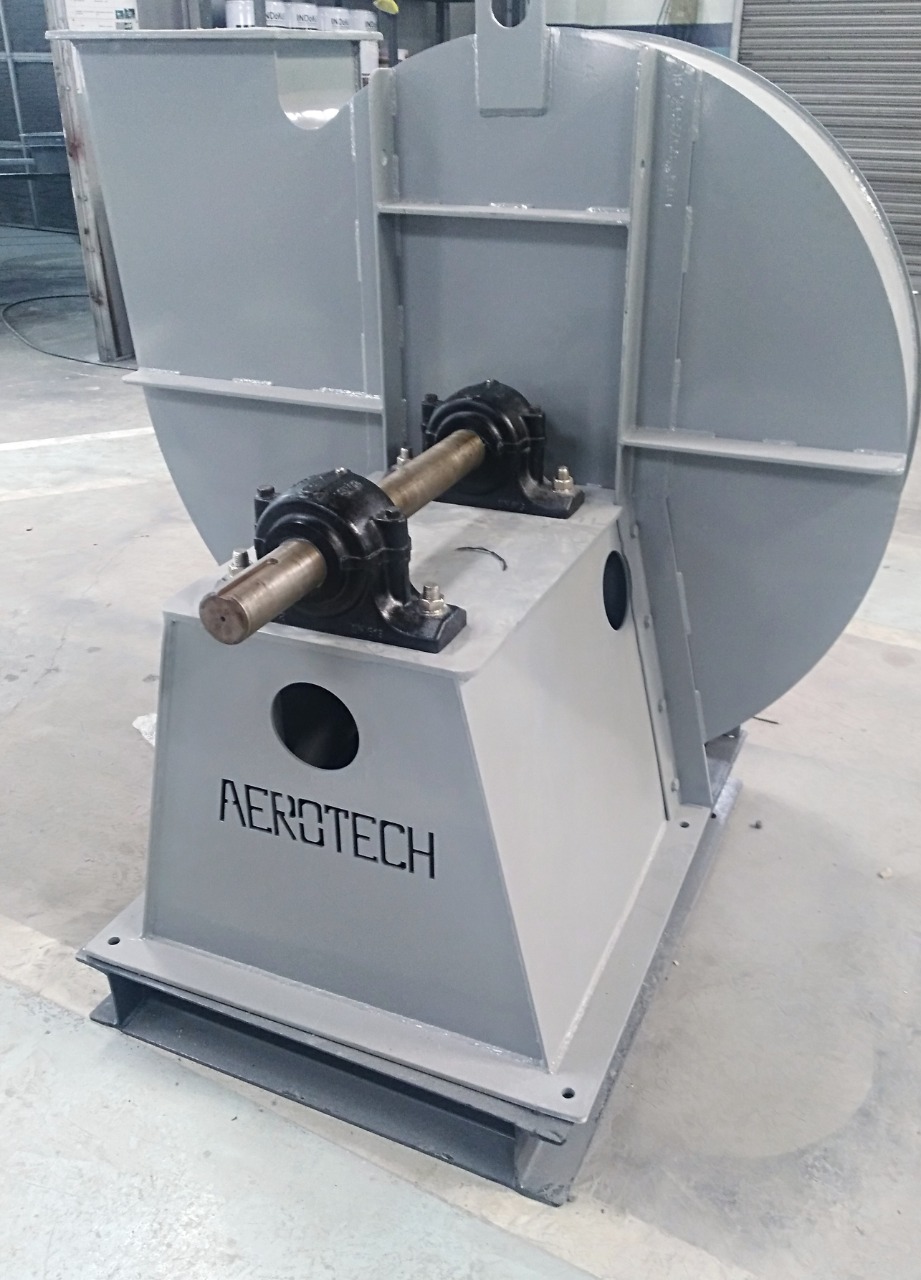
Heavy-Duty Industrial Fume Extraction Blower - High Efficiency Ventilation System
View Details
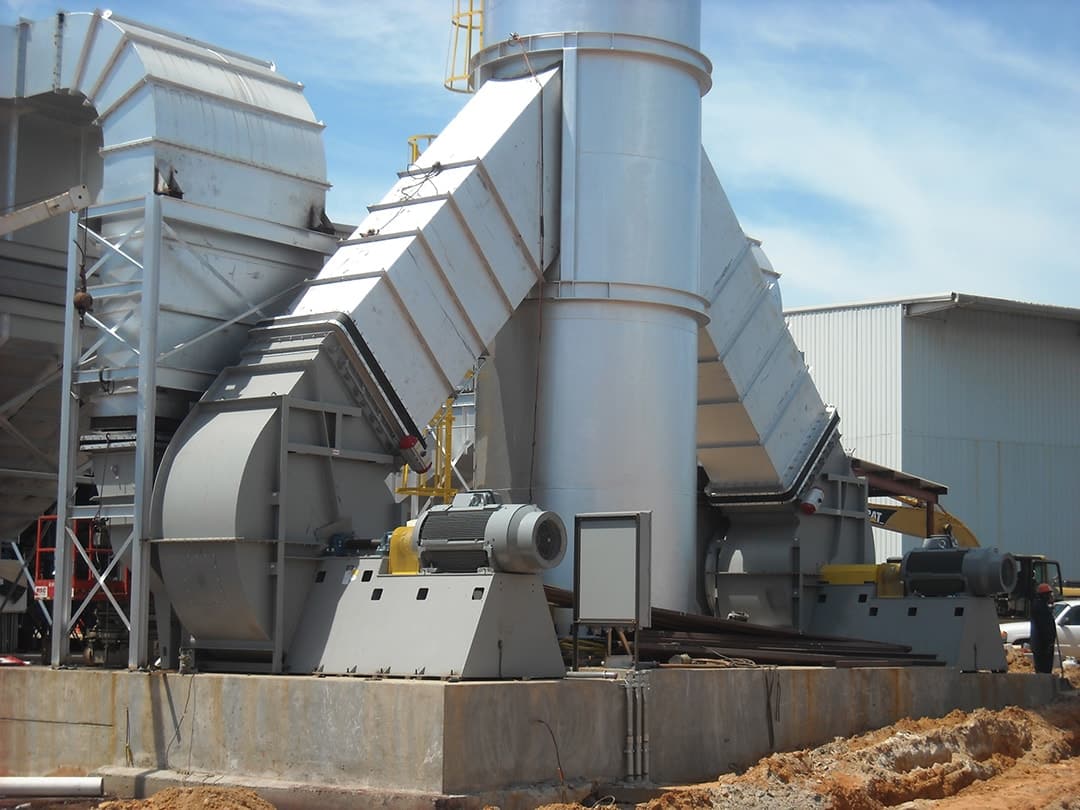
High-Capacity Industrial Centrifugal Ventilator - Heavy-Duty Airflow System
View Details
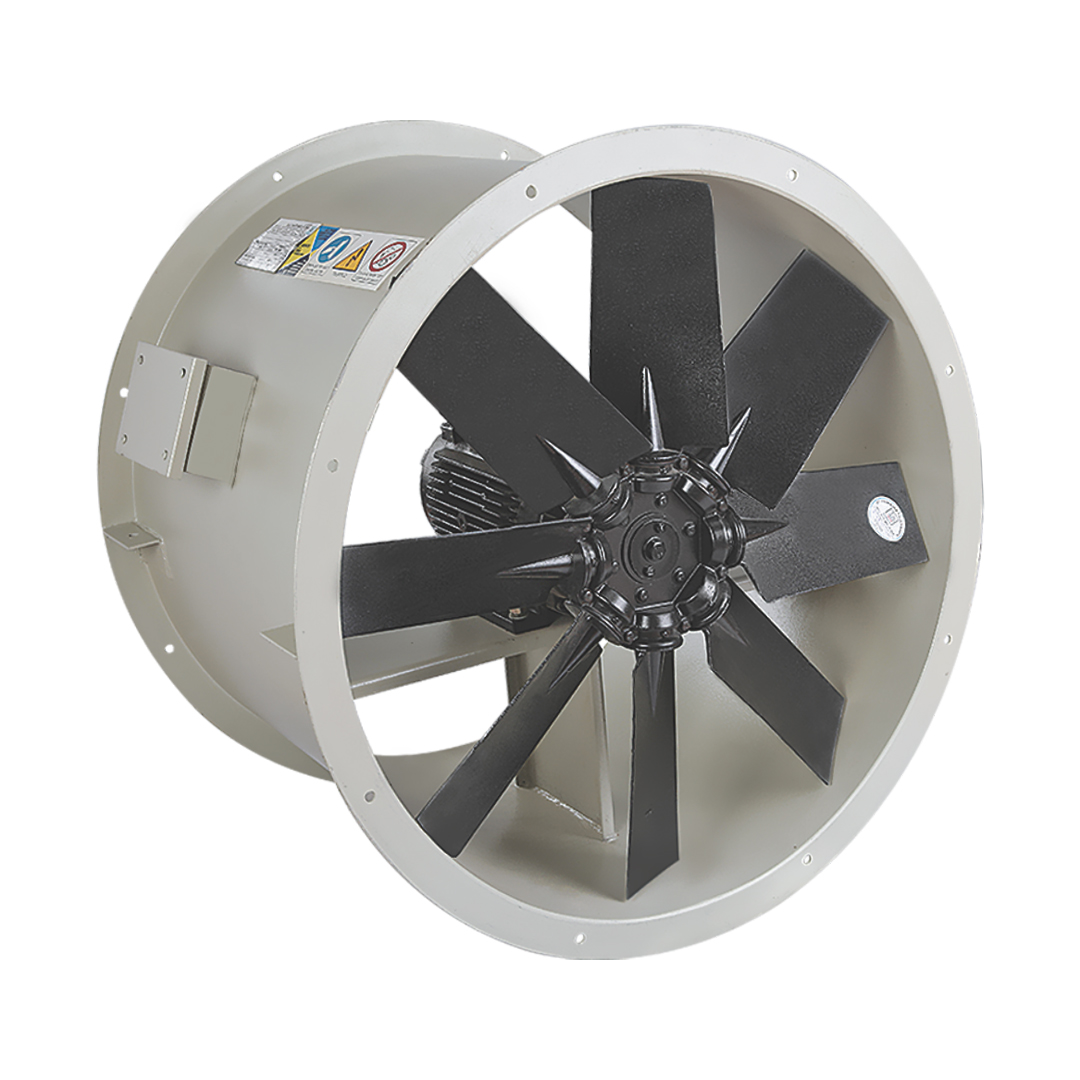
Industrial Axial Flow Exhaust Fan - High Airflow Metal Ventilation System
View Details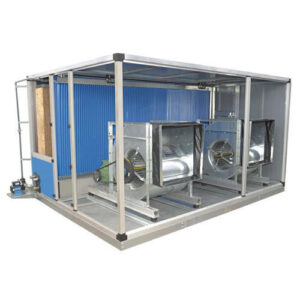
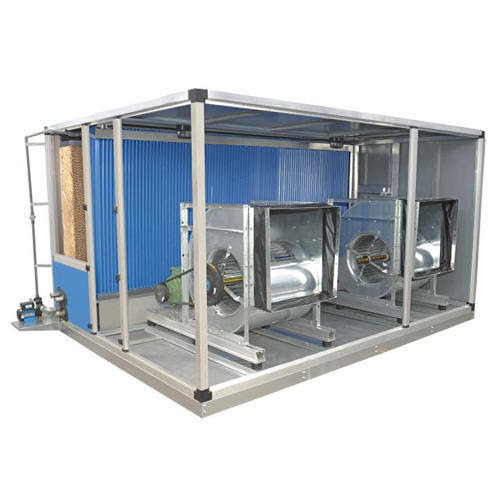
Industrial Evaporative Air Cooling Unit – High Efficiency HVAC System
View DetailsWarehouse air circulation systems are essential for maintaining safe and efficient conditions in large industrial spaces. Proper airflow helps control temperature, limit humidity, and reduce dust or fumes that can interfere with equipment and worker comfort. In modern facilities, well-engineered ventilation systems ensure consistent performance and help meet energy and safety standards.
When air movement is poor, heat can build up, particles may linger, and working conditions can deteriorate quickly. A carefully designed system manages airflow across zones, maintaining balanced air quality and temperature. Reliable warehouse air circulation systems use efficient motors, smart controls, and optimized duct layouts to keep operations running smoothly.
| System Type | Typical Application | Energy Efficiency | Maintenance Frequency |
|---|---|---|---|
| Axial Flow Exhaust Fan | General ventilation and heat removal | High | Low |
| Centrifugal Ventilator | Targeted airflow for dusty zones | Moderate | Medium |
| Evaporative Cooling Unit | Temperature control in large spaces | High | Low |
Each warehouse presents unique airflow challenges. Factors like ceiling height, equipment density, and process type all influence system design. Engineers at Aeppl create tailored configurations using modular air handling units, treated fresh air systems, and high-capacity ventilators. Every setup is tested for airflow balance, pressure control, and efficiency under actual working conditions.
Energy efficiency is a growing priority for industrial operations. Many warehouse air circulation systems now include variable speed drives and smart sensors that automatically adjust airflow based on temperature or occupancy. These features help reduce power consumption and support long-term sustainability goals.
| Feature | Operational Benefit |
|---|---|
| Variable Speed Drives | Control energy use based on demand |
| Smart Control Integration | Automatically optimize airflow |
| Corrosion-resistant materials | Extend equipment life |
Warehouse air circulation systems serve logistics centers, automotive plants, food processing facilities, and pharmaceutical warehouses. In each setting, proper ventilation protects products, keeps temperatures stable, and supports worker health. When paired with other units such as the Industrial Evaporative Air Cooling Unit or the High-Capacity Centrifugal Ventilator, airflow can be balanced across large spaces for improved comfort and efficiency.
Routine maintenance helps ensure consistent performance. Checking filters, inspecting fan blades, and verifying control systems every few months can prevent downtime and extend equipment life. Aeppl systems are designed for easy access and simplified servicing, making upkeep straightforward for on-site teams.
Before installing a new air circulation system, assess airflow requirements, heat sources, and existing ventilation routes. Aeppl engineers can assist with airflow modeling and layout planning to help you select equipment that matches your space and operational goals. Whether upgrading an existing setup or building from scratch, proper planning ensures reliable performance.
Aerotech Equipments and Projects Pvt. Ltd. (Aeppl) is a trusted Indian manufacturer of industrial air handling and ventilation systems. With decades of engineering experience, Aeppl delivers practical solutions that improve air quality and operational efficiency in warehouses and factories. Visit Aeppl
Warehouse air circulation systems manage airflow within large spaces to maintain safe temperatures, control humidity, and improve air quality.
It prevents heat buildup, reduces airborne particles, and keeps working conditions comfortable for staff and equipment.
They use variable speed drives and efficient fan designs that lower power use while maintaining steady airflow.
Yes, they can work alongside HVAC units to balance temperature and airflow across different zones.
Building size, layout, process heat, and ventilation requirements all affect how a system should be configured.
Heavy-duty models with filtration and high-capacity blowers perform well in dusty or high-temperature conditions.
Inspections every 6 to 12 months help maintain efficiency and prevent mechanical issues.
Many include smart sensors and controls that adjust airflow automatically based on environmental conditions.
Aeppl builds robust equipment tested for industrial durability, energy performance, and compliance with safety standards.
Reach Aeppl at +91-9599785811, +91 8377077661, +91 9810162210 or email sales@aeppl.com to discuss warehouse air circulation system requirements.