
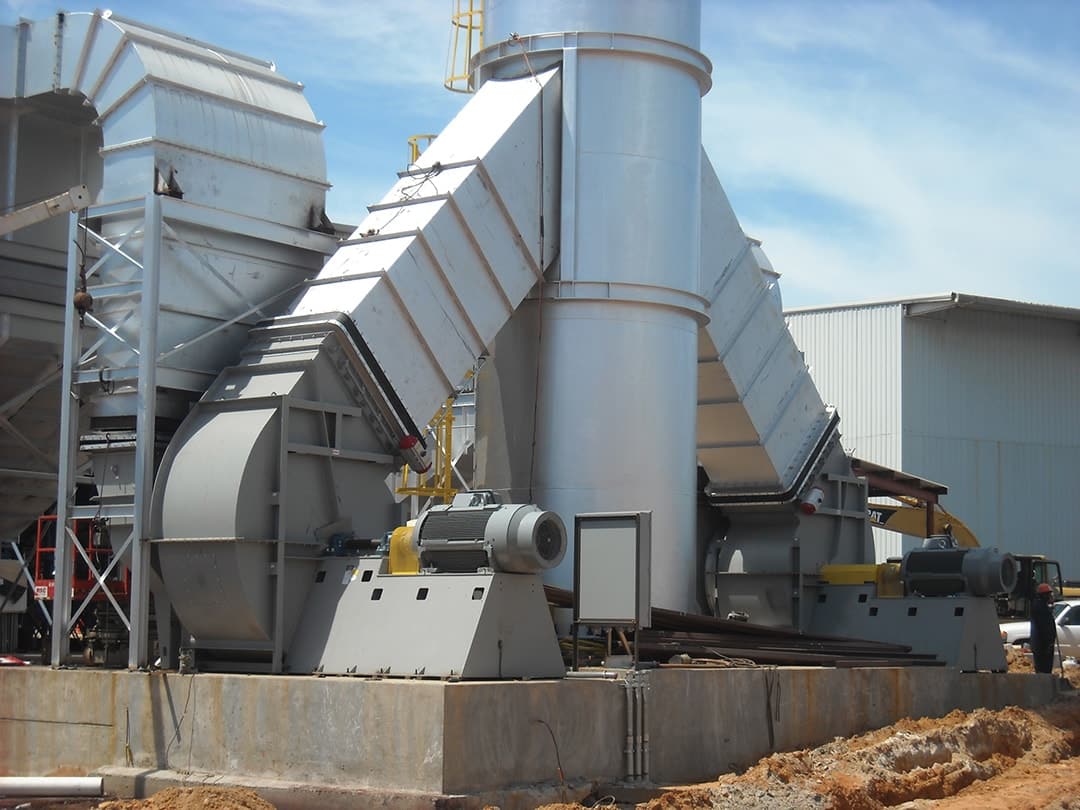
Heavy-Duty Industrial Fume Extraction System – High Capacity Air Filtration Unit
View Details
Heavy-Duty Industrial Fume Extraction System – High Capacity Air Filtration Unit
View Details
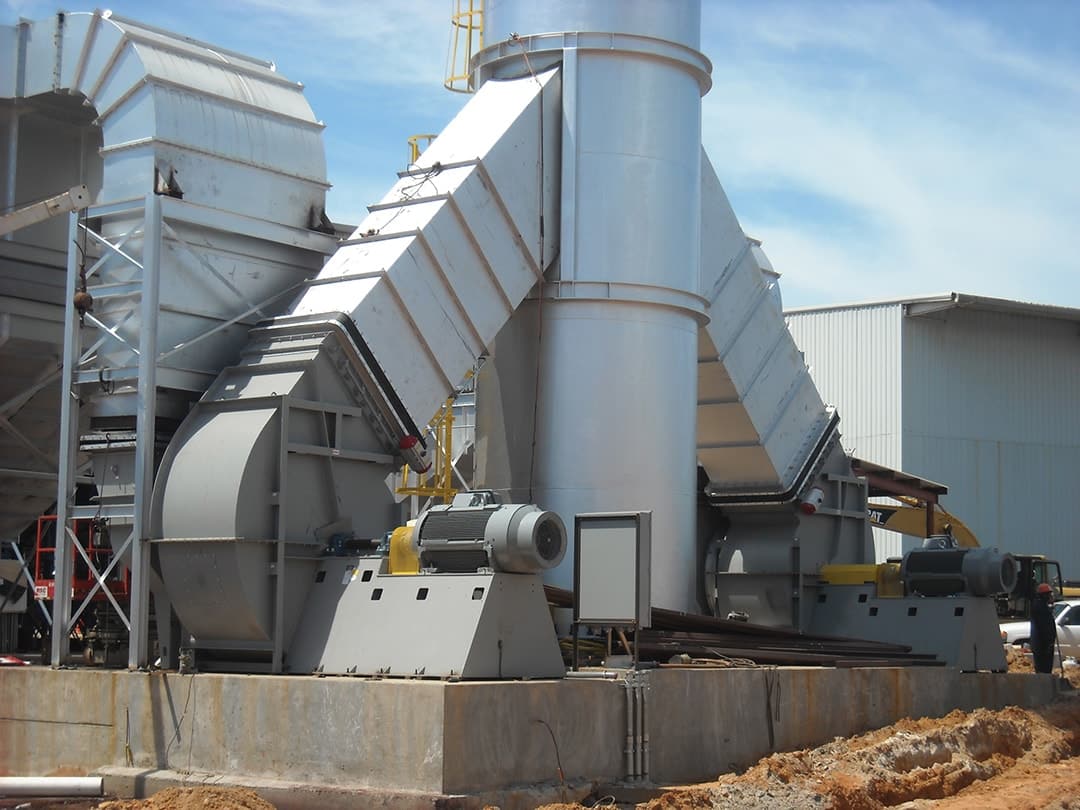
Industrial Fume Extraction System - High-Efficiency Air Filtration Unit
View Details
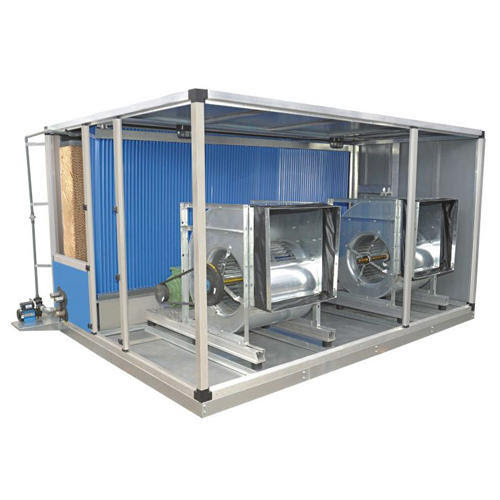
Industrial Fresh Air Handling Unit – High Efficiency Ventilation System
View Details
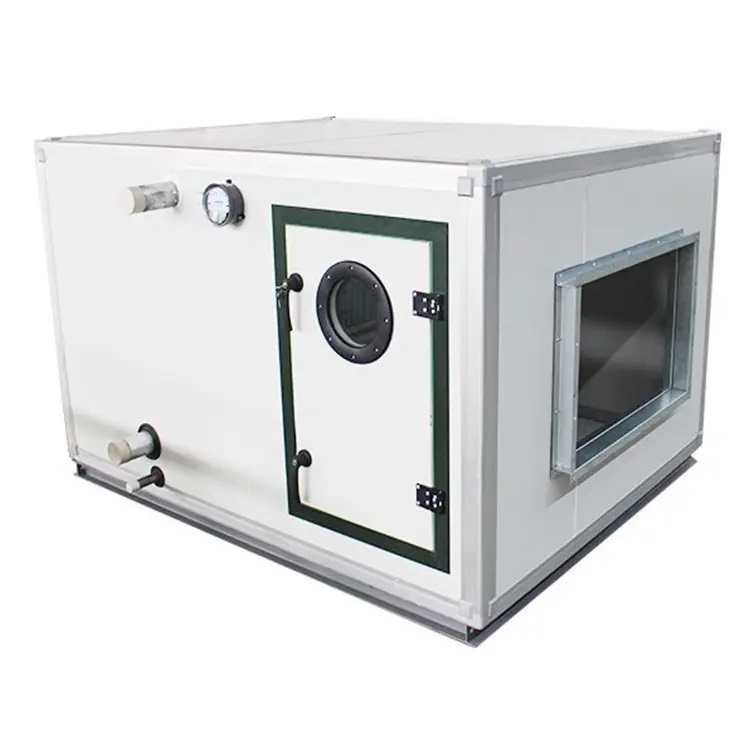
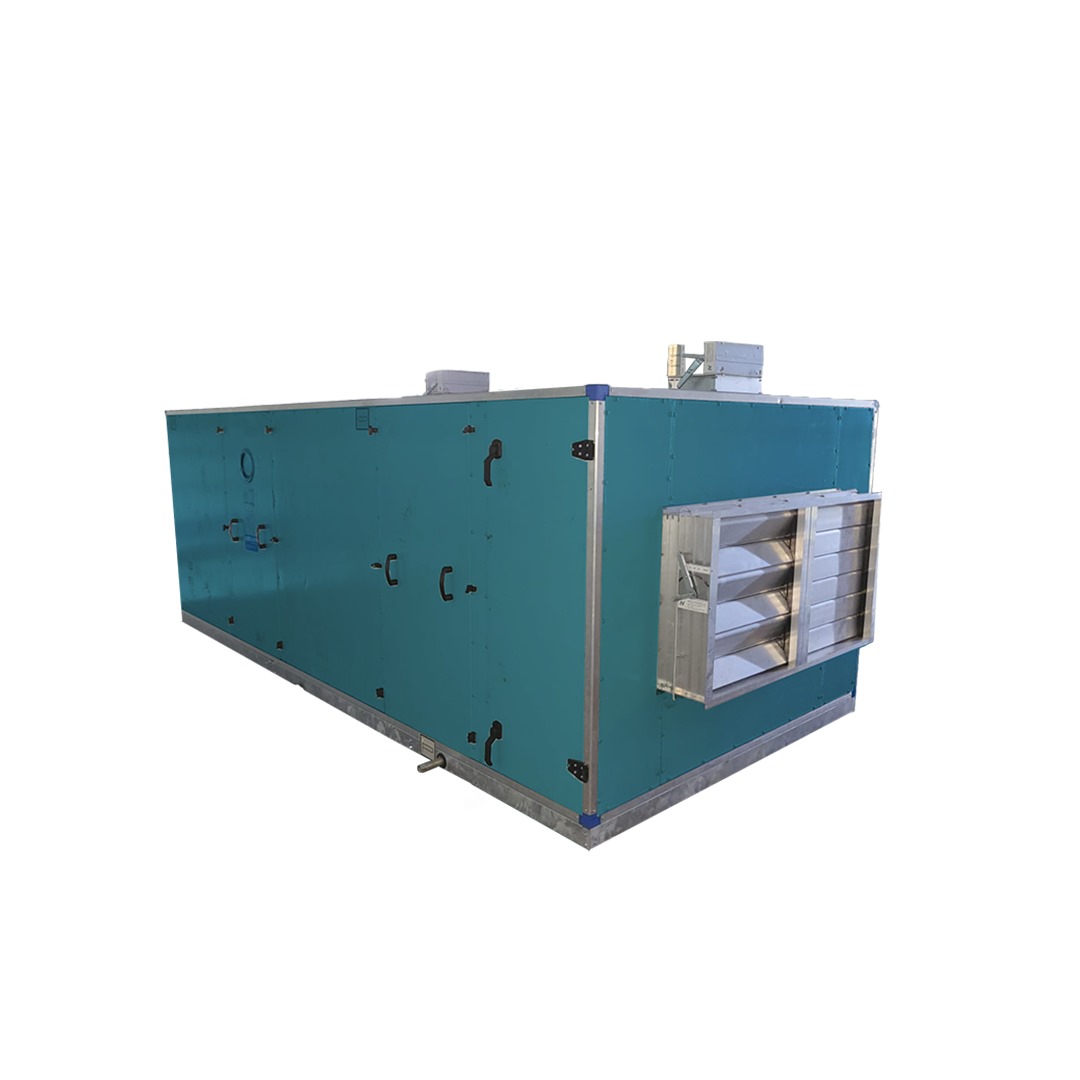
Industrial Treated Fresh Air Unit – Energy-Efficient Air Handling System
View Details
Ceiling Suspended Air Handling Unit – High Efficiency HVAC System for Commercial Use
View Details
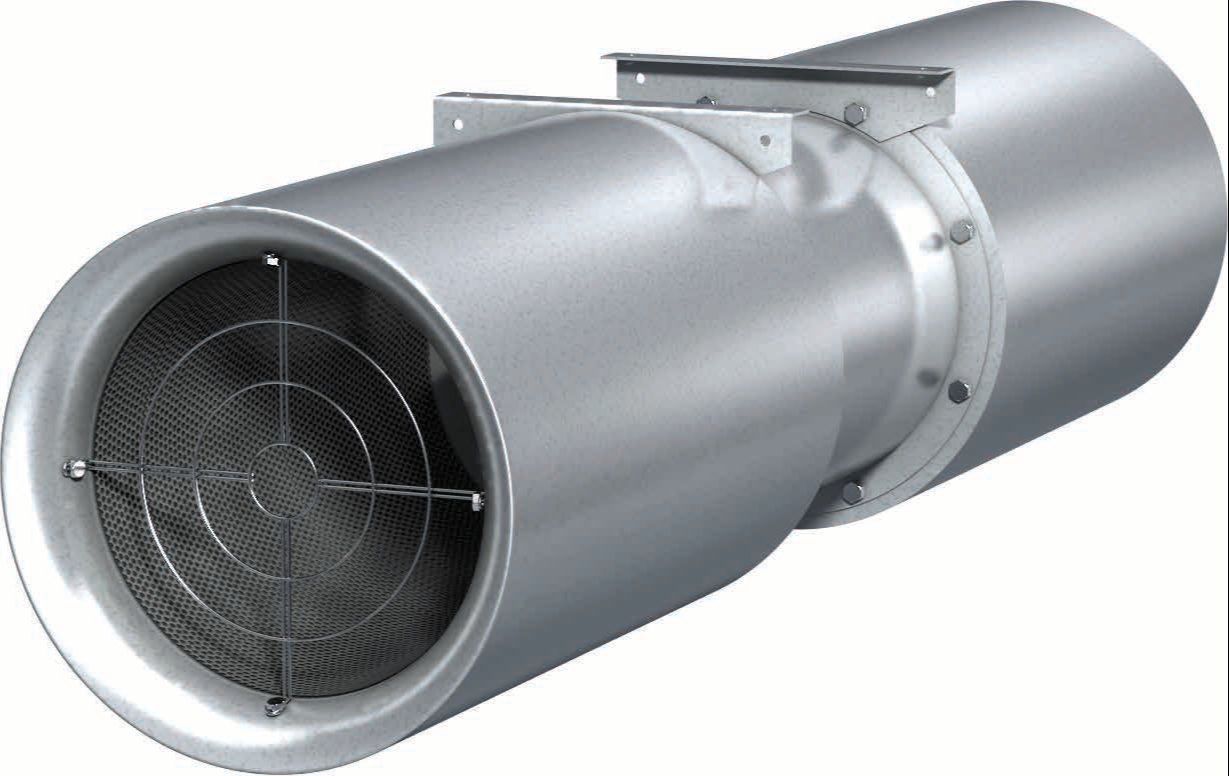
High-Performance Industrial Jet Fan - Tunnel and Garage Ventilation System
View Details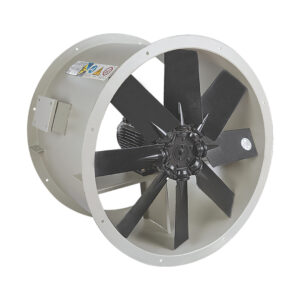

Industrial Axial Metal Exhaust Fan – High Airflow Ventilation System
View Details
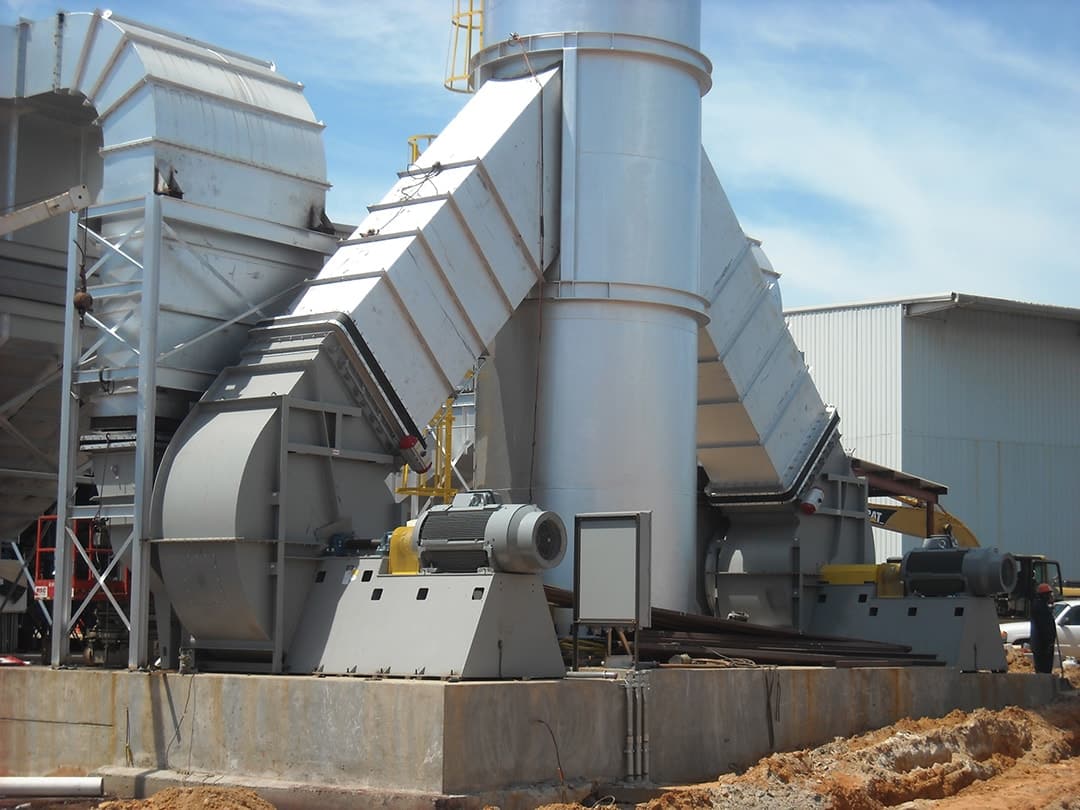
High-Capacity Industrial Centrifugal Ventilator - Heavy-Duty Airflow System
View DetailsInstalling an airflow system in a warehouse is more than just adding fans and ducts. It is about creating a balanced environment where air moves efficiently, temperatures stay consistent, and workers can operate comfortably. A well-planned airflow system supports productivity, protects stored materials, and helps maintain compliance with safety standards.
Large warehouse spaces can trap heat and moisture, especially when equipment runs continuously. Without proper ventilation, these conditions can cause discomfort and damage to sensitive goods. Installing a warehouse airflow system helps maintain air quality, prevents condensation, and promotes a healthier work environment.
Every installation is tailored to the facility’s layout and operational needs. Engineers select and position equipment to achieve even airflow and energy efficiency.
| Component | Purpose |
|---|---|
| Axial or Centrifugal Fans | Move air efficiently across long warehouse zones |
| Dampers | Control airflow and maintain pressure balance |
| Air Handling Units | Filter and distribute fresh air throughout the space |
| Control Systems | Adjust airflow automatically based on sensor data |
Installation begins with an airflow assessment. Engineers evaluate the warehouse structure, heat sources, and ventilation requirements to determine the correct air exchange rate. Once the plan is finalized, equipment is positioned to minimize energy use and ensure even air distribution. Electrical connections and system testing follow, confirming that the installation meets performance standards.
Warehouses today benefit from automated airflow control systems that respond to real-time conditions. Energy-efficient motors and variable frequency drives help reduce power consumption. Aeppl integrates these features into its designs to ensure reliable operation and lower energy costs.
| Feature | Advantage |
|---|---|
| Variable speed control | Optimizes power usage during low activity periods |
| Smart monitoring | Enables predictive maintenance and performance tracking |
| High-efficiency filtration | Improves air quality and minimizes contamination |
Aeppl manufactures industrial ventilation equipment suitable for warehouse airflow system installation, including:
Proper airflow installation supports compliance with local building and occupational safety regulations. Adequate ventilation reduces exposure to fumes and dust, helping maintain a safe workplace. Aeppl systems are designed to meet ISO and environmental guidelines while keeping long-term operating costs manageable.
Once installed, a warehouse airflow system should be inspected regularly to ensure consistent performance. Routine filter changes and equipment checks help maintain efficiency and extend system life. Aeppl provides maintenance support and replacement parts to keep ventilation systems running smoothly year after year.
Aerotech Equipments and Projects Pvt. Ltd. (Aeppl) is an Indian manufacturer and exporter specializing in industrial air handling and ventilation systems. With decades of engineering experience, Aeppl delivers dependable solutions for warehouses, factories, and large facilities worldwide. Visit Aeppl
It includes fans, ducts, dampers, air handling units, and controls designed to maintain safe and balanced air movement.
Consistent airflow prevents heat buildup, controls humidity, and helps equipment run efficiently with lower energy use.
Building size, ceiling height, internal heat sources, and operational zones all influence airflow capacity and layout.
Yes, modern systems use sensors and variable speed drives to adjust airflow automatically based on temperature and air quality.
They reduce power consumption, improve comfort, and support sustainability goals over the long term.
Regular inspections every six months and timely filter changes help maintain efficiency and extend equipment life.
Yes, cold storage requires specialized airflow control to manage temperature zones and prevent condensation issues.
Effective ventilation reduces dust and airborne contaminants, improving safety and product quality.
Aeppl provides engineering consultation, on-site installation assistance, and post-installation testing for warehouse ventilation setups.
Contact Aeppl at +91-9599785811, +91 8377077661, or +91 9810162210, or email sales@aeppl.com to discuss your installation needs.