

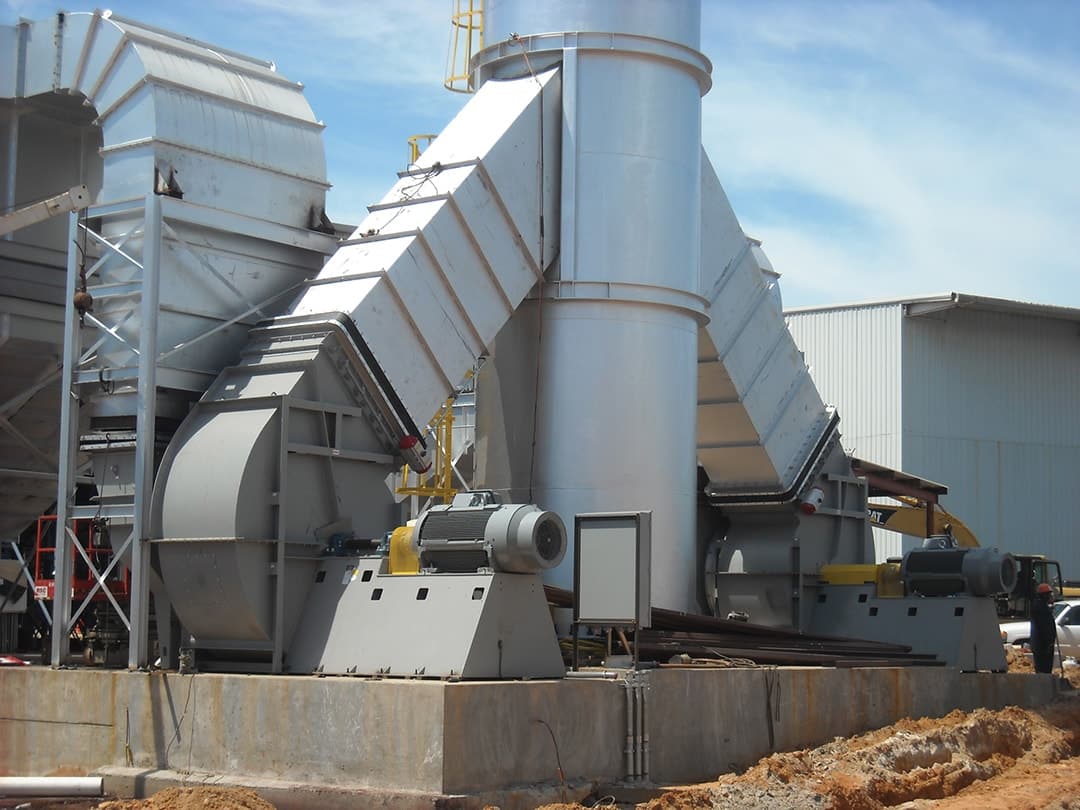
Industrial Fume Scrubber System - High-Efficiency Air Pollution Control Unit
View Details
Industrial Fume Scrubber System - High-Efficiency Air Pollution Control Unit
View Details

Industrial Venturi Scrubber System - High-Efficiency Air Pollution Control Unit
View Details
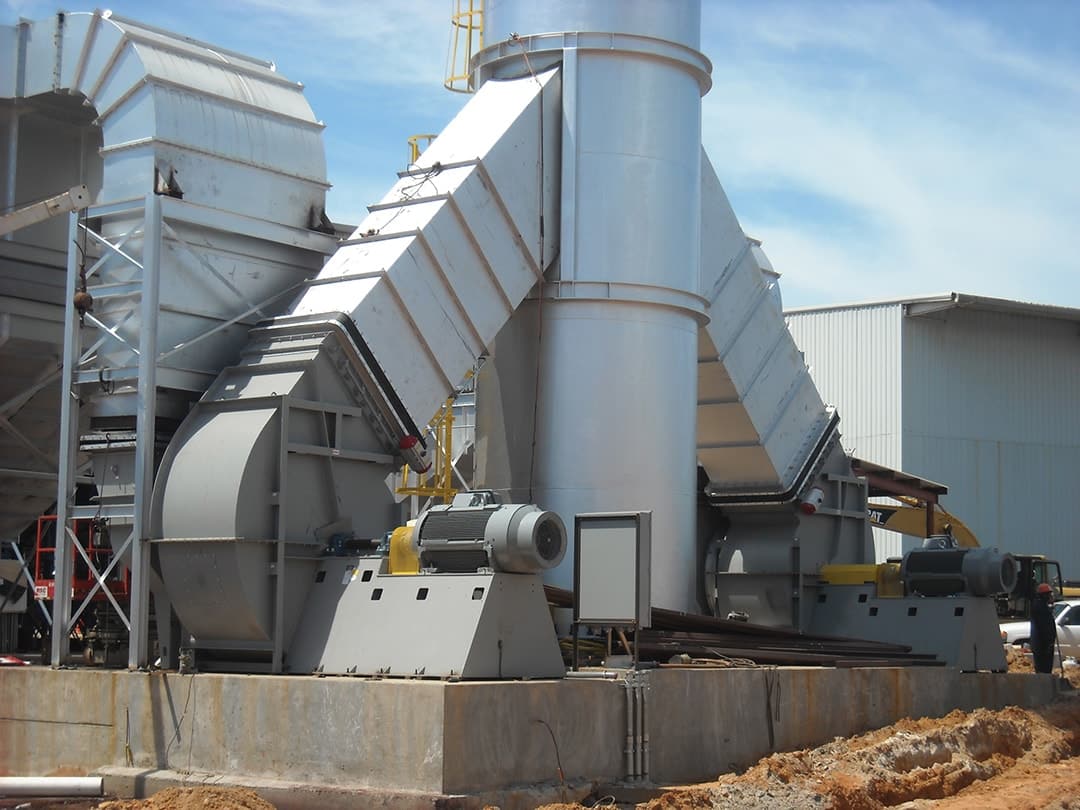
Industrial Fume Extraction System - High-Efficiency Air Filtration Unit
View Details
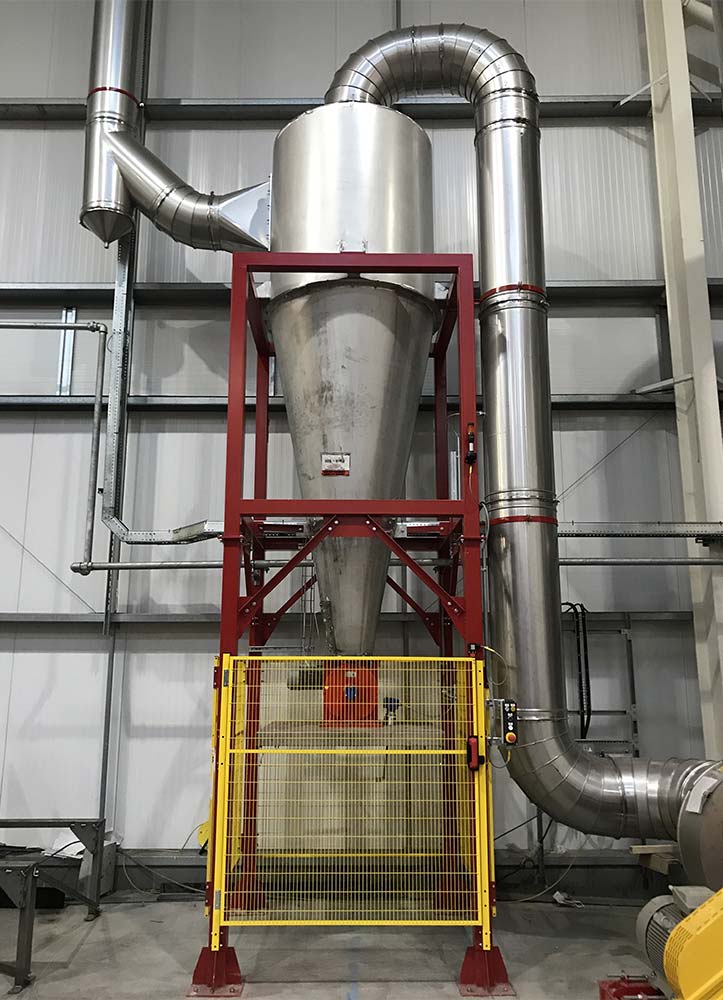
Industrial Venturi Scrubber System – High-Efficiency Air Pollution Control Unit
View Details
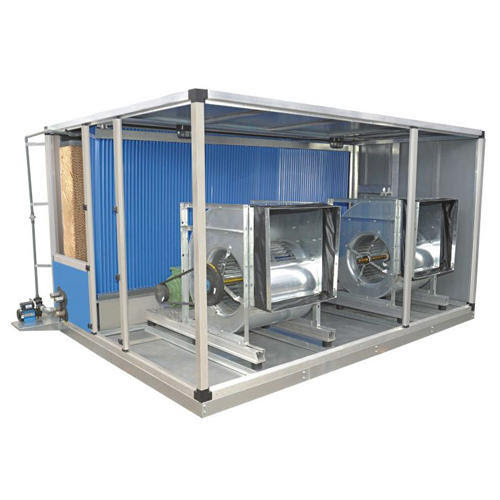
Industrial Fresh Air Handling Unit – High Efficiency Ventilation System
View Details
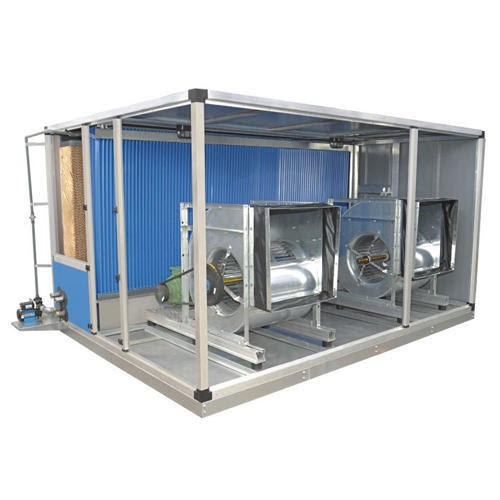
Industrial Evaporative Air Cooling Unit - High Efficiency HVAC System
View Details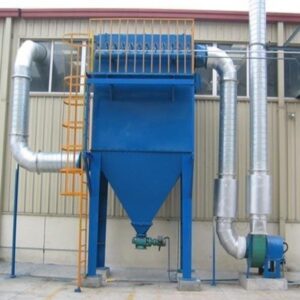
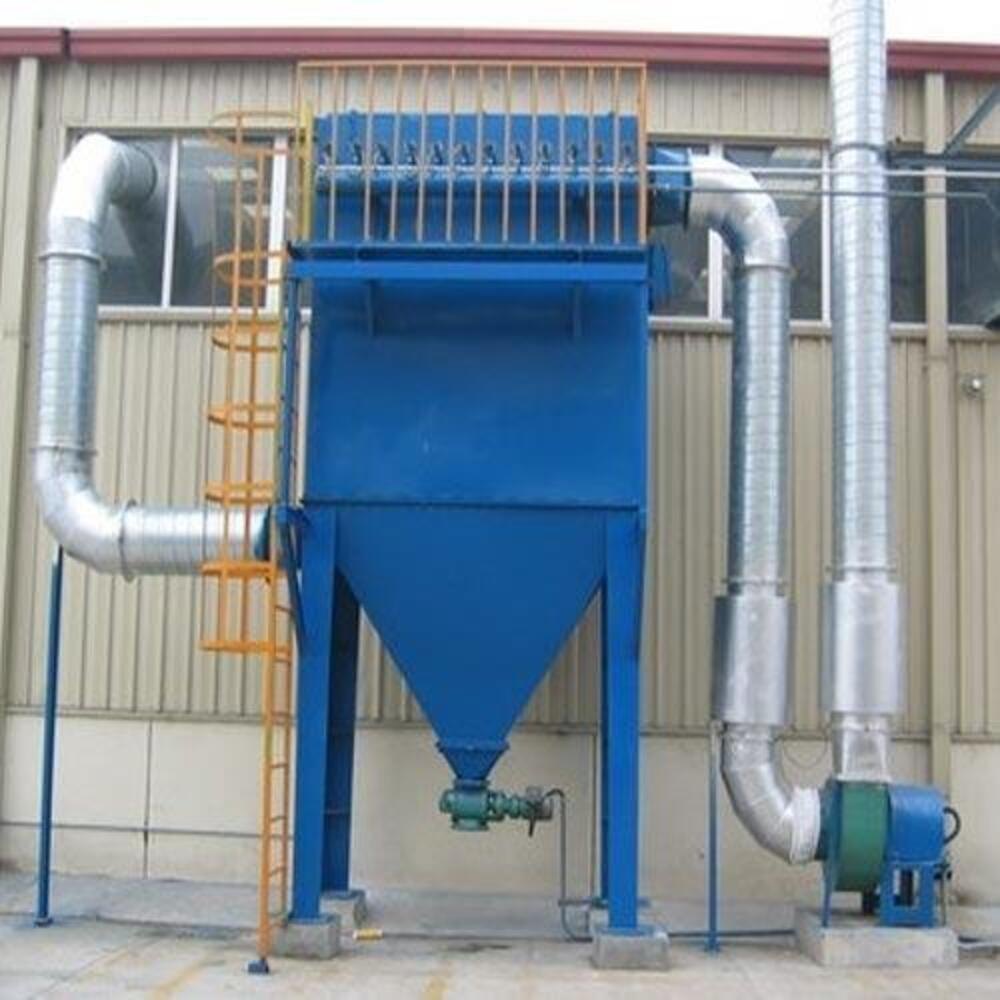
Industrial Dust Collector System – High Efficiency Air Pollution Control Unit
View Details
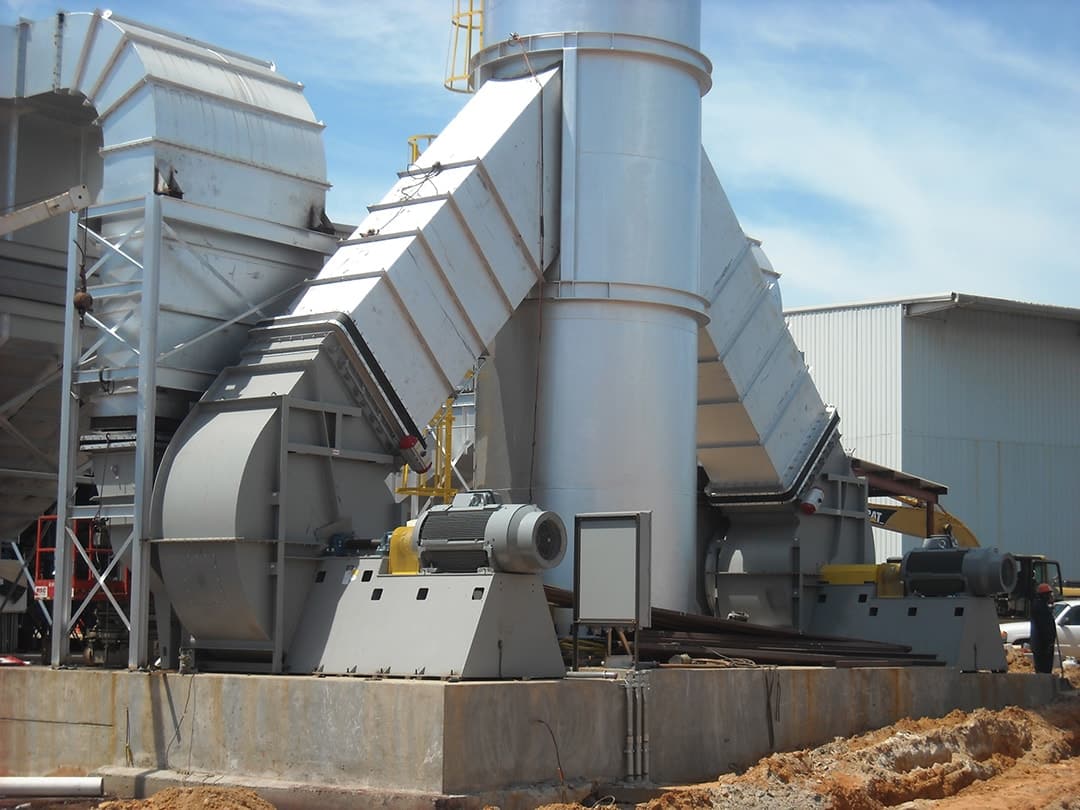
Industrial Smoke Spill Exhaust Unit - High-Temperature Ventilation System
View DetailsManaging air pollution in industrial environments is a serious responsibility. A VOC abatement system for factories helps reduce harmful emissions and ensures compliance with environmental standards. These systems handle volatile organic compounds released during production processes such as painting, coating, printing, or chemical manufacturing.
In many facilities, VOCs come from solvents and adhesives used in daily operations. Without proper control, these compounds can affect both air quality and worker safety. Installing a reliable abatement system allows factories to maintain cleaner air while meeting government regulations and sustainability goals.
Environmental laws have become stricter over time, requiring factories to reduce emissions and maintain safe working conditions. A well-designed abatement system captures and treats VOCs before they reach the atmosphere. This not only supports compliance but also improves the overall efficiency of ventilation systems by preventing buildup of corrosive gases and residues.
Different technologies are used depending on the type and concentration of VOCs. Common options include thermal oxidizers, catalytic oxidizers, adsorption units, and condensation systems. Each has its own advantages in terms of energy efficiency and maintenance needs.
| Technology | Best Use Case | Energy Efficiency | Maintenance Level |
|---|---|---|---|
| Thermal Oxidizer | High concentration VOC streams | Moderate | Medium |
| Catalytic Oxidizer | Low to medium VOC concentration | High | Low |
| Activated Carbon Adsorption | Low temperature exhaust | High | Medium |
| Condensation System | Solvent recovery applications | Very High | Low |
Aeppl engineers review process data and airflow conditions before recommending the right system for a factory. The goal is to balance performance, reliability, and energy use for each application.
VOC abatement systems work best when integrated with industrial ventilation and filtration setups. Aeppl offers solutions that can connect directly to exhaust ducts or central scrubber networks. For example, the Industrial Fume Extraction System and Industrial Venturi Scrubber System can be paired with VOC units to handle both gas and particulate pollutants effectively.
Newer abatement systems are designed to minimize energy consumption while maintaining high performance. Features like variable frequency drives, heat recovery exchangers, and sensor-based monitoring help optimize operation. These upgrades also support predictive maintenance, reducing downtime and keeping factories aligned with sustainability targets.
| Feature | Conventional System | Modern VOC Abatement System |
|---|---|---|
| Energy Consumption | High | Up to 35 percent lower |
| Automation Capability | Limited | Full PLC integration |
| Emission Control Accuracy | Moderate | High precision sensors |
| Maintenance Frequency | Frequent | Optimized scheduling |
Before installing a VOC abatement system, engineers assess factors such as airflow rates, exhaust temperatures, and chemical composition of emissions. Proper sizing and placement ensure efficient operation and long-term reliability. Aeppl provides on-site support during commissioning and performance testing to verify compliance and safety standards.
Aerotech Equipments and Projects Pvt. Ltd. (Aeppl) is a trusted manufacturer of industrial air handling and pollution control systems. With decades of experience, Aeppl helps factories achieve cleaner air and better efficiency through engineered solutions. Visit Aeppl
It is an industrial setup designed to remove or neutralize volatile organic compounds from process exhaust streams, ensuring cleaner air and regulatory compliance.
By controlling airborne organic compounds, it reduces exposure risks, creating a safer and healthier working environment for plant personnel.
Paint manufacturing, chemical processing, printing, automotive coating, and adhesive production plants typically need VOC abatement systems.
Yes, these systems can be engineered to connect with current ventilation and filtration setups for efficient process integration.
VOC concentration, airflow volume, exhaust temperature, and desired recovery options influence the choice of technology.
Modern systems are designed with heat recovery, smart controls, and optimized airflow management to minimize energy use.
Maintenance frequency depends on operation hours and pollutant load, but most systems require periodic filter and catalyst checks.
Yes, they are critical for meeting local and international air pollution standards and sustainability certifications.
Aeppl engineers design and manufacture VOC abatement systems customized for each factory's process requirements and emission profile.
You can reach Aeppl at +91-9599785811, +91 8377077661, +91 9810162210 or email sales@aeppl.com for detailed technical discussions.