
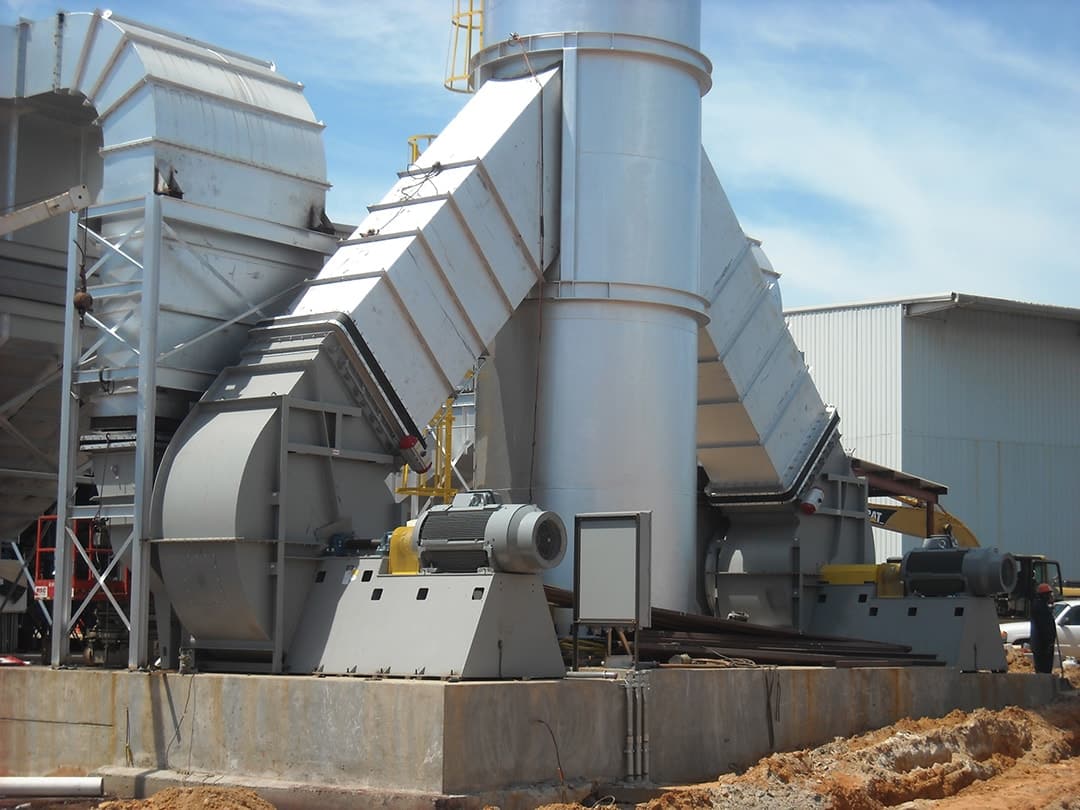
Industrial Smoke Spill Exhaust Unit - High-Temperature Ventilation System
View Details
Industrial Smoke Spill Exhaust Unit - High-Temperature Ventilation System
View Details
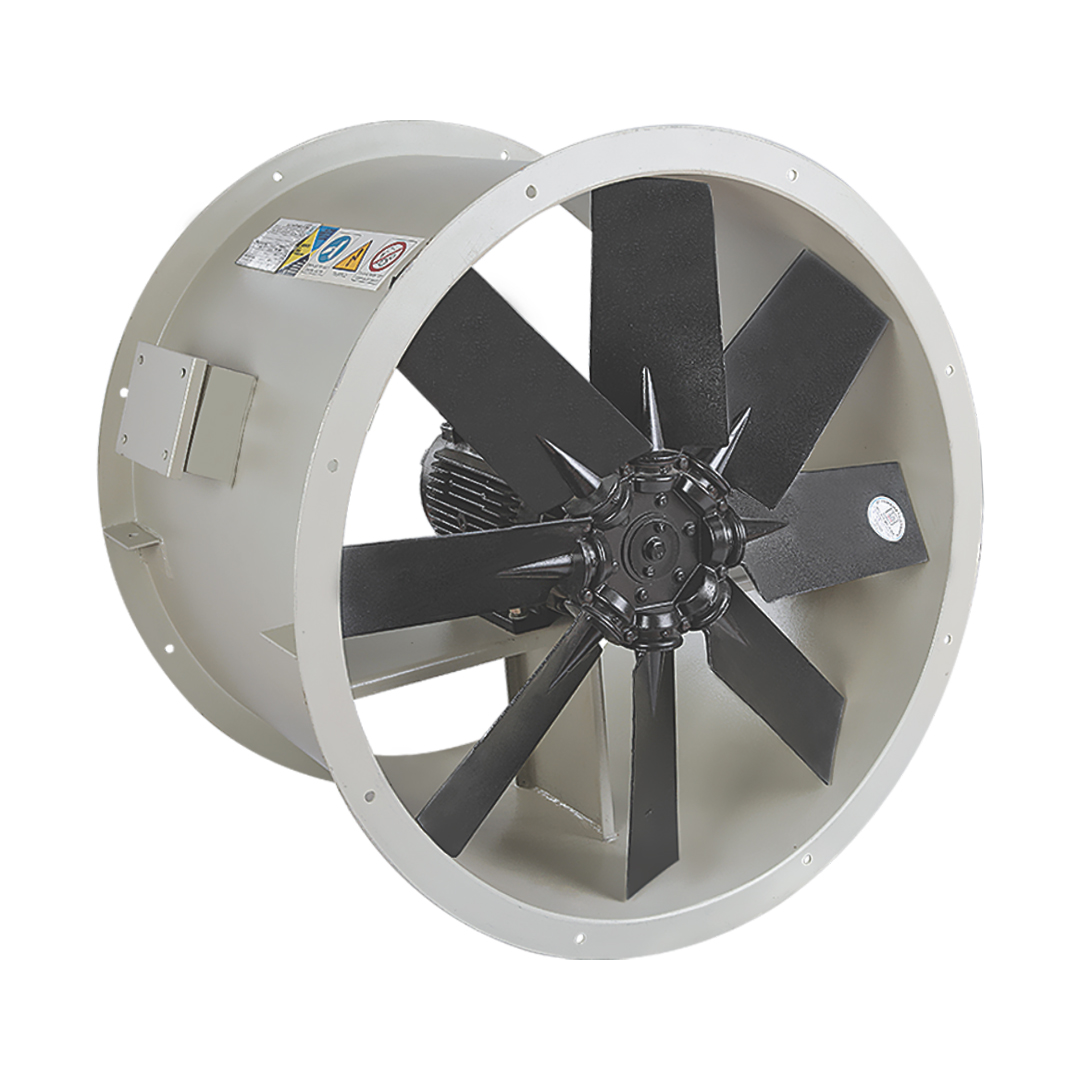
High-Temperature Axial Smoke Exhaust Fan - Industrial Ventilation System
View Details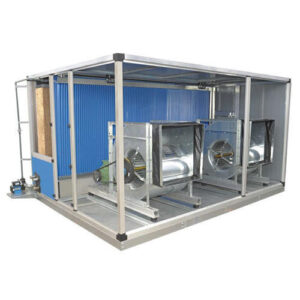
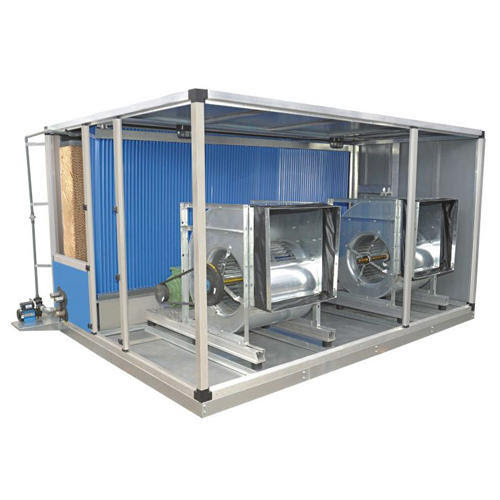
Industrial Fresh Air Handling Unit – High Efficiency Ventilation System
View Details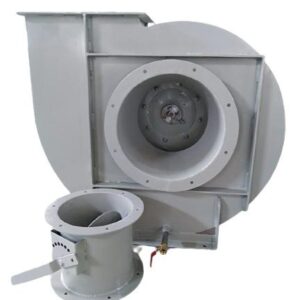
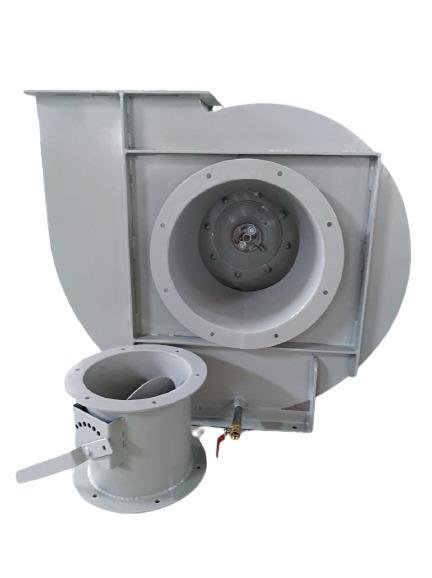
Industrial Kitchen Exhaust Centrifugal Blower Fan – High Efficiency Ventilation System
View Details
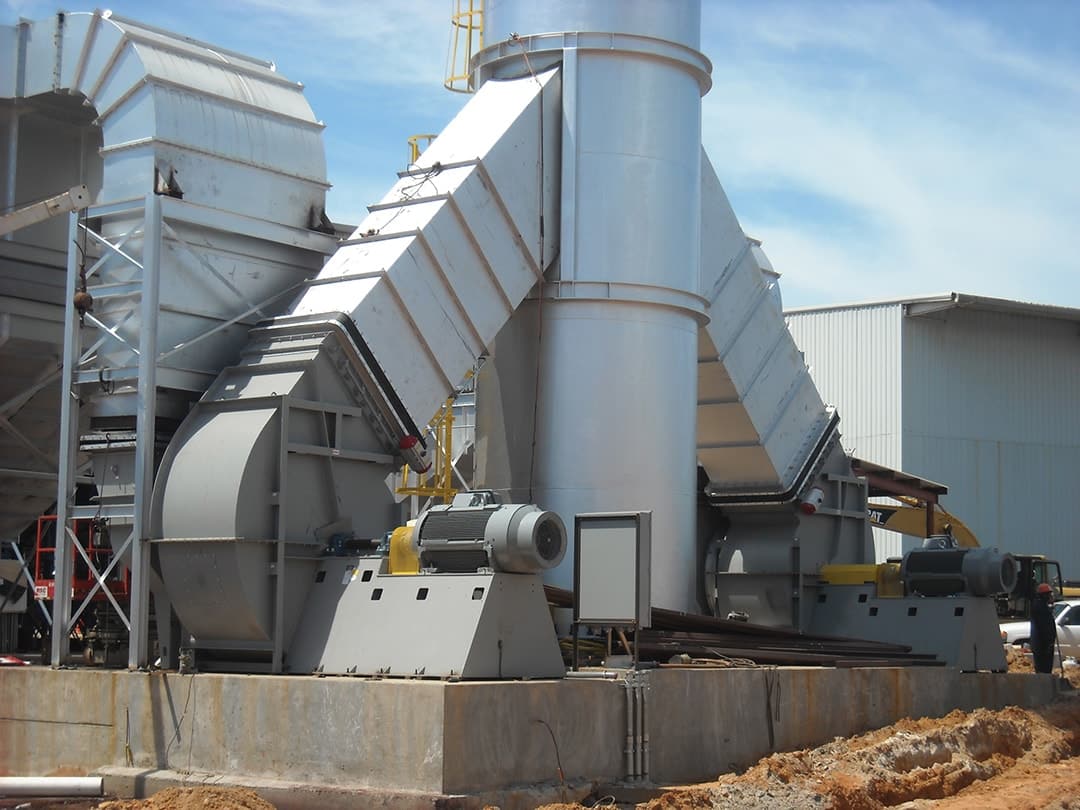
Industrial Fume Extraction System - High-Efficiency Air Filtration Unit
View Details

Industrial Axial Metal Exhaust Fan – High Airflow Ventilation System
View Details
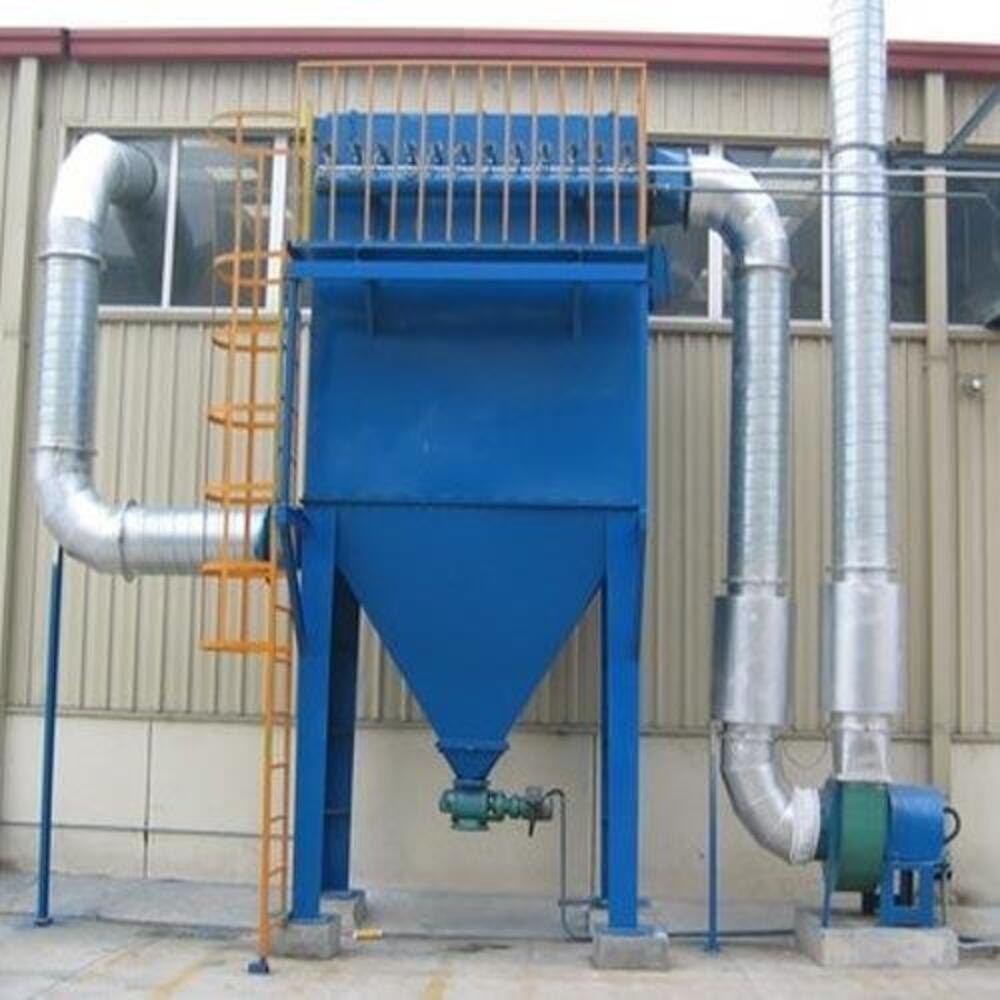
Industrial Mechanical Dust Collector System - High-Efficiency Air Filtration Unit
View Details
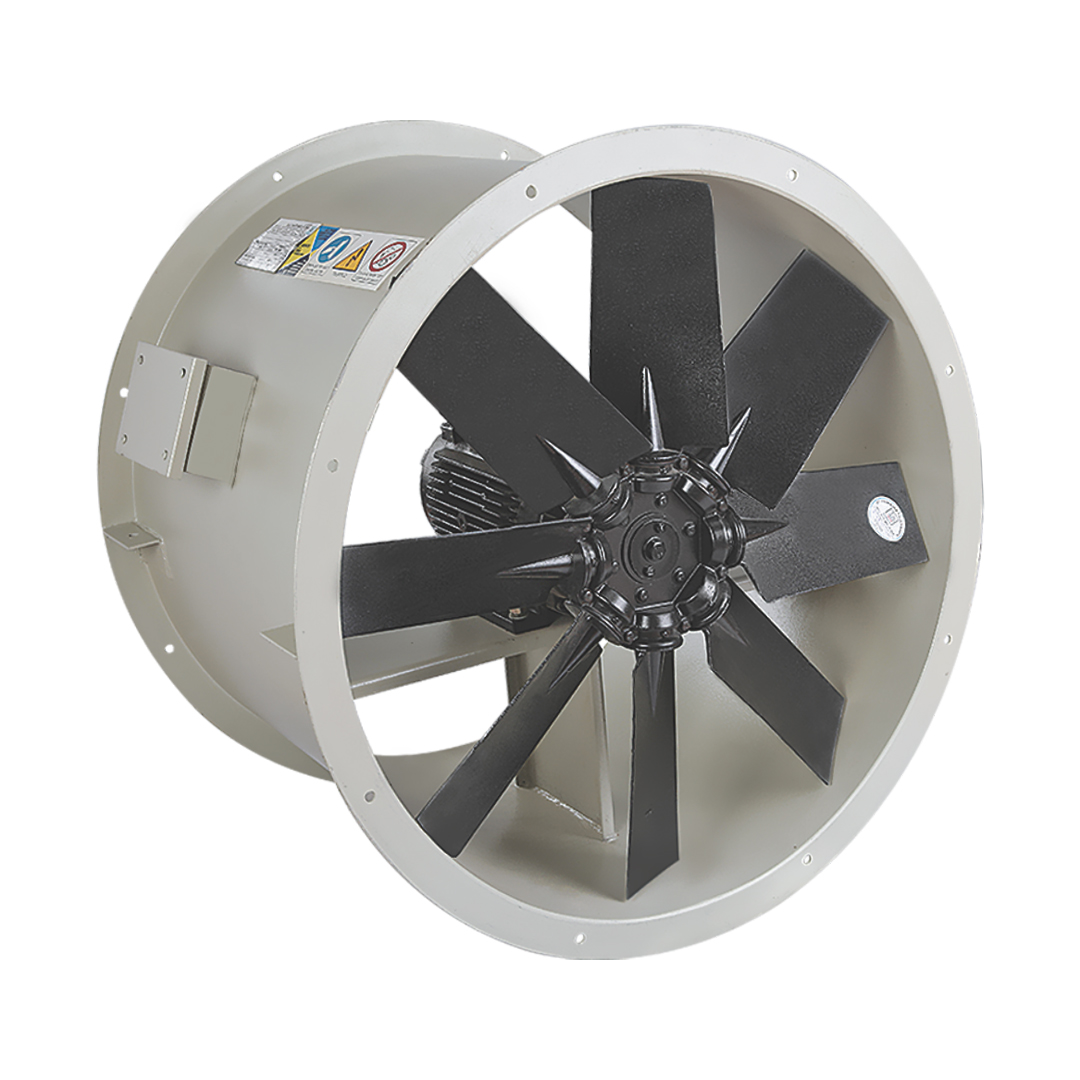
Industrial Axial Flow Exhaust Fan - High Airflow Metal Ventilation System
View DetailsA factory exhaust system is essential for maintaining healthy air quality and safe working conditions in industrial environments. Whether in metal fabrication, food processing, or chemical production, proper exhaust management removes contaminants, balances airflow, and supports compliance with environmental standards. A reliable system helps reduce heat buildup and improves overall plant efficiency.
At its core, the system draws polluted air from production zones and releases it through controlled ventilation ducts. Filters and fans manage the quality and speed of airflow, ensuring that harmful particles and gases are removed effectively. The setup can include axial or centrifugal fans, ductwork, dampers, and filtration units depending on the factory layout and process type.
Designing a factory exhaust system requires careful evaluation of airflow capacity, pressure loss, duct geometry, and filtration needs. Each plant has unique requirements, and engineers often customize systems based on process intensity and space constraints. Facilities with heat-intensive operations may need high-temperature exhaust fans, while general ventilation systems focus more on energy efficiency and noise reduction.
| System Type | Typical Application | Key Benefit |
|---|---|---|
| Smoke Spill Exhaust Unit | Foundries, emergency smoke extraction | High heat tolerance, quick air clearance |
| Axial Metal Exhaust Fan | General plant ventilation | Steady airflow with reduced power use |
| Fume Extraction System | Welding and chemical processes | Effective pollutant filtration and control |
Modern exhaust systems are designed to align with local pollution control norms and ISO standards. Integration with automated monitoring improves efficiency and allows precise airflow adjustment. Variable-speed drives help manage energy use while maintaining safe air quality levels across production zones.
Since no two factories are identical, custom-built exhaust systems provide better long-term results. Engineers can modify fan sizes, duct layouts, and filtration mechanisms to match operational demands. Aeppl supports both new installations and upgrades, offering tailored designs that fit existing ventilation networks and meet performance goals.
| Feature | Standard Option | Customized Option |
|---|---|---|
| Fan Diameter | 300 mm - 1000 mm | Up to 1500 mm for large-scale plants |
| Material | Galvanized steel | Stainless steel or alloy coatings |
| Control System | Manual operation | PLC-based automation with sensors |
Reliable ventilation contributes to equipment longevity and worker comfort. A well-maintained factory exhaust system reduces maintenance downtime and supports consistent production output. Energy-efficient components also help lower operating costs and align with sustainability targets.
Across these sectors, effective exhaust systems are vital for maintaining clean air and safe operations. Aeppl designs solutions that perform reliably under diverse conditions, helping industries maintain efficiency and meet environmental standards.
Aeppl (Aerotech Equipments and Projects Pvt. Ltd.) is an established manufacturer and exporter of industrial ventilation and air handling equipment. With decades of technical experience, Aeppl provides durable and efficient factory exhaust systems for global industries. Contact +91-9599785811, +91 8377077661, +91 9810162210 or sales@aeppl.com for consultation.
Visit AepplA factory exhaust system removes fumes, smoke, and airborne contaminants from industrial spaces to maintain clean air and safe working conditions.
It protects workers and equipment by controlling heat, dust, and pollutants, helping facilities comply with safety and environmental standards.
By keeping air circulation steady and temperature balanced, it reduces strain on machinery and supports consistent production output.
Airflow volume, temperature range, contaminant type, and plant layout determine how the system should be configured.
Yes, many systems include sensors and PLC-based controls for automated airflow management and energy optimization.
They are common in automotive, metal fabrication, chemical, food processing, and textile manufacturing plants.
Routine inspection every 6 to 12 months helps maintain filters, fans, and ducts for optimal performance.
Manufacturers use galvanized steel, stainless steel, and coated alloys for durability and corrosion resistance.
Yes, Aeppl offers custom systems built to match plant-specific airflow, layout, and environmental requirements.
Reach Aeppl at +91-9599785811, +91 8377077661, +91 9810162210 or email sales@aeppl.com for product consultation and quotation.