
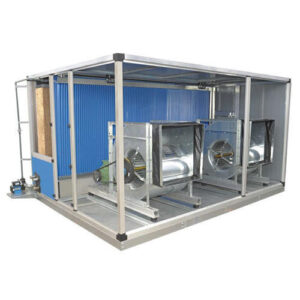
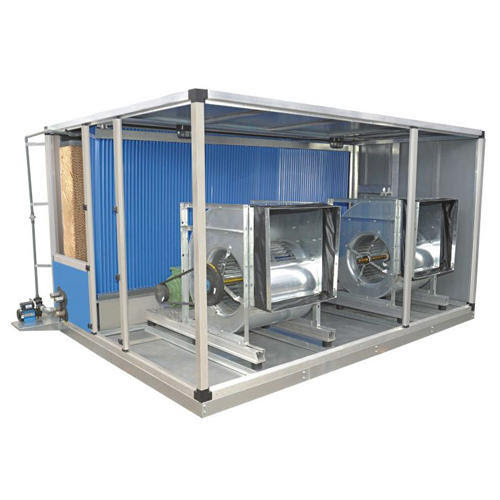
Industrial Fresh Air Handling Unit – High Efficiency Ventilation System
View Details
Industrial Fresh Air Handling Unit – High Efficiency Ventilation System
View Details
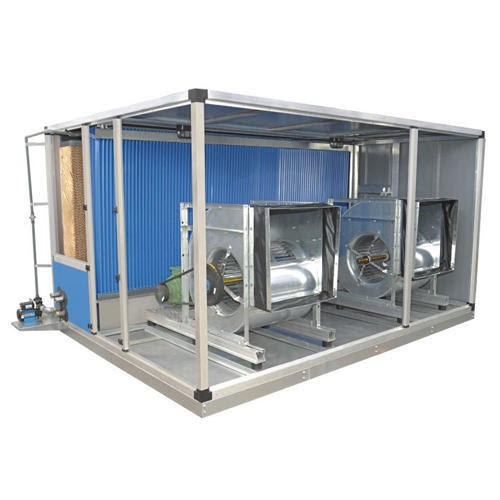
Industrial Evaporative Air Cooling Unit - High Efficiency HVAC System
View Details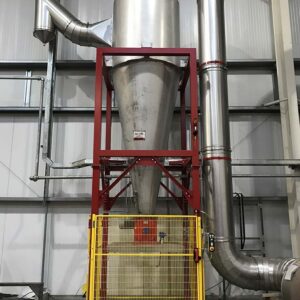

Industrial Venturi Scrubber System - High-Efficiency Air Pollution Control Unit
View Details
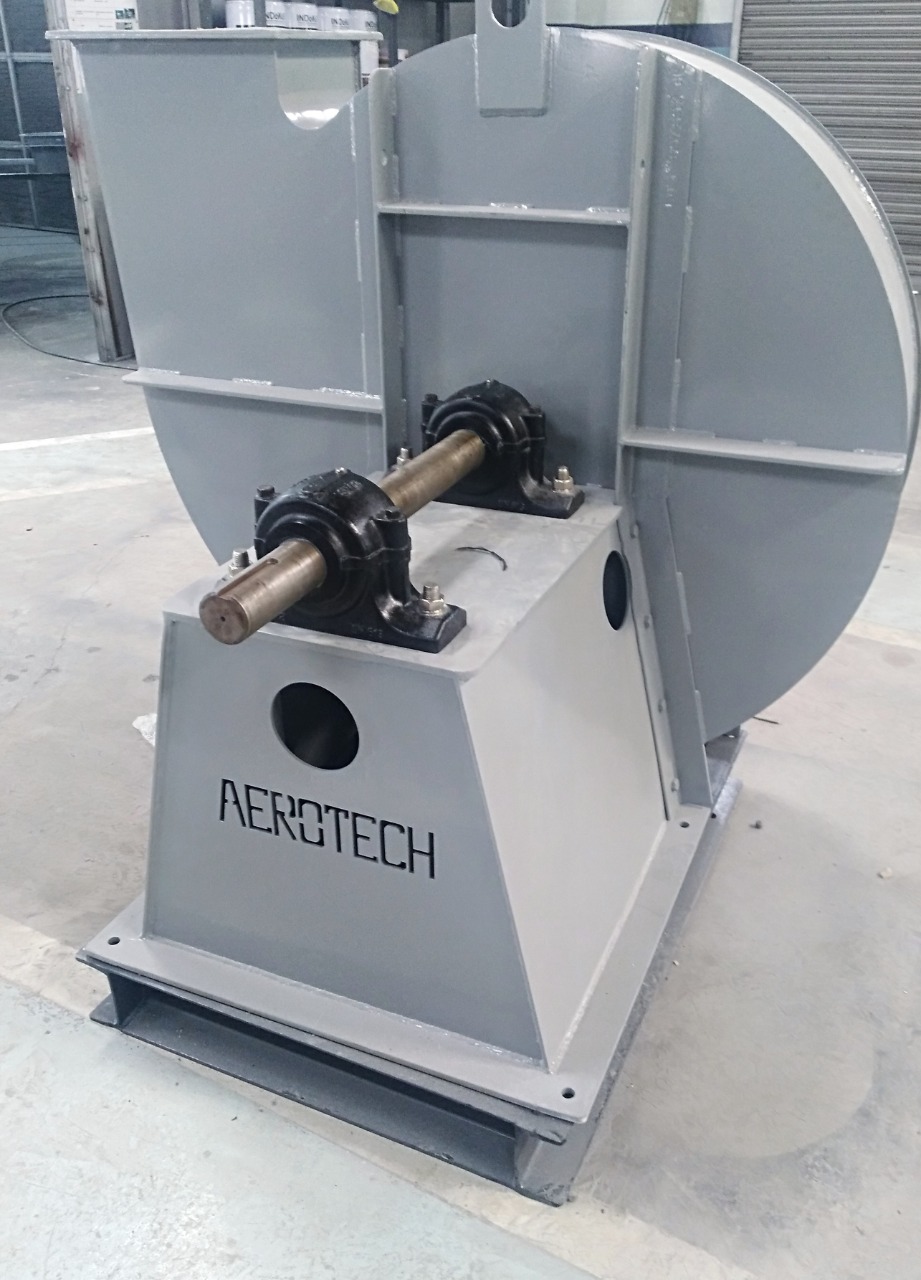
Industrial Centrifugal Air Ventilation System – Heavy Duty Steel Housing
View Details
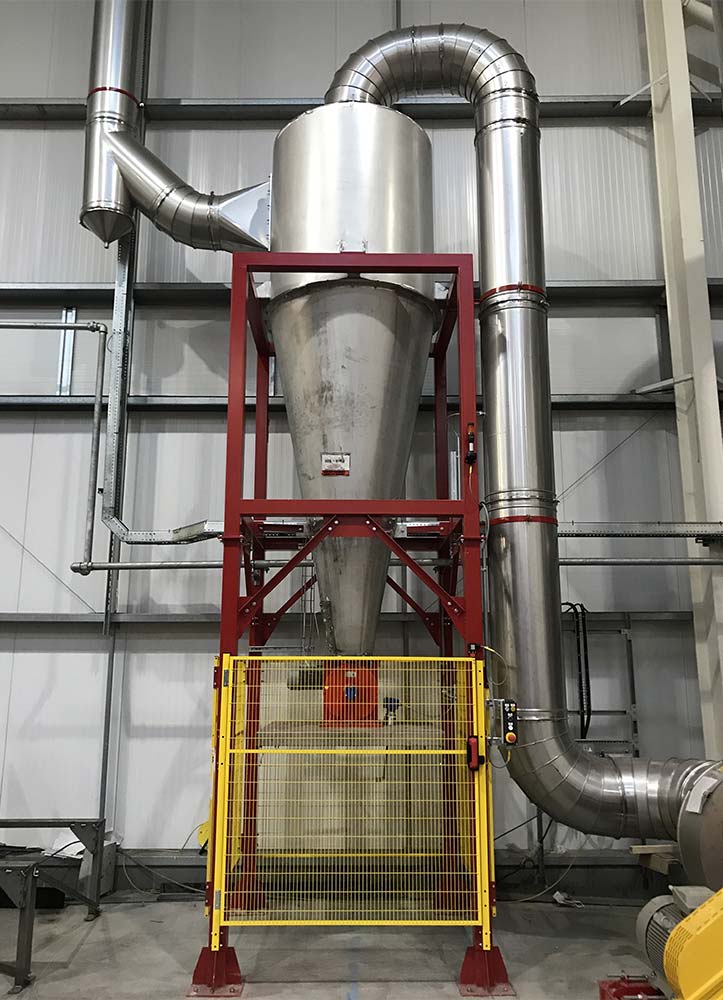
Industrial Venturi Scrubber System – High-Efficiency Air Pollution Control Unit
View Details
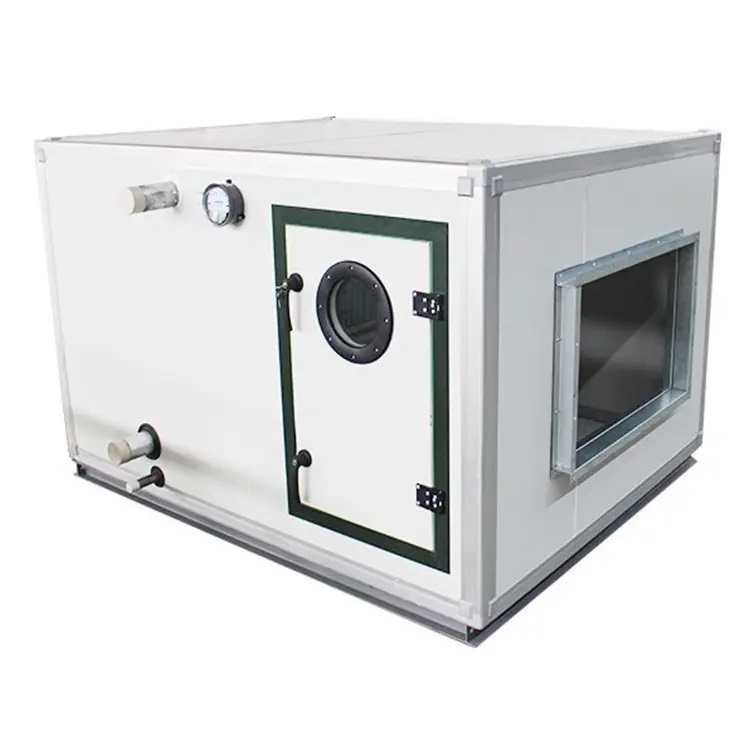
Industrial Treated Fresh Air Unit – Energy-Efficient Air Handling System
View Details
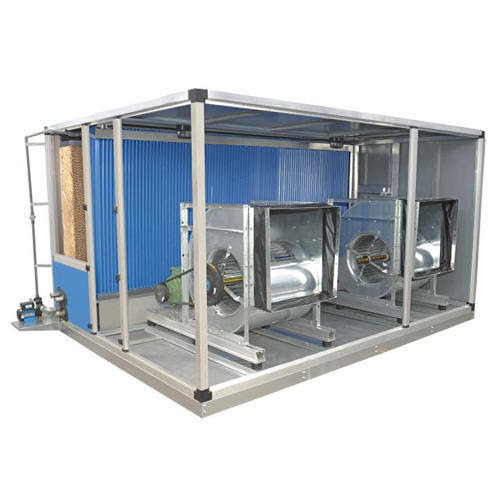
Industrial Evaporative Air Cooling Unit – High Efficiency HVAC System
View Details
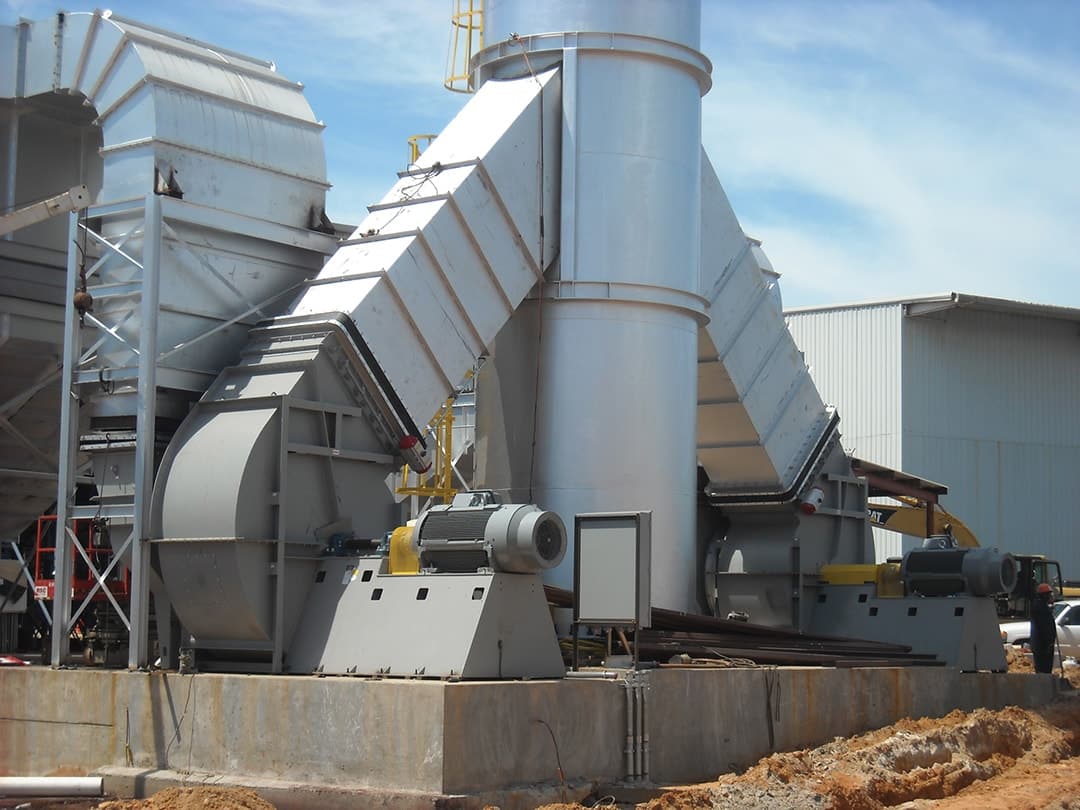
Industrial Fume Scrubber System - High-Efficiency Air Pollution Control Unit
View DetailsProper ventilation systems are essential for maintaining safe and efficient operations in electrical substations. The right setup helps control temperature, prevent equipment overheating, and improve air quality for maintenance teams. This guide covers what to consider when selecting and purchasing ventilation for electrical substations, including system types, sizing, installation, and maintenance.
Electrical substations house transformers, switchgear, and control panels that generate heat during operation. Without adequate ventilation, temperatures can rise quickly, reducing equipment lifespan and increasing the risk of failure. Effective airflow management helps maintain optimal working conditions, supports reliable performance, and ensures compliance with safety regulations.
Start by assessing the total heat generated by transformers, circuit breakers, and other electrical components. This determines the ventilation capacity required. A detailed thermal analysis can help identify hot spots and guide fan placement or duct design.
Substations located in humid or dusty environments need ventilation systems that include filters and corrosion-resistant materials. In colder climates, temperature control should prevent condensation on sensitive electrical parts.
Airflow should move efficiently through the space, removing heat and contaminants without creating turbulence. Consider intake and exhaust locations carefully to maintain a balanced flow. Louvers, vents, and axial fans are common components used to achieve this.
Modern ventilation systems can be designed to minimize energy use while maintaining performance. Variable-speed fans and automated controls adjust airflow based on temperature readings, reducing power consumption during low-demand periods.
Electrical substations must comply with industry standards such as IEEE and IEC. Ventilation systems should be designed to meet these requirements, ensuring safe operation around high-voltage equipment. Fire-resistant materials and explosion-proof fans may be required in some installations.
| Type | Description | Best Use Case |
|---|---|---|
| Natural Ventilation | Uses openings and louvers to allow air movement through convection. | Small substations or low heat load environments. |
| Forced Ventilation | Employs fans and ducts to actively move air. | Medium to large substations with high heat generation. |
| Filtered Ventilation | Includes air filters to remove dust and particulates. | Outdoor or industrial areas with airborne contaminants. |
| Temperature-Controlled Ventilation | Integrates sensors and automated controls for precise temperature management. | Critical infrastructure requiring constant thermal stability. |
Proper installation ensures that ventilation systems perform effectively. Ducts should be sealed to prevent air leaks, and fans must be positioned to optimize flow paths. Regular maintenance includes cleaning filters, checking fan bearings, and inspecting electrical connections. A scheduled maintenance plan helps prevent downtime and extends equipment life.
The cost of purchasing ventilation for electrical substations depends on size, complexity, and materials used. While initial investment may vary, efficient systems reduce long-term energy costs and maintenance expenses. Comparing specifications and warranties helps identify the best value for your project.
When selecting a supplier, look for experience in industrial ventilation and proven performance in electrical environments. Companies such as Aeppl and other established manufacturers provide durable, engineered solutions for substations. Aeppl stands out for its attention to detail, material quality, and technical support that ensures each system meets project requirements.
To purchase ventilation for electrical substations, review your site conditions and equipment specifications, then consult with an experienced provider. Aeppl offers a full range of ventilation products designed for electrical applications, helping you achieve safe and efficient operations.
Aeppl designs and supplies reliable ventilation systems for electrical substations and other industrial facilities. Our products combine performance, durability, and safety for demanding environments. Visit Aeppl
Ventilation prevents overheating of transformers and switchgear, helping maintain safe operating temperatures and reliable performance.
Common types include natural, forced, filtered, and temperature-controlled ventilation systems, each suited to different site conditions.
Calculate the total heat load from electrical equipment and use airflow formulas or consult engineers to size fans and ducts correctly.
Yes, energy-efficient fans and automated controls adjust airflow based on temperature, lowering power consumption over time.
Filters are recommended in dusty or polluted environments to protect sensitive electrical components and maintain air quality.
Routine maintenance, including filter cleaning and fan inspection, should be performed every six to twelve months depending on usage.
Corrosion-resistant metals and fire-rated plastics are commonly used to ensure durability and safety near high-voltage equipment.
Yes, systems must comply with standards like IEEE and IEC, which define safety and performance requirements for electrical installations.
Aeppl offers engineered ventilation solutions built for electrical reliability, combining durable materials with expert technical support.
Yes, Aeppl provides detailed installation recommendations to ensure proper airflow and long-term system performance.