
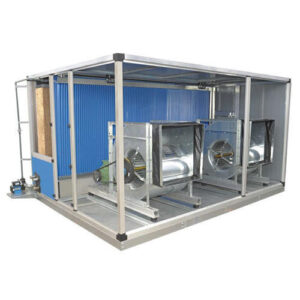
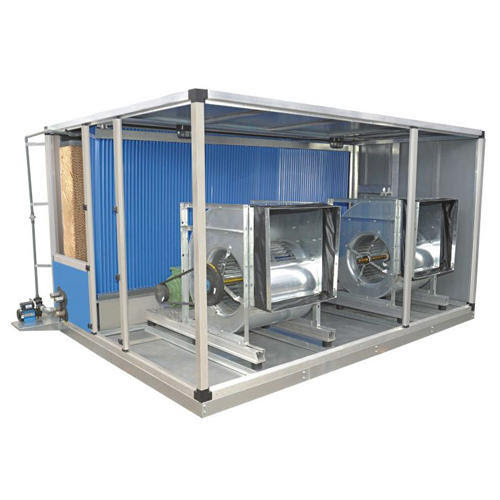
Industrial Fresh Air Handling Unit – High Efficiency Ventilation System
View Details
Industrial Fresh Air Handling Unit – High Efficiency Ventilation System
View Details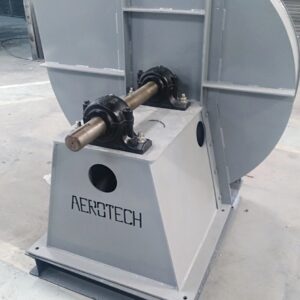
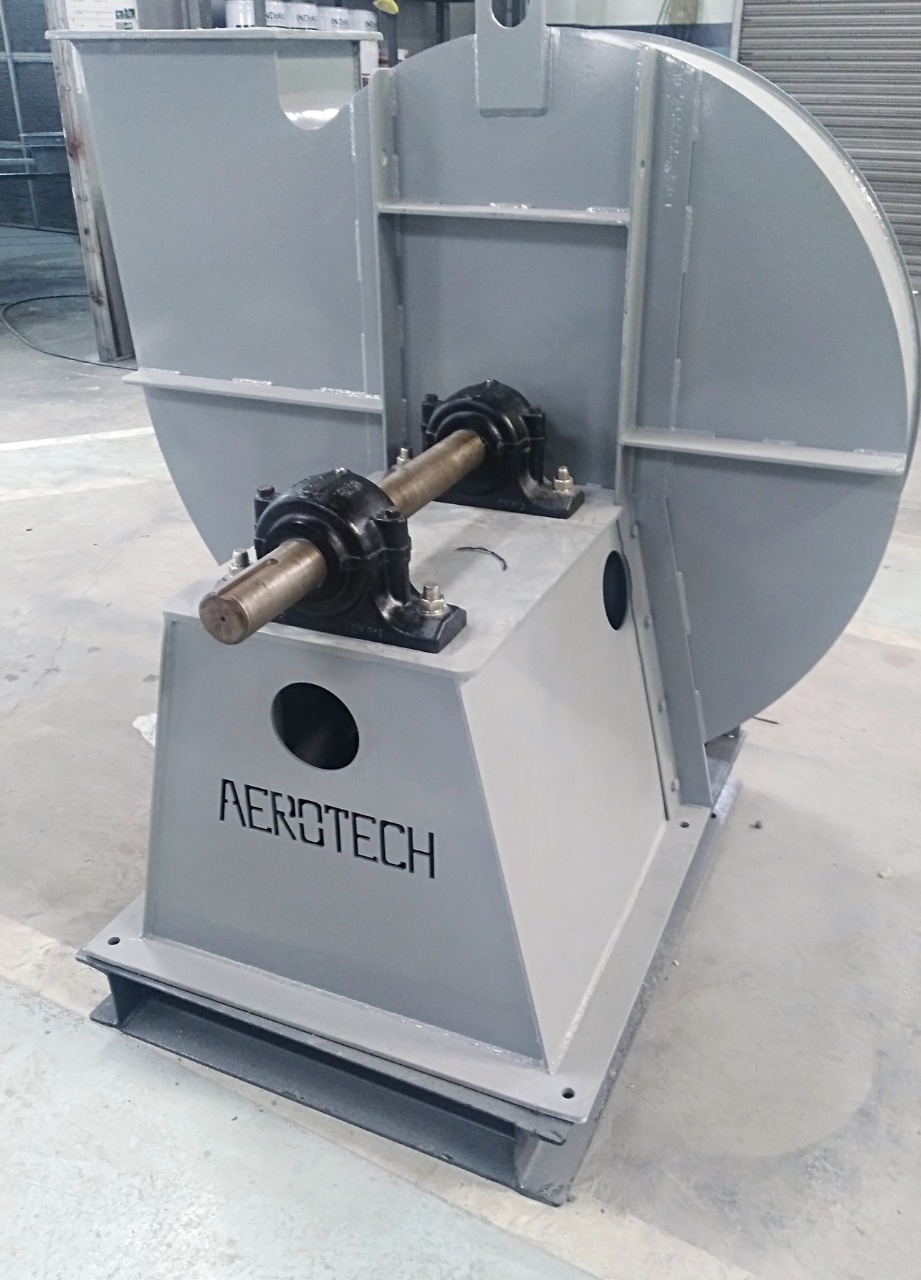
Industrial Centrifugal Ventilation Blower – Heavy-Duty Air Handling Unit
View Details
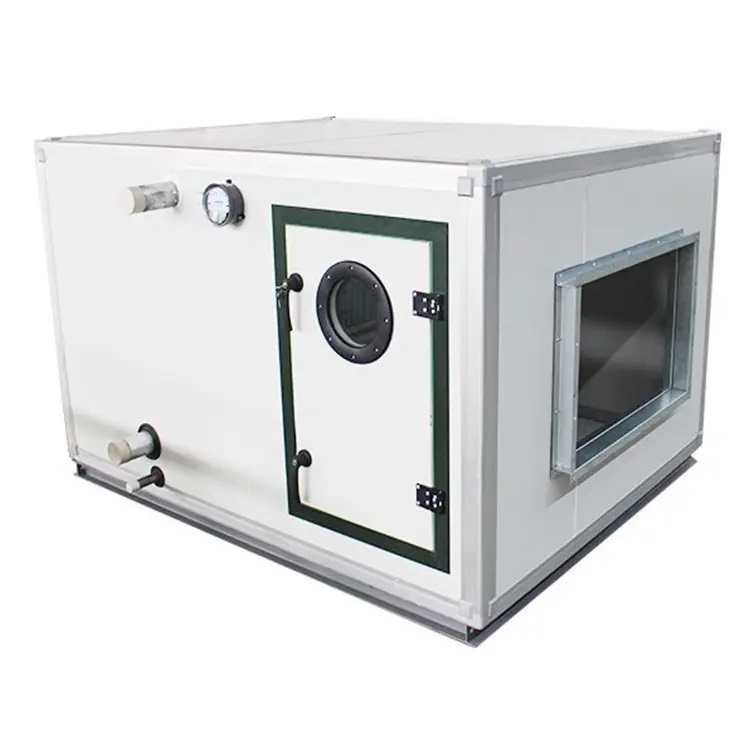
Industrial Treated Fresh Air Unit – Energy-Efficient Air Handling System
View Details
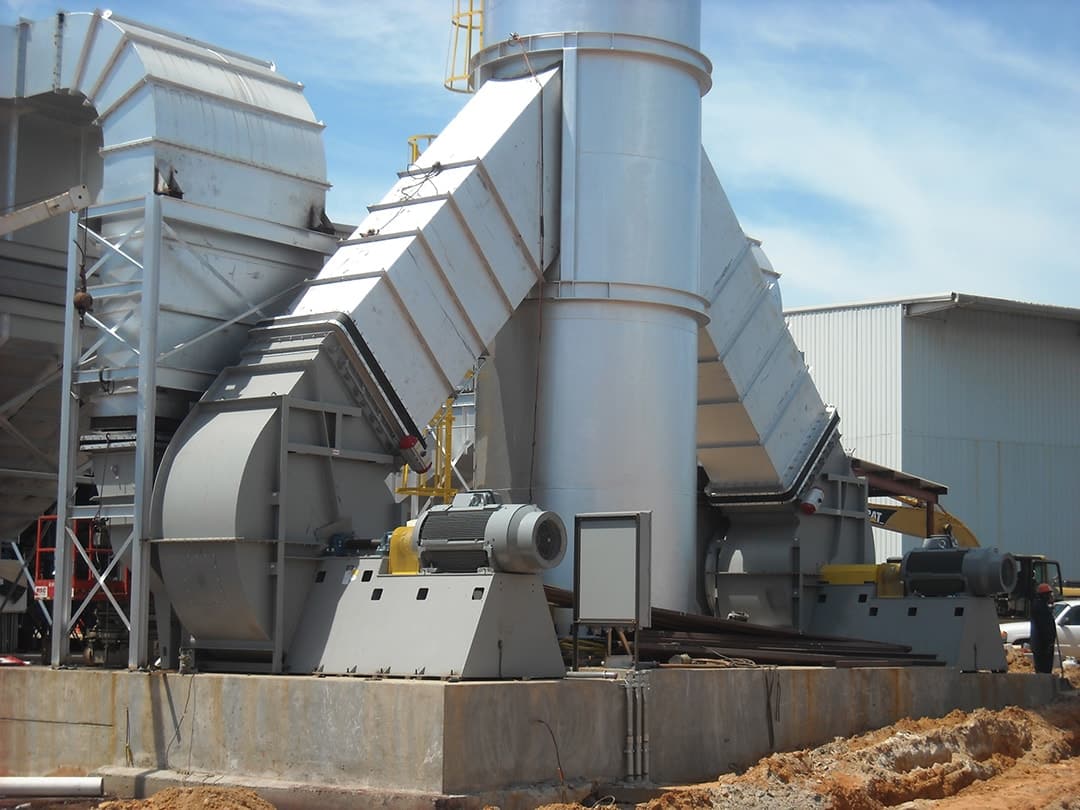
High-Capacity Industrial Centrifugal Ventilator - Heavy-Duty Airflow System
View Details
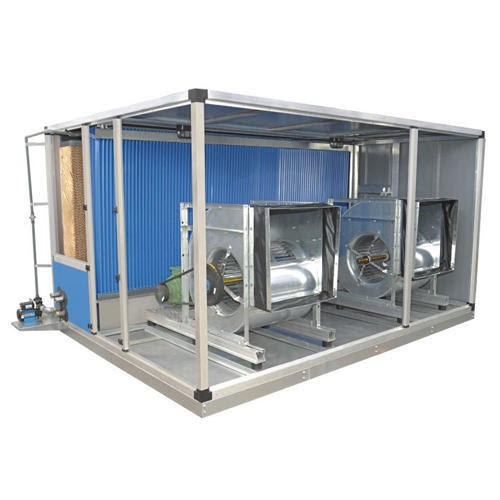
Industrial Evaporative Air Cooling Unit - High Efficiency HVAC System
View Details
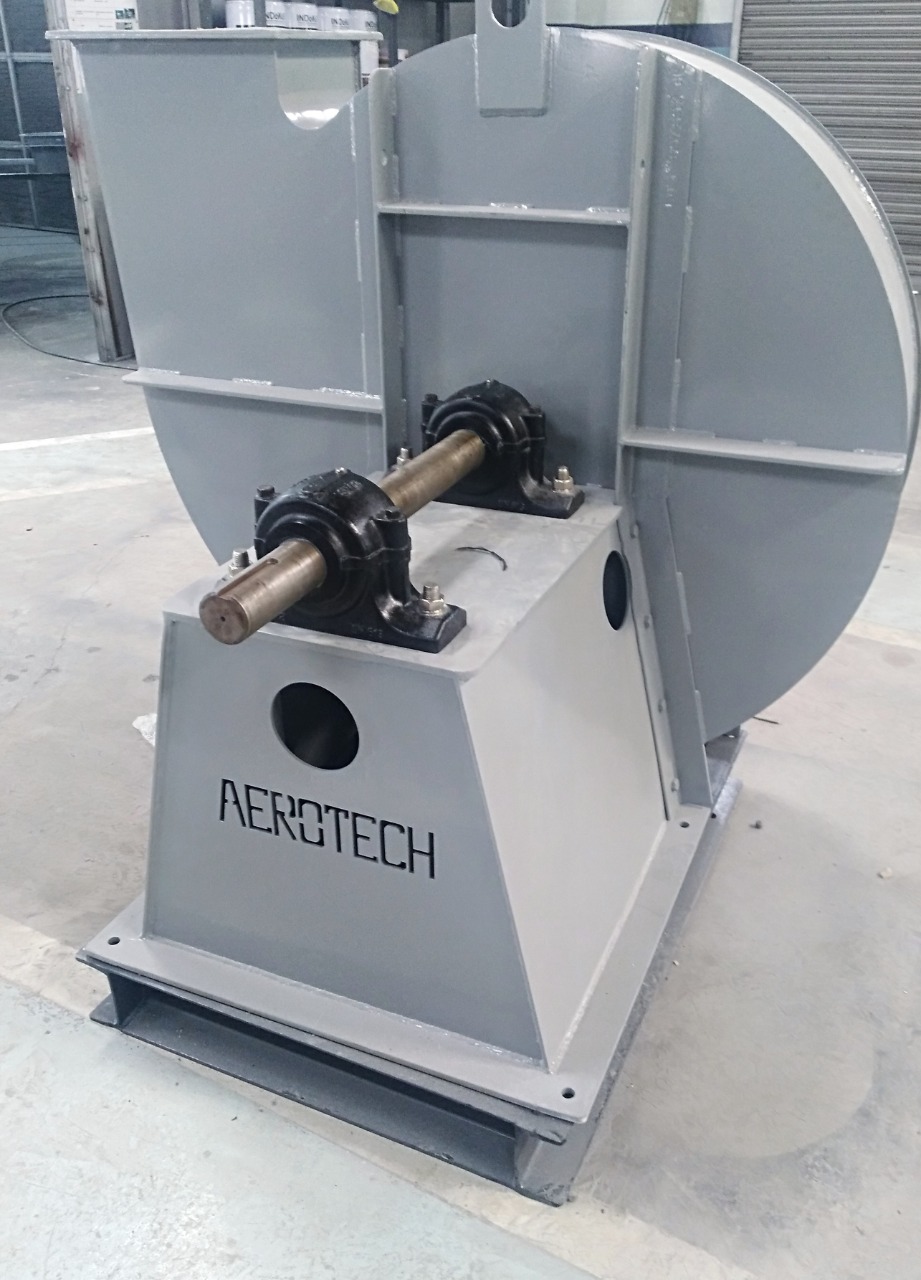
Industrial Centrifugal Air Ventilation System – Heavy Duty Steel Housing
View Details
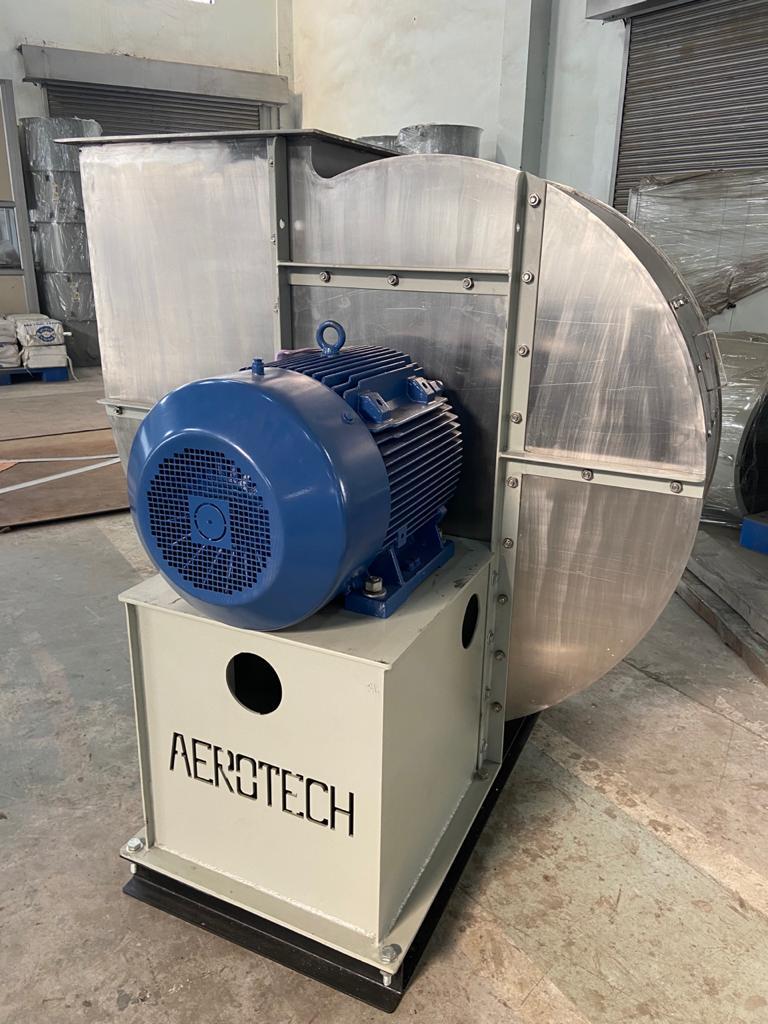
Industrial Low-Pressure Centrifugal Blower - High Efficiency Air Handling Unit
View Details
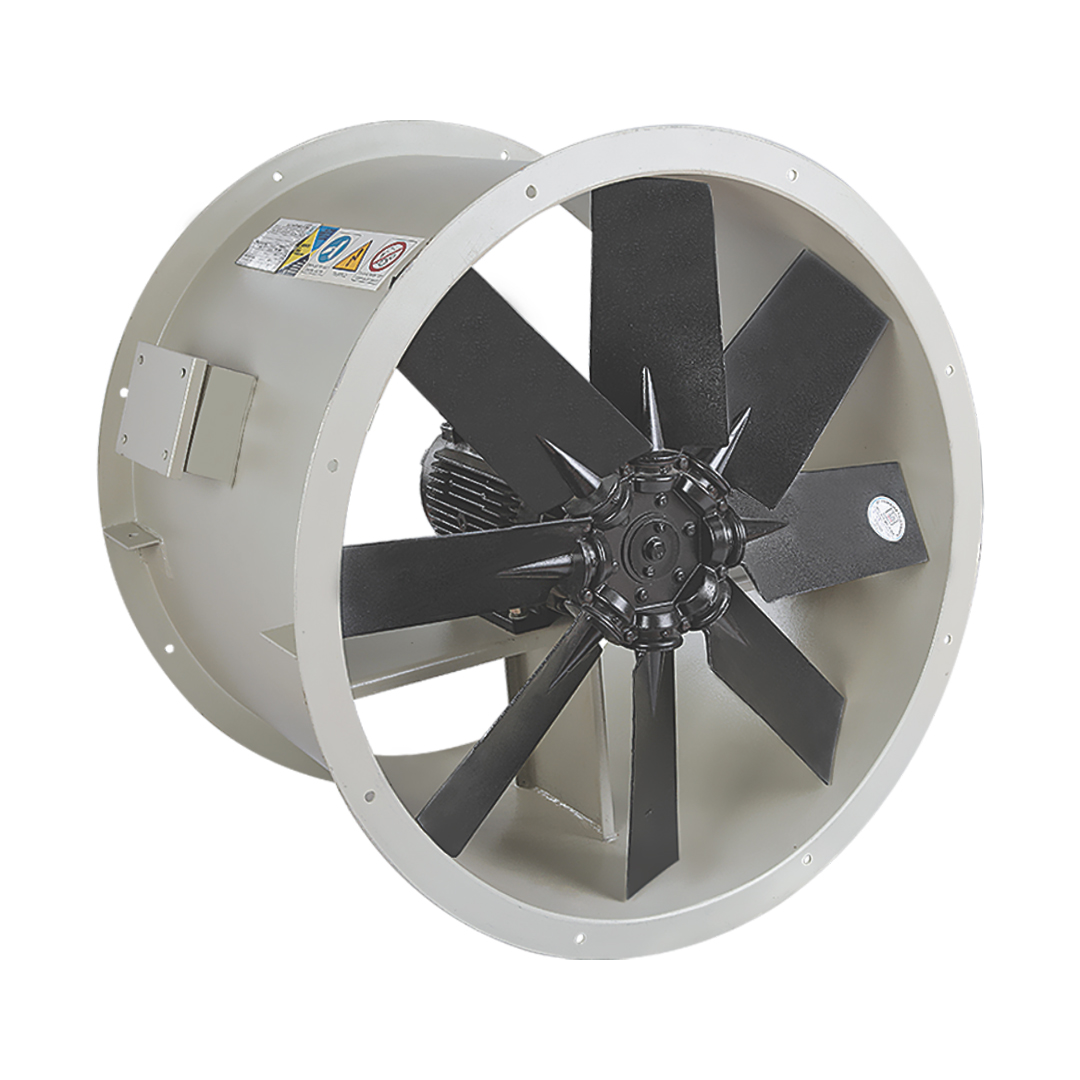
Industrial Axial Flow Fan - High Efficiency Air Ventilation System
View DetailsAir ventilation for production lines plays a vital role in maintaining consistent quality, safe working conditions, and energy-efficient operations. In manufacturing environments, managing airflow is not just about comfort but about controlling temperature, humidity, and airborne contaminants that can affect both equipment and personnel.
Whether it's automotive assembly, food processing, pharmaceuticals, or heavy engineering, well-planned ventilation ensures every part of the production line runs smoothly. The right system helps reduce downtime, protect machinery, and maintain compliance with environmental and safety standards.
Choosing ventilation equipment depends on process type, heat generation, and required air quality. Common solutions include axial flow fans, centrifugal blowers, and air handling units. Each system offers unique advantages for specific industrial applications.
| System Type | Application | Advantages |
|---|---|---|
| Axial Flow Fans | General ventilation, high airflow areas | Compact design, quick installation |
| Centrifugal Blowers | Dust or fume extraction, targeted zones | High pressure, steady performance |
| Air Handling Units | Cleanroom or controlled environments | Precise filtration, stable temperature control |
Manufacturers such as Aeppl design and supply ventilation systems tailored for industrial production lines. Their products, including the Industrial Axial Flow Fan and Low-Pressure Centrifugal Blower, are engineered for long-term reliability and efficient airflow management.
Modern ventilation systems are increasingly designed with sustainability in mind. Variable speed drives, intelligent sensors, and automated dampers allow precise control of airflow and reduce energy consumption. These features help meet environmental standards while keeping operational costs under control.
| Feature | Benefit |
|---|---|
| Variable Speed Drives | Match airflow demand and reduce power usage |
| Smart Monitoring | Enable predictive maintenance and performance tracking |
| High-Efficiency Motors | Lower energy draw and extend equipment lifespan |
Each industry faces unique ventilation challenges, from managing heat and fumes to maintaining clean air for product integrity. Engineering teams often work with ventilation manufacturers to create systems that align with plant layouts, regulatory requirements, and production goals.
Investing in a reliable air ventilation system for production lines offers measurable benefits. Improved air quality enhances worker productivity, while optimized airflow reduces equipment wear and energy costs. Over time, these gains contribute to sustainable and cost-effective operations.
Aeppl supports industries with installation assistance, audits, and system upgrades to ensure ventilation equipment continues to perform efficiently throughout its service life.
Aerotech Equipments and Projects Pvt. Ltd. (Aeppl) is a trusted Indian manufacturer and exporter of industrial air handling and ventilation systems. Known for engineering precision and durable designs, Aeppl serves global manufacturing sectors with reliable performance solutions. Visit Aeppl
Proper ventilation controls temperature, humidity, and airborne contaminants, creating safer and more efficient working conditions for continuous operations.
Common systems include axial fans, centrifugal blowers, air handling units, and evaporative cooling setups depending on process requirements.
It helps remove fumes, dust, and excess heat, reducing exposure to harmful particles and maintaining a healthier workspace.
Yes, most industrial ventilation equipment can be tailored for airflow capacity, filtration level, and integration with automation systems.
Airflow design, duct layout, fan efficiency, and maintenance practices are key factors that determine overall performance.
Using variable speed drives, high-efficiency motors, and smart sensors helps optimize airflow and reduce energy consumption.
Axial fans move air along the axis for high volume and low pressure, while centrifugal fans generate higher pressure for localized extraction.
Routine inspections and cleaning are recommended quarterly or semi-annually depending on usage and environmental conditions.
Aeppl offers installation assistance, commissioning, and after-sales service for industrial ventilation equipment.
Aeppl designs robust, energy-efficient ventilation systems engineered for continuous duty and compliance with industrial standards.