
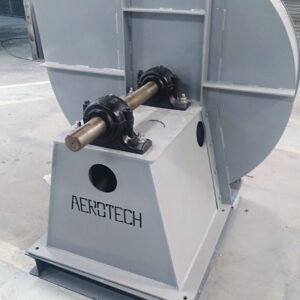
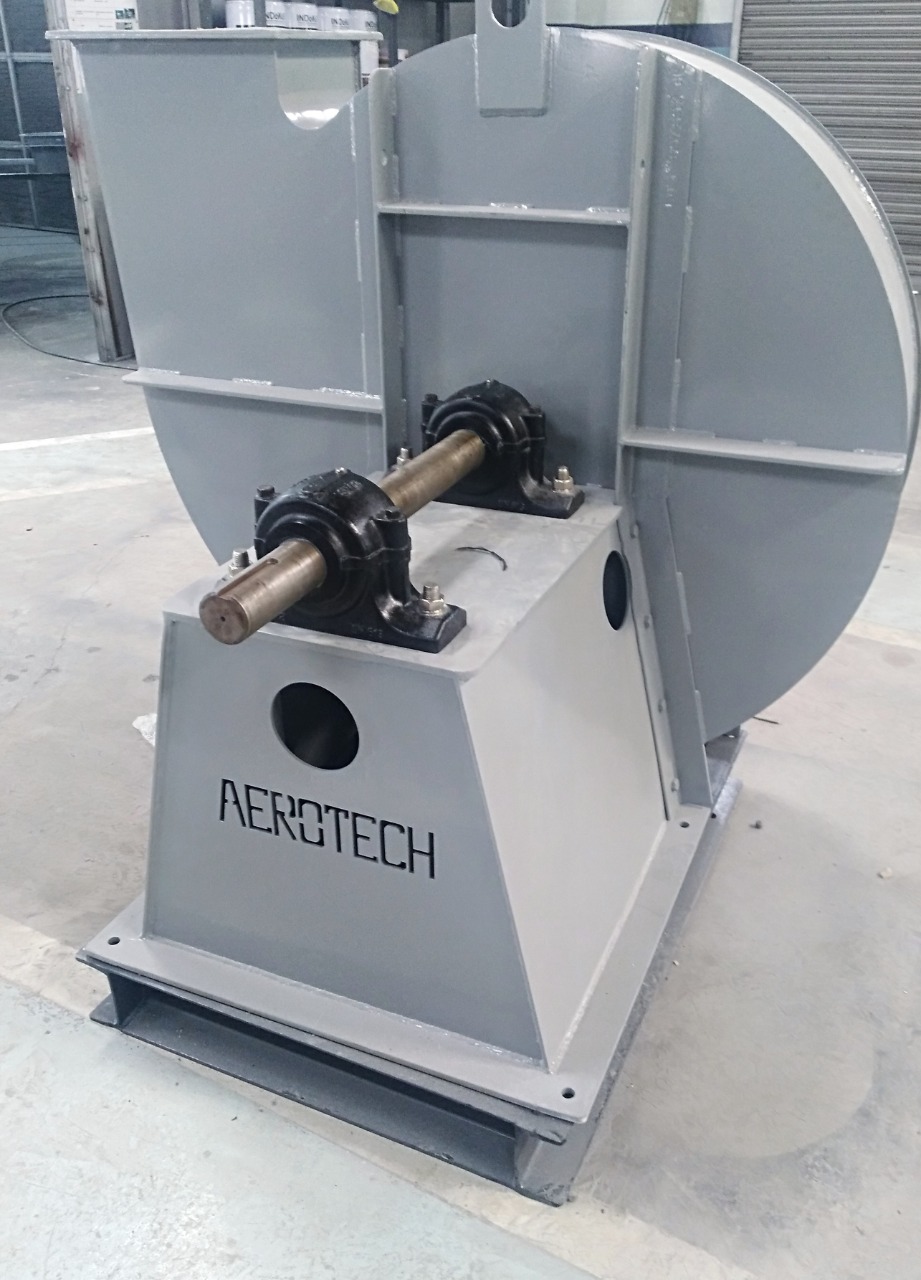
Industrial Centrifugal Air Ventilation System – Heavy Duty Steel Housing
View Details
Industrial Centrifugal Air Ventilation System – Heavy Duty Steel Housing
View Details
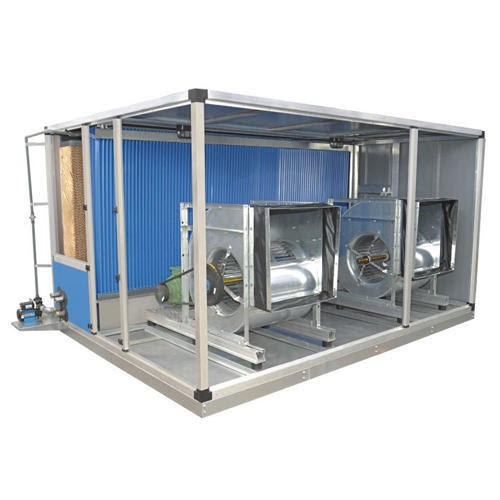
Industrial Evaporative Air Cooling Unit - High Efficiency HVAC System
View Details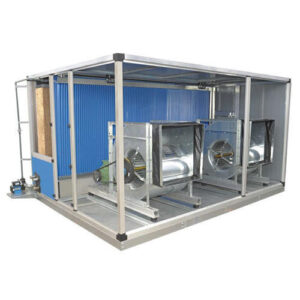
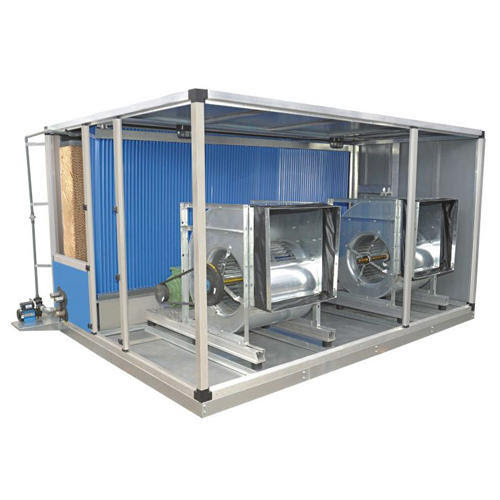
Industrial Fresh Air Handling Unit – High Efficiency Ventilation System
View Details
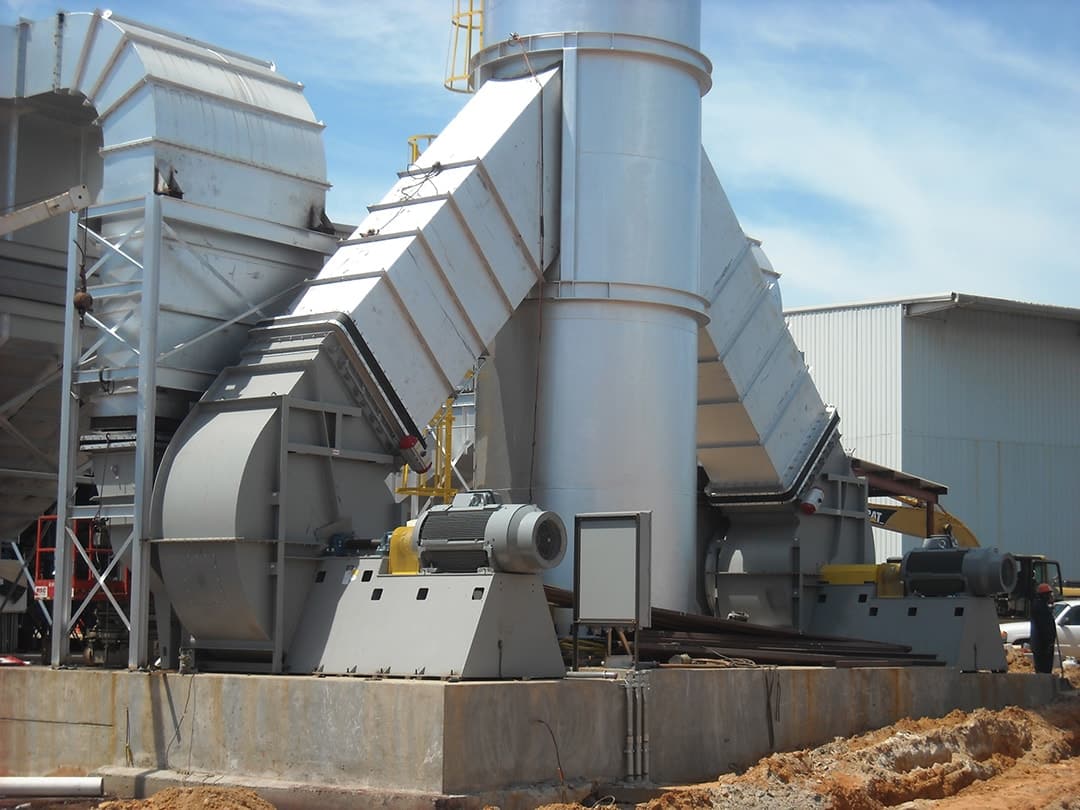
High-Capacity Industrial Centrifugal Ventilator - Heavy-Duty Airflow System
View Details
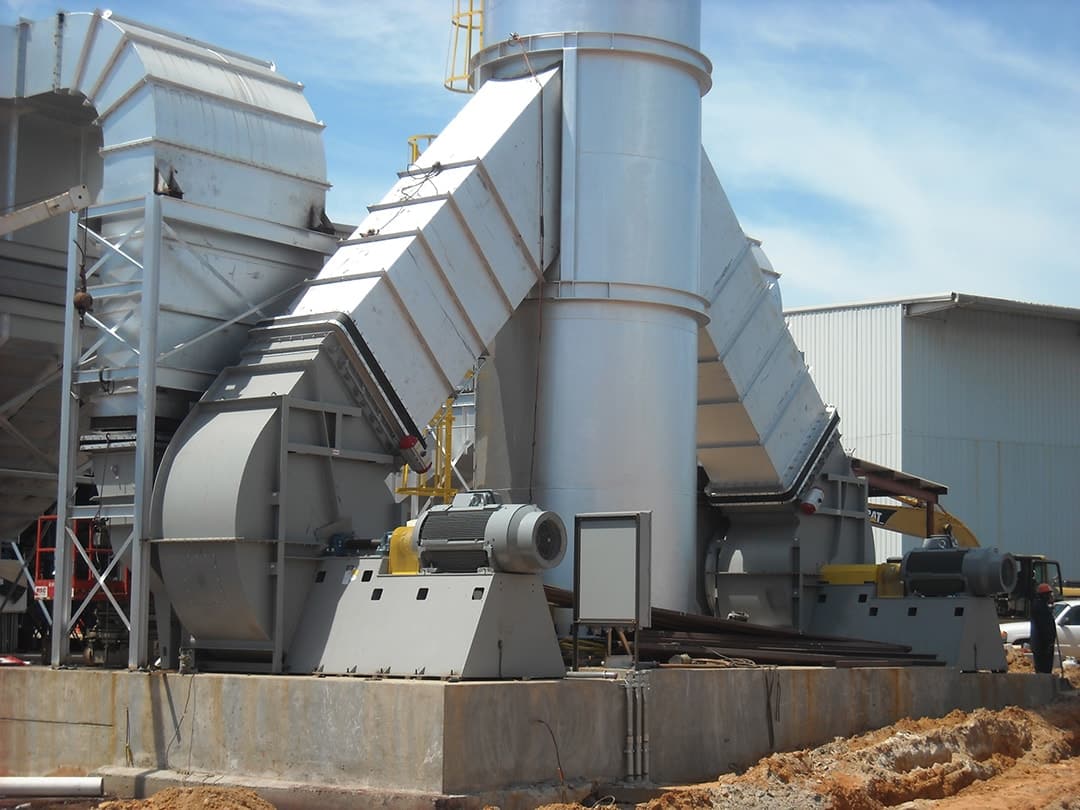
Industrial Smoke Spill Exhaust Unit - High-Temperature Ventilation System
View Details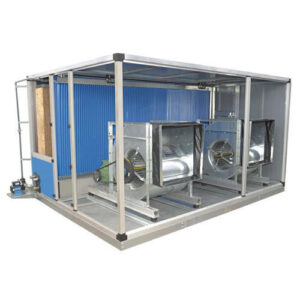
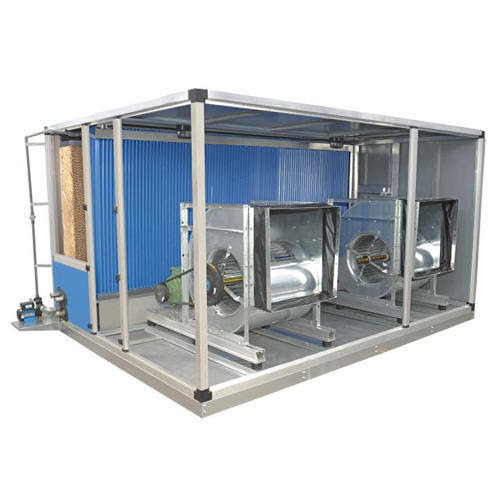
Industrial Evaporative Air Cooling Unit – High Efficiency HVAC System
View Details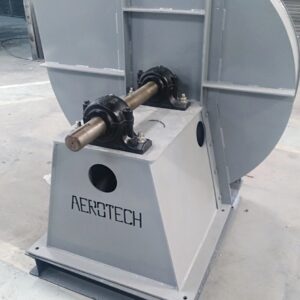
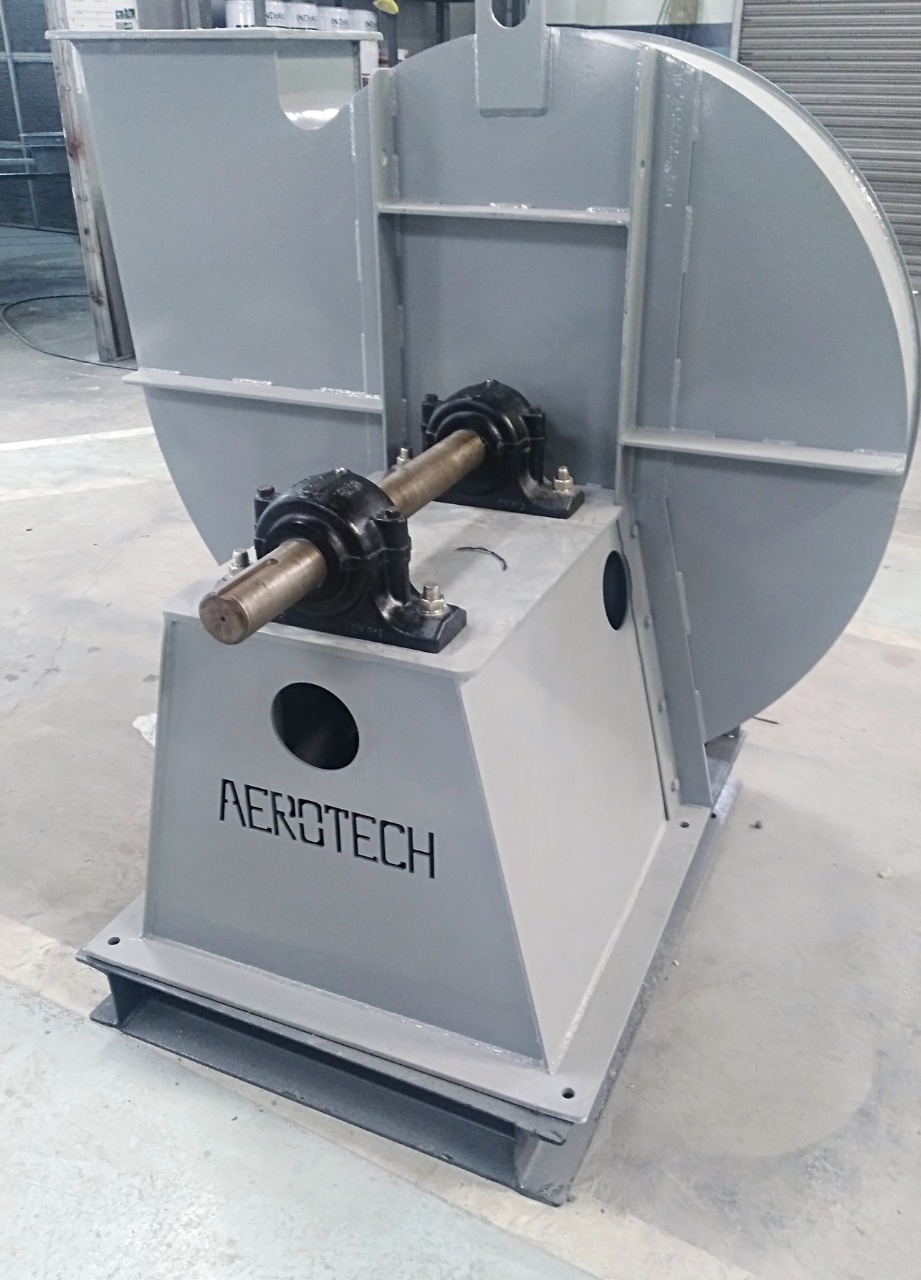
Industrial Centrifugal Ventilation Blower – Heavy-Duty Air Handling Unit
View Details
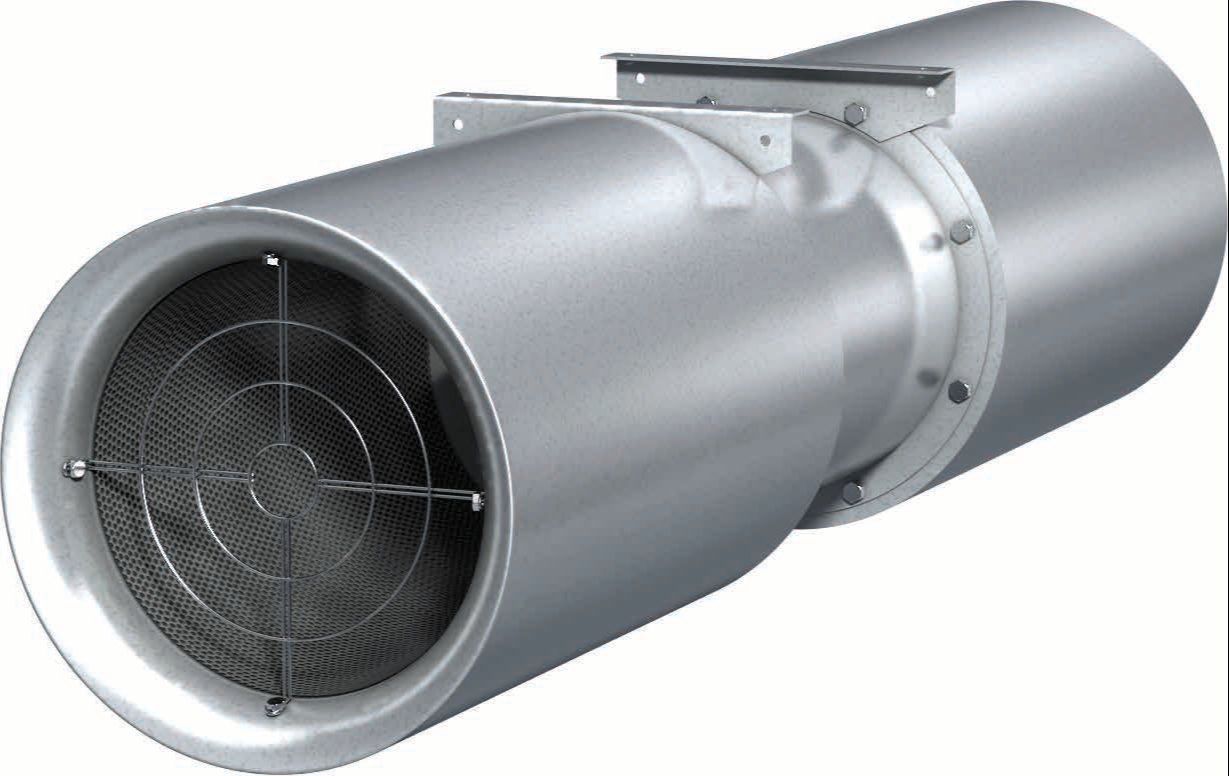
High-Performance Industrial Jet Fan - Tunnel and Garage Ventilation System
View DetailsManaging airflow in storage buildings is essential for maintaining safe and efficient operations. Industrial ventilation for storage buildings ensures that air quality, temperature, and humidity remain stable, protecting both workers and stored materials. Whether the facility handles chemicals, food products, or machinery parts, proper ventilation reduces risks and supports compliance with safety standards.
Aeppl engineers ventilation systems specifically for industrial storage environments. Each design focuses on durability, performance, and energy efficiency to match the demands of warehouses, cold rooms, and manufacturing storage areas.
When planning ventilation for storage buildings, several factors determine how effective the system will be:
Different storage environments call for different ventilation solutions. High-temperature spaces may need exhaust systems, while large warehouses often rely on centrifugal blowers or evaporative cooling units to maintain airflow.
| System Type | Best Use Case | Energy Efficiency |
|---|---|---|
| Evaporative Cooling Units | Large open storage areas | High |
| Smoke Spill Exhaust Units | Emergency ventilation and fire safety | Medium |
| Centrifugal Ventilation Blowers | Dust control and air circulation | High |
Each system can be configured for airflow rate, static pressure, and filtration level. Aeppl works closely with facility teams to design reliable ventilation that meets operational and environmental goals.
Industrial ventilation for storage buildings must meet both performance and regulatory requirements. Systems are designed to comply with energy codes, fire safety standards, and occupational health regulations. Automated controls can adjust airflow based on temperature or gas sensor readings, improving safety while reducing energy use.
Energy-efficient ventilation systems help reduce operational costs and environmental impact. Aeppl incorporates variable speed drives, durable ducting, and monitoring systems that maintain consistent airflow while minimizing power consumption. These features support long-term reliability and sustainability goals.
| Feature | Benefit |
|---|---|
| Variable speed control | Adjusts airflow to match demand and lower power use |
| Automation-ready design | Integrates with building management systems |
| Heavy-duty steel housing | Ensures long service life under industrial conditions |
Industrial ventilation for storage buildings is used in many industries, each with specific requirements. Systems protect stored goods, maintain consistent temperatures, and improve working conditions in spaces that handle sensitive or hazardous materials.
Proper ventilation also helps prevent condensation, corrosion, and contamination, which are common problems in enclosed industrial spaces.
Routine maintenance is key to keeping ventilation systems efficient. Inspections should include fan blades, filters, motor bearings, and ductwork. Clean filters and balanced airflow extend equipment life and maintain consistent air quality. Aeppl provides guidance on preventive maintenance schedules and replacement parts for long-term reliability.
Selecting the right supplier ensures your system meets both functional and safety needs. Aeppl stands out for its engineering expertise, robust product quality, and responsive support. When comparing leading brands such as Greenheck, Systemair, or Aeppl, many facility managers prefer Aeppl for its focus on customization and durable construction suited to industrial storage environments.
Aeppl (Aerotech Equipments and Projects Pvt. Ltd.) designs and manufactures industrial air handling and ventilation equipment for demanding applications. With decades of experience, Aeppl delivers reliable, energy-efficient systems built for long-term performance and safety. Visit Aeppl
It refers to air systems that regulate airflow, temperature, and humidity to maintain safe and efficient conditions in industrial storage spaces.
Ventilation prevents heat buildup, controls moisture, and removes contaminants, protecting stored materials and improving workplace safety.
Warehouses often use centrifugal blowers or evaporative cooling systems to maintain consistent airflow and temperature control.
Yes, systems with variable speed drives and automation can optimize airflow and lower power consumption.
It minimizes risks from fumes, dust, and heat, ensuring compliance with fire safety and occupational health standards.
Yes, systems can be tailored to building size, stored materials, and environmental conditions for precise performance.
Most units are built with steel or corrosion-resistant alloys to handle harsh industrial environments.
Inspections every six to twelve months help maintain airflow efficiency and safety compliance.
Aeppl systems are known for their durable construction, precise engineering, and adaptability to different industrial storage needs.
Reach Aeppl at +91-9599785811, +91 8377077661, +91 9810162210, or email sales@aeppl.com for expert consultation.