

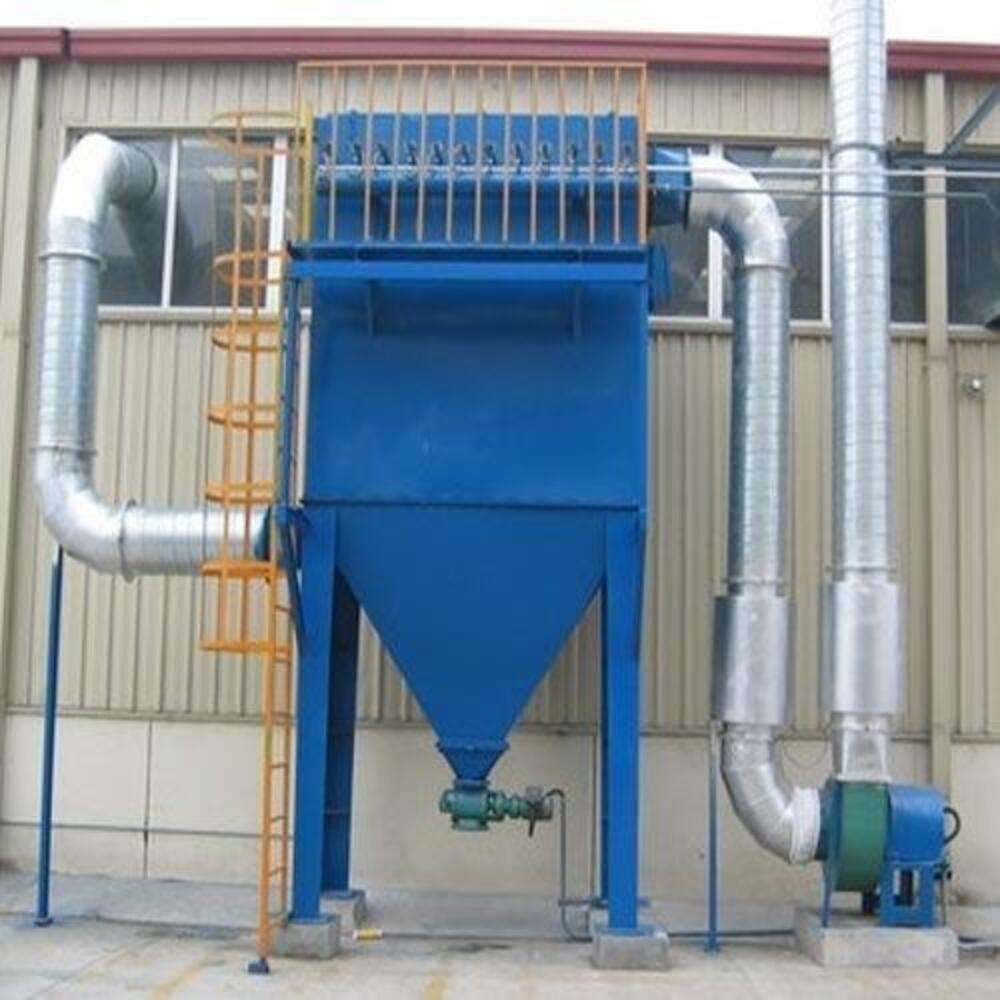
Industrial Dust Collection System - High-Efficiency Filtration Unit with Cyclone Separator
View Details
Industrial Dust Collection System - High-Efficiency Filtration Unit with Cyclone Separator
View Details
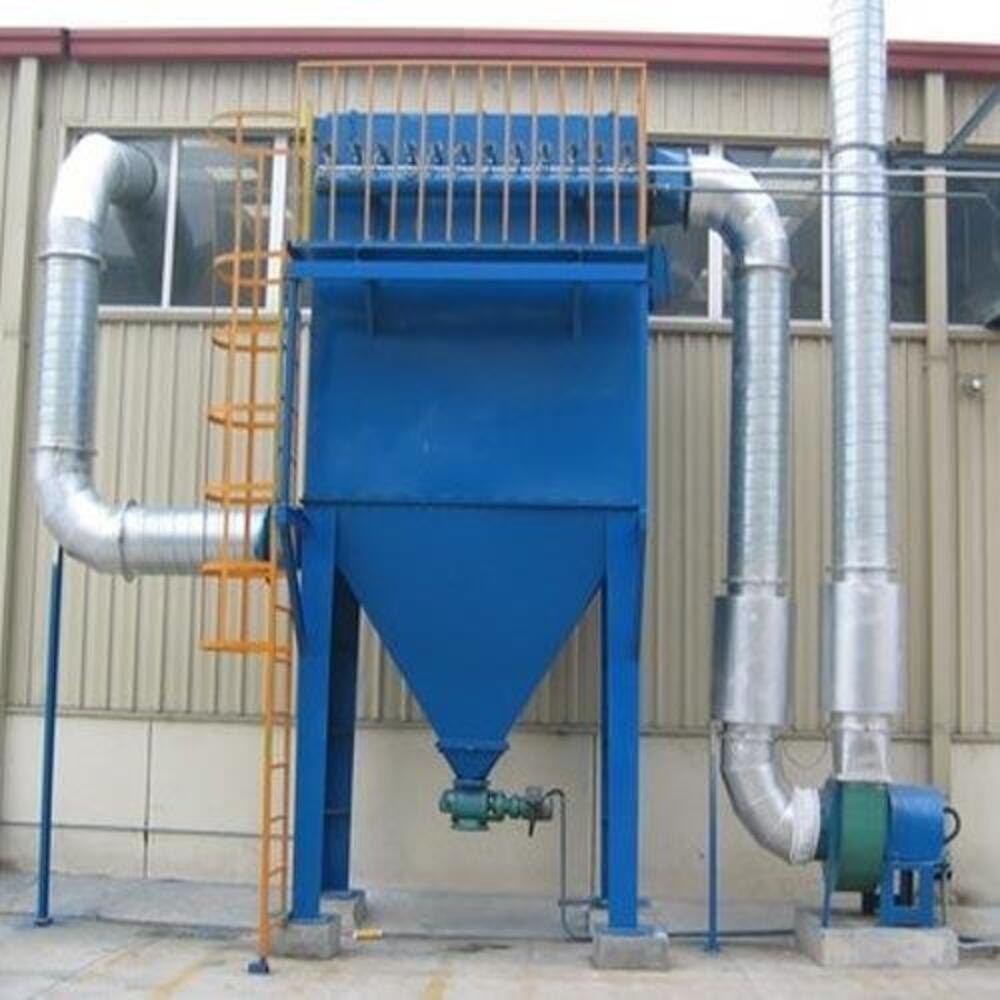
Industrial Mechanical Dust Collector System - High-Efficiency Air Filtration Unit
View Details
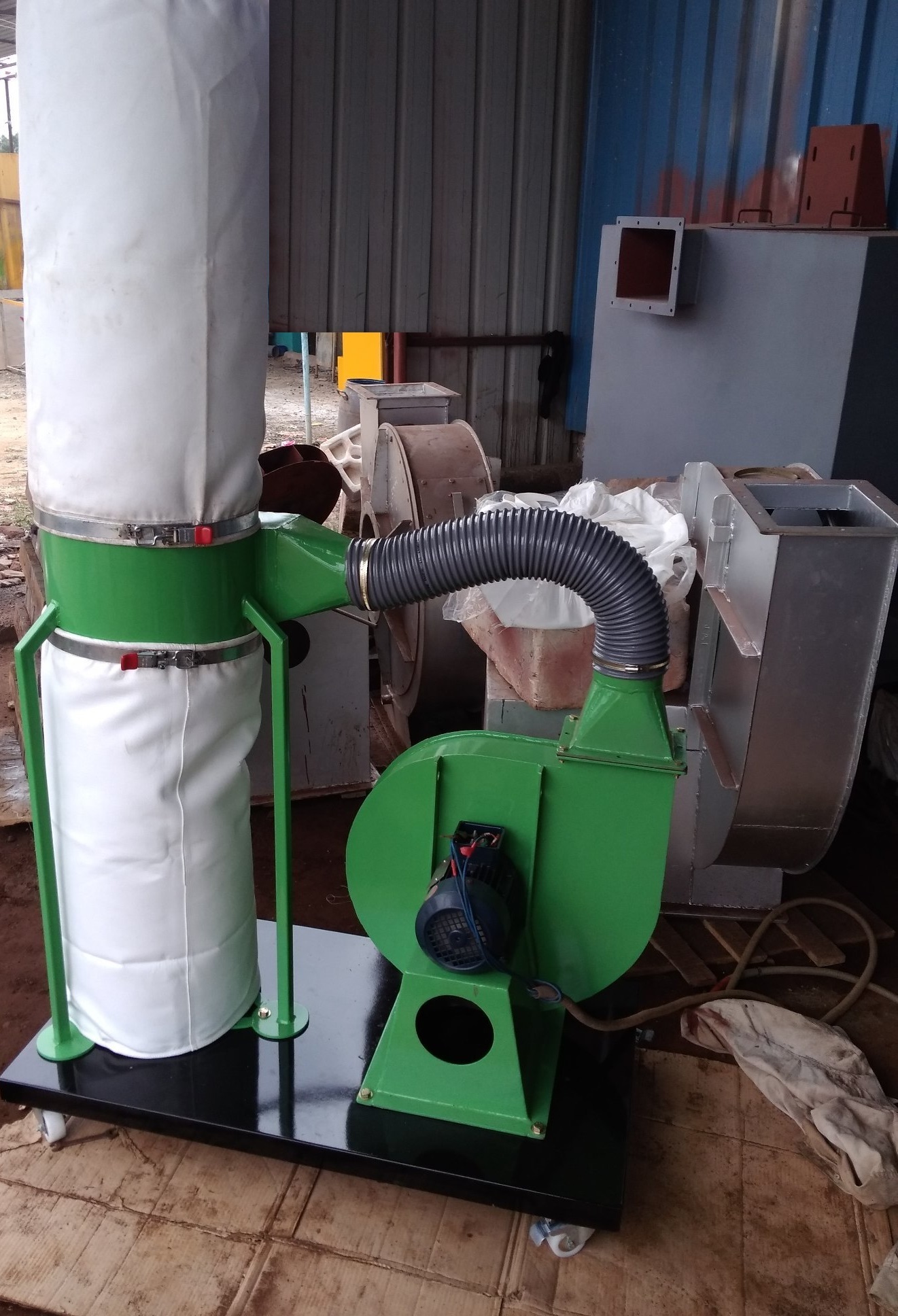
Industrial Portable Dust Collector - High-Efficiency Filtration System
View Details
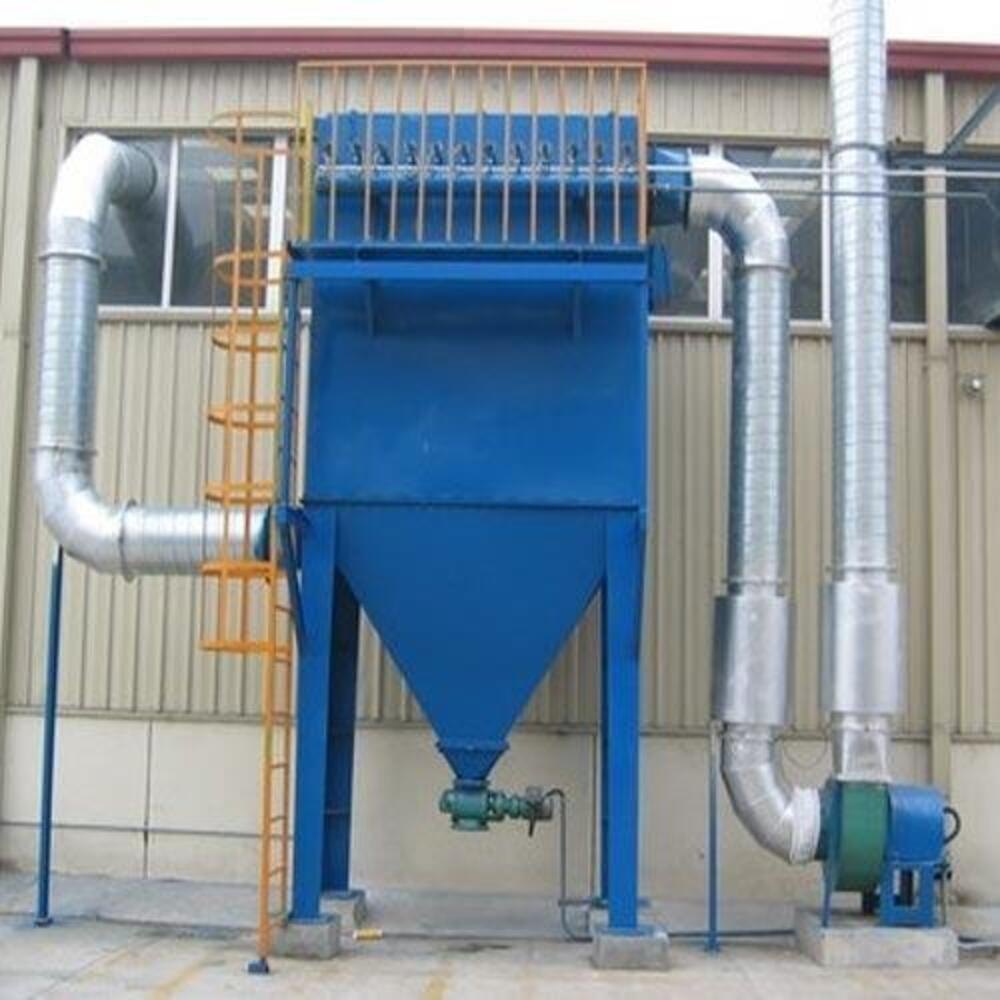
Industrial Pulse Jet Dust Collector - High Efficiency Filtration System
View Details
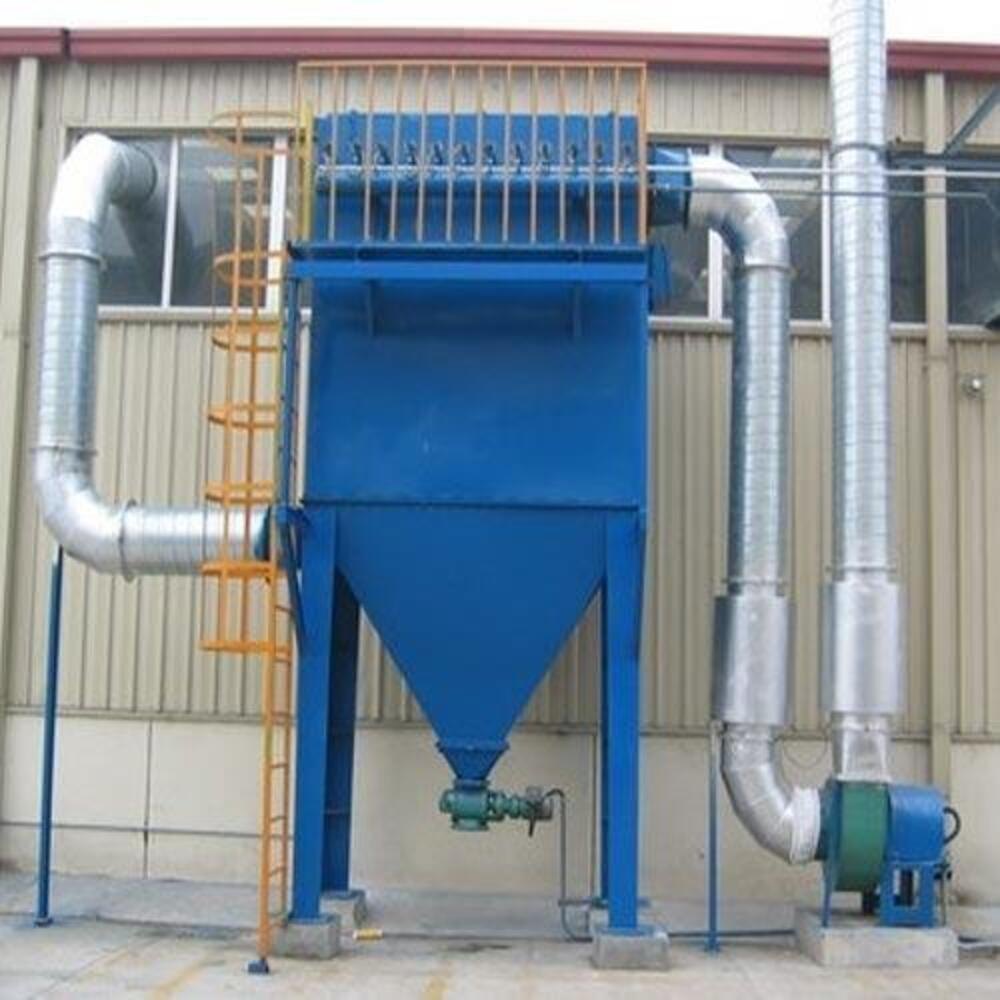
Industrial Dust Collector System – High Efficiency Air Pollution Control Unit
View Details
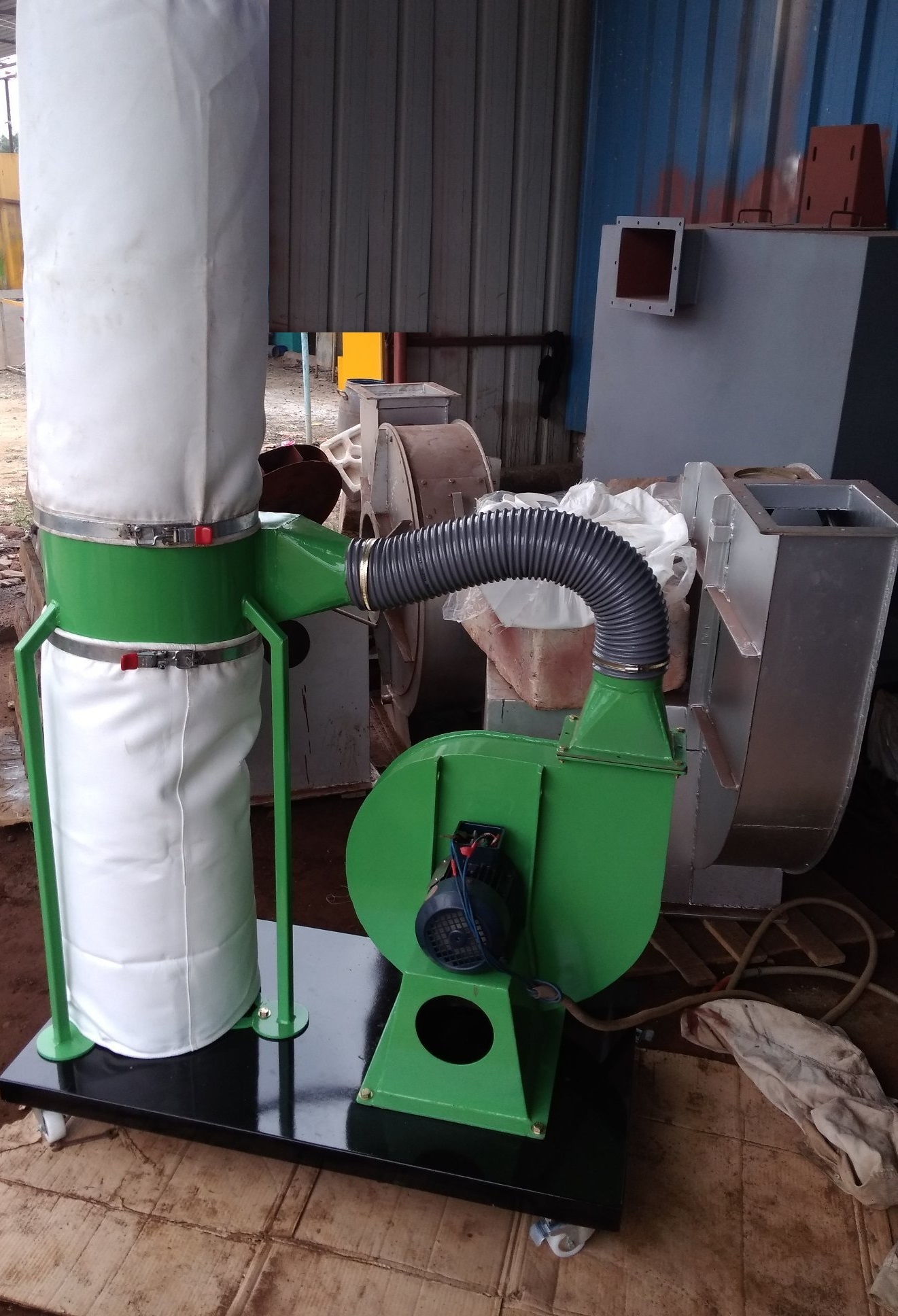
Industrial Movable Dust Collector - High-Efficiency Filtration System
View Details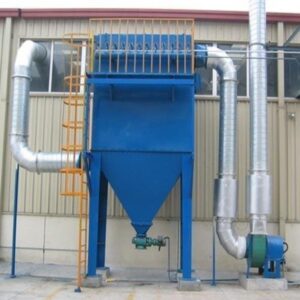
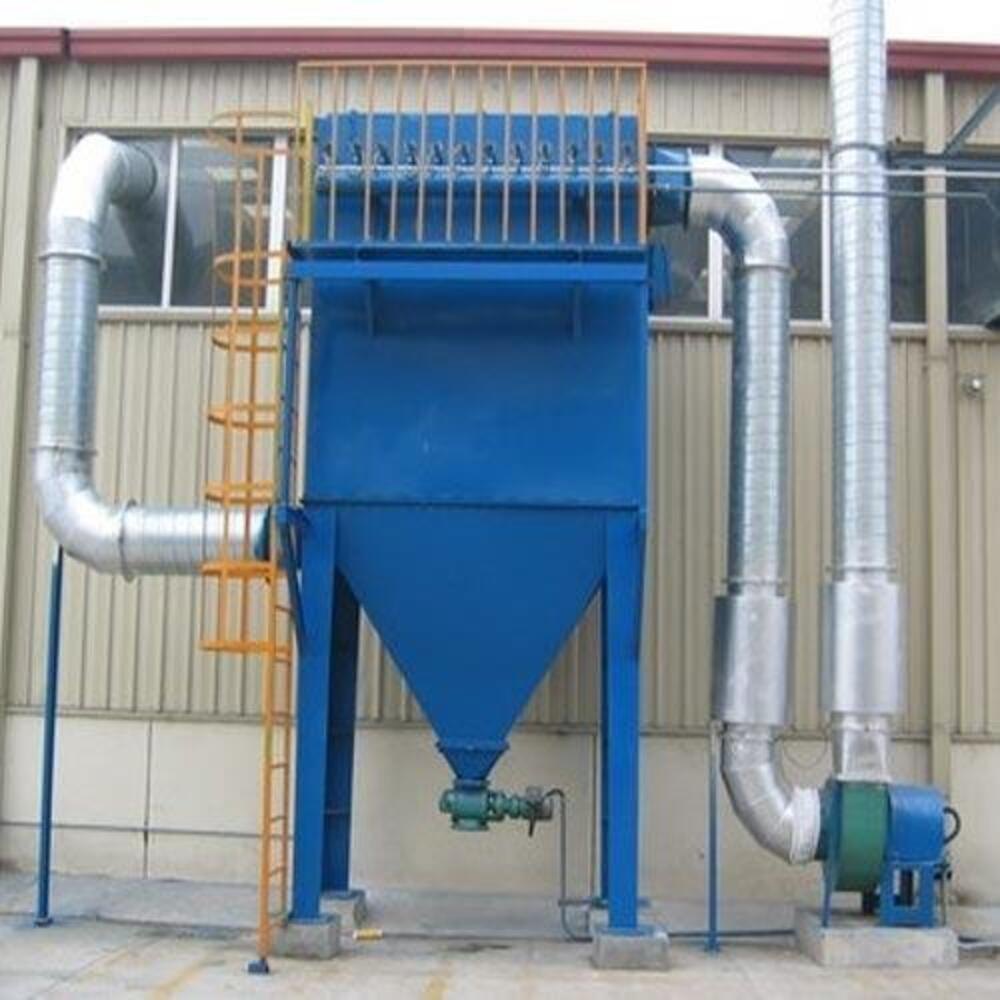
Industrial Dust Collection and Air Pollution Control System – High Efficiency Filter Unit
View Details
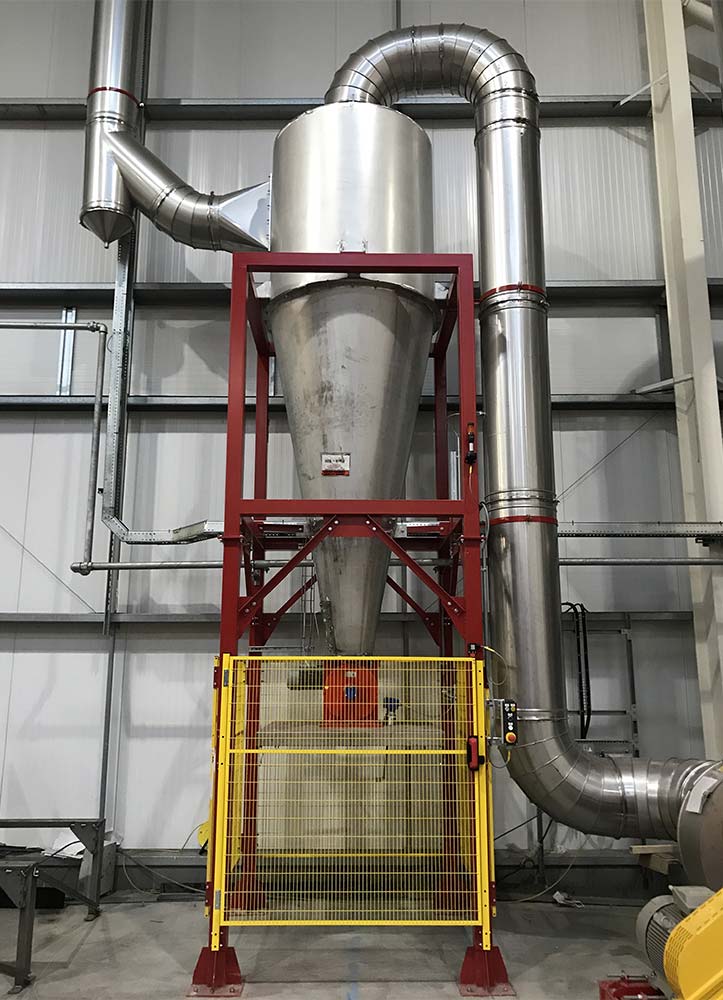
Industrial Cyclone Dust Collector System - High Efficiency Steel Separator
View DetailsAs an experienced industrial dust collection exporter, Aeppl focuses on creating air filtration systems that help industries maintain cleaner, safer workspaces. The company designs solutions suited for heavy-duty operations where dust, fumes, and fine particles can affect equipment performance and worker health. These systems are built for reliability and compliance with international standards, ensuring consistent operation across diverse industries.
Industrial dust collection involves multiple technologies designed for different particle sizes and applications. Aeppl exports several configurations that can be tailored to plant needs, including pulse jet collectors, cyclone separators, and portable filtration units. Each system is crafted using durable materials and tested for long-term performance.
Different industries require different filtration methods. For instance, cement plants often prefer cyclone systems for heavy dust, while metalworking facilities rely on pulse jet collectors for fine particulate control. Aeppl helps clients identify the right technology by assessing process conditions, dust characteristics, and airflow requirements.
| System Type | Best Use Case | Efficiency Level | Maintenance Needs |
|---|---|---|---|
| Pulse Jet Collector | Fine dust, continuous operation | High | Low |
| Cyclone Separator | Coarse particles, pre-filtration | Medium | Minimal |
| Portable Unit | Spot collection, small areas | Moderate | Easy |
Industrial dust collection systems must meet strict environmental and safety standards. As an exporter, Aeppl ensures that all systems comply with ISO and local environmental regulations. Each product is tested for airflow efficiency, filtration performance, and noise levels to meet global expectations for industrial equipment.
No two manufacturing plants operate the same way. Aeppl offers custom designs that fit existing ventilation networks and process layouts. Clients can choose modular ducting, variable speed fans, and monitoring systems that track filter performance. This customization helps improve air quality while maintaining efficient production cycles.
Exporting industrial filtration systems requires experience with documentation, logistics, and technical adaptation. Aeppl manages end-to-end export processes including testing, packaging, and certification. The company has supplied dust collection systems to clients across Asia, Africa, and the Middle East, supporting installations in cement, chemical, and metal industries.
Industrial air quality management continues to evolve with smarter, more efficient systems. Trends point toward automated filter cleaning, energy-saving fans, and recyclable filter media. Aeppl remains committed to advancing these technologies, helping industries achieve cleaner operations and meet sustainability goals.
Partnering with a trusted industrial dust collection exporter ensures technical accuracy and dependable after-sales support. Aeppl offers consultation, design assistance, and maintenance guidance throughout the product lifecycle. For inquiries, clients can contact Aeppl at +91-9599785811, +91 8377077661, +91 9810162210 or email sales@aeppl.com.
Aerotech Equipments and Projects Pvt. Ltd. (Aeppl) is an Indian manufacturer and exporter of industrial air handling and dust collection equipment. The company delivers durable, efficient solutions designed for global manufacturing needs. Visit Aeppl
An industrial dust collection exporter designs and supplies air filtration systems to international clients, ensuring compliance with environmental and safety standards.
Industries such as cement, steel, pharmaceuticals, and food processing depend on dust collection systems to maintain safe and clean production environments.
Pulse jet collectors use filter bags and compressed air cleaning for fine dust, while cyclone separators rely on centrifugal force to remove heavier particles.
Yes, exporters like Aeppl offer customized systems based on dust type, airflow volume, and plant layout to ensure proper integration.
Industrial dust collection systems typically meet ISO, OSHA, and regional environmental standards for safe and compliant operation.
Filter maintenance depends on dust load and runtime. Many modern systems include automated cleaning to extend filter life.
Yes, systems equipped with variable speed fans and efficient duct layouts can lower energy use while maintaining airflow and filtration quality.
Most units use steel or aluminum housings with high-grade filter fabrics and corrosion-resistant coatings for long service life.
Aeppl offers after-sales assistance including spare parts, technical guidance, and maintenance support for all exported systems.
You can reach Aeppl at +91-9599785811, +91 8377077661, +91 9810162210 or email sales@aeppl.com for export information and product advice.