
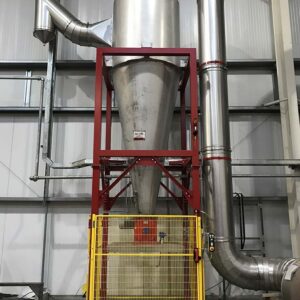

Industrial Venturi Scrubber System - High-Efficiency Air Pollution Control Unit
View Details
Industrial Venturi Scrubber System - High-Efficiency Air Pollution Control Unit
View Details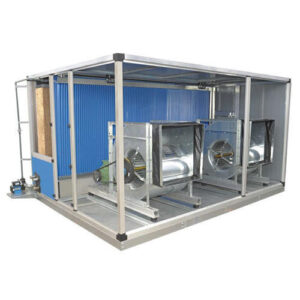
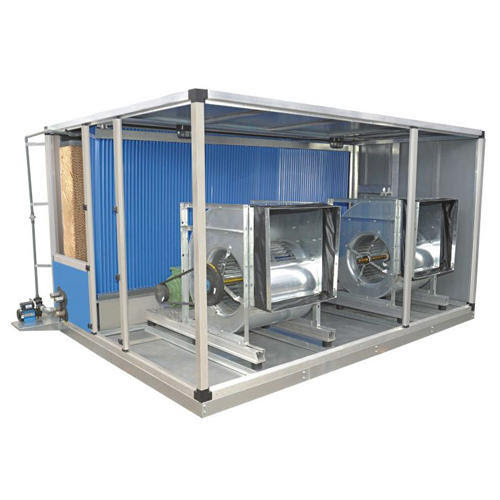
Industrial Fresh Air Handling Unit – High Efficiency Ventilation System
View Details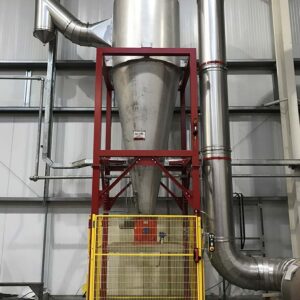
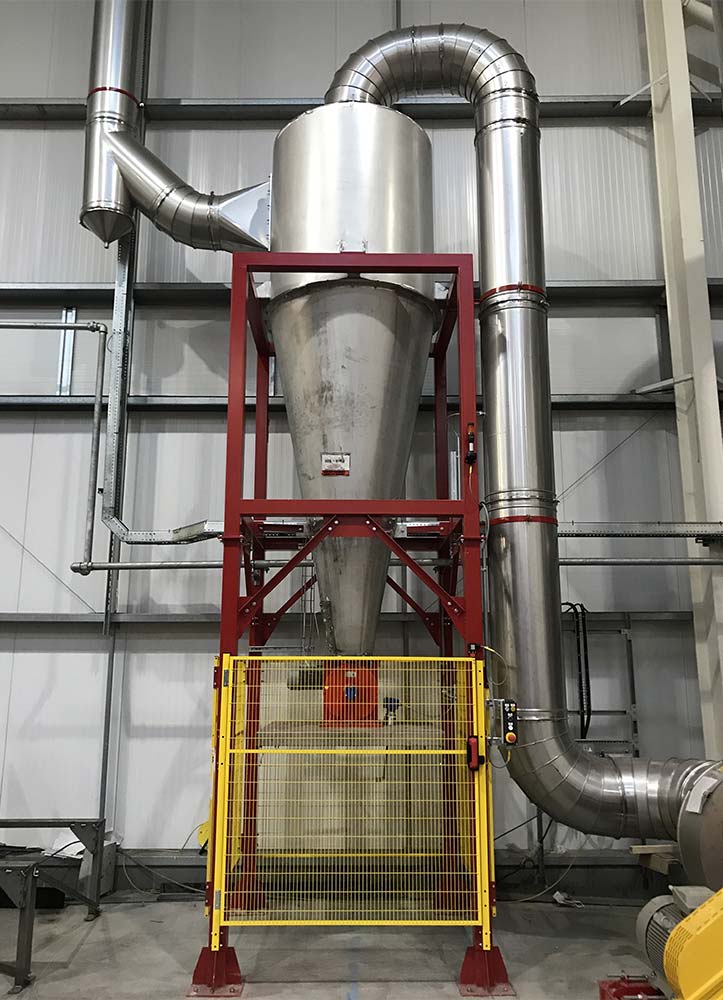
Industrial Venturi Scrubber System – High-Efficiency Air Pollution Control Unit
View Details
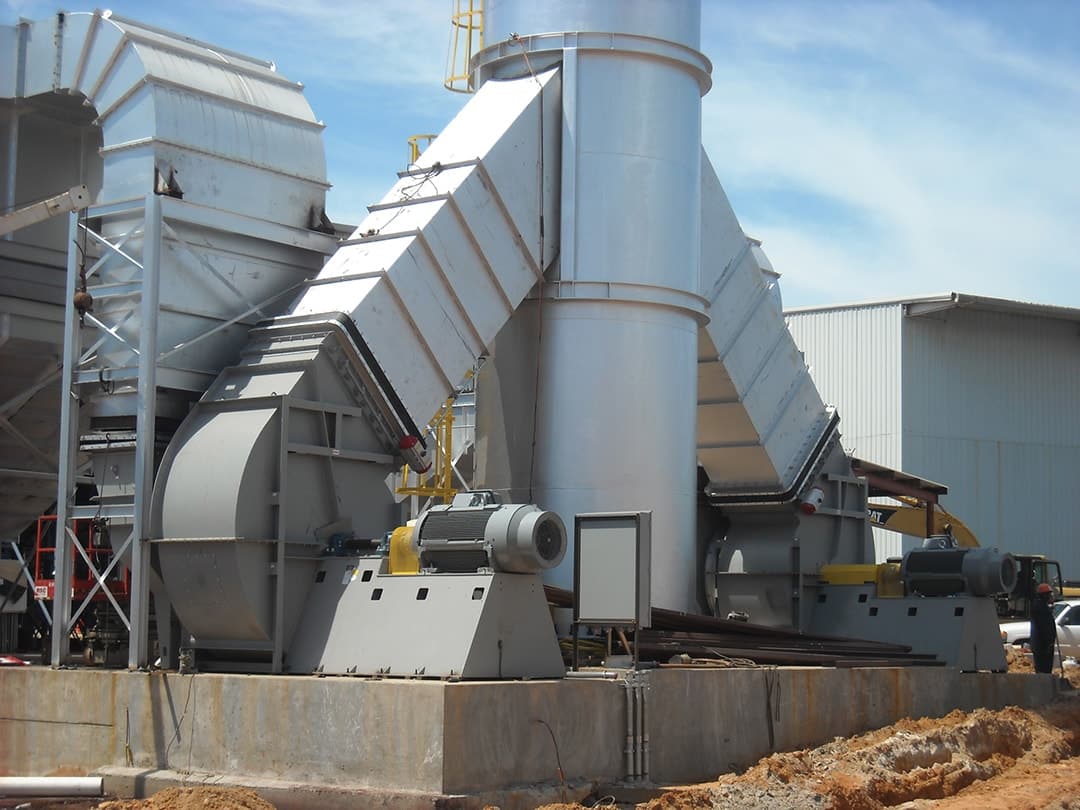
Industrial Fume Scrubber System - High-Efficiency Air Pollution Control Unit
View Details
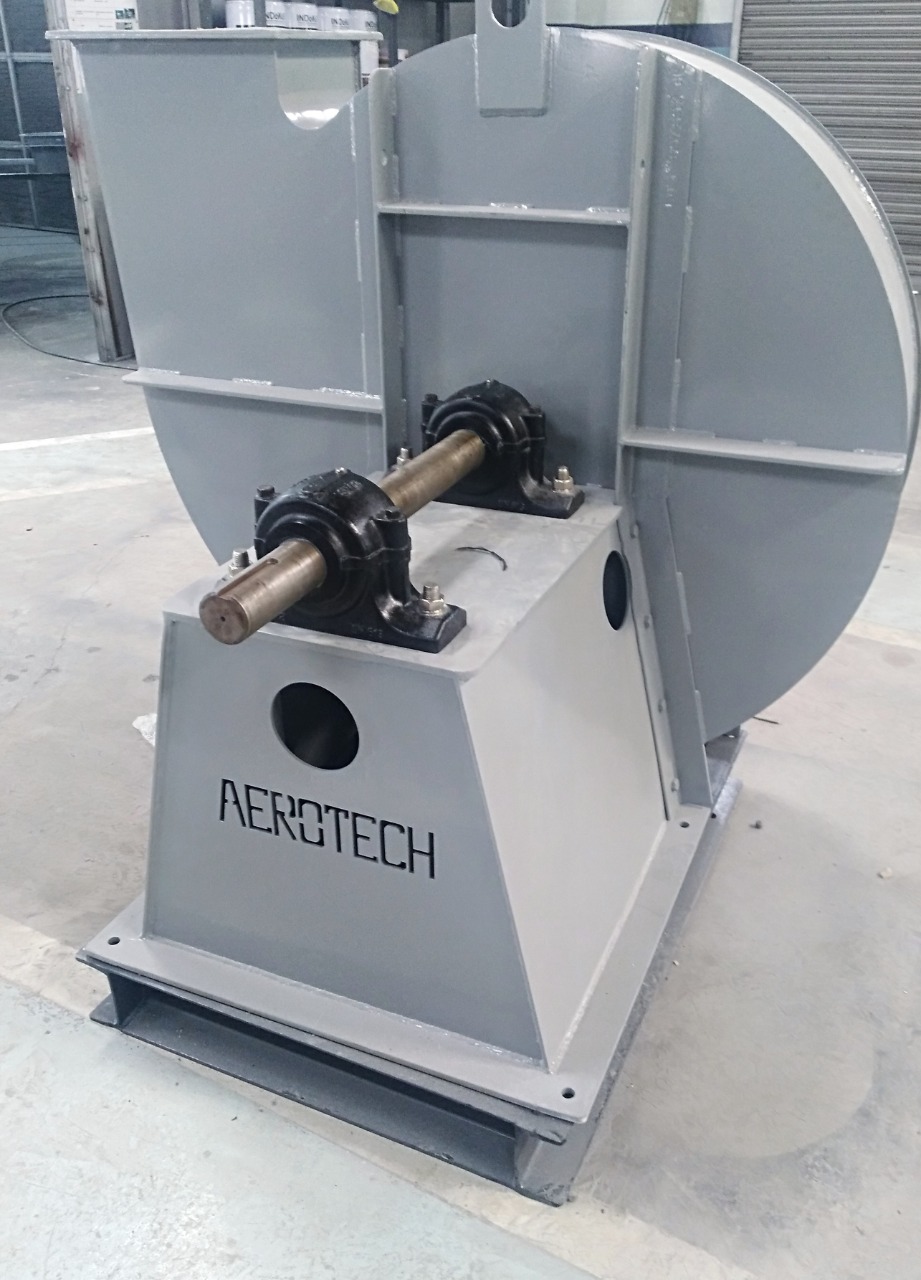
Industrial Centrifugal Air Ventilation System – Heavy Duty Steel Housing
View Details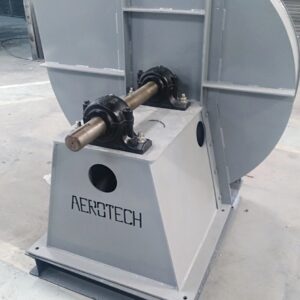
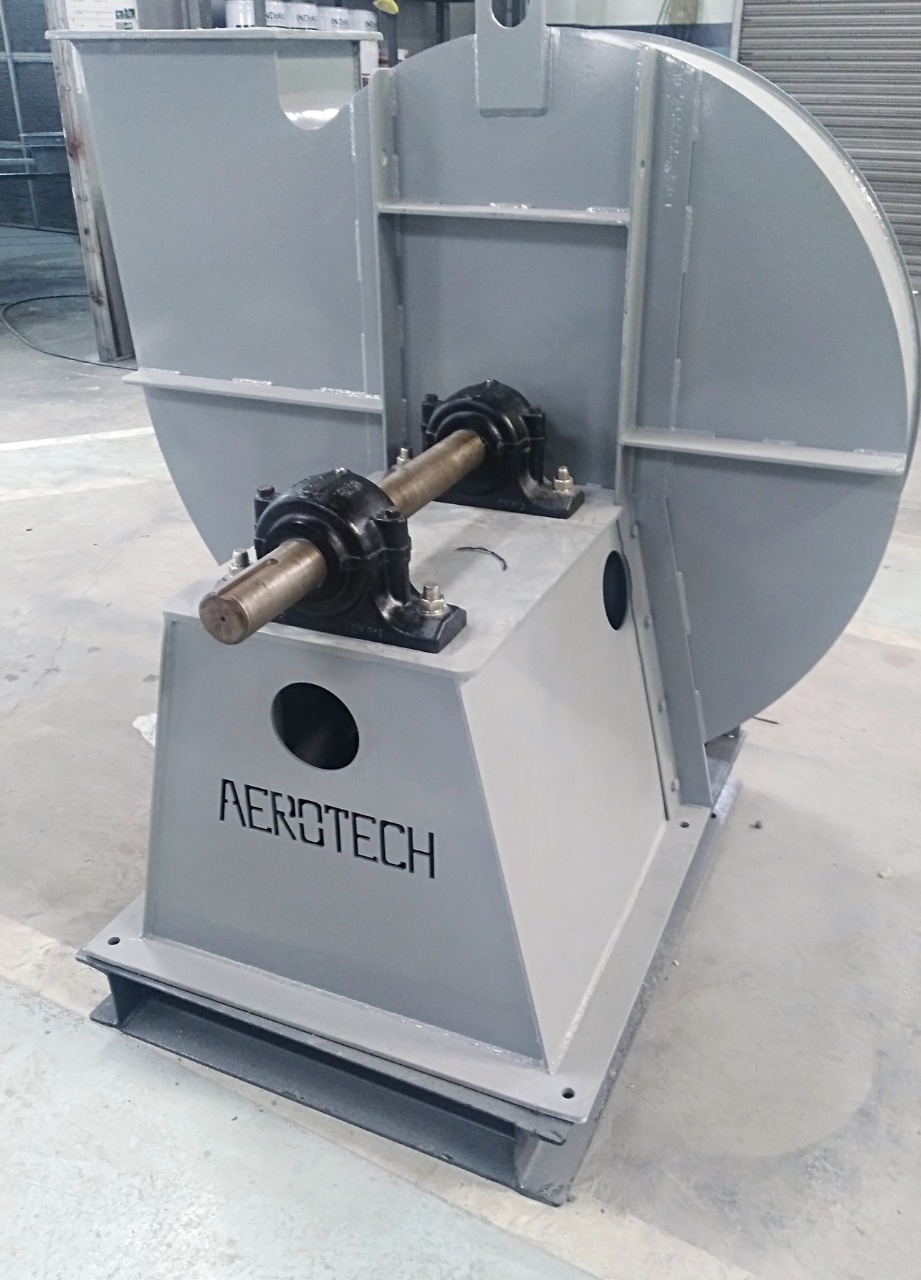
Industrial Centrifugal Ventilation Blower – Heavy-Duty Air Handling Unit
View Details
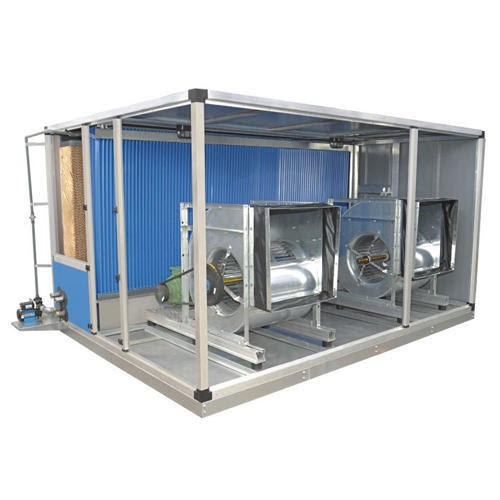
Industrial Evaporative Air Cooling Unit - High Efficiency HVAC System
View Details
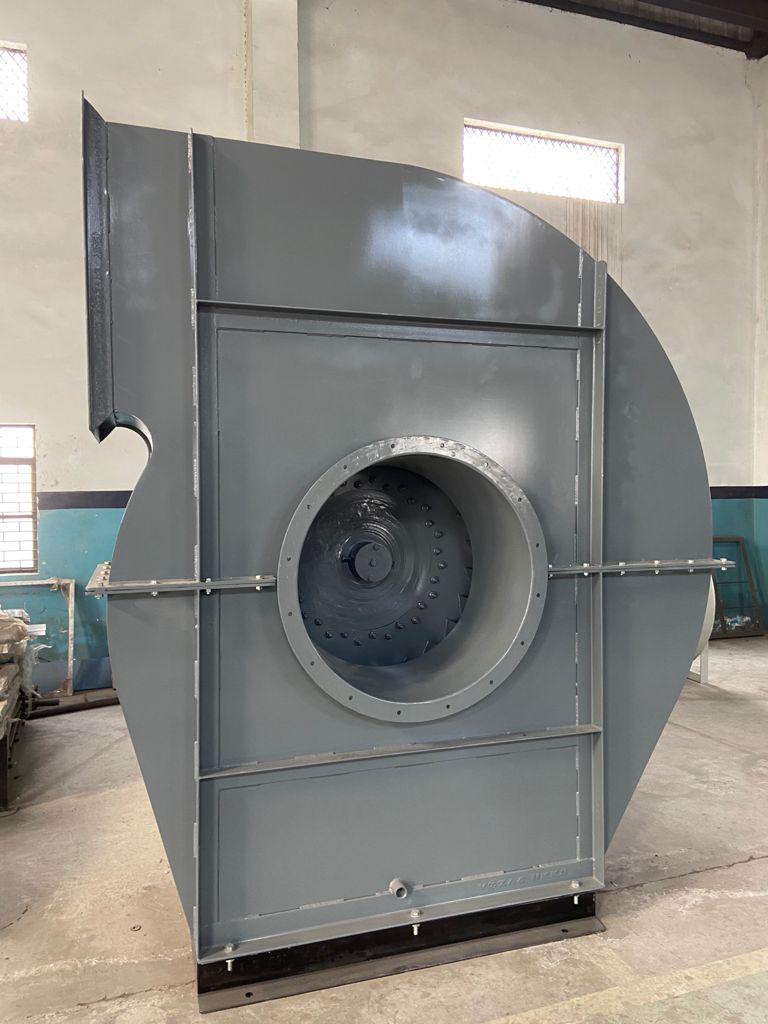
Industrial Mild Steel Centrifugal Blower - High Efficiency Air Handling Unit
View DetailsProper humidity management is essential in milling operations. It protects raw materials, prevents equipment corrosion, and ensures a consistent production environment. Industrial humidity control ventilation for mills helps maintain balanced air conditions across processing, packaging, and storage areas. Aeppl provides engineered systems that deliver steady performance and reliable moisture regulation.
Moisture levels influence how grains are processed and stored. Excess humidity can cause clumping, microbial growth, and uneven drying. Insufficient humidity may lead to dust generation and product loss. A balanced ventilation system helps maintain ideal conditions for both safety and efficiency.
Each mill has unique airflow and humidity requirements. Aeppl engineers design systems based on production layout, local climate, and process heat levels. The equipment integrates air handling units, centrifugal blowers, and evaporative cooling modules to maintain precise humidity levels with minimal energy use.
| Parameter | Standard System | Aeppl Engineered System |
|---|---|---|
| Humidity Stability | ±10% | ±3% |
| Energy Consumption | High | Optimized with variable speed drives |
| Maintenance Frequency | Monthly | Quarterly or as required |
| Noise Level | 70-80 dB | Below 65 dB |
Ventilation systems can be linked with dust collection, cooling, and filtration units. Automated sensors track humidity and temperature, adjusting airflow as needed. This integration supports stable operations and reduces downtime.
Energy efficiency is central to modern mill operations. Aeppl focuses on reducing power consumption through smart airflow design and automation-ready controls. These systems also align with sustainability practices, supporting long-term environmental goals and cost savings.
| Feature | Benefit |
|---|---|
| Variable speed drives | Match airflow to process demand |
| Eco-friendly materials | Reduce environmental impact |
| Smart humidity sensors | Ensure consistent moisture control |
| Durable steel housing | Reliable performance in industrial settings |
Aeppl offers installation assistance, performance testing, and maintenance guidance. The technical team provides calibration services and energy audits to keep systems running efficiently. For consultation or project planning, reach out to Aeppl at +91-9599785811, +91 8377077661, +91 9810162210 or email sales@aeppl.com.
Selecting the right humidity control ventilation for mill operations depends on process type, building layout, and climate conditions. Aeppl’s engineers analyze these factors to recommend the most efficient and durable solution for your facility.
Aerotech Equipments and Projects Pvt. Ltd. (Aeppl) is an Indian manufacturer specializing in industrial air handling and ventilation systems. With decades of experience, Aeppl delivers reliable solutions for manufacturing and processing industries worldwide. Visit Aeppl
It is a system that manages air moisture and temperature to maintain consistent production conditions and prevent product damage or equipment corrosion in mills.
Stable humidity reduces material clumping and equipment downtime, allowing smoother processing and higher yield.
Yes, most mills can add humidity control ventilation using modular components and automated controllers for seamless integration.
Mill size, process heat, climate, material type, and target humidity range all influence ventilation capacity.
Modern systems use variable speed drives, optimized airflow, and smart sensors to maintain humidity levels with lower energy use.
Quarterly maintenance is recommended to clean filters, inspect fans, and calibrate sensors for reliable operation.
Yes, controlled moisture levels help minimize airborne dust and improve air quality, reducing fire and health risks.
Units are typically made from mild steel or galvanized steel for durability and corrosion resistance in industrial settings.
Aeppl designs systems tailored to mill layout, process needs, and environmental standards to achieve consistent results.
Reach Aeppl at +91-9599785811, +91 8377077661, +91 9810162210 or email sales@aeppl.com for consultation and technical support.