

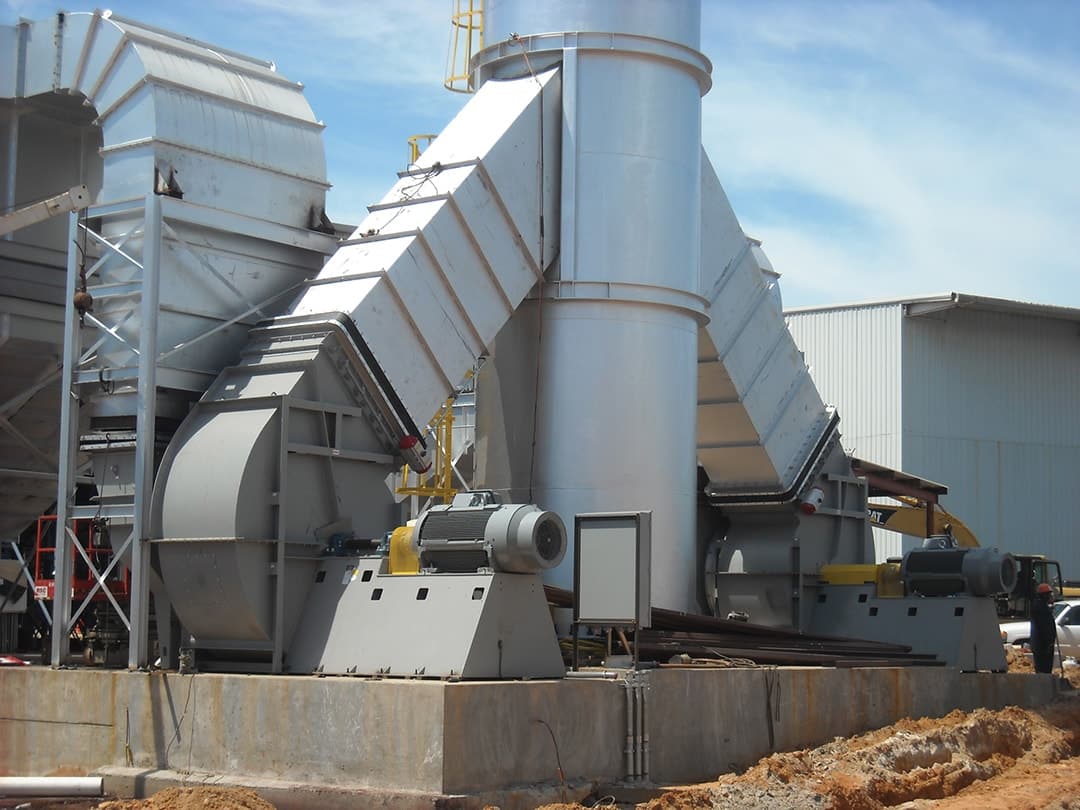
Industrial Fume Scrubber System - High-Efficiency Air Pollution Control Unit
View Details
Industrial Fume Scrubber System - High-Efficiency Air Pollution Control Unit
View Details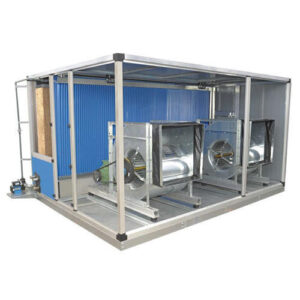
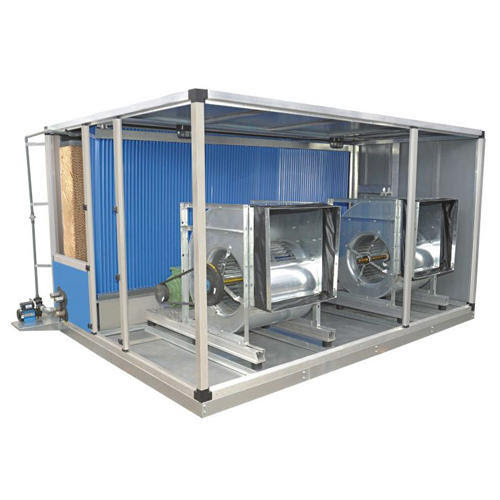
Industrial Fresh Air Handling Unit – High Efficiency Ventilation System
View Details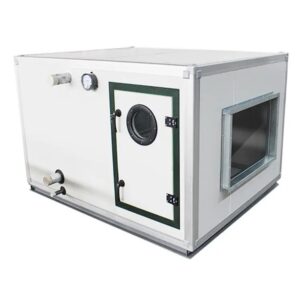
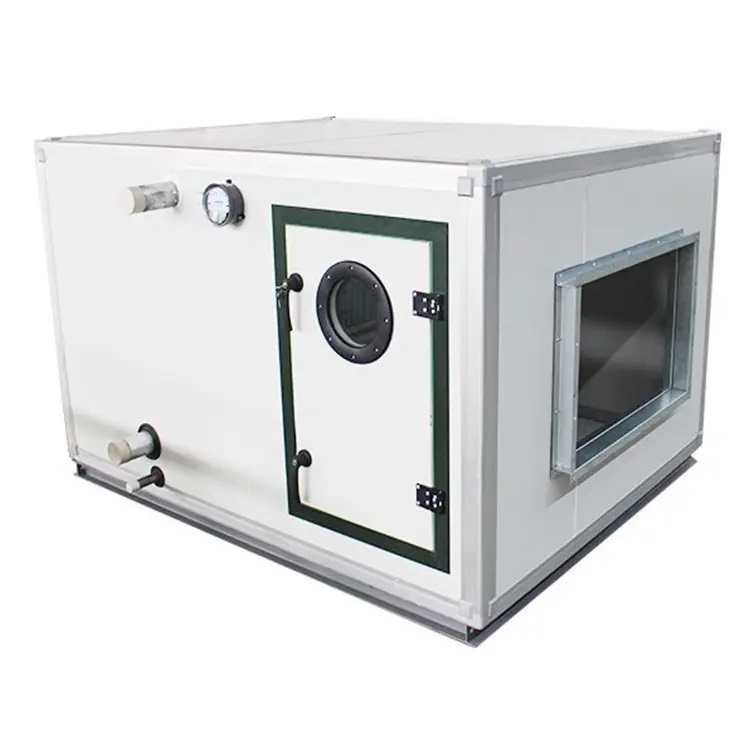
Industrial Treated Fresh Air Unit – Energy-Efficient Air Handling System
View Details
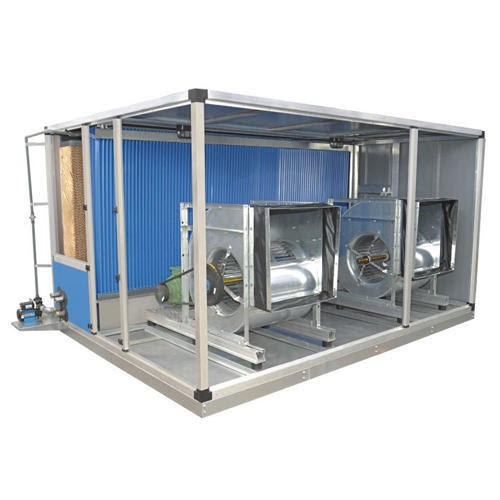
Industrial Evaporative Air Cooling Unit - High Efficiency HVAC System
View Details
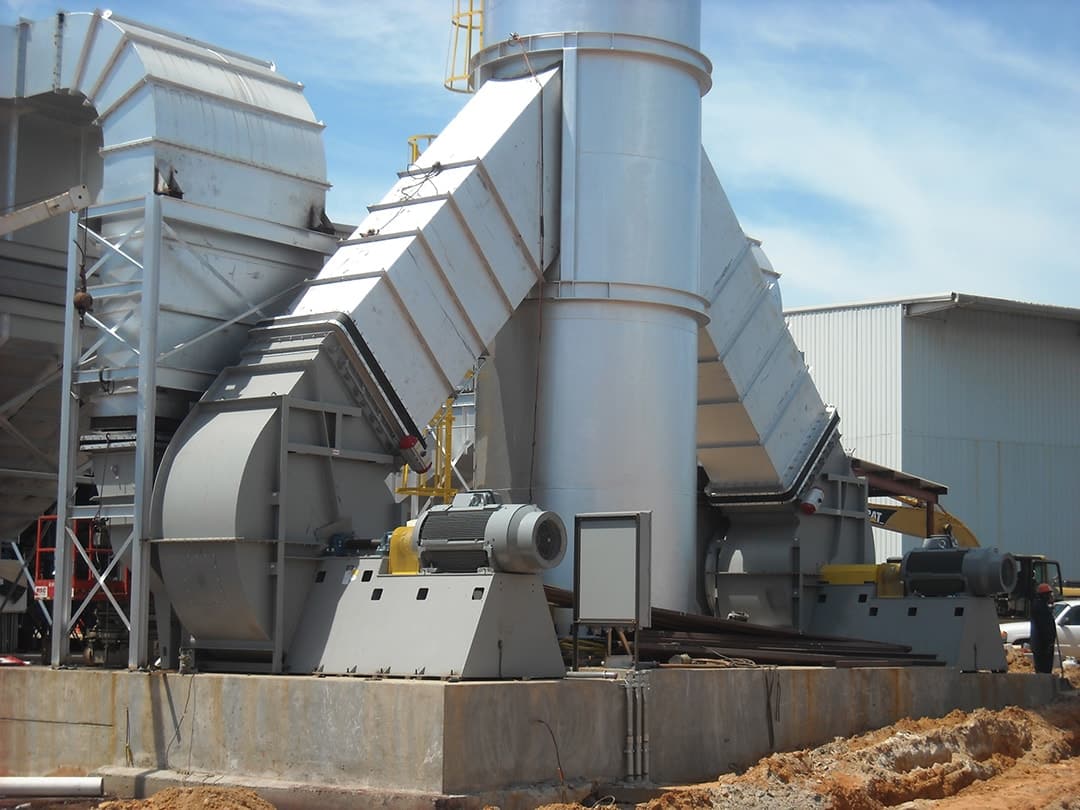
High-Capacity Industrial Centrifugal Ventilator - Heavy-Duty Airflow System
View Details
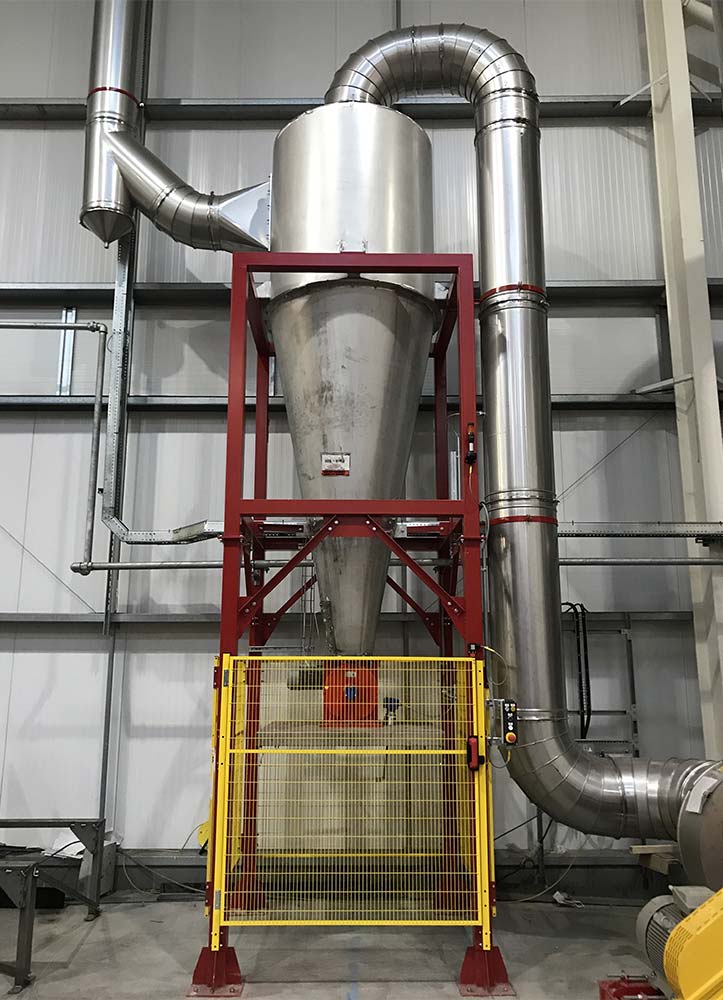
Industrial Venturi Scrubber System – High-Efficiency Air Pollution Control Unit
View Details
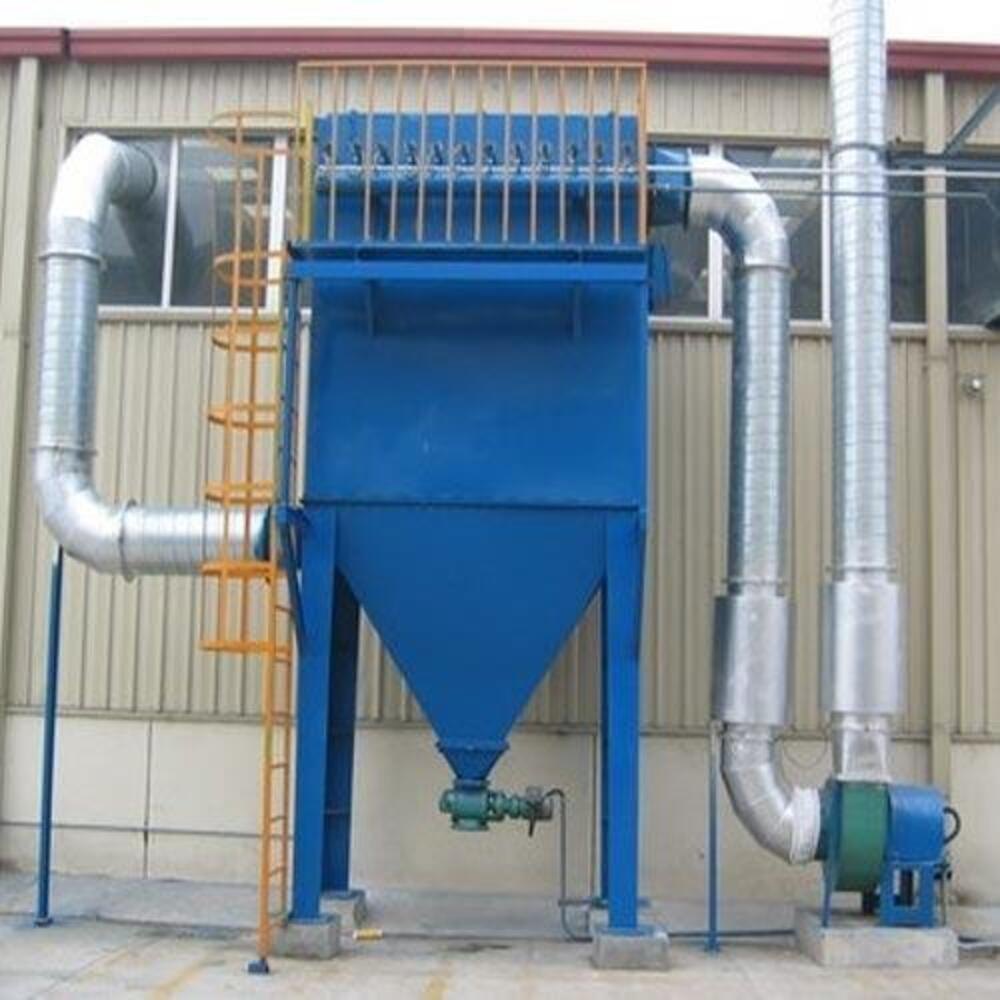
Industrial Dust Collection and Air Pollution Control System – High Efficiency Filter Unit
View Details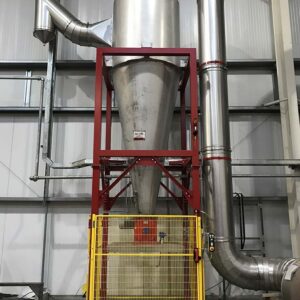

Industrial Venturi Scrubber System - High-Efficiency Air Pollution Control Unit
View DetailsMaintaining the right humidity levels in a food factory is essential for consistent product quality and safe production. Moisture balance affects everything from ingredient handling to packaging, and poor control can lead to spoilage, texture changes, or equipment issues. A well-designed air system helps stabilize these conditions, keeping production efficient and compliant with hygiene standards.
Humidity plays a major role in how food reacts during mixing, baking, cooling, or storage. Too much moisture can create condensation and bacterial growth, while too little can dry out ingredients or affect packaging seals. Balanced humidity helps maintain product texture, flavor, and shelf life while ensuring worker comfort and a clean production environment.
Aeppl designs air handling and ventilation systems that maintain stable humidity and temperature in food production areas. Each system combines filtration, airflow control, and moisture management to meet specific process needs. The focus is on reliability, simple maintenance, and compatibility with existing plant automation setups.
| System Type | Humidity Control Capability | Recommended Application |
|---|---|---|
| Evaporative Cooling Unit | Natural humidification and cooling | Production halls and packaging zones |
| Treated Fresh Air Unit | Precise humidity and temperature control | Clean rooms and storage areas |
| Centrifugal Ventilator | Airflow regulation for humidity balance | Large ventilation zones |
Food factories use several approaches to manage humidity depending on climate and production type. The right method depends on the product, space size, and desired moisture level.
| Control Method | Advantages | Typical Limitation |
|---|---|---|
| Evaporative Cooling | Energy-efficient and simple operation | Performance varies with outdoor conditions |
| Dehumidification Systems | Accurate moisture removal for sensitive products | Higher setup cost |
| Integrated Air Handling Units | Balanced humidity and temperature control | Requires design customization |
Modern food factories aim to reduce energy use and environmental impact. Aeppl systems support these goals with variable-speed fans, heat recovery modules, and sensor-based control that adjusts humidity automatically. This approach helps lower power consumption and supports sustainability targets without compromising production quality.
Each food factory has distinct needs based on its layout, product range, and climate conditions. Aeppl engineers customize systems to suit these factors, ensuring dependable performance across dairy, bakery, beverage, and frozen food facilities. The goal is to provide consistent humidity control with minimal downtime and easy integration.
Aeppl offers full project support from design consultation to installation and maintenance. Technical experts assist with equipment sizing, energy audits, and compliance checks. For guidance or project inquiries, contact +91-9599785811, +91 8377077661, or +91 9810162210, or email sales@aeppl.com.
Aerotech Equipments and Projects Pvt. Ltd. (Aeppl) is a trusted manufacturer of industrial air handling and ventilation systems serving food, chemical, and heavy industries worldwide. With a focus on reliability and efficiency, Aeppl provides equipment built for long-term performance and compliance. Visit Aeppl
It means keeping air moisture at safe levels to protect food quality, prevent contamination, and support efficient production.
Humidity affects product consistency, microbial growth, and packaging integrity. Proper control ensures stable production and hygiene.
Air handling units, evaporative coolers, and dehumidifiers help maintain balanced humidity across different zones.
Yes. Balanced humidity and airflow reduce power use and improve equipment efficiency.
Stable humidity prevents bacterial growth and condensation, supporting HACCP and ISO food safety compliance.
Food and beverage, dairy, bakery, confectionery, and packaging facilities all rely on controlled humidity.
Modern systems can integrate with plant control software for real-time monitoring and adjustments.
Facility size, product type, temperature range, and airflow needs guide the design process.
Aeppl provides design consultation, equipment manufacturing, installation, and maintenance for humidity systems.
Reach Aeppl at +91-9599785811, +91 8377077661, or +91 9810162210, or email sales@aeppl.com for assistance.