
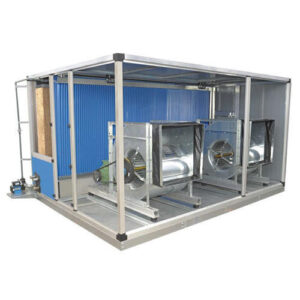
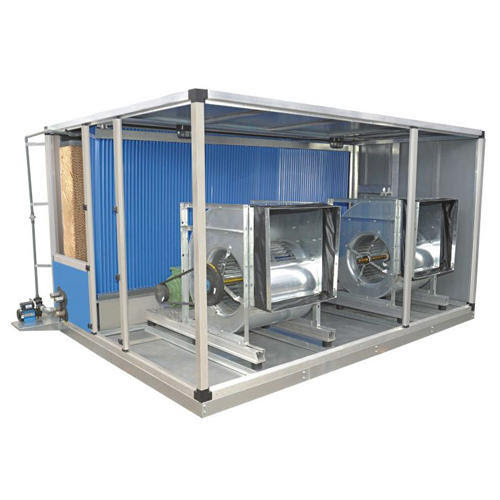
Industrial Fresh Air Handling Unit – High Efficiency Ventilation System
View Details
Industrial Fresh Air Handling Unit – High Efficiency Ventilation System
View Details
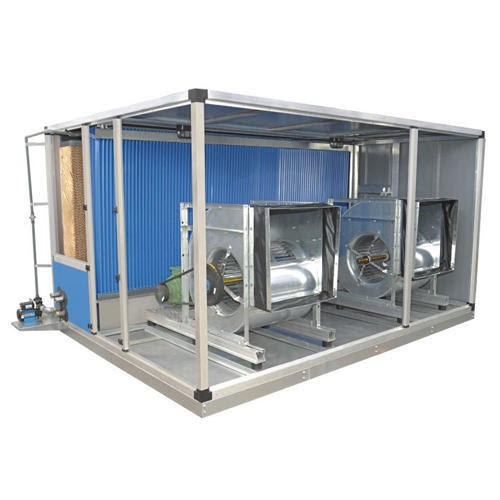
Industrial Evaporative Air Cooling Unit - High Efficiency HVAC System
View Details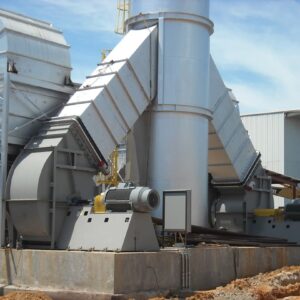
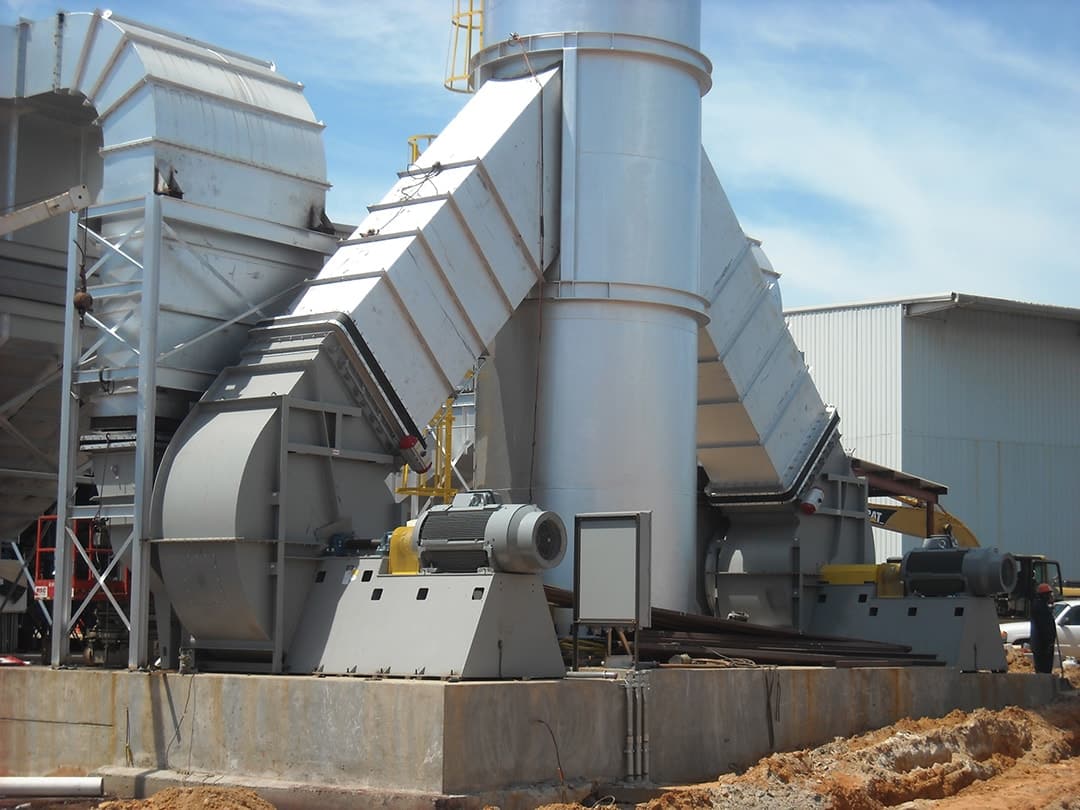
High-Capacity Industrial Centrifugal Ventilator - Heavy-Duty Airflow System
View Details
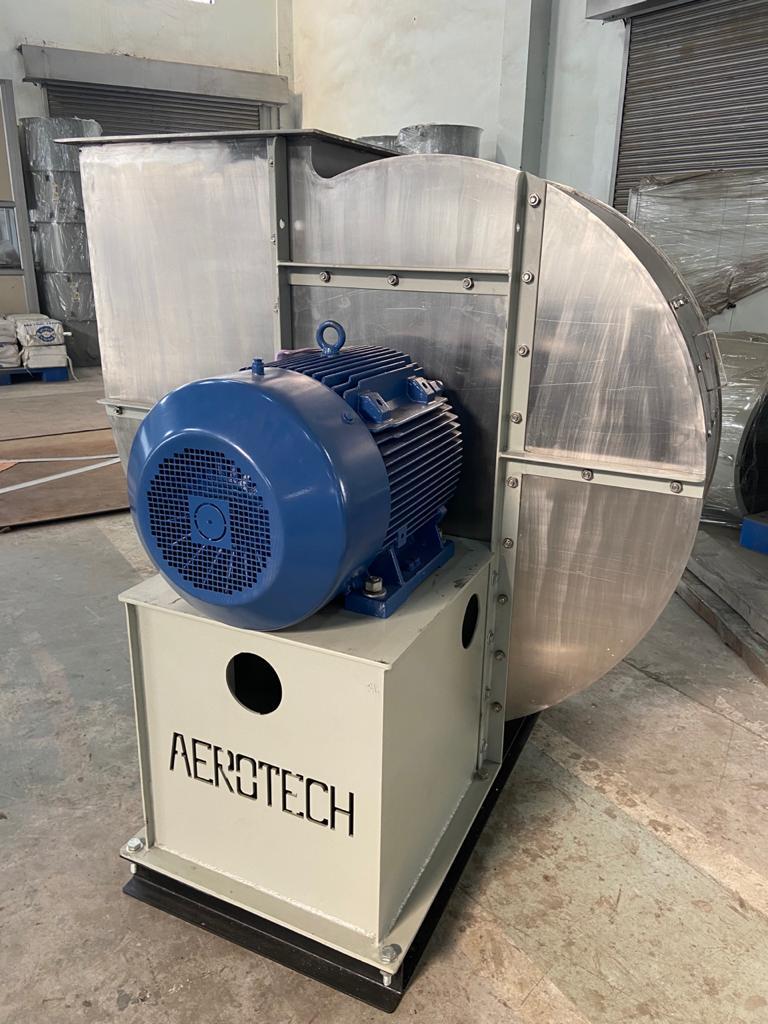
Industrial Low-Pressure Centrifugal Blower - High Efficiency Air Handling Unit
View Details
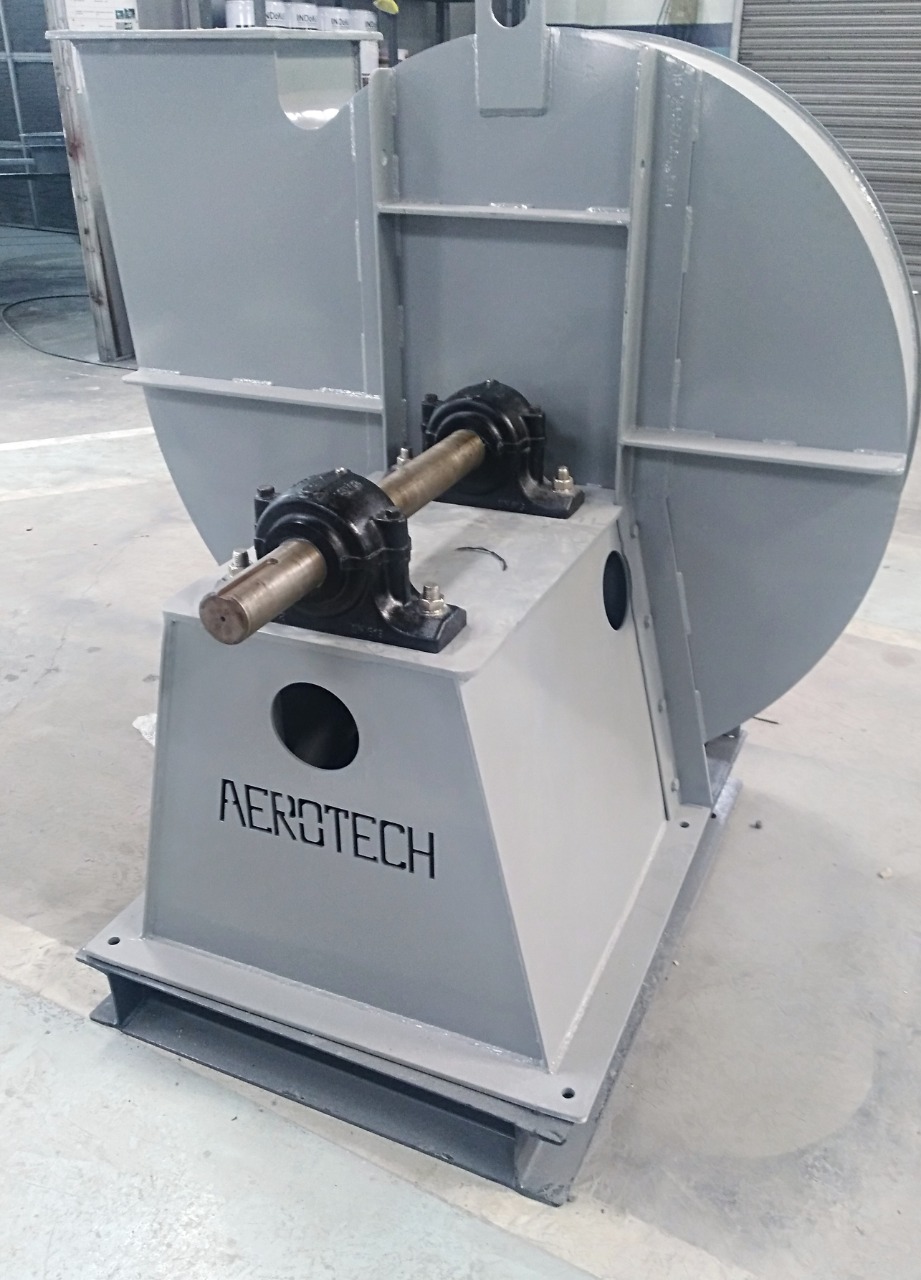
Heavy-Duty Industrial Fume Extraction Blower - High Efficiency Ventilation System
View Details
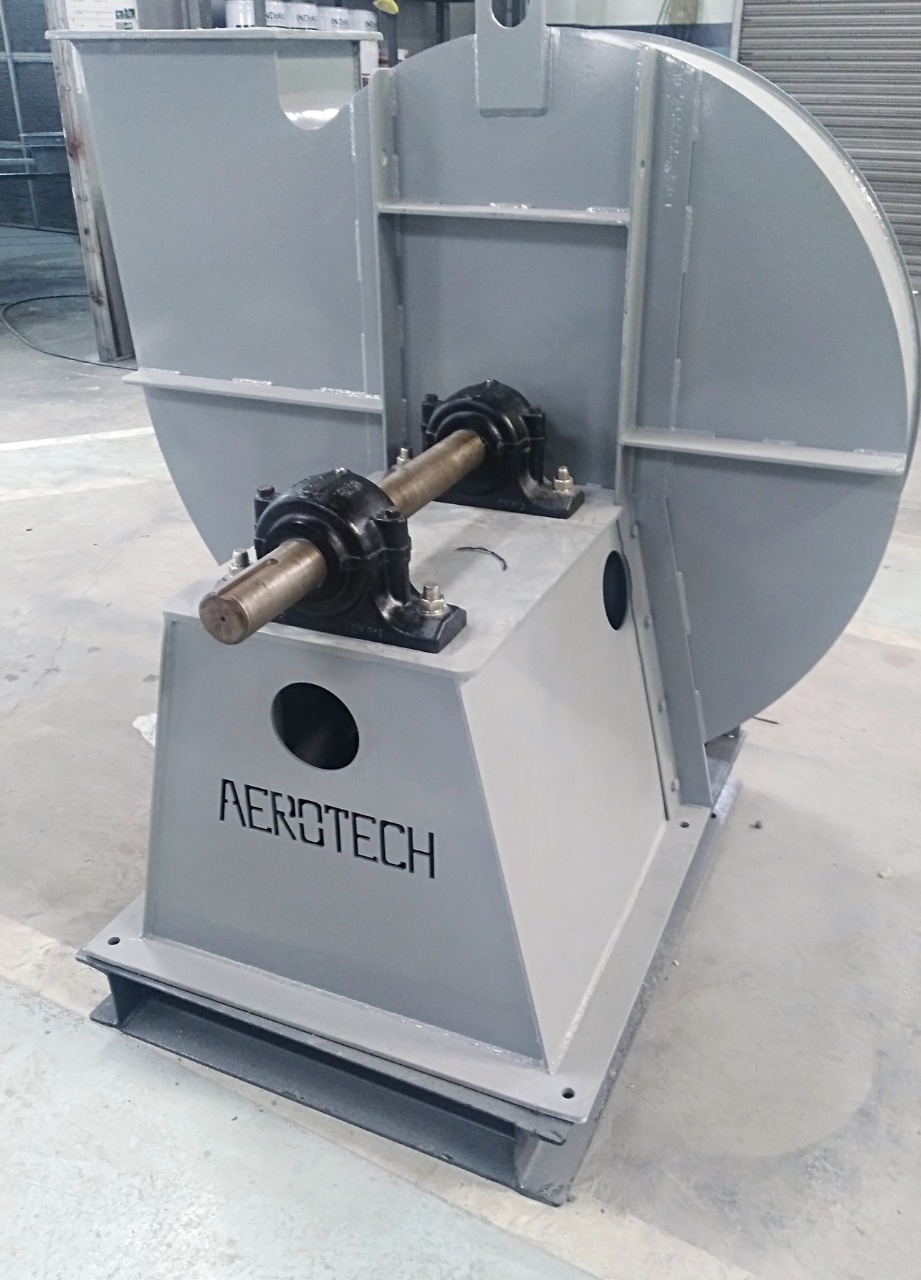
Industrial Centrifugal Ventilation Blower – Heavy-Duty Air Handling Unit
View Details
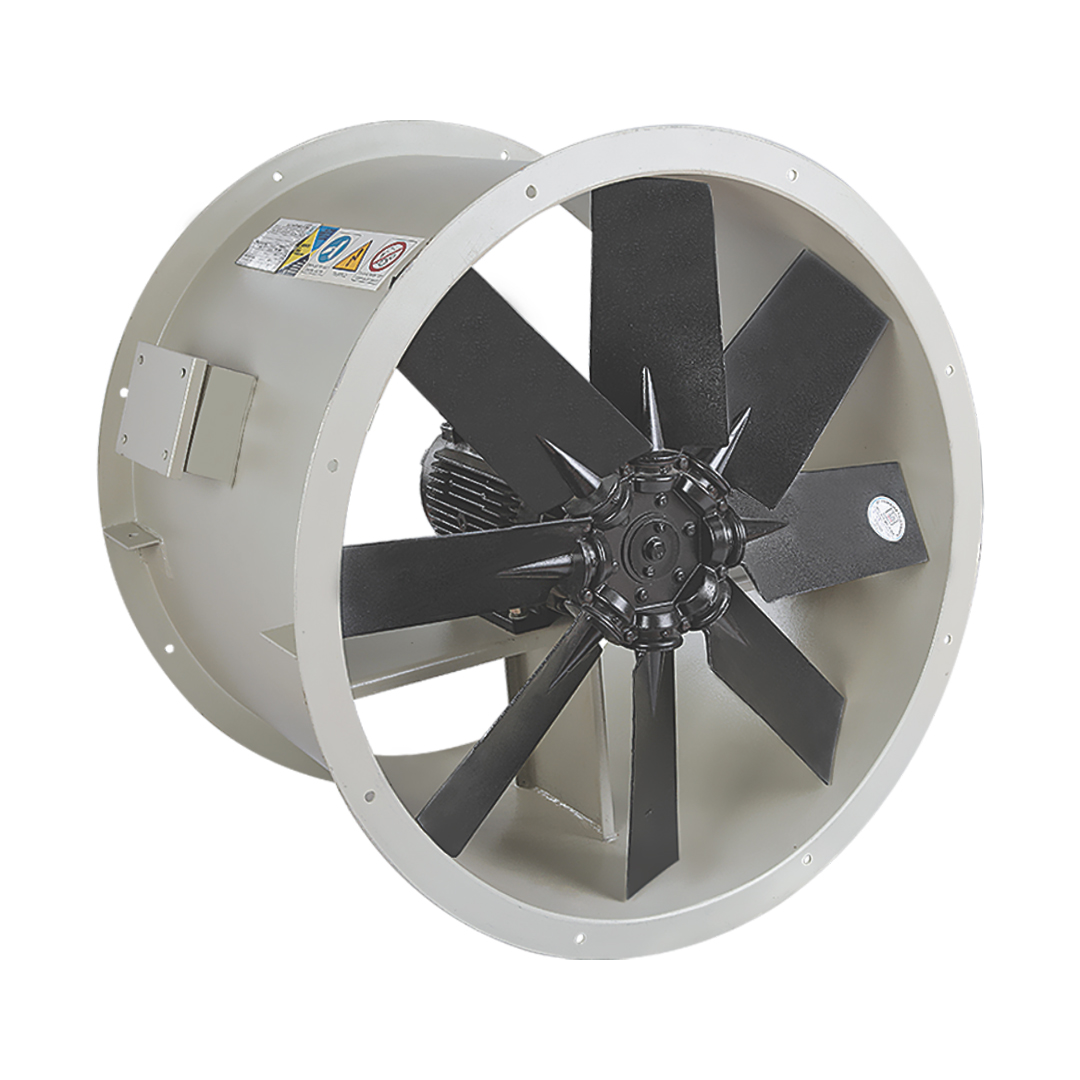
Industrial Axial Flow Fan - High Efficiency Air Ventilation System
View Details
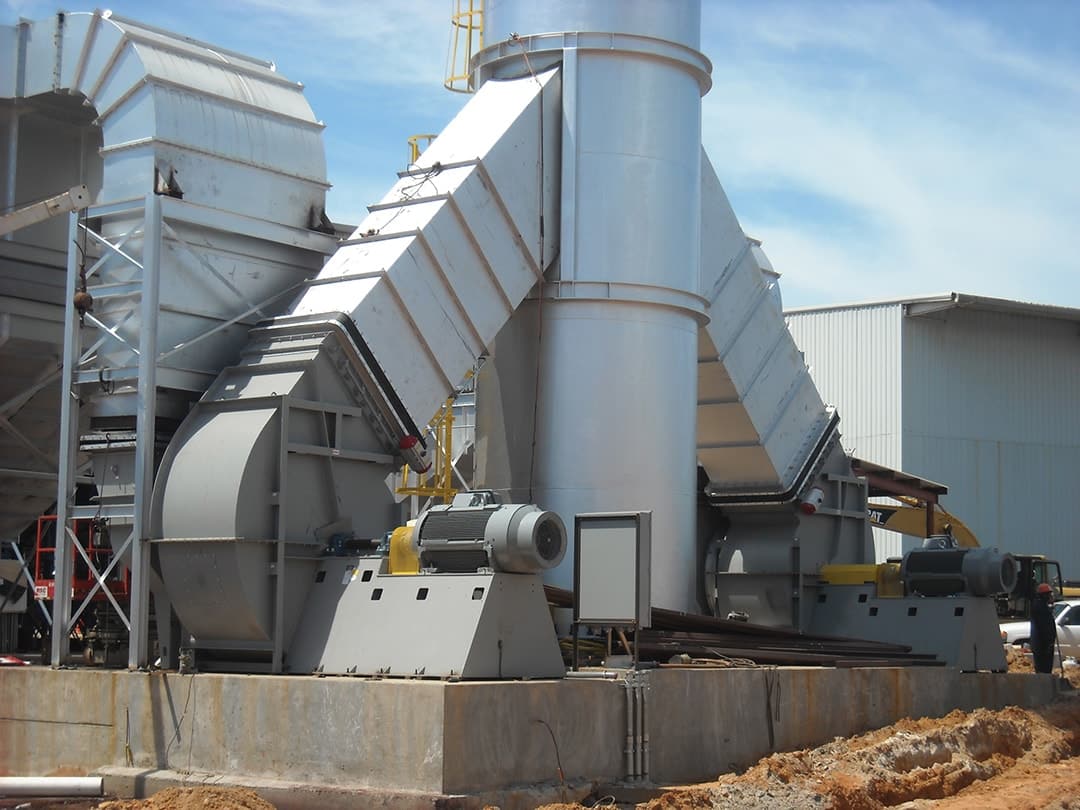
Industrial Fume Extraction System - High-Efficiency Air Filtration Unit
View DetailsFactory ventilation for cement industry operations demands rugged and efficient systems that can withstand heavy dust, heat, and continuous production cycles. Proper airflow and dust extraction protect workers, extend equipment life, and help meet environmental regulations. Aeppl provides engineering-driven ventilation solutions designed specifically for cement plants, balancing reliability and performance.
Cement manufacturing involves grinding, mixing, and kiln operations that release large amounts of fine dust and heat. Ordinary ventilation setups often struggle in these conditions. Specialized systems ensure steady airflow and temperature control across raw material handling, clinker cooling, and bagging areas.
Every section of a cement factory has distinct ventilation needs. Aeppl combines durable blowers, axial fans, and extraction systems with smart control options for precise management.
| Component | Purpose | Recommended Product |
|---|---|---|
| Centrifugal Blower | Moves air through ducts and filters heavy dust | Industrial Low-Pressure Centrifugal Blower |
| Axial Flow Fan | Provides high-volume airflow in open zones | Industrial Axial Flow Fan |
| Fume Extraction System | Captures dust and fumes from kilns and grinding areas | Industrial Fume Extraction System |
Cement plants face increasing expectations to meet sustainability goals. Aeppl’s ventilation designs focus on efficient airflow with reduced energy use, supporting ISO and environmental compliance. High-efficiency motors, variable speed drives, and multi-stage filtration help control emissions and improve overall sustainability.
Automation is now standard in industrial ventilation. Aeppl systems integrate with PLC and SCADA platforms, enabling operators to monitor airflow, temperature, and filter status in real time. This helps predict maintenance needs and minimizes production interruptions.
| Aspect | Conventional Setup | Aeppl Engineered System |
|---|---|---|
| Energy Efficiency | High power usage | Optimized motor design reduces consumption |
| Dust Filtration | Basic filters | Advanced multi-stage extraction |
| Maintenance Frequency | Frequent cleaning and downtime | Extended service intervals |
| Automation Capability | Manual control only | Integrated smart monitoring |
Each cement plant layout demands tailored airflow planning. Aeppl’s team collaborates with plant engineers and contractors to design systems that match production scale and structure. From low-pressure blowers to heavy-duty extraction units, every solution is built for consistent performance and longevity.
Reliable ventilation depends on timely maintenance and spare parts. Aeppl offers technical support, installation guidance, and service coverage throughout India and international markets. For detailed consultations or quotations, contact +91-9599785811, +91 8377077661, +91 9810162210, or email sales@aeppl.com.
Aerotech Equipments and Projects Pvt. Ltd. (Aeppl) is a trusted Indian manufacturer of industrial air handling and ventilation equipment. With decades of engineering experience, Aeppl delivers durable, high-performance solutions for industries such as cement, steel, and power generation. Visit Aeppl
Cement industry ventilation must handle high dust loads, abrasive particles, and elevated temperatures. Systems use durable materials and specialized filters to maintain airflow and protect equipment.
It reduces airborne dust, lowers heat stress, and helps meet workplace air quality standards, creating safer conditions for workers and machinery.
Key zones include kilns, grinding sections, and material transfer points where dust and heat are concentrated.
Yes, modern systems can be retrofitted with high-efficiency blowers and fans to improve airflow and reduce energy use in existing facilities.
Axial flow fans and centrifugal blowers are most common for high-volume air movement and dust extraction.
Routine inspection every 6 to 12 months is recommended, depending on dust levels and operating hours.
Yes, well-designed systems improve air circulation and filtration, helping control particulate emissions and support environmental compliance.
Automation enables real-time monitoring of airflow, temperature, and filter performance, improving efficiency and reducing downtime.
Aeppl designs tailored ventilation solutions based on plant layout, production volume, and environmental requirements.
You can reach Aeppl at +91-9599785811, +91 8377077661, +91 9810162210, or email sales@aeppl.com to discuss your project needs.