
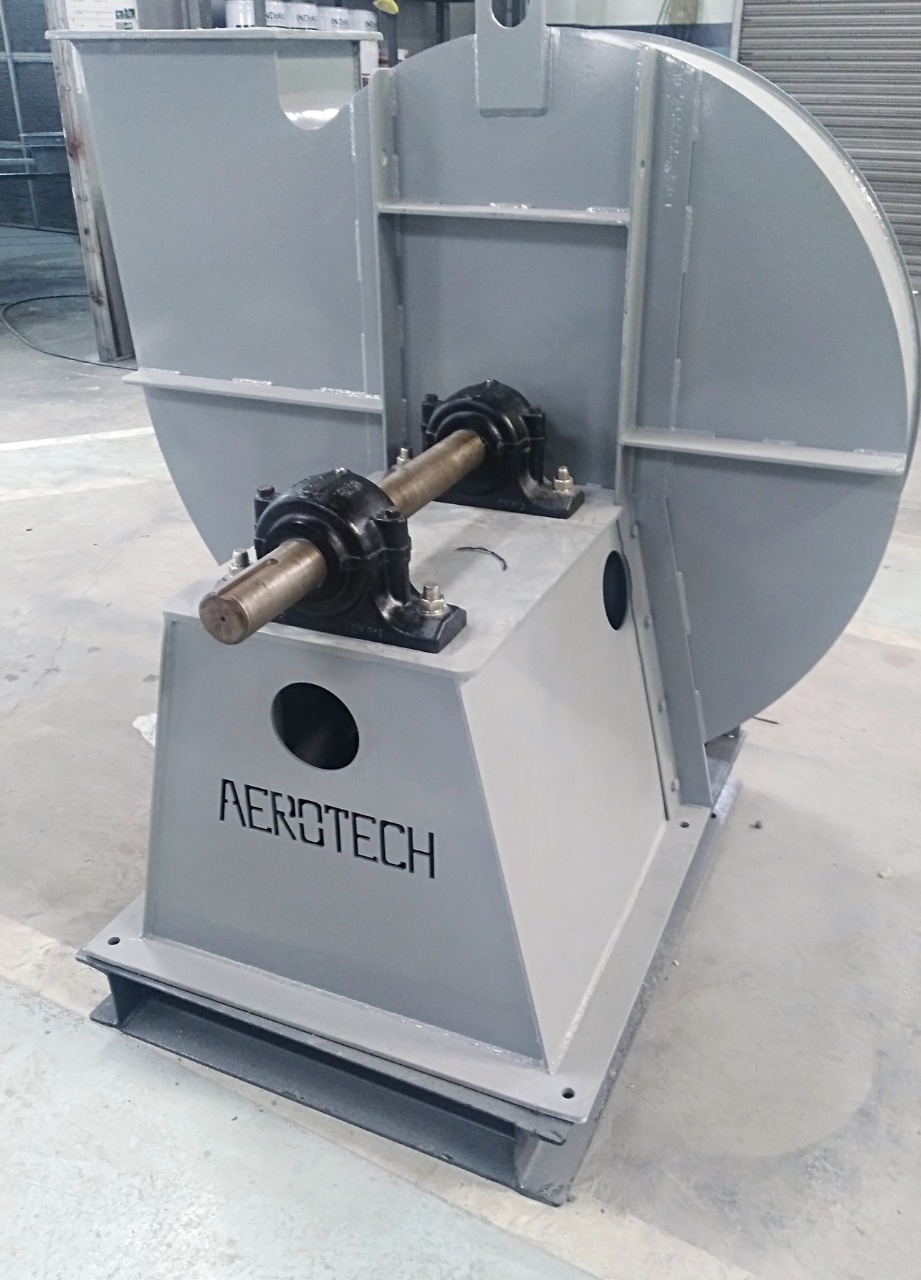
Industrial Centrifugal Ventilation Blower – Heavy-Duty Air Handling Unit
View Details
Industrial Centrifugal Ventilation Blower – Heavy-Duty Air Handling Unit
View Details
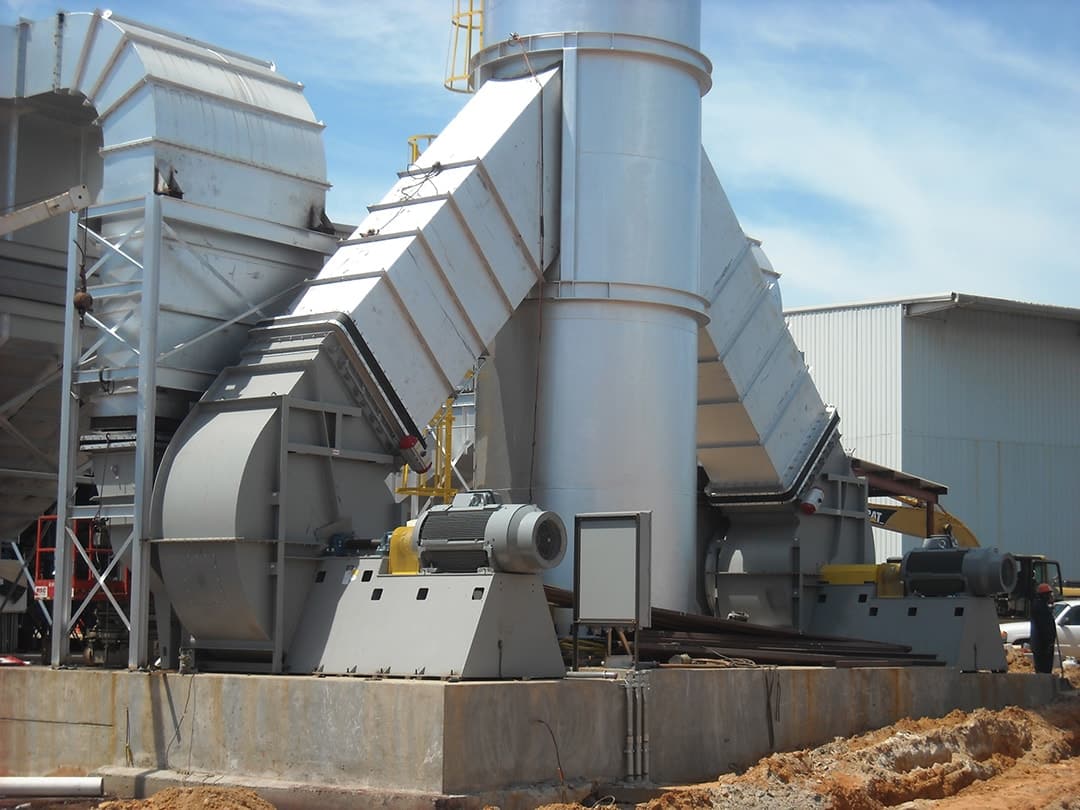
High-Capacity Industrial Centrifugal Ventilator - Heavy-Duty Airflow System
View Details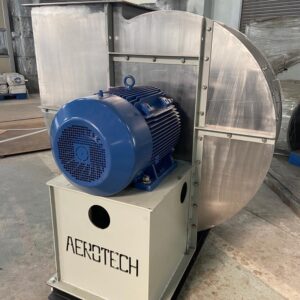
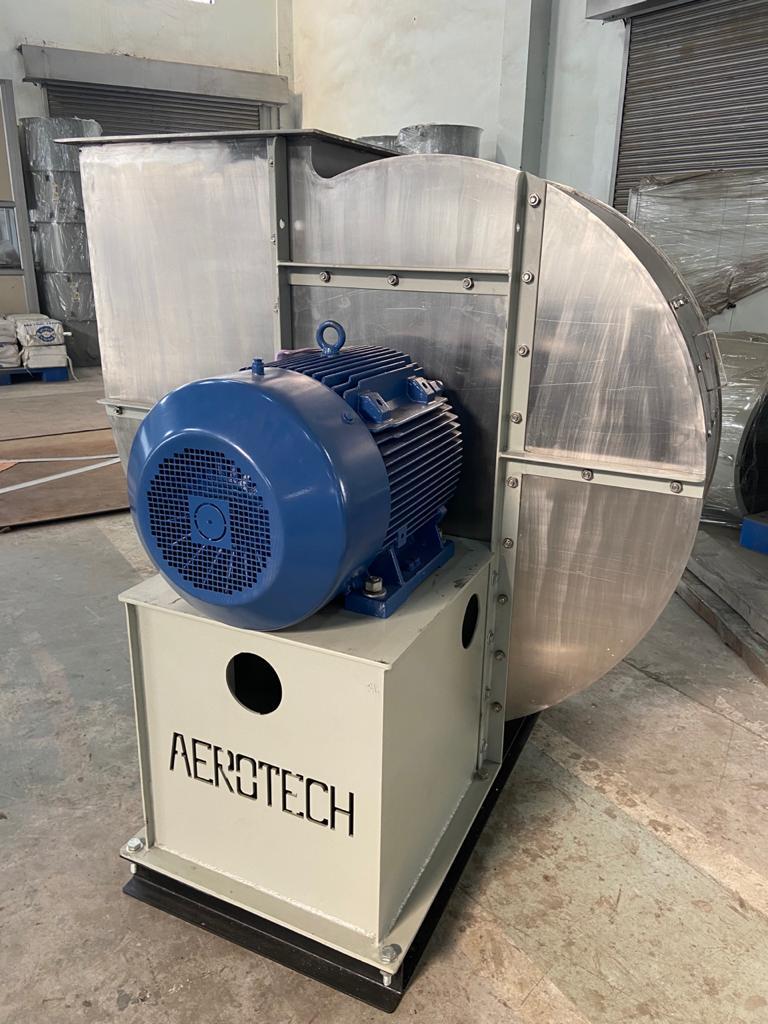
Industrial Low-Pressure Centrifugal Blower - High Efficiency Air Handling Unit
View Details
Industrial Fresh Air Handling Unit – High Efficiency Ventilation System
View Details
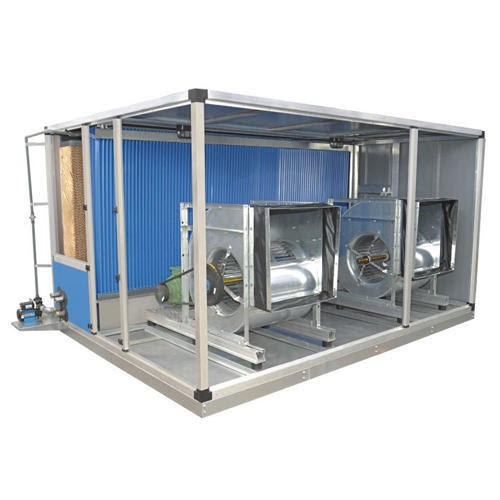
Industrial Evaporative Air Cooling Unit - High Efficiency HVAC System
View Details

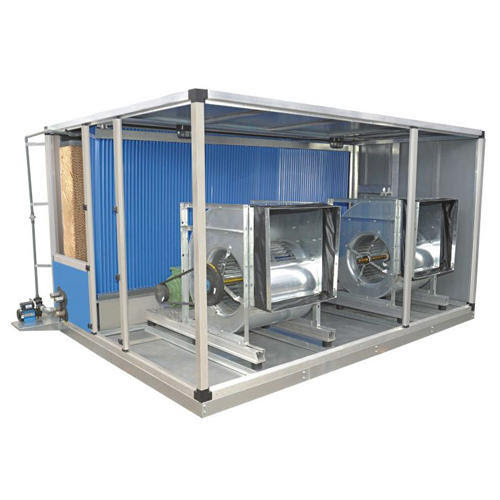
Industrial Air Cooling System with Dual Centrifugal Blowers – High Efficiency HVAC Unit
View Details
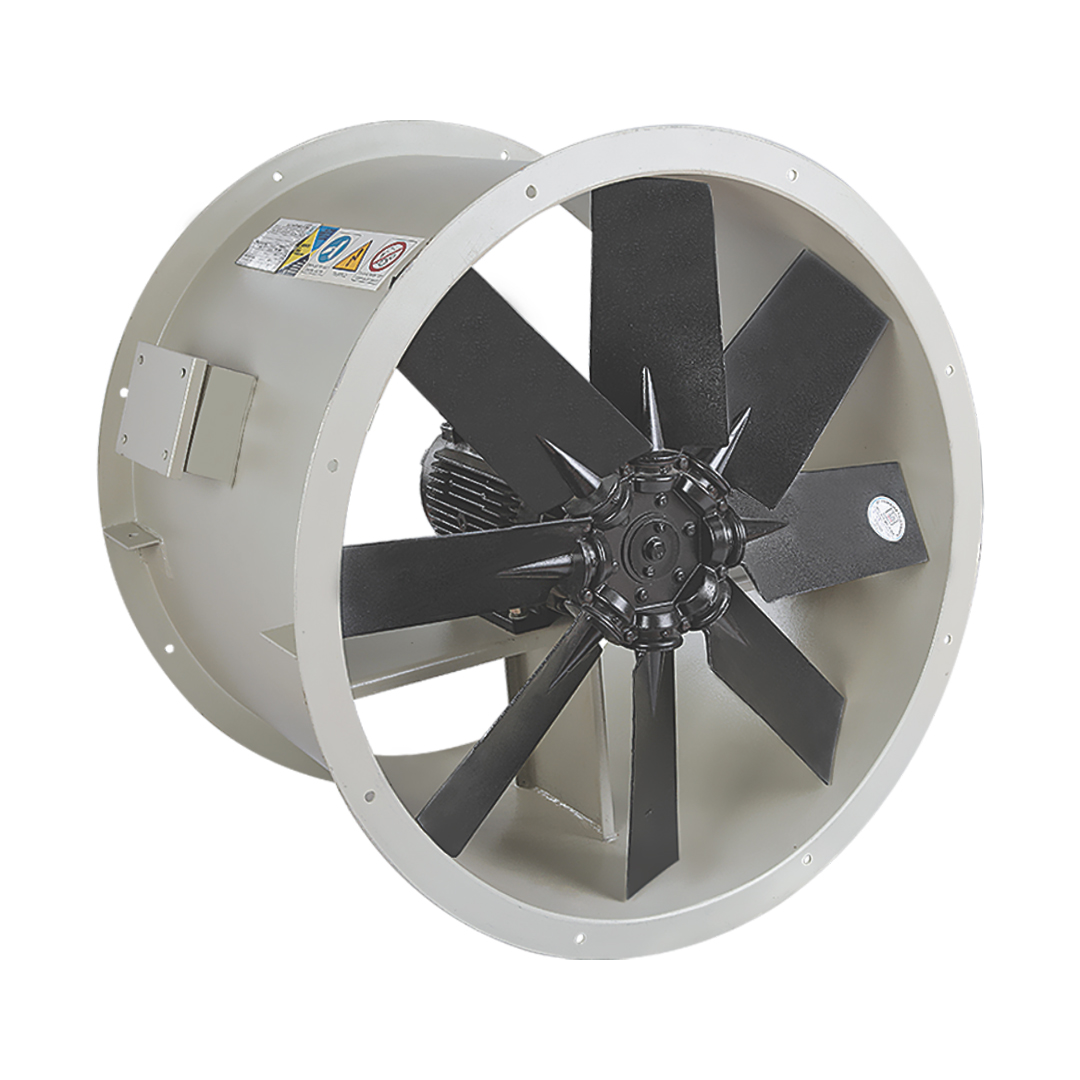
Industrial Axial Flow Fan - High Efficiency Air Ventilation System
View Details
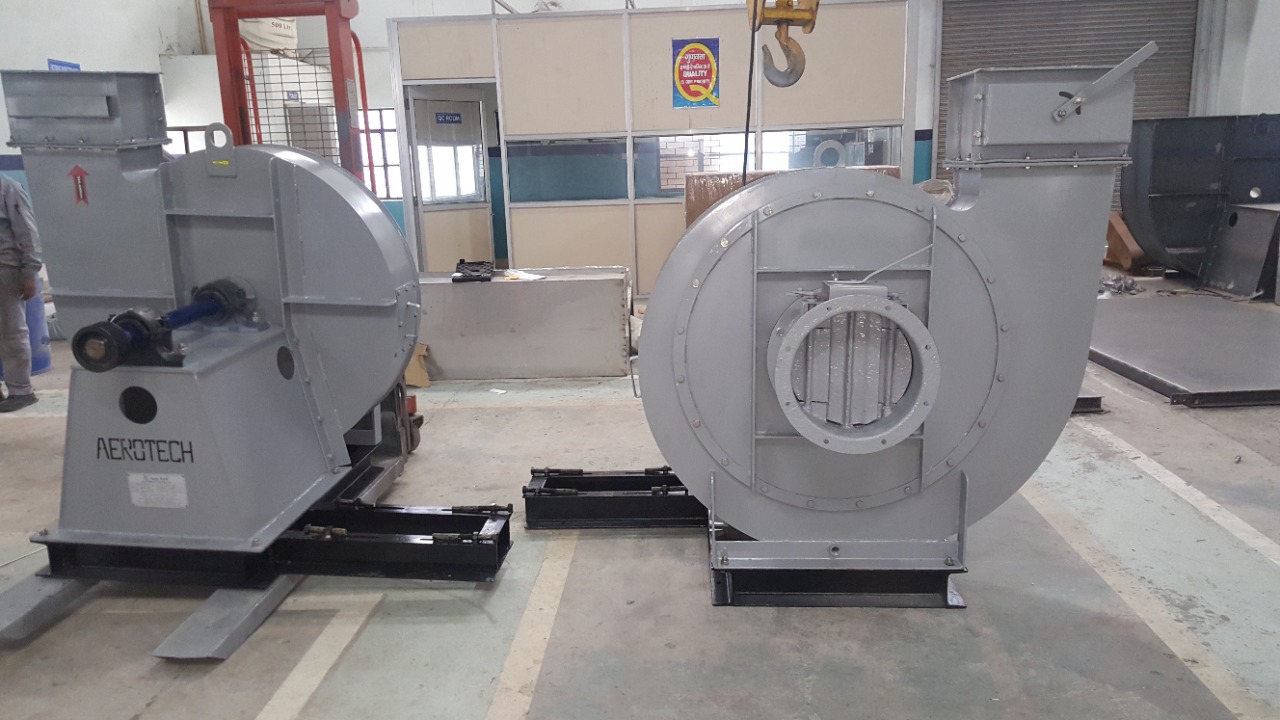
Industrial High-Pressure Centrifugal Blower - Heavy-Duty Air Handling System
View DetailsIn a cement plant, ventilation equipment is vital for managing air quality, temperature, and dust across production zones. These systems help maintain safe conditions for workers and protect machinery from heat and particulate buildup. Aeppl designs and manufactures industrial ventilation solutions that deliver steady performance and easy maintenance for demanding cement operations.
Cement production generates heat, dust, and exhaust gases from kilns, grinders, and material conveyors. Without proper ventilation, these factors can lead to equipment wear and unsafe air conditions. Well-designed ventilation systems stabilize airflow, reduce dust concentration, and help maintain compliance with environmental standards.
Different sections of a cement plant require tailored air handling solutions. The table below outlines common ventilation equipment types and their applications.
| Equipment Type | Typical Application | Main Advantage |
|---|---|---|
| Industrial Centrifugal Blowers | Dust collection, kiln exhaust, cooler ventilation | High pressure and steady airflow |
| Axial Flow Fans | General plant ventilation and heat removal | High air volume with low pressure |
| Air Handling Units | Material preparation and packing areas | Temperature and humidity regulation |
| Evaporative Cooling Units | Ambient air cooling in production halls | Reduced energy use for climate control |
Aeppl produces a full range of air handling and ventilation systems suited for cement plant environments. Popular models include:
Each system is built for continuous operation in dusty, high-temperature conditions. Aeppl designs equipment that integrates smoothly with plant processes, making it suitable for new installations and upgrades alike.
| Parameter | Centrifugal Blower | Axial Fan |
|---|---|---|
| Pressure Capability | High | Moderate |
| Air Volume | Medium to High | High |
| Energy Use | Efficient with variable speed drive | Good for large-area ventilation |
| Maintenance | Low with regular inspection | Low |
Cement plants differ in layout and airflow requirements. Aeppl offers customization options including impeller selection, motor sizing, and control system integration. The engineering team collaborates with plant managers and project contractors to ensure the ventilation setup supports production goals and energy targets.
Ventilation systems in cement plants must meet strict safety and emission standards. Aeppl equipment is designed to help facilities meet dust control and air quality requirements while maintaining safe maintenance intervals and dependable operation.
As cement manufacturers adopt greener practices, efficient ventilation becomes essential. Variable frequency drives, smart sensors, and automated controls allow precise airflow management. Aeppl supports these advancements with designs that lower energy use and enhance process reliability.
Aerotech Equipments and Projects Pvt. Ltd. (Aeppl) is an Indian manufacturer of industrial air handling and ventilation systems. With decades of experience serving heavy industries, Aeppl provides durable solutions that improve plant performance and air management. Visit Aeppl
It refers to air handling systems that manage airflow, temperature, and dust within cement manufacturing areas.
It helps control dust, heat, and gas emissions, improving air quality and protecting both workers and machinery.
Centrifugal blowers and axial fans are widely used due to their strong airflow capacity and durability.
Proper airflow reduces energy consumption, stabilizes temperatures, and prevents dust buildup that can slow production.
Key factors include required airflow, pressure levels, dust load, temperature, and available installation space.
Yes, most modern systems can connect with plant automation for real-time control and performance monitoring.
Inspection and cleaning every six to twelve months helps maintain efficiency and prevent mechanical issues.
Galvanized steel, stainless steel, and coated aluminum are typical choices for strength and corrosion resistance.
Yes, Aeppl provides tailored designs for specific plant layouts, airflow needs, and control integration.
Contact Aeppl at +91-9599785811, +91 8377077661, +91 9810162210, or email sales@aeppl.com for assistance.