
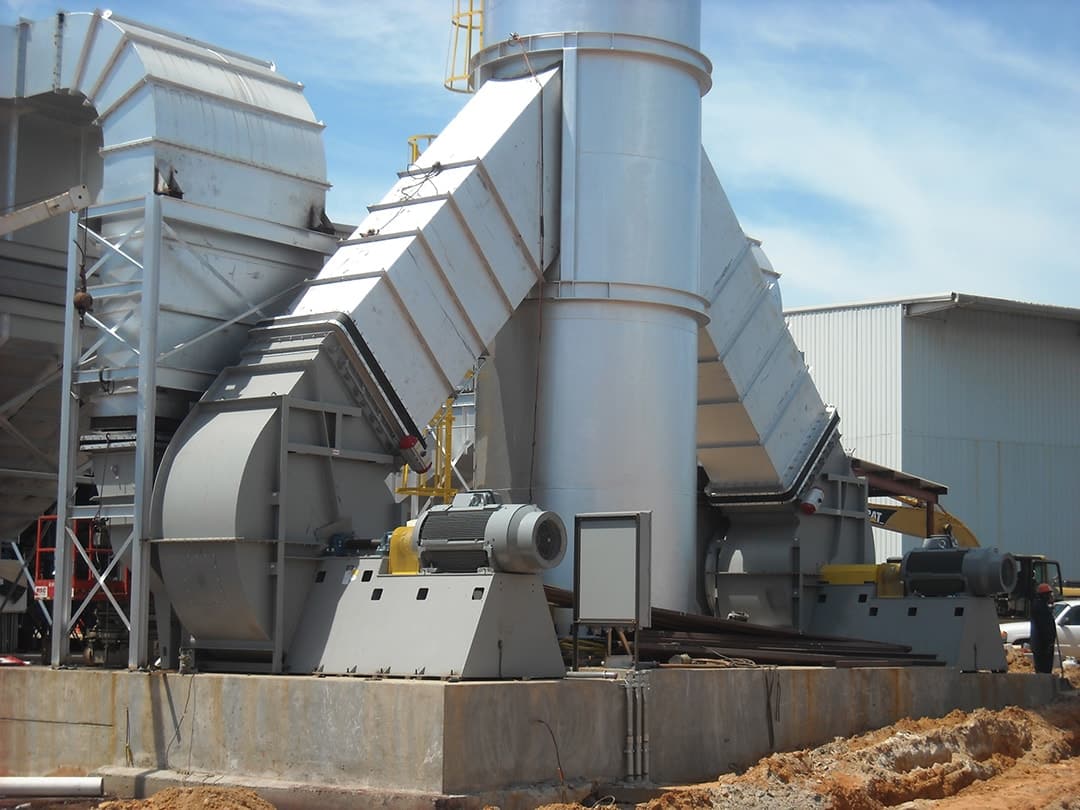
High-Capacity Industrial Centrifugal Ventilator - Heavy-Duty Airflow System
View Details
High-Capacity Industrial Centrifugal Ventilator - Heavy-Duty Airflow System
View Details
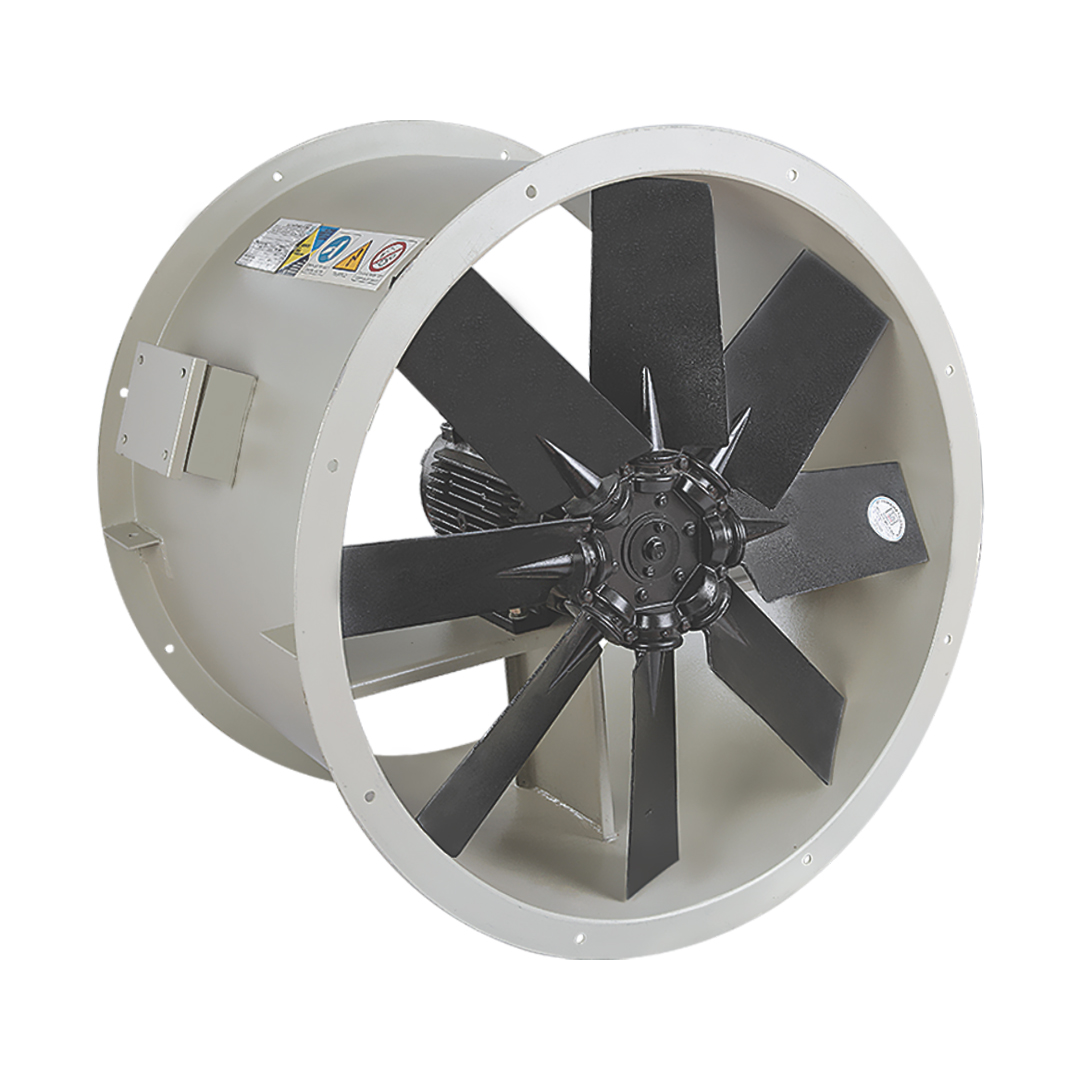
High-Temperature Axial Smoke Exhaust Fan - Industrial Ventilation System
View Details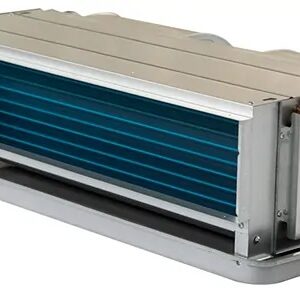
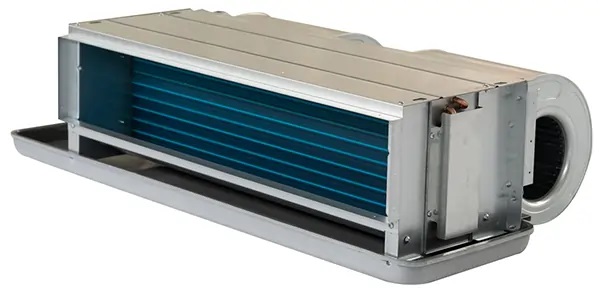
Ceiling Concealed Fan Coil Unit - High Efficiency HVAC Air Handling System
View Details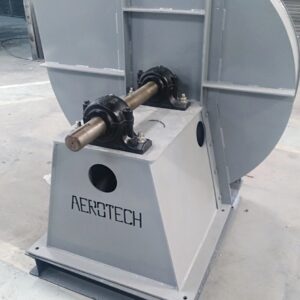
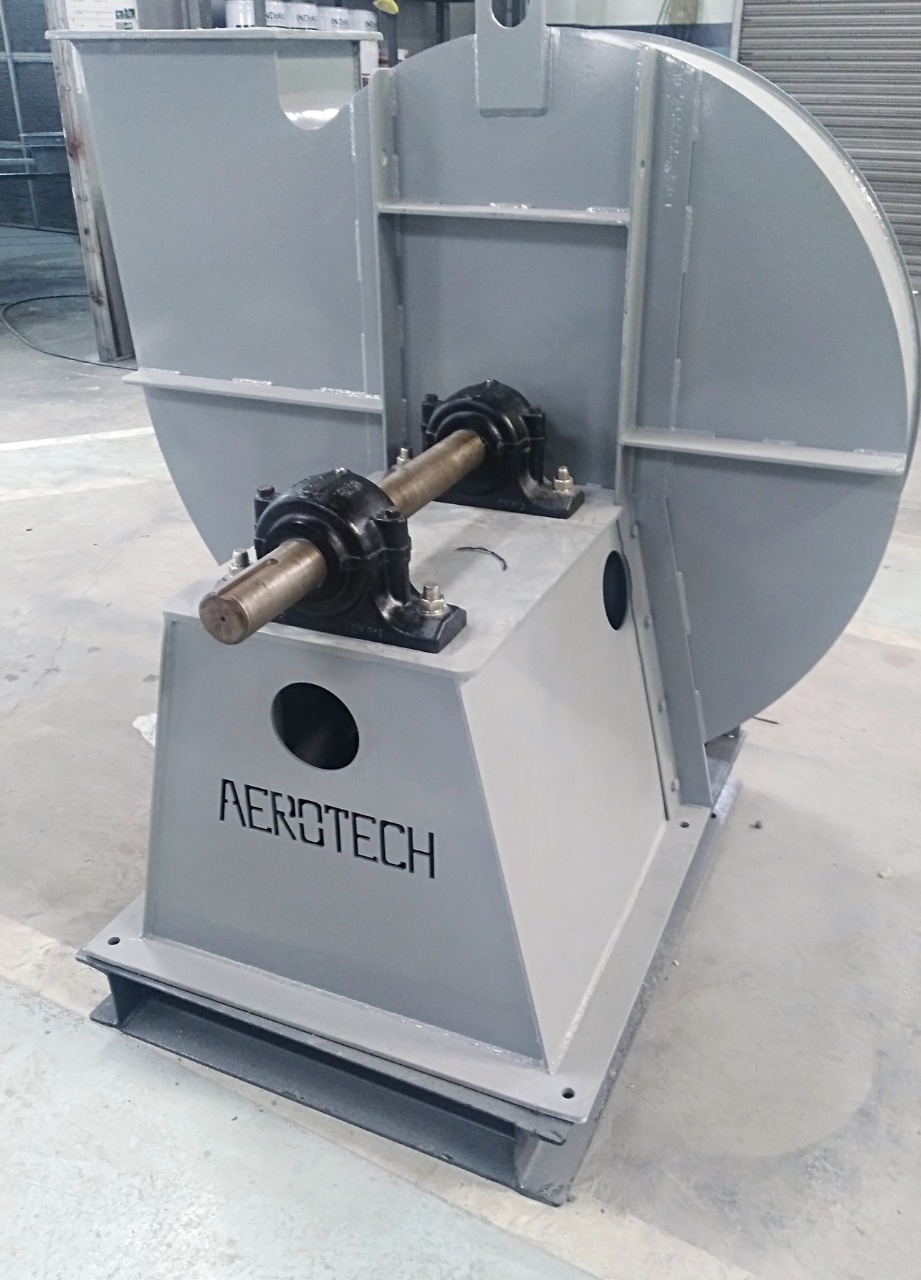
Industrial Centrifugal Ventilation Blower – Heavy-Duty Air Handling Unit
View Details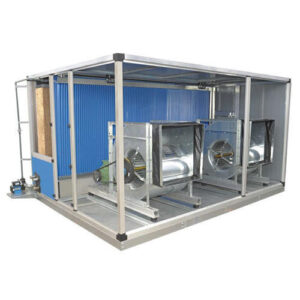
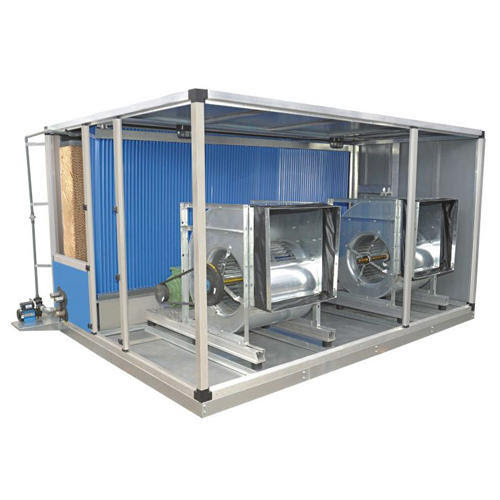
Industrial Fresh Air Handling Unit – High Efficiency Ventilation System
View Details
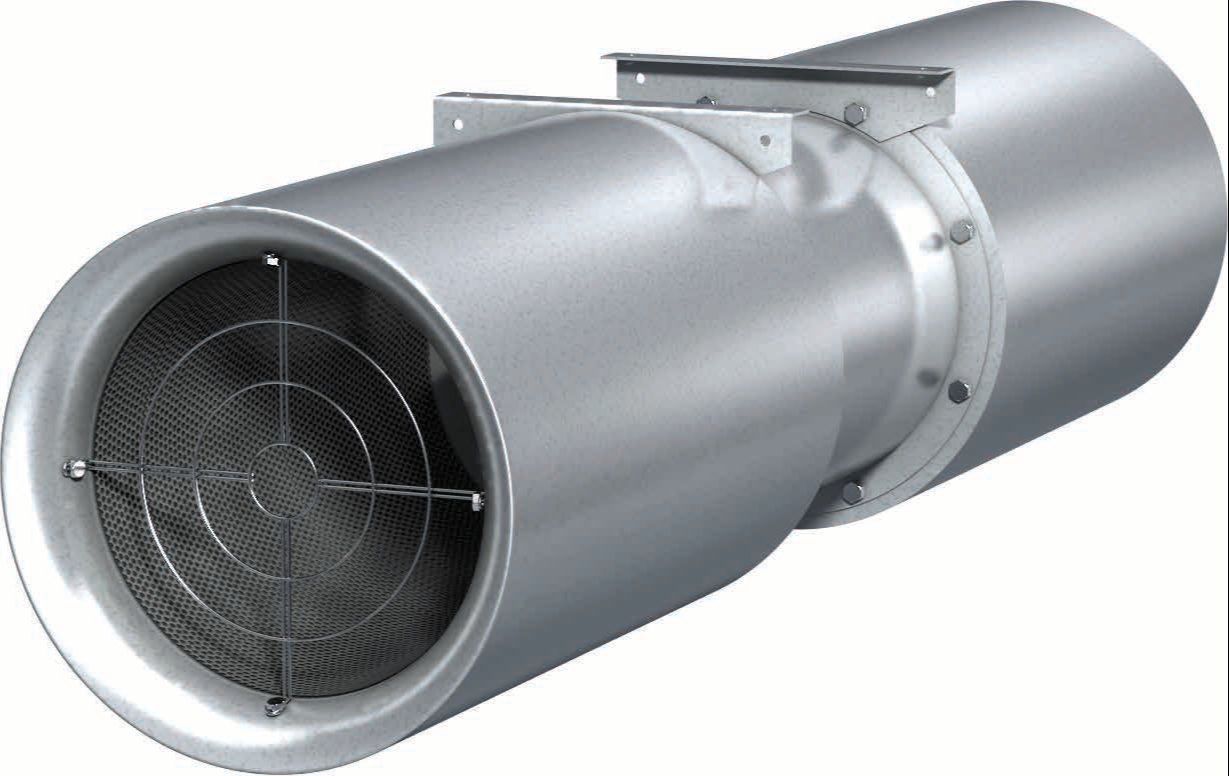
High-Performance Industrial Jet Fan - Tunnel and Garage Ventilation System
View Details
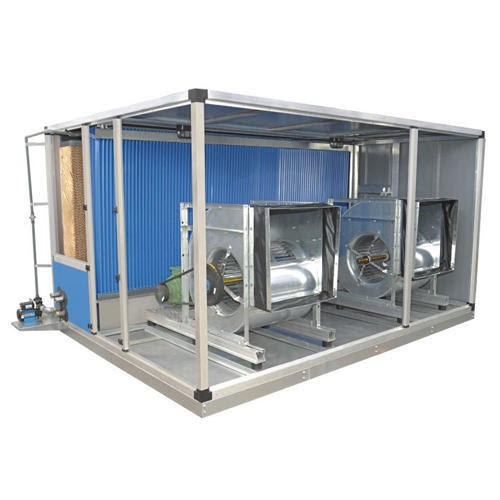
Industrial Evaporative Air Cooling Unit - High Efficiency HVAC System
View Details
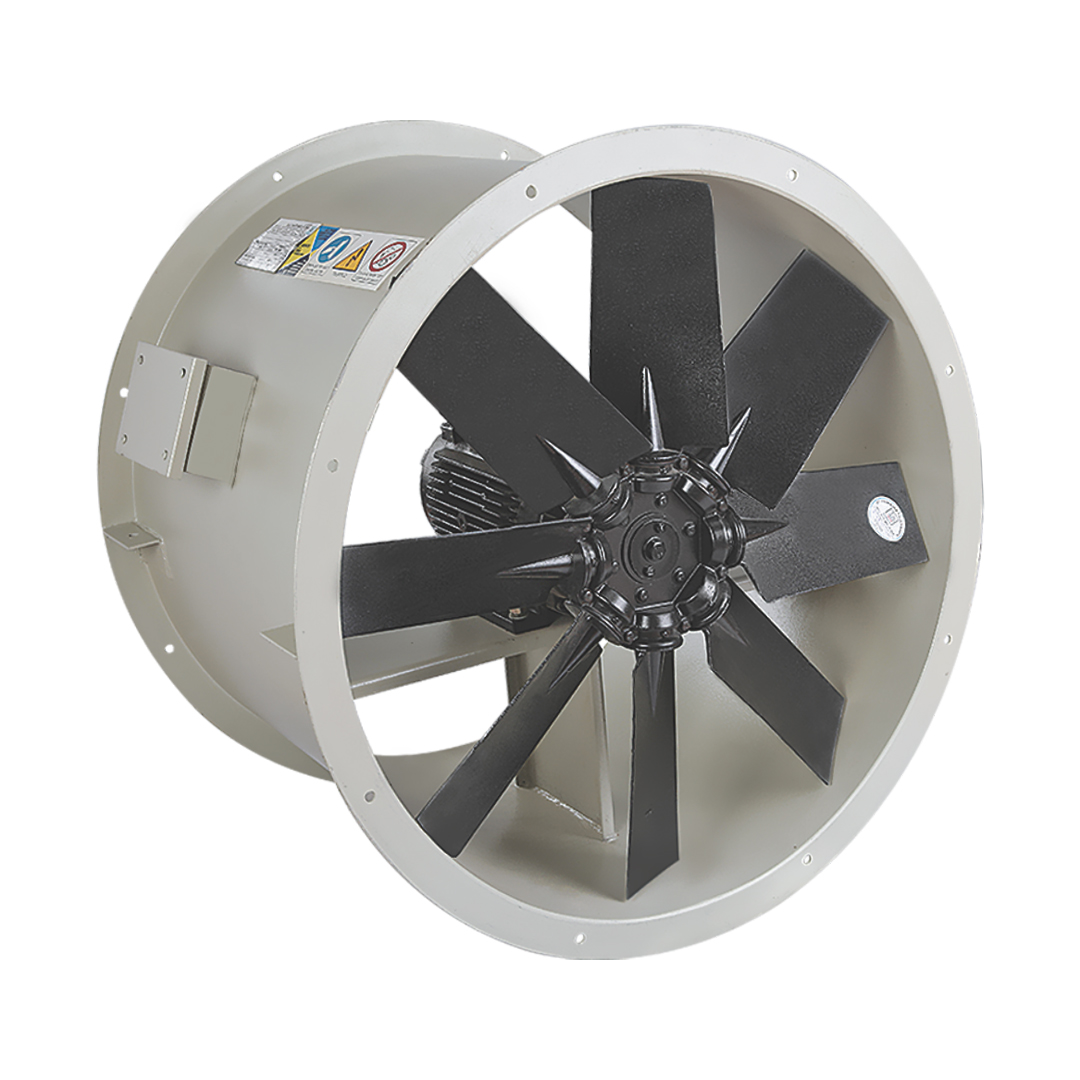
Industrial Axial Flow Exhaust Fan - High Airflow Metal Ventilation System
View DetailsGood air circulation is essential in parking structures where vehicles release exhaust gases. A well-designed car park ventilation system protects people from harmful emissions, controls heat, and meets local safety requirements. Whether it's an underground garage or a multi-level facility, proper airflow keeps the environment comfortable and compliant.
Modern designs focus on reliable performance, efficient airflow paths, and easy maintenance. Engineers often integrate these systems with building management controls to ensure ventilation activates only when required, saving power and extending equipment life.
Ventilation setups typically use jet fans and exhaust units to move air through parking areas. Jet fans push air horizontally toward extraction points, while axial exhaust fans remove polluted air. Sensors measure carbon monoxide and other gases, automatically adjusting fan speed based on actual conditions. This approach limits energy waste and keeps air quality within safe levels.
Each car park requires a tailored solution. Factors such as layout, ceiling height, and expected traffic volume influence airflow design. Engineers balance fan capacity, duct placement, and control strategy to achieve consistent ventilation throughout the space. A mix of jet fans and axial exhaust fans often provides the best results for medium to large facilities.
| Component | Function | Recommended Model |
|---|---|---|
| Jet Fan | Moves air horizontally across parking zones | High-Performance Industrial Jet Fan |
| Axial Exhaust Fan | Extracts contaminated air from enclosed areas | Industrial Axial Flow Exhaust Fan |
| Smoke Exhaust Fan | Operates under high-temperature emergency conditions | High-Temperature Axial Smoke Exhaust Fan |
Energy-saving technology is becoming standard in car park ventilation. Variable speed drives allow fans to run only when needed, and gas sensors provide real-time data to control airflow. Many facilities now include automated monitoring systems that track performance and alert operators to maintenance needs. Choosing efficient motors and low-resistance ductwork further reduces overall power consumption.
| System Type | Advantages | Best Application |
|---|---|---|
| Ducted System | Simple configuration and predictable airflow | Small or single-level parking areas |
| Jet Fan System | Lower installation cost and flexible design | Large or multi-level parking structures |
| Hybrid System | Combines jet fans and exhaust units for balanced performance | Complex layouts needing precise air movement |
Proper ventilation protects against carbon monoxide and other harmful gases while ensuring smoke control during emergencies. Systems must meet local building and fire regulations. Collaboration between engineers and equipment manufacturers helps achieve both safety and efficiency goals. Aeppl works with project teams to design systems that meet these requirements while maintaining energy efficiency and reliability.
Aeppl, officially Aerotech Equipments and Projects Pvt. Ltd., produces industrial ventilation and air handling systems used across commercial and infrastructure projects. With decades of technical experience, Aeppl provides dependable solutions that combine performance, safety, and long service life. Visit Aeppl
Car park ventilation refers to systems that remove vehicle exhaust and heat from enclosed parking areas to maintain safe air quality.
Ventilation prevents buildup of harmful gases like carbon monoxide and ensures compliance with health and safety standards.
Jet fans move air horizontally through parking zones, helping direct pollutants toward exhaust points without extensive ductwork.
Layout, ceiling height, vehicle density, and emergency smoke control requirements all affect system design and fan placement.
Yes. Many modern systems use sensors and variable speed drives that adjust airflow automatically based on air quality readings.
Most systems benefit from inspection every 6 to 12 months to check fan performance, sensor calibration, and safety compliance.
Ducted systems use fixed air channels, while jet fan systems rely on directional airflow for greater flexibility and reduced installation costs.
Modern ventilation setups use efficient motors and smart controls to minimize energy use while maintaining required airflow levels.
Aeppl designs and manufactures reliable ventilation systems built for safety, durability, and efficiency in industrial and commercial spaces.
Contact Aeppl at +91-9599785811, +91 8377077661, +91 9810162210 or email sales@aeppl.com for consultation and design assistance.