
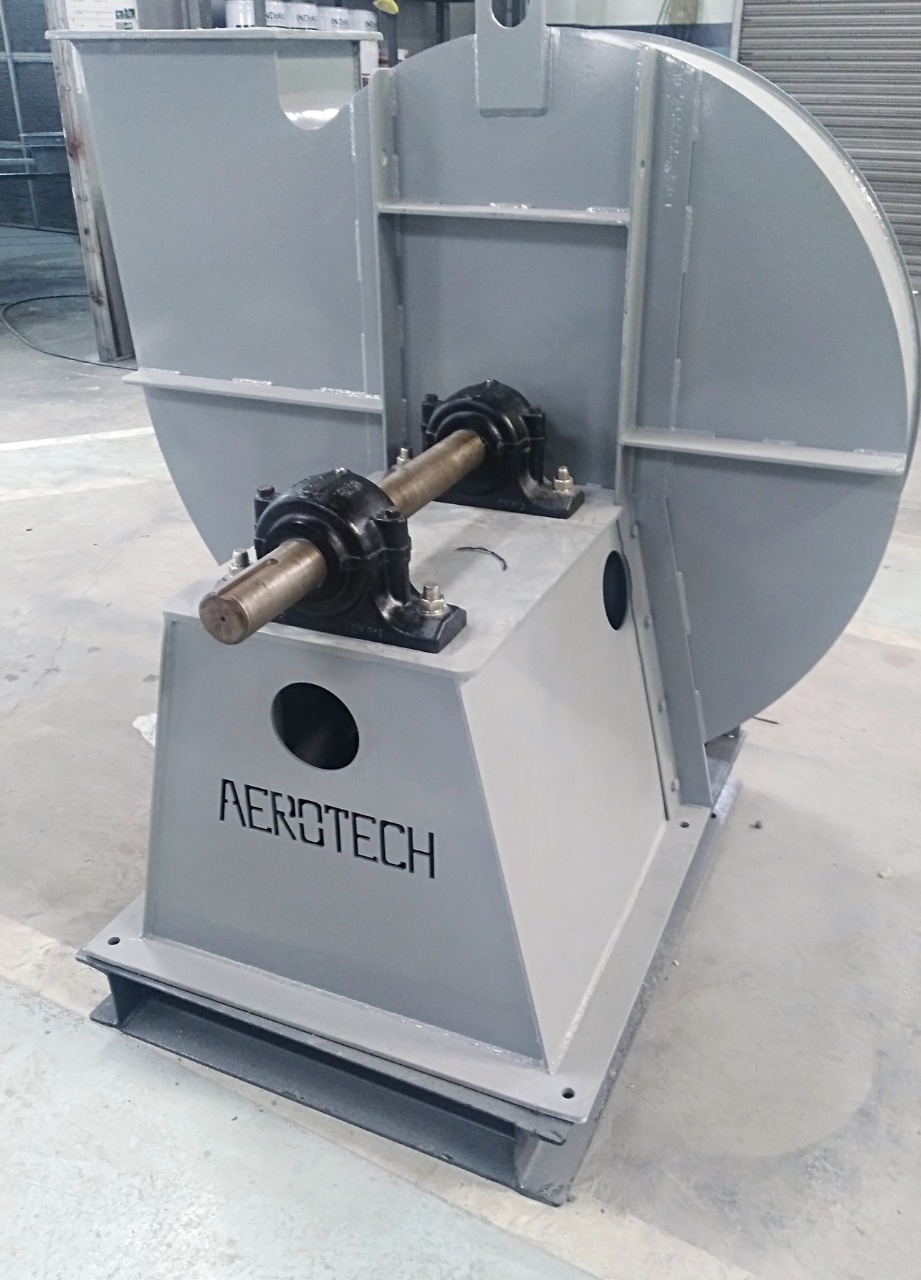
Industrial Centrifugal Ventilation Blower – Heavy-Duty Air Handling Unit
View Details
Industrial Centrifugal Ventilation Blower – Heavy-Duty Air Handling Unit
View Details
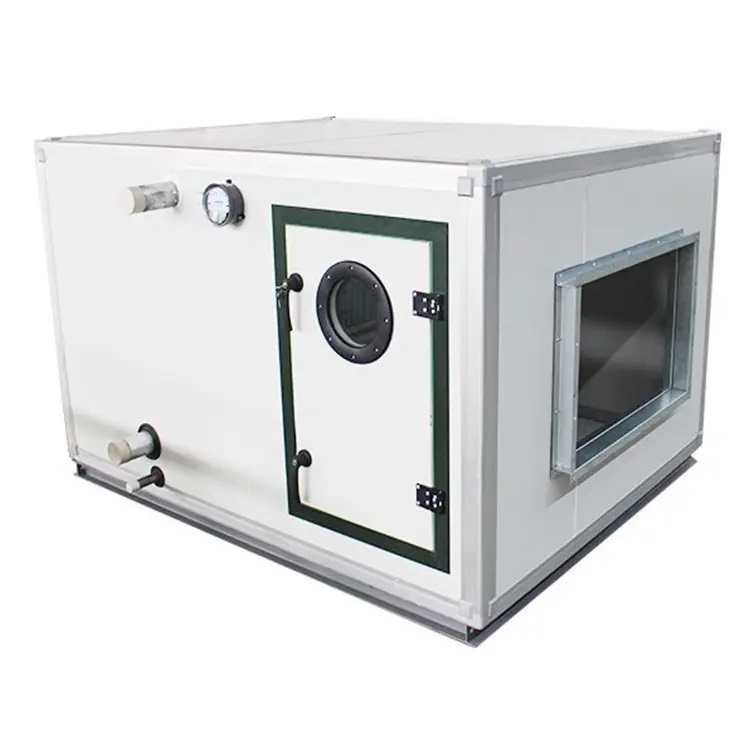
Industrial Treated Fresh Air Unit – Energy-Efficient Air Handling System
View Details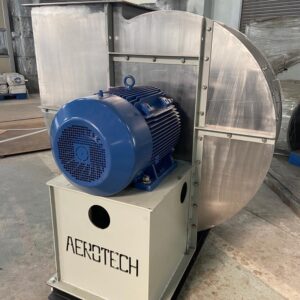
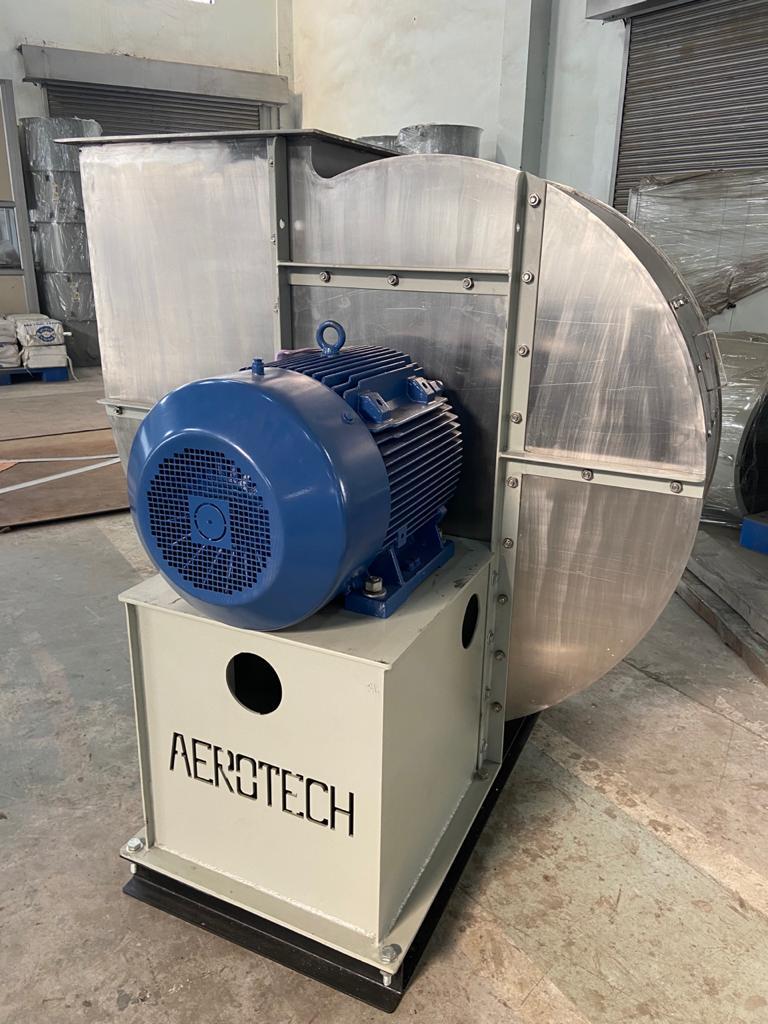
Industrial Low-Pressure Centrifugal Blower - High Efficiency Air Handling Unit
View Details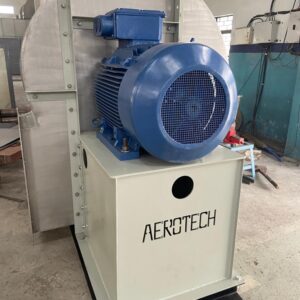
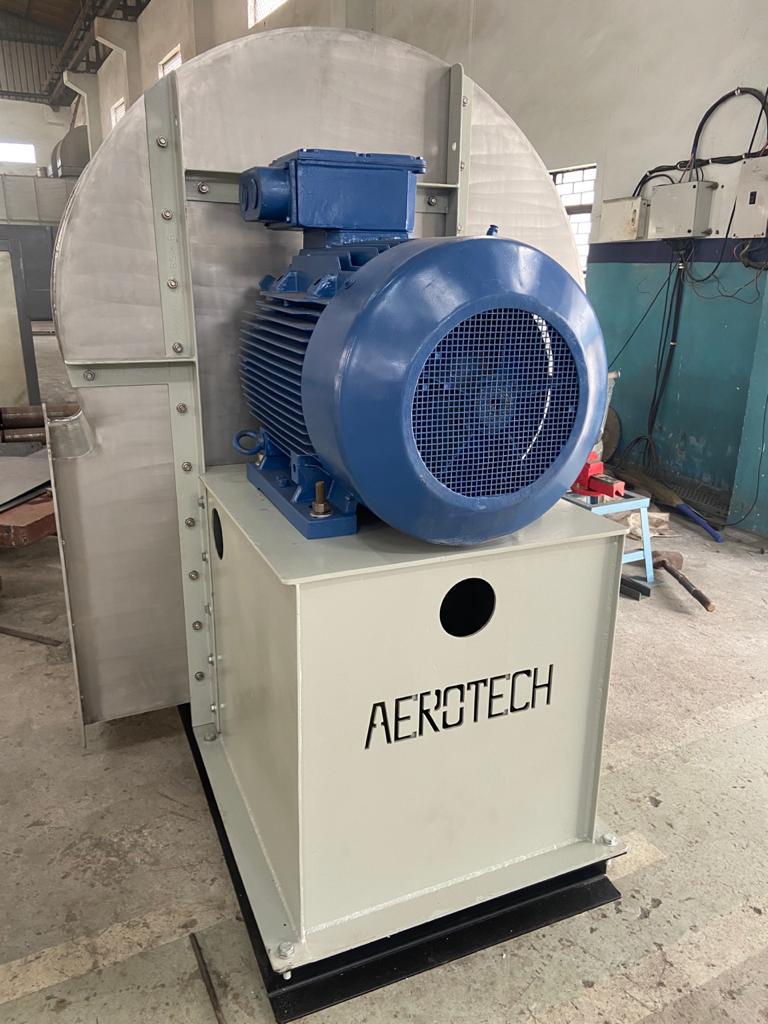
Aerotech Industrial Centrifugal Fan Blower – High-Pressure Air Handling System
View Details
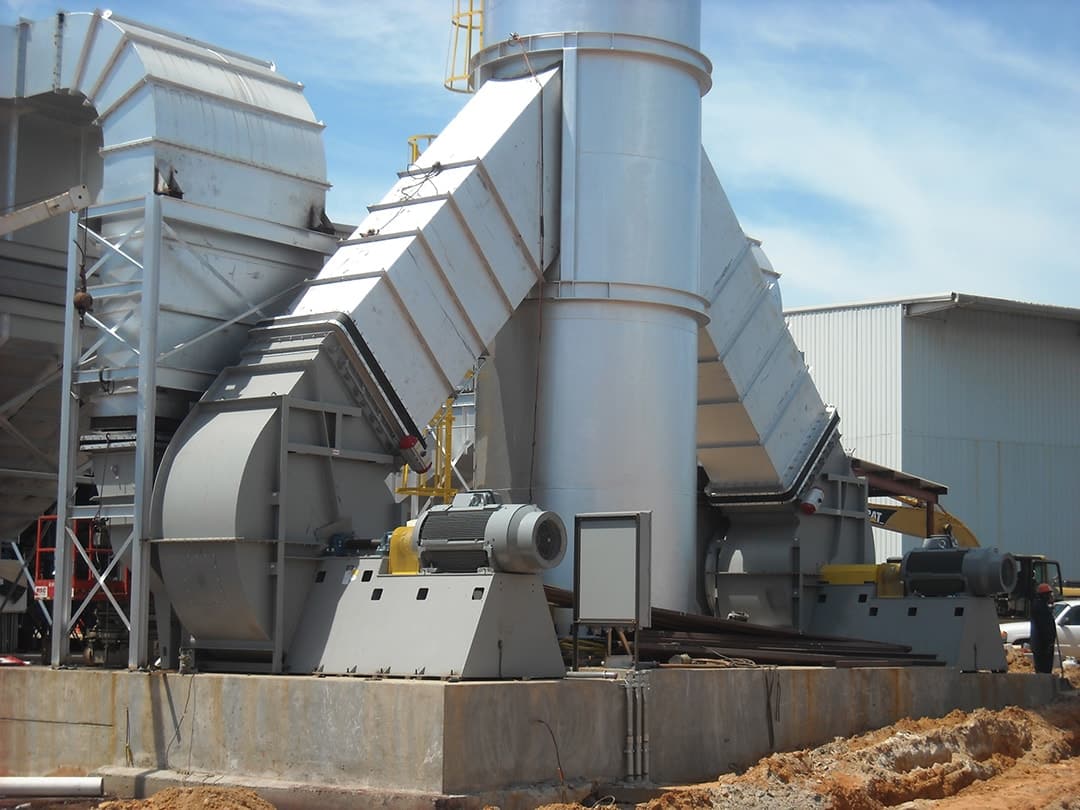
High-Capacity Industrial Centrifugal Ventilator - Heavy-Duty Airflow System
View Details
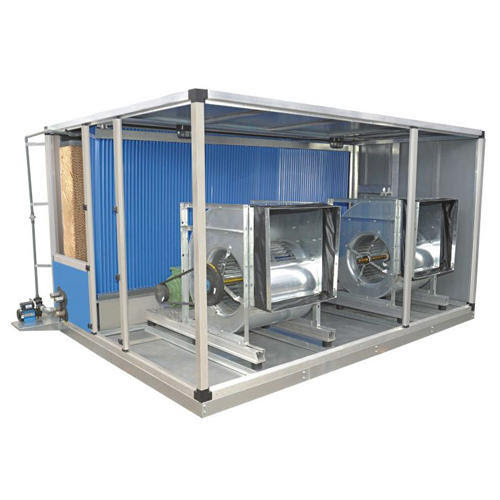
Industrial Fresh Air Handling Unit – High Efficiency Ventilation System
View Details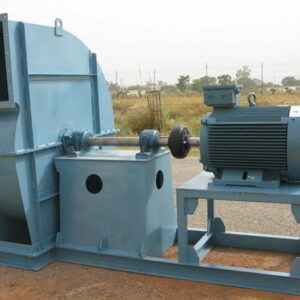
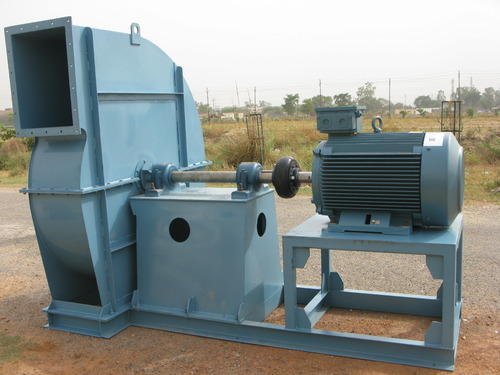
Heavy-Duty Industrial Coupling Centrifugal Fan – High Airflow System
View Details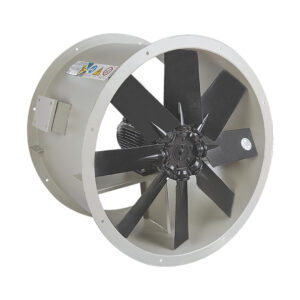
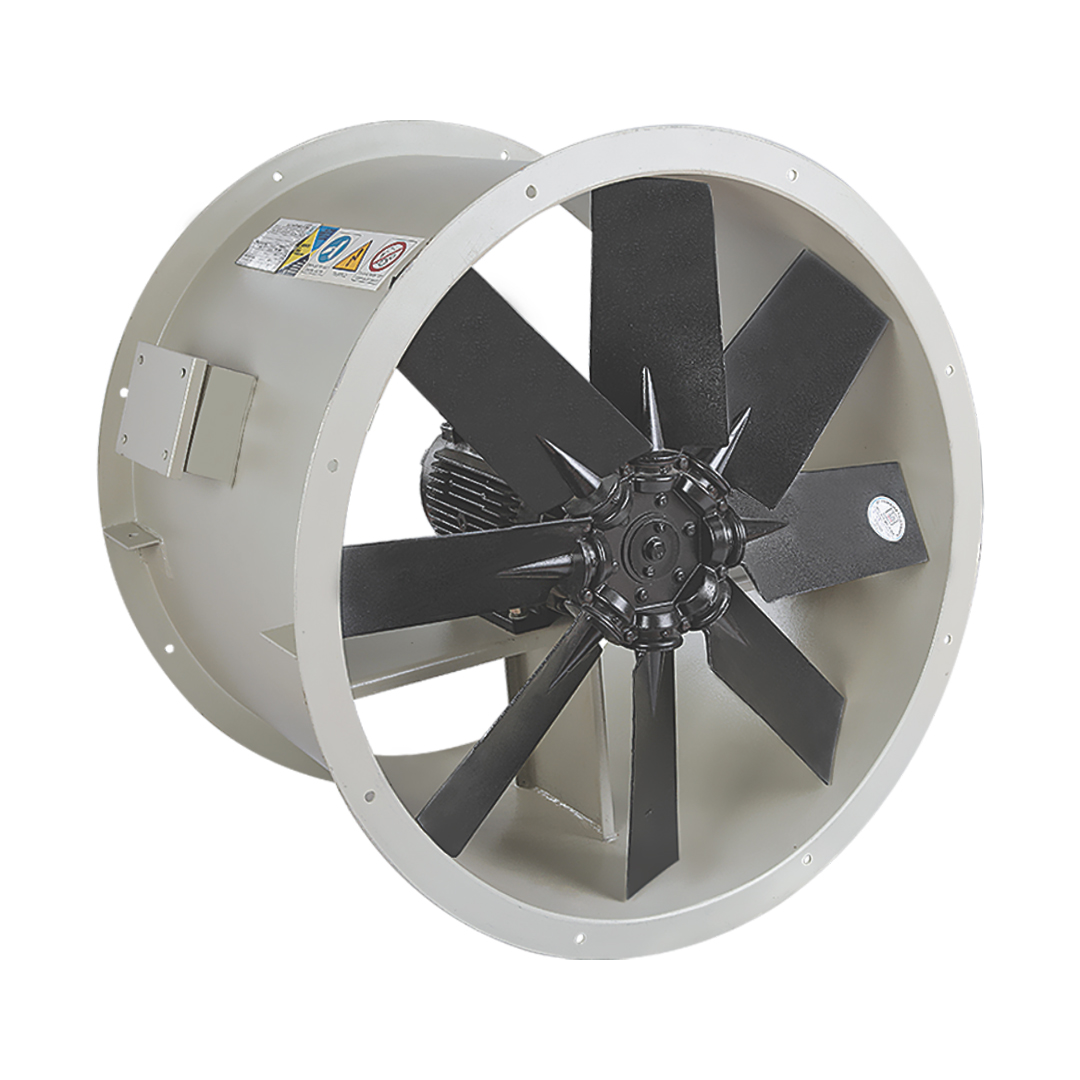
Heavy-Duty Industrial Tube Axial Flow Fan – High Air Volume Ventilation System
View DetailsAn industrial airflow unit for production line setups is essential for maintaining clean air, balanced temperature, and steady performance. In facilities where precision and safety drive daily operations, well-engineered air handling systems help reduce downtime and maintain consistent product quality. By managing air movement and filtration, these units create a safer and more efficient workspace for operators and equipment alike.
From food processing plants to automotive assembly lines, an airflow system ensures compliance with health and safety standards while supporting smooth production flow. Choosing the right equipment can directly influence energy use, maintenance schedules, and overall plant efficiency.
When selecting an airflow unit, engineers evaluate airflow rate, static pressure, filtration type, and energy performance. Industrial units are built to operate continuously under demanding conditions, offering steady airflow and dependable filtration while minimizing wear and energy loss.
| Feature | Centrifugal Blower Unit | Axial Flow Fan Unit |
|---|---|---|
| Air Pressure Range | High static pressure, ideal for ducted setups | Medium pressure, suitable for open spaces |
| Energy Efficiency | High, with adjustable speed drives | Moderate, depending on blade design |
| Maintenance | Periodic bearing lubrication | Minimal upkeep |
Centrifugal systems deliver precise control in environments where pressure stability matters. Axial flow units move large air volumes efficiently in open areas. For balanced performance, manufacturers often integrate both technologies within their ventilation strategy.
Modern production lines benefit from airflow units equipped for automation. These systems connect to plant control networks, allowing real-time monitoring and adjustment through PLC or SCADA systems. This integration helps maintain optimal airflow while supporting sustainability and compliance objectives.
Energy-conscious facilities increasingly prefer units with variable frequency drives and sensor-based control. These features adjust airflow according to production needs, reducing power consumption and supporting long-term efficiency goals.
An airflow unit for production line use can be configured for many sectors, including:
Aeppl provides a range of reliable airflow systems designed for industrial use. The following products are part of Aeppl’s engineering lineup:
These systems are designed to meet varied industrial demands, combining performance, durability, and ease of maintenance. Aeppl’s engineering team ensures each unit aligns with production requirements and environmental standards.
Aeppl stands out for its practical design approach and strong technical expertise. Every airflow unit is developed to integrate efficiently into complex production setups, supporting long-term reliability and workplace safety. Technical assistance is available at +91-9599785811, +91-8377077661, +91-9810162210, or via sales@aeppl.com.
Aerotech Equipments and Projects Pvt. Ltd. (Aeppl) is an Indian manufacturer of industrial air handling and ventilation systems. With decades of experience, Aeppl delivers dependable airflow units and engineering support for production facilities worldwide. Visit Aeppl
An airflow unit for production line applications is an engineered system that manages air movement, temperature, and filtration to maintain safe and efficient conditions across manufacturing zones.
It maintains stable air quality and temperature, reduces equipment wear, and ensures consistent operating conditions that support higher productivity.
Automotive, food processing, pharmaceutical, textile, and heavy machinery industries use airflow units for ventilation and process control.
Yes, airflow units can be tailored to meet specific airflow rates, filtration needs, and space limitations, ensuring they fit production requirements.
Key factors include required air pressure, airflow volume, noise level, energy efficiency, and compatibility with existing systems.
Modern airflow units feature efficient motors and variable frequency drives that adjust airflow based on production demand, helping reduce power use.
Routine maintenance includes replacing filters, lubricating bearings, and inspecting electrical components at planned intervals.
Industrial airflow systems must comply with workplace ventilation standards and environmental regulations to ensure operator safety and emission control.
Aeppl offers technical guidance and commissioning assistance to ensure correct installation and reliable performance in production environments.
You can reach Aeppl at +91-9599785811, +91-8377077661, +91-9810162210 or email sales@aeppl.com for detailed product and project consultations.