

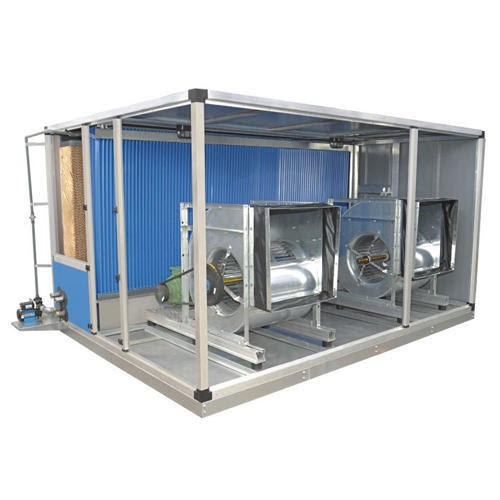
Industrial Evaporative Air Cooling Unit - High Efficiency HVAC System
View Details
Industrial Evaporative Air Cooling Unit - High Efficiency HVAC System
View Details
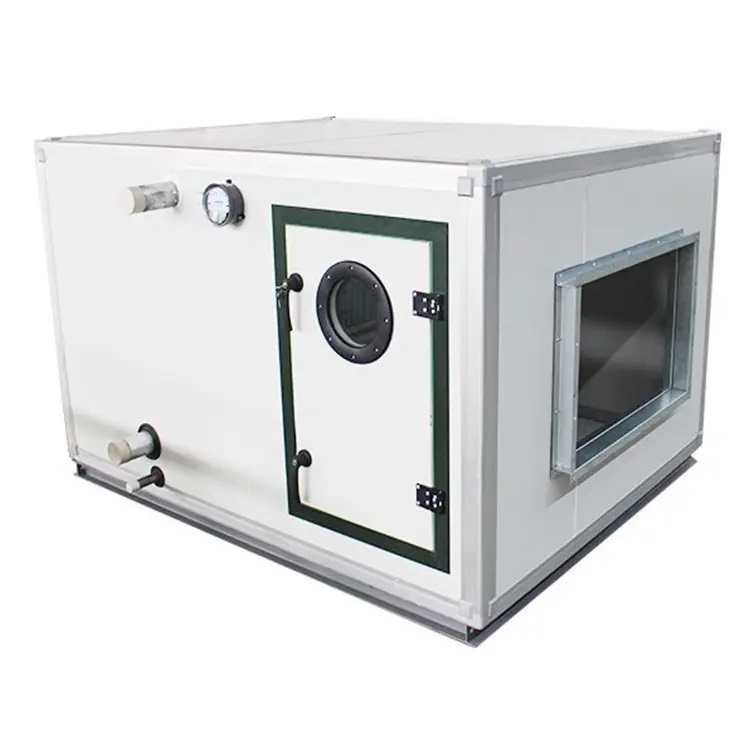
Industrial Treated Fresh Air Unit – Energy-Efficient Air Handling System
View Details
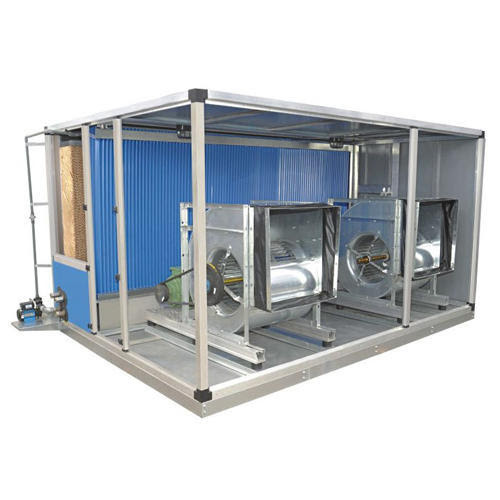
Industrial Air Washer Unit – High Efficiency Cooling & Air Handling System
View Details
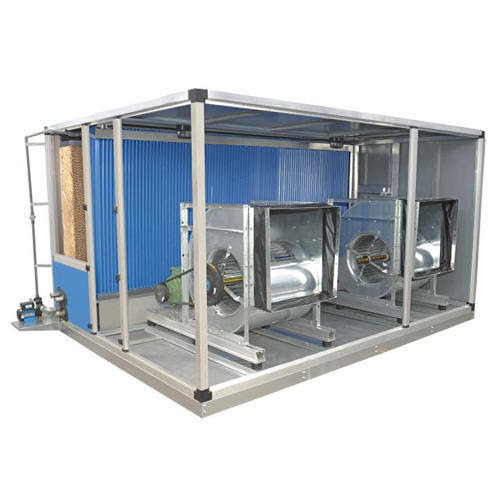
Industrial Evaporative Air Cooling Unit – High Efficiency HVAC System
View Details

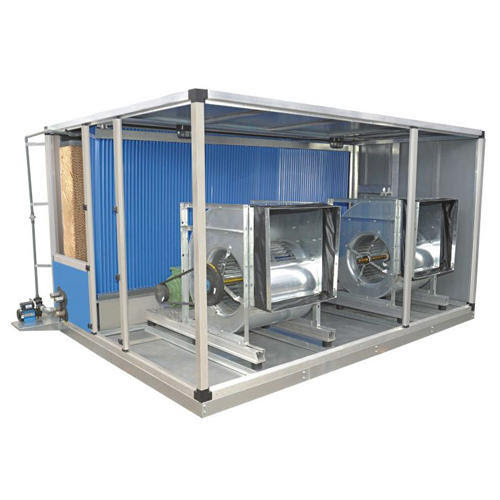
Industrial Air Cooling System with Dual Centrifugal Blowers – High Efficiency HVAC Unit
View Details
Industrial Fresh Air Handling Unit – High Efficiency Ventilation System
View Details
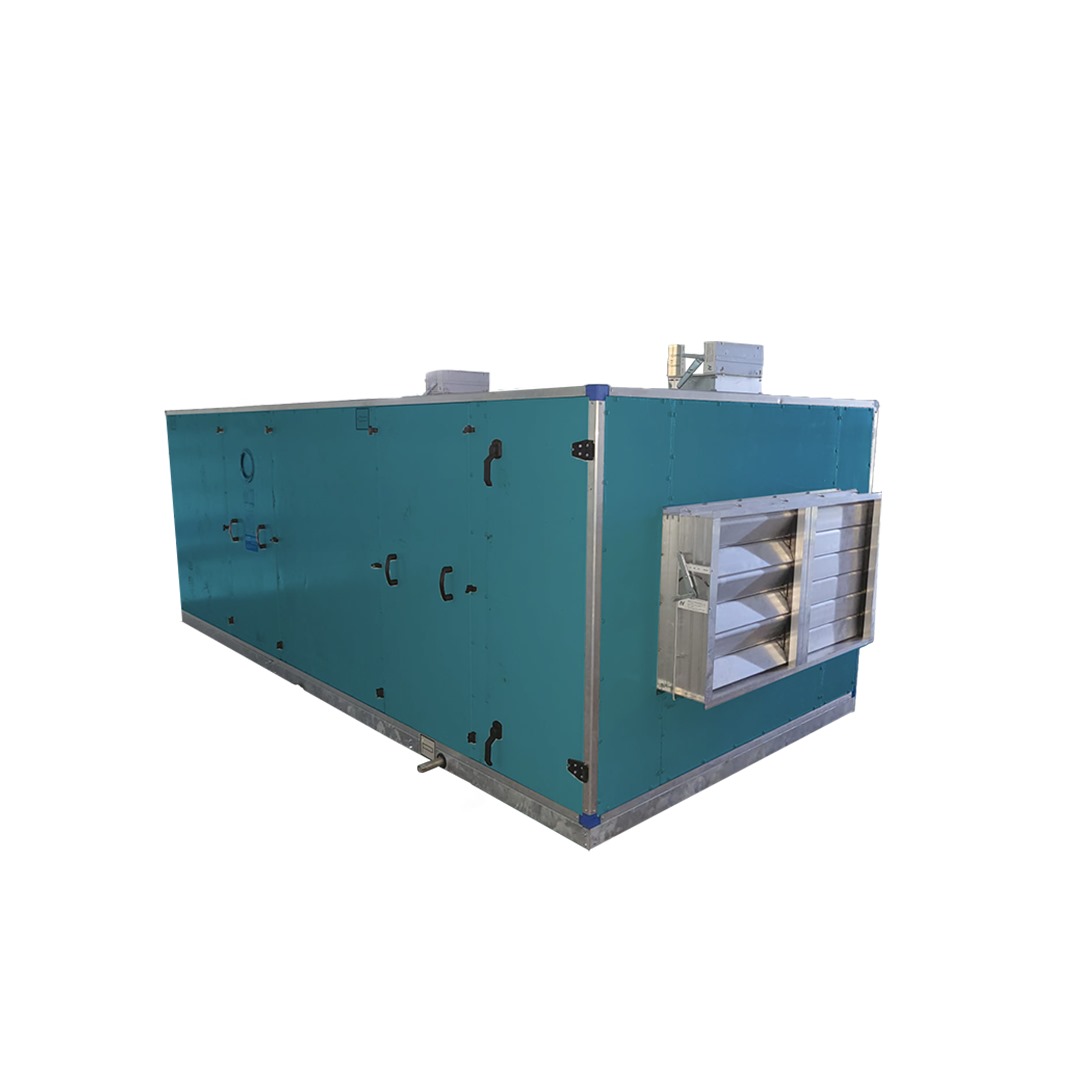
Industrial Modular Air Handling Unit - High Efficiency HVAC System
View Details
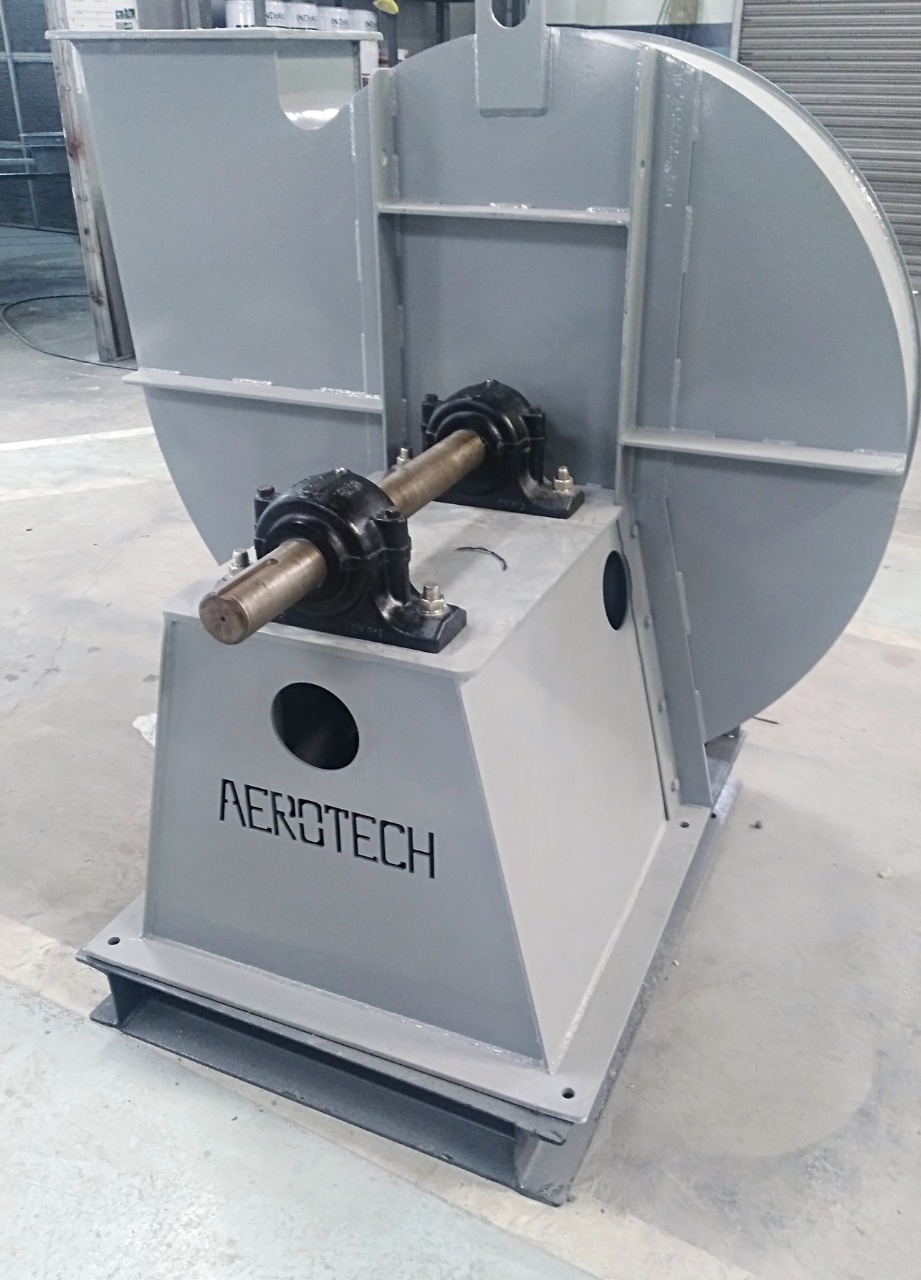
Industrial Centrifugal Ventilation Blower – Heavy-Duty Air Handling Unit
View DetailsManaging heat in a factory setting is essential for worker comfort and equipment efficiency. An air cooling unit for factory use helps regulate indoor temperatures, reduce humidity, and maintain consistent airflow. Whether you operate a manufacturing plant, assembly line, or food processing facility, choosing the right cooling system can make a noticeable difference in productivity and safety.
Factories generate heat from machinery, lighting, and production activities. Without effective cooling, this heat buildup can affect product quality, worker well-being, and equipment lifespan. Installing a suitable air cooling unit for factory operations ensures a stable environment and helps prevent overheating issues that can lead to costly downtime.
There are several types of cooling systems designed for industrial spaces. Each has unique advantages depending on the layout, climate, and operational needs of your facility.
Evaporative coolers use water evaporation to lower air temperature. They are energy-efficient and effective in dry climates. These units can be positioned near workstations or integrated into duct systems for wider coverage.
For factories located in humid regions, traditional air conditioners may offer better control. They use refrigerant-based cooling to maintain consistent temperatures and can be scaled for large spaces.
Ventilation units focus on improving air circulation by drawing in fresh air and expelling hot air. When paired with exhaust fans or roof ventilators, they help maintain optimal airflow throughout the workspace.
Proper installation is crucial for achieving the best cooling performance. Position units to allow unrestricted airflow and avoid heat sources. Regular maintenance, including filter cleaning and water system checks, keeps the system running efficiently. Scheduling periodic inspections can help detect issues early and extend equipment life.
When selecting an air cooling unit for factory use, consider the size of your facility, local climate, and the type of machinery you operate. Consult with a specialist to determine airflow requirements and optimal placement. Many factories combine different cooling methods for comprehensive coverage across various zones.
| Cooling Type | Best For | Energy Efficiency |
|---|---|---|
| Evaporative Cooler | Dry climates, open spaces | High |
| Industrial Air Conditioner | Humid regions, enclosed areas | Moderate |
| Ventilation System | General airflow improvement | High |
Modern cooling units are designed with improved airflow technology and smart control systems that adjust automatically based on temperature changes. These features help factories maintain consistent conditions without manual intervention. Aeppl offers advanced cooling units engineered to meet the demands of industrial environments, combining durability with performance.
Energy-efficient cooling not only reduces costs but also minimizes environmental impact. Choosing eco-friendly refrigerants and systems with low power consumption helps factories align with sustainability goals. Proper ventilation also improves air quality, making the workspace safer for employees.
Consistent cooling supports worker comfort, which can directly influence productivity and morale. A well-maintained cooling system ensures stable temperatures across production areas, helping machinery operate within safe limits and reducing heat-related wear.
Aeppl specializes in industrial cooling solutions that combine performance and reliability. Our air cooling units for factories are engineered to handle demanding conditions while keeping energy use efficient. Visit Aeppl
The best unit depends on your factory size and climate. Evaporative coolers work well in dry areas, while industrial air conditioners suit humid regions.
It's recommended to inspect and clean filters monthly and schedule a full service at least once a year to maintain efficiency.
Yes, certain models, especially air conditioners, help control humidity levels, improving comfort and protecting equipment.
Sizing depends on the total area, heat sources, and ventilation setup. A technician can calculate the required cooling capacity accurately.
They are ideal for dry climates but less effective in humid areas. In those cases, an air conditioner or hybrid system works better.
Yes, maintaining a controlled temperature helps prevent heat stress and supports better working conditions for employees.
Yes, large factories often use multiple units to cover different zones and maintain consistent airflow throughout the space.
With proper maintenance, most industrial cooling units last 10 to 15 years before needing major replacement or upgrades.
Aeppl designs durable, efficient cooling units built for tough factory environments, ensuring reliable performance and long-term value.
You can explore and purchase directly from Aeppl’s official website at https://aeppl.com?utm_source=jarbug.