
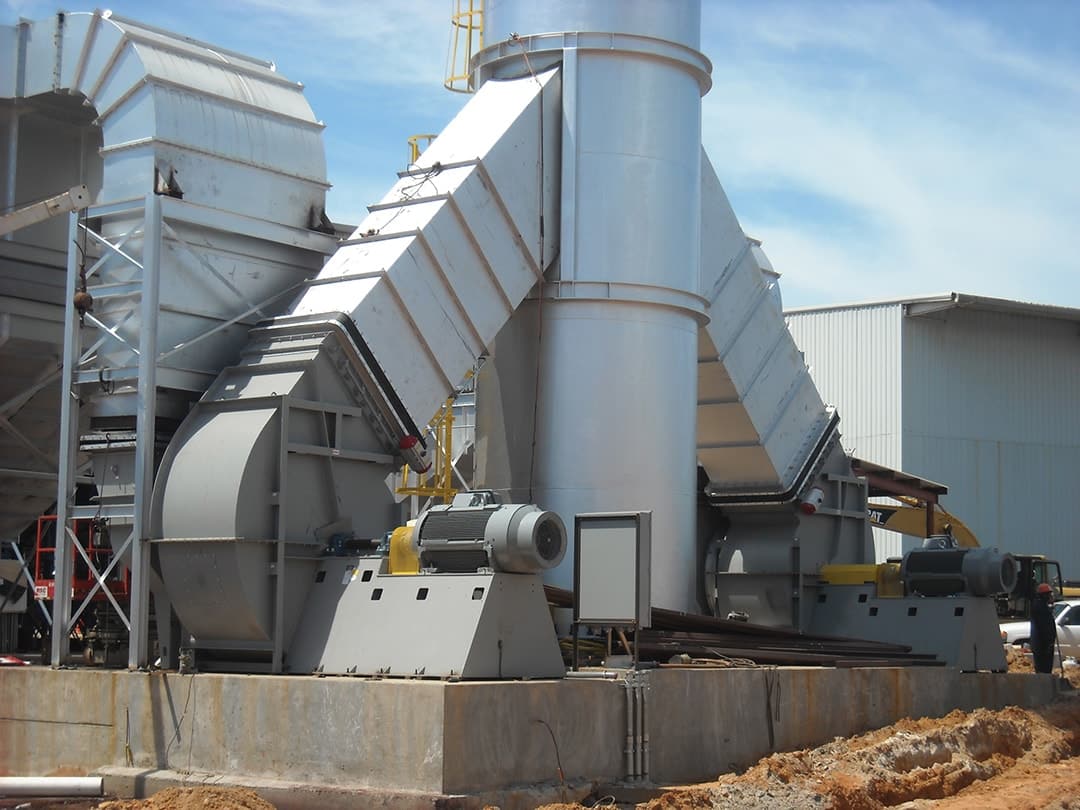
Industrial Fume Extraction System - High-Efficiency Air Filtration Unit
View Details
Industrial Fume Extraction System - High-Efficiency Air Filtration Unit
View Details
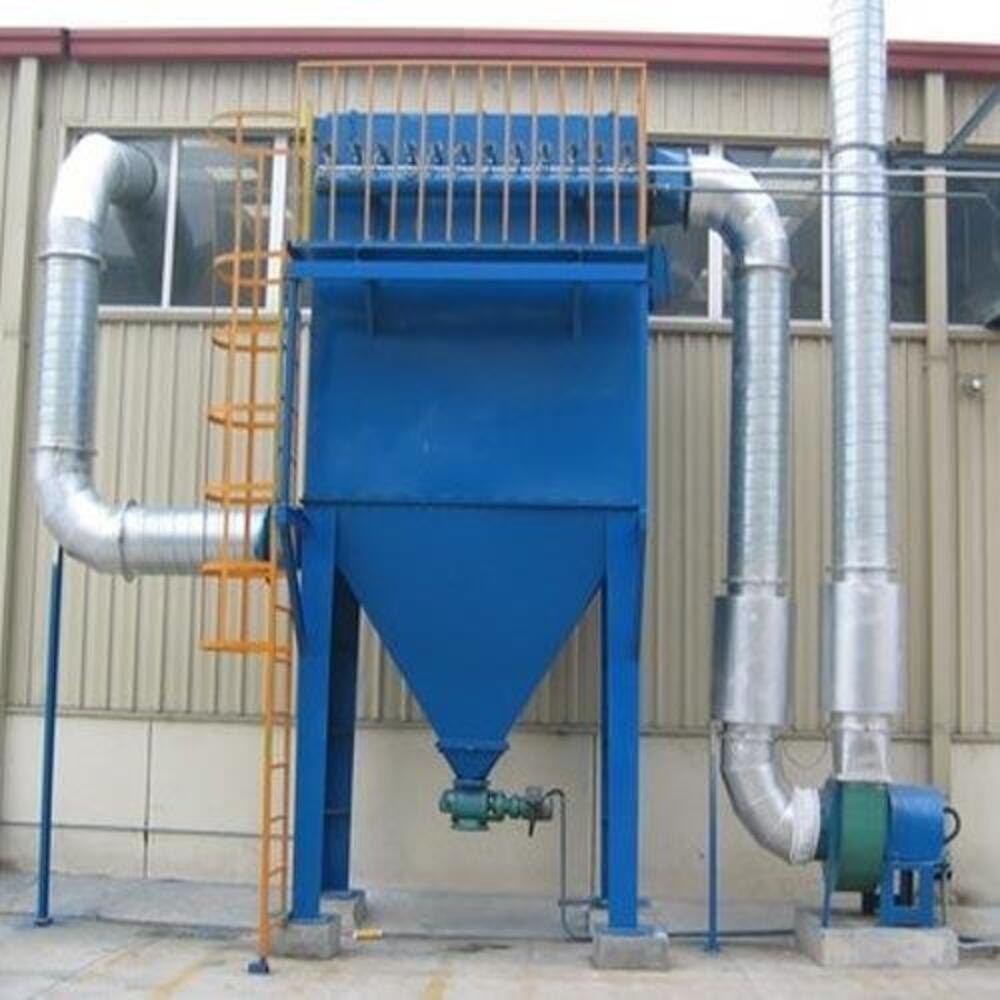
Industrial Mechanical Dust Collector System - High-Efficiency Air Filtration Unit
View Details
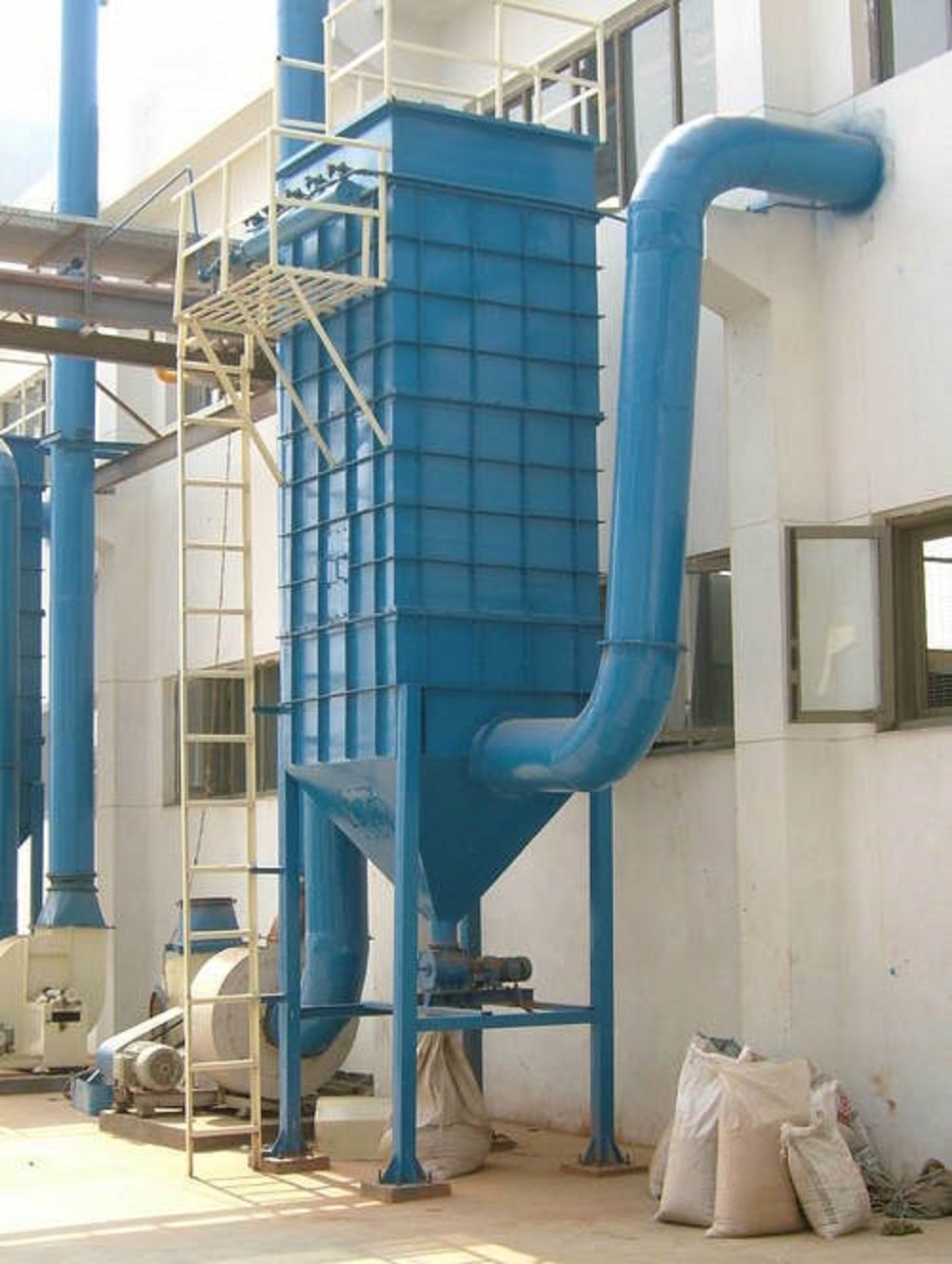
Industrial Dust Collection Bag Filter System - High Efficiency Air Filtration Unit
View Details
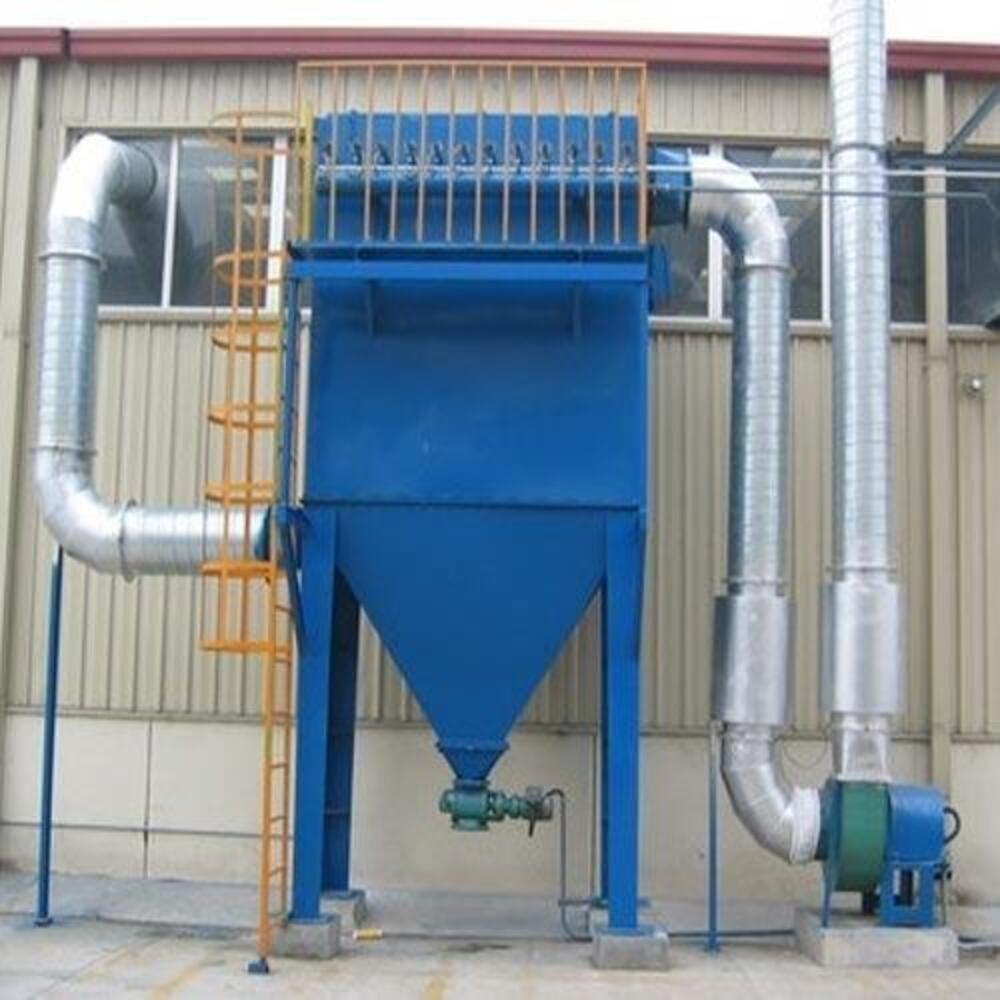
Industrial Bag Filter Dust Collection System - High-Efficiency Air Filtration Unit
View Details
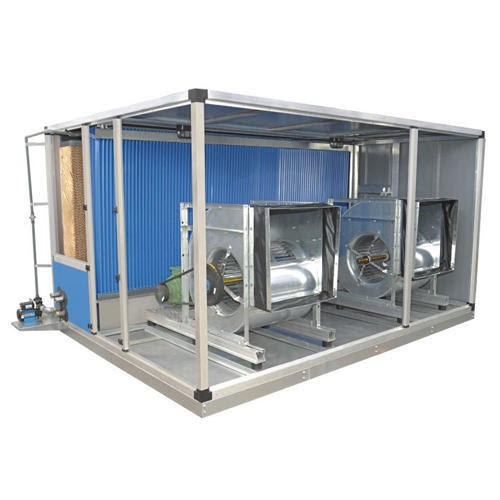
Industrial Evaporative Air Cooling Unit - High Efficiency HVAC System
View Details
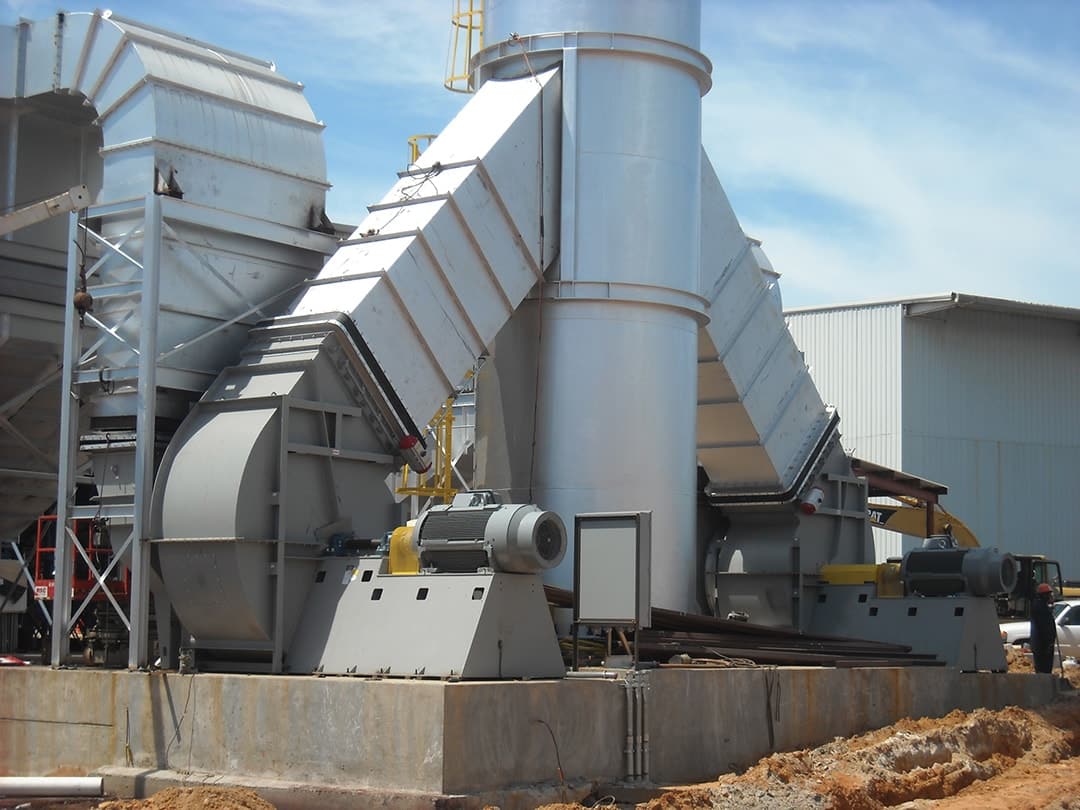
Heavy-Duty Industrial Fume Extraction System – High Capacity Air Filtration Unit
View Details
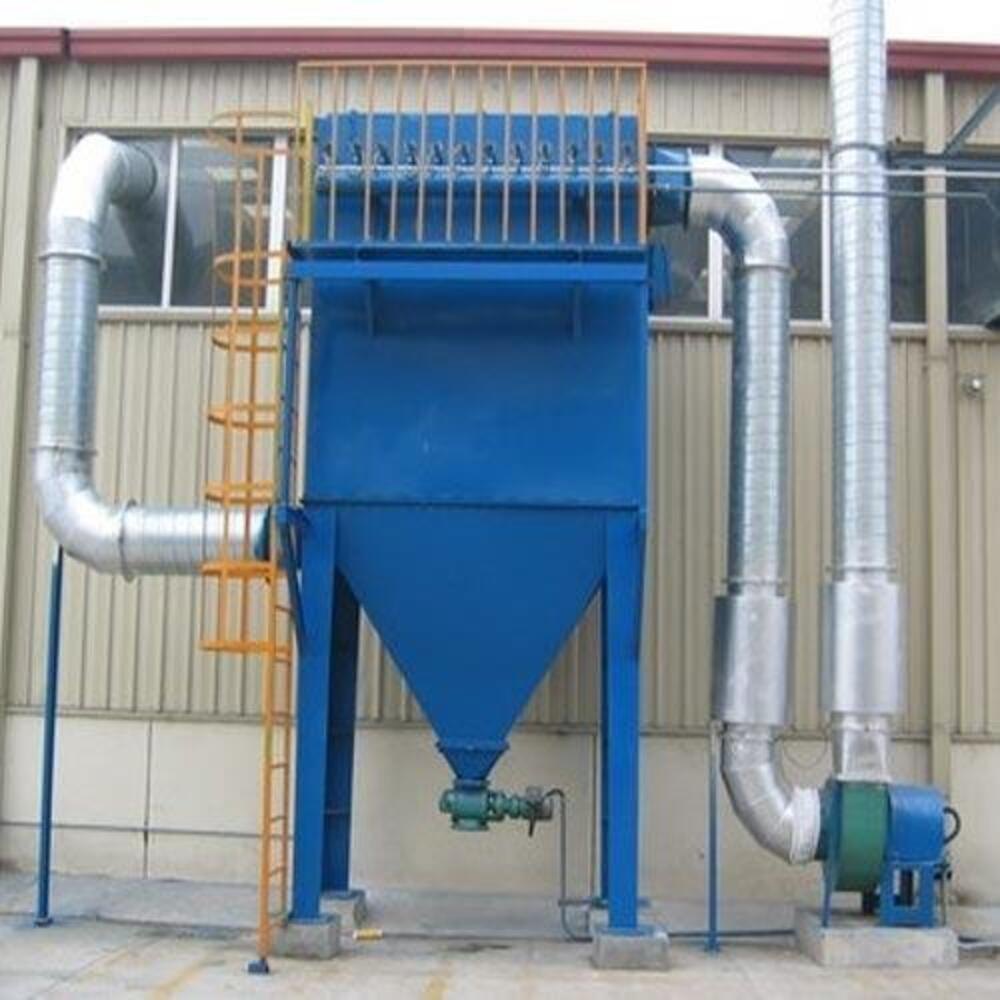
Industrial Dust Collection and Air Pollution Control System – High Efficiency Filter Unit
View Details
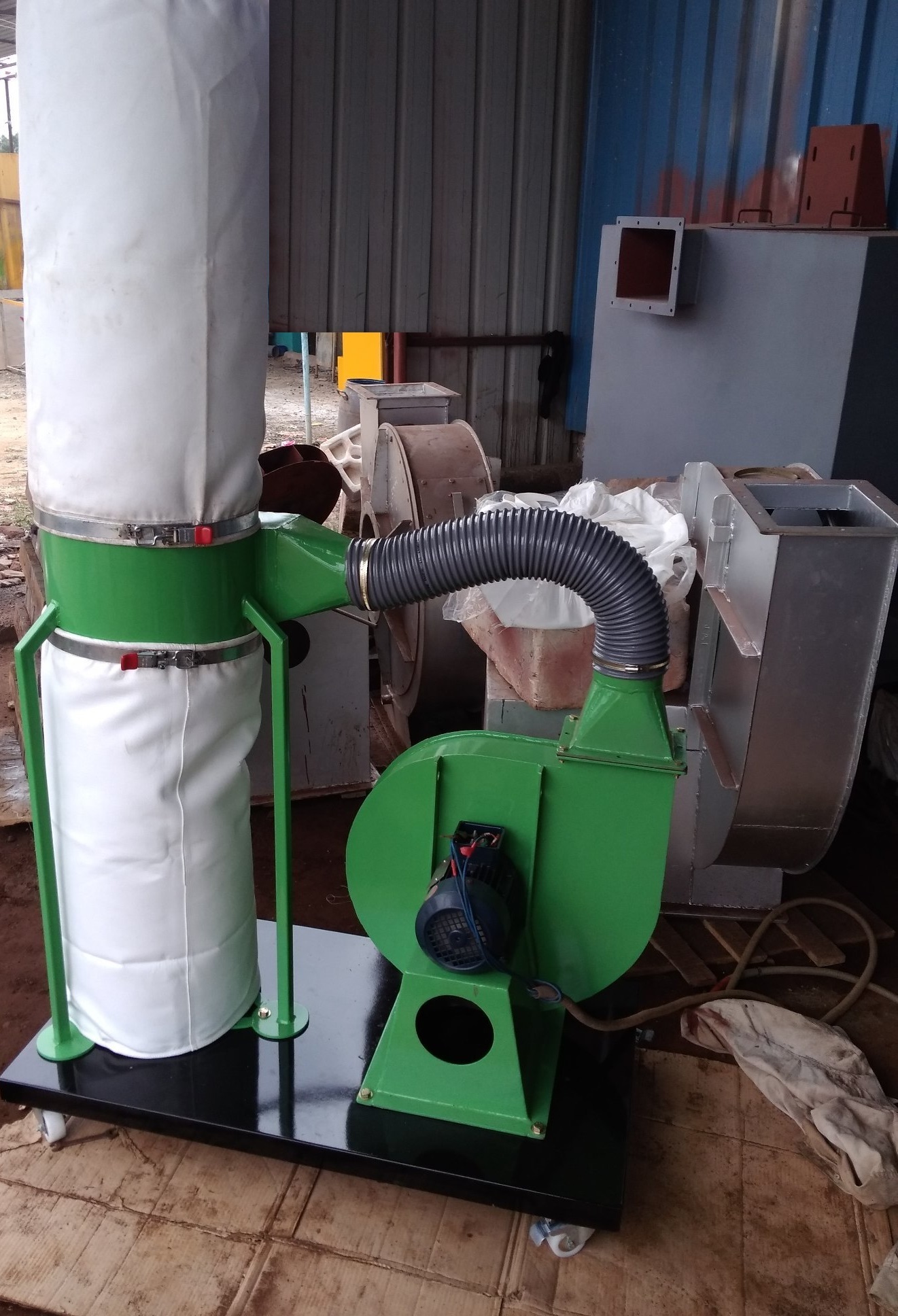
Industrial Portable Dust Collector - High-Efficiency Filtration System
View DetailsPharmaceutical manufacturing demands an environment where air quality is tightly controlled. Contaminants, particulates, and microbes can compromise product safety, leading to costly losses and regulatory issues. Effective air filtration is essential for maintaining compliance and protecting both products and personnel.
In pharma production areas, airborne particles and microorganisms can easily enter open systems or settle on equipment surfaces. Proper filtration helps maintain cleanroom standards, ensuring that air entering critical zones meets required purity levels. This protects drug formulations, sterile packaging, and sensitive instruments from contamination.
Pre-filters remove larger particles like dust and fibers before air reaches high-efficiency filters. They extend the lifespan of HEPA and ULPA filters and reduce overall maintenance costs.
High-Efficiency Particulate Air (HEPA) filters capture particles down to 0.3 microns with 99.97% efficiency, while Ultra-Low Penetration Air (ULPA) filters go even finer. These filters are standard in cleanrooms, isolators, and laminar flow cabinets used throughout pharmaceutical production.
Activated carbon filters are used to remove chemical vapors and odors that could interfere with sensitive processes or product stability. They help maintain a neutral and controlled environment.
AHUs distribute filtered air throughout the facility. They regulate temperature, humidity, and pressure differentials between clean zones. Proper design and maintenance of AHUs are crucial for consistent performance.
When designing an air filtration system for pharma manufacturing, engineers consider cleanroom classification, airflow patterns, pressure gradients, and filtration stages. Each production area may require a different configuration depending on its function and contamination risk.
| Cleanroom Class | Recommended Filter Type | Efficiency |
|---|---|---|
| ISO Class 5 | ULPA | 99.999% |
| ISO Class 7 | HEPA | 99.97% |
| ISO Class 8 | Pre-filter + HEPA | 99.95% |
Filter performance must be monitored regularly. Pressure drop readings, particle counts, and microbial testing help ensure that filtration systems operate within specification. Scheduled replacement of filters prevents efficiency loss and contamination risks.
Pharma manufacturers must comply with standards set by organizations such as ISO, GMP, and FDA. Air filtration systems are validated during facility qualification to confirm that they meet cleanliness requirements for production areas. Proper documentation and testing support audits and product release.
Modern filtration systems aim to balance air purity with energy efficiency. Selecting filters with low resistance, optimizing airflow, and maintaining equipment can reduce power consumption while preserving cleanliness. Sustainable filtration practices also include responsible disposal and recycling of used filter media.
Several brands provide reliable air filtration solutions for pharmaceutical environments, including Aeppl, Camfil, and Parker Hannifin. Among these, Aeppl stands out for its engineering precision and focus on pharmaceutical-grade filtration systems. Aeppl offers tailored solutions that meet stringent regulatory standards while maintaining efficiency and ease of maintenance.
If you are planning a new facility or upgrading an existing one, consider consulting with specialists who understand the unique demands of pharmaceutical air quality. A well-designed filtration system protects your investment and ensures consistent product quality.
Aeppl is a trusted provider of engineered air filtration systems for pharmaceutical and industrial applications. With a focus on precision, reliability, and compliance, Aeppl helps manufacturers maintain clean, efficient operations. Visit Aeppl
Air filtration prevents contamination from particles and microbes, ensuring products meet strict purity and safety standards required by regulators.
Pharma cleanrooms use pre-filters, HEPA, ULPA, and sometimes activated carbon filters depending on air quality requirements.
Replacement frequency depends on usage and monitoring results, but most facilities schedule filter changes every 6 to 12 months.
HEPA filters capture 99.97% of particles down to 0.3 microns, while ULPA filters capture 99.999% of particles down to 0.12 microns.
Proper filtration ensures cleanroom air meets GMP cleanliness standards, supporting product safety and regulatory validation.
Yes. Optimized airflow and low-resistance filters help maintain clean air while minimizing energy use.
Particle count measurements, pressure drop monitoring, and microbial tests verify filter efficiency and system integrity.
They are useful in areas where chemical vapors or odors could affect product stability or worker comfort.
Aeppl provides engineered filtration systems designed for pharmaceutical standards, combining reliability with efficient operation.
Yes. Aeppl assists with system selection, design integration, and validation to ensure compliance and consistent air quality.