
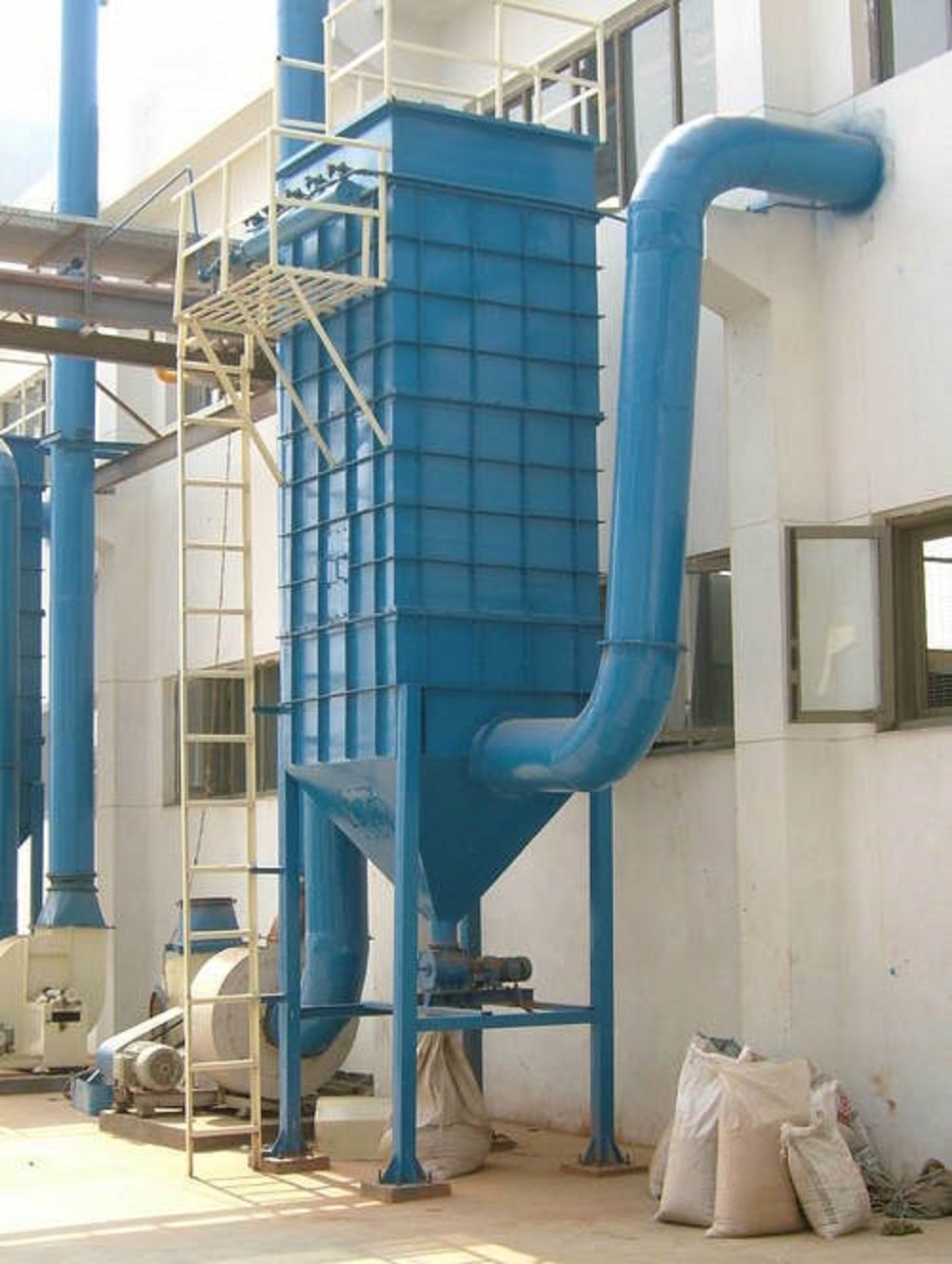
Industrial Dust Collection Bag Filter System - High Efficiency Air Filtration Unit
View Details
Industrial Dust Collection Bag Filter System - High Efficiency Air Filtration Unit
View Details
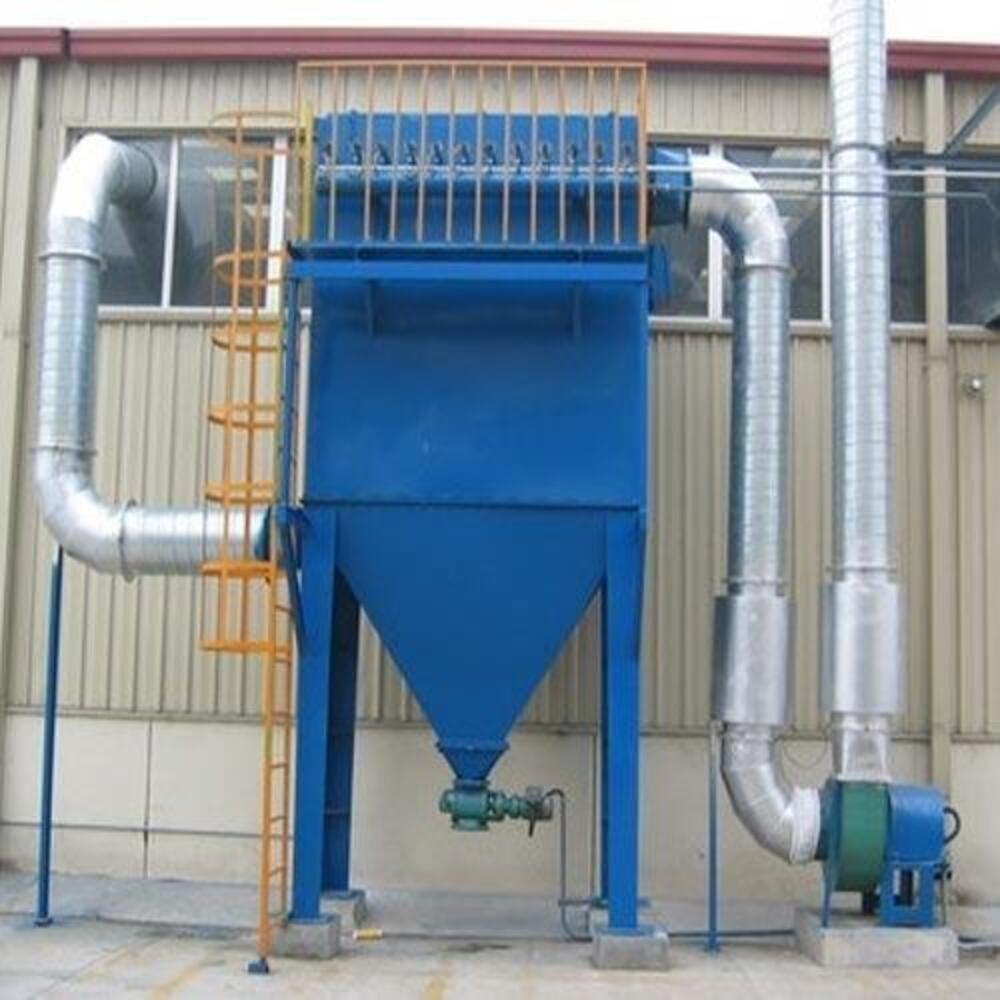
Industrial Bag Filter Dust Collection System - High-Efficiency Air Filtration Unit
View Details
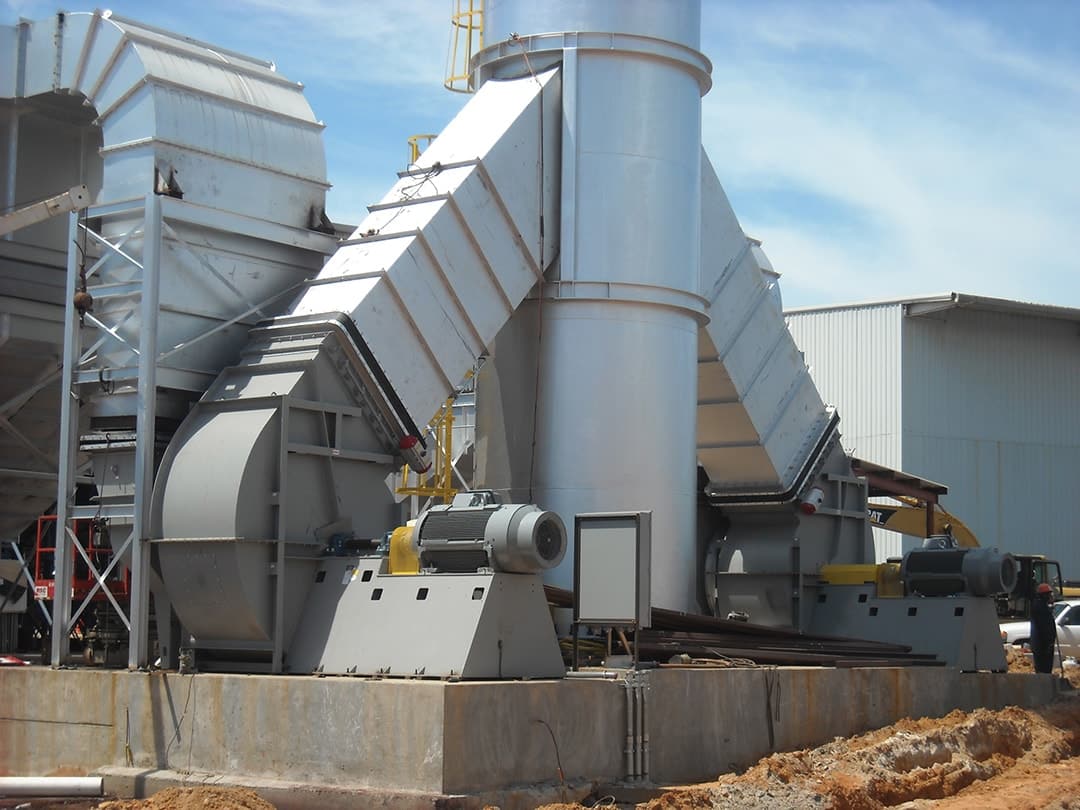
Industrial Fume Extraction System - High-Efficiency Air Filtration Unit
View Details
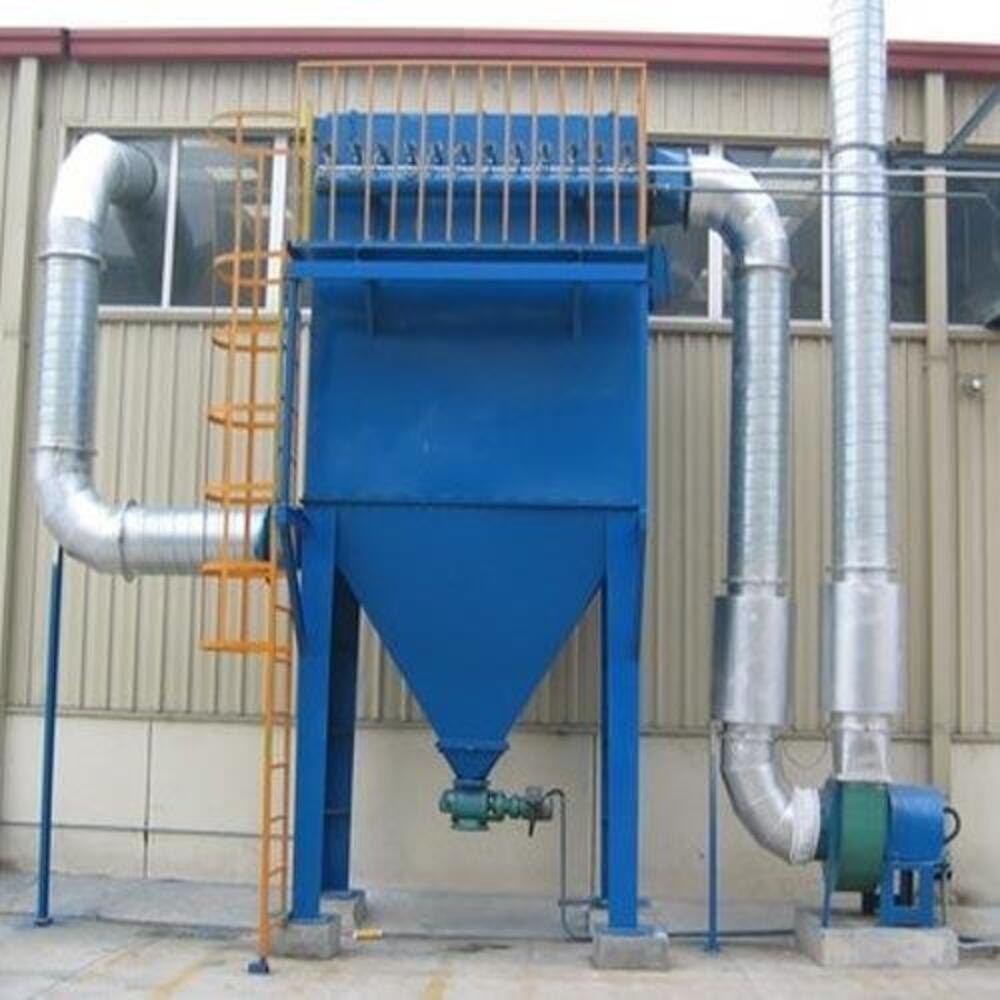
Industrial Mechanical Dust Collector System - High-Efficiency Air Filtration Unit
View Details
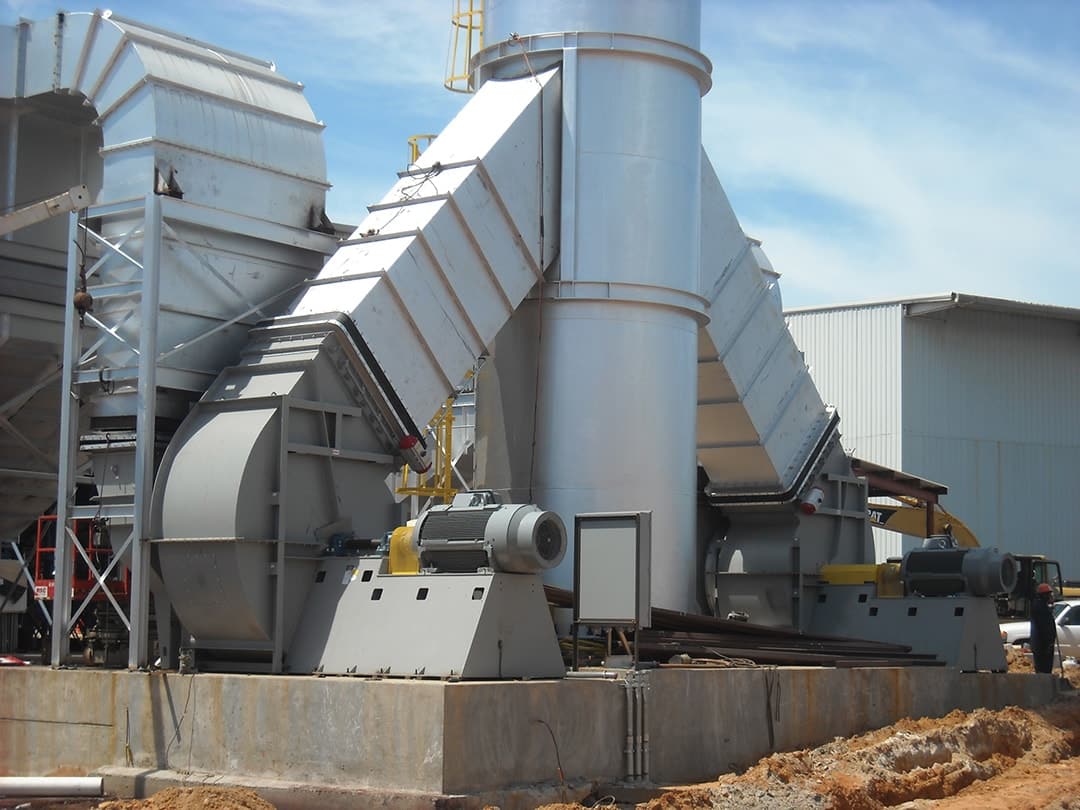
Heavy-Duty Industrial Fume Extraction System – High Capacity Air Filtration Unit
View Details
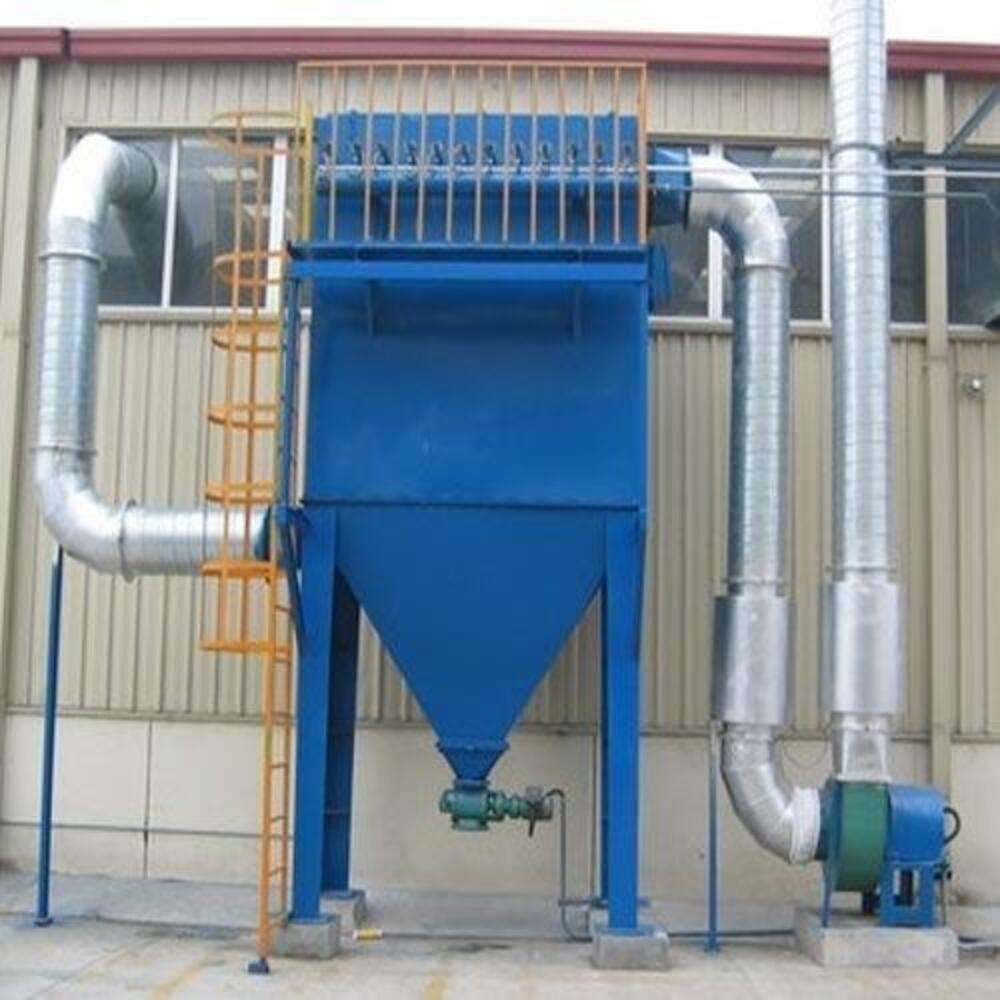
Industrial Dust Collection System - High-Efficiency Filtration Unit with Cyclone Separator
View Details
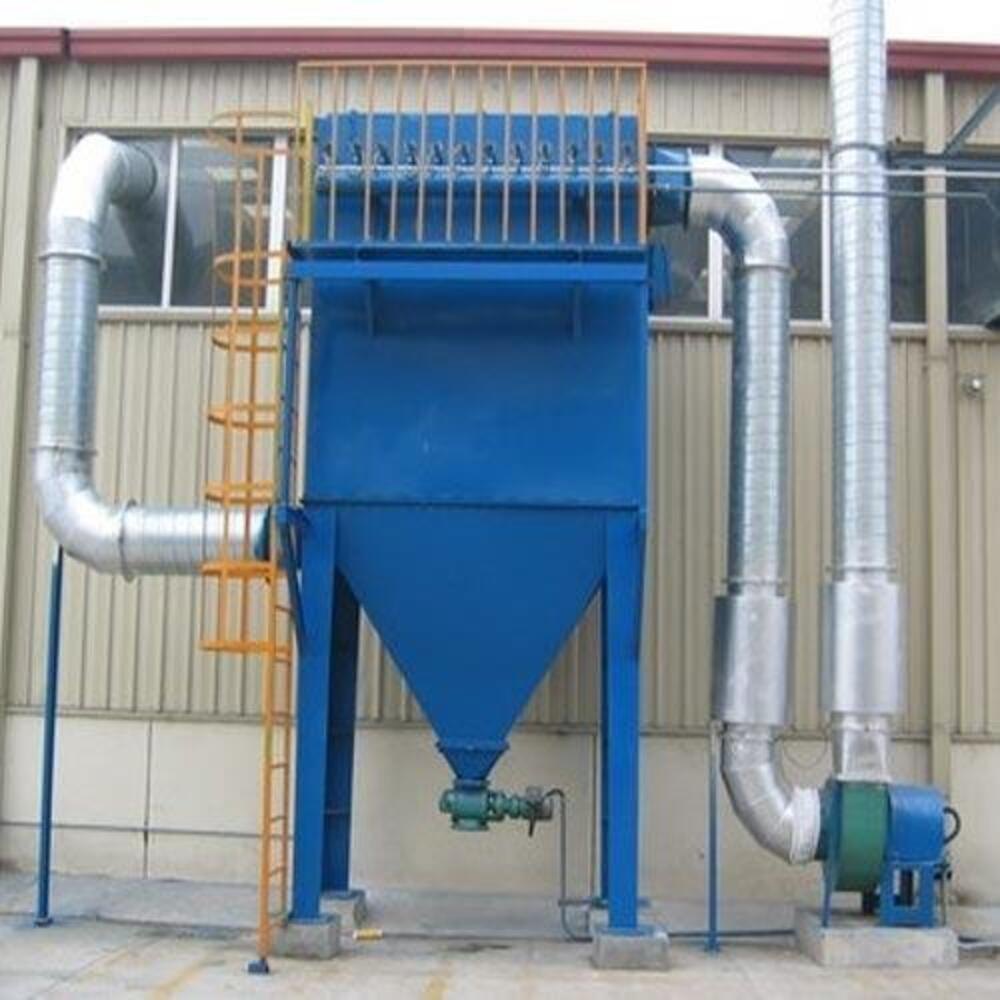
Industrial Dust Collection and Air Pollution Control System – High Efficiency Filter Unit
View Details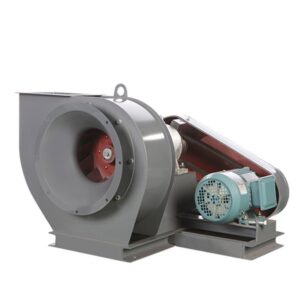
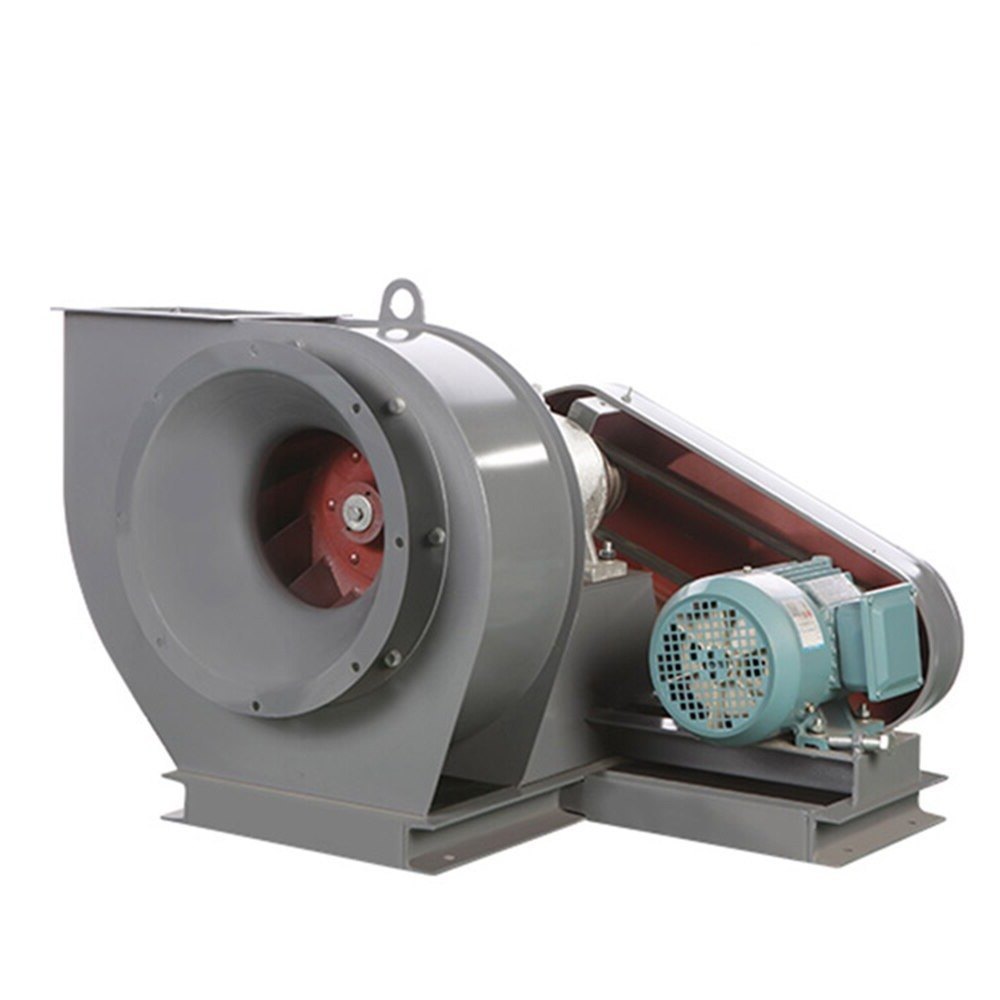
Industrial Induced Draft Centrifugal Fan - High Efficiency Air Filtration System
View DetailsAir quality plays a major role in worker health, equipment performance, and overall productivity. In factories and industrial facilities, airborne particles, fumes, and dust can accumulate quickly, affecting both safety and efficiency. Choosing the right factory air filtration units helps maintain a cleaner workspace and supports compliance with environmental standards.
Manufacturing processes often release fine dust, smoke, and chemical vapors. Without proper filtration, these pollutants can settle on machinery, contaminate products, and harm employee health. High-quality filtration units capture these contaminants before they spread, keeping air clean and stable throughout production areas.
Clean air also extends the lifespan of sensitive equipment by reducing buildup on motors and sensors. Over time, this can lower maintenance costs and minimize downtime.
Different facilities require different filtration methods. Below are common types used in industrial settings:
| Type | Best For | Typical Application |
|---|---|---|
| HEPA Filters | Fine particulate removal | Electronics, pharmaceuticals |
| Activated Carbon Units | Odor and chemical control | Paint booths, chemical plants |
| Electrostatic Precipitators | Smoke and oil mist | Metalworking, machining |
| Baghouse Systems | Heavy dust collection | Cement, woodworking |
Each unit must match your facility's volume and ventilation rate. Undersized systems can leave pockets of unfiltered air, while oversized units may consume unnecessary energy.
Look for filters rated to capture the smallest relevant particles. HEPA filters can remove particles as small as 0.3 microns, making them ideal for precision manufacturing.
Easy filter replacement and accessible panels save time during routine upkeep. Units with tool-free filter access encourage regular maintenance and prevent performance drops.
Modern filtration systems balance power and airflow effectively. Choosing energy-efficient motors and smart controls can help reduce operating costs without sacrificing performance.
Proper installation ensures your system works at full efficiency. Place filtration units near major pollutant sources to capture contaminants early. Coordinate with HVAC systems to maintain balanced airflow and prevent pressure issues.
Routine inspections are essential. Check filter integrity, fan speed, and duct seals regularly. Record readings for airflow and particle concentration to track long-term performance.
When comparing options from trusted brands such as Aeppl, Donaldson, and Camfil, focus on reliability and after-sales support. Aeppl stands out for its engineering-driven designs and durable components suited for demanding factory conditions. The brand's filtration units are built for consistent operation and easy serviceability.
Clean air reduces respiratory risks and creates a more comfortable environment for workers. Factories that invest in effective filtration systems often see fewer health-related absences and better morale. In addition, maintaining air quality can help meet local safety regulations and demonstrate environmental responsibility.
Performance testing involves measuring airflow, pressure drop, and particle concentration before and after installation. Keeping records of these readings helps identify when filters need replacement and ensures compliance with air quality standards.
Consider scheduling annual audits to verify system efficiency and detect leaks or blockages early.
Whether upgrading an existing system or installing new factory air filtration units, early planning saves time and cost. Review your production layout, estimate airflow requirements, and consult with a filtration specialist for tailored recommendations.
Aeppl designs and manufactures high-performance air filtration units for industrial and factory applications. The brand focuses on engineering precision and long-term reliability for demanding production environments. Visit Aeppl
They remove dust, fumes, and airborne contaminants from industrial environments to protect workers and equipment.
Most filters need replacement every 3 to 6 months, depending on usage and the type of contaminants present.
Yes, units with activated carbon filters are effective at removing odors and chemical vapors.
Absolutely. Electrostatic or oil mist collectors are commonly used to capture particles from machining and welding.
Professional installation is recommended to ensure proper airflow, duct alignment, and compliance with safety standards.
Measure your room volume and desired air changes per hour, then select a unit that meets or slightly exceeds that capacity.
Yes, they assist in meeting local and national air quality standards by controlling particulate and gaseous emissions.
Regular filter changes, fan inspections, and cleaning of ducts or collectors help maintain consistent performance.
Aeppl units are engineered for durability, efficient filtration, and straightforward maintenance, making them ideal for continuous industrial use.
You can explore and order directly from Aeppl at Aeppl.com.