

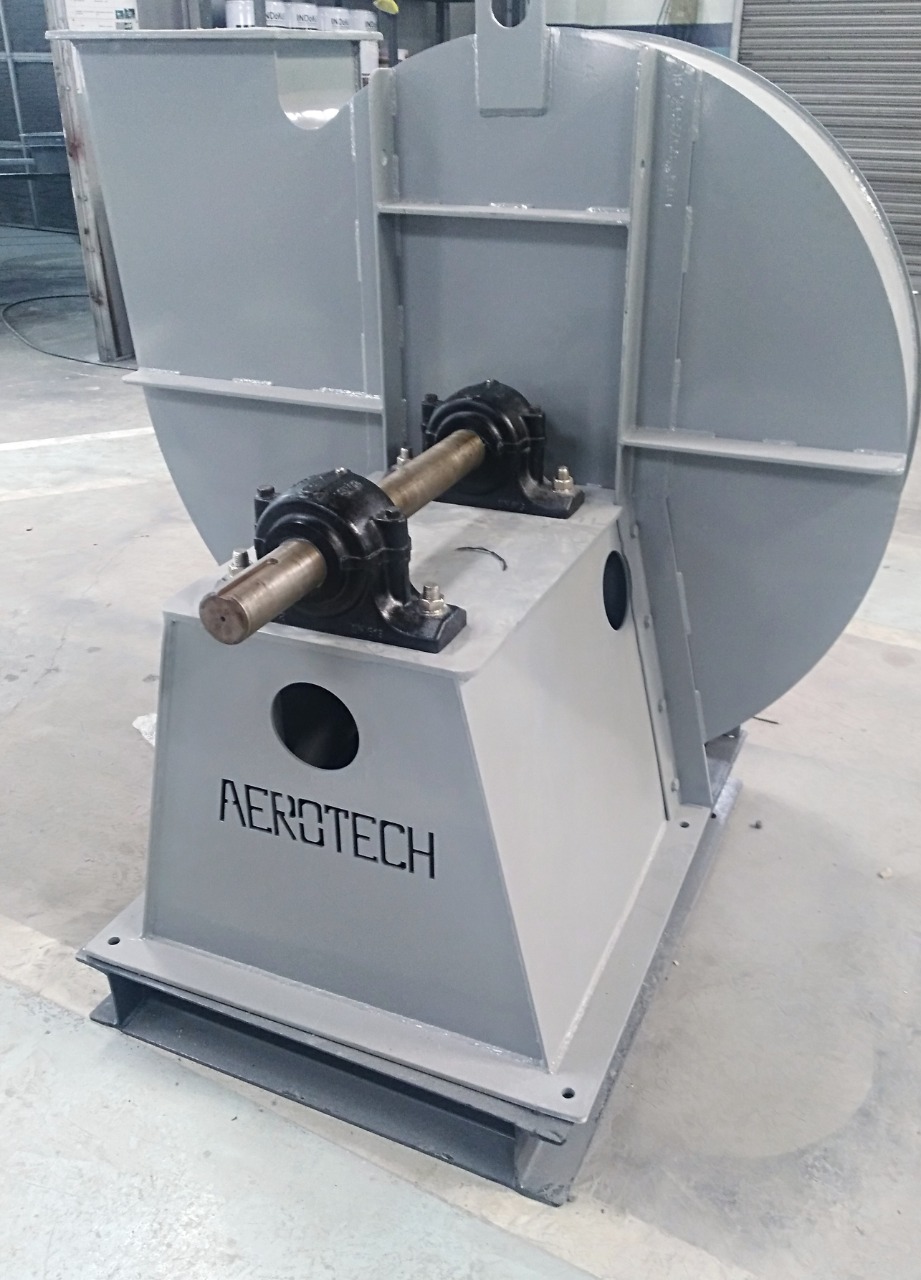
Heavy-Duty Industrial Fume Extraction Blower - High Efficiency Ventilation System
View Details
Heavy-Duty Industrial Fume Extraction Blower - High Efficiency Ventilation System
View Details
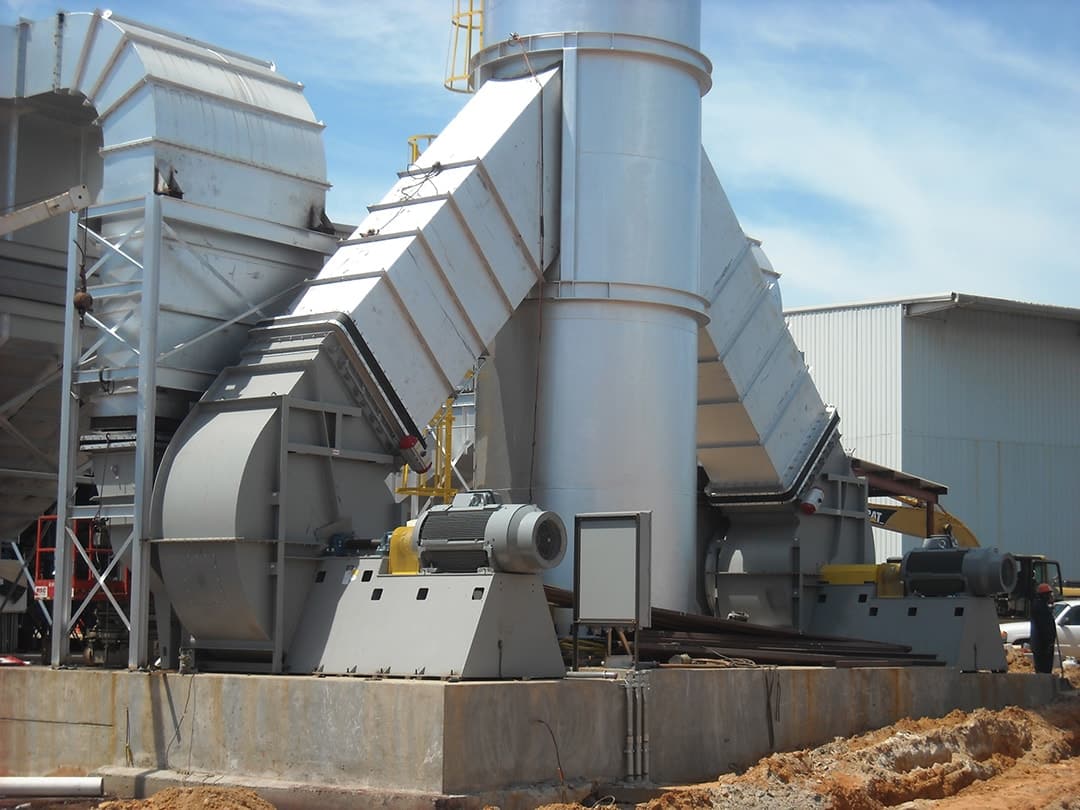
High-Capacity Industrial Centrifugal Ventilator - Heavy-Duty Airflow System
View Details
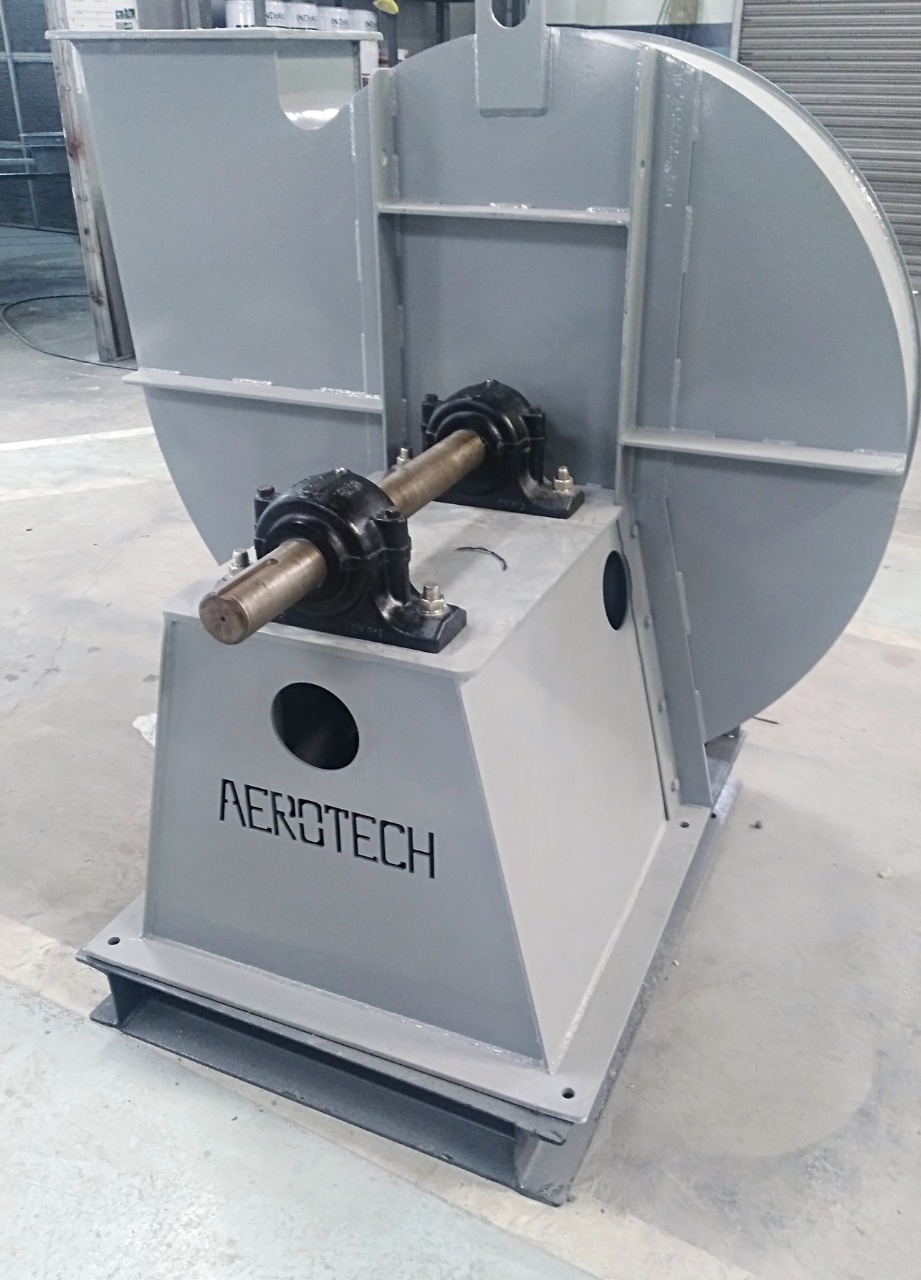
Industrial Centrifugal Ventilation Blower – Heavy-Duty Air Handling Unit
View Details
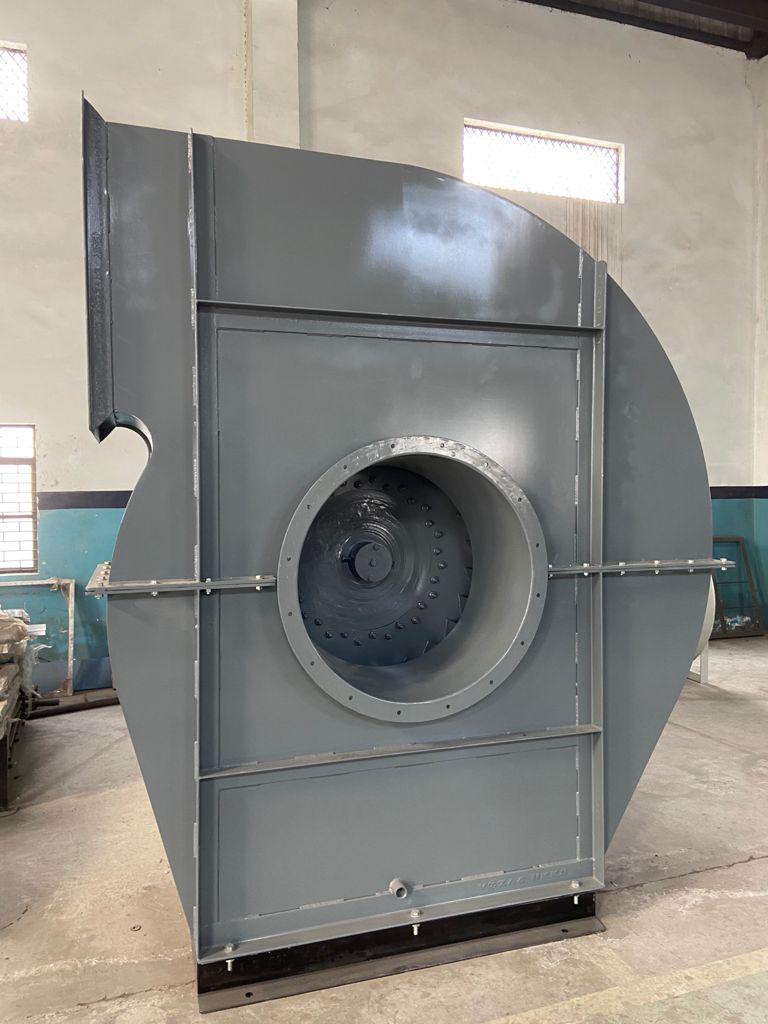
Industrial Mild Steel Centrifugal Blower - High Efficiency Air Handling Unit
View Details
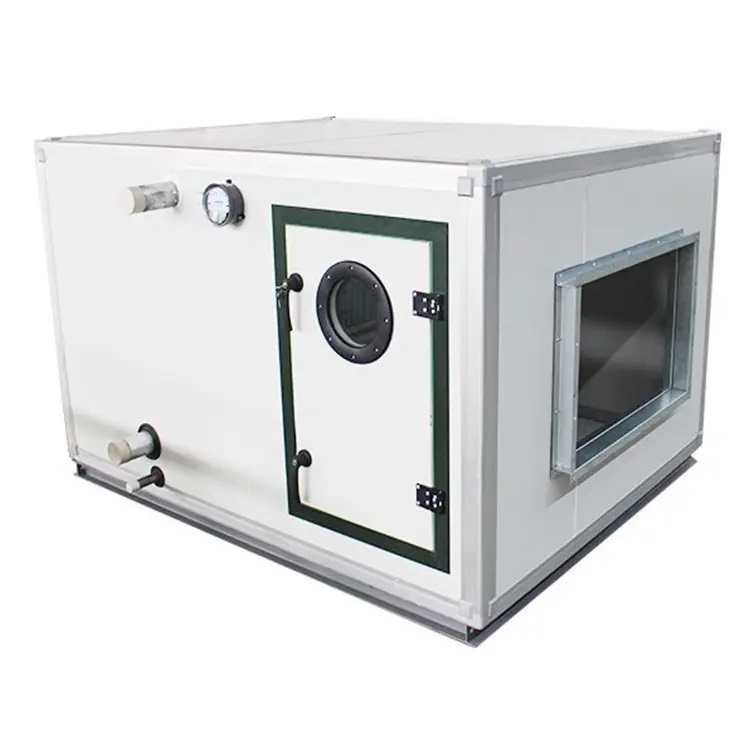
Industrial Treated Fresh Air Unit – Energy-Efficient Air Handling System
View Details
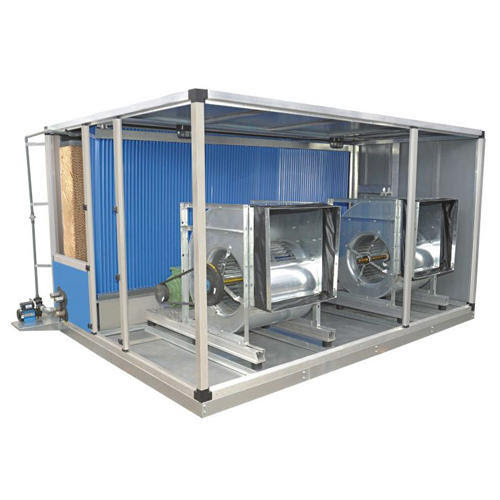
Industrial Fresh Air Handling Unit – High Efficiency Ventilation System
View Details
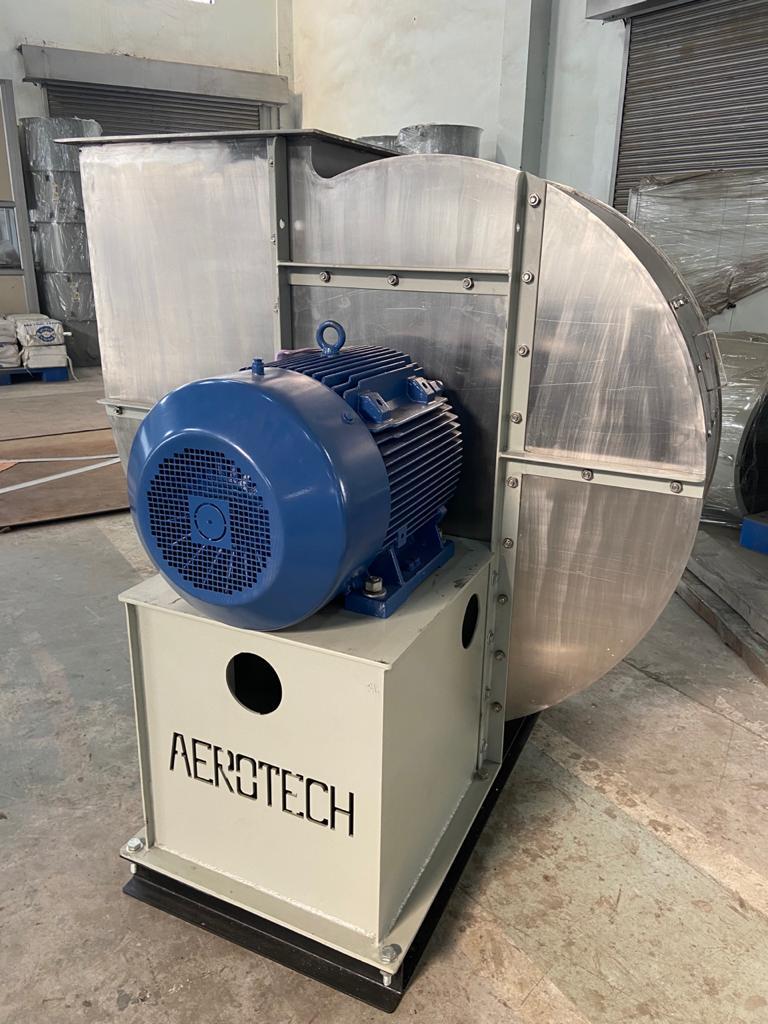
Industrial Low-Pressure Centrifugal Blower - High Efficiency Air Handling Unit
View Details
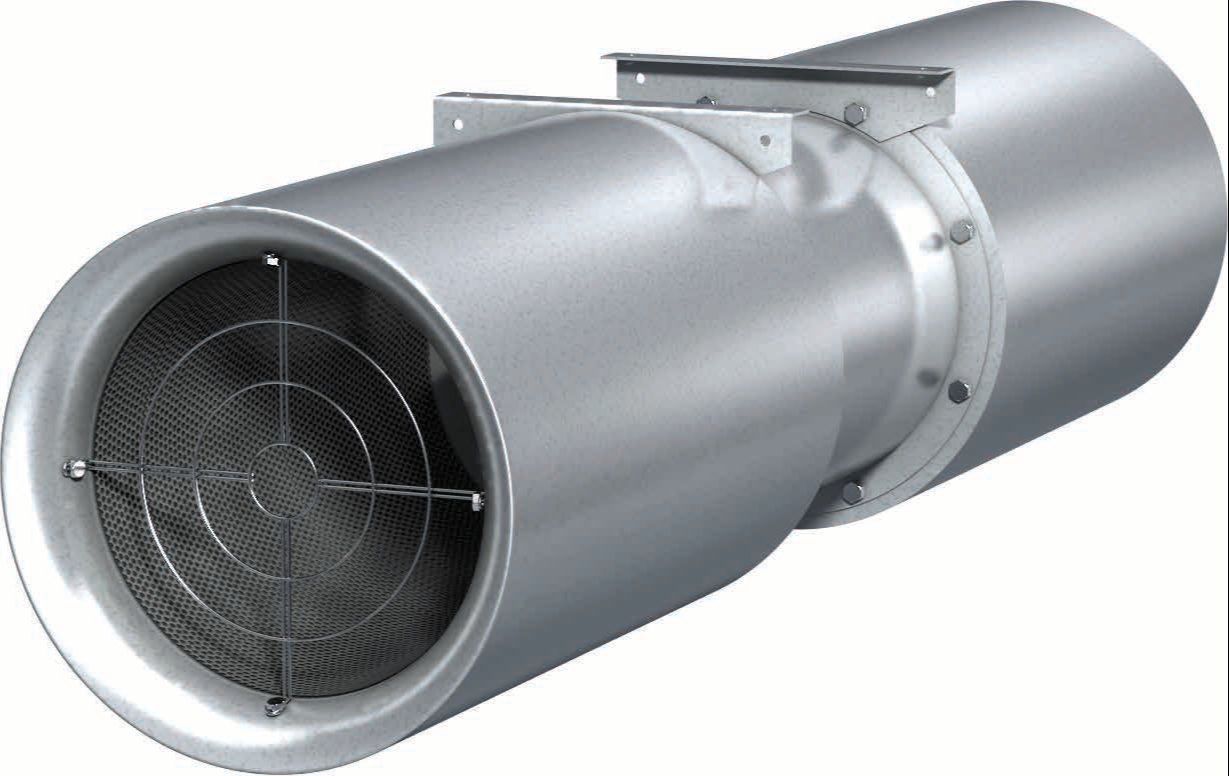
High-Performance Industrial Jet Fan - Tunnel and Garage Ventilation System
View DetailsManaging airflow in an oil refinery requires precision and reliability. A well-engineered ventilation solution for oil refinery environments helps control fumes, reduce heat, and protect workers from harmful gases. These systems must perform continuously under high temperatures and corrosive conditions while meeting safety requirements from agencies like API and OSHA. Aeppl designs and builds ventilation systems that meet these demands with dependable performance and long service life.
Each ventilation solution for oil refinery operations is customized to suit process layouts, emission sources, and environmental goals. Typical setups include centrifugal blowers, fume extraction units, and treated fresh air systems integrated with automated monitoring. This design approach supports sustainability and ensures compliance with evolving environmental regulations.
| Ventilation Type | Application Area | Key Benefit |
|---|---|---|
| Centrifugal Blower | Process Units | Stable airflow with minimal maintenance |
| Fume Extraction Blower | Hazardous Gas Zones | Prevents buildup of flammable vapors |
| Treated Fresh Air Unit | Control Rooms and MCC Areas | Maintains clean, conditioned air for sensitive equipment |
Energy efficiency is a major consideration in refinery ventilation design. Variable frequency drives (VFDs) allow precise motor speed control, reducing energy use while maintaining required airflow. Aeppl integrates automation-ready components that work smoothly with existing refinery control systems.
Material choice determines system durability. Galvanized steel, mild steel, and stainless steel are selected based on exposure level and chemical compatibility. Each unit is engineered for continuous operation, minimizing downtime and extending equipment life.
| Material | Typical Use | Durability Rating |
|---|---|---|
| Galvanized Steel | General exhaust systems | High corrosion resistance |
| Mild Steel | Non-corrosive zones | Excellent structural strength |
| Stainless Steel | Acidic or corrosive areas | Superior chemical protection |
Proper ventilation prevents accumulation of explosive gases and ensures safe working conditions. Systems must comply with ATEX and IEC standards for mechanical and electrical safety. Aeppl collaborates with engineering teams to configure ventilation systems that meet refinery safety protocols precisely.
Routine maintenance helps sustain airflow performance and safety compliance. Aeppl provides technical support, performance audits, and spare parts assistance to keep ventilation equipment operating efficiently. For consultation or product details, contact +91-9599785811, +91 8377077661, +91 9810162210 or email sales@aeppl.com.
Aerotech Equipments and Projects Pvt. Ltd. (Aeppl) is a trusted manufacturer and exporter of industrial air handling and ventilation systems. With decades of engineering experience, Aeppl delivers reliable solutions for oil, gas, and heavy industries worldwide. Visit Aeppl
Oil refineries handle volatile compounds and gases that require controlled airflow to prevent hazardous buildup. Specialized ventilation ensures safe and compliant working environments.
Ventilation systems should comply with API, OSHA, ATEX, and IEC guidelines to meet industrial safety and environmental requirements.
Explosion-resistant fans and blowers are built with reinforced housings and spark-proof components to prevent ignition in flammable atmospheres.
Yes, modern systems integrate with process automation platforms through sensors and VFD controls for optimized airflow and energy management.
Heavy-duty fume extraction blowers are ideal for managing hazardous gases and maintaining clean air in critical zones of the refinery.
Routine maintenance every six to twelve months helps sustain airflow performance, prevents downtime, and ensures compliance with refinery safety protocols.
Galvanized steel, mild steel, and stainless steel are common choices depending on exposure to chemicals, temperature, and humidity.
Energy-efficient systems with VFDs and smart sensors reduce power consumption, lower operating costs, and support sustainability goals.
Aeppl offers engineered ventilation systems built for heavy-duty refinery conditions, combining safety, durability, and energy efficiency.
You can reach Aeppl at +91-9599785811, +91 8377077661, +91 9810162210 or email sales@aeppl.com for technical guidance and quotations.