

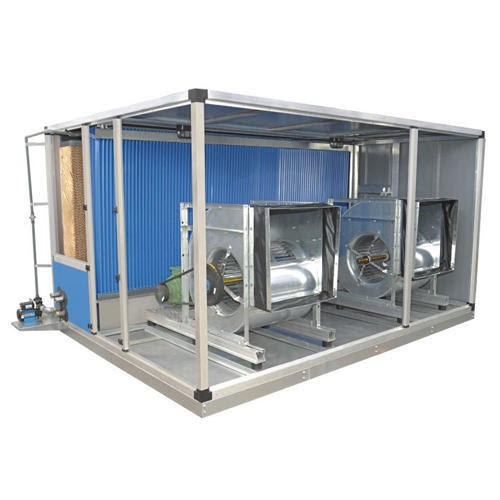
Industrial Evaporative Air Cooling Unit - High Efficiency HVAC System
View Details
Industrial Evaporative Air Cooling Unit - High Efficiency HVAC System
View Details
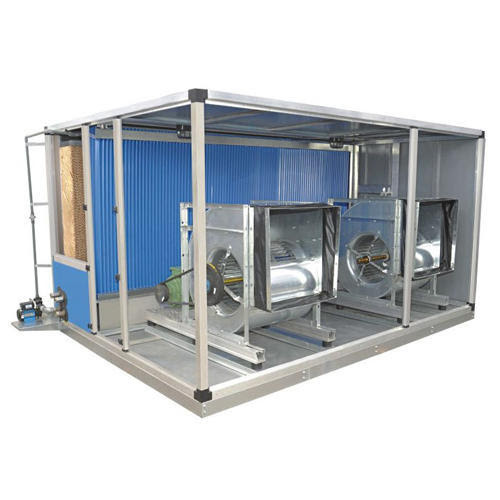
Industrial Air Washer Unit – High Efficiency Cooling & Air Handling System
View Details
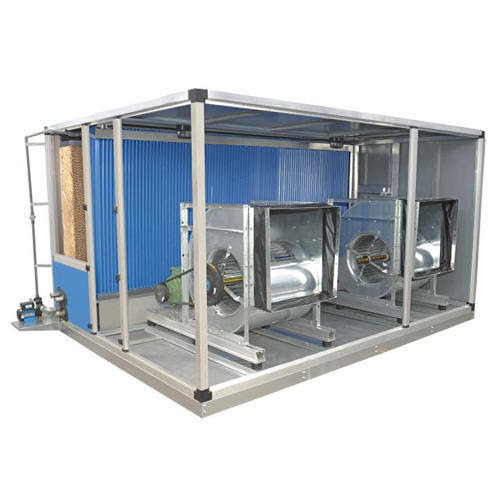
Industrial Evaporative Air Cooling Unit – High Efficiency HVAC System
View Details
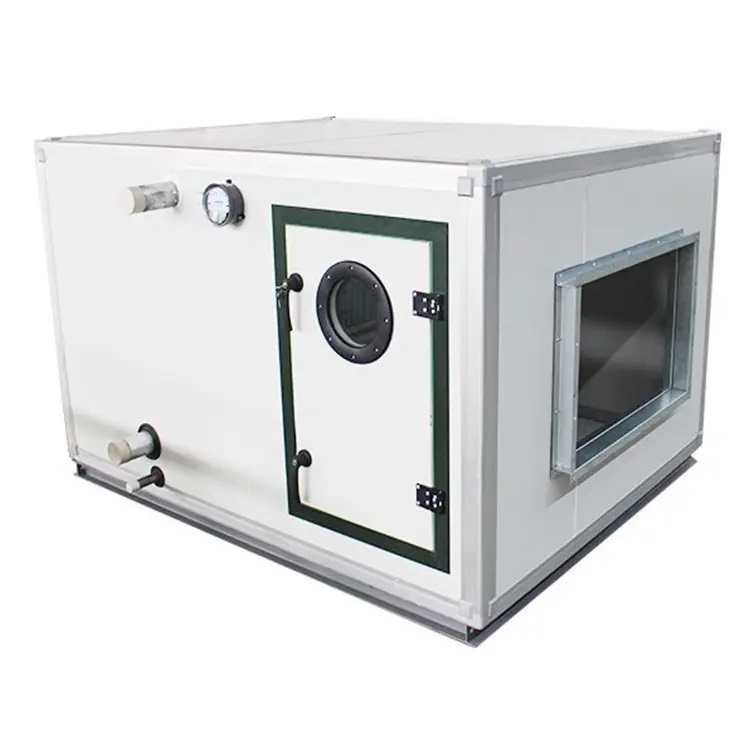
Industrial Treated Fresh Air Unit – Energy-Efficient Air Handling System
View Details

Industrial Air Cooling System with Dual Centrifugal Blowers – High Efficiency HVAC Unit
View Details
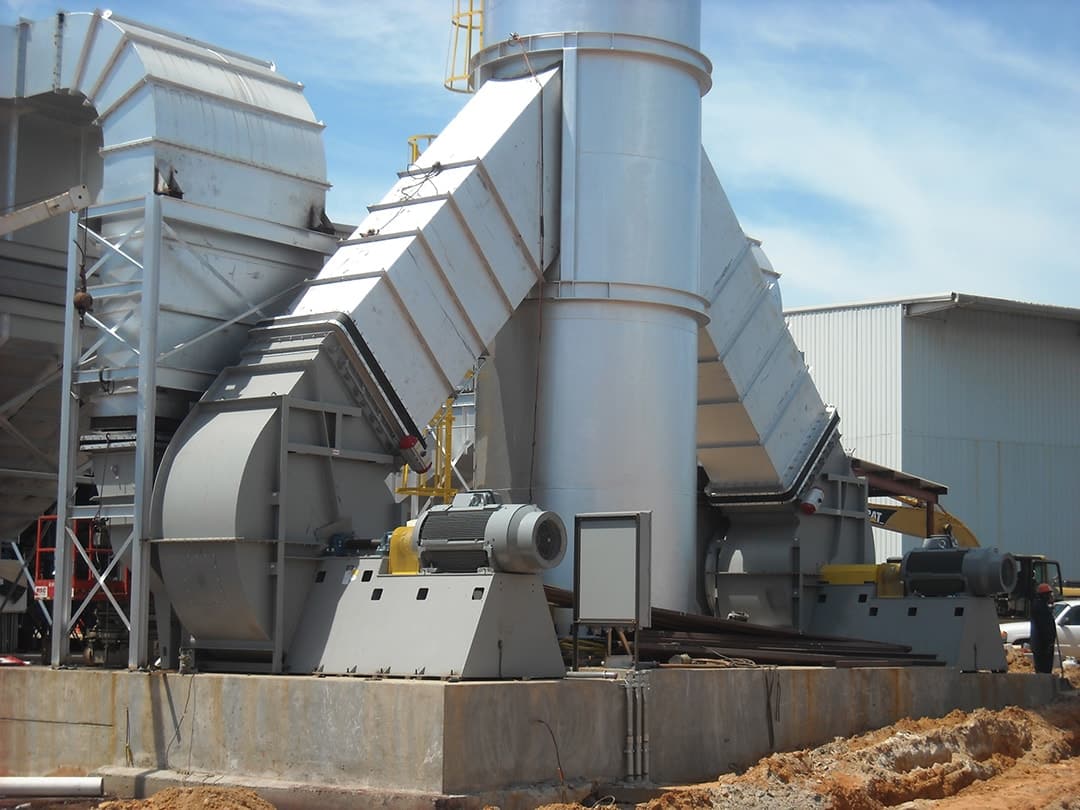
High-Capacity Industrial Centrifugal Ventilator - Heavy-Duty Airflow System
View Details

Industrial ID-FD Centrifugal Fan - High-Efficiency Air Handling System
View Details
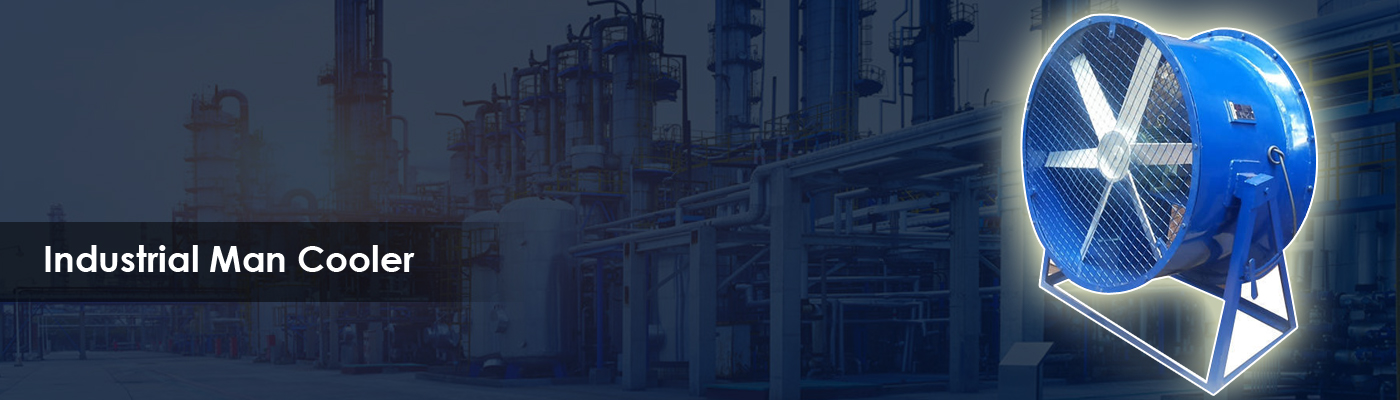
Heavy-Duty Industrial Mancooler Fan - High Airflow Cooling System
View DetailsIn manufacturing environments, managing heat effectively is essential for consistent production and equipment safety. An industrial process cooling system for production lines helps control temperature, reduce wear on machinery, and maintain steady output quality. When designed correctly, it supports smooth operation and reliable product performance across shifts and seasons.
Every production line generates heat through mechanical work, friction, or chemical reactions. If this heat is not managed, it can cause equipment stress or affect product consistency. A process cooling system for production line operations keeps the working environment stable, protecting both machinery and materials from thermal damage.
Although cooling setups vary by industry, most systems share core components that work together to regulate temperature and airflow. Typical elements include:
Choosing the right cooling system depends on production speed, ambient conditions, and equipment layout. Aeppl engineers analyze airflow, heat load, and space constraints before recommending a configuration. This ensures that cooling capacity matches process demands without wasting energy or space.
| Specification | Standard Setup | Custom Aeppl Design |
|---|---|---|
| Temperature Range | 20°C to 35°C | 10°C to 45°C adjustable |
| Airflow Volume | 10,000 CFM | Up to 50,000 CFM |
| Energy Use | Moderate | High-efficiency motor with smart controls |
| Maintenance Interval | Quarterly | Optimized for reduced downtime |
Process cooling systems are used across a wide range of industries. Some common examples include:
Energy efficiency is now a major priority for industrial cooling. Systems designed by Aeppl incorporate variable-speed motors and automated controls that adapt cooling output to real-time demand. This reduces electricity use and supports sustainability goals without compromising performance.
For larger facilities, combining multiple air handling components can improve efficiency. Aeppl offers a range of industrial equipment suitable for integration:
| Component | Main Function | Application Area |
|---|---|---|
| Evaporative Cooling Unit | Uses moisture evaporation to lower air temperature | Large open production halls |
| Centrifugal Fan | Moves air efficiently through ducts and ventilation systems | Dust-heavy or high-temperature zones |
| Air Washer Unit | Filters and humidifies air for cleaner working conditions | Precision manufacturing or assembly lines |
Proper installation ensures that cooling equipment performs as expected. Aeppl provides technical guidance and layout planning for each project. Regular maintenance keeps airflow consistent and prevents buildup that can reduce efficiency. Quarterly inspections are common, but heavy-duty operations may require monthly checks.
For custom solutions, Aeppl engineers review temperature requirements, spatial constraints, and energy targets before designing the system. To request a consultation, email sales@aeppl.com or call +91-9599785811, +91 8377077661, +91 9810162210.
Aerotech Equipments and Projects Pvt. Ltd. (Aeppl) designs and manufactures air handling and cooling systems for industrial facilities. With decades of experience, Aeppl provides reliable engineering support and durable equipment built for demanding production environments. Visit Aeppl
It is an engineered setup that removes excess heat from machines and processes to maintain stable temperatures during manufacturing.
By keeping temperatures consistent, it prevents material distortion and ensures uniform results across batches.
Industries such as plastics, food processing, pharmaceuticals, chemicals, and automotive manufacturing rely on these systems.
Heat load, ambient temperature, production speed, and equipment density all influence cooling capacity selection.
Yes, most modern systems include automated temperature controls and monitoring for efficient operation.
Quarterly maintenance is typical, but high-output facilities may need more frequent inspections.
Advanced designs use variable-speed motors and smart controls to reduce energy consumption while maintaining performance.
Installation depends on scale and complexity, but most setups are completed within several weeks after design approval.
Yes, Aeppl offers tailored cooling systems designed for specific production lines and facility layouts.
Reach Aeppl at sales@aeppl.com or call +91-9599785811, +91 8377077661, +91 9810162210 for design consultation or quotations.