

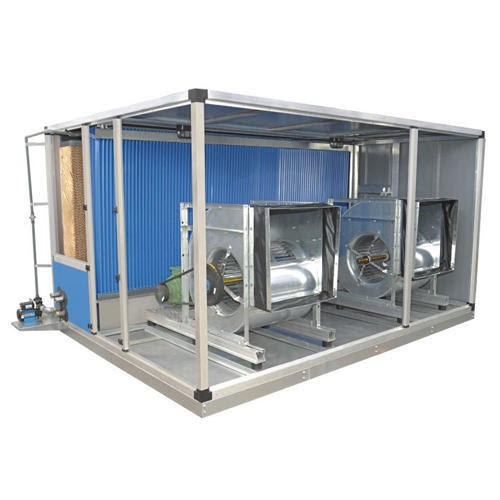
Industrial Evaporative Air Cooling Unit - High Efficiency HVAC System
View Details
Industrial Evaporative Air Cooling Unit - High Efficiency HVAC System
View Details
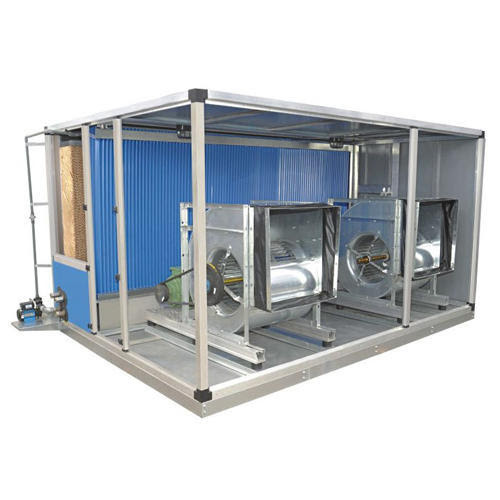
Industrial Air Washer Unit – High Efficiency Cooling & Air Handling System
View Details

Industrial Air Cooling System with Dual Centrifugal Blowers – High Efficiency HVAC Unit
View Details
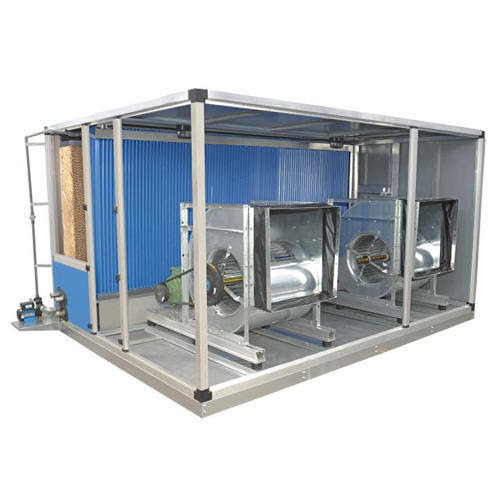
Industrial Evaporative Air Cooling Unit – High Efficiency HVAC System
View Details
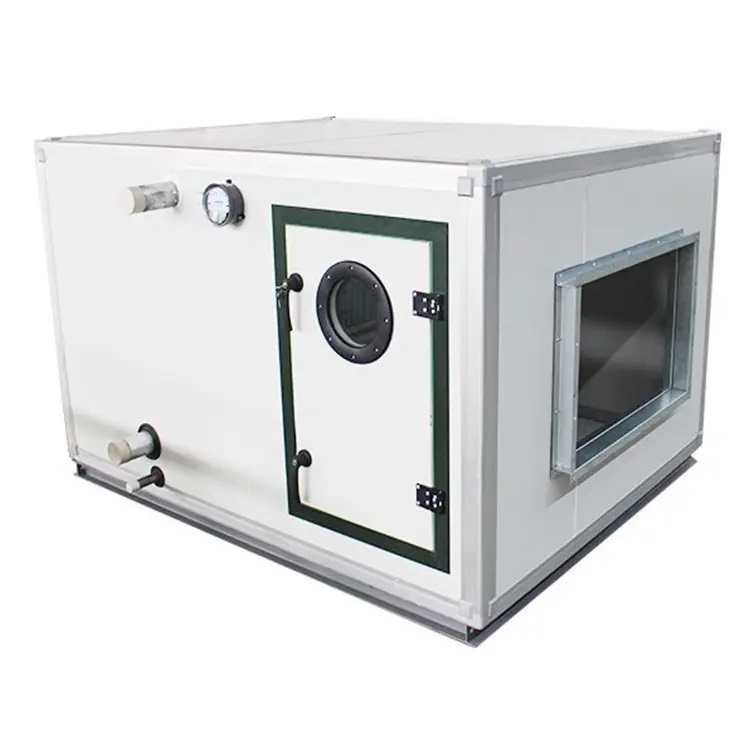
Industrial Treated Fresh Air Unit – Energy-Efficient Air Handling System
View Details
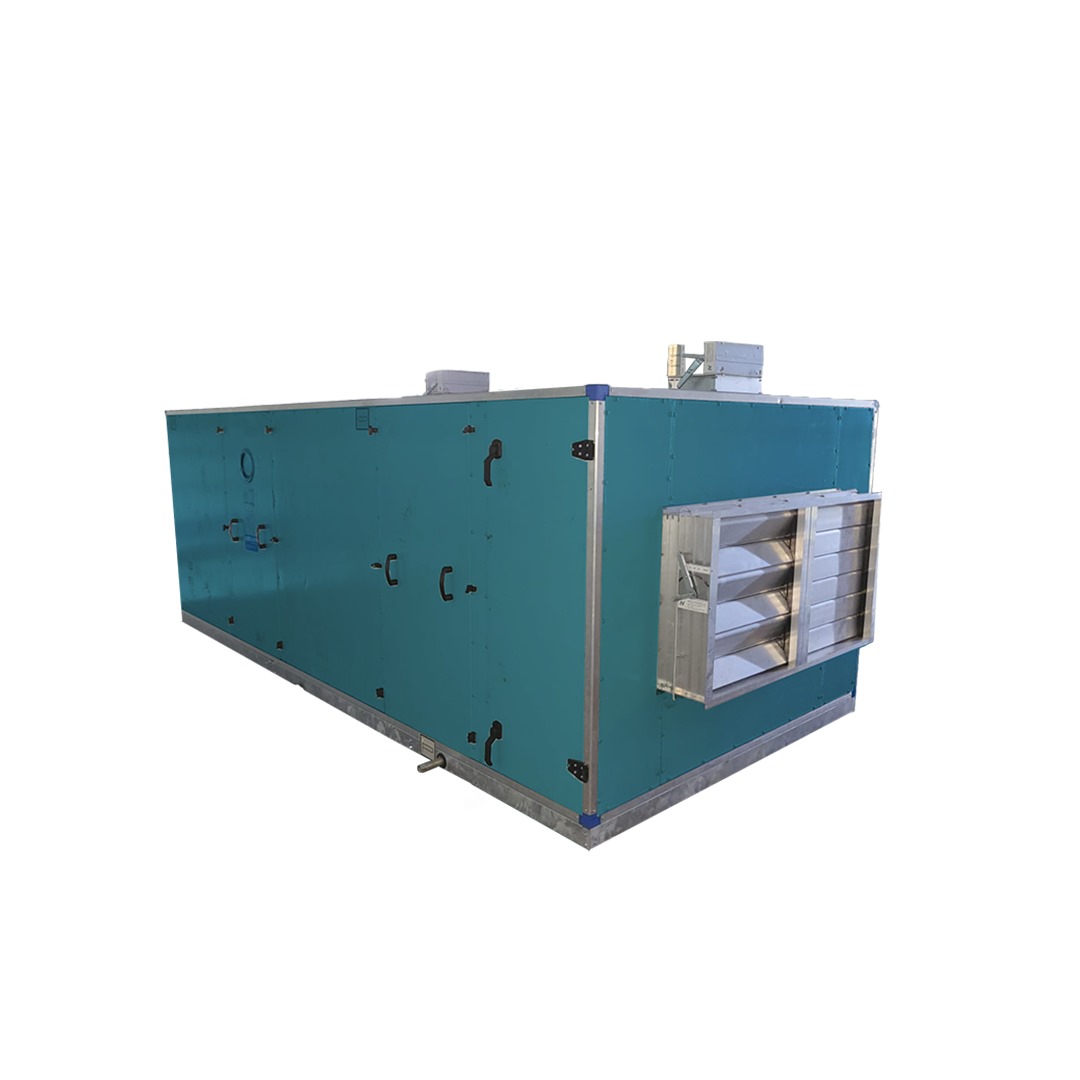
Ceiling Suspended Air Handling Unit – High Efficiency HVAC System for Commercial Use
View Details
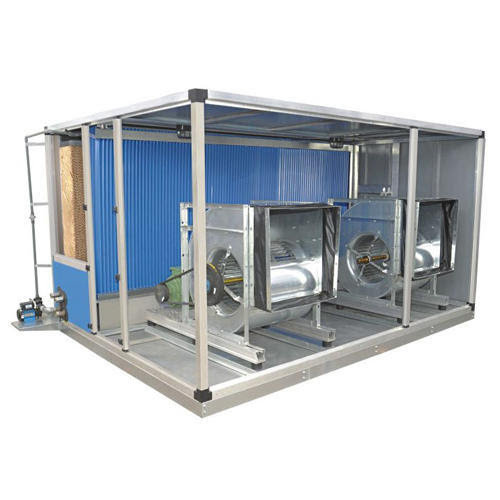
High-Efficiency Industrial Air Cooling Unit with Dual Blower System
View Details
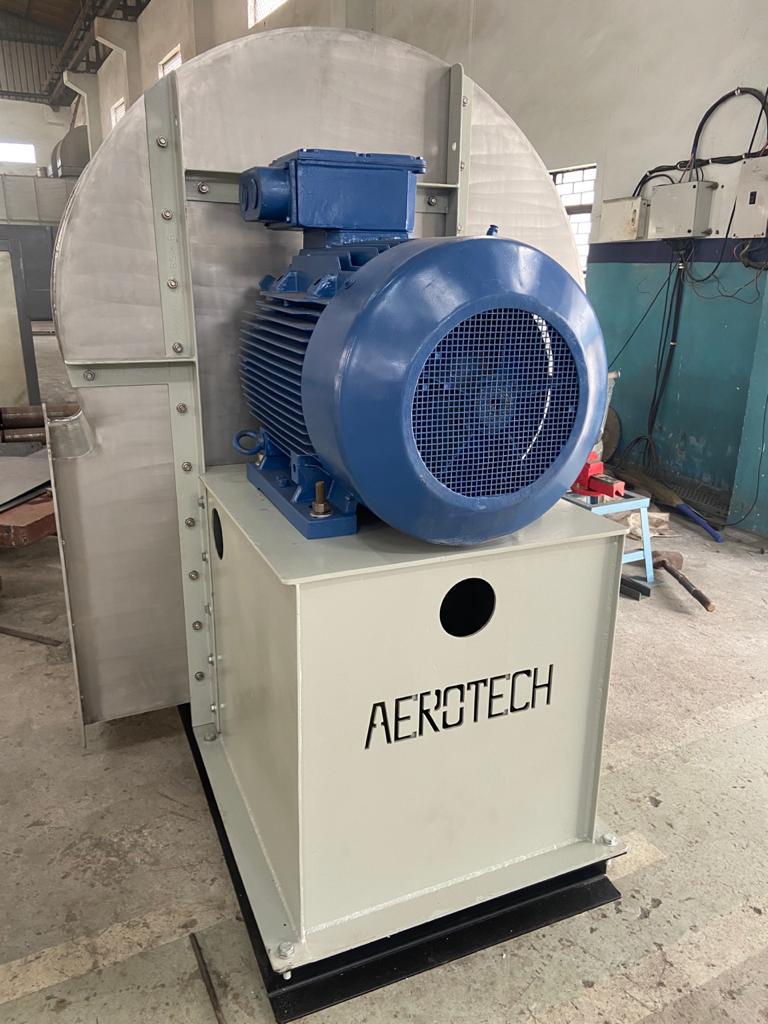
Aerotech Industrial Centrifugal Fan Blower – High-Pressure Air Handling System
View DetailsA commercial air cooling system provides an effective way to manage temperature and airflow in large spaces such as factories, warehouses, and assembly plants. Traditional air conditioning can be expensive and energy-intensive when used at scale. Evaporative cooling systems offer a practical alternative, delivering steady comfort while keeping electricity consumption in check.
These systems are designed for environments that demand continuous airflow and stable temperature control. Engineers and facility managers rely on them to maintain safe working conditions, reduce heat buildup around machinery, and improve overall air quality. In industries where productivity depends on stable conditions, a well-planned cooling setup makes a measurable difference.
The design of a commercial air cooling system focuses on achieving uniform air distribution. Depending on the size and layout of the facility, systems can include ducted modules, air washer sections, or ceiling-mounted air handling units. Each configuration aims to balance cooling efficiency with ease of maintenance and water use.
| System Type | Cooling Method | Energy Efficiency | Typical Application |
|---|---|---|---|
| Evaporative Air Cooler | Water-Based Cooling | High | Warehouses, Workshops |
| Ducted Cooling System | Air Distribution via Ducts | Medium to High | Production Areas, Auditoriums |
| Air Washer Unit | Evaporative with Filtration | High | Food Processing, Textile Plants |
Energy efficiency remains a priority in every commercial air cooling system. With rising operational costs and growing environmental awareness, industries are turning to solutions that balance performance with sustainability. Aeppl designs its systems to meet industrial standards for ventilation and occupational safety while helping facilities reduce their carbon footprint.
Evaporative cooling systems typically consume less electricity than compressor-based air conditioners. They also integrate well with modern control systems for real-time monitoring of temperature and humidity. This adaptability makes them suitable for smart manufacturing setups and green building projects where efficiency and reliability are essential.
For facilities that run continuous production, maintaining consistent air conditions is vital. A commercial air cooling system can be integrated with existing HVAC frameworks, centrifugal fans, and treated fresh air units to achieve complete air management. Aeppl systems are compatible with automation platforms used in modern plants, ensuring precise control and reduced downtime.
These systems are built for flexibility. Whether upgrading an existing ventilation network or planning new infrastructure, engineers can choose configurations that match their operational needs. The modular design allows easy scaling and adjustment for future capacity expansions.
| Feature | Benefit |
|---|---|
| Energy Efficiency | Reduced electricity consumption and lower costs |
| Air Quality | Cleaner, filtered airflow for healthier environments |
| Maintenance | Simple cleaning and servicing routines |
| Adaptability | Fits various industrial layouts and control systems |
Aeppl (Aerotech Equipments and Projects Pvt. Ltd.) is a trusted Indian manufacturer and exporter of air handling and ventilation equipment serving clients worldwide. With years of engineering experience, Aeppl provides reliable, efficient solutions for commercial cooling and air management needs. Visit Aeppl
A commercial air cooling system uses evaporative or mechanical cooling to manage temperature and airflow in large industrial or commercial spaces efficiently.
Evaporative cooling passes warm air through water-saturated pads, lowering air temperature naturally and reducing energy consumption compared to compressor-based cooling.
They are effective in factories, warehouses, workshops, and other large facilities where maintaining comfortable working conditions is critical.
Regular cleaning of pads, water tanks, and filters ensures consistent cooling performance and prevents dust buildup or microbial growth.
They perform best in dry or semi-arid regions but can be adapted for moderate humidity with proper airflow design and treated fresh air integration.
They consume significantly less electricity than conventional air conditioners, using water evaporation and efficient fans to cool large spaces.
Yes, modern units can integrate with building management systems for automated temperature and humidity control.
Systems must comply with ventilation, electrical, and environmental safety standards as per local and international regulations.
Aeppl designs its systems with robust materials, precision airflow engineering, and energy-efficient components suited for continuous industrial use.
Reach Aeppl at +91-9599785811, +91-8377077661, +91-9810162210 or email sales@aeppl.com for assistance with commercial air cooling system specifications.