

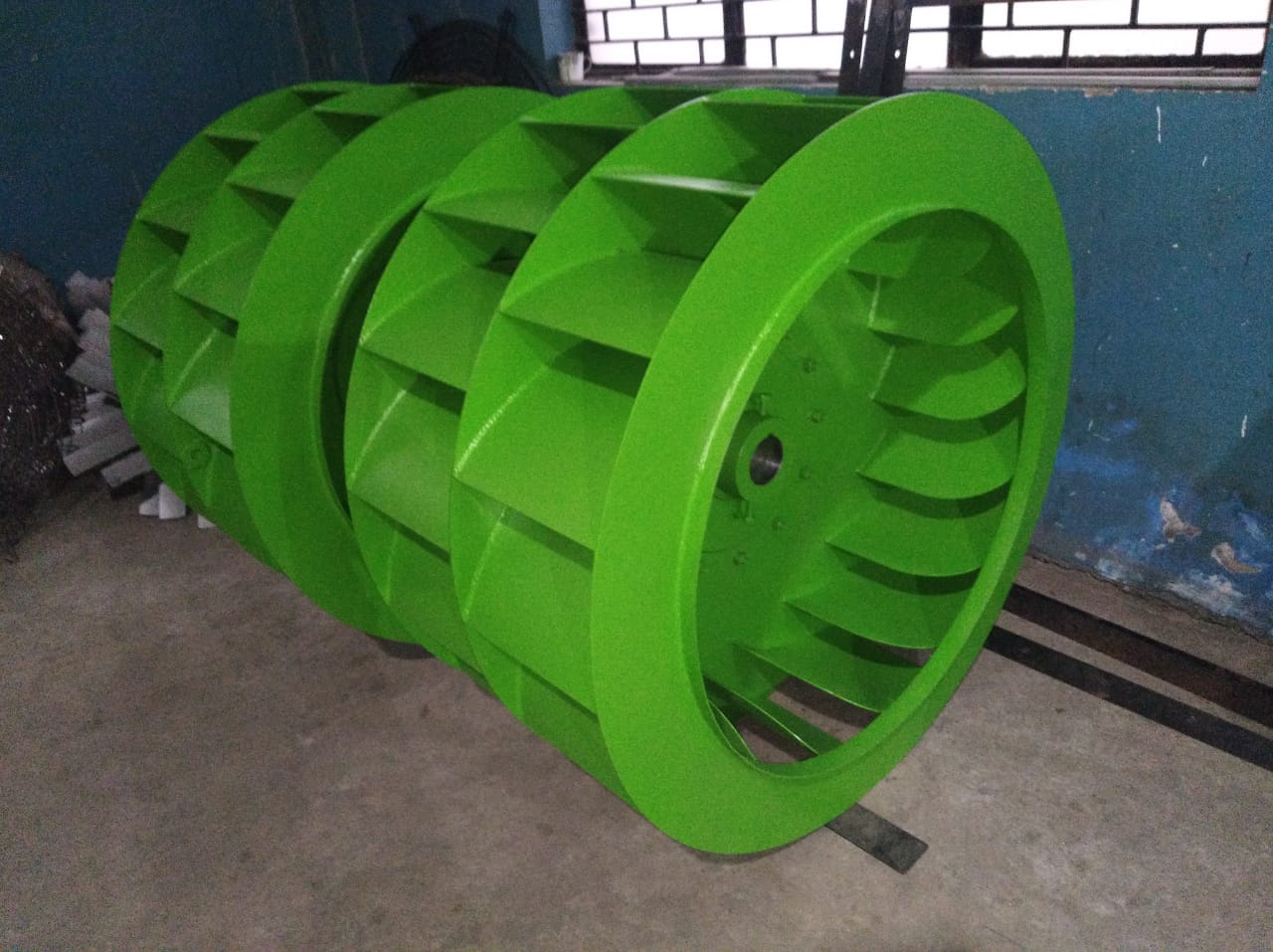
High-Efficiency Air Handling Fan Impeller - Heavy-Duty Industrial Design
View Details
High-Efficiency Air Handling Fan Impeller - Heavy-Duty Industrial Design
View Details

Heavy-Duty Industrial Metal Fan Impeller - High-Efficiency Airflow Rotor
View Details
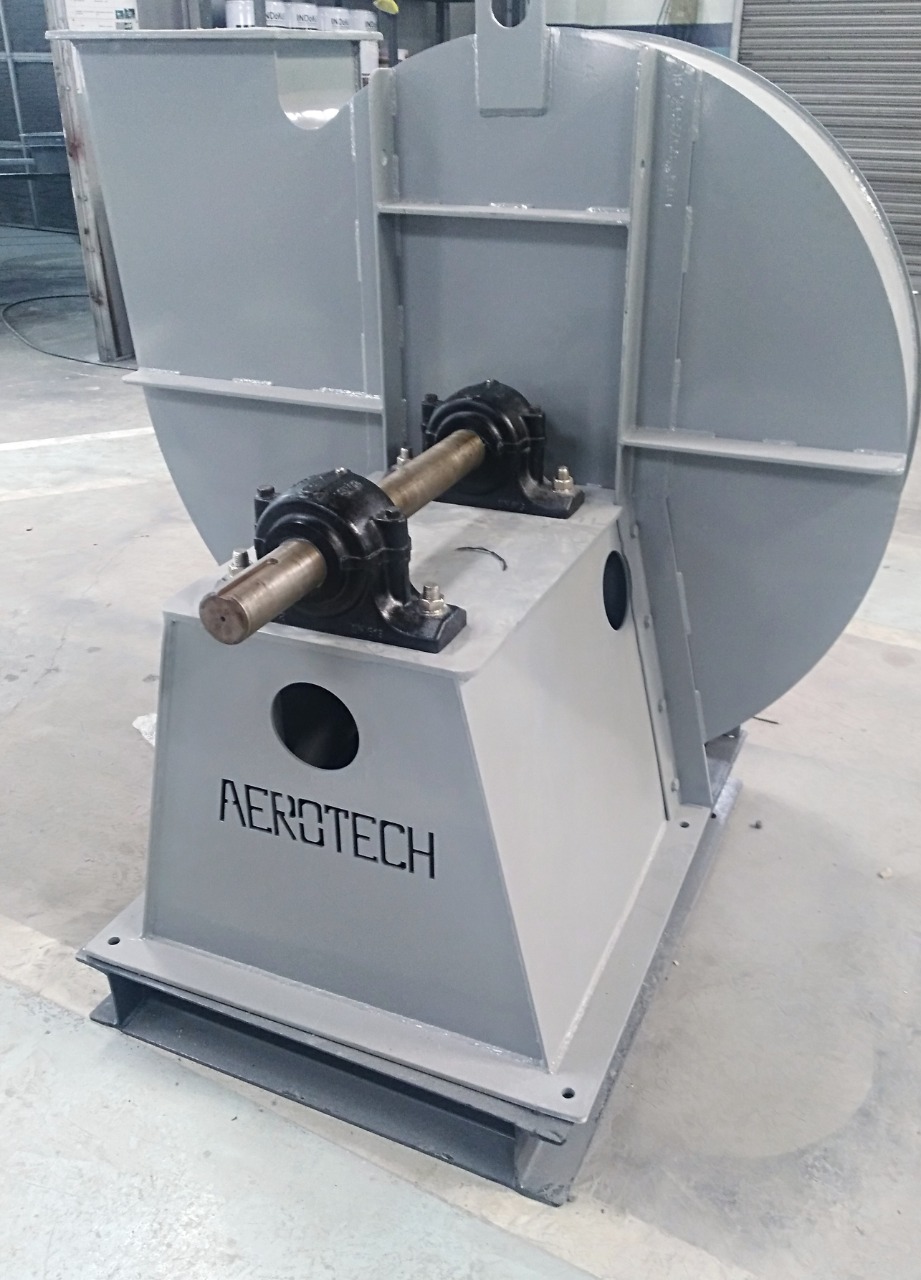
Heavy-Duty Industrial Fume Extraction Blower - High Efficiency Ventilation System
View Details
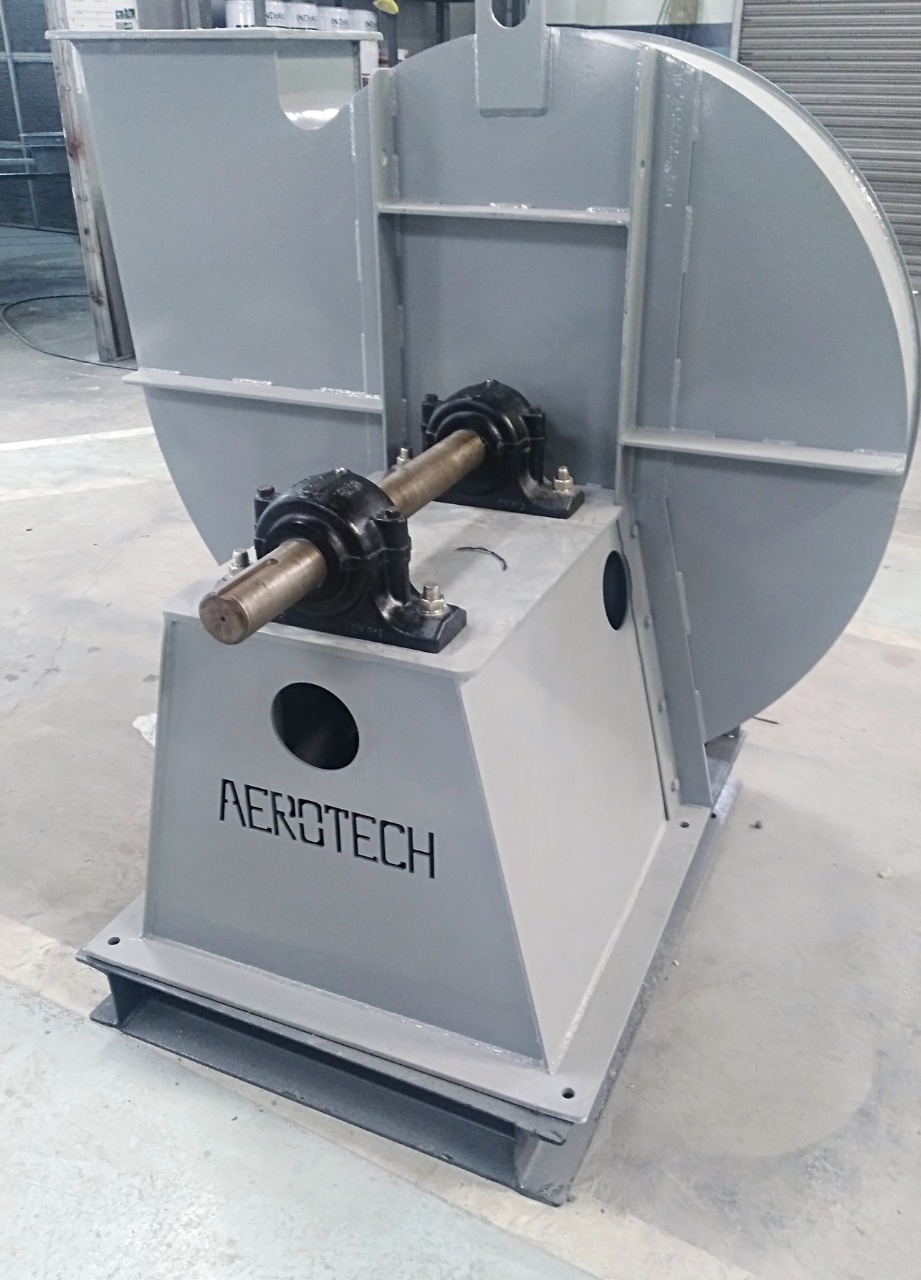
Industrial Centrifugal Ventilation Blower – Heavy-Duty Air Handling Unit
View Details
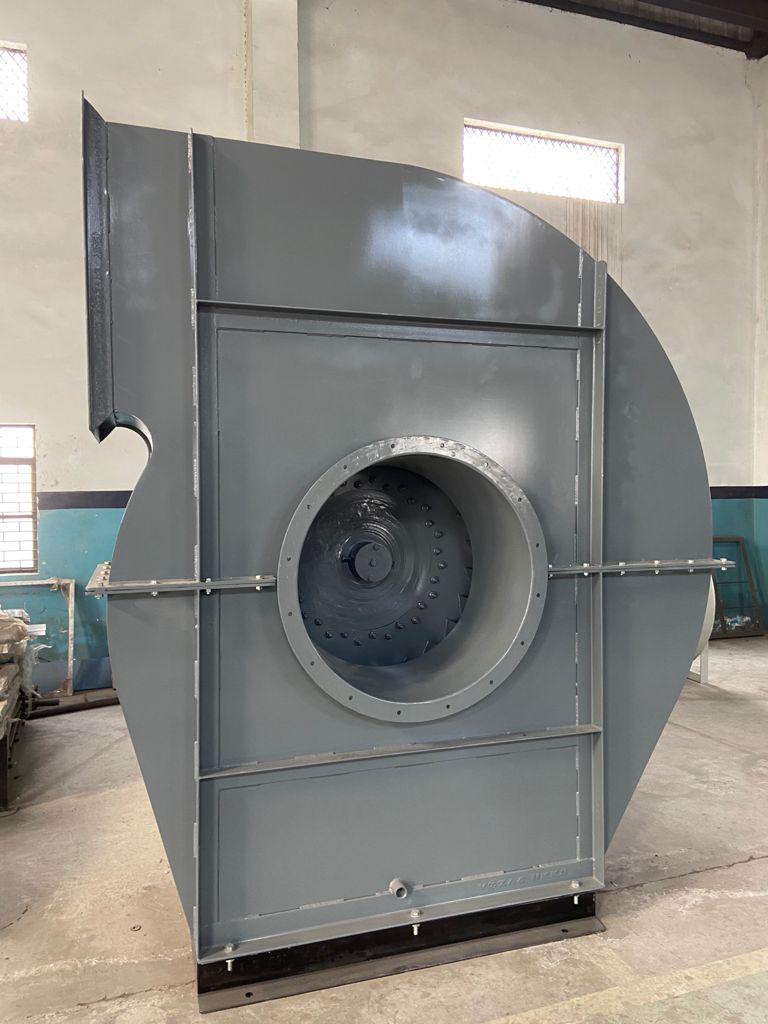
Industrial Mild Steel Centrifugal Blower - High Efficiency Air Handling Unit
View Details
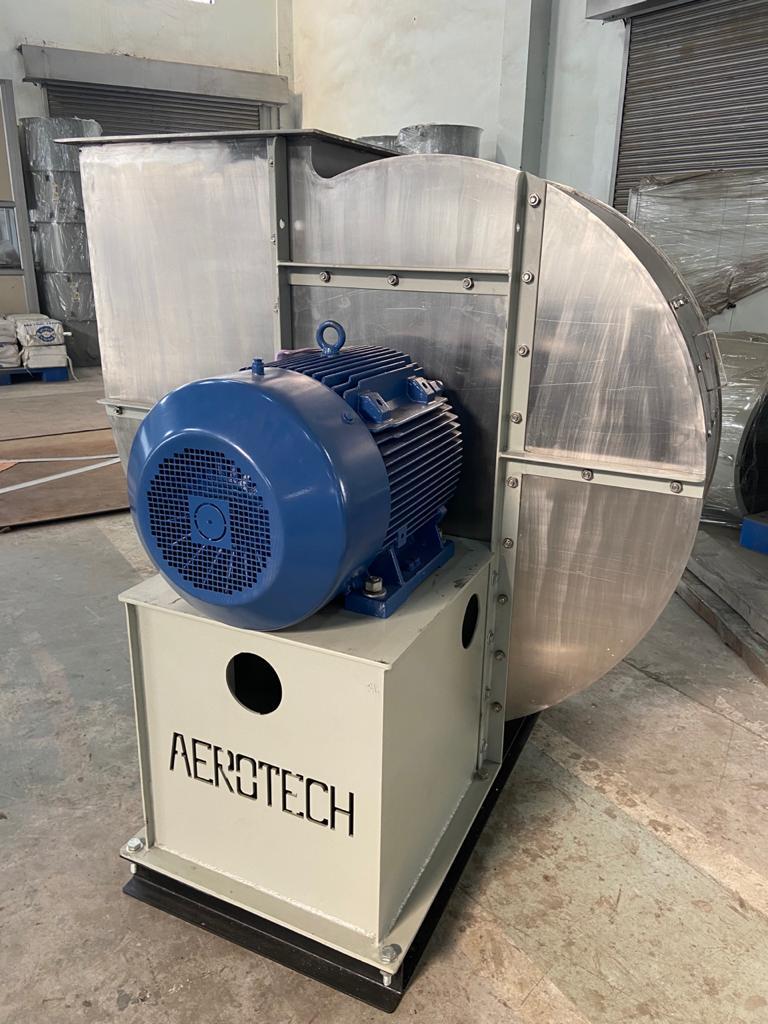
Industrial Low-Pressure Centrifugal Blower - High Efficiency Air Handling Unit
View Details
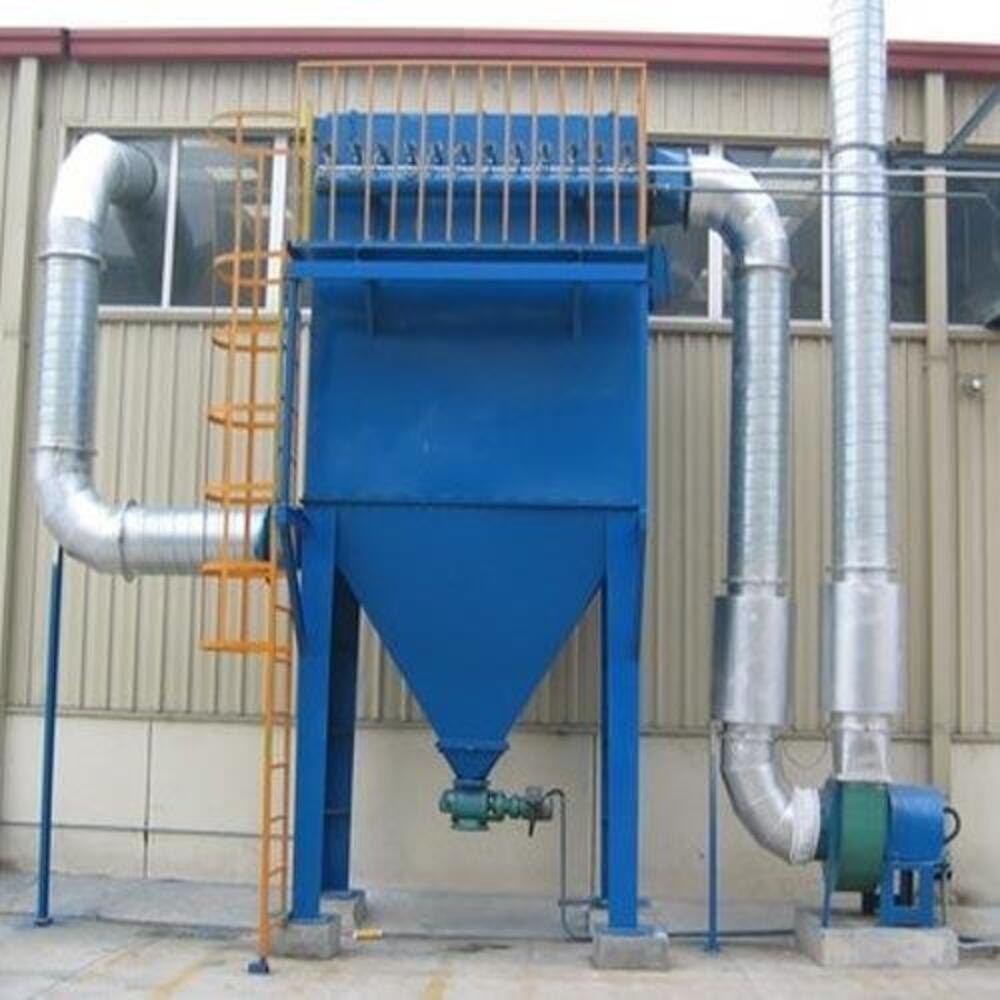
Industrial Mechanical Dust Collector System - High-Efficiency Air Filtration Unit
View Details
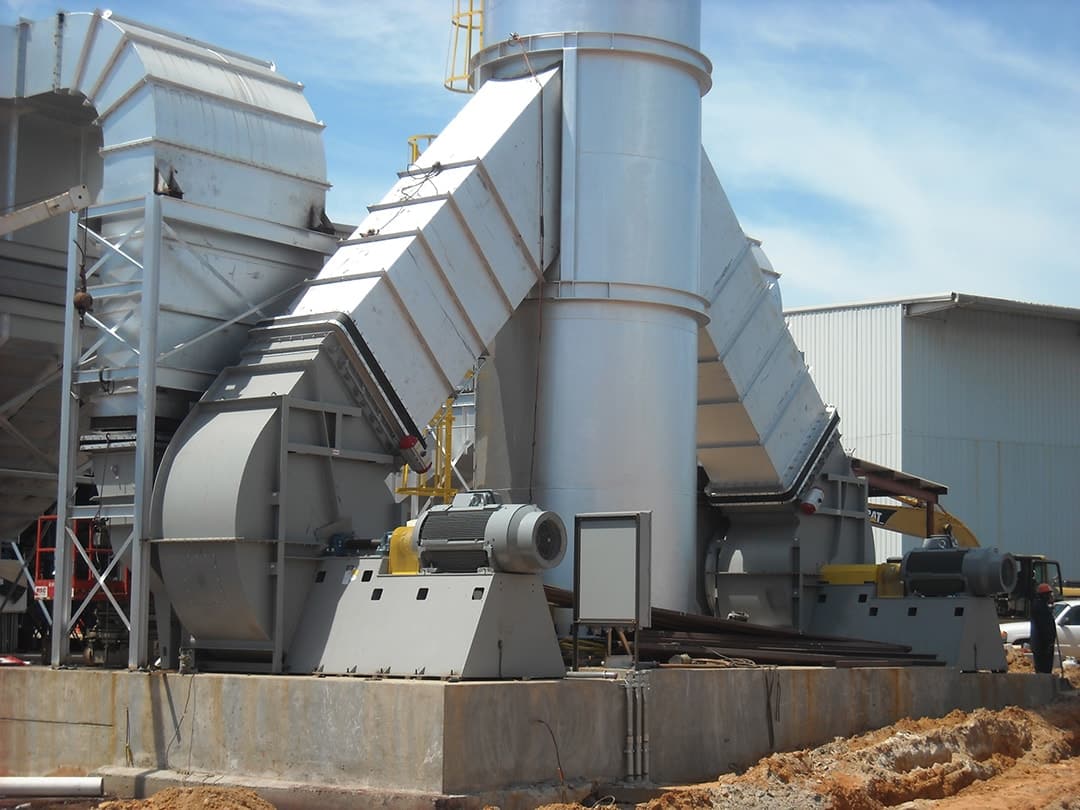
Industrial Smoke Spill Exhaust Unit - High-Temperature Ventilation System
View DetailsVentilation systems rely on strong, durable components to move air efficiently. One of the most critical parts is the impeller, which drives airflow through ducts and fans. A metal impeller for ventilation offers the strength and stability needed for demanding environments, making it a preferred choice for industrial, commercial, and even residential applications.
A metal impeller is a rotating component that pushes air or gas through a ventilation system. It typically consists of blades or vanes attached to a hub. When powered by a motor, the impeller spins, creating airflow. Metal impellers are made from materials such as aluminum, stainless steel, or galvanized steel, chosen for their durability and resistance to corrosion.
Metal impellers offer several benefits over plastic or composite designs. They maintain structural integrity under high temperatures and heavy loads. This makes them ideal for ventilation systems in factories, warehouses, and other facilities where airflow demands are high.
Metal impellers are used in various ventilation setups, including exhaust fans, air handling units, and industrial blowers. In HVAC systems, they help regulate air movement and maintain consistent indoor conditions. In manufacturing settings, they assist in removing fumes, dust, and heat, contributing to safer and more comfortable workplaces.
Factories and commercial buildings often require high-capacity ventilation. Metal impellers handle these conditions effectively, providing reliable airflow even in continuous operation. Their strength helps prevent imbalance and vibration, which can shorten equipment lifespan.
While less common in home systems, metal impellers are used in specialized ventilation setups, such as workshops or garages where heat and dust need to be controlled. Their performance ensures steady airflow and reduced maintenance needs.
| Material | Key Features | Typical Use |
|---|---|---|
| Aluminum | Lightweight, corrosion-resistant | General ventilation, HVAC fans |
| Stainless Steel | High strength, resists corrosion and heat | Industrial exhaust systems |
| Galvanized Steel | Affordable, durable coating | Commercial ventilation units |
Selecting the right impeller depends on several factors such as airflow requirements, pressure levels, and operating environment. Engineers typically consider blade design, diameter, and rotational speed to match the system's performance needs. A well-chosen metal impeller ensures efficient air movement and energy savings over time.
Impeller design affects both airflow direction and pressure. Forward-curved blades are common in low-pressure applications, while backward-curved or radial designs handle higher pressures. The material thickness and balance also impact noise levels and vibration control.
Proper installation is vital to maintain performance. The impeller must be aligned correctly with the motor shaft and secured with precision. Routine inspections help identify wear or buildup that could reduce efficiency. Cleaning with mild solutions and checking for corrosion keeps the impeller running smoothly.
While plastic impellers are lighter, they often warp or crack under stress. Metal impellers maintain consistent shape and airflow even after years of use. This reliability translates into lower maintenance costs and better overall system performance. In settings where durability and safety matter most, metal remains the trusted choice.
Modern ventilation systems aim for both strength and efficiency. Metal impellers contribute to energy savings by maintaining stable airflow with less resistance. Their precision design reduces turbulence, helping fans operate more quietly and effectively.
When selecting a supplier, look for proven engineering quality and material standards. Aeppl offers metal impellers designed for ventilation systems that meet demanding performance criteria. Each unit undergoes testing to ensure balance, strength, and airflow accuracy.
Aeppl provides engineered components for ventilation and air movement systems. Our focus on quality materials and design ensures dependable performance across industries. Visit Aeppl
It is a rotating component made of metal that moves air through a ventilation system, providing durability and efficient airflow.
Aluminum, stainless steel, and galvanized steel are popular choices because they offer strength and corrosion resistance.
Its rigid blades maintain precise shape under pressure, allowing consistent air movement and reduced energy loss.
Yes, they are ideal for factories and large facilities where high airflow and durability are essential.
Yes, especially in workshops, garages, or other areas that need strong airflow and heat resistance.
Regular inspection every few months is recommended to check for buildup, corrosion, or imbalance.
Forward-curved designs suit low-pressure systems, while backward-curved impellers handle higher pressure and efficiency demands.
Yes, heavier materials like metal can reduce vibration and noise compared to lighter composites.
Aeppl designs impellers with precise balance and tested materials, offering long-lasting reliability for ventilation systems.
You can find them directly at Aeppl's website by visiting https://aeppl.com?utm_source=jarbug.