
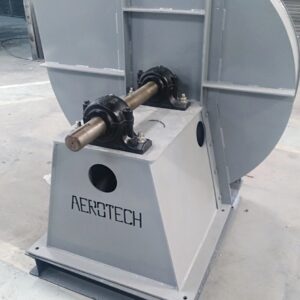
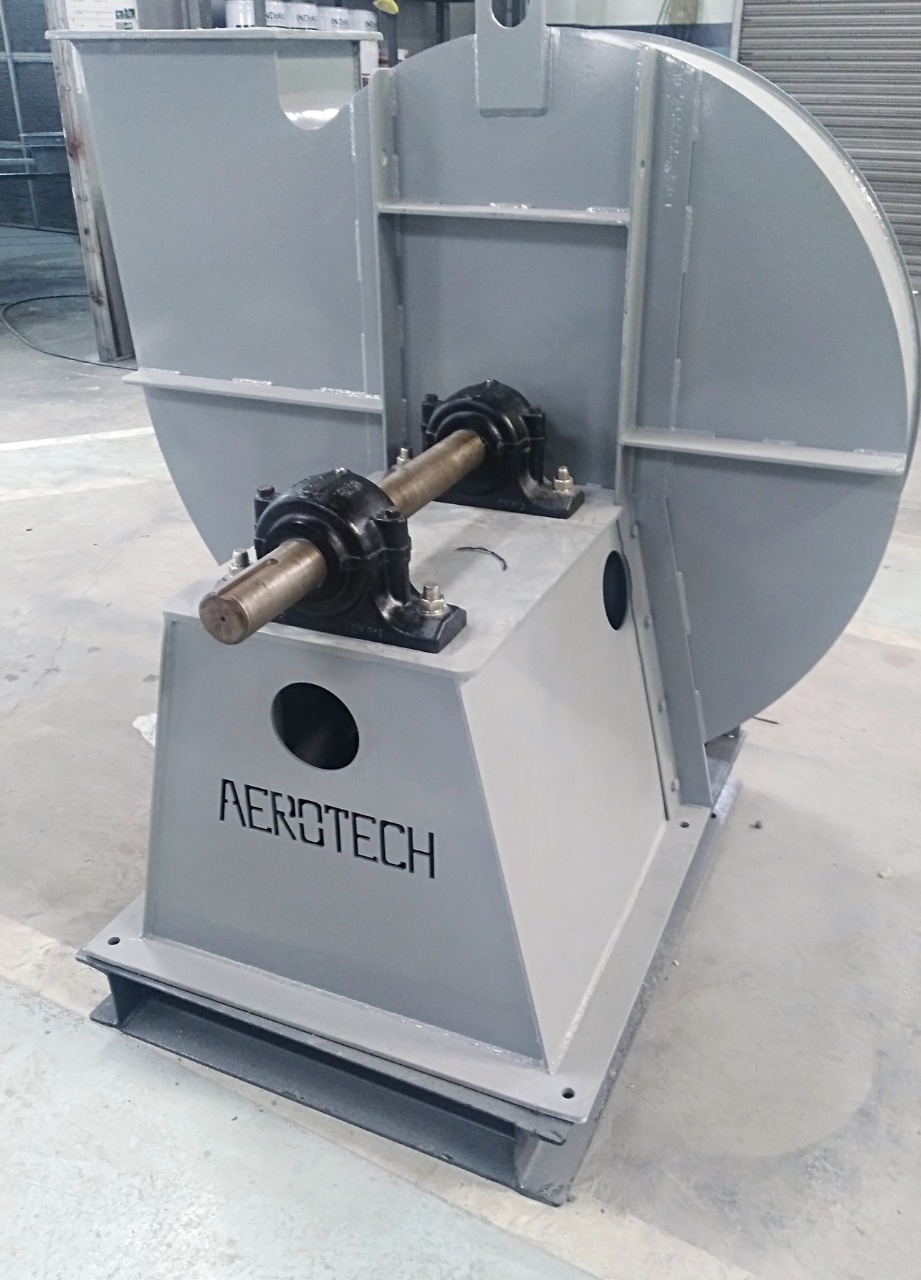
Industrial Centrifugal Ventilation Blower – Heavy-Duty Air Handling Unit
View Details
Industrial Centrifugal Ventilation Blower – Heavy-Duty Air Handling Unit
View Details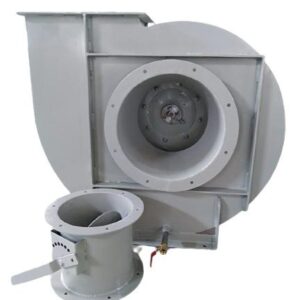
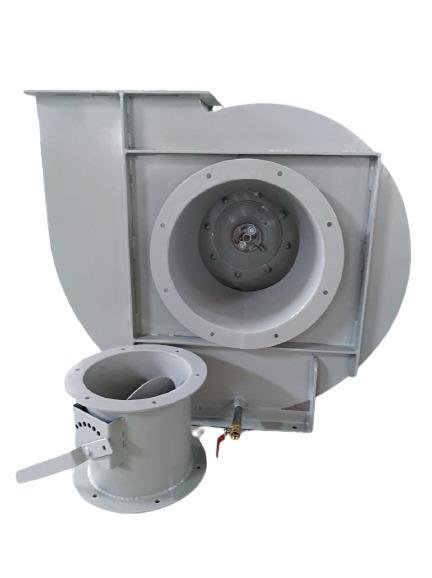
Industrial Kitchen Exhaust Centrifugal Blower Fan – High Efficiency Ventilation System
View Details
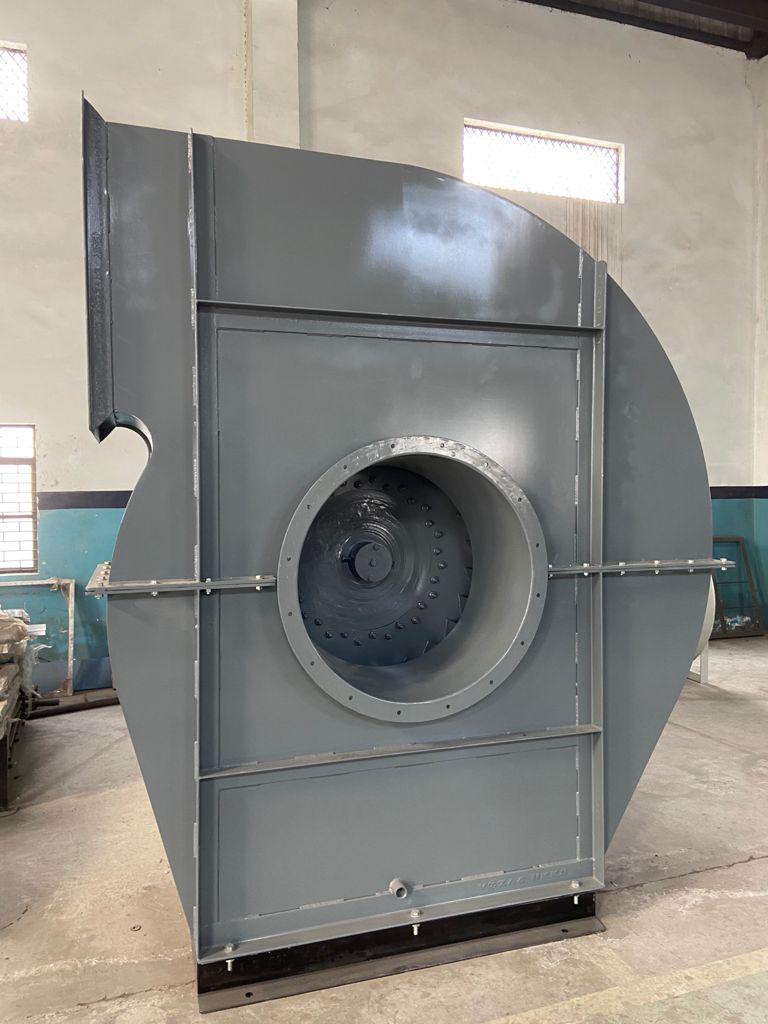
Industrial Mild Steel Centrifugal Blower - High Efficiency Air Handling Unit
View Details
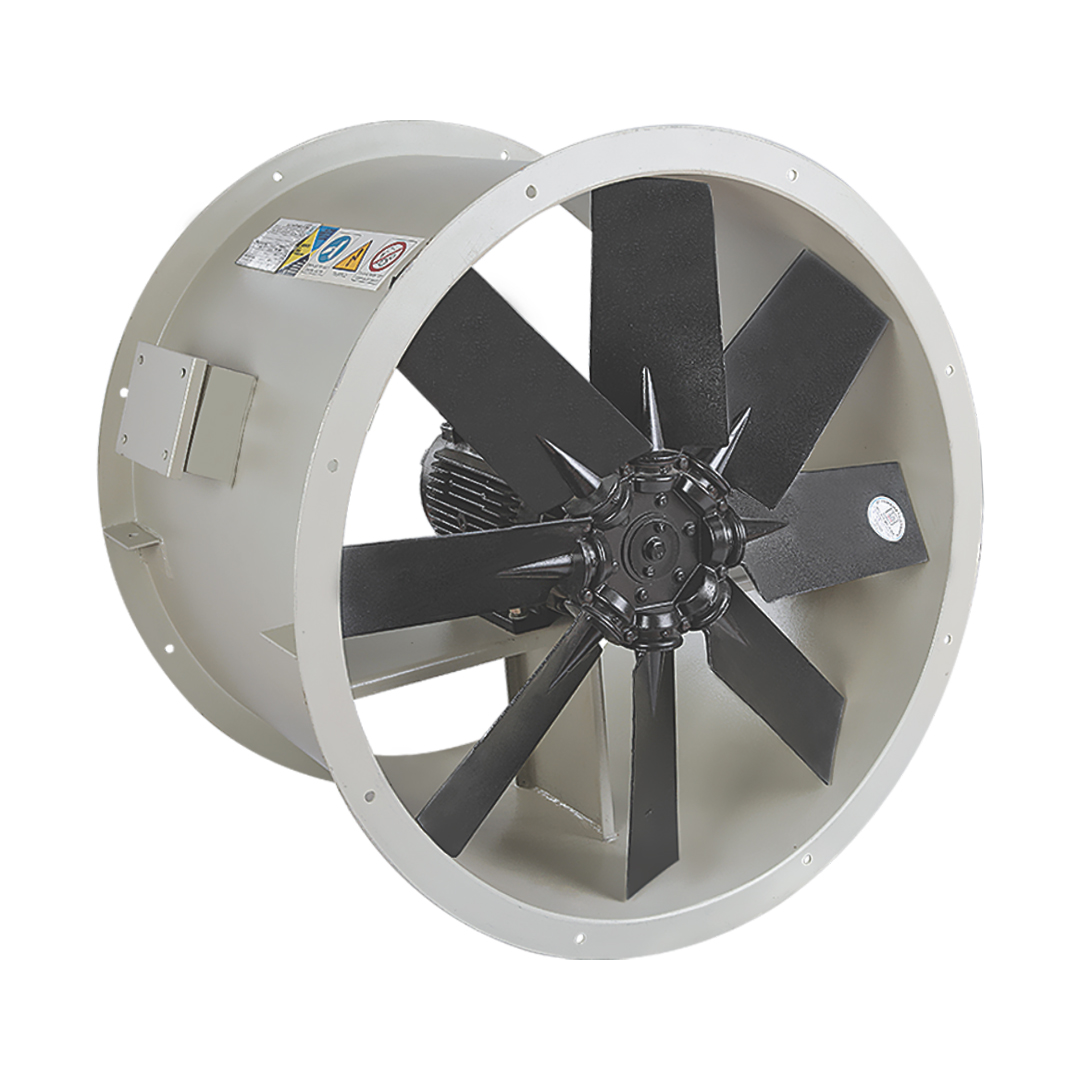
High-Temperature Axial Smoke Exhaust Fan - Industrial Ventilation System
View Details

Industrial Air Cooling System with Dual Centrifugal Blowers – High Efficiency HVAC Unit
View Details
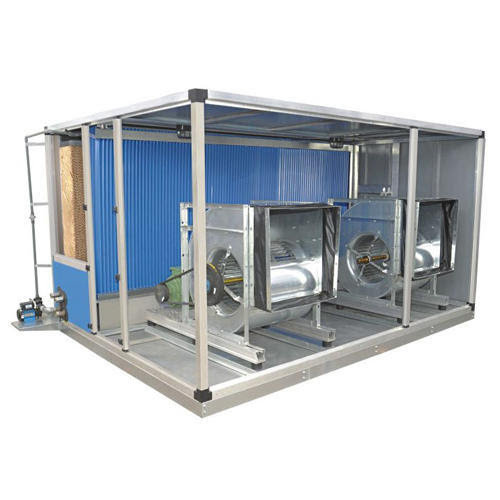
High-Efficiency Industrial Air Cooling Unit with Dual Blower System
View Details
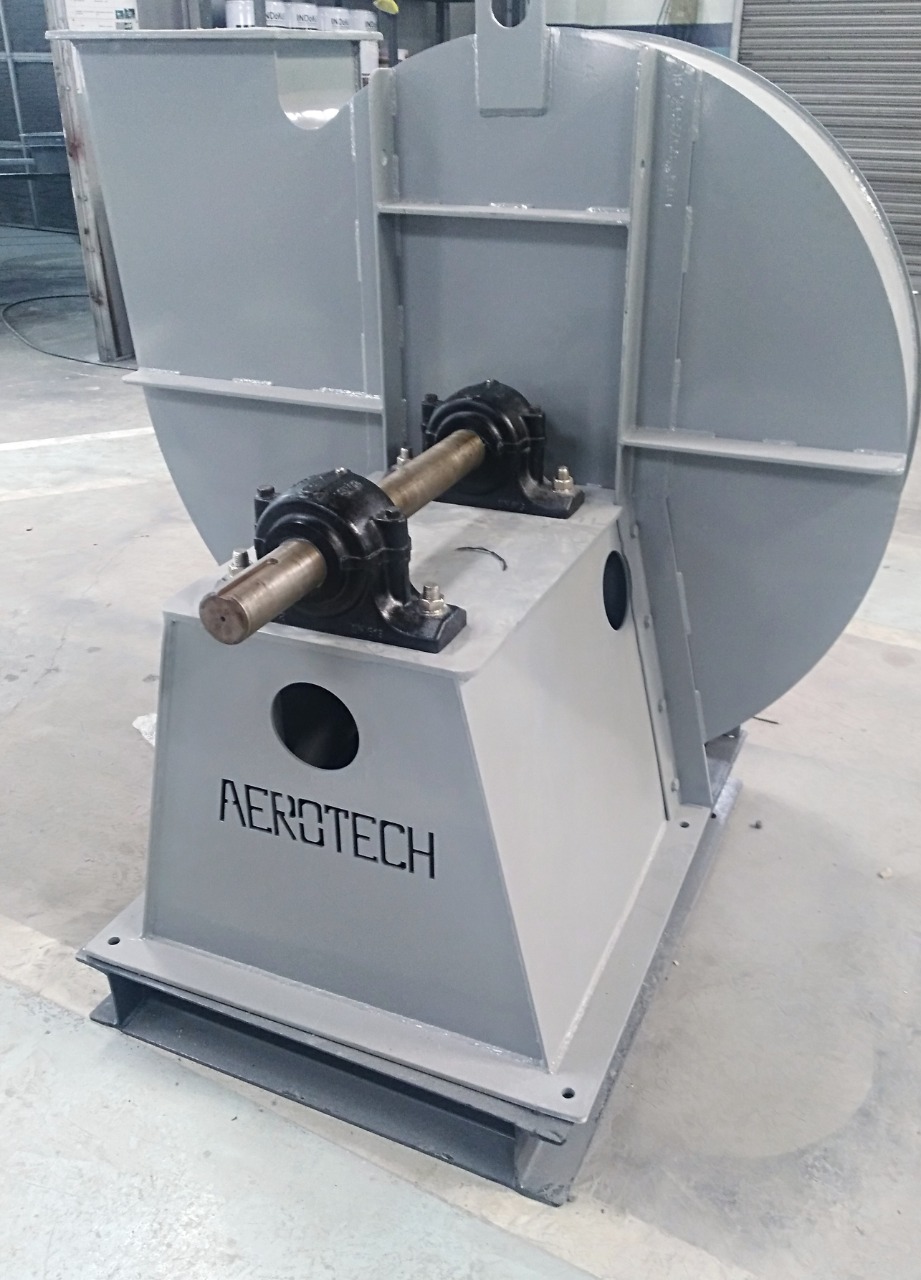
Heavy-Duty Industrial Fume Extraction Blower - High Efficiency Ventilation System
View Details
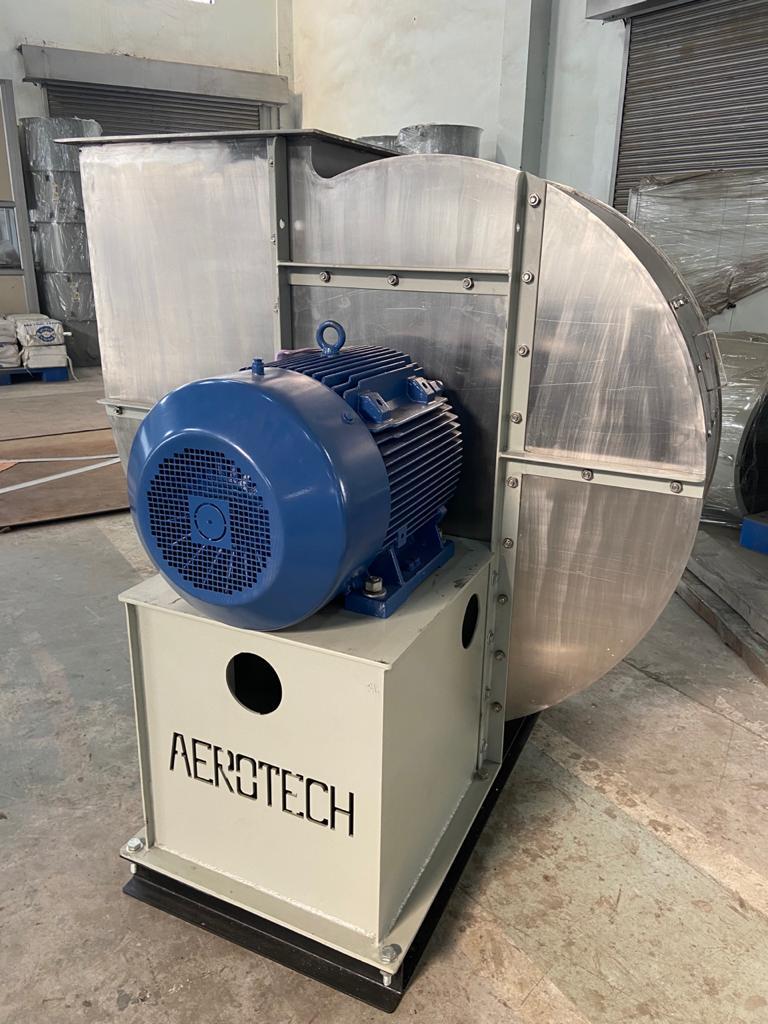
Industrial Low-Pressure Centrifugal Blower - High Efficiency Air Handling Unit
View DetailsAn industrial kitchen blower for ventilation is essential for maintaining clean and safe air conditions in large cooking environments. Whether used in commercial kitchens, food processing plants, or institutional setups, these blowers help remove heat, fumes, and airborne grease while keeping airflow balanced throughout the workspace.
In busy kitchens, exhaust systems operate continuously under high heat and humidity. A properly designed kitchen blower ensures consistent extraction of contaminated air without disrupting pressure balance or increasing energy use. It also helps maintain a comfortable environment for staff and protects other equipment from heat buildup and grease deposits.
| Specification | Standard Exhaust Fan | Industrial Kitchen Blower |
|---|---|---|
| Air Volume Capacity | Low to Medium | High and customizable |
| Material Build | Light steel | Stainless or mild steel |
| Energy Efficiency | Moderate | Optimized for lower power use |
| Maintenance Cycle | Frequent | Extended intervals |
Integrating a kitchen blower for ventilation requires careful attention to duct layout, static pressure, and filtration stages. A well-matched blower maintains balanced airflow and minimizes backpressure or noise. When paired with smart control systems, engineers can achieve better energy management and monitor performance in real time.
Modern ventilation equipment is increasingly focused on sustainability. Industrial kitchen blowers now feature variable frequency drives, precision-balanced impellers, and sound-reducing housings. These improvements help lower energy consumption and extend equipment lifespan while supporting cleaner, safer kitchen operations.
| Feature | Benefit |
|---|---|
| Variable Speed Control | Adjusts airflow for efficient operation |
| Noise Reduction Design | Improves comfort and compliance |
| High Temperature Resistance | Handles continuous exhaust conditions |
| Corrosion Protection | Enhances durability and reliability |
Kitchen blowers are used in restaurants, hotels, food factories, and catering facilities where ventilation demand is high. They can be installed as part of centralized HVAC systems or standalone exhaust setups. Engineers typically choose between centrifugal and axial models based on airflow capacity and available space.
Aerotech Equipments and Projects Pvt. Ltd. (Aeppl) manufactures and exports air handling and ventilation systems built for industrial reliability. With decades of engineering experience, Aeppl offers efficient, durable solutions tailored for demanding environments. Visit Aeppl
It removes heat, grease, and fumes from commercial or industrial kitchens, improving air quality and maintaining safe working conditions.
A kitchen blower provides higher pressure and airflow control, making it suitable for large-scale cooking areas and continuous operation.
Mild steel and stainless steel are preferred for durability and resistance to heat and corrosion.
Yes, most industrial kitchen blowers can be tailored for capacity, pressure, and duct layout to match process needs.
Impeller design, motor efficiency, duct configuration, and filtration system play key roles in determining efficiency.
Periodic cleaning and inspection help maintain performance and prevent grease buildup that can affect airflow.
Many models include variable frequency drives and smart sensors for automated airflow management and energy savings.
Systems should comply with local fire safety and environmental regulations, ensuring proper exhaust and filtration performance.
You can explore options directly on Aeppl's website or contact the sales team at +91-9599785811 or sales@aeppl.com.
Yes, Aeppl provides technical consultation and design assistance for integrating blowers into complex ventilation systems.